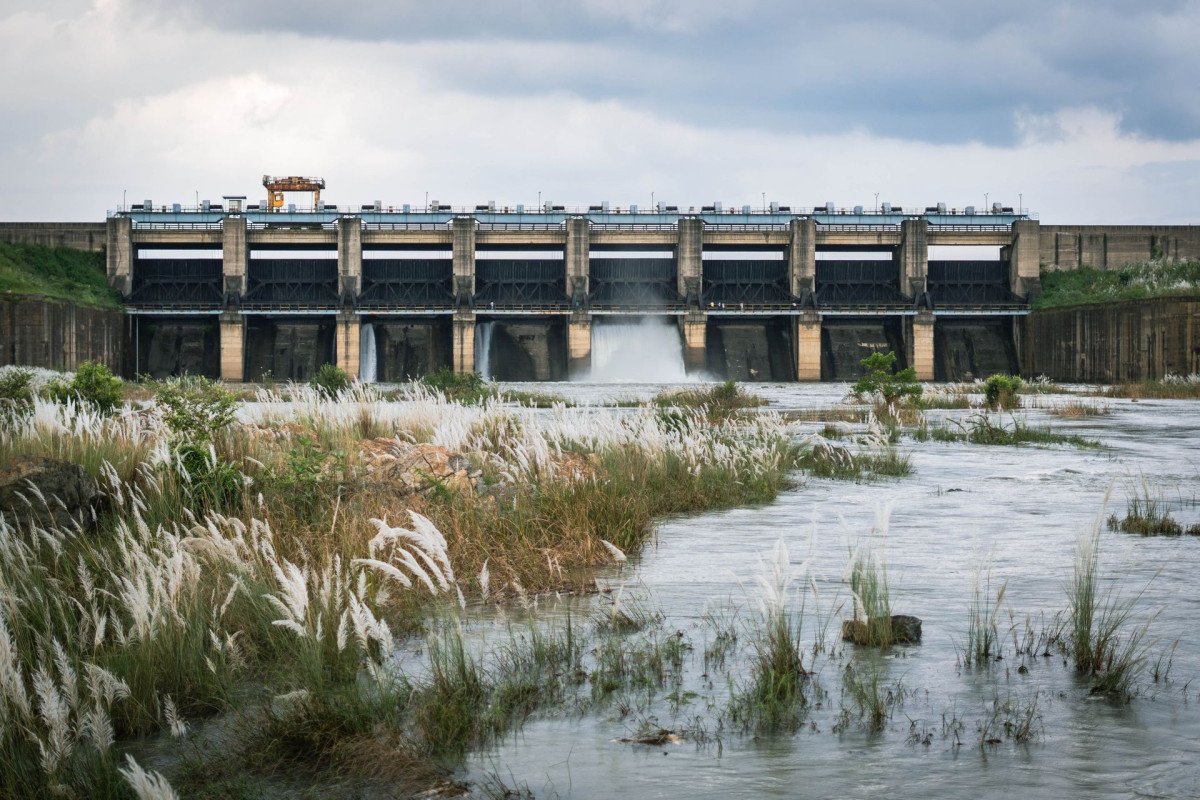
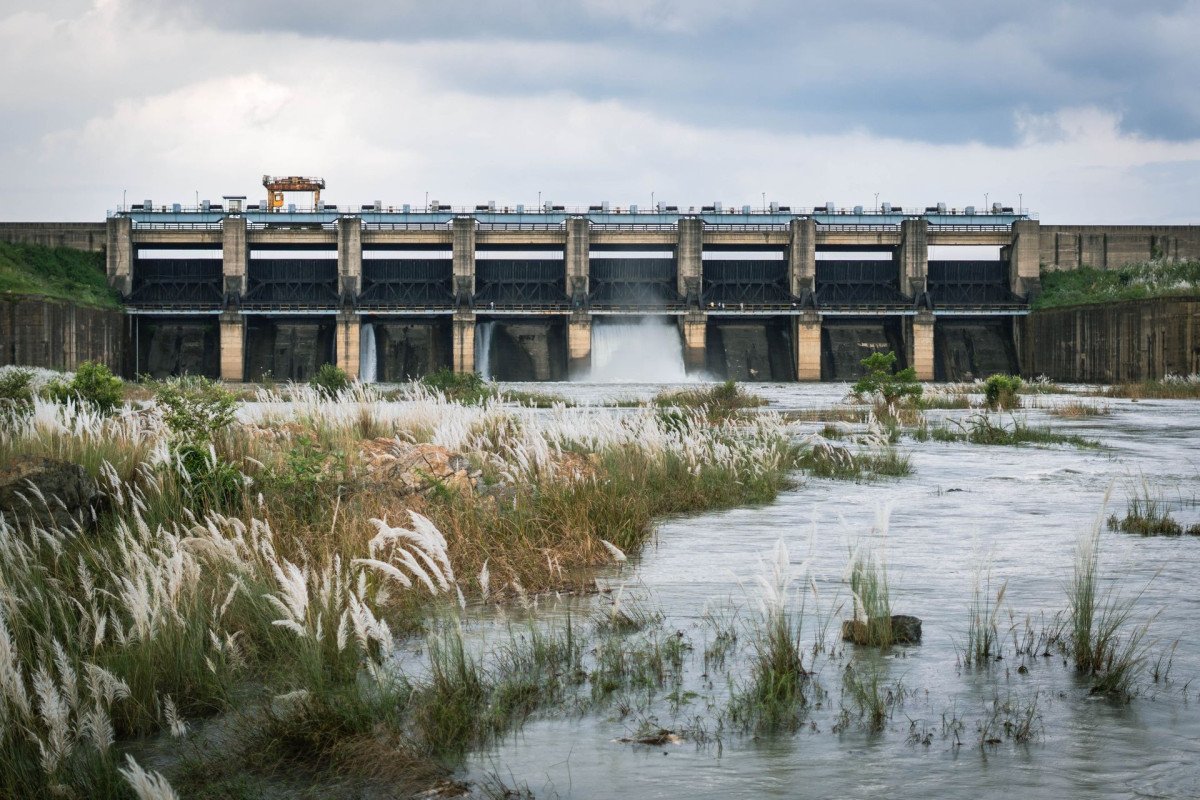
Lupung Panchayat Dam
General information
-
Ideal Duration:
2 to 3 hours (Ideal for a picnic or relaxation):Place Type:
Dam, Reservoir, Picnic Spot, Nature/Scenic:Entry Fees:
Official Entry and Access Policy: There is NO official entry fee to visit the Lupung Panchayat Dam. Being a community-managed and publicly accessible water resource (a Panchayat project), the government or local body does not charge tourists for access to the embankment or ...Official Entry and Access Policy: There is NO official entry fee to visit the Lupung Panchayat Dam. Being a community-managed and publicly accessible water resource (a Panchayat project), the government or local body does not charge tourists for access to the embankment or the surrounding picnic areas. This zero-fee structure significantly contributes to its popularity as a local, budget-friendly destination, especially for students and large family groups.
Parking and Vehicle Charges: Since there are no official, designated parking lots managed by a tourism board, there is NO parking fee. Visitors park their vehicles respectfully on the roadside or in a clear, safe area near the embankment. However, local villagers may occasionally collect a small, voluntary fee (typically nominal, like Rs.10 to Rs.20) for watching vehicles, especially on crowded days like New Year's Day. This should be considered a goodwill gesture to the local community rather than a mandatory charge.
Commercial Activity Fees: Tourists engaging in professional photography, commercial filming, or setting up large commercial food stalls would likely need to seek formal permission from the Lupung Gram Panchayat. For such activities, a fee may be applicable, though standard personal photography is completely free.
Fishing and Water Activity Fees: While recreational fishing may be allowed, tourists should inquire if the local cooperative or Panchayat charges a small fee or requires a permit to maintain the area's ecological balance. For general leisure and relaxation, the dam remains a free and open sanctuary.Timing:
Regular Access Timings: The Lupung Panchayat Dam is essentially a natural, outdoor area with NO official gate or closing time. It is generally accessible 24 hours a day, 7 days a week. However, for safety and convenience, it is strongly recommended that visitors adhere to ...Regular Access Timings: The Lupung Panchayat Dam is essentially a natural, outdoor area with NO official gate or closing time. It is generally accessible 24 hours a day, 7 days a week. However, for safety and convenience, it is strongly recommended that visitors adhere to Daylight Hours for their visit, typically from 6:00 AM to 6:00 PM. Visiting before sunrise or after sunset is not advised due to the remote location, lack of street lighting, and potential safety concerns in the rural area.
Ideal Time for Picnicking and Family Outings: The most popular and ideal time for a family picnic is during the central hours of the day, specifically from 11:00 AM to 3:00 PM. During the Winter months (November to February), the weather is most pleasant at this time, offering warm sunshine perfect for sitting outdoors.
Best Time for Photography and Quiet Reflection: The absolute best time for a serene and picturesque visit is the Early Morning (Sunrise) from 6:00 AM to 8:00 AM or the Late Afternoon (Sunset) from 4:30 PM to 6:00 PM. These times offer the most beautiful light, fewest crowds, and the calmest water for photography and peaceful reflection.
Optimal Seasonal Timing: The period immediately after the monsoon, from October to March, is the optimal season. The dam will be full, the surrounding area will be lush and green, and the day temperatures will be pleasant, making it the ideal overall window to enjoy the dam.Special Events:
Post-Monsoon Community Festival: The most significant unofficial "event" is the local celebration that occurs right after the monsoon season, typically in September or October, when the dam is filled to its capacity. This is often celebrated by the Lupung villagers as a mar...Post-Monsoon Community Festival: The most significant unofficial "event" is the local celebration that occurs right after the monsoon season, typically in September or October, when the dam is filled to its capacity. This is often celebrated by the Lupung villagers as a mark of a successful rainy season, crucial for their crops. The celebration is characterized by small, traditional Pooja (worship) ceremonies near the water body, communal fishing activities, and shared meals (picnics) organized by local families.
Annual Panchayat Mela (Fair): Occasionally, the Lupung Gram Panchayat organizes a small local fair (Mela) in the vicinity of the dam. These events, usually held in the Winter or early Spring months, are primarily focused on promoting local agricultural produce, handicrafts, and livestock. They feature temporary stalls, simple entertainment, and a gathering of people from surrounding villages, offering tourists a rare and lively glimpse into local commerce and culture, highlighting the importance of the dam to the community.
New Year's Day Picnic Rush: While not an organized event, the sheer volume of visitors on January 1st turns the dam area into a festive spectacle. The dam becomes one of Hazaribagh’s most popular unofficial picnic spots, with hundreds of families converging to celebrate the New Year outdoors. This temporary high-energy rush is a special annual occasion that transforms the quiet dam into a lively, vibrant community gathering space for a single day.Best Photo Spots:
The Earthen Embankment Vantage Point: The top of the dam's main earthen wall offers the most expansive view and is the best spot for panoramic shots. From here, one can capture the entire sweep of the water body on one side and the rolling fields and village settlement of L...The Earthen Embankment Vantage Point: The top of the dam's main earthen wall offers the most expansive view and is the best spot for panoramic shots. From here, one can capture the entire sweep of the water body on one side and the rolling fields and village settlement of Lupung on the other. This spot is ideal for wide-angle landscape photography and group photos with the reservoir as the backdrop, especially in the afternoon light.
The Water Inlet/Spillway Area: The section where the main stream or runoff channel enters the reservoir, or the concrete spillway structure, provides an excellent contrast of natural flow and man-made structure. This area is perfect for capturing dynamic photos of moving water (especially after the Monsoon) and can be used for creative shots contrasting textures—the roughness of the concrete against the smooth water and natural earth.
Reflection Points at Dawn and Dusk: The best time for stunning, mirror-like reflection photos is during the calmest part of the day: early morning (6:00 AM to 7:00 AM) or late evening (5:00 PM to 6:00 PM). Positioning the camera low near the water's edge allows for the water surface to act as a perfect mirror, reflecting the clouds, the sky's colors, and the distant treeline, creating beautiful symmetrical compositions.
Amidst the Farmland Borders: The agricultural fields bordering the dam, especially when green with crops during Winter or Monsoon season, offer a rustic, pastoral setting. This spot is ideal for portrait photography or close-up shots of nature, framing the dam's water as a blue or silver streak in the background, contrasting the foreground's textured earth and crops.
The Single, Lone Tree (if present): Often, a single, old, or character-filled tree stands near the water's edge. This is a classic composition element for landscape photography. Placing this tree in the foreground provides scale, depth, and a strong focal point, transforming a simple reservoir photo into an evocative, dramatic image.Photo Gallery
Things To Do
-
Leisurely Lakeside Picnicking: This is the most popular activity. The wide, flat areas around the embankment provide ideal spots to spread out a blanket and enjoy a meal with family and friends. The tranquil water body and surrounding gentle landscape create a perfect, relaxing backdrop for a day-long outing. Visitors should ensure they carry their own food and water, as commercial vendors are rare, and also take care to clean up thoroughly afterward to preserve the natural beauty of Lupung. The cool, refreshing air makes it a superb spot for extended relaxation, particularly between 11:00 AM and 3:00 PM.
Photography and Landscape Sketching: The dam offers boundless opportunities for both amateur and professional photographers. Key subjects include the vast expanse of the reservoir, the distant gentle hills, the reflective w...Leisurely Lakeside Picnicking: This is the most popular activity. The wide, flat areas around the embankment provide ideal spots to spread out a blanket and enjoy a meal with family and friends. The tranquil water body and surrounding gentle landscape create a perfect, relaxing backdrop for a day-long outing. Visitors should ensure they carry their own food and water, as commercial vendors are rare, and also take care to clean up thoroughly afterward to preserve the natural beauty of Lupung. The cool, refreshing air makes it a superb spot for extended relaxation, particularly between 11:00 AM and 3:00 PM.
Photography and Landscape Sketching: The dam offers boundless opportunities for both amateur and professional photographers. Key subjects include the vast expanse of the reservoir, the distant gentle hills, the reflective water surface, and the simple beauty of rural life. Photographers often focus on capturing the golden hours of sunrise and sunset. Artists find the rustic charm of the earthen dam and the lush surrounding greenery to be excellent subjects for landscape painting and sketching, offering a peaceful, inspiring studio environment outdoors.
Nature Walks and Bird Watching: The perimeter of the dam and the nearby village paths of Lupung are ideal for a refreshing nature walk. The ecosystem around the water body supports local flora and fauna. Birdwatchers should carry binoculars, especially during the Winter months, to spot various aquatic and land birds that flock to the reservoir for feeding and resting. Species commonly sighted include egrets, herons, kingfishers, and various small birds native to the Jharkhand forests.
Exploring Local Village Life: A short, respectful stroll into the neighboring Lupung village offers a unique cultural activity. Travelers can observe the traditional Panchayat system at work and interact with the friendly local residents, gaining insights into their agricultural practices and daily routines. It's a chance to experience the genuine warmth of rural hospitality and understand the community that built and maintains the dam. Visitors are encouraged to be respectful of local customs and privacy.
Fishing (with Local Permission): For those interested in angling, the reservoir is home to various local fish species. It is a source of livelihood for local fishermen. Tourists can inquire with the local Panchayat or villagers for permission to indulge in recreational fishing. This activity is best enjoyed in the early morning or late afternoon when the fish are more active and the sun is less intense.
Meditation and Yoga: The profound quietness and peaceful atmosphere of the dam make it an exceptional location for outdoor meditation and yoga practice. Finding a spot on the embankment or under a shade-giving tree allows one to connect with nature and practice mindfulness away from city distractions. The serenity contributes significantly to a relaxing and rejuvenating session, typically best held in the serene hours of the early morning.
Kite Flying and Simple Games: The wide, open space and often gentle winds on top of the embankment make it a perfect place for traditional family activities like kite flying, especially popular during festivals like Makar Sankranti. The open ground is also suitable for simple outdoor games like frisbee or cricket, provided they are played safely away from the water's edge and the dam's structure, allowing families to bond over simple, wholesome fun. The focus is on low-impact, peaceful enjoyment of the natural environment.
Information
-
Why Famous:
The Allure of Untouched Tranquility: The primary fame of Lupung Panchayat Dam comes from its reputation as a quiet, relatively undiscovered spot. Unlike the bustling tourism at Hazaribagh Lake or Canary Hill, Lupung offers genuine peace. Visitors are drawn by the serenity ...The Allure of Untouched Tranquility: The primary fame of Lupung Panchayat Dam comes from its reputation as a quiet, relatively undiscovered spot. Unlike the bustling tourism at Hazaribagh Lake or Canary Hill, Lupung offers genuine peace. Visitors are drawn by the serenity of the water, the clean air, and the lack of commercial noise, making it a sought-after location for local nature lovers who want a quick, authentic escape.
Crucial Local Utility and Lifeline: Its fame is also rooted in its vital role as a community resource. It is the lifeblood for the surrounding agrarian village of Lupung. The dam is famous among local farmers for ensuring water availability throughout the drier Winter months (especially November to February) for irrigation, which makes it a celebrated piece of public work within the Katkamsandi block.
A Budget-Friendly Weekend Getaway: For families and groups of friends in Hazaribagh, the dam is famous for being an excellent, virtually free, and easily accessible picnic spot. Its natural beauty requires no expensive entry fee or complex travel arrangements, allowing anyone to enjoy a day out by the water's edge, enhancing its popularity within the local community, especially during New Year's Day and the Winter season. -
Architecture:
Earthen Embankment Structure: The Lupung Panchayat Dam is predominantly an earth-fill dam, a common type of small-scale reservoir structure in rural India. Its architecture focuses on functionality and cost-effectiveness rather than grand design. The main barrier is a long...Earthen Embankment Structure: The Lupung Panchayat Dam is predominantly an earth-fill dam, a common type of small-scale reservoir structure in rural India. Its architecture focuses on functionality and cost-effectiveness rather than grand design. The main barrier is a long, sloping mound of compacted natural materials like clay, sand, and gravel.
Dimension: While precise engineering dimensions are not publically available, based on typical panchayat-level dams, the embankment likely stretches for approximately 500 to 800 meters in length. Its height is modest, estimated to be between 5 to 8 meters from the base, creating a shallow to medium-depth reservoir.
The Spillway Mechanism: To manage excess water during heavy monsoon rainfall, the dam incorporates a basic but essential spillway, usually a concrete structure or a natural, reinforced section designed to safely discharge overflow water back into the downstream river or stream bed without damaging the main earthen body. This is crucial for structural integrity, especially in the July and August months.
Reservoir Shape and Area: The reservoir behind the dam takes on a sprawling, irregular shape dictated by the natural valley topography. The catchment area and resulting water spread can be estimated to cover around 50 to 100 acres when fully brimming. The architecture is a study in practical, rural engineering, prioritizing water conservation for the Lupung farming community over aesthetic embellishment. -
How To Reach:
By Air: The nearest major airport is Birsa Munda Airport (Ranchi, Code: IXR), which is approximately 100 KM from Hazaribagh city. From Ranchi, travelers can hire a pre-booked taxi or a cab service to reach Hazaribagh (about 2-3 hours). Once in Hazaribagh, a local taxi or a...By Air: The nearest major airport is Birsa Munda Airport (Ranchi, Code: IXR), which is approximately 100 KM from Hazaribagh city. From Ranchi, travelers can hire a pre-booked taxi or a cab service to reach Hazaribagh (about 2-3 hours). Once in Hazaribagh, a local taxi or auto-rickshaw must be hired to complete the final 11 KM journey to the Lupung Panchayat Dam in Lupung village. Another option, though slightly further, is Gaya Airport (Code: GAY) in Bihar, which is approximately 130 KM away. -
Weather and Best Time to Visit:
Peak Tourist Season (Winter): The absolute best time to visit Lupung Panchayat Dam is during the Winter months, from October to March. During this period, the average temperature ranges from a comfortable 10°C to 25°C. The sky is often clear, the air is crisp, and the su...Peak Tourist Season (Winter): The absolute best time to visit Lupung Panchayat Dam is during the Winter months, from October to March. During this period, the average temperature ranges from a comfortable 10°C to 25°C. The sky is often clear, the air is crisp, and the surrounding fields are either lush green or golden with winter crops. This season is ideal for all activities, including long picnics, nature walks, and photography. The water level in the dam is usually high, offering the most expansive views.
Monsoon Season (July to September): The Monsoon season is beautiful, as the rains fill the dam, turning the landscape into a vibrant, dark green hue. However, heavy rains can make the earthen pathways and the final stretch of road to Lupung muddy and difficult to navigate. If visiting during this time, stick to sunny breaks in the rain. This season is best for experiencing the full force of the dam's functionality.
Summer Season (April to June): The Summer months are the least favorable. Temperatures can soar well above 40°C in May and June, and the heat makes extended outdoor activities uncomfortable and potentially unsafe. The dam's water level can also be significantly lower, diminishing its scenic appeal. Visits during this time should be limited to very early mornings.
Best Part of the Day (Sunrise and Sunset): As noted, the most picturesque times of the day are Sunrise (6:00 AM) and Sunset (5:30 PM). The tranquil atmosphere and the magnificent light are unparalleled. For general leisure, the late morning (10:00 AM) is also excellent for a relaxed start to a picnic before the intensity of the mid-day sun. -
Near Tourist Places:
1.
Hazaribagh City Center: Approx. 11 KM (Shopping, dining, hotels). 2.
Hazaribagh Lake: Approx. 13 KM (Boating, promenade, city hub). 3.
Canary Hill: Approx. 15 KM (Observation deck, panoramic views). 4.
Hazaribagh Wildlife Sanctuary (Main Gate): Approx. 30 KM (Nature reserve, dense forest). 5.
Narsingsthan Temple: Approx. 20 KM (Ancient religious site, pilgrimage). 6.
Panchmandir: Approx. 16 KM (Local temple complex). 7.
Satyapriya Park: Approx. 12 KM (City park, recreation). 8.
Konar Dam: Approx. 45 KM (Major reservoir, popular picnic spot). 9.
Isko Village (Rock Art): Approx. 35 KM (Archaeological site, tribal art). 10.
Tilaiya Dam (Jhumri Tilaiya): Approx. 65 KM (Hydroelectric dam, birdwatching).
Tourism Tips
-
Health & Safety Guidelines:
Water Safety: The dam is an uncontrolled water body. Swimming is strictly discouraged as the depth and bed conditions are unknown and there are NO lifeguards. Always keep children under close supervision.Health & Safety Guidelines:
Water Safety: The dam is an uncontrolled water body. Swimming is strictly discouraged as the depth and bed conditions are unknown and there are NO lifeguards. Always keep children under close supervision.
Rural Area Caution: Since the area around Lupung is remote, carry a basic first-aid kit, including antiseptic, band-aids, and pain relievers. Be mindful of snakes or other small wildlife, especially when walking in grassy areas.
Emergency Contacts: Ensure your mobile phone is fully charged, as network coverage can sometimes be spotty in the most remote sections. Have local emergency numbers, including the nearest police station (Katkamsandi), saved.
Packing Essentials:
Food and Drink: As there are no shops or vendors, pack all necessary food, snacks, and especially adequate drinking water for the duration of the visit.
Comfort Items: Carry a thick blanket or mat for sitting, sun protection (sunscreen, hat, sunglasses), and insect repellent, particularly in the late afternoon.
Camera Gear: Don't forget your camera, extra batteries, and a small tripod to capture the beautiful landscape.
Trash Bags: Crucially, carry large garbage bags and ensure all waste is collected and brought back to Hazaribagh for proper disposal. Leave No Trace is essential to protect this natural site.
Accommodation Options: Lupung village offers NO formal tourist accommodation. The best options are located back in Hazaribagh city. Travelers should pre-book hotels or guesthouses in the city center, ranging from budget to mid-range options. Popular choices can be found near the Hazaribagh Lake or on the main NH 33 route. The dam is an ideal day-trip destination from any Hazaribagh hotel. Other Different Topics (Respect & Local Interaction): Visitors must show profound respect for the local community and the dam itself, as it is their lifeline. Do not litter, and do not disrupt the agricultural activities of the Lupung farmers. Ask for permission before taking close-up photos of local residents or their property. Drive slowly and carefully on the rural roads leading to the dam. Pre-arranging transport is the most important logistic tip for a hassle-free visit.
Reviews
FAQs
Hazaribagh Itineray And Cost:-
Lupung Panchayat Dam Tourism:-
Information about New and Updated Locations() of Jharkhand Has Been Added :-
Card subtitle
Note:-
Information provided here in good Faith and for reference only.
All information and pictures will be updated soon, please keep visiting.
Near Places
Badam Fort
Some quick example text to build on the card title and make up the bulk of the card's content.
Go somewhere
Bhadrakali Temple
Some quick example text to build on the card title and make up the bulk of the card's content.
Go somewhere
Canary Hill / Canary Hill Viewing Point
Some quick example text to build on the card title and make up the bulk of the card's content.
Go somewhere
Canary Hill Hazaribagh
Some quick example text to build on the card title and make up the bulk of the card's content.
Go somewhere
Chadwa Dam
Some quick example text to build on the card title and make up the bulk of the card's content.
Go somewhere
Chandro Waterfall
Some quick example text to build on the card title and make up the bulk of the card's content.
Go somewhere
Chatra Forest Range
Some quick example text to build on the card title and make up the bulk of the card's content.
Go somewhere
Galwaan Valley
Some quick example text to build on the card title and make up the bulk of the card's content.
Go somewhere
Hazaribagh Club
Some quick example text to build on the card title and make up the bulk of the card's content.
Go somewhere
Hazaribagh Lake
Some quick example text to build on the card title and make up the bulk of the card's content.
Go somewherein Other Cities