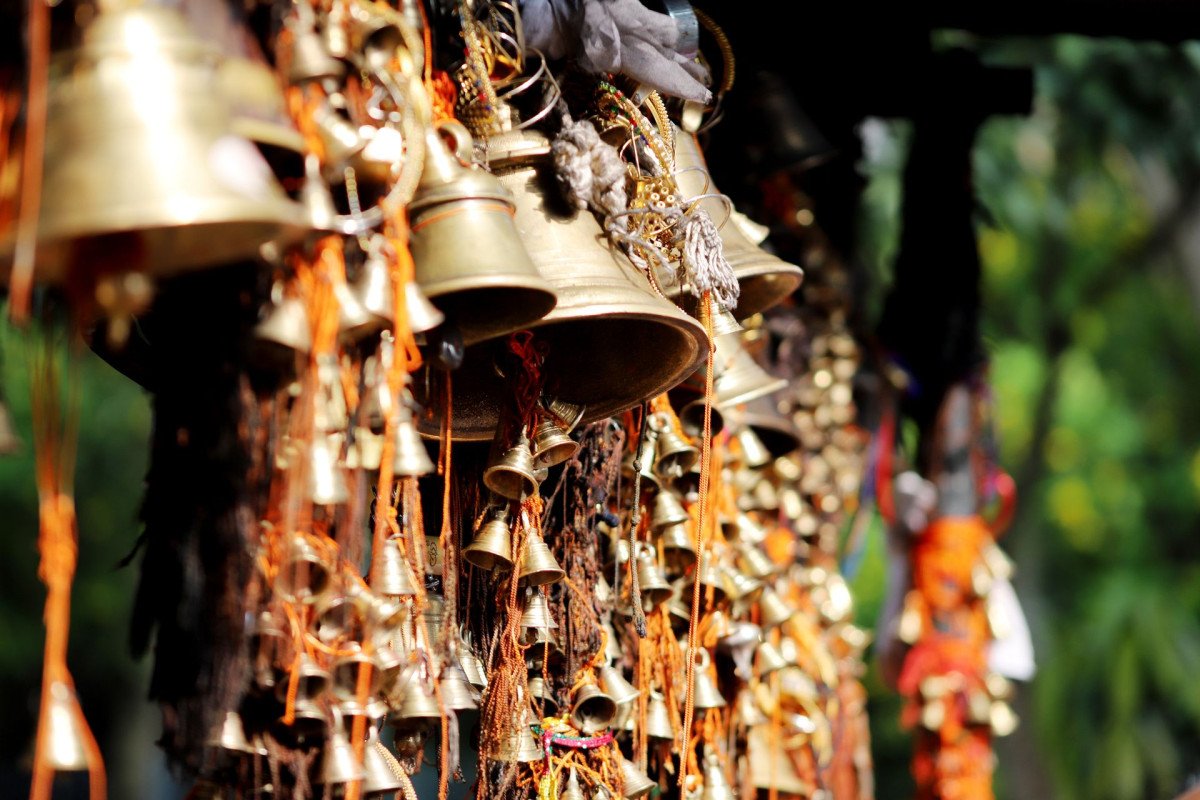
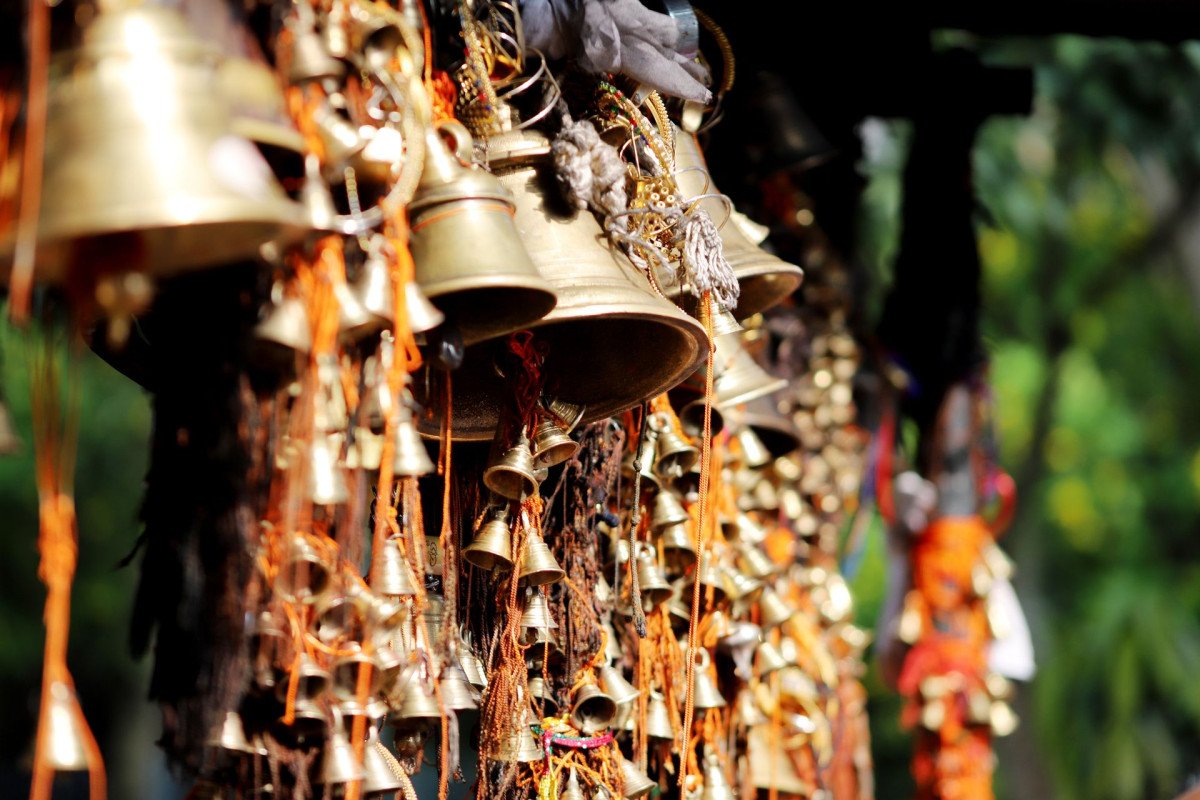
Bhadrakali Temple
General information
-
Ideal Duration:
3-4 hours (Ideal time to explore the entire temple complex, the river bank, and the different shrines: the Bhadrakali Mandir, the Sahastralingam, and the Jain/Buddhist sites).Place Type:
Religious, Historical, Archaeological, PilgrimageEntry Fees:
No Entry Fee for General Visit: There is generally no entry fee for visiting the Bhadrakali Temple complex, which is a common practice for most major Hindu, Buddhist, and Jain pilgrimage sites in India. Devotees and tourists are welcome to visit all parts of the sprawling 1...No Entry Fee for General Visit: There is generally no entry fee for visiting the Bhadrakali Temple complex, which is a common practice for most major Hindu, Buddhist, and Jain pilgrimage sites in India. Devotees and tourists are welcome to visit all parts of the sprawling 158-acre complex, including the Maa Bhadrakali Mandir, the Sahastralingam Shiva Temple, the Jain Tirthankara site, and the Buddhist Stupa, without paying an admission charge.
Voluntary Donations and Ritual Charges: While entry is free, voluntary donations (daan) are welcomed by the temple trust for maintenance and charitable activities. There may be separate charges for special pujas (worship rituals), Mundan Sanskar (head-shaving ceremony), or specific tantric rituals requested by devotees. These are not mandatory but are part of the religious service offerings.
Parking Fees: If traveling by private vehicle or bus, a nominal fee may be charged for parking in the designated areas near the temple complex.
Photography/Videography: Simple personal photography is usually free in the open areas, but visitors should strictly adhere to any rules, particularly prohibiting photography inside the main sanctum sanctorum where the primary idol resides.Timing:
Regular Timings: The Bhadrakali Temple complex is generally open from 6:00 AM to 8:00 PM or 9:00 PM daily. This allows ample time for pilgrims and tourists to visit the main shrines, explore the archaeological sites, and take part in the daily aarti ceremonies.Regular Timings: The Bhadrakali Temple complex is generally open from 6:00 AM to 8:00 PM or 9:00 PM daily. This allows ample time for pilgrims and tourists to visit the main shrines, explore the archaeological sites, and take part in the daily aarti ceremonies.
Early Morning Rituals: The temple opens early to accommodate morning prayers and rituals, which are particularly significant. Visitors should aim to be there around 6:00 AM to 7:00 AM to witness the first aarti and experience the quiet, spiritual energy of the temple before the crowds arrive.
Ideal Visit Time (Best Part of the Day): The ideal time to visit is during the early morning (6:00 AM - 10:00 AM) and the late afternoon/evening (4:00 PM - 7:00 PM). The early morning offers a serene, quiet experience with the cool, pleasant air, perfect for meditation and photography. The evening time allows visitors to witness the beautiful sunset over the surrounding landscape and participate in the highly devotional evening aarti, which often involves traditional music and chanting, providing a powerful, immersive cultural experience. Visiting during the midday hours, especially in the Summer, should be avoided due to intense heat.Special Events:
Navratri Festival Celebrations: The most significant event is the nine-day-long Navratri festival, usually falling in September or October. During this time, the temple transforms into a vibrant hub of religious fervor. Special Pujas (worship ceremonies) and Tantric ritual...Navratri Festival Celebrations: The most significant event is the nine-day-long Navratri festival, usually falling in September or October. During this time, the temple transforms into a vibrant hub of religious fervor. Special Pujas (worship ceremonies) and Tantric rituals are performed to honor Maa Bhadrakali, who is worshipped here as Mata Jagdamba or Bhagwati. The temple is elaborately decorated with lights and flowers, drawing hundreds of thousands of pilgrims. Community events, devotional songs (bhajans), and cultural programs are organized, making it an ideal time to experience the region's spiritual intensity.
Itkhori Mahotsav: This is an annual cultural and religious fair, typically held in February, promoting the area's spiritual and historical significance. The festival is a major government-backed event that showcases local art, folk traditions, and crafts. It attracts not only religious pilgrims but also cultural tourists and is an important platform for local artisans.
Maha Shivratri and Kartik Purnima: Maha Shivratri is also a major event due to the presence of the Sahastralingam Shiva Temple. Kartik Purnima (Bishua), which usually falls after Chhath in October or November, is another special occasion where people flock to the Mahane River reservoir for a holy bath, enjoying the natural beauty of the surroundings.Best Photo Spots:
The Grand Temple Entrance and Façade: The best spot to capture the entire temple complex is from the main entrance area. The elaborate main gate provides a perfect frame for the temple structure behind it. Aim for a wide-angle shot of the main temple façade, especially d...The Grand Temple Entrance and Façade: The best spot to capture the entire temple complex is from the main entrance area. The elaborate main gate provides a perfect frame for the temple structure behind it. Aim for a wide-angle shot of the main temple façade, especially during the golden hours of sunrise or sunset, when the warm light illuminates the traditional architecture.
The Sahastralingam Shiva Temple and Nandi: The colossal Nandi statue, carved from a single stone, is an exceptional photographic subject, symbolizing strength and artistry. Focus on its intricate details or use it as a powerful foreground element with the Sahastralingam temple in the background. Close-up shots of the 1,008 miniature Lingams on the Sahastralingam are also highly recommended for capturing a sense of scale and detail.
The Buddhist Stupa and Jain Footprints: Capture the ancient, mystical aura of the Manauti Stupa. Its simple, massive form contrasts well with the surrounding forest and hills. The spot where the footprints of Sheetal Nath are enshrined also offers a unique opportunity to photograph the rare confluence of three faiths. Use the natural light to highlight the texture of the old stone and the archaeological remnants.Photo Gallery
Things To Do
-
Seek Blessings at the Main Shrine: The primary activity is to offer prayers and seek the blessings of Maa Bhadrakali. The morning and evening aarti (ritual of light) are particularly spiritual and powerful experiences. Devotees often perform various pujas (worship rituals) and offer traditional sacrifices to the Goddess. Explore the Multi-Religious Sites (700+ words target): Devote a significant amount of time to exploring the other religious sites within the 158-acre complex. Visit the Sahastralingam Shiva Temple to pour water over the 1,008 mini-Lingams, a uniquely rewarding act of worship. Next, find the temple housing the footprints of the Jain Tirthankara Sheetal Nath. Conclude this leg of the journey with a quiet contemplation at the ancient Manauti Stupa, a key Buddhist monument. This entire circuit is an unparalleled opportunity to witness the harm...Seek Blessings at the Main Shrine: The primary activity is to offer prayers and seek the blessings of Maa Bhadrakali. The morning and evening aarti (ritual of light) are particularly spiritual and powerful experiences. Devotees often perform various pujas (worship rituals) and offer traditional sacrifices to the Goddess. Explore the Multi-Religious Sites (700+ words target): Devote a significant amount of time to exploring the other religious sites within the 158-acre complex. Visit the Sahastralingam Shiva Temple to pour water over the 1,008 mini-Lingams, a uniquely rewarding act of worship. Next, find the temple housing the footprints of the Jain Tirthankara Sheetal Nath. Conclude this leg of the journey with a quiet contemplation at the ancient Manauti Stupa, a key Buddhist monument. This entire circuit is an unparalleled opportunity to witness the harmonious coexistence of three major world religions in a single campus.
Walk the Serene River Bank: The complex is situated on the banks of the Mahane River. Take a peaceful walk along the river bank. The natural surroundings, with low hills and forests, provide a tranquil backdrop for meditation, reflection, or simply enjoying the natural beauty. The river reservoir is a popular spot during the festival of Kartik Purnima (Bishua), where devotees take a holy dip.
Photography and Nature Spotting: The ancient ruins, the sprawling complex, and the serene river offer numerous picturesque settings for photography. Capture the intricate carvings on the Nandi statue, the majestic architecture of the main temple against the sky, and the natural beauty of the surrounding foliage. It is also an excellent spot for bird-watching and nature photography, especially during the Winter months, when the air is crisp and the light is soft. The contrast between the ancient stone structures and the lush green background provides stunning frames.
Attend Local Fairs and Events: Plan your visit to coincide with the annual Itkhori Mahotsav, a vibrant cultural fair usually held in February. Attending this festival provides a deep insight into the local culture, folk music, dance, and handicrafts. Also, the nine days of Navratri and the night of Maha Shivratri are times of immense spiritual celebration at the temple, offering a powerful, immersive cultural experience.
Savor Local Cuisine: Explore the small eateries (like the dhabas and food plaza) located near the temple complex. Sample authentic Jharkhandi and Bihari regional snacks and meals. Local sweets and traditional refreshments offer a taste of the region’s hospitality.
Engage with Local Guides: To truly appreciate the complex history and the fascinating legends of the site—especially the details regarding the archaeological finds and the significance of the Brahmi inscription—it is highly recommended to hire a local guide. Their knowledge provides a deeper, richer understanding of this ancient confluence.
Information
-
Why Famous:
Confluence of Three Religions: The primary reason for the temple's fame is its unique identity as a site sacred to Hinduism, Buddhism, and Jainism. For Hindus, it is a significant Shakti Peetha, dedicated to Maa Bhadrakali. For Buddhists, it is associated with Gautam Buddh...Confluence of Three Religions: The primary reason for the temple's fame is its unique identity as a site sacred to Hinduism, Buddhism, and Jainism. For Hindus, it is a significant Shakti Peetha, dedicated to Maa Bhadrakali. For Buddhists, it is associated with Gautam Buddha's early life and features the large stupa. For Jains, it is believed to be the birthplace of Sheetal Nath, the 10th Tirthankara. This tripartite religious heritage draws devotees and scholars of all three faiths.
Ancient Historical Significance: The temple's history, dating back to the Pala Dynasty (7th-10th century A. D. ), as evidenced by the Brahmi inscription, makes it one of the oldest and most historically valuable religious sites in Jharkhand. The discovery of ancient artifacts, including the footprints of the Jain Tirthankara, during archaeological excavations by the Archeological Survey of India (ASI) has cemented its status as a pivotal archaeological landmark, shedding light on the socio-religious history of the region.
The Legend of "Itkhori": The captivating legend behind the place name, Itkhori ("Lost Him Here"), links it directly to the life of Prince Siddhartha (Buddha). This unique nomenclature, stemming from a moment of profound significance in religious history, adds a layer of mystical allure that attracts history enthusiasts and spiritual seekers. The overall fame is thus built on a strong foundation of mythological, historical, and multi-religious interconnectedness. -
Architecture:
Architectural Harmony of Three Faiths: The architecture of the Bhadrakali Temple complex is a unique blend of historical periods and religious styles, reflecting the site's rich and diverse past. It is predominantly built in a traditional North Indian style, often referred ...Architectural Harmony of Three Faiths: The architecture of the Bhadrakali Temple complex is a unique blend of historical periods and religious styles, reflecting the site's rich and diverse past. It is predominantly built in a traditional North Indian style, often referred to as the Nagara style for the Hindu shrines, but with key structural elements showing Buddhist and Jain influences.
The Main Temple and Idol: The central temple, dedicated to Maa Bhadrakali, is a modern structure built upon ancient ruins. The sanctum sanctorum houses the approximately five-foot tall, four-armed idol of the goddess, carved from a single piece of polished black stone. The inscription in Brahmi script on its base provides vital historical context. The main temple design is relatively simple but elegant, featuring traditional Hindu motifs and a domed roof above the sanctum, a common feature in temple renovations.
Dimension and Complex Layout: The entire complex is vast, spread over an area of approximately 158 acres, which is significant for an archaeological and religious site. The layout is not confined to a single architectural style but is a collection of various structures. The complex includes the main Bhadrakali Temple, the Sahastralingam (Thousand Lingam) Shiva Temple, and a temple for Hanumanji.
Dimension of Sahastralingam Temple: A notable architectural marvel is the Sahastralingam, a Shiva Lingam carved from a single stone, featuring 1,008 miniature Shivlings etched into its surface. This exquisite piece of sculpture exemplifies the region's mastery of stone carving and is a focal point of worship.
Buddhist and Jain Structures: The most unique feature is the presence of non-Hindu structures. The large, cylindrical Buddhist Stupa (known as the Manauti Stupa) stands as a testament to the Buddhist influence. Furthermore, the temple dedicated to the 10th Jain Tirthankara, Sheetal Nath, containing his footprints unearthed in the 1980s, showcases the Jain connection. The structures unearthed during excavations—including ancient walls, pillars, and a possible Chaitya (Buddhist prayer hall)—show a fusion of early medieval, Pala, and local art forms. This architectural mix is a tangible representation of the syncretic spiritual history of the region. -
How To Reach:
By Air (400+ words target): The nearest major airport to Itkhori (the temple's location) is Birsa Munda Airport (IXR) in Ranchi, the capital of Jharkhand. Ranchi Airport is approximately 135 KMS from the temple. It has excellent connectivity with major Indian cities like D...By Air (400+ words target): The nearest major airport to Itkhori (the temple's location) is Birsa Munda Airport (IXR) in Ranchi, the capital of Jharkhand. Ranchi Airport is approximately 135 KMS from the temple. It has excellent connectivity with major Indian cities like Delhi, Mumbai, Kolkata, Bengaluru, and Patna. From the airport, visitors can easily hire a pre-paid taxi or a private car to reach the temple. The drive takes about 3 to 4 hours and offers scenic views of the Chota Nagpur Plateau. Alternatively, the Gaya International Airport (GAY) in Bihar is another option, located about 120 KMS away, though it has fewer flight options.
By Train: The nearest major railway station is Hazaribagh Town Railway Station (HZR), located about 50 KMS away, which is connected to some regional routes. However, a more convenient and well-connected option is Koderma Junction (KQR), approximately 80 KMS away, or Ramgarh Cantonment (RMT). From these stations, you can hire local taxis or auto-rickshaws. Gaya Junction (GAYA), around 100 KMS away, is a major railway hub with excellent connectivity to almost all parts of India, making it a preferable choice for long-distance travelers.
By Road: The temple is located in Itkhori, which is well-connected to the major cities via the national and state highway networks. It is situated about 16 KMS west of Chauparan on the Grand Trunk (G. T. ) Road (NH 19/NH 2). It is about 50 KMS from Hazaribagh city center and 35 KMS from Chatra town. State and private buses operate regularly from Hazaribagh, Chatra, Ranchi, and Gaya to nearby areas like Chauparan and Itkhori Block Headquarters. Hiring a private taxi or driving your own vehicle is the most convenient way to reach the temple directly, allowing flexibility to explore the complex and surrounding areas. The road journey from Hazaribagh is a pleasant drive through rural and forested landscapes.
By Local Transport: From the nearest towns and block headquarters, local transport options include shared auto-rickshaws, cycle-rickshaws, and private taxis. Within the large temple complex, most of the exploration is done on foot. -
Weather and Best Time to Visit:
The Ideal Season (October to March): The best time to visit the Bhadrakali Temple is during the Winter season, which spans from October to March. During these months, the weather is cool and highly pleasant, with daytime temperatures ranging from 10°C to 25°C. This comfo...The Ideal Season (October to March): The best time to visit the Bhadrakali Temple is during the Winter season, which spans from October to March. During these months, the weather is cool and highly pleasant, with daytime temperatures ranging from 10°C to 25°C. This comfortable climate is perfect for leisurely walks around the large temple complex, exploring the archaeological ruins, and enjoying the natural serenity of the Mahane River bank. The days are sunny but not harsh, making it ideal for photography and outdoor activities.
The Monsoon Season (July to September): The Monsoon season brings heavy rainfall to the region. While the surrounding area turns lush and intensely green, the wet weather can sometimes hamper sightseeing and make the roads slightly challenging. However, the washed-clean environment and misty views offer a unique, beautiful perspective for those who enjoy the rain.
The Summer Season (April to June): The Summer months are characterized by extreme heat, with temperatures often soaring above 40°C. Visiting during this time can be uncomfortable and is generally not recommended, especially during midday. If visiting in summer is unavoidable, one should restrict the visit to the very early morning or late evening. -
Near Tourist Places:
1. Canary Hill (Hazaribagh) - 50 KMS (A popular hill for panoramic views). 2. Hazaribagh Lake (Jheel) (Hazaribagh) - 50 KMS (Scenic lake in the city center). 3. Hazaribagh National Park/Wildlife Sanctuary - 65 KMS (A preserved forest for wildlife viewing). 4. Rajrappa Temple (Ramgarh) - 70 KMS (A significant Shakti Peetha at the confluence of rivers). 5. Konar Dam (Hazaribagh) - 75 KMS (A picturesque dam and picnic spot). 6. Surajkund Hot Spring (Hazaribagh) - 90 KMS (A natural hot spring with medicinal value). 7. Gaya (Bihar) - 100 KMS (Major city and gateway to Bodh Gaya and Rajgir). 8. Ranchi (Jharkhand Capital) - 135 KMS (Major city with attractions like Tagore Hill and Jonha Falls). 9. Padma Fort/Kila (Padma Village, Hazaribagh) - 35 KMS (Historical ruins of the Ramgarh Raj). 10. Tilaiya Dam (Koderma) - 110 KMS (Major dam on the Barakar River).
Tourism Tips
-
Health & Safety (400+ words target): Carry essential medications, a basic first-aid kit, and an antiseptic cream. The large complex involves significant walking, so wear comfortable, closed-toe walking shoes. Protect yourself from the sun, even in Winter, by carrying a hat...Health & Safety (400+ words target): Carry essential medications, a basic first-aid kit, and an antiseptic cream. The large complex involves significant walking, so wear comfortable, closed-toe walking shoes. Protect yourself from the sun, even in Winter, by carrying a hat, sunglasses, and high-SPF sunscreen. Hydration is crucial; always carry a reusable water bottle. While the area is generally safe, be mindful of your belongings, particularly in crowded areas during festivals like Navratri. Keep an eye out for monkeys around the temple, as they can sometimes be mischievous.
Packing and Dress Code: As a sacred site, respectful attire is mandatory. Both men and women should dress modestly, covering shoulders and legs. Traditional Indian wear is ideal. In Winter, pack light to medium woolen clothing, as morning and evening temperatures can be quite low. In Monsoon, include rain gear, such as a waterproof jacket and umbrella. Carry a camera to capture the beautiful scenery and architecture, but remember to check photography rules inside the main shrine.
Accommodation: Since Itkhori is a smaller town, accommodation options are basic. It is highly recommended to book accommodation in the nearby city of Hazaribagh (50 KMS away) or Chatra, both of which offer a range of hotels, resorts, and guest houses, including budget and mid-range options. Look for hotels with good ratings and check for amenities like parking and in-house restaurants.
Other Topics (Respect and Guide): Respect local customs and traditions. Observe silence in the inner sanctums and ask for permission before photographing people. It is highly beneficial to hire a local guide, as the history of the Bhadrakali Temple and the interfaith complexity of the site are not immediately apparent, and a guide can provide the necessary historical context. Plan your travel with buffer time, as traffic or road conditions can sometimes cause delays, especially during festival times. Always carry some cash, as smaller vendors or local transport might not accept digital payments.
Reviews
FAQs
Hazaribagh Itineray And Cost:-
Bhadrakali Temple Tourism:-
Other Places In Hazaribagh :-
Other States In India :-
Information about New and Updated Locations() of Jharkhand Has Been Added :-
Card subtitle
Note:-
Information provided here in good Faith and for reference only.
Near Places
Badam Fort
Some quick example text to build on the card title and make up the bulk of the card's content.
Go somewhere
Bhadrakali Temple
Some quick example text to build on the card title and make up the bulk of the card's content.
Go somewhere
Canary Hill / Canary Hill Viewing Point
Some quick example text to build on the card title and make up the bulk of the card's content.
Go somewhere
Canary Hill Hazaribagh
Some quick example text to build on the card title and make up the bulk of the card's content.
Go somewhere
Chadwa Dam
Some quick example text to build on the card title and make up the bulk of the card's content.
Go somewhere
Chandro Waterfall
Some quick example text to build on the card title and make up the bulk of the card's content.
Go somewhere
Chatra Forest Range
Some quick example text to build on the card title and make up the bulk of the card's content.
Go somewhere
Galwaan Valley
Some quick example text to build on the card title and make up the bulk of the card's content.
Go somewhere
Hazaribagh Club
Some quick example text to build on the card title and make up the bulk of the card's content.
Go somewhere
Hazaribagh Lake
Some quick example text to build on the card title and make up the bulk of the card's content.
Go somewhere
Hazaribagh National Park / Wildlife Sanctuary
Some quick example text to build on the card title and make up the bulk of the card's content.
Go somewhere
Holy Cross Church, Korrah
Some quick example text to build on the card title and make up the bulk of the card's content.
Go somewhere
Isko Village Cave Paintings
Some quick example text to build on the card title and make up the bulk of the card's content.
Go somewhere
Jamunia Dam
Some quick example text to build on the card title and make up the bulk of the card's content.
Go somewhere
Konar Dam
Some quick example text to build on the card title and make up the bulk of the card's content.
Go somewhere
Korrah
Some quick example text to build on the card title and make up the bulk of the card's content.
Go somewherein Other Cities