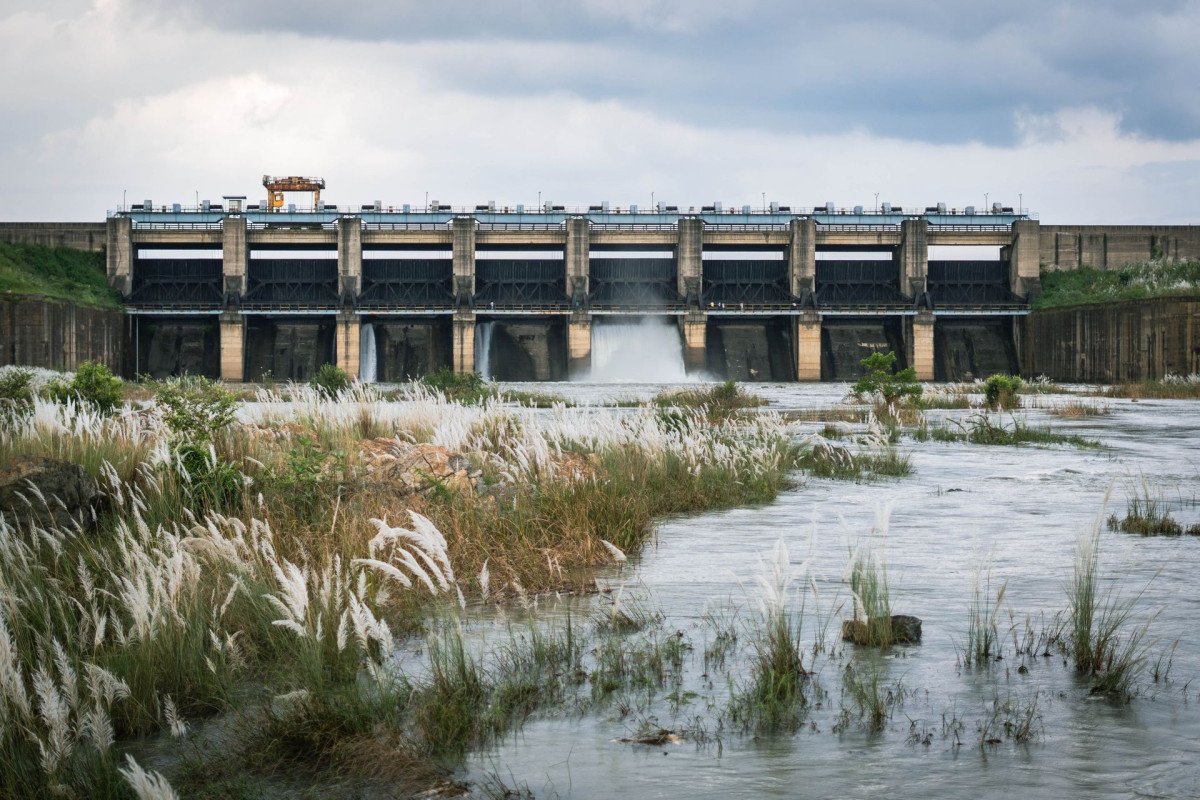
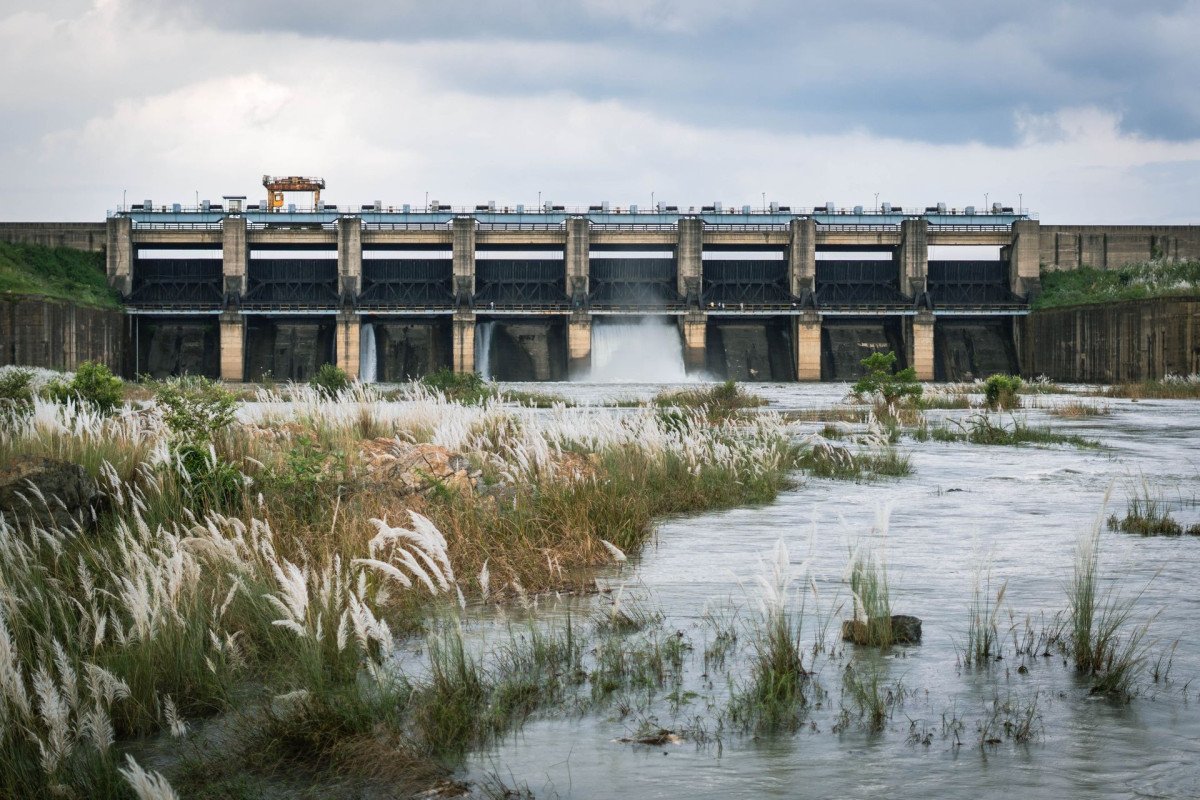
Badam Fort
General information
-
Ideal Duration:
2 to 3 Hours: This duration is ideal for exploring the main ruins, reading the historical plaques (if any), taking photographs, and enjoying the natural surroundings. A leisurely walk around the perimeter of the existing walls and the central ruins will easily take this time.Place Type:
Historical Fort / Archaeological Site / Heritage TEntry Fees:
Entry is Free for All Visitors:
Cost of Heritage Exploration: As an ancient, protected ruin and not a formally commercialized tourist complex, there is no official entry fee or ticket required to access the Badam Fort premises. Visitors can ...Entry is Free for All Visitors:
Cost of Heritage Exploration: As an ancient, protected ruin and not a formally commercialized tourist complex, there is no official entry fee or ticket required to access the Badam Fort premises. Visitors can freely enter the area during daylight hours. This non-commercial nature of the site is one of its appeals, allowing for unhindered exploration.
Voluntary Contributions and Local Support:
Supporting Local Communities: While entry is free, visitors are sometimes approached by local villagers who act as informal guides or offer small services (like parking assistance). It is common to give a small voluntary tip (e. g. , Rs.50-Rs.100) to these individuals to support the local community and, informally, for the upkeep of the area, though this is not a mandatory fee.
Parking and Photography Charges:
Vehicle and Equipment Charges: There are no official charges for vehicle parking near the fort site, nor are there any charges for photography or videography, including for professional equipment. However, parking is informal and managed by local villagers, who might request a minimal fee (e. g. , Rs.20-Rs.30) to watch your vehicle. Any such charges are locally managed and should be considered as a tip or local convenience fee rather than an official government fee.Timing:
Regular Timings:
Sunrise to Sunset:
Standard Operating Hours: The Badam Fort is an open historical ruin without a formal boundary wall or entrance gate that is locked at night. Therefore, the generally accept...Regular Timings:
Sunrise to Sunset:
Standard Operating Hours: The Badam Fort is an open historical ruin without a formal boundary wall or entrance gate that is locked at night. Therefore, the generally accepted visiting hours are from Sunrise (approx. 6:00 AM) to Sunset (approx. 5:00 PM to 6:00 PM), which is safe and practical. Visitors are strongly advised not to stay after sunset due to the remote location, lack of lighting, and absence of security personnel.
Ideal Visit Time:
Early Morning and Late Afternoon:
The Best Light and Weather: The most ideal time to visit is in the early morning (between 7:00 AM and 10:00 AM) or the late afternoon (between 3:00 PM and 5:00 PM). The weather is cooler during these periods, and the quality of light (Golden Hour) is perfect for photography, highlighting the texture and drama of the ruins. Visiting during the midday sun (11:00 AM to 2:00 PM) is generally uncomfortable, especially in the Summer.
Seasonal Variation: In Winter (October to February), the daytime is pleasant, making a midday visit tolerable, but the mornings can be quite foggy.Special Events:
Local Heritage Day Visits: While there are no large-scale, regularly scheduled annual festivals or fairs held within the fort ruins themselves due to its protected status and remote location, the fort often sees a surge in visitors during regional or state-level Heritage Day...Local Heritage Day Visits: While there are no large-scale, regularly scheduled annual festivals or fairs held within the fort ruins themselves due to its protected status and remote location, the fort often sees a surge in visitors during regional or state-level Heritage Days or on significant days of the Ramgarh Raj historical calendar. On these occasional days, local history groups, school excursions, and history enthusiasts may organize guided tours or small commemorative events to discuss the fort's significance.
Post-Monsoon Nature Exploration: The period immediately following the Monsoon (late September to November) is a special time for the fort, transforming the rugged area into a lush, green landscape. The Badami River flows strongly, and the overall natural environment is at its peak beauty. This "special season" draws nature photographers and local families looking to experience the picturesque countryside, although it's a natural event rather than an organized human one. The fort becomes the centerpiece of a vibrant ecological display.Best Photo Spots:
The Archway of Singh Darwaja: The towering arch of the main gate, or Singh Darwaja, is undoubtedly the most iconic photo spot.
The Golden Hour Gateway: Best photographed early in the morning (Sunrise) or late afternoon (Sunset). The low-ang...The Archway of Singh Darwaja: The towering arch of the main gate, or Singh Darwaja, is undoubtedly the most iconic photo spot.
The Golden Hour Gateway: Best photographed early in the morning (Sunrise) or late afternoon (Sunset). The low-angle sunlight highlights the massive stonework, deep shadows, and the rugged texture of the walls, giving the ruins a dramatic, ancient look. Capture the gate's arch with a person standing beneath it for a sense of scale.
Framing the Ruins: The gate's structure also provides a natural frame for the inner ruins, creating a 'window to the past' effect.
Panoramic Plateau View:
The Landscape Panorama: This spot, located at the edge of the plateau overlooking the Badami River valley, offers a sweeping vista of the forested hills and the meandering river. Use a wide-angle lens to capture the vastness of the landscape. The best time for this shot is during the clear winter months (October to February) when the air is crisp, and the visibility is high.
Details of Architectural Fragments:
Textures of Time: Focus on the intricate details of the remaining stonework, the weathering effects on the red sandstone, and the way the roots of trees have intertwined with the walls. These close-up shots (macro or telephoto) tell a detailed story of decay and endurance. Look for the remnants of watchtowers or old step structures for unique compositional elements.Photo Gallery
Things To Do
-
Historical Exploration and Photography Session (Approximately 1.
5 Hours): Begin your visit at the Singh Darwaja, the main gate. Spend time observing the scale of the fortification, imagining the guards and processions that once passed through. Take wide-angle photographs of the gate to capture its imposing nature against the sky. Walk along the remnants of the outer walls, paying attention to the construction materials and the decay patterns, which tell the story of time. Look for distinct architectural features like remnants of staircases or old watch points. The historical exploration should be a slow, deliberate walk, allowing the atmosphere of the past to sink in. Capture the texture of the old stone walls and the interaction of the ancient ruins with the wild vegetation. Nature Trail and River View Hike (Appr...Historical Exploration and Photography Session (Approximately 1.
5 Hours): Begin your visit at the Singh Darwaja, the main gate. Spend time observing the scale of the fortification, imagining the guards and processions that once passed through. Take wide-angle photographs of the gate to capture its imposing nature against the sky. Walk along the remnants of the outer walls, paying attention to the construction materials and the decay patterns, which tell the story of time. Look for distinct architectural features like remnants of staircases or old watch points. The historical exploration should be a slow, deliberate walk, allowing the atmosphere of the past to sink in. Capture the texture of the old stone walls and the interaction of the ancient ruins with the wild vegetation. Nature Trail and River View Hike (Approximately 1.
0 Hour): Venture out from the main ruins towards the plateau's edge that overlooks the Badami River. This small hike offers a refreshing break from the history lesson. The trail, though not officially marked, is generally easy to navigate along the high ground. The goal is to find a clear spot to view the river. The natural beauty of the surrounding forest and the flowing water is a major attraction. Engage in bird watching—the surrounding forests are home to various avian species. This activity is best enjoyed in the cooler morning or late afternoon hours. Remember to wear appropriate footwear for the uneven terrain. Picnic and Relaxation (Approximately 1.
5 Hours): The area surrounding the fort's plateau, particularly near the river bank (at a safe distance), provides an excellent location for a quiet picnic. Since the fort is not overly crowded, visitors can find a peaceful spot to relax and have a meal amidst nature. Pack your own food and refreshments, as there are no commercial eateries near the site. Utilize this time to read a book, sketch the ruins, or simply enjoy the tranquility and clean air. Always ensure to carry back all waste to keep the site pristine. Sunset Viewing (Approximately 0.
5 Hour): If you plan your visit for the late afternoon, the sunset view from the fort's elevated location can be spectacular. The setting sun casting long shadows over the ruins and illuminating the valley below offers a magical photographic opportunity. It's a perfect way to conclude the visit, provided you arrange for transport back to Hazaribagh before it gets dark, as local transport options may be scarce in the evening.
Information
-
Why Famous:
Capital of Ramgarh Raj: Badam Fort is historically significant because it served as one of the major capitals of the Ramgarh Raj dynasty, a powerful ruling family in the Chota Nagpur Plateau during the 17th century. The reign of Raja Hemant Singh, who fortified and establis...Capital of Ramgarh Raj: Badam Fort is historically significant because it served as one of the major capitals of the Ramgarh Raj dynasty, a powerful ruling family in the Chota Nagpur Plateau during the 17th century. The reign of Raja Hemant Singh, who fortified and established the fort, marks a pivotal period in the dynasty’s history, showcasing their expansion and consolidation of power in the region. This history makes the fort a key marker in the political geography of pre-colonial Jharkhand.
Architectural Legacy of the Hemant Singh Era: The remnants of the fort, especially the imposing Singh Darwaja (Lion Gate), are a testament to the military and architectural skills of the era. The blend of local building traditions with Mughal influences, imported by the masons from places like Patna, is a fascinating subject for architectural historians. The massive, defensive structure speaks volumes about the constant threat of conflict that necessitated such strong fortifications against neighboring kingdoms and external forces. It is one of the few surviving tangible structures of the early Ramgarh Raj.
Connection to the Badami River: The picturesque location of the fort on a plateau, with the Badami River flowing nearby, is a major reason for its fame among local tourists. The river provided a water source and an additional defensive barrier, and the confluence of nature and history offers a uniquely beautiful and serene atmosphere, distinguishing it from purely administrative forts. Its setting in the rugged, forested landscape of Hazaribagh is a primary draw. -
Architecture:
Historical Architectural Style:
Blending Regional and Mughal Influences: The architecture of Badam Fort reflects a fusion of the indigenous regional style with noticeable influences from the prevailing Mughal architecture of North India, a co...Historical Architectural Style:
Blending Regional and Mughal Influences: The architecture of Badam Fort reflects a fusion of the indigenous regional style with noticeable influences from the prevailing Mughal architecture of North India, a common trend among regional powers seeking to align with or emulate the imperial court. The fort was built using locally sourced materials, primarily coarse red sandstone, stone rubble, and brick. This gives the surviving structures a distinct reddish-brown hue that blends with the surrounding soil. The construction, supervised by masons reportedly brought from Patna (the capital of the Mughal province of Bihar), points to an effort to employ skilled craftsmanship.
Key Architectural Dimensions and Features: The fort complex was strategically situated on an elevated ground for defensive purposes. The overall fort area is extensive, though the original perimeter wall and inner structures are now heavily fragmented. A crucial surviving element is the Singh Darwaja (Main Gate), which is a massive, two-story structure, a common defensive design.
Dimension: The gate is estimated to have a height of around 15-20 feet and a width of approximately 10-12 feet, with thick masonry walls potentially exceeding 5 feet in thickness at the base for structural integrity and defense. The upper story of the gatehouse likely contained guard rooms or watchtowers, with provisions for staircases (now ruined). The walls feature remnants of battlements and possibly arrow/gun loops, though these details are largely obscured by time. The inner complex would have contained royal palaces (Mahal), administrative offices (Diwan-e-Aam, Diwan-e-Khas), barracks, and a treasury, but only foundations and fragmented walls remain. The use of large stone blocks for the foundation and smaller, dressed stones or bricks for the upper stories is evident. The architectural detailing on the Singh Darwaja includes minimal ornamentation, focusing more on a rugged, formidable defense structure. -
How To Reach:
By Air:
Via Ranchi or Gaya:
Nearest Airports: The nearest major airport is Birsa Munda Airport (IXR) in Ranchi, approximately 135-145 KMS away. A secondary, but farther, option is Gaya International Airport (...By Air:
Via Ranchi or Gaya:
Nearest Airports: The nearest major airport is Birsa Munda Airport (IXR) in Ranchi, approximately 135-145 KMS away. A secondary, but farther, option is Gaya International Airport (GAY) in Gaya, Bihar, about 150-160 KMS away. From either airport, one must hire a pre-booked taxi or use ride-sharing services for the long road journey to Hazaribagh city, and then take local transport to the fort. The drive from Ranchi takes approximately 3 to 4 hours.
By Train:
Via Hazaribagh Town or Koderma:
Key Railheads: The most convenient railway station is Hazaribagh Town Railway Station (HZD), which is approximately 40-45 KMS from the fort. It has good connectivity to major cities. Another option is Koderma Junction Railway Station (KQR), approximately 70-80 KMS away, which is a major station on the Howrah-Gaya-Delhi line. From the station, pre-paid taxis or local transport (taxis, shared jeeps) must be hired to reach Badam Fort. The journey by road from Hazaribagh Town station takes about 1. 5 to 2 hours.
By Road:
Well-Connected National Highway:
Road Connectivity: Hazaribagh is well-connected by National Highway 33 (NH33) and other state highways. The fort is located off the main highway, near the village of Badam and the Barkagaon area. From Hazaribagh city, the best way to reach is by hiring a private taxi or a local cab. The road condition for the main part is generally good, but the last few kilometers into the village and the fort site can be on rough, unpaved village roads, requiring careful driving.
By Local Transport:
Taxi or Shared Jeep:
Last Mile Travel: From Hazaribagh City Center, the most reliable transport is a hired private taxi for a round trip, as local transport is infrequent, especially near the fort. Alternatively, shared jeeps or buses ply the route towards Barkagaon, but you will need to alight at the nearest point (e. g. , Badam village or a junction) and hire a local auto-rickshaw or walk the final 2-3 KMS to the fort. Negotiate the fare beforehand. -
Weather and Best Time to Visit:
Winter Season:
October to March:
Pleasurable Weather Window: This is the absolute best time to visit. The weather is cool, dry, and highly pleasant, with temperatures ranging from 5°C to 25°C. This climate...Winter Season:
October to March:
Pleasurable Weather Window: This is the absolute best time to visit. The weather is cool, dry, and highly pleasant, with temperatures ranging from 5°C to 25°C. This climate is perfect for extensive walking, exploration, and photography without the discomfort of heat or humidity. The skies are generally clear, offering the best views of the surrounding hills and the Badami River.
Monsoon Season:
July to September:
Lush Greenery and Full River: The Monsoon brings heavy rainfall, which can make the muddy approach roads difficult and slippery. However, this period transforms the landscape into a vibrant, lush green paradise, and the Badami River flows strongly, making the view exceptionally beautiful. This season is only recommended for visitors who prioritize the natural beauty and are comfortable with occasional travel disruptions.
Summer Season:
April to June:
Extreme Heat Warning: This period should generally be avoided. The weather is extremely hot, with temperatures soaring to 38°C or higher. The heat makes outdoor exploration tiring and potentially unsafe. If visiting in Summer, limit the trip to the very early morning (Sunrise) and carry ample water and sun protection.
Different Parts of the Day: Morning Light (7:00 AM - 10:00 AM) Best for comfortable walking, exploring, and soft, dramatic photography. Afternoon Light (3:00 PM - 5:00 PM) Best for capturing the sunset and the last hour of pleasant exploration before the site is vacated. -
Near Tourist Places:
Isko Village (Rock Art): Approx. 15 KMS (Pre-historic site)
Hazaribagh Wildlife Sanctuary: Approx. 20-25 KMS (Nature and Wildlife)
Padma Fort (Padma Kila/Hawamahal): Approx. 25 KMS (Another fort/palace of Ramgarh Raj)
Chadwa Dam: Approx. 30 KMS (Scenic Dam)
Canary Hill Hazaribagh: Approx. 35-40 KMS (Viewpoint in Hazaribagh City)
Hazaribagh Lake (Jheel): Approx. 38-40 KMS (City Lake)
Konar Dam: Approx. 45 KMS (Major Dam and Picnic Spot)
Surajkund Hot Spring: Approx. 50 KMS (Hot Spring/Spiritual Site)
Rajrappa Temple: Approx. 70-75 KMS (Major Temple/River Confluence)
Tilaiya Dam: Approx. 80-85 KMS (Major Dam)
Tourism Tips
-
Health & Safety:
Hydration and Footwear:
Essential Gear: Always carry a First-Aid Kit for minor scrapes, as the ruins and paths are uneven. Wear sturdy, closed-toe walking shoes or trekking sandals due to the...Health & Safety:
Hydration and Footwear:
Essential Gear: Always carry a First-Aid Kit for minor scrapes, as the ruins and paths are uneven. Wear sturdy, closed-toe walking shoes or trekking sandals due to the rough terrain and overgrowth. Carry a minimum of 2 liters of water per person, especially during warmer months, as no water is commercially available at the site.
Remote Location Caution: The fort is remote; inform your hotel or a local contact of your itinerary and expected return time. Do not venture off established paths or climb unstable, ruined walls. Be wary of wildlife (snakes, insects) in the overgrown areas.
Packing:
Sun Protection and Camera Gear:
Weather Preparedness: Pack a hat, sunglasses, and high-SPF sunscreen, even in Winter. If visiting during the Monsoon, carry a waterproof jacket and bag cover.
Photography: Bring a camera with a wide-angle lens for the landscapes and a telephoto/zoom lens for architectural details. A tripod is useful for sunrise/sunset shots. Carry a power bank for your mobile phone.
Accommodation:
Based in Hazaribagh City:
Lodging Strategy: Since the fort is an isolated ruin, there is no formal accommodation nearby. The best strategy is to book a hotel or guesthouse in Hazaribagh City (Popular Place Name: Hazaribagh Town), which offers options from budget to mid-range. Use the city as a base and take a day trip to the fort.
Other Different Topics:
Respect for Heritage and Local Interaction:
Cultural Sensitivity: Treat the ruins and the surrounding area with respect; do not litter, vandalize, or write on the walls.
Local Guidance: It is highly recommended to hire a local person from the Badam village to act as a guide for a nominal fee. They can navigate the paths, share local anecdotes, and ensure your safety in the remote area.
Financial Readiness: Carry sufficient cash (Indian Rupees - INR), as there are no ATMs or digital payment facilities available near the fort.
Reviews
FAQs
Hazaribagh Itineray And Cost:-
Other Places In Hazaribagh :-
Other States In India :-
Information about New and Updated Locations() of Jharkhand Has Been Added :-
Card subtitle
Note:-
Information provided here in good Faith and for reference only.
Near Places
Badam Fort
Some quick example text to build on the card title and make up the bulk of the card's content.
Go somewhere
Bhadrakali Temple
Some quick example text to build on the card title and make up the bulk of the card's content.
Go somewhere
Canary Hill / Canary Hill Viewing Point
Some quick example text to build on the card title and make up the bulk of the card's content.
Go somewhere
Canary Hill Hazaribagh
Some quick example text to build on the card title and make up the bulk of the card's content.
Go somewhere
Chadwa Dam
Some quick example text to build on the card title and make up the bulk of the card's content.
Go somewhere
Chandro Waterfall
Some quick example text to build on the card title and make up the bulk of the card's content.
Go somewhere
Chatra Forest Range
Some quick example text to build on the card title and make up the bulk of the card's content.
Go somewhere
Galwaan Valley
Some quick example text to build on the card title and make up the bulk of the card's content.
Go somewhere
Hazaribagh Club
Some quick example text to build on the card title and make up the bulk of the card's content.
Go somewhere
Hazaribagh Lake
Some quick example text to build on the card title and make up the bulk of the card's content.
Go somewhere
Hazaribagh National Park / Wildlife Sanctuary
Some quick example text to build on the card title and make up the bulk of the card's content.
Go somewhere
Holy Cross Church, Korrah
Some quick example text to build on the card title and make up the bulk of the card's content.
Go somewhere
Isko Village Cave Paintings
Some quick example text to build on the card title and make up the bulk of the card's content.
Go somewhere
Jamunia Dam
Some quick example text to build on the card title and make up the bulk of the card's content.
Go somewhere
Konar Dam
Some quick example text to build on the card title and make up the bulk of the card's content.
Go somewhere
Korrah
Some quick example text to build on the card title and make up the bulk of the card's content.
Go somewherein Other Cities