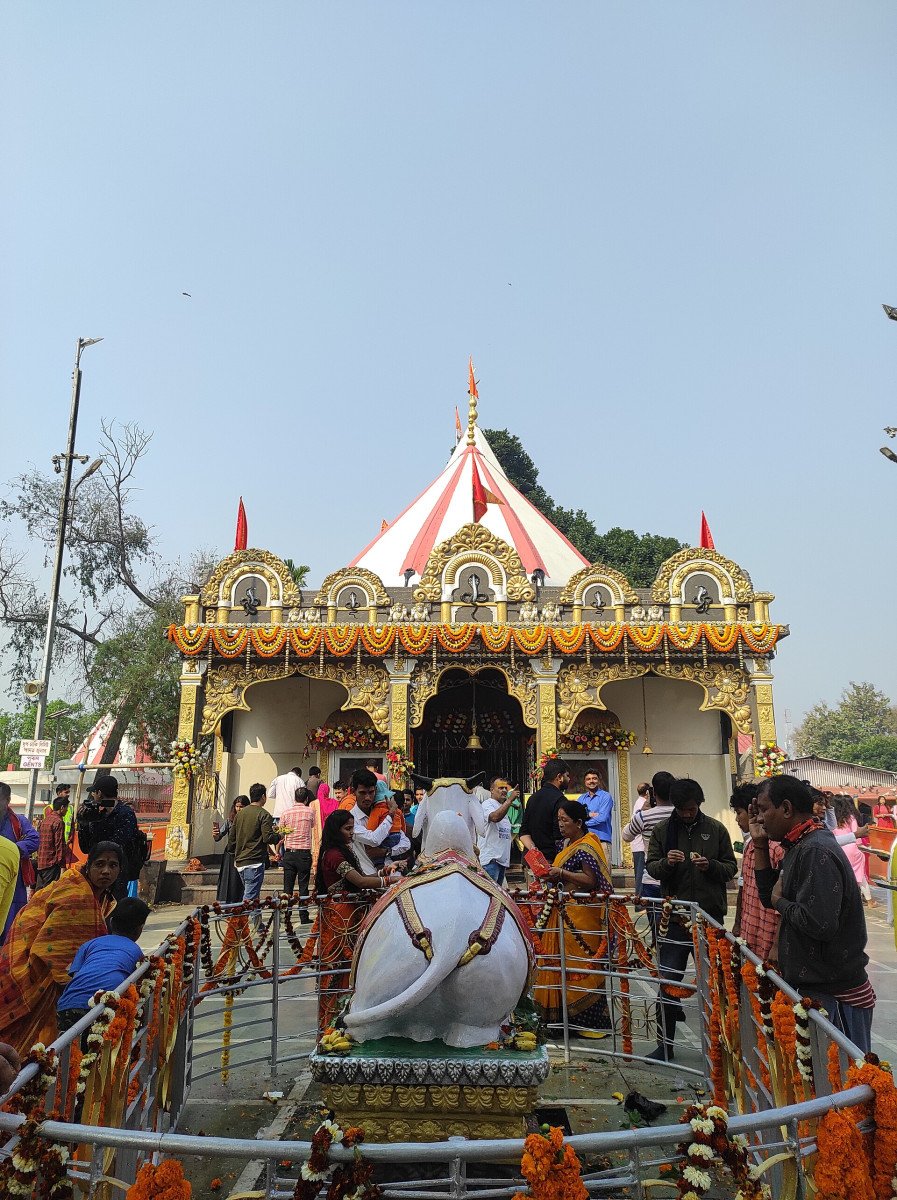
Mahabhairab Temple
General information
-
Ideal Duration:
1 to 2 hours.Place Type:
Religious, Historical, Pilgrimage Site.Entry Fees:
Primary Entry and Temple Access:Visiting the Mahabhairab Temple for the purpose of worship, sightseeing, and engaging in personal prayer is completely Free of any general entry fee. The temple, being a major public religious and historical monument managed by a committee u...Primary Entry and Temple Access:Visiting the Mahabhairab Temple for the purpose of worship, sightseeing, and engaging in personal prayer is completely Free of any general entry fee. The temple, being a major public religious and historical monument managed by a committee under the Government of Assam, maintains an open-door policy for all devotees and tourists, regardless of their background or belief. This ensures that the spiritual and cultural heritage of the temple remains accessible to everyone, maintaining its status as a sacred pilgrimage site rather than a commercialized tourist attraction. There is no ticket counter for basic admission to the premises or the main Nat Mandir. This accessibility is crucial for an ancient, historically and mythologically significant place of worship.
Optional and Incidental Costs:While there is no entry fee, visitors should budget for certain optional and incidental costs. These typically include purchasing items for puja offerings, such as flower garlands, milk, bilva patra (bael leaves), incense sticks (agarbatti), and lamps. Small vendors around the temple or just inside the gate sell these items, and the cost is usually nominal. Devotees may also choose to make voluntary cash donations (dakshina) into the temple donation boxes or directly to the priests for specific, personalized rituals (archana or abhishekam). Furthermore, there might be small, token fees for vehicle parking in the designated area near the temple premises, though this varies based on local management and the size of the vehicle. These fees contribute to the maintenance and daily running of the temple and its various charitable activities. (Approx. )Timing:
Regular Operating Timings:The Mahabhairab Temple generally opens its doors to devotees and visitors early in the morning, typically around 6:00 AM, and remains open until the evening Aarti and closing rituals are completed, usually around 8:00 PM. This timeframe accommodat...Regular Operating Timings:The Mahabhairab Temple generally opens its doors to devotees and visitors early in the morning, typically around 6:00 AM, and remains open until the evening Aarti and closing rituals are completed, usually around 8:00 PM. This timeframe accommodates the morning rituals (like the main Abhishekam) and the evening congregational worship. During this period, the main sanctum is generally accessible for darshan (viewing the deity) and the performance of personal prayers. However, the inner sanctum housing the Shiva Linga may be temporarily closed for a short duration during specific rituals, deep cleaning, or during the mid-day bhog (food offering) period. It is wise to verify the exact timings locally, especially before a very early morning or late evening visit.
Ideal Visit Time for Experience:The Ideal Visit Time depends on the visitor's goal. For a truly spiritual experience and to witness the full rigor of the temple's daily devotional life, the Early Morning hours (between 6:00 AM and 8:00 AM) are best. During this time, the atmosphere is cool, quiet, and spiritually charged, with the main morning puja and abhishekam taking place. For a photographic or purely sightseeing visit with less crowd, the Mid-Afternoon (around 3:00 PM to 5:00 PM) is a good choice, as the peak crowds of the morning and evening are absent. However, a return visit for the Evening Aarti (usually around 7:00 PM to 8:00 PM) is highly recommended. The temple is illuminated, and the communal chanting and bell-ringing create a mesmerizing and intense devotional finale to the day. (Approx. )Special Events:
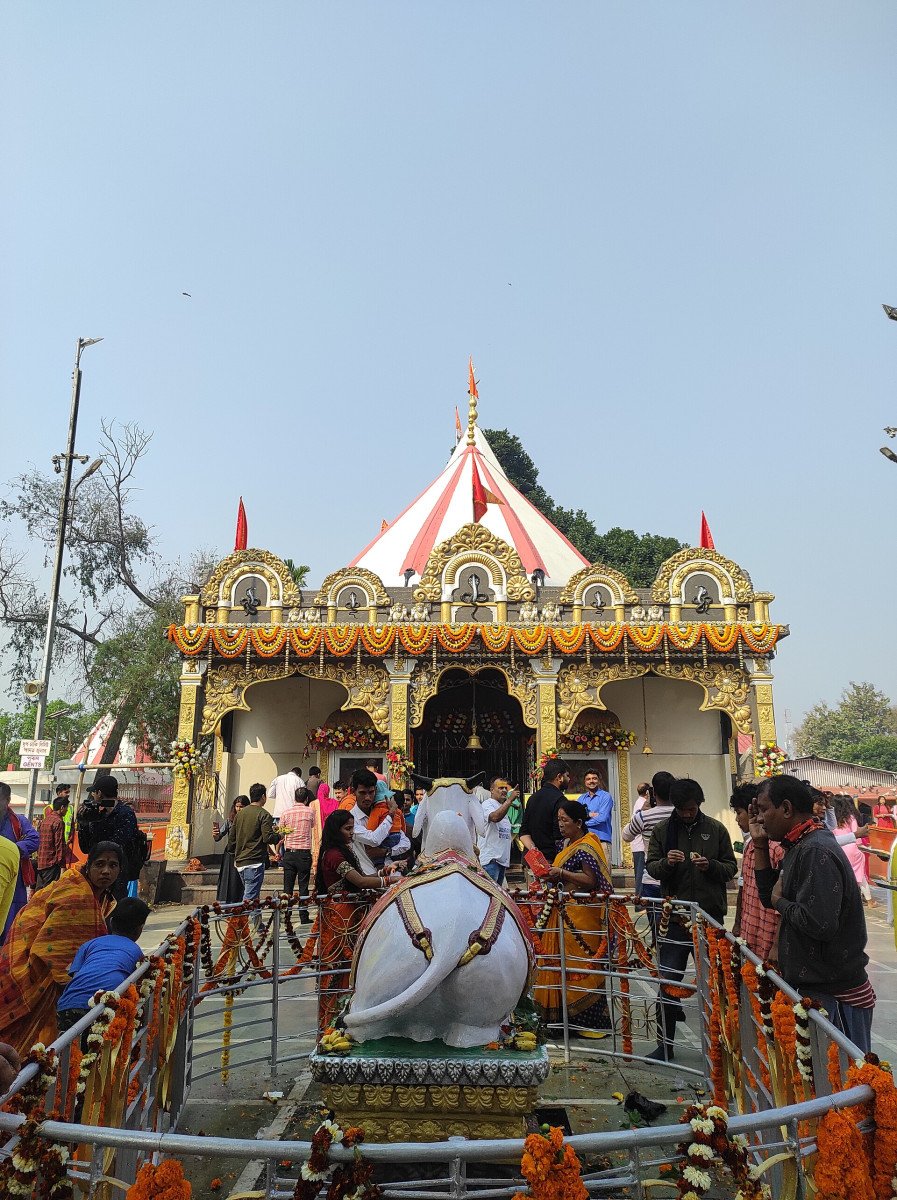
The Grandeur of Maha Shivaratri Mela:The most significant and celebrated event at the Mahabhairab Temple is the annual Maha Shivaratri festival, usually falling in the month of Phalgun (February/March). This festival, dedicated to Lord Shiva, marks the night when Shiva per...The Grandeur of Maha Shivaratri Mela:The most significant and celebrated event at the Mahabhairab Temple is the annual Maha Shivaratri festival, usually falling in the month of Phalgun (February/March). This festival, dedicated to Lord Shiva, marks the night when Shiva performed the Tandava dance and the night of his marriage to Goddess Parvati. The celebrations are massive, lasting for several days and attracting a colossal number of devotees, often in the tens of thousands, making it one of the largest spiritual gatherings in Assam. The entire temple is exquisitely decorated with lights, flowers, and traditional Assamese textiles. The main event is the all-night vigil (jagaran), where devotees chant, sing bhajans and kirtans, and perform continuous abhishekam to the enormous Shiva Linga. The atmosphere is electrifyingly spiritual and devotional. A large fair, known as the Shivratri Mela, is organized around the temple grounds, featuring vendors, local craftsmen, food stalls, and various forms of traditional entertainment, creating a vibrant cultural and economic hub for the duration of the event.
Rituals of the Holy Month of Shravana:The holy Hindu month of Shravana (July/August), known as Sawan, is another period of intense religious activity. During this month, devotees observe fasts and undertake pilgrimage, often carrying sacred water (Kanwar Yatra) to offer to the Linga. The Mahabhairab Temple sees a huge surge in foot traffic, particularly on Mondays (Somvar), which are considered especially sacred to Lord Shiva. Special puja ceremonies and Rudrabhishek (an elaborate ritual involving the sacred bathing of the Linga with various liquids like milk, yogurt, honey, etc. ) are performed daily. The entire month is marked by a heightened state of devotion, with continuous chanting of Shiva's names and hymns, offering a more serene yet deeply focused spiritual experience compared to the celebratory nature of Maha Shivaratri. (Approx. )Best Photo Spots:
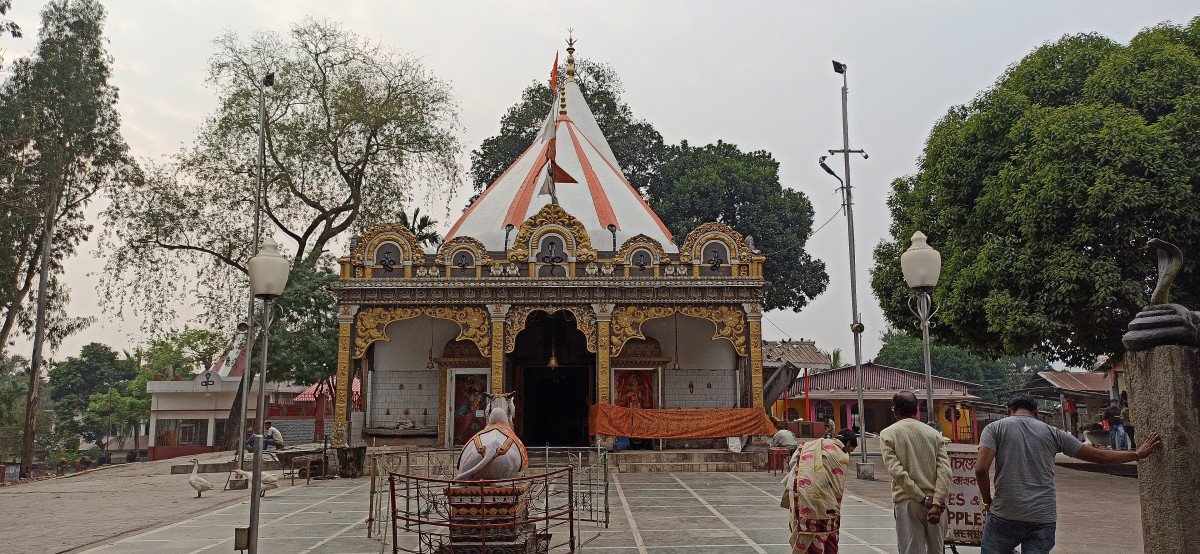
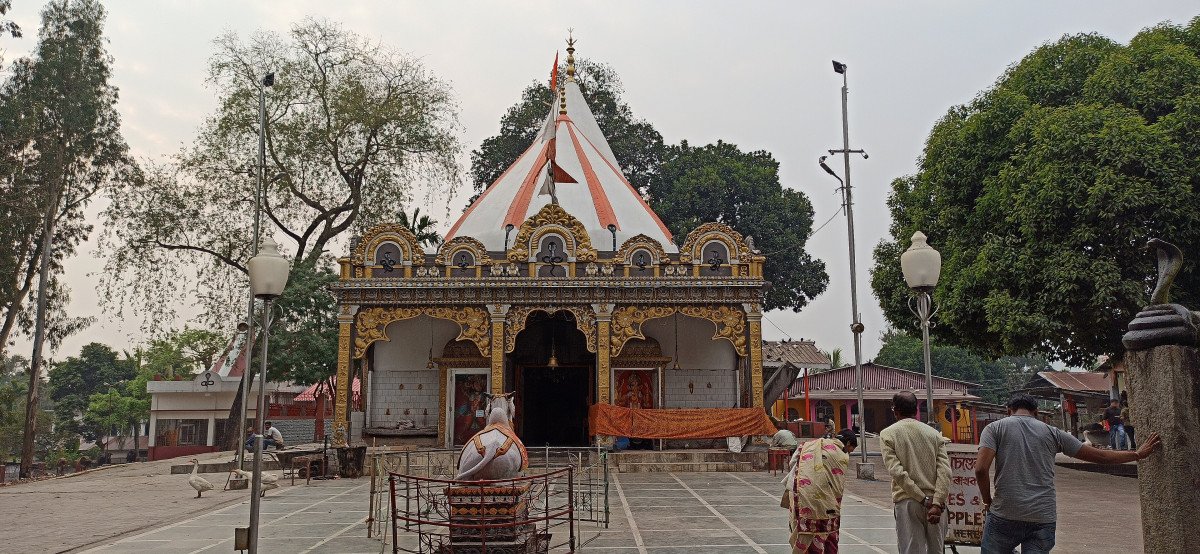
The Main Entrance Gateway with the Dwarpals:The meticulously carved gateway at the main entrance is an excellent spot for photography. The intricate ornamentation, a result of modern craftsmanship by Sri Joy Das, and the flanking cement-concrete idols of Lord Ganesha and L...The Main Entrance Gateway with the Dwarpals:The meticulously carved gateway at the main entrance is an excellent spot for photography. The intricate ornamentation, a result of modern craftsmanship by Sri Joy Das, and the flanking cement-concrete idols of Lord Ganesha and Lord Hanuman (the Dwarpals) provide a traditional frame for a beautiful shot. The rich detail on the gateway, set against the backdrop of the hillock, captures the temple's blend of spiritual guardianship and artistic expression. A wide-angle shot from a slight distance can capture the scale and complexity of the entrance, perfectly setting the stage for the temple visit. This spot is best photographed in the soft light of the early morning.
The Elevated Hilltop Vista:Since the temple sits on a hillock, the view from its highest points, particularly the quieter areas behind the main sanctum or the platform near the Nat Mandir, offers a stunning panoramic backdrop. This spot allows you to capture the sprawling cityscape of Tezpur below, and on a clear day, one can even glimpse the majestic Brahmaputra River in the distance. This is ideal for landscape photography and for capturing a sense of place. A classic shot is to frame a silhouette of the temple's roof or sikhara against the dramatic colors of a sunset or sunrise, conveying a spiritual and geographical grandeur.
The Ancient Stone Pillar Ruins:For historical and artistic photography, focus on the ancient stone pillars and sculptural remnants scattered around the compound. These broken, moss-covered stones provide excellent textures and historical depth. Close-up shots of the carvings, highlighting the erosion and the ancient craftsmanship, can be very impactful. Framing a modern worshipper or a colorful flower offering against the gray, weathered stone of a column dramatically contrasts the enduring faith with the ravages of time. These ruins are usually less crowded, offering better opportunities for thoughtful, detailed compositions.
The Grand Shiva Linga (Exterior Views):While photography inside the garbhagriha (main sanctum) is often not allowed for security and religious reasons, you can take meaningful photos of the architectural space leading up to it, such as the threshold and the doorway. If permission is granted (or for exterior shots of the sanctum), the sheer scale of the large Shiva Linga—even partially captured—is the most potent visual element. The constant stream of devotees performing Abhishekam adds a dynamic element, making for great photos of devotional activity, but always with utmost respect and discretion for the privacy and sanctity of the worshippers. (Approx. )Photo Gallery
Things To Do
-
Seek Blessings and Perform Ritual Worship:The foremost activity is offering prayers and performing puja to Lord Shiva. Devotees should purchase offerings (like bilva patra, milk, flowers, and incense) from the shops outside and participate in the daily rituals of Archana (personal worship), Abhishekam (ritual bathing of the Linga, often with milk and water), and Aarti (waving of lamps). Witnessing the grand Aarti performed in the evenings is a deeply moving spiritual experience. The focus here is on seeking the blessings of Mahabhairav for prosperity, health, and spiritual liberation. Visitors can also participate in the ancient tradition of freeing pigeons on the temple grounds, a symbolic act that represents the liberation of the soul and the spirits of one's ancestors, connecting the visitor to a deeply rooted local custom of spiritual merit.Seek Blessings and Perform Ritual Worship:The foremost activity is offering prayers and performing puja to Lord Shiva. Devotees should purchase offerings (like bilva patra, milk, flowers, and incense) from the shops outside and participate in the daily rituals of Archana (personal worship), Abhishekam (ritual bathing of the Linga, often with milk and water), and Aarti (waving of lamps). Witnessing the grand Aarti performed in the evenings is a deeply moving spiritual experience. The focus here is on seeking the blessings of Mahabhairav for prosperity, health, and spiritual liberation. Visitors can also participate in the ancient tradition of freeing pigeons on the temple grounds, a symbolic act that represents the liberation of the soul and the spirits of one's ancestors, connecting the visitor to a deeply rooted local custom of spiritual merit.
Explore the Architectural and Historical Ruins:For those interested in history and archaeology, a significant amount of time should be spent examining the scattered remnants of the original stone temple. These include the enormous, broken stone pillars and intricately carved sculptural pieces dating back to the 8th-10th century A. D. Walk slowly around the periphery of the main structure, especially towards the back and sides of the hillock, where these historical treasures are preserved. This activity is like an open-air museum visit, offering visual evidence of the highly advanced, pre-Ahom period sculptural art of Assam. Look for details on the carvings that reflect the artistic style of the Salasthamba dynasty.
Attend the Grand Maha Shivaratri Festival:If your visit coincides with the Hindu calendar month of Phalgun (February/March), attending the annual Maha Shivaratri festival is a must. This is the temple's biggest event, celebrated with immense fervor, transforming the complex into a vibrant hub of devotion. The festival involves all-night vigils (jagaran), continuous chanting, elaborate puja rituals, and a huge fair (Shivratri Mela) that attracts tens of thousands of pilgrims. The energy, the decorations, the presence of various sadhus and monks, and the collective devotion create an unparalleled spiritual spectacle that is a truly unforgettable cultural experience.
Enjoy the Panoramic View and Quiet Reflection:The temple is strategically located atop a hillock, providing an elevated and serene vantage point. Take a few minutes at a secluded spot, away from the immediate sanctum, to absorb the panoramic views of the Tezpur town stretching out below. The combination of the cool breeze, the sounds of the temple bells, and the green surroundings makes it an ideal spot for quiet contemplation and reflection. The temple complex itself is a place of spiritual peace, allowing visitors to de-stress and reconnect with nature and their inner self. This activity is perfect for those seeking tranquility beyond the religious rites, and it is best done early in the morning or late in the afternoon.
Visit the Adjacent Nat Mandir:The Nat Mandir (Dance/Prayer Hall) is a key part of the current temple complex, built by the monk Sri Mahadeo Bharati sometime after the main structure was reconstructed. This hall serves as the main gathering place for devotees during daily prayers, communal chanting, and festival performances. Spend time sitting in the Nat Mandir to feel the communal spiritual energy. It is here that local cultural and religious performances sometimes take place, especially during festivals like Durga Puja and Maha Shivaratri. Observing the local customs and the interactions between the priests and the devotees in the Nat Mandir provides excellent cultural insight.
Engage with Local Guides and Priests:Engaging in conversation with the temple priests (pujaris) or knowledgeable locals can enrich your visit significantly. They can provide detailed oral histories, local legends about Banasura and the Shiva Linga, and a deeper explanation of the daily rituals that a simple t
Information
-
Why Famous:
Home to the World's Largest Shiva Linga:The primary reason for the temple’s widespread fame is its enormous Shiva Linga. The Linga, which is the aniconic symbol of Lord Shiva, is considered one of the largest stone Shiva Lingas in the entire world, and locally referred t...Home to the World's Largest Shiva Linga:The primary reason for the temple’s widespread fame is its enormous Shiva Linga. The Linga, which is the aniconic symbol of Lord Shiva, is considered one of the largest stone Shiva Lingas in the entire world, and locally referred to as a "living stone" that grows slowly over time. This monumental size itself is a huge draw, attracting Shaivite pilgrims and religious scholars from all over India and beyond, who come to witness and worship this powerful symbol of the deity. The sheer scale of the Linga imbues the place with an intense spiritual energy and a sense of ancient, powerful divinity, making the temple a unique and unmissable pilgrimage destination. This single fact elevates its status from a local shrine to a globally recognized religious landmark.
Deep Mythological and Historical Roots:The temple’s fame is cemented by its rich mythological history, particularly its association with the demon king Banasura. Being linked to one of the central figures in the Puranic tales of Lord Krishna and the ancient city of Sonitpur (Tezpur) provides a deep, compelling narrative that connects the temple directly to the epic era. Historically, the evidence of its original construction by the Salasthamba dynasty in the 8th to 10th century A. D. further establishes it as a major historical monument. The continuity of patronage, from ancient kings to the Ahom rulers, and its resilience despite the destructive 1897 earthquake, makes the Mahabhairab Temple a living testament to the spiritual and architectural endurance of Assam. This blend of myth and verifiable history ensures its fame among both religious devotees and history enthusiasts. (Approx. ) -
Architecture:
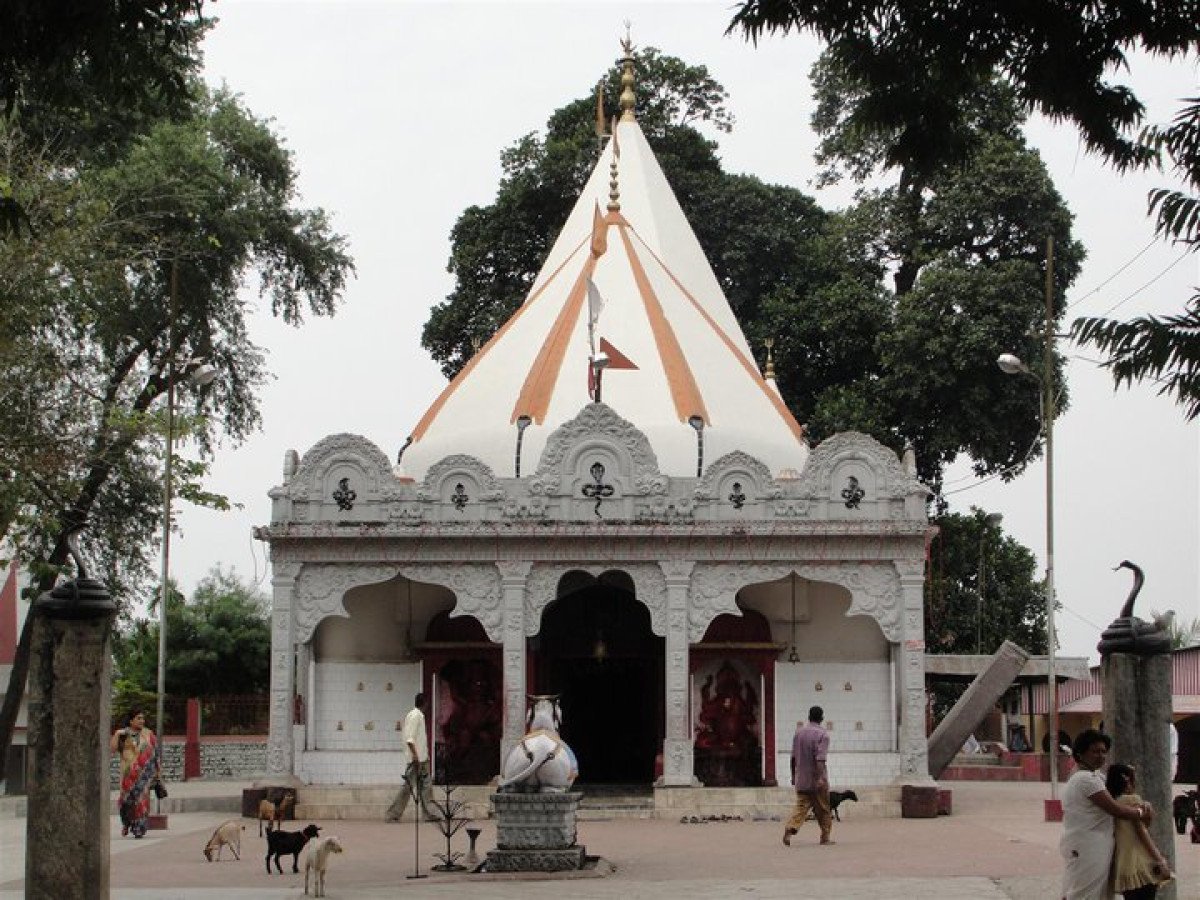
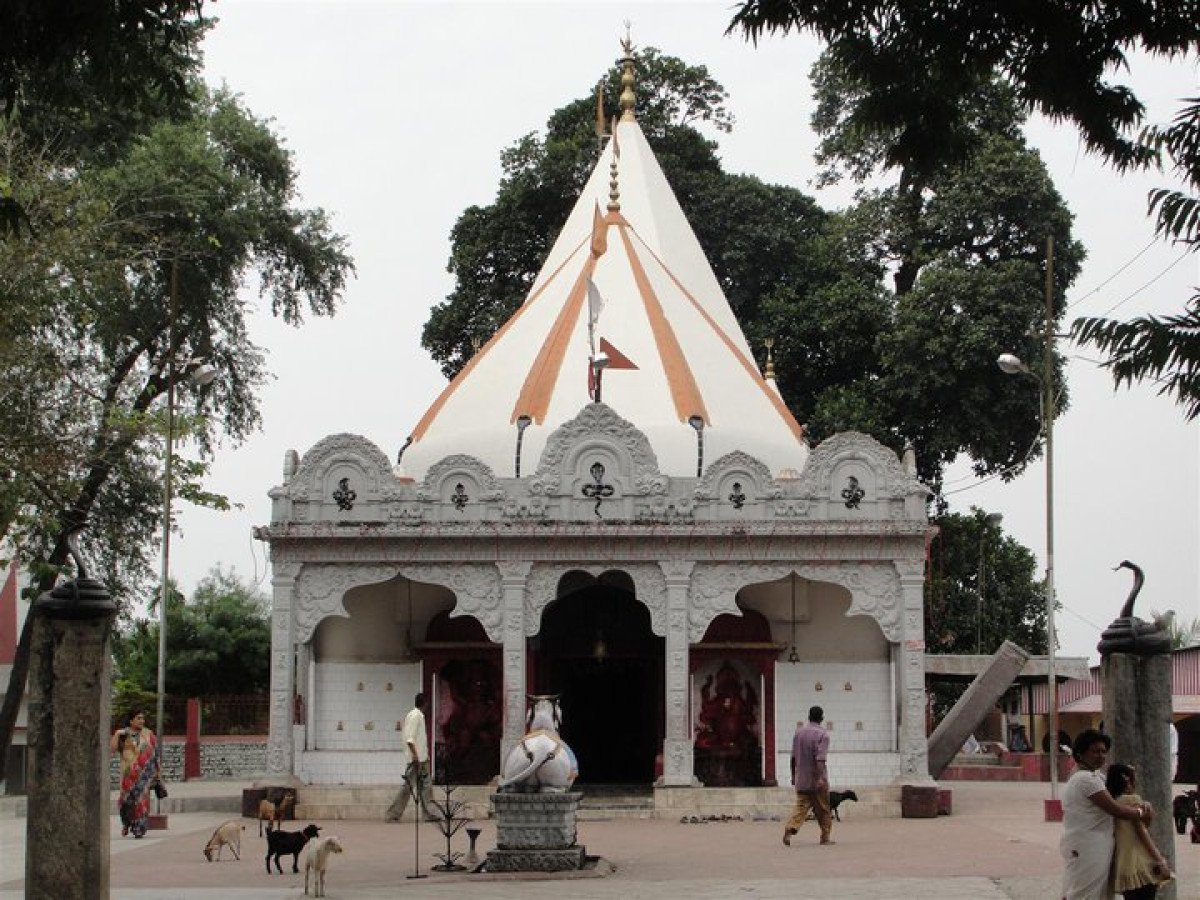
Architectural Evolution and Style:The architecture of the Mahabhairab Temple is a fascinating study in evolution, representing a blend of ancient ruins, traditional Assamese temple design, and modern concrete reconstruction following the devastating 1897 earthquake. The or...Architectural Evolution and Style:The architecture of the Mahabhairab Temple is a fascinating study in evolution, representing a blend of ancient ruins, traditional Assamese temple design, and modern concrete reconstruction following the devastating 1897 earthquake. The original temple, believed to have been built around the 8th to 10th century A. D. during the Salasthamba dynasty, was a grand stone structure. This is evidenced by the massive, intricately carved stone pillars and structural fragments scattered throughout the premises. These ruins hint at a classical style, possibly resembling the early or middle medieval temple architecture common in Assam and Eastern India during that period, likely featuring a sikhara (spire) and a mandapa (hall).
Dimension and Current Structure:The current temple, which primarily consists of a central shrine (garbhagriha) and a front hall (nat mandir), is built predominantly of concrete and brick, a design choice necessitated by the destruction of the original stone structure. The main sanctum houses the enormous Shiva Linga, its dimension being its most distinct feature—it is an ancient, large cylindrical stone, a central column of devotion. The exterior ornamentation includes elements of traditional Assamese craftsmanship. The gateway, which was ornately carved by a local artist named Sri Joy Das, features elaborate embellishments and acts as an impressive entrance. Flanking the entrance are cement-concrete idols of Lord Ganesha and Lord Hanuman acting as Dwarpals (gatekeepers), a common feature in later temple construction. The structure follows a basic plan of a typical Hindu temple, positioned on a raised platform atop a hillock, giving it a commanding presence and spiritual elevation. The simplicity of the reconstructed main shrine often contrasts with the surviving ancient stone artistry of the scattered ruins, providing visitors with a historical timeline encapsulated within a single complex. Ongoing development, including the construction of a boundary wall and planned guest rooms, reflects a continued commitment to maintaining and enhancing this important pilgrimage site. (Approx. ) -
How To Reach:
By Air:The nearest airport is Tezpur Airport (TEZ), also known as Salonibari Airport, located approximately 12 to 15 kilometers from the Mahabhairab Temple. This airport has connectivity to major cities like Kolkata and Guwahati. Upon arrival at Tezpur Airport, the most c...By Air:The nearest airport is Tezpur Airport (TEZ), also known as Salonibari Airport, located approximately 12 to 15 kilometers from the Mahabhairab Temple. This airport has connectivity to major cities like Kolkata and Guwahati. Upon arrival at Tezpur Airport, the most convenient way to reach the temple is by hiring a pre-paid taxi or a private cab. The drive takes about 30 to 45 minutes, depending on traffic. Travelers flying into the region might also consider Lokpriya Gopinath Bordoloi International Airport (GAU) in Guwahati, which is the largest international airport in Assam and is approximately 180 kilometers from Tezpur. From Guwahati, you can either take a connecting flight to Tezpur or opt for an inter-city bus service or a hired taxi for the 4-5 hour road journey.
By Train:The closest railway station is Tezpur Railway Station (TZTB), which is quite near the city center and approximately 4 to 6 kilometers from the temple. The station is connected to a number of major cities and towns within Assam and the rest of India. However, the railway connectivity of Tezpur is less extensive compared to the nearest major railhead, the Rangapara North Railway Station (RPAN), or the more significant hub of Guwahati Railway Station (GHY). If you arrive at Tezpur Railway Station, local transport like auto-rickshaws, cycle-rickshaws, or local taxis are readily available outside the station premises. The short journey to the temple by an auto-rickshaw should take around 15 to 20 minutes.
By Road:Tezpur is excellently connected by road via National Highway 15 and other state highways. It is approximately 180 kilometers northeast of the state capital, Guwahati. Regular, frequent bus services, operated both by the Assam State Transport Corporation (ASTC) and private operators, ply daily between Guwahati and Tezpur, as well as from other major towns in Assam and neighboring states like Arunachal Pradesh. The road journey from Guwahati takes about 4 to 5 hours. For self-driven vehicles or hired private cabs, the well-maintained roads offer a comfortable journey. Once you reach Tezpur town, the temple is easy to locate, situated on a hillock in the northern part of the city.
By Local Transport:Within Tezpur city, reaching the Mahabhairab Temple is straightforward due to its central and prominent location.
Local transport options include:
Auto-rickshaws (Tuk-Tuks): These are the most popular and easily available means of transport for short distances within the city. They can be hailed from almost anywhere and are ideal for the short 2-3 KM distance from the city center.
Cycle-rickshaws: While slower, they offer an eco-friendly option for the very short distance and are suitable for those who prefer a leisurely ride.
Local Taxis/Cabs: Private taxis can be hired for a return trip, which is often a more comfortable option, especially for families or larger groups. Ride-hailing apps, where available, can also be utilized. Always negotiate the fare with auto-rickshaw drivers beforehand, or ensure the meter is used. (Approx. ) -
Weather and Best Time to Visit:
Seasonal Considerations:
The Best Time:The Best Time to Visit the Mahabhairab Temple and Tezpur generally falls during the Winter Season, from October to March. The weather during these months is cool, pleasant, and highly conducive to sigh...Seasonal Considerations:
The Best Time:The Best Time to Visit the Mahabhairab Temple and Tezpur generally falls during the Winter Season, from October to March. The weather during these months is cool, pleasant, and highly conducive to sightseeing, with average temperatures ranging from 10°C to 25°C. The moderate climate makes walking around the temple complex and exploring the ruins on the hillock very comfortable. The post-monsoon greenery is lush, and the skies are generally clear, offering excellent photographic opportunities for the panoramic views from the hill. Moreover, the biggest festival, Maha Shivaratri, often falls during February or March, adding a massive cultural and religious draw. The Summer Season (April to June) should be approached with caution due to high humidity and temperatures that can exceed 35°C, making midday visits tiring. The Monsoon Season (July to September) brings heavy, sometimes continuous, rainfall, which can disrupt travel and make the temple's hillock area slippery, though the rain-washed greenery is beautiful.
Time of Day:
Ideal Hours:As detailed in the Sub Place Timings section, the Ideal Visit Time is split between two parts of the day. The Early Morning (between 6:00 AM and 8:00 AM) is perfect for the spiritually inclined. This is the hour of the main abhishekam and puja, where the atmosphere is incredibly peaceful, cool, and charged with devotional energy. The crowds are typically manageable, allowing for a more personal experience of the shrine. Alternatively, the Evening hours (around 7:00 PM to 8:00 PM) are highly recommended to witness the grand Aarti. The temple is lit up, creating a visually and spiritually stunning experience. Midday should generally be avoided, especially in summer, due to heat and potential temporary closures of the inner sanctum. -
Near Tourist Places:
Agnigarh Hill: (Approx. 1. 5 KMS) - Mythological hillock with a beautiful park and river view.
Bhairabi Mandir: (Approx. 3. 5 KMS) - Another ancient temple dedicated to Goddess Bhairavi.
Chitralekha Udyan (Cole Park): (Approx. 2 KMS) - Historic park with an artificial lake, boating, and two impressive stone pillars.
Padum Pukhuri (Lotus Pond): (Approx. 3 KMS) - An ancient lotus pond with an island and recreational facilities.
Ganesh Ghat: (Approx. 4 KMS) - Serene riverside spot on the Brahmaputra for a quiet stroll and views.
Da-Parbatia Temple Ruins: (Approx. 8 KMS) - Site of 6th-century temple ruins, famous for its elaborate door frame carvings.
District Museum, Tezpur: (Approx. 2. 5 KMS) - Houses a rich collection of archaeological finds, sculptures, and manuscripts.
Bamuni Hills Ruins: (Approx. 15 KMS) - Archaeological site featuring scattered ruins and sculptural carvings dating back to the 9th-10th century.
Kolia Bhomora Setu: (Approx. 18 KMS) - One of the longest river bridges over the Brahmaputra River, great for a drive.
Nameri National Park: (Approx. 40 KMS) - A tiger reserve famous for its rich birdlife and golden mahseer fish.
Tourism Tips
-
Health & Safety Advice:As the temple is on a small hillock, wear comfortable, slip-resistant footwear as you will be walking on possibly uneven or slightly wet stone steps. Carry a small personal first-aid kit with basic medications. During the peak summer (April to June)...Health & Safety Advice:As the temple is on a small hillock, wear comfortable, slip-resistant footwear as you will be walking on possibly uneven or slightly wet stone steps. Carry a small personal first-aid kit with basic medications. During the peak summer (April to June) or midday hours, stay hydrated by carrying a water bottle and use sun protection (hat, sunscreen) due to the strong sun exposure on the open hilltop. Be mindful of your belongings, especially during the crowded Maha Shivaratri festival, and keep valuables secure. In a religious place, do not touch any ancient scattered stone relics or attempt to climb on any ruins for your safety and for the preservation of the heritage.
Packing Essentials:When packing for a visit, particularly during the peak season (October to March), include light woolens or a jacket for the cool evenings and early mornings. Carry a power bank for your phone, as photo opportunities and documentation are abundant. A small backpack to carry water, a camera, and a notebook is sufficient. Crucially, dress modestly—this is a sacred Hindu temple. For both men and women, covering shoulders and knees is the sign of respect, and avoiding revealing attire is strongly advised. This is especially important if you plan to enter the inner sanctum.
Accommodation Considerations:Tezpur has various accommodation options ranging from budget guesthouses to mid-range and business hotels, primarily located closer to the city center and the main market area. For convenience and accessibility, look for hotels near the Tezpur Railway Station or the main National Highway intersection, such as those in the Chanmari or Kolibari areas, which offer easy access to the temple via auto-rickshaw. Advance booking is highly recommended if your visit coincides with the Maha Shivaratri festival, as accommodation can become scarce and prices may surge.
Respectful Etiquette and Other Tips:Respect the sanctity of the temple. Follow all rules posted by the temple management committee. Photography is generally prohibited inside the inner sanctum (Garbhagriha)—always respect this rule to avoid offense. Remove your footwear outside the main temple premises before entering the courtyard. Be polite and respectful when interacting with priests and local devotees. If you plan to donate, do so through the official donation boxes or receipts to ensure the funds are accounted for. When attending festivals, be patient with the large crowds and follow the queue system, if one is in place, for darshan. Learn a few basic local phrases in Assamese or Hindi—like "Dhon'yobad" (thank you)—which will be appreciated by the locals. (Approx. )
Reviews
FAQs
Tezpur Itineray And Cost:-
Mahabhairab Temple Tourism:-
Information about New and Updated Locations() of Assam Has Been Added :-
Card subtitle
Note:-
Information provided here in good Faith and for reference only.
Near Places

Agnigarh Hill
Some quick example text to build on the card title and make up the bulk of the card's content.
Go somewhere
Agnigarh View Point
Some quick example text to build on the card title and make up the bulk of the card's content.
Go somewhere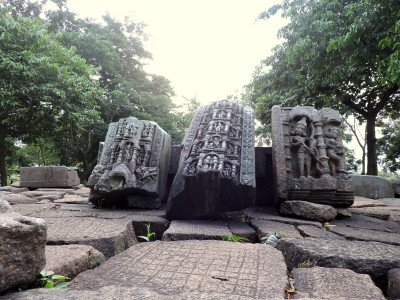
Bamuni Hills
Some quick example text to build on the card title and make up the bulk of the card's content.
Go somewhere
Bhairabi Temple
Some quick example text to build on the card title and make up the bulk of the card's content.
Go somewhere
Bharali New Bridge Tezpur Side
Some quick example text to build on the card title and make up the bulk of the card's content.
Go somewhere
Bhomoraguri Historical Stone
Some quick example text to build on the card title and make up the bulk of the card's content.
Go somewhere
Bura Chapori Wildlife Sanctuary
Some quick example text to build on the card title and make up the bulk of the card's content.
Go somewhere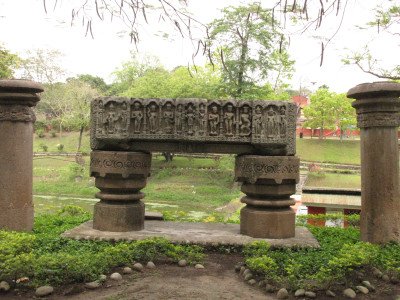
Chitralekha Udyan
Some quick example text to build on the card title and make up the bulk of the card's content.
Go somewhere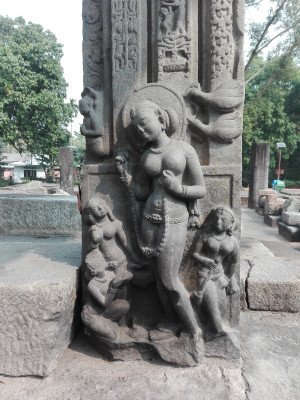
Da-Parbatia Gate
Some quick example text to build on the card title and make up the bulk of the card's content.
Go somewhere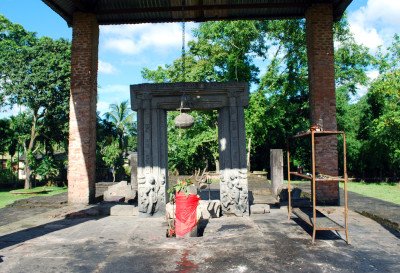
Da Parbatia
Some quick example text to build on the card title and make up the bulk of the card's content.
Go somewhere
District Museum Tezpur
Some quick example text to build on the card title and make up the bulk of the card's content.
Go somewhereGanesh Ghat Temple
Some quick example text to build on the card title and make up the bulk of the card's content.
Go somewhereGanesh Ghat
Some quick example text to build on the card title and make up the bulk of the card's content.
Go somewhere
Ghai Nadi Picnic Spot
Some quick example text to build on the card title and make up the bulk of the card's content.
Go somewhereHaleshwar Temple
Some quick example text to build on the card title and make up the bulk of the card's content.
Go somewhere
Hazara Pukhuri
Some quick example text to build on the card title and make up the bulk of the card's content.
Go somewherein Other Cities