
Mangala Devi Temple
General information
-
Ideal Duration:
One Full Day (This includes the time for securing permission, the jeep journey, and the trek to and from the temple).Place Type:
Pilgrimage, Historical, Nature & Trekking.Entry Fees:
Forest Department Permit Fee: Since the temple is located deep within the highly protected area of the Periyar Tiger Reserve, a special permit from the Forest Department is mandatory for the visit. The fee is variable and is levied per person for entry into the core zone. ...Forest Department Permit Fee: Since the temple is located deep within the highly protected area of the Periyar Tiger Reserve, a special permit from the Forest Department is mandatory for the visit. The fee is variable and is levied per person for entry into the core zone. This fee contributes directly to the conservation efforts of the Tiger Reserve.
Mandatory Jeep Safari Charge: Due to the rough, restricted, and long forest road (approximately 12-15 KMS one way from the nearest motorable point), a dedicated Jeep safari vehicle must be hired. The Jeep charge is the most significant part of the cost and is charged per vehicle, not per person, covering the vehicle entry fee and an authorized driver/guide.
Guide/Escort Fee: A forest guard or an authorized guide, typically accompanying the vehicle, must be paid a separate fee for safety and to ensure adherence to forest rules. This is essential for protecting both the visitors and the wildlife.
Chitra Pournami Day Exception: While the temple is closed on all other days, the fees and procedures may change slightly for the single-day Chitra Pournami festival. On this day, special tickets or passes may be issued by the district administration for crowd management and security. The approximate total cost per person for a group sharing a Jeep can range from INR 1,500 to INR 2,500 or more, depending on the season, the group size, and any additional taxes or tariffs set by the Forest Department.Timing:
Regular Timings: The temple is strictly closed to the general public throughout the year. The entire area is a protected zone within the Periyar Tiger Reserve, and entry is illegal and unsafe on regular days.
Annual Festival Timings:Regular Timings: The temple is strictly closed to the general public throughout the year. The entire area is a protected zone within the Periyar Tiger Reserve, and entry is illegal and unsafe on regular days.
Annual Festival Timings:
The temple is only open for one day: the day of the Chitra Pournami festival (April or May). On this specific day, the timings are usually from around 6:00 AM to 6:00 PM, strictly regulated by the Kerala and Tamil Nadu Forest and Police Departments.
Ideal Visit Time (for the Chitra Pournami day): The best time to start the journey is very early, around 4:00 AM to 5:00 AM, to get a head start. The trek to the top is easiest in the cool morning air, and the early arrival allows for witnessing the beautiful sunrise over the Eastern Ghats before the main crowds arrive for the rituals.Special Events:
The Chitra Pournami Festival: This is the only day in the entire year when the temple is officially opened for public worship. The festival, typically held in the month of April or May, attracts a massive crowd of pilgrims from both Kerala and Tamil Nadu. The event is a un...The Chitra Pournami Festival: This is the only day in the entire year when the temple is officially opened for public worship. The festival, typically held in the month of April or May, attracts a massive crowd of pilgrims from both Kerala and Tamil Nadu. The event is a unique blend of spiritual fervor and a rare cultural spectacle, involving traditional rituals, music, and offerings to Goddess Mangala Devi (Kannaki). The event is co-managed by the administrative bodies of both states, highlighting its regional importance. For tourists, being present on this day means experiencing the vibrant faith and cultural exchange, but it also means dealing with significantly higher crowds and stricter security protocols.Best Photo Spots:
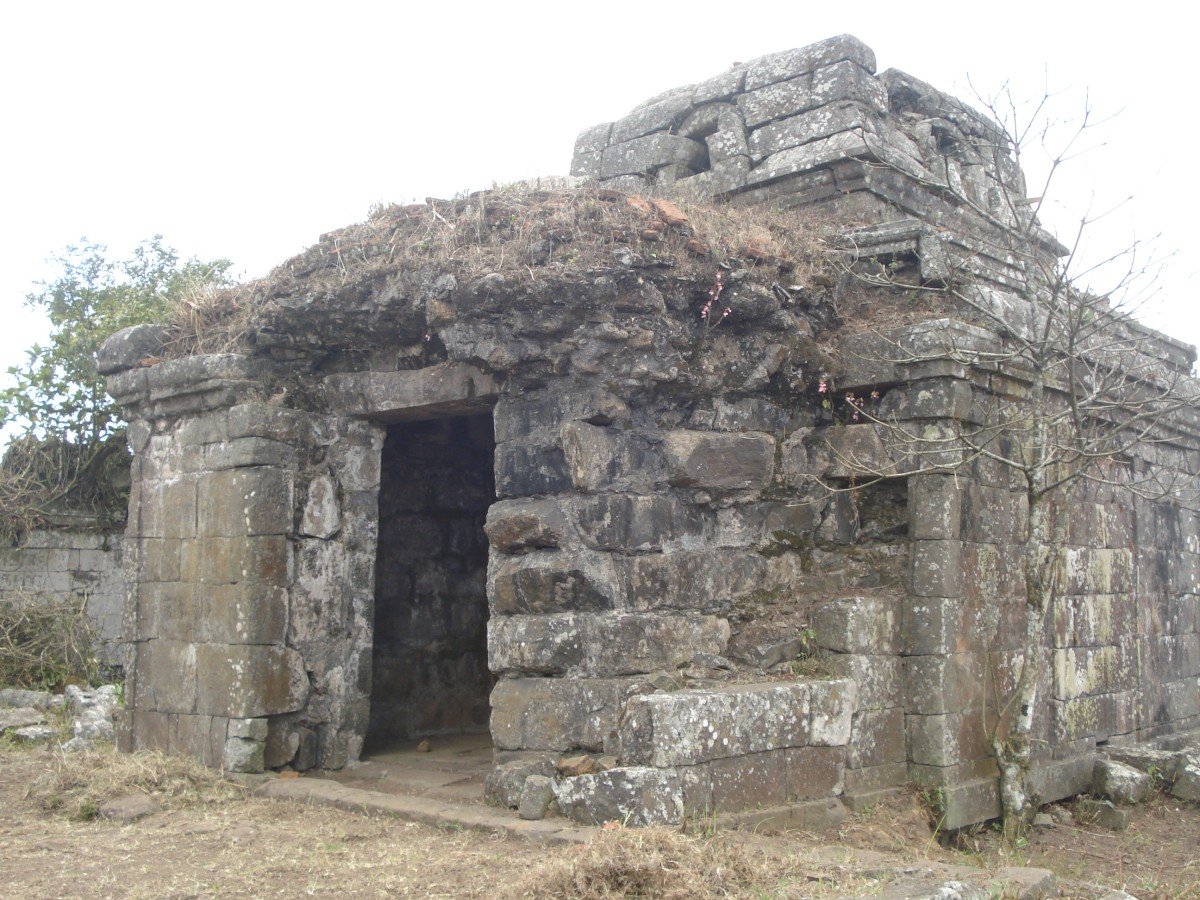
The Temple Ruins Against the Sky: Capture a low-angle shot of the granite ruins with the dramatic Kerala sky as a backdrop. The contrast between the ancient stone and the blue or cloudy sky creates a powerful, timeless image.
The Eastern Ghats ...The Temple Ruins Against the Sky: Capture a low-angle shot of the granite ruins with the dramatic Kerala sky as a backdrop. The contrast between the ancient stone and the blue or cloudy sky creates a powerful, timeless image.
The Eastern Ghats Panorama: The main viewpoint overlooking the Tamil Nadu plains is the quintessential shot. It should be taken from the edge of the peak, showing the vast expanse of hills and the distinct shift in the landscape's color and terrain between the two states.
The Forest Road/Jeep Safari Trail: The off-road track leading to the base of the trek, characterized by its deep ruts, red earth, and overhanging canopy, offers thrilling shots of the adventure journey. Photographing the Jeep mid-journey highlights the ruggedness of the approach.
Misty Morning Valley View: Early morning visitors are rewarded with a sea of rolling clouds and mist filling the valleys below. Capturing the hilltops piercing through this fog provides a magical, ethereal photo opportunity.
Close-up of Ancient Stone Carvings: Focus on the detailed textures of the remaining granite blocks and any surviving inscriptions or basic carvings to capture the temple's antiquity and the craftsmanship of the past.Photo Gallery
Things To Do
-
Embark on the Jeep Safari and Trek: The journey itself is the primary activity. The trip starts with a Jeep safari from Thekkady (Kumily) and involves a strenuous, long off-road drive followed by a trek. The challenging terrain is an adventure for those who love wilderness and off-roading.
Wildlife and Bird Watching: As the path cuts through the Periyar Tiger Reserve, a major part of the experience is watching out for wildlife. Keep an eye out for Indian Elephants, Gaurs (Indian Bison), and the highly endangered Nilgiri Tahr on the steep slopes. The dense forest is a haven for endemic bird species like the Malabar Trogon and the Great Hornbill, making it a paradise for bird photography.
Historical and Mythological Exploration: Spend time at the temple ruins trying to visualize the grandeur of...Embark on the Jeep Safari and Trek: The journey itself is the primary activity. The trip starts with a Jeep safari from Thekkady (Kumily) and involves a strenuous, long off-road drive followed by a trek. The challenging terrain is an adventure for those who love wilderness and off-roading.
Wildlife and Bird Watching: As the path cuts through the Periyar Tiger Reserve, a major part of the experience is watching out for wildlife. Keep an eye out for Indian Elephants, Gaurs (Indian Bison), and the highly endangered Nilgiri Tahr on the steep slopes. The dense forest is a haven for endemic bird species like the Malabar Trogon and the Great Hornbill, making it a paradise for bird photography.
Historical and Mythological Exploration: Spend time at the temple ruins trying to visualize the grandeur of its past, linking the physical ruins with the stories of Kannaki. A local guide, if available, can provide deep insights into the local lore and the historical significance of the Chera dynasty's influence.
Panoramic Photography: The peak offers unparalleled photo opportunities, especially during the early morning or late afternoon when the light is soft, and the mist is lifting from the valleys. Capture the contrast between the green slopes of Kerala and the arid plains of Tamil Nadu.
Nature Walking and Forest Bathing: Beyond the temple, the immediate surroundings are perfect for a quiet nature walk, allowing you to breathe the fresh, unpolluted air. The sensation of being completely surrounded by the dense, towering canopy and the sounds of the jungle is an experience known as 'forest bathing' and is deeply therapeutic.
Picnic at the Top (with prior planning): Since there are absolutely no shops or facilities, a well-planned, eco-friendly picnic lunch packed from Thekkady can be enjoyed at the peak, making it a perfect spot for a wilderness meal with a million-dollar view. Remember to carry all trash back.
Study of Ancient Stone Masonry: Examine the ancient granite blocks and the simple construction techniques used over 1000 years ago. The lack of modern mortar and the sheer size of the stones used in the structure are an insight into the engineering skills of the past.
Meditation and Spiritual Reflection: The secluded, silent nature of the location, far from the hustle of civilization, makes it an ideal spot for quiet meditation and spiritual reflection. The energy of the ancient pilgrimage site is conducive to inner peace and contemplation.
Learning about Forest Conservation: The journey is a good opportunity to understand the efforts of the Forest Department in conserving this sensitive biodiversity hotspot and the challenges in maintaining a balance between pilgrimage, tourism, and wildlife protection.
Information
-
Why Famous:
The Legend of Kannaki: The temple's most profound fame stems from its association with the Goddess Kannaki, the central figure of the epic Silappatikaram. The epic recounts her transformation from a grieving wife to a goddess of justice. She is said to have reached this sp...The Legend of Kannaki: The temple's most profound fame stems from its association with the Goddess Kannaki, the central figure of the epic Silappatikaram. The epic recounts her transformation from a grieving wife to a goddess of justice. She is said to have reached this spot, known as Vannathipara (or Mangala Devi peak), and attained salvation. This legendary connection makes the temple a sacred pilgrimage site, especially for devotees from Tamil Nadu.
Location within Periyar Tiger Reserve: Its unique position deep within the Periyar forest makes the journey to the temple an adventure in itself. The exclusivity of the location and the strict control of access have preserved its pristine environment, elevating its status from just a temple to a protected natural and historical monument.
Chitra Pournami Festival: The temple is famously known for being open to the public for worship only one day a year, on the full moon day of the Tamil month Chithirai (which usually falls in April or May). This unique annual event draws thousands of pilgrims from both Kerala and Tamil Nadu, making the single day of its opening a major cultural and religious spectacle.
Panoramic Views: The peak offers a spectacular, unobstructed, 360-degree panoramic view of the vast, rolling green hills of the Western Ghats, including parts of the Periyar National Park and the plains of Tamil Nadu. This incredible visual experience is a primary draw for adventurous tourists and photographers. -
Architecture:
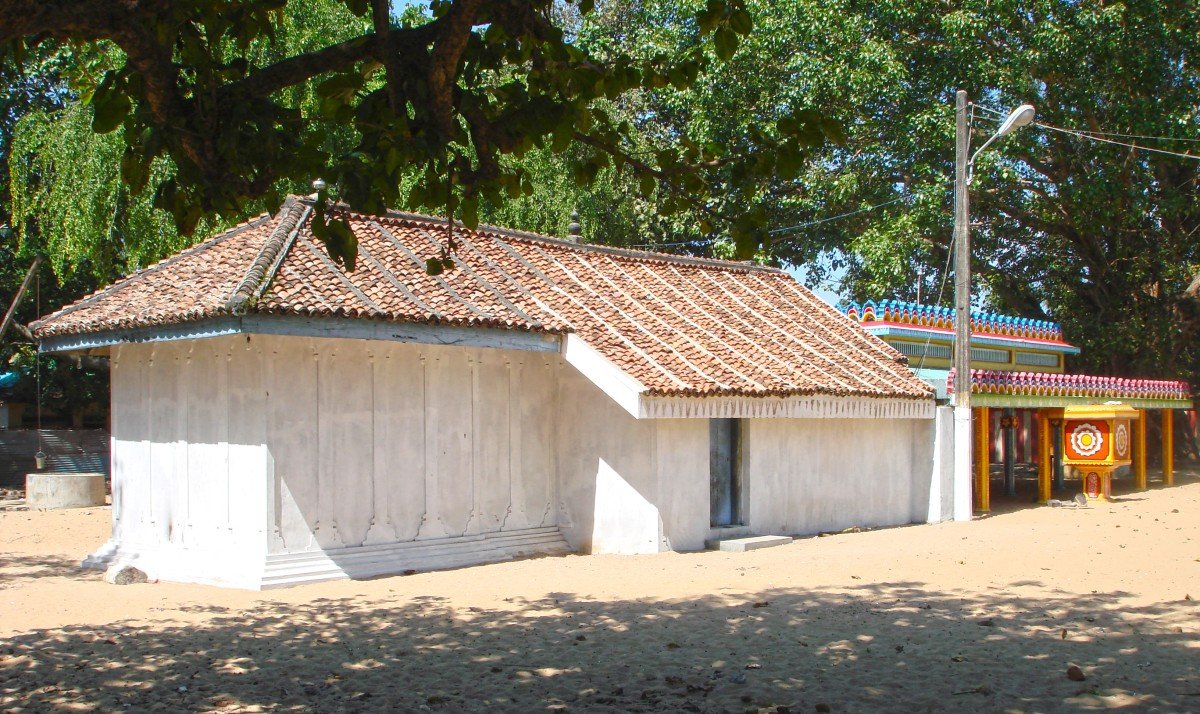
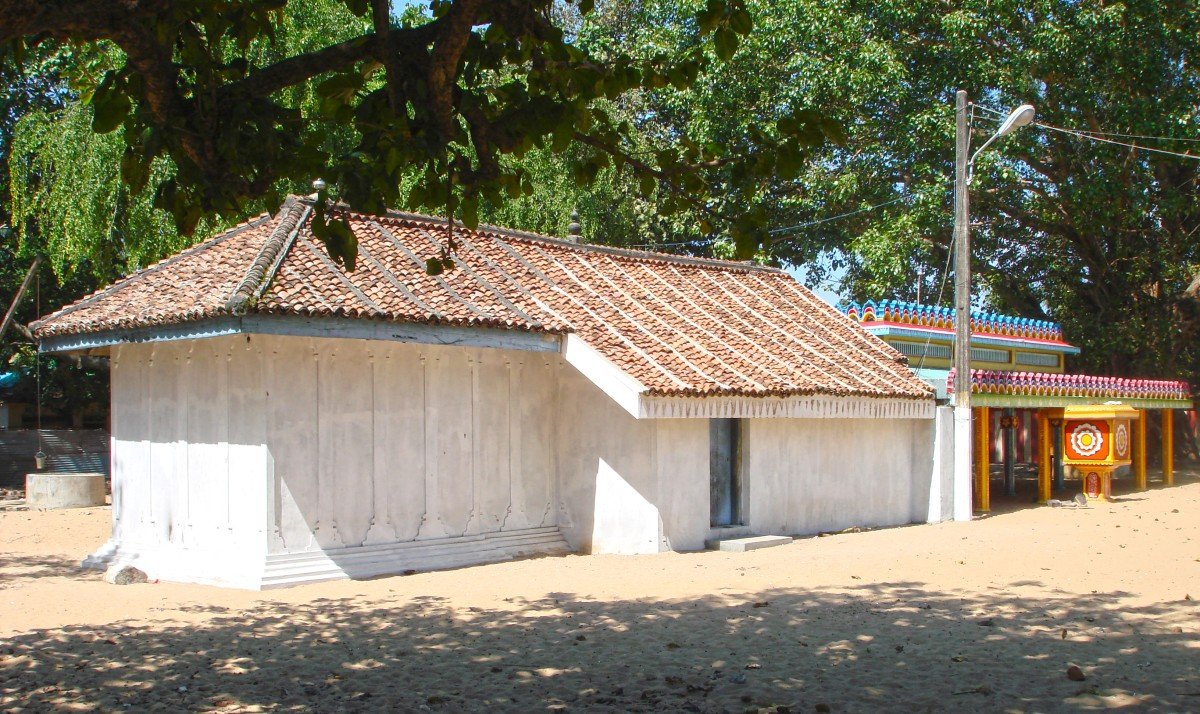
Traditional Kerala Temple Style: The primary architectural style of the Mangala Devi Temple is the traditional Kerala form, albeit in its ruined state. This style is characterized by simplicity, the use of natural materials, and its integration with the landscape. The temp...Traditional Kerala Temple Style: The primary architectural style of the Mangala Devi Temple is the traditional Kerala form, albeit in its ruined state. This style is characterized by simplicity, the use of natural materials, and its integration with the landscape. The temple's construction mainly utilizes large blocks of rough-hewn granite stone, reflecting the material naturally available in the hilly forest region.
Historical Dimensions and Construction: The structure stands on a strong, elevated base typical of ancient temples, which provides stability on the hilltop terrain. The main shrine or srikovil is relatively small and square-shaped, built entirely of heavy granite. While exact contemporary dimensions are difficult to measure precisely due to the ruins and the restricted nature of the site, historical accounts suggest a modest footprint, perhaps a square of approximately 5 meters by 5 meters for the sanctum sanctorum itself, surrounded by a low wall. The roof structure, which would have originally been covered with timber and potentially topped with copper or terracotta tiles (as is common in Kerala temples), is now largely missing, exposing the stone walls to the elements.
Absence of Ornate Work: Unlike some later, more ornate temples, the Mangala Devi Temple exhibits minimal intricate carving or elaborate sculpture. The focus is on robust, functional construction designed to withstand the harsh weather conditions of a mountain peak. The walls are thick, providing protection to the main deity.
Integration with the Environment: A key element is the temple's perfect harmony with its setting. The simplicity of the stone construction does not compete with the surrounding dense forest and mountain vista but instead complements it. The open space around the main shrine is designed to allow devotees to take in the panoramic views, which are integral to the pilgrimage experience. The architectural design deliberately retains the rugged, natural feel of its forest-peak location.
Dual Deities and Shrines: Although primarily dedicated to Mangala Devi (Kannaki), the complex also contains the ruins of a smaller Shiva shrine. The presence of two deities in close proximity in this setting suggests a confluence of different spiritual traditions and an ancient, inclusive religious culture in the region. -
How To Reach:
By Air: The nearest major airport is Cochin International Airport (COK), located approximately 140-150 KMS from Thekkady (Kumily). From the airport, one must hire a pre-paid taxi or a private cab. The drive takes about 4 to 5 hours and is a beautiful, scenic journey throug...By Air: The nearest major airport is Cochin International Airport (COK), located approximately 140-150 KMS from Thekkady (Kumily). From the airport, one must hire a pre-paid taxi or a private cab. The drive takes about 4 to 5 hours and is a beautiful, scenic journey through the Kerala mid-lands and up into the spice-growing hills. Another option is Madurai International Airport (IXM) in Tamil Nadu, which is about 140 KMS away.
By Train: The nearest major railway station is Kottayam Railway Station (KTM), approximately 110 KMS from Thekkady. This station is well-connected to major cities across India. Alternatively, Madurai Railway Station (MDU) is also a common entry point from the Tamil Nadu side. From the station, private taxis, state-run buses, or tourist coaches are available to reach Thekkady (Kumily).
By Road: Thekkady (Kumily) is extremely well-connected by road. State and private bus services run regularly from major cities like Kochi, Madurai, Thiruvananthapuram, and Munnar. Driving a private or hired car is also a popular and convenient option, as the road network is good and offers stunning views, though the final road to the temple is an off-road track.
By Local Transport (The Temple Journey): The temple itself is a special case. From the Thekkady town center (Kumily), you must first take local transport (taxi or bus) to the designated Forest Check Post. From the check post, access is strictly limited to authorized Jeep safari vehicles, which must be pre-booked. These Jeeps traverse the approximately 12-15 KMS of rough, rocky, unpaved forest road to the base of the hill, from where a final short trek of about 1-2 KMS leads to the temple peak. No private vehicles are allowed on the forest road. -
Weather and Best Time to Visit:
Different Types of Seasons:
Winter Season (October to February): This is the best time to visit. The weather is pleasantly cool and dry, with temperatures ranging from 15°C to 25°C. The clear skies offer the best panoramic views, and the...Different Types of Seasons:
Winter Season (October to February): This is the best time to visit. The weather is pleasantly cool and dry, with temperatures ranging from 15°C to 25°C. The clear skies offer the best panoramic views, and the cool air makes the jeep safari and the final trek much more comfortable and enjoyable.
Summer Season (March to May): This is the hottest period, with temperatures often soaring above 30°C. The trek can be very exhausting, though the Chitra Pournami festival falls in this season, making it the only option for pilgrims. Visibility can be hazy due to the heat.
Monsoon Season (June to September): While the landscape is lushest and beautifully green, the heavy rainfall makes the off-road track extremely slushy, difficult, and potentially unsafe for the Jeep safari and trek. Access may even be completely restricted on some days due to forest rules.
Different Parts of the Day Topic Heading: Early Morning (4:00 AM - 9:00 AM) The ideal visit time. Starting the journey early ensures you reach the peak before sunrise or just as the sun is rising. This time offers the coolest temperature, the highest chance of spotting wildlife crossing the track, and the best photographic light for the panoramic views, often featuring a beautiful mist over the valleys. Mid-Day (10:00 AM - 2:00 PM) The least ideal time. The sun is harsh, the heat is intense, and the trek becomes very taxing. This window should be avoided unless absolutely necessary, especially on the Chitra Pournami festival day when crowds peak. Late Afternoon (3:00 PM - 5:00 PM) A good alternative, as the heat subsides and the light becomes softer. However, you must adhere strictly to the forest department's timeline, as the area must be vacated before sunset to ensure visitor safety from wildlife. -
Near Tourist Places:
Periyar National Park & Wildlife Sanctuary: (Immediate proximity, part of the same forest reserve). 2 KMS from the initial check post.
Periyar Lake Boating Point: (7 KMS) - Famous for spotting wildlife on the lake shore.
Kumily Spice Markets: (15 KMS) - The town center for buying authentic, fresh spices.
Chellarkovil Viewpoint: (20 KMS) - A stunning viewpoint and cascading waterfall overlooking the Tamil Nadu plains.
Pandikuzhi: (10 KMS) - A scenic spot with lush greenery and streams, ideal for trekking.
Abraham's Spice Garden: (16 KMS) - A guided tour of a functional spice plantation.
Mudra Cultural Centre: (15 KMS) - For enjoying Kathakali and Kalaripayattu (traditional Kerala art forms).
Murikkady: (20 KMS) - Famous for its cardamom, coffee, and pepper plantations.
Ramakkalmedu: (40 KMS) - A stunning hill station with a statue of Kuravan & Kurathi and a beautiful windmill farm.
Vandiperiyar: (25 KMS) - Known for its tea plantations and the Periyar River.
Tourism Tips
-
Health & Safety:
Mandatory Guide and Permit: Never attempt to enter the forest area without an authorized Jeep and a Forest Department-approved guide. This is mandatory by law and crucial for your safety due to the wildlife and difficult te...Health & Safety:
Mandatory Guide and Permit: Never attempt to enter the forest area without an authorized Jeep and a Forest Department-approved guide. This is mandatory by law and crucial for your safety due to the wildlife and difficult terrain.
Hydration and Energy: The trek and Jeep ride are long and arduous. Carry plenty of drinking water and light, high-energy snacks like nuts or energy bars. Dehydration is a major risk, especially in the summer.
First Aid Kit: Carry a basic personal first aid kit with band-aids, antiseptic cream, and any personal medication.
Packing:
Footwear: Wear sturdy, comfortable, closed-toe trekking shoes with good grip. The terrain is rocky, uneven, and slippery.
Clothing: Dress in light, breathable, earth-toned clothing (to blend in with the forest). A light jacket or sweater is advisable for the early morning chill.
Essentials: Carry a hat/cap, sunglasses, and eco-friendly insect repellent. A good camera with a zoom lens is a must for the views and wildlife.
Accommodation:
Stay in Kumily/Thekkady: The best and only recommended option is to stay in Kumily or the hotels/resorts in Thekkady. This town serves as the base for the Periyar visit, and all temple tours start from here. Accommodation ranges from budget guesthouses to luxury spice resorts.
Other Different Topics Heading:
Respecting Forest Rules: The temple is inside a Tiger Reserve. Do not litter under any circumstances. Do not smoke, carry alcohol, or shout. Maintain silence to maximize your chances of seeing wildlife and to respect the forest ecosystem.
Restricted Access: Remember that regular visits are prohibited. The information provided is generally applicable to the journey on the Chitra Pournami festival day, or for special permission granted by the Forest Department (which is rare).
Advance Booking: All travel to the temple, especially the Jeep safari, must be planned and booked well in advance, particularly for the festival day.
Reviews
FAQs
Thekkady Itineray And Cost:-
Mangala Devi Temple Tourism:-
Other Places In Thekkady :-
Other States In India :-
Information about New and Updated Locations() of Kerala Has Been Added :-
Card subtitle
Note:-
Information provided here in good Faith and for reference only.
Near Places

Abraham's Spice Garden
Some quick example text to build on the card title and make up the bulk of the card's content.
Go somewhere
Anakkara
Some quick example text to build on the card title and make up the bulk of the card's content.
Go somewhere
Aruvikuzhi View Point
Some quick example text to build on the card title and make up the bulk of the card's content.
Go somewhere
Bamboo Rafting
Some quick example text to build on the card title and make up the bulk of the card's content.
Go somewhere
Calvary Mount
Some quick example text to build on the card title and make up the bulk of the card's content.
Go somewhere
Cheeyappara Waterfall
Some quick example text to build on the card title and make up the bulk of the card's content.
Go somewhere
Chellarcovil View Point
Some quick example text to build on the card title and make up the bulk of the card's content.
Go somewhere
Chellarkovil
Some quick example text to build on the card title and make up the bulk of the card's content.
Go somewhere
Chellarkovil Viewpoint
Some quick example text to build on the card title and make up the bulk of the card's content.
Go somewhere
Deepa World Spice Garden
Some quick example text to build on the card title and make up the bulk of the card's content.
Go somewhere
Elephant Junction
Some quick example text to build on the card title and make up the bulk of the card's content.
Go somewhere
Gavi Eco-Tourism
Some quick example text to build on the card title and make up the bulk of the card's content.
Go somewhere
Green Park Ayurvedic & Spice Plantation
Some quick example text to build on the card title and make up the bulk of the card's content.
Go somewhere
Greenvalley Spice Garden
Some quick example text to build on the card title and make up the bulk of the card's content.
Go somewhere
Kadathanadan Kalari Centre
Some quick example text to build on the card title and make up the bulk of the card's content.
Go somewhere
Kuttikkanam
Some quick example text to build on the card title and make up the bulk of the card's content.
Go somewherein Other Cities