Anakkara
General information
-
Ideal Duration:
2 to 3 HoursPlace Type:
Plantation Village & Cultural HubEntry Fees:
No Formal Entry Fee: As Anakkara is a public village and a hub for spice trade, there is generally no formal entry fee to visit the town or the local markets. You are free to walk through the village, visit the tea shops, and soak in the local atmosphere at no cost. This m...No Formal Entry Fee: As Anakkara is a public village and a hub for spice trade, there is generally no formal entry fee to visit the town or the local markets. You are free to walk through the village, visit the tea shops, and soak in the local atmosphere at no cost. This makes it an excellent destination for budget-conscious travelers who want to see the "real" Kerala without spending a lot on tickets. However, if you wish to take a guided tour of a specific private spice estate, there might be a small nominal fee charged by the owner. These fees are usually around INR 50 to INR 100 and are well worth the personal insight you gain.
Activity-Based Costs: While entering the village is free, certain activities like a guided trek to the valley viewpoints or a specialized spice-processing tour might involve some costs. These are usually arranged through local homestays or independent guides, and the prices can vary. Expect to pay between INR 500 to INR 1000 for a half-day guided trek, which often includes snacks or a local meal. These costs are a direct contribution to the local economy and help support the livelihoods of the villagers. Visiting the local auction centers is generally free, but you are expected to be respectful and not disturb the business proceedings. It’s a very affordable and authentic experience.Timing:
Township Accessibility: Since Anakkara is a living village and commercial hub, the town itself is accessible 24 hours a day. However, for tourists, the best time to explore the markets and plantations is during regular business hours, typically from 9:00 AM to 6:00 PM. Thi...Township Accessibility: Since Anakkara is a living village and commercial hub, the town itself is accessible 24 hours a day. However, for tourists, the best time to explore the markets and plantations is during regular business hours, typically from 9:00 AM to 6:00 PM. This is when the spice shops are open and the plantations are active with workers. If you want to visit the cardamom auction centers, you should aim for the morning hours when the bidding is most intense. The local tea shops start early, often opening by 6:00 AM, providing a great chance for an early morning walk and a traditional breakfast.
Optimal Exploration Hours: The ideal time to visit for scenic views is in the early morning between 6:30 AM and 9:00 AM, when the mist is still hanging over the valleys. This is also the best time for photography and birdwatching. Late afternoons, from 4:30 PM to 6:30 PM, are also wonderful for catching the sunset over the Cumbum Valley. During the harvest season, the village is active late into the evening with spice drying and sorting. Most private estates prefer visitors to arrive before 5:00 PM to ensure they have enough daylight for a safe and informative tour. It’s a place that follows the natural rhythm of the sun and the seasons.Special Events:
The Cardamom Harvest Season: Anakkara comes alive during the peak cardamom harvest months from September to February. This is a special time when the entire village is involved in picking, drying, and grading the valuable spice. You can see the traditional 'Bhattis' (dryin...The Cardamom Harvest Season: Anakkara comes alive during the peak cardamom harvest months from September to February. This is a special time when the entire village is involved in picking, drying, and grading the valuable spice. You can see the traditional 'Bhattis' (drying kilns) working day and night, sending out a fragrant smoke that covers the town. It’s a great time for tourists to see the authentic labor-intensive process of spice production. Many estates offer special tours during this season to show the "field to fork" journey. The energy in the village during harvest is palpable and very different from the rest of the year.
Local Temple Festivals: The village celebrates several traditional Kerala temple festivals throughout the year, especially between January and March. These events feature colorful processions, traditional percussion ensembles like 'Chenda Melam', and sometimes elephant parades. It’s a wonderful opportunity to see the rich cultural heritage of the Idukki region. The streets are decorated with lights and flowers, and the whole community comes together in celebration. Visitors are usually welcomed to join the festivities and experience the local traditions firsthand. These festivals are a riot of color, sound, and deep-rooted faith.Best Photo Spots:
The Edge of the World: The cliff-side viewpoints in Anakkara that overlook the Cumbum Valley are the best spots for panoramic photography. You can capture the vast green plains and the tiny villages thousands of feet below. The contrast between the rugged mountain edge and...The Edge of the World: The cliff-side viewpoints in Anakkara that overlook the Cumbum Valley are the best spots for panoramic photography. You can capture the vast green plains and the tiny villages thousands of feet below. The contrast between the rugged mountain edge and the flat agricultural land is visually stunning. During the early morning, the mist often fills the valley, creating a "sea of clouds" effect that is magical. This is the best place to use your wide-angle lens and capture the sheer scale of the landscape. It’s a spot that truly shows the grandeur of the Western Ghats.
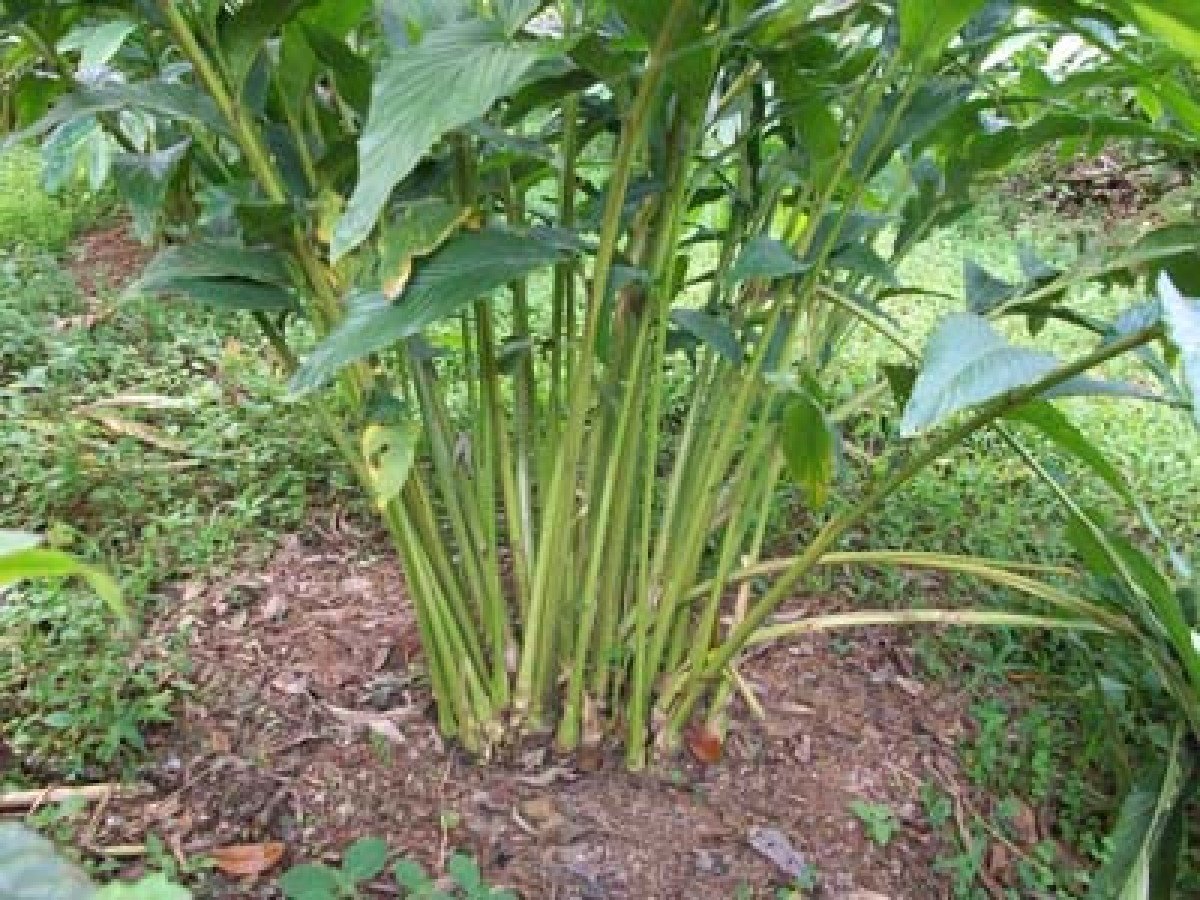
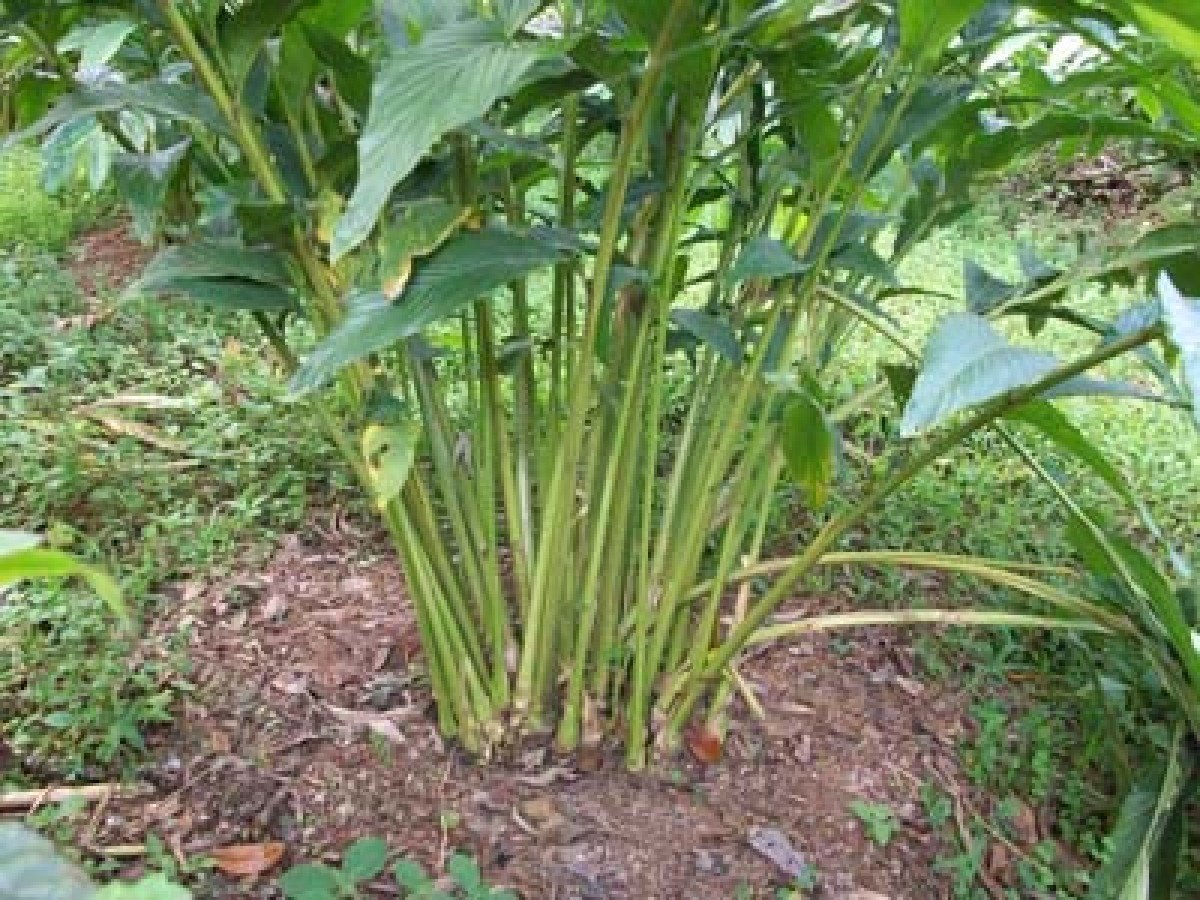
Emerald Green Cardamom Fields: The sprawling cardamom plantations provide a beautiful, uniform green backdrop that is perfect for nature and portrait photography. The way the sunlight filters through the large, broad leaves of the cardamom plants creates a soft and ethereal lighting. You can take stunning shots of the small, white and purple cardamom flowers at the base of the plants. The rows of plants stretching into the distance create a sense of infinite greenery. It’s a quintessentially Kerala landscape that is a must-capture for any photographer. The peace and quiet of the fields allow you to focus on your composition without any distractions.
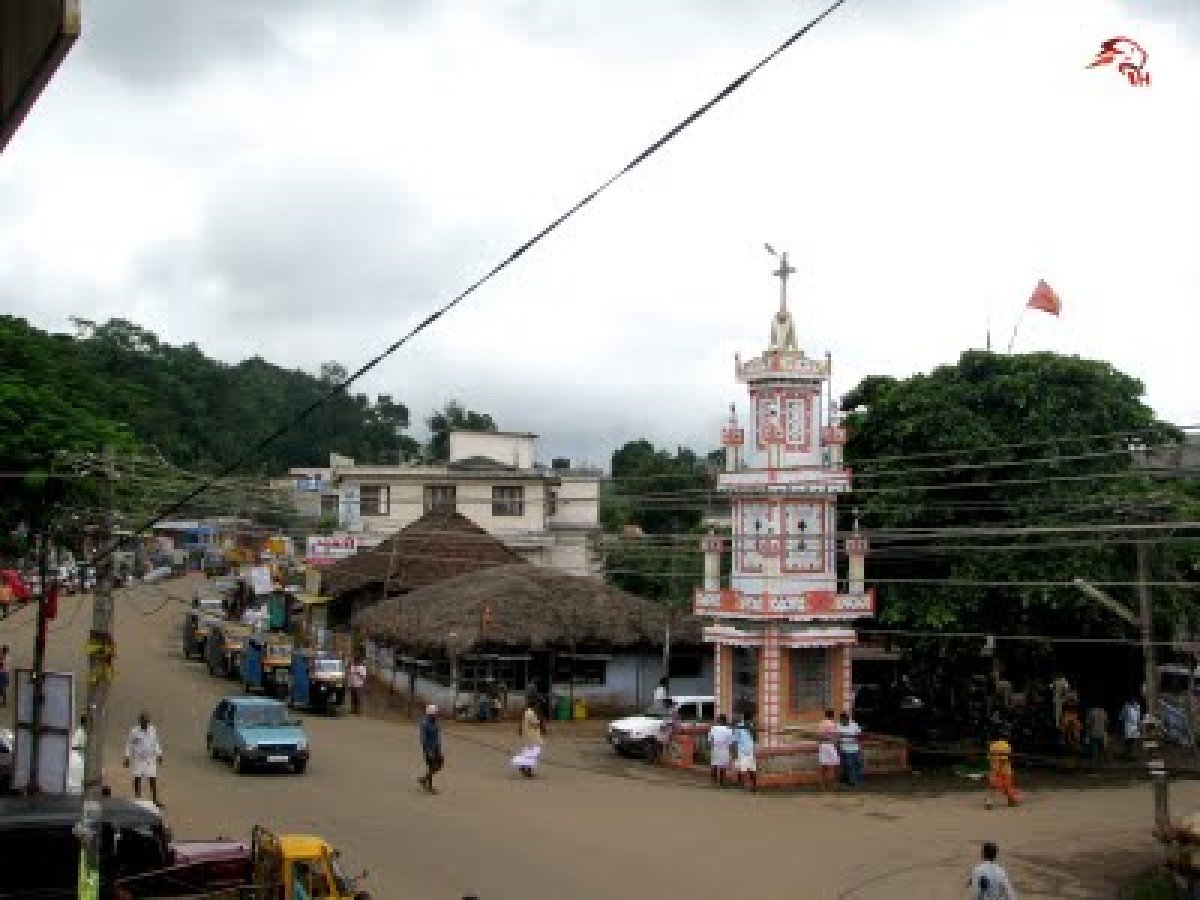
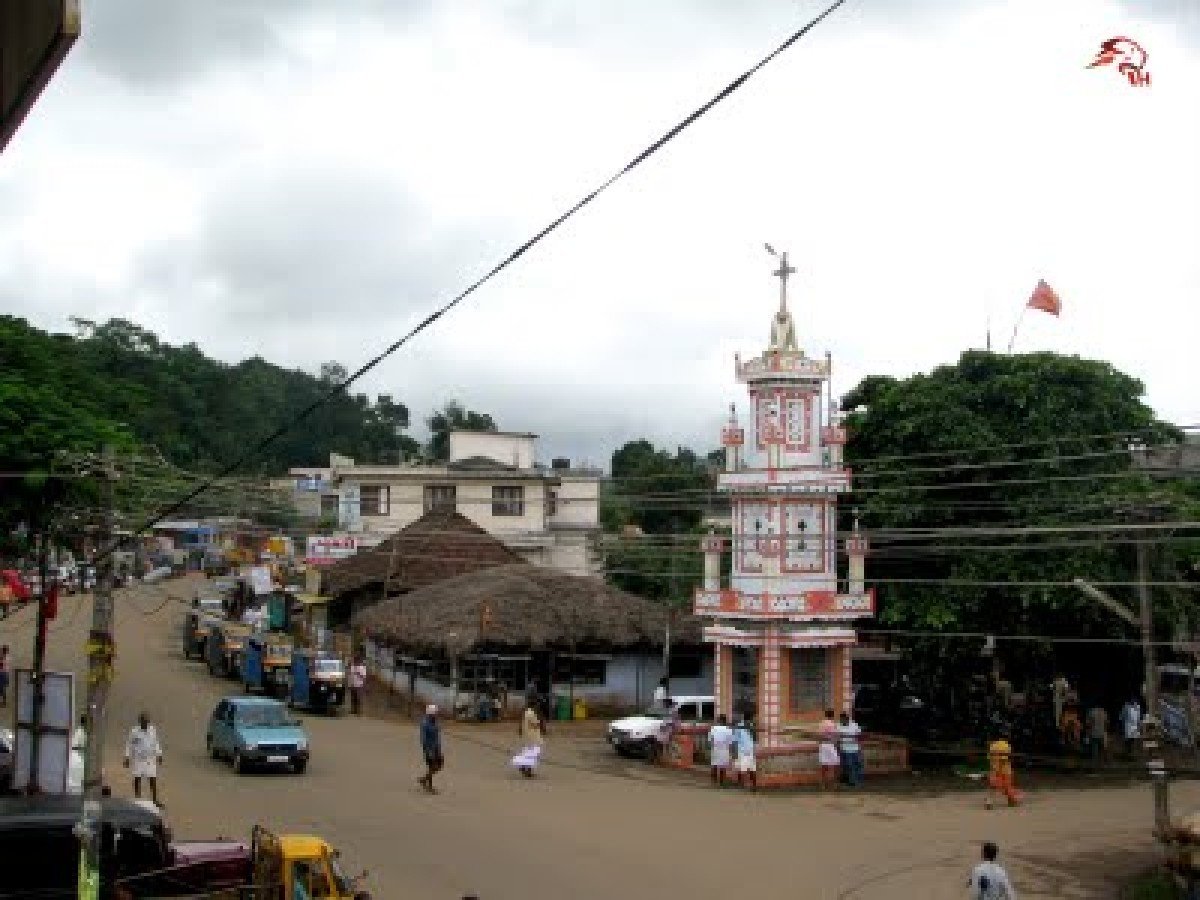
Local Village Life: The main street and markets of Anakkara offer endless opportunities for street photography. You can capture the colorful spice shops, the busy local tea stalls, and the friendly faces of the villagers. The traditional Kerala architecture of the houses and temples provides an interesting backdrop. Capturing the daily routines of the people, from drying spices to transporting goods, tells the real story of the village. The vibrant colors and the authentic atmosphere make every shot feel alive. It’s a great way to document the cultural heart of the spice country.Photo Gallery
Things To Do
-
Plantation Exploration: In Anakkara, the best thing to do is take a long walk through the sprawling spice estates. Many local farmers allow visitors to explore their plantations for a small fee or even for free. You can see the vast fields of Cardamom and Pepper and learn how they are maintained. The lush greenery and the hilly terrain make it a refreshing experience for city dwellers. It’s a great way to see the "real" Kerala, away from the curated tourist spots. You can even join the workers during harvest season to see how the spices are hand-picked.
Visit Local Auction Centers: To understand the economic side of the spice trade, you can visit the local cardamom auction centers in and around Anakkara. Here, you can witness the fast-paced bidding process where tons of spices are sold to international buyers. It’s a f...Plantation Exploration: In Anakkara, the best thing to do is take a long walk through the sprawling spice estates. Many local farmers allow visitors to explore their plantations for a small fee or even for free. You can see the vast fields of Cardamom and Pepper and learn how they are maintained. The lush greenery and the hilly terrain make it a refreshing experience for city dwellers. It’s a great way to see the "real" Kerala, away from the curated tourist spots. You can even join the workers during harvest season to see how the spices are hand-picked.
Visit Local Auction Centers: To understand the economic side of the spice trade, you can visit the local cardamom auction centers in and around Anakkara. Here, you can witness the fast-paced bidding process where tons of spices are sold to international buyers. It’s a fascinating look at the global reach of this small village. The intense aroma of thousands of kilos of fresh cardamom is something you will never forget. It’s an eye-opening experience that shows the scale of the industry that drives the region's economy. You get to see the business side of the beauty you see in the fields.
Hiking to Valley Viewpoints: For adventure seekers, Anakkara offers several trekking trails that lead to viewpoints overlooking the Cumbum Valley. These hikes vary in difficulty, but the reward is always a spectacular panoramic view. You can see the vast agricultural plains of Tamil Nadu and the distant mountains of the Western Ghats. It’s a great spot for watching the sunset and taking panoramic photos. The trails are relatively quiet, making it a peaceful escape into nature. You might even spot some local wildlife or rare birds during your hike, adding to the excitement.
Cultural Immersion: Spend some time in the village center, visiting the local tea shops and markets. Engaging with the locals over a cup of 'Kattan Chaya' (black tea) is the best way to learn about the history and culture of the area. You can visit the ancient local temples and churches to see the unique architecture and religious customs. If your visit coincides with a local festival, you can witness traditional Kerala art forms like Kathakali or Theyyam. This cultural interaction provides a deeper understanding of the community that makes Anakkara so special. It’s a chance to experience the famous Kerala hospitality firsthand.
Information
-
Why Famous:
The Spice Hub of Idukki: Anakkara is famous as a major center for the cultivation and trade of high-quality spices, especially Cardamom. It is one of the few places where visitors can see the entire supply chain of the spice industry, from the sprawling estates to the local...The Spice Hub of Idukki: Anakkara is famous as a major center for the cultivation and trade of high-quality spices, especially Cardamom. It is one of the few places where visitors can see the entire supply chain of the spice industry, from the sprawling estates to the local auction centers. The village is renowned for its fertile soil and ideal climatic conditions, which produce some of the most aromatic spices in the world. It serves as a quieter, more authentic alternative to the more commercialized areas of Thekkady, allowing tourists to witness the real lives of the planters. Its reputation as a "Spice Village" draws researchers and culinary experts from across the globe.
Cultural and Scenic Beauty: The town is also famous for its breathtaking landscapes, characterized by emerald-green hills and misty valleys. It is a popular spot for photography and nature walks, offering views that are often compared to the Scottish Highlands. Anakkara is known for its cultural inclusivity, hosting vibrant festivals that showcase the traditional art forms of Kerala. The village's proximity to other major attractions like Munnar and Thekkady makes it a famous stopover for travelers on the Kerala spice route. It provides a unique blend of agricultural importance and scenic tranquility that captures the heart of every visitor. -
Architecture:
Rural Vernacular Style: Anakkara's architecture is a testament to the rural Kerala aesthetic, where homes and spice warehouses are built to endure the high humidity and rain. The local buildings typically feature high ceilings and large windows for cross-ventilation, with d...Rural Vernacular Style: Anakkara's architecture is a testament to the rural Kerala aesthetic, where homes and spice warehouses are built to endure the high humidity and rain. The local buildings typically feature high ceilings and large windows for cross-ventilation, with dimensions for average houses ranging around 1,500 to 2,500 square feet. Many older structures utilize timber frames and lime-plastered walls, which naturally regulate indoor temperatures. The spice collection centers, or 'godowns,' are massive rectangular halls with iron truss roofs, often exceeding 5,000 square feet in floor area to accommodate large volumes of cardamom.
Religious Monuments: The village is home to the Anakkara Church and local temples, which showcase classic Dravidian and Gothic influences adapted to the local context. The church spires often reach heights of 60 feet, serving as landmarks for the community. These structures are built with reinforced concrete but maintain traditional motifs in their facades. The integration of modern materials with old-world design principles is a key feature of the town's evolving landscape. Public spaces like the village square are designed for community gatherings, reflecting the social-centric architecture of the region. -
How To Reach:
By Air: To reach Anakkara, the most convenient airports are Madurai (145 KMS) and Cochin (160 KMS). Both airports have frequent flights from all major Indian cities and international destinations. From the airport, you can hire a direct taxi to Anakkara, which takes about ...By Air: To reach Anakkara, the most convenient airports are Madurai (145 KMS) and Cochin (160 KMS). Both airports have frequent flights from all major Indian cities and international destinations. From the airport, you can hire a direct taxi to Anakkara, which takes about 4 to 5 hours. The drive from Cochin is especially famous for its views of the waterfalls and tea gardens along the Munnar-Thekkady road. It’s a comfortable journey that introduces you to the beauty of the Western Ghats even before you reach your destination. Private transfers can be pre-arranged through your accommodation for a smoother experience.
By Train: The nearest railhead is Kottayam, located about 120 KMS from Anakkara. This station is a major stop for all trains traveling through Kerala. From Kottayam, you can take a taxi or a public bus to reach the village. The drive takes around 4 hours and winds through the scenic rubber and spice plantations of Idukki. Another alternative is the Madurai railway station in Tamil Nadu, which is about 145 KMS away and well-connected to South Indian cities. Both options provide a reliable and cost-effective way to get close to the spice heartland. Taxis are readily available at both stations for the final leg of the journey.
By Road: Anakkara is well-connected by road and lies on the Kumily-Munnar state highway. It is about 12 KMS from Kumily (Thekkady). You can easily reach here by taking a KSRTC bus that plies between Thekkady and Munnar. Many private bus operators also run services from cities like Kochi, Trivandrum, and Bangalore to Kumily, from where you can take a local connection. The roads are generally in good condition, although they can be narrow and winding in certain sections. Driving your own car or hiring a self-drive vehicle is a great way to enjoy the scenic beauty of the plantations at your own pace.
By Local Transport: The best way to get around Anakkara and reach it from Thekkady is by hiring a local jeep or taxi. Jeeps are the most common mode of transport in this hilly terrain and are very reliable. You can also take one of the frequent local buses that run along the main highway. Auto-rickshaws are available for shorter distances within the village. For a more adventurous experience, you can rent a motorcycle or a bicycle in Thekkady and ride down to Anakkara. The local transport is friendly and affordable, allowing you to explore the hidden corners of the village with ease. It’s a simple and enjoyable commute. -
Weather and Best Time to Visit:
Seasonal Variations: The best time to visit Anakkara is from September to March. This period includes the post-monsoon and winter seasons when the weather is cool and the spice plantations are at their most lush. This is also the peak harvest time for cardamom, offering th...Seasonal Variations: The best time to visit Anakkara is from September to March. This period includes the post-monsoon and winter seasons when the weather is cool and the spice plantations are at their most lush. This is also the peak harvest time for cardamom, offering the best opportunity to see the village in full action. The monsoon season from June to August is spectacular for those who love "rain tourism," as the hills turn into a vivid emerald green and the waterfalls are in full flow. Summers from April to May can be a bit warm, but the high altitude keeps the heat much more manageable than in the plains of Kerala.
Daily Optimal Timing: To capture the true essence of the village, the early morning from 6:00 AM to 9:00 AM is the best time. This is when the mist blankets the valleys and the local life starts to stir. It's the most peaceful time for walks and photography. Late afternoons from 4:00 PM to 6:30 PM are also highly recommended for catching the sunset and enjoying the cool evening breeze. If you are interested in the commercial side, midday is the best time to visit the local markets and spice shops when they are most active. Most visitors spend a half-day in Anakkara, so planning your visit around these hours will give you the most well-rounded experience. -
Near Tourist Places:
1. Thekkady (12 KM), 2. Abraham's Spice Garden (10 KM), 3. Chellarkovil (5 KM), 4. Aruvikuzhi View Point (6 KM), 5. Ramakkalmedu (25 KM), 6. Cumbum Valley (20 KM), 7. Pandikuzhi (8 KM), 8. Vandanmedu (10 KM), 9. Munnar (85 KM), 10. Idukki Dam (45 KM).
Tourism Tips
-
Health & Safety: When walking through the plantations in Anakkara, be mindful of the terrain, which can be uneven and slippery, especially after rain. Wear sturdy walking shoes or hiking boots with a good grip. It's advisable to stay on established paths to avoid leeches, ...Health & Safety: When walking through the plantations in Anakkara, be mindful of the terrain, which can be uneven and slippery, especially after rain. Wear sturdy walking shoes or hiking boots with a good grip. It's advisable to stay on established paths to avoid leeches, which can be common in the moist cardamom fields during the monsoon. Carry a basic first-aid kit and some salt or lime to deal with leeches if necessary. Always ask for permission before entering private property or taking photos of the local workers. The village is very safe, but it's always good to be respectful of local customs and privacy.
Packing: Bring a lightweight rain jacket or an umbrella, as the weather in the Idukki hills can be unpredictable. Comfortable, quick-dry clothing is best for plantation walks. A hat and sunscreen are essential for protection against the sun during the day. Don't forget your camera and binoculars for birdwatching.
Accommodation: Anakkara is famous for its high-quality homestays and plantation retreats. Staying in a homestay provides an authentic experience of local life and culture. There are also several luxury resorts and budget hotels in and around the village.
Cash & Connectivity: While some larger resorts may accept cards, it’s best to carry enough cash for small purchases in the village markets and for local transport. There are a few ATMs in Anakkara town, but it's safer to withdraw cash in Thekkady before you arrive. Mobile network coverage is generally good, but data speeds can vary in more remote plantation areas. Most homestays offer basic Wi-Fi for their guests.
Other Tips: Engage with the local community to find the best-hidden viewpoints and trails. Buying spices directly from the farmers or local cooperatives is often cheaper and more authentic than buying from large tourist shops.
Reviews
FAQs
Thekkady Itineray And Cost:-
Other Places In Thekkady :-
Other States In India :-
Information about New and Updated Locations() of Kerala Has Been Added :-
Card subtitle
Note:-
Information provided here in good Faith and for reference only.
Near Places

Abraham's Spice Garden
Some quick example text to build on the card title and make up the bulk of the card's content.
Go somewhere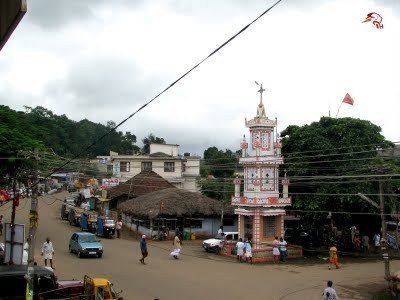
Anakkara
Some quick example text to build on the card title and make up the bulk of the card's content.
Go somewhere
Aruvikuzhi View Point
Some quick example text to build on the card title and make up the bulk of the card's content.
Go somewhere
Bamboo Rafting
Some quick example text to build on the card title and make up the bulk of the card's content.
Go somewhere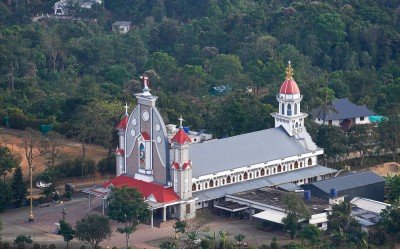
Calvary Mount
Some quick example text to build on the card title and make up the bulk of the card's content.
Go somewhere
Cheeyappara Waterfall
Some quick example text to build on the card title and make up the bulk of the card's content.
Go somewhere
Chellarcovil View Point
Some quick example text to build on the card title and make up the bulk of the card's content.
Go somewhere
Chellarkovil
Some quick example text to build on the card title and make up the bulk of the card's content.
Go somewhere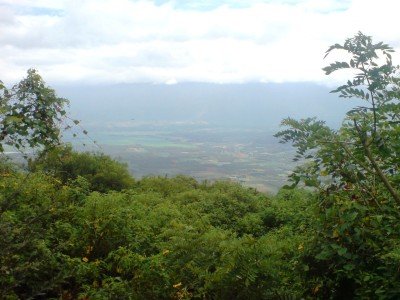
Chellarkovil Viewpoint
Some quick example text to build on the card title and make up the bulk of the card's content.
Go somewhere
Deepa World Spice Garden
Some quick example text to build on the card title and make up the bulk of the card's content.
Go somewhere
Elephant Junction
Some quick example text to build on the card title and make up the bulk of the card's content.
Go somewhere
Gavi Eco-Tourism
Some quick example text to build on the card title and make up the bulk of the card's content.
Go somewhere
Green Park Ayurvedic & Spice Plantation
Some quick example text to build on the card title and make up the bulk of the card's content.
Go somewhere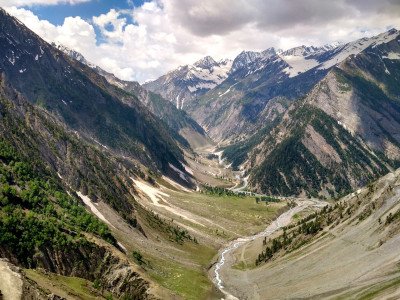
Greenvalley Spice Garden
Some quick example text to build on the card title and make up the bulk of the card's content.
Go somewhere
Kadathanadan Kalari Centre
Some quick example text to build on the card title and make up the bulk of the card's content.
Go somewhere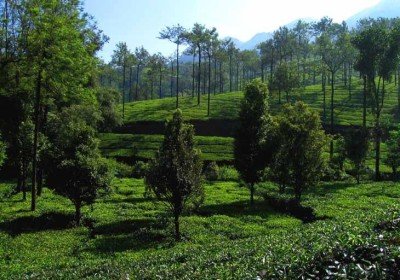
Kuttikkanam
Some quick example text to build on the card title and make up the bulk of the card's content.
Go somewherein Other Cities