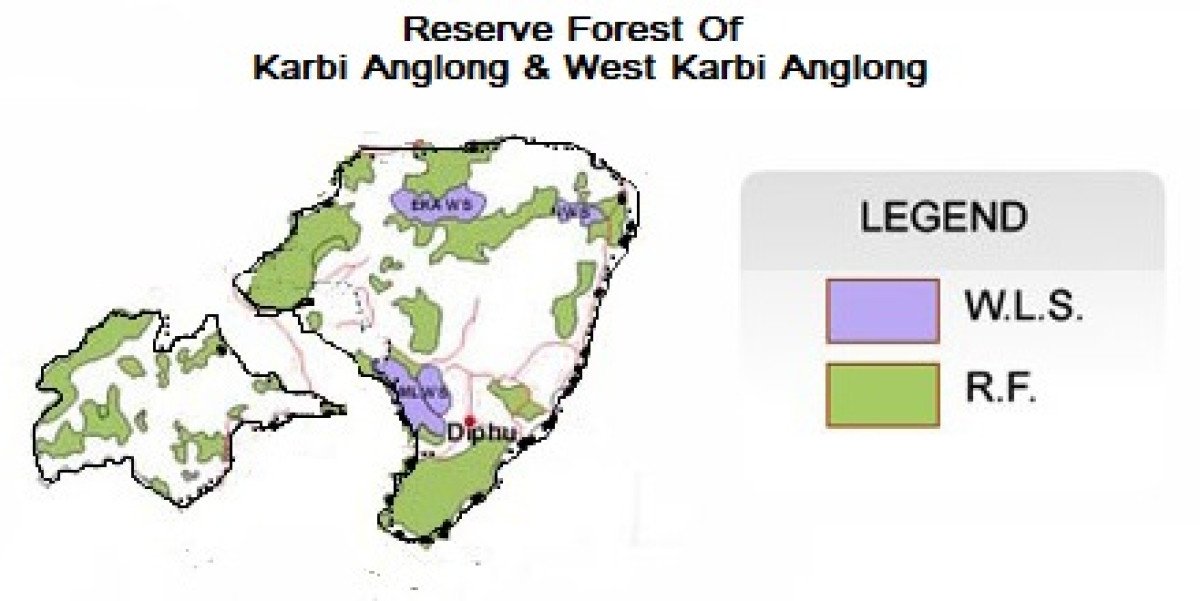
Marat Longri Wildlife Sanctuary
General information
-
Ideal Duration:
1 to 2 Days (For comprehensive wildlife viewing and trekking)Place Type:
Wildlife Sanctuary, Nature Reserve, Eco-Tourism SpEntry Fees:
Basic Entry Charges: The Marat Longri Wildlife Sanctuary does levy a minimal entry fee, which is typical for protected areas in India. This fee varies for Indian nationals and foreign tourists. The revenue generated from these fees is crucial for the ongoing conservation, ...Basic Entry Charges: The Marat Longri Wildlife Sanctuary does levy a minimal entry fee, which is typical for protected areas in India. This fee varies for Indian nationals and foreign tourists. The revenue generated from these fees is crucial for the ongoing conservation, maintenance, and protection efforts of the sanctuary, including anti-poaching patrols and habitat management. Details on the exact amount should always be confirmed with the Assam Forest Department or the local range office in Diphu before a visit, as fees are subject to periodic revision.
Vehicle and Camera Fees: In addition to the person entry fee, visitors usually have to pay separate charges for bringing a vehicle inside the designated zones, such as a Jeep for a safari. There are also distinct fees for carrying professional or high-end cameras (DSLRs with long lenses, video cameras) as these are used for commercial or extensive photography. The purpose of these fees is to regulate the impact of tourism and ensure the carrying capacity of the park is not exceeded. These additional charges should be factored into the overall cost of the trip.
Guide and Permit Charges: It is mandatory and highly recommended to hire an authorized local guide, especially for trekking or deep forest exploration. The fees for guides are separate from the entry tickets and are vital for both visitor safety and enriching the experience with local knowledge. Furthermore, specific activities or restricted zones may require special permits, which also involve a charge. All payment details, which are usually cash-based at the entry gate, should be verified locally.Timing:
Regular Operating Timings: Based on available information, the Marat Longri Wildlife Sanctuary has quite extended operating hours, generally cited as 4 AM to 10 PM daily. However, it is essential to note that these hours often apply to the ability to enter/exit the general ...Regular Operating Timings: Based on available information, the Marat Longri Wildlife Sanctuary has quite extended operating hours, generally cited as 4 AM to 10 PM daily. However, it is essential to note that these hours often apply to the ability to enter/exit the general area and the official timings of the forest gates. Wildlife viewing activities, such as safaris and nature walks, are strictly regulated and typically limited to the early morning and late afternoon/evening hours, for instance, from 5:30 AM to 9:30 AM and 3:00 PM to 6:00 PM, as these are the times when animals are most active and visible.
Ideal Visit Time for Wildlife Viewing: The ideal visit time during the day is unequivocally the early morning, specifically from dawn until around 9:00 AM. During this cool, quiet period, mammals are often on the move, returning from or heading out to feeding grounds. The light is also excellent for photography. The second-best time is the late afternoon, from about 3:30 PM until sunset, as the animals start moving again. Midday visits are generally discouraged because the heat and stillness make wildlife spotting much less likely.
Best Season for a Visit: The best season to visit is during the winter months, from November to April, as the weather is cool, pleasant, and highly conducive to outdoor activities like wildlife spotting and trekking. The dense monsoon growth also subsides, making it easier to see animals.Special Events:
Wildlife Census and Monitoring Activities: While not a public 'event' in the traditional sense, the sanctuary is periodically involved in critical ecological activities like wildlife censuses, particularly for the Asiatic Elephant and Tiger, and other monitoring programs. T...Wildlife Census and Monitoring Activities: While not a public 'event' in the traditional sense, the sanctuary is periodically involved in critical ecological activities like wildlife censuses, particularly for the Asiatic Elephant and Tiger, and other monitoring programs. These are vital times when researchers and forest officials intensely survey the area. Although general tourist access might be restricted during such sensitive times, the sheer volume of ecological activity and the presence of dedicated conservationists highlight the sanctuary's crucial role in Assam's conservation efforts. For a visitor interested in conservation, the mere knowledge of this ongoing work makes a visit to the interpretation center or a conversation with a local guide a special, insightful experience.
Local Karbi Festivals and Cultural Events: The Karbi Anglong district, where the sanctuary is located, is rich in indigenous culture. Major Karbi festivals, although held in Diphu town or nearby villages, often have a profound connection to the forest and nature. The Karbi Youth Festival, usually held annually in February, is a prominent event showcasing the tribe's traditional music, dance, and arts. A visit coinciding with such a festival transforms the trip into a cultural as well as a wildlife experience. These festivals act as a special, vibrant complement to the peaceful nature of the sanctuary, giving visitors a complete view of the region's heritage.Best Photo Spots:
The Forest Edge and Water Bodies: The areas where the dense forest meets natural clearings or the banks of the Jamuna River and other seasonal water pits are prime photographic locations. Animals, especially the Asiatic Elephant and various deer, frequently visit these spot...The Forest Edge and Water Bodies: The areas where the dense forest meets natural clearings or the banks of the Jamuna River and other seasonal water pits are prime photographic locations. Animals, especially the Asiatic Elephant and various deer, frequently visit these spots to drink, making them ideal for wildlife close-ups and action shots. Early morning, when the mist is lifting and the light is soft, provides a mystical backdrop for capturing silhouettes and the atmospheric beauty of the jungle. Patience is key here to capture the perfect moment of an animal interaction.
The Trails and Canopy Views: The dense forest trails themselves, especially those with an arching canopy, offer excellent opportunities for abstract and detail-oriented photography. Focus on capturing the texture of tree barks, the vibrant colors of orchids, the intricate patterns of fungi, or the light filtering through the leaves ('dappled light'). For bird photographers, scanning the upper canopy layers is crucial. Capturing a Hoolock Gibbon swinging through the branches is a challenging but highly rewarding photo opportunity unique to this region. Using a tripod for long exposures on nature trails can also yield stunning results.
Views from Elevated Points (Near Singhason Peak): Although the peak itself is outside the sanctuary, the approach roads and nearby elevated points provide magnificent panoramic views of the entire Karbi Anglong landscape, with the sprawling green expanse of the Marat Longri forest in the foreground. These spots are perfect for capturing wide-angle landscape shots, especially during sunrise or sunset. The golden hour light dramatically illuminates the hills and valleys, offering a breathtaking scene for professional and amateur photographers alike. The surrounding nature of Diphu is truly stunning.Photo Gallery
Things To Do
-
Wildlife Safaris and Jeep Tours: One of the most popular activities is undertaking a Jeep Safari (if available/permitted) or a designated Forest Department vehicle tour through the core and buffer zones of the sanctuary. These tours are best conducted in the early morning and late afternoon when animals are most active. Visitors can expect to traverse designated routes through dense forest cover, open patches, and near water bodies in hopes of spotting flagship species like the Asiatic Elephant, various deer species like Barking Deer, and other mammals like the Wild Pig and Porcupine. Guides are essential for tracking and identifying signs of wildlife, enhancing the chances of spotting the elusive Royal Bengal Tiger or Leopard. The duration typically ranges from 3 to 4 hours, and following all instructions from the forest guards is mandatory for safety.
<...Wildlife Safaris and Jeep Tours: One of the most popular activities is undertaking a Jeep Safari (if available/permitted) or a designated Forest Department vehicle tour through the core and buffer zones of the sanctuary. These tours are best conducted in the early morning and late afternoon when animals are most active. Visitors can expect to traverse designated routes through dense forest cover, open patches, and near water bodies in hopes of spotting flagship species like the Asiatic Elephant, various deer species like Barking Deer, and other mammals like the Wild Pig and Porcupine. Guides are essential for tracking and identifying signs of wildlife, enhancing the chances of spotting the elusive Royal Bengal Tiger or Leopard. The duration typically ranges from 3 to 4 hours, and following all instructions from the forest guards is mandatory for safety.
Bird Watching Expeditions: Marat Longri offers exceptional opportunities for bird watching due to its rich avifaunal diversity. Armed with binoculars and a bird guide, visitors can spend hours quietly observing the hundreds of species of woodland and hilly birds. Focus areas include the edges of wetlands, riparian zones near the Jamuna River, and areas with tall canopy trees, which are home to species like Hornbills, Green Pigeons, and different kinds of Barbets. This activity requires patience and a good knowledge of local calls and habitats. Early morning is the most rewarding time for this.
Nature Trails and Trekking (with Permits): For the more adventurous visitor, certain parts of the sanctuary and its surrounding areas in the Karbi Anglong foothills offer thrilling trekking opportunities. A permit from the Forest Department and the accompaniment of an authorized local guide are non-negotiable for safety, especially due to the presence of large mammals. Treks can range from short walks to full-day excursions, allowing visitors to appreciate the smaller aspects of the forest, such as insects, unique flora (orchids, medicinal plants), and the sounds of the jungle. A popular nearby trekking option is the Singhason Peak, the highest peak in the district, which provides panoramic views of the entire area, including the Brahmaputra valley and distant Himalayan peaks.
Photography and Nature Recording: The sanctuary provides an incredible canvas for nature and wildlife photography. From capturing the majestic stature of an Asiatic Elephant to the vibrant plumage of a Hornbill or the intricate detail of a forest orchid, the opportunities are endless. Landscape photography is also rewarding, with the lush, rolling hills and dense forests offering dramatic backdrops, especially during the winter months when the light is clearer. Photographers should carry telephoto lenses for wildlife and wide-angle lenses for landscapes. Ethical photography, ensuring no disturbance to the animals, must be strictly observed.
Cultural Immersion in Diphu: Since the sanctuary is close to Diphu, visitors can combine their wildlife trip with a visit to the town. Exploring Diphu's local markets and cultural sites, such as the District Museum and the Arboretum Cum Craft Centre, offers insight into the unique culture, traditions, and history of the Karbi people. This provides a cultural balance to the wildlife experience.
Visiting Adjacent Botanical Gardens: The Botanical Garden in Diphu is located close to the sanctuary road and is an excellent place to see local and regional flora in a more structured setting. It's a great complementary activity to understand the diverse plant life of Karbi Anglong, which mirrors some of the species found in the wild sanctuary. It is an educational and relaxing spot to spend a couple of hours.
Information
-
Why Famous:
Home to the Majestic Asian Elephant: The primary reason for the sanctuary's fame is its role as an important part of the Dhansiri-Lungding Elephant Reserve. It provides a critical corridor and habitat for the Asiatic Elephant, one of India's most iconic and threatened speci...Home to the Majestic Asian Elephant: The primary reason for the sanctuary's fame is its role as an important part of the Dhansiri-Lungding Elephant Reserve. It provides a critical corridor and habitat for the Asiatic Elephant, one of India's most iconic and threatened species. The ability to observe these magnificent animals in their natural surroundings is a major draw for tourists and researchers alike.
Rich and Diverse Biodiversity: Marat Longri is a haven of biodiversity, featuring a significant population of endangered and vulnerable species. Besides the elephant, it's known for housing the Royal Bengal Tiger, Leopard, and the Himalayan Black Bear. The presence of the Hoolock Gibbon, the only ape species in India, is another key factor in its recognition among wildlife circles. This rich tapestry of flora and fauna, including a variety of reptiles and woodland birds, makes it a valuable ecological site and a compelling destination for wildlife enthusiasts.
Pristine Wilderness and Serene Environment: Unlike some over-commercialized reserves, Marat Longri Wildlife Sanctuary is relatively underdeveloped, offering visitors a genuine retreat into a pristine, tranquil natural environment. Its vast, unsullied landscapes, dense forests, and clear streams provide a peaceful escape and an opportunity to appreciate nature away from the hustle of urban life. This unspoiled charm contributes significantly to its reputation as a serene and important wildlife destination in Northeast India. -
Architecture:
Natural Architecture of the Sanctuary: The "architecture" of the Marat Longri Wildlife Sanctuary is entirely natural, defined by its sprawling geographical features and diverse forest types rather than man-made structures. Its overall dimension covers an area of 451. 00 squ...Natural Architecture of the Sanctuary: The "architecture" of the Marat Longri Wildlife Sanctuary is entirely natural, defined by its sprawling geographical features and diverse forest types rather than man-made structures. Its overall dimension covers an area of 451. 00 square kilometers (or 45,100 hectares). This vast area is composed of diverse ecological zones, forming a complex natural habitat structure.
Forest Type and Structure: The dominant forest type is a mix of tropical and sub-tropical hill forest, which is dense and multi-layered. The tree canopy reaches various heights, forming a natural, tiered roof structure. The undergrowth is thick, providing excellent cover for ground-dwelling animals. The presence of climbers, orchids, and large bamboo patches adds to the structural complexity of the vegetation.
Water Bodies and Terrain: The sanctuary's landscape includes elevated hilly regions, interspersed with lower-lying areas featuring swamps and water pits, essential for numerous species, particularly the Asiatic Elephant. The Jamuna River and other seasonal streams act as natural corridors and watering holes, segmenting the forest landscape. The rugged, undulating terrain contributes to habitat heterogeneity, which is key to supporting a wide range of flora and fauna. The overall architecture is one of wild, untamed nature, where the dimensions are measured in square kilometers of biodiversity, not in feet of stone or concrete. -
How To Reach:
From Place Name:
Diphu By Air: The nearest major airport to Marat Longri Wildlife Sanctuary is the Dimapur Airport (DMU) in Nagaland, which is approximately 60 KMs away. Travelers can take a flight to Dimapur from major Indian cities like Gu...From Place Name:
Diphu By Air: The nearest major airport to Marat Longri Wildlife Sanctuary is the Dimapur Airport (DMU) in Nagaland, which is approximately 60 KMs away. Travelers can take a flight to Dimapur from major Indian cities like Guwahati or Kolkata. From the Dimapur Airport, one can hire a pre-paid taxi or a private cab for the two-hour drive to Diphu, which serves as the base for the sanctuary. Alternatively, the Lokpriya Gopinath Bordoloi International Airport (Guwahati - GAU) is a much larger airport, but it's significantly further away (around 250 KMs), requiring a longer journey by road or train to reach Diphu.
By Train: The nearest and most convenient railhead is the Diphu Railway Station (DPU), which is only about 8 KMs from the sanctuary area. Diphu is well-connected by train, including express services, to major cities in Assam and the rest of India, like Guwahati, Lumding, and Dimapur. From the railway station, you can easily hire local transport to the sanctuary boundary or your accommodation in Diphu town. This is arguably the most stress-free way to reach the vicinity.
By Road: Diphu is the district headquarters of Karbi Anglong and is connected by a good network of roads. The sanctuary is approximately 10 KMs from the town center. If driving from Guwahati, the journey (around 5 to 6 hours) involves taking the National Highway (NH 27) towards Nagaon and then connecting to the road towards Diphu. It's advisable to check road conditions, especially during the monsoon season (June to September). You can hire private taxis from Guwahati or Dimapur, or utilize state-run or private bus services that regularly ply between Guwahati, Dimapur, and Diphu.
By Local Transport: Once in Diphu town, local transportation is readily available for the 8-10 KM journey to the sanctuary gate. Options include auto-rickshaws and local taxis/cabs. It's best to negotiate the fare beforehand, including the return journey, as finding transport back from the sanctuary gate, especially late in the day, can be challenging. For safaris within the sanctuary (if permitted), the Forest Department may provide authorized Jeep vehicles. -
Weather and Best Time to Visit:
The Dry (Winter) Season:
November to April: This is unanimously considered the Best Time to Visit. The weather is cool and pleasant, with minimal humidity, making outdoor activities comfortable. This period offers the highest chances of wil...The Dry (Winter) Season:
November to April: This is unanimously considered the Best Time to Visit. The weather is cool and pleasant, with minimal humidity, making outdoor activities comfortable. This period offers the highest chances of wildlife sightings for several reasons. Firstly, the vegetation is relatively less dense compared to the post-monsoon period, improving visibility into the forest. Secondly, animals congregate near fewer water sources as smaller streams dry up, making them easier to locate. The average temperature during these months is ideal for walking and open-top vehicle safaris.
The Monsoon Season:
June to September: This period should be Avoided. The heavy rainfall makes the forest trails and roads muddy, often leading to temporary closures or severely restricting access. The high humidity can also be uncomfortable. While the forest is at its lushest green, the dense undergrowth reduces visibility for wildlife spotting significantly. Trekking becomes difficult and potentially dangerous, and animal activity is more spread out due to abundant water sources.
The Pre-Monsoon (Summer) Season:
March to May: This period sees rising temperatures and increasing humidity. While the early part, like March and April, is still good, the heat of May can be intense, especially during the midday hours. Wildlife sightings can still be good, particularly near water bodies during the hottest parts of the day, but overall visitor comfort is reduced.
The Ideal Part of the Day: Irrespective of the season, the Ideal Visit Time on any given day is the early morning (4 AM to 9 AM) and the late afternoon (3 PM to 6 PM). These are the Twilight hours when most mammals and birds are actively feeding or moving, offering the best chance for viewing and photography. Midday is generally the quietest time. -
Near Tourist Places:
1.
Botanical Gardens: Approx. 5 KMs (Well-maintained garden for local flora). 2.
Arboretum Cum Craft Centre: Approx. 8 KMs (A planned park and craft exhibition center). 3.
District Museum, Diphu: Approx. 2 KMs (Showcasing Karbi culture and history). 4.
Trek to Singhason Peak: Approx. 4 KMs (Highest peak in the district, for trekking and panoramic views). 5.
Lake Town Clock Tower: Approx. 10 KMs (A landmark in Diphu town). 6.
Bhelughat Waterfall: Approx. 40 KMs (A beautiful natural waterfall). 7.
Garampani Wildlife Sanctuary: Approx. 60 KMs (Another wildlife reserve, famous for hot springs). 8.
Nambor Wildlife Sanctuary: Approx. 70 KMs (Known for elephant, gaur, and tigers). 9.
Akashi Ganga Picnic Spot: Approx. 35 KMs (Popular picnic and scenic area). 10.
Karbilankso Waterfall: Approx. 70 KMs (Picturesque waterfall near Balipathar).
Tourism Tips
-
Health & Safety Guidelines: Malaria and other mosquito-borne diseases are a risk, especially after the monsoon. Carry a first-aid kit with necessary medications, insect repellent (with high DEET concentration), antiseptic wipes, and pain relievers. Vaccinations for Typhoid...Health & Safety Guidelines: Malaria and other mosquito-borne diseases are a risk, especially after the monsoon. Carry a first-aid kit with necessary medications, insect repellent (with high DEET concentration), antiseptic wipes, and pain relievers. Vaccinations for Typhoid, Hepatitis A, and Tetanus should be up-to-date. Since you are in a protected area with large animals like the Tiger and Elephant, always maintain a safe distance and never attempt to approach or feed the wildlife. Strictly follow the instructions of your guide and the forest department. Carry sufficient drinking water to stay hydrated, and be aware of leeches during or just after the rains.
Packing Essentials: Pack earth-toned or dull-colored clothing (greens, browns, greys) to blend in with the environment; bright colors can disturb wildlife. Lightweight, quick-drying clothing is best, along with a wide-brimmed hat and sunglasses. Sturdy, comfortable trekking shoes are a must. Bring binoculars, a good camera with extra batteries, a power bank, a flashlight/headlamp, and a rain jacket/poncho, even outside the monsoon season. A good field guide for local birds and animals can enhance the experience.
Accommodation Options: Since the sanctuary is underdeveloped, accommodation options inside are limited, possibly to a basic Forest Inspection Bungalow (enquire in advance for bookings). The best place to stay is in the nearby town of Diphu. Diphu offers a variety of hotels, guesthouses, and private lodges, ranging from economical to mid-range decent facilities. Options like Singhason Hotel or private lodges provide a comfortable base. For a closer-to-nature experience, check for eco-lodges or homestays in the villages surrounding Diphu and the sanctuary buffer zone. Always book your accommodation well in advance, especially during the peak winter season (November to March).
Permits and Other Tips: You will require an entry permit, which is usually issued at the sanctuary gate or the Divisional Forest Office in Diphu. It is highly recommended to hire an authorized local guide as they are crucial for navigation, tracking wildlife, and ensuring safety. Respect the local Karbi culture and traditions. Do not litter, avoid plastics, and bring back all non-biodegradable waste. Maintain absolute silence during safaris and walks to avoid disturbing the animals. Carry cash, as card payment facilities are rare at the sanctuary and small local establishments.
Reviews
FAQs
Diphu Itineray And Cost:-
Marat Longri Wildlife Sanctuary Tourism:-
Information about New and Updated Locations() of Assam Has Been Added :-
Card subtitle
Note:-
Information provided here in good Faith and for reference only.
All information and pictures will be updated soon, please keep visiting.
Near Places
Akashi Ganga Picnic Spot
Some quick example text to build on the card title and make up the bulk of the card's content.
Go somewhere
Amreng Tourist Centre
Some quick example text to build on the card title and make up the bulk of the card's content.
Go somewhere
Arboretum Cum Craft Centre
Some quick example text to build on the card title and make up the bulk of the card's content.
Go somewhere
Bhelughat Waterfall
Some quick example text to build on the card title and make up the bulk of the card's content.
Go somewhere
Botanical Gardens
Some quick example text to build on the card title and make up the bulk of the card's content.
Go somewhere
Deopani Durga Mandir
Some quick example text to build on the card title and make up the bulk of the card's content.
Go somewhere
District Museum
Some quick example text to build on the card title and make up the bulk of the card's content.
Go somewhere
Garampani Wildlife Sanctuary
Some quick example text to build on the card title and make up the bulk of the card's content.
Go somewhere
Hurnatpi Waterfalls
Some quick example text to build on the card title and make up the bulk of the card's content.
Go somewhere
Kangthilangso Waterfall
Some quick example text to build on the card title and make up the bulk of the card's content.
Go somewherein Other Cities