District Museum
General information
-
Ideal Duration:
1 to 2 hoursPlace Type:
Cultural, Historical, EducationalEntry Fees:
Nominal Fee Structure: The District Museum in Diphu typically maintains a very nominal entry fee. This is common for government-run museums in India, as the primary goal is cultural preservation and education, not profit. The fee is usually structured to cover basic operat...Nominal Fee Structure: The District Museum in Diphu typically maintains a very nominal entry fee. This is common for government-run museums in India, as the primary goal is cultural preservation and education, not profit. The fee is usually structured to cover basic operational costs, maintenance, and security.
Differential Pricing: Often, there is a differential pricing structure. For instance, the fee for Indian Nationals is usually very low (e. g. , in the range of Rs.10 to Rs.50 per person), while the fee for Foreign Tourists is slightly higher (e. g. , in the range of Rs.50 to Rs.200). There may also be a concession for Students with valid ID cards.
Photography and Videography Charges: There is frequently a separate, higher fee for carrying and using cameras (especially DSLR or professional cameras) and an even higher fee for videography. This is to control the commercial exploitation of the artifacts and to ensure the protection of the exhibits from flash photography damage. Visitors should be prepared to pay this extra charge if they wish to take photos.
Group and Educational Visits: Schools or large educational groups might be eligible for a discounted group rate or may even be allowed free entry upon prior written request, promoting learning among the youth. The entry fees are transparently posted at the ticket counter.
Timing:
Regular Timings: The District Museum generally operates on standard working hours, typically from 10:00 AM to 4:00 PM or 4:30 PM. It is important to note that most museums in Assam observe a weekly closing day, often on Monday or sometimes a major public holiday. Visitors ...Regular Timings: The District Museum generally operates on standard working hours, typically from 10:00 AM to 4:00 PM or 4:30 PM. It is important to note that most museums in Assam observe a weekly closing day, often on Monday or sometimes a major public holiday. Visitors must confirm the exact closing day before planning the visit.
Ideal Visit Time: The Ideal Visit Time is during the early morning hours, right after the opening time, around 10:00 AM to 12:00 PM. During this window, the museum is less crowded, allowing for a quiet and focused viewing of the exhibits. The natural light is also usually soft and pleasing in the late morning, which enhances the viewing experience.
Duration for Exploration: As the museum is relatively small, about 1 to 2 hours is the suggested time for a thorough visit. Spending less than one hour might mean rushing through the significant collections.
Holiday Exceptions: Timings may be slightly adjusted or the museum may be closed entirely during major festivals like Bihu, Durga Puja, or Christmas. Always check official notifications for these periods.
Special Events:
Local Heritage Week Celebrations: The museum often becomes a focal point during local and state-level heritage week celebrations, typically held in the months of November or December. During this time, the museum hosts special extended exhibitions, workshops, and seminars f...Local Heritage Week Celebrations: The museum often becomes a focal point during local and state-level heritage week celebrations, typically held in the months of November or December. During this time, the museum hosts special extended exhibitions, workshops, and seminars focused on the history, language, and material culture of the Karbi people. These events are designed to educate the public and promote cultural awareness, drawing scholars and cultural enthusiasts.
Cultural Exchange Programs: Periodically, the museum collaborates with other cultural institutions in Assam or Northeast India to host temporary exhibitions or cultural exchange programs. These events may feature artifacts, performances, or crafts from different regions, creating a dynamic learning environment for visitors. These specialized exhibitions are rare but offer unique opportunities.
Commemorative Anniversary Functions: The museum, especially given its 1886 establishment, holds special functions on its anniversary or on significant dates related to the region's history, featuring lectures by local historians and cultural leaders to celebrate the museum’s role in cultural preservation.
Best Photo Spots:
The Main Entrance Facade: The exterior of the museum building offers a classic photo opportunity. Capture the simple, historical facade to represent the institution itself. For the best light, try taking the photo in the late morning, around 10 AM, or early afternoon, befo...The Main Entrance Facade: The exterior of the museum building offers a classic photo opportunity. Capture the simple, historical facade to represent the institution itself. For the best light, try taking the photo in the late morning, around 10 AM, or early afternoon, before 2 PM, when the sun is not directly overhead.
Textile Display Highlights: Inside, certain sections dedicated to the vibrant, patterned Karbi textiles are excellent for colourful and detailed photos (if photography is permitted). Focus on close-ups of the weaving details or the arrangement of traditional garments like the Pini (skirt) and Pekok (shawl) to highlight the artistry.
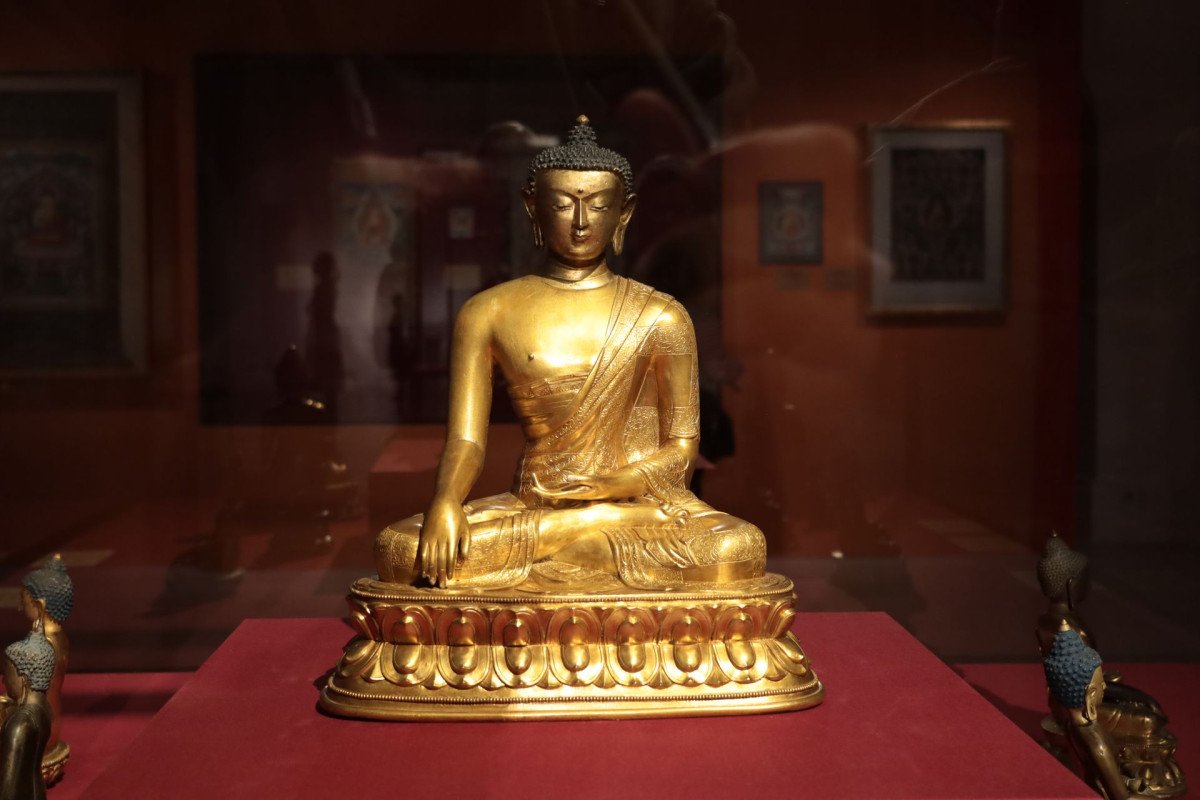
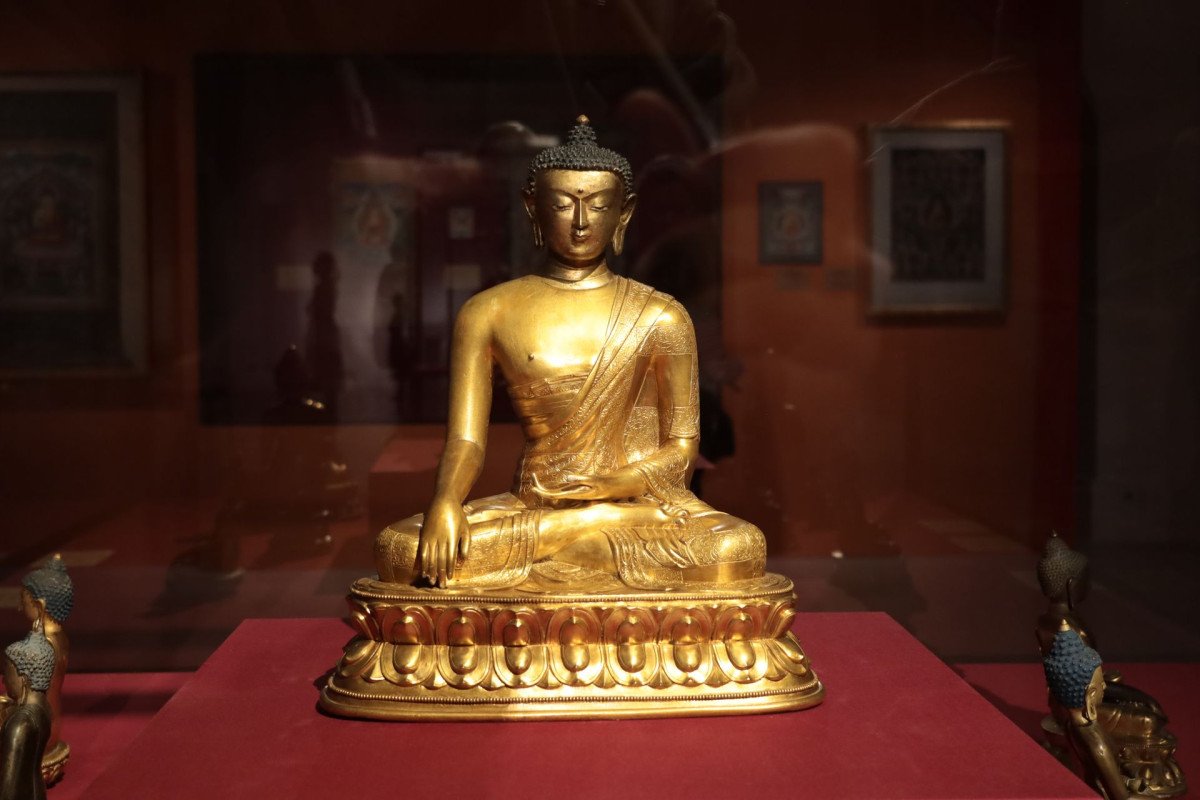
The Artifact Showcase: Specific, well-lit glass cases containing the most visually striking artifacts—such as the unique ornaments, metalwork, or the Narasimha image—provide good photo subjects. Use the glass to reflect the lighting creatively, but be careful to avoid flash to protect the artifacts and adhere to museum rules.
The Ethnographic Dioramas (if any): If the museum features small dioramas or life-size models depicting scenes from Karbi daily life or rituals, these make for immersive and storytelling photographs. Capture the scene from a low angle to make the display more imposing.
Photo Gallery
Things To Do
-
Explore the Artifact Collections: Spend dedicated time examining the various galleries. Focus on the traditional Karbi ornaments, which often feature unique beadwork and metal crafting. Study the different types of hunting and farming tools to understand the historical resourcefulness of the people. Look closely at the musical instruments, which are key to the region’s festive culture.
Study Local Textiles and Attire: Investigate the intricate patterns and weaving techniques used in the traditional textiles. Note the difference in attire between various sub-tribes or for different ceremonial occasions. This is an excellent way to appreciate the high level of craftsmanship and the cultural significance embedded in every piece of fabric.
Engage with Museum Staff: If possible, interact with t...Explore the Artifact Collections: Spend dedicated time examining the various galleries. Focus on the traditional Karbi ornaments, which often feature unique beadwork and metal crafting. Study the different types of hunting and farming tools to understand the historical resourcefulness of the people. Look closely at the musical instruments, which are key to the region’s festive culture.
Study Local Textiles and Attire: Investigate the intricate patterns and weaving techniques used in the traditional textiles. Note the difference in attire between various sub-tribes or for different ceremonial occasions. This is an excellent way to appreciate the high level of craftsmanship and the cultural significance embedded in every piece of fabric.
Engage with Museum Staff: If possible, interact with the museum curators or local staff. They often possess deep, personal knowledge about the artifacts, local folklore, and the history of the items on display, which goes beyond the written descriptions. This provides a more enriched and authentic learning experience.
Focus on the Narasimha Image: Take a moment to view the ancient image of Lord Narasimha. Reflect on its presence in a predominantly tribal area; it speaks volumes about the historical interplay of different religious and cultural influences across Assam.
Document the Visit: Carry a notebook or use your phone (respecting photography rules) to jot down interesting facts or sketch some of the unique designs you see. This aids in memory retention and allows you to look up more information later.
Read Every Plaque: Unlike larger, overwhelming museums, the Diphu District Museum is concise. Reading every informational plaque is feasible and highly recommended to grasp the full context of the limited but significant exhibits.
Contribute to Local Conservation: Inquire about supporting local conservation efforts or purchasing a souvenir from the district, if available, to contribute to the preservation of the local culture and economy.
Plan Your Next Stop: Since the visit is short, use the time after your exploration to look at a local map or brochure within the museum to plan your visit to other nearby Diphu attractions like the Botanical Garden or Arboretum Cum Craft Centre.
Reflect on Cultural Diversity: Take time to ponder the sheer diversity of traditions and history preserved under one roof, understanding how the Karbi Anglong district contributes to the broader cultural tapestry of Northeast India.
Information
-
Why Famous:
Repository of Karbi Heritage: The District Museum is primarily famous because it is the main centre dedicated to preserving and showcasing the unique cultural heritage of the Karbi Anglong district, particularly the Karbi tribe. It holds collections of artifacts that are ce...Repository of Karbi Heritage: The District Museum is primarily famous because it is the main centre dedicated to preserving and showcasing the unique cultural heritage of the Karbi Anglong district, particularly the Karbi tribe. It holds collections of artifacts that are central to understanding their way of life, traditions, and history, making it a vital cultural landmark.
Historical Significance: Established back in 1886, the museum has a long history, making it one of the older institutions of its kind in the region. This longevity and its mission to archive local history contribute significantly to its fame and importance as a historical reference point in Diphu.
Unique Archaeological Finds: The display of regional archaeological artifacts, including the notable image of Lord Narasimha, draws interest from historians and academics. These unique finds provide concrete evidence of historical trade routes, religious influence, and ancient habitation in the Karbi Hills. The museum’s small but specialized collection distinguishes it from general museums.
-
Architecture:
Simple Colonial Era Structure: The museum building itself features a relatively simple, functional architectural style, likely dating back to the late 19th century when it was established or constructed. It generally avoids the grand, ornate designs seen in major metropolit...Simple Colonial Era Structure: The museum building itself features a relatively simple, functional architectural style, likely dating back to the late 19th century when it was established or constructed. It generally avoids the grand, ornate designs seen in major metropolitan museums.
Local Material Influence: While specific dimensions are not publicly detailed, the structure is typically modest in size, reflecting the administrative or cultural building norms of a small hilly town in the pre-independence era. The architecture often incorporates elements or materials suited to the local climate, such as a sturdy foundation and simple pitched roof, ensuring durability against heavy Assam rainfall.
Internal Layout and Exhibition: The internal architecture is designed for ease of exhibition and movement. It generally consists of several dedicated rooms or halls where artifacts are displayed in glass cases and on pedestals. The layout is utilitarian, aiming to maximize display area while ensuring proper lighting—often natural light supplemented by electric illumination—to protect the delicate textiles and historical items. The focus is more on the preservation and presentation of the exhibits than on elaborate structural ornamentation. The museum's modest dimensions allow for a focused and intimate exploration of the region's history.
-
How To Reach:
By Air: The nearest major airport to Diphu is Dimapur Airport (DMU) in Nagaland, which is approximately 70-80 KMS away. This airport is well-connected to major Indian cities like Kolkata and Guwahati. From Dimapur Airport, you can hire a pre-paid taxi or a private cab to r...By Air: The nearest major airport to Diphu is Dimapur Airport (DMU) in Nagaland, which is approximately 70-80 KMS away. This airport is well-connected to major Indian cities like Kolkata and Guwahati. From Dimapur Airport, you can hire a pre-paid taxi or a private cab to reach Diphu. The drive takes about 2 to 3 hours. Guwahati's Lokpriya Gopinath Bordoloi International Airport (GAU) is an alternative but is much farther, around 250 KMS. From Diphu city centre, the museum is easily reachable by a short drive.
By Train: Diphu Railway Station (DPU) is well-connected and situated on the main rail line that runs through Assam. It has regular services from major cities like Guwahati, Kolkata, New Delhi, and Chennai. Once you arrive at Diphu Railway Station, the museum is located only a short distance away—around 2 KMS—and is easily accessible.
By Road: Diphu is the district headquarters and is well-connected by road networks within Assam and to neighbouring states. National Highway NH 329 passes near the town. State-run buses (Assam State Transport Corporation - ASTC) and private bus operators run services connecting Diphu to nearby cities like Guwahati, Nagaon, and Dimapur. From the main Diphu bus stand, you can take a local transport option to the museum.
By Local Transport: Since the District Museum is situated only about 2 KMS from the central area of Diphu, the best local options are auto-rickshaws (locally called 'autos' or 'tempos') and cycle rickshaws for the shortest distance. Auto-rickshaws are a quicker and more comfortable choice, and their fares should be agreed upon before starting the journey. For a short, inexpensive ride, a cycle rickshaw is also an option. Many parts of Diphu are walkable, so a 15-20 minute walk from the city centre to the museum is also feasible for fit travellers.
-
Weather and Best Time to Visit:
The Winter Season (October to March): This is by far the Best Time to Visit Diphu and the museum. The weather is cool and pleasant, with temperatures ranging from 10°C to 24°C. The low humidity makes walking and sightseeing comfortable. This period also coincides with t...The Winter Season (October to March): This is by far the Best Time to Visit Diphu and the museum. The weather is cool and pleasant, with temperatures ranging from 10°C to 24°C. The low humidity makes walking and sightseeing comfortable. This period also coincides with the main festive season, offering a chance to witness local cultural events and celebrations.
The Summer Season (April to June): Summers are moderately warm compared to the plains, with temperatures sometimes touching the low 30s°C. The occasional pre-monsoon showers (Bordoisila) can provide temporary relief. While the museum visit is indoors, reaching it can be hot.
The Monsoon Season (July to September): This period brings heavy rainfall to Assam. Travel can be challenging due to slippery roads and frequent rain. However, the surrounding hills are at their greenest. It is the least ideal time for general tourism, but the museum itself is unaffected by rain.
Ideal Part of the Day: Mornings (10:00 AM to 12:00 PM) are the best time for a visit, as mentioned in the timings section. The museum environment is calmer, and you can take your time to appreciate the exhibits without the afternoon rush.
-
Near Tourist Places:
1.
Arboretum Cum Craft Centre: (Approx. 8 KMS) - Park, Garden, and craft centre. 2.
Botanical Gardens: (Approx. 4-5 KMS) - Well-maintained garden with diverse local flora. 3.
Singhason Peak: (Approx. 4-5 KMS from city centre) - Highest peak, ideal for trekking and sunset/sunrise views. 4.
Marat Longri Wildlife Sanctuary: (Approx. 30-40 KMS) - Protected reserve for wildlife. 5.
Taralangso Cultural Centre: (Approx. 5-6 KMS) - Major hub for Karbi cultural events. 6.
Diphu Hill View Point: (Approx. 5 KMS) - Offers panoramic views of the town. 7.
Lake Town Clock Tower: (Approx. 3 KMS) - A town landmark. 8.
Nambor Wildlife Sanctuary: (Approx. 60 KMS) - Known for wild elephants and hot springs. 9.
Bhelughat Waterfall: (Distance varies, Rs.25Rs.30 KMS) - Scenic waterfall attraction. 10.
Kangthilangso Waterfall: (Distance varies, Rs.40Rs.50 KMS) - Another beautiful waterfall spot.
Tourism Tips
-
Health & Safety: Always carry a small First-Aid Kit with basic medicines, especially for stomach issues or minor cuts, as medical facilities might be far from the museum's immediate vicinity. Drink only bottled water to stay hydrated and avoid waterborne diseases. During t...Health & Safety: Always carry a small First-Aid Kit with basic medicines, especially for stomach issues or minor cuts, as medical facilities might be far from the museum's immediate vicinity. Drink only bottled water to stay hydrated and avoid waterborne diseases. During the monsoon (July-September), carry insect repellent.
Packing: Dress respectfully, especially in a cultural institution. Light cotton clothing is suitable for summers and warm layers are essential for the winter months (December to February). Comfortable walking shoes are a must, although the museum visit is short.
Accommodation: It is advisable to book accommodation in the main town area of Diphu. Options range from basic guest houses to small, modern hotels like Hotel Nilamber or Avoy Lodge & Bhawan. Book in advance, especially during the peak winter season (November-February).
Local Etiquette: Always ask permission before taking photographs of artifacts or people, even if a general camera fee has been paid. Refrain from touching any of the exhibits, as even slight contact can damage old artifacts. Speak quietly to maintain the decorum of the museum.
Transportation Tip: When using local autos, clarify the fare to the District Museum and back to your hotel/station before you start the journey to avoid any confusion or overcharging.
Information Gathering: Try to buy a small local guidebook or brochure in Diphu before your visit, as in-depth information on smaller museums like this can be scarce online.
Reviews
FAQs
Diphu Itineray And Cost:-
Information about New and Updated Locations() of Assam Has Been Added :-
Card subtitle
Note:-
Information provided here in good Faith and for reference only.
Near Places
Akashi Ganga Picnic Spot
Some quick example text to build on the card title and make up the bulk of the card's content.
Go somewhere
Amreng Tourist Centre
Some quick example text to build on the card title and make up the bulk of the card's content.
Go somewhere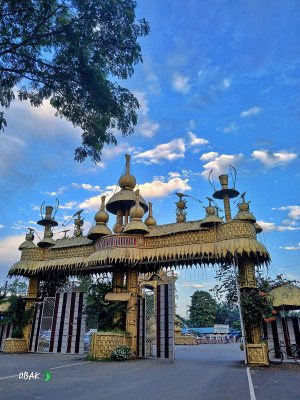
Arboretum Cum Craft Centre
Some quick example text to build on the card title and make up the bulk of the card's content.
Go somewhere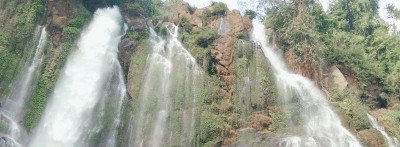
Bhelughat Waterfall
Some quick example text to build on the card title and make up the bulk of the card's content.
Go somewhere
Botanical Gardens
Some quick example text to build on the card title and make up the bulk of the card's content.
Go somewhere
Deopani Durga Mandir
Some quick example text to build on the card title and make up the bulk of the card's content.
Go somewhere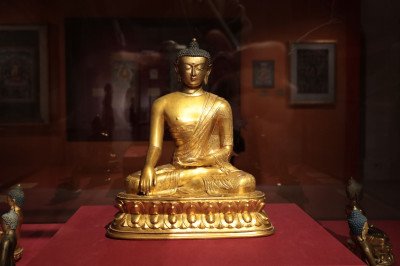
District Museum
Some quick example text to build on the card title and make up the bulk of the card's content.
Go somewhere
Garampani Wildlife Sanctuary
Some quick example text to build on the card title and make up the bulk of the card's content.
Go somewhere
Hurnatpi Waterfalls
Some quick example text to build on the card title and make up the bulk of the card's content.
Go somewhere
Kangthilangso Waterfall
Some quick example text to build on the card title and make up the bulk of the card's content.
Go somewhere
Khanduli Tourist Centre
Some quick example text to build on the card title and make up the bulk of the card's content.
Go somewhere
Lake Town Clock Tower
Some quick example text to build on the card title and make up the bulk of the card's content.
Go somewhere
Longkam Ronghangpi Cave
Some quick example text to build on the card title and make up the bulk of the card's content.
Go somewhere
Marat Longri Wildlife Sanctuary
Some quick example text to build on the card title and make up the bulk of the card's content.
Go somewhere
Nambor Wildlife Sanctuary
Some quick example text to build on the card title and make up the bulk of the card's content.
Go somewhere
Siloni Picnic Spot
Some quick example text to build on the card title and make up the bulk of the card's content.
Go somewherein Other Cities