

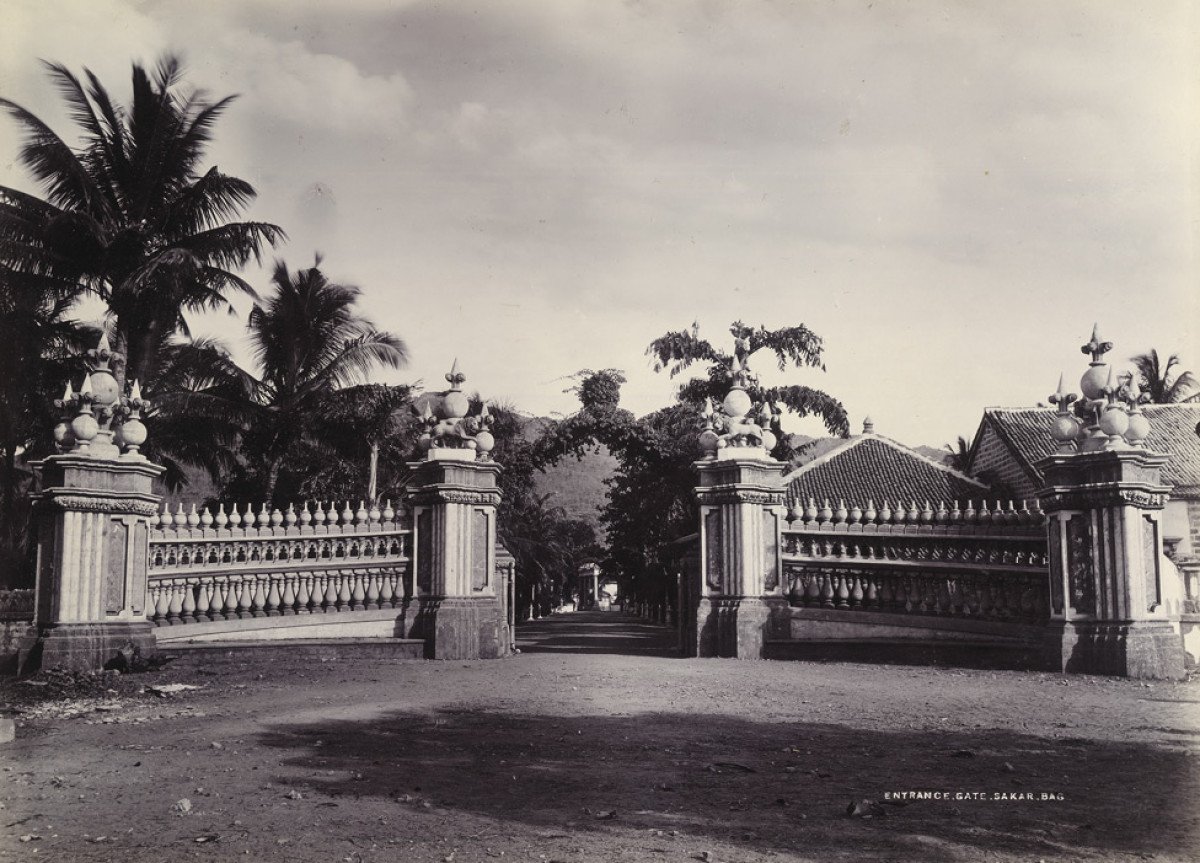
Moti Baug
General information
-
Ideal Duration:
1 to 2 Hours (For a leisurely walk and relaxation)Place Type:
Public Park, Botanical Garden, Recreational Spot,Entry Fees:
Entry Fee: Visiting Moti Baug is generally Free.
Parking Fee: A nominal parking fee (Rs.Rs.20 to Rs.50 for cars; Rs.Rs.10 for two-wheelers) is usually charged at the gate, as it is a large and popular public space with controlled access.Entry Fee: Visiting Moti Baug is generally Free.
Parking Fee: A nominal parking fee (Rs.Rs.20 to Rs.50 for cars; Rs.Rs.10 for two-wheelers) is usually charged at the gate, as it is a large and popular public space with controlled access.
Special Event Fees: During major university or agricultural fairs (Mela), a temporary, small entry ticket (e. g. , Rs.Rs.10 or Rs.20) may be levied to manage crowds and cover the event's cost.
No Camera Fee: There is No fee for still photography for personal use. Fees only apply for professional video shoots or commercial photography that requires prior permission.
Boating Charges (If Available): If the central pond offers seasonal or temporary boating facilities, a separate, small fee would be charged for the ride.Timing:
Regular Timings:
Park Hours: Moti Baug is typically Open from 5:00 AM to 7:00 PM daily. The early opening time caters specifically to the morning walkers and joggers.
University Access: The internal universi...Regular Timings:
Park Hours: Moti Baug is typically Open from 5:00 AM to 7:00 PM daily. The early opening time caters specifically to the morning walkers and joggers.
University Access: The internal university campus section may have separate, stricter hours or limited access, so respect any barriers or signage.
Ideal Visit Time: Early Morning (5:00 AM - 8:00 AM) The absolute Ideal Visit Time. The air is cool and fresh, the light is soft, and this is the most vibrant time for observing local life, exercise, and birdwatching. Late Afternoon/Evening (4:00 PM - 7:00 PM) An Excellent Time for a leisurely walk, family time, and enjoying the sunset, as the temperatures are pleasant after the day's heat.
Avoid Midday: The hours between 10:00 AM and 3:00 PM should be avoided due to the intense sun and heat, even though the garden is shaded.Special Events:
Farmers' Kisan Day Programs: As the garden is part of the Junagadh Agricultural University, it often hosts special events related to agriculture. The most notable are annual "Farmers' Day" (Kisan Divas) or "Agricultural Krishi Mela" events. These gatherings feature exhibit...Farmers' Kisan Day Programs: As the garden is part of the Junagadh Agricultural University, it often hosts special events related to agriculture. The most notable are annual "Farmers' Day" (Kisan Divas) or "Agricultural Krishi Mela" events. These gatherings feature exhibitions on new crop varieties, farm technology, and lectures by scientists, attracting a large local farming and student community.
Local Flower and Garden Shows: The botanical sections sometimes host local competitive flower and plant shows, typically in the late Winter or early Spring (February to March). These events showcase the best of the local flora, attracting horticulture enthusiasts and providing a vibrant, colorful display that is a delight for photographers.
University Graduation and Cultural Events: The large open grounds are often used for the Junagadh Agricultural University's major annual events, such as convocation ceremonies, sporting competitions, and large student cultural festivals, which infuse the park with youthful energy.Best Photo Spots:
The Giant Banyan Tree Canopies: The massive, old Banyan trees, with their sprawling aerial roots and deep shade, create dramatic, gothic-like natural architecture. Capture the wide, encompassing canopy using a low-angle shot to emphasize the scale and the play of light filt...The Giant Banyan Tree Canopies: The massive, old Banyan trees, with their sprawling aerial roots and deep shade, create dramatic, gothic-like natural architecture. Capture the wide, encompassing canopy using a low-angle shot to emphasize the scale and the play of light filtering through the leaves.
Reflections in Pari Talav: The central pond provides an excellent opportunity for reflection photography, particularly in the early morning or late afternoon when the water is still. Capture the reflection of the surrounding trees or the sky in the calm water.
The Morning Light on the Lawns: Photograph the open, dew-covered lawns during the golden hour of sunrise, capturing the peaceful atmosphere, often featuring lone joggers or yoga practitioners, which highlights the park's function as a health hub.
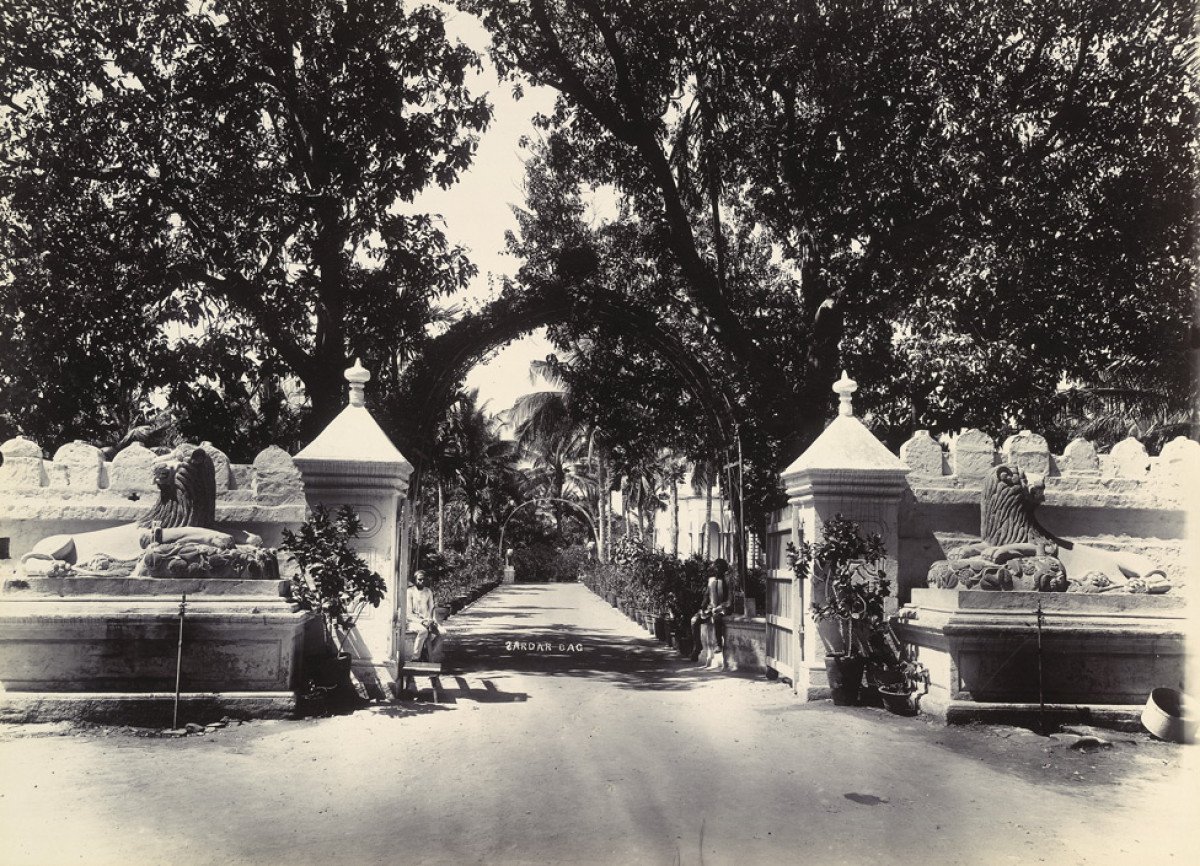
The Archival Gate/Old Buildings: If accessible, the old entrance gates or the original Nawab-era boundary walls and small buildings within the compound offer a great textural contrast between weathered stone and vibrant green foliage, giving a sense of historical context.
Floral Close-ups: Focus on the vibrant, delicate details of the flowers and unique botanical specimens within the research garden sections for macro and close-up nature photography.Photo Gallery
Things To Do
-
Engage in Health and Wellness Activities:
Take a Morning Jog or Walk: Join the locals for the quintessential Moti Baug experience of a morning jog or leisurely evening walk along the perimeter paths.
Practice Yoga or Meditation: Use the large, open lawns for an outdoor yoga or meditation session in the peaceful, clean environment.
Spend Time by the Pari Talav: Walk around the circumference of the central lake/pond, observing the reflections and the local water birdlife.
Enjoy a Family Picnic: Bring a blanket, snacks, and games for a relaxing family picnic on the expansive, shaded lawns, particularly on a Sunday afternoon.
Explore the Botanical Diversity:
Nature Photogr...
Information
-
Why Famous:
A Green Oasis in the City: Moti Baug is famous because it is the largest, most significant, and best-maintained green space in the entire city of Junagadh. It functions as the "lungs" of the city, offering essential clean air, shade, and a beautiful natural environment, whi...A Green Oasis in the City: Moti Baug is famous because it is the largest, most significant, and best-maintained green space in the entire city of Junagadh. It functions as the "lungs" of the city, offering essential clean air, shade, and a beautiful natural environment, which is highly valued by the local populace.
Historical Naming after a Dog: The unique and touching history of its founding—named after Nawab Mahabat Khanji III's pet dog, Moti—makes it locally famous and often a subject of fond historical curiosity. This personal, whimsical detail sets it apart from other colonial-era gardens.
Hub for Health and Wellness: It is the central gathering spot for the city's health-conscious community. Its wide, paved paths are famous for being ideal for jogging, walking, and exercising, with thousands of locals visiting every morning and evening to maintain their fitness, making it a social hub for wellness.
Integration with JAU: The park is famous for being the centerpiece of the Junagadh Agricultural University campus. This integration adds a layer of intellectual and scientific fame, as it is a working botanical garden used for research and education, showcasing a variety of scientifically classified and labeled plants. -
Architecture:
Botanical Garden Layout: The architecture of Moti Baug is defined by its intentional landscape design as a botanical garden. The space is divided into several sub-sections that showcase different varieties of trees, shrubs, and flowering plants, following a planned, scienti...Botanical Garden Layout: The architecture of Moti Baug is defined by its intentional landscape design as a botanical garden. The space is divided into several sub-sections that showcase different varieties of trees, shrubs, and flowering plants, following a planned, scientific layout. The pathways are well-defined, designed for pedestrian use, often lined with ancient, large trees providing a continuous canopy.
Area Dimension: The total area of the original garden was vast, with the current university campus and botanical garden section still covering a substantial area of several hundred hectares, offering an expansive green lung for the city.
Recreational and Landscape Features: The park features large open lawns (known locally as maidan), which are the main gathering and exercise spaces. The lake (Pari Talav) is a key landscape element, often with a stone or concrete ghat/edge and a circular walking path around its perimeter. The presence of colonial-era structures, like small rest houses or ornate gates that mark the boundary of the original Nawab's garden, provides subtle historical architectural accents within the natural setting.
Functional Structures: Within the university section, there are modern, functional structures for agricultural research, greenhouses, and administrative buildings that utilize the land. However, the garden area is predominantly defined by its natural, botanical architecture, emphasizing shade, water, and managed plant diversity. The planting of giant, long-lived trees like the Banyan forms the core, robust architectural feature of the park, creating natural "rooms" and "halls" with their dense foliage. -
How To Reach:
By Air:
Nearest Airport: Rajkot Airport (RAJ) is Rs.103 KMS away. Taxis and buses connect Rajkot to Junagadh. Keshod Airport (IXK) at Rs.40 KMS is an alternative with limited seasonal service.
By Train: Junagad... -
Near Tourist Places:
Narsinh Mehta Lake (Rs.2.
5 KMS): Tranquil city lake.
Darbar Hall Museum (Rs.3 KMS): Royal artifacts. Mahabat Maqbara (Rs.3.
5 KMS): Iconic mausoleum.
Sakkarbaug Zoological Garden (Rs.4 KMS): Wildlife park.
Junagadh Junction Railway Station (Rs.3 KMS): Main transport hub.
Girnar Hill (Taleti) (Rs.8 KMS): Pilgrimage base.
Ashoka's Rock Edicts (Rs.6 KMS): Historical inscription.
Uparkot Fort (Rs.4 KMS): Ancient fort complex.
Shri Swaminarayan Temple (Rs.2 KMS): Modern temple complex.
Willingdon Dam (Rs.10 KMS): Scenic reservoir.
Tourism Tips
-
Health & Safety:
Hydration: Carry water, especially for morning walks or jogs.
Insect Repellent: Use bug spray, especially in the evening or during the Monsoon, as it is a dense garden area.
Reviews
Information about New and Updated Locations(862+) of Gujarat Has Been Added :-
Card subtitle
Note:-
Information provided here in good Faith and for reference only.
All information and pictures will be updated soon, please keep visiting.
Near Places

Buddhist Caves
Some quick example text to build on the card title and make up the bulk of the card's content.
Go somewhere
Darbar Hall Museum
Some quick example text to build on the card title and make up the bulk of the card's content.
Go somewhere
Dattatreya Temple
Some quick example text to build on the card title and make up the bulk of the card's content.
Go somewhere
Girnar Hill
Some quick example text to build on the card title and make up the bulk of the card's content.
Go somewhere
Girnar Hills
Some quick example text to build on the card title and make up the bulk of the card's content.
Go somewhere
Jama Masjid
Some quick example text to build on the card title and make up the bulk of the card's content.
Go somewhere
Jatashankar Mahadev Temple
Some quick example text to build on the card title and make up the bulk of the card's content.
Go somewhere
Mahabat Maqbara
Some quick example text to build on the card title and make up the bulk of the card's content.
Go somewhere
Moti Baug
Some quick example text to build on the card title and make up the bulk of the card's content.
Go somewhere
Narsinh Mehta Lake
Some quick example text to build on the card title and make up the bulk of the card's content.
Go somewherein Other Cities