

Motu Derasar
General information
-
Ideal Duration:
2 to 3 Hours (For Darshan, a round of the complex, and appreciating the carvings):Place Type:
Jain Pilgrimage Center and Ancient Temple:Entry Fees:
No Entry Fee for Devotees: There is No Entry Fee to enter the Motu Derasar for worship or viewing:. Like most temples in India, it is open to all devotees and visitors who come to seek blessings or appreciate its architecture:.
Voluntary Donati...No Entry Fee for Devotees: There is No Entry Fee to enter the Motu Derasar for worship or viewing:. Like most temples in India, it is open to all devotees and visitors who come to seek blessings or appreciate its architecture:.
Voluntary Donations Welcome: While entry is free, the temple relies on voluntary donations from the community and visitors for its maintenance, daily rituals, and charitable activities:. Donations can be made at designated counters or donation boxes:.
Charges for Special Rituals: If a visitor wishes to perform a specific, elaborate Pooja (Worship) or ritual service, a fee or contribution may be required to cover the costs of the materials and priestly service, but casual Darshan is always free:.
:Timing:
Regular Timings: 6:00 AM to 8:
30 PM (Approximate): Jain temples typically open early for morning rituals and close after the evening Aarti or dinner offerings:.
Confirm the exact closing time locally:.Regular Timings: 6:00 AM to 8:
30 PM (Approximate): Jain temples typically open early for morning rituals and close after the evening Aarti or dinner offerings:.
Confirm the exact closing time locally:.
Ideal Visit Time: Morning (8:00 AM to 11:00 AM) The morning hours are less crowded, allowing for peaceful Darshan and photography, and the white marble is beautifully illuminated by the rising sun:.
Aarti Time: Visit during the morning (8:00 AM) or evening (7:00 PM) Aarti to witness the most vibrant religious ceremony, though it will be crowded:. Avoid the brief midday closure that some temples may observe for rest:.
:Special Events:
Jain Festivals: The temple is the focal point for major Jain festivals, most notably Paryushan Parva (in August or September) and Mahavir Jayanti (in March or April):. During these times, the temple is beautifully decorated, and special rituals, large-scale Aartis, and comm...Jain Festivals: The temple is the focal point for major Jain festivals, most notably Paryushan Parva (in August or September) and Mahavir Jayanti (in March or April):. During these times, the temple is beautifully decorated, and special rituals, large-scale Aartis, and community gatherings take place, attracting devotees from all over:.
Annual Dhaja Ceremony: A special annual ceremony for hoisting the temple flag (Dhaja) on the spire is a significant and colorful event that brings together the community and is done with great pomp and devotion:.
Commemorative Events: Special prayer meetings and discourses (Pravachans) are held to commemorate the historical Acharyas (spiritual leaders) who have been associated with this Tirth, such as Jagadguru Shri Hirvijaysurishvarji:.
:Best Photo Spots:
The Shikhara (Spire) Shot: Capture the highly detailed and multi-tiered central spire of the temple against the sky, using a low angle to emphasize its height and importance in the city skyline:.
Close-up of Marble Carvings: Focus your lens ...The Shikhara (Spire) Shot: Capture the highly detailed and multi-tiered central spire of the temple against the sky, using a low angle to emphasize its height and importance in the city skyline:.
Close-up of Marble Carvings: Focus your lens on the intricate details of the marble sculptures on the pillars and domes, highlighting the craftsmanship of the Solanki style:.
The Entrance Door Frame: The beautifully carved entrance frame, often featuring elephants and deities, provides a stunning, complex focal point for a photograph:.
Internal Hall Vistas: Capture the geometric and architectural complexity of the main hall's ceiling and pillars (avoiding the sanctum) to show the interior's grandeur:.
:Photo Gallery
Things To Do
-
Perform Darshan and Worship: The main activity is to perform the ritual viewing (Darshan) and worship of the central deity, Bhagwan Pallaviya Parshwanath, and the other Tirthankaras in the complex:.
Circumambulation (Pradakshina): Walk clockwise around the central shrine and the entire temple complex, a traditional act of devotion:.
Study the Marble Carvings: Dedicate significant time to meticulously observing the intricate marble work on the pillars, domes, and ceilings of the Rang-Mandapa and Sabha-Mandapa:. Look for the fine details of dancers, musicians, and floral patterns that define the MRs.ru-Gurjara style:.
Visit the Other Shrines: The complex is a 52 Jinalaya (temple with 52 secondary shrines) in its traditional form; explore the smaller shrines dedicat...Perform Darshan and Worship: The main activity is to perform the ritual viewing (Darshan) and worship of the central deity, Bhagwan Pallaviya Parshwanath, and the other Tirthankaras in the complex:.
Circumambulation (Pradakshina): Walk clockwise around the central shrine and the entire temple complex, a traditional act of devotion:.
Study the Marble Carvings: Dedicate significant time to meticulously observing the intricate marble work on the pillars, domes, and ceilings of the Rang-Mandapa and Sabha-Mandapa:. Look for the fine details of dancers, musicians, and floral patterns that define the MRs.ru-Gurjara style:.
Visit the Other Shrines: The complex is a 52 Jinalaya (temple with 52 secondary shrines) in its traditional form; explore the smaller shrines dedicated to other Tirthankaras and deities within the perimeter:.
Attend the Aarti Ceremony: Try to time your visit to attend the morning or evening Aarti (ritual of light) for a vibrant and deeply spiritual experience with the local community:.
Photography: Focus on capturing the architectural splendor of the exterior and the carved details of the entrance and pillars (internal photography of the sanctum is typically prohibited, so be respectful and check the rules):.
Seek Blessings from a Monk: If a Jain monk (Sadhuji) or nun (Sadhviji) is present in the Upashraya (monk's temporary housing) nearby, you may seek an audience for a spiritual discourse (Pravachan), which is a profound cultural experience:.
Reflect on the Legends: Sit in the main hall and reflect on the temple's rich history, particularly the story of King Prahladan and the miracle of the 2001 earthquake, connecting the physical space to its spiritual narrative:.
:
Information
-
Why Famous:
Associated with the City's Founder: Its primary fame comes from its legendary link to King Prahladan, the founder of Palanpur (then Prahladanpur):. The belief that the temple's consecration healed the king gives it immense spiritual and historical weight in the region:.Associated with the City's Founder: Its primary fame comes from its legendary link to King Prahladan, the founder of Palanpur (then Prahladanpur):. The belief that the temple's consecration healed the king gives it immense spiritual and historical weight in the region:.
Rediscovery of Ancient Idols: The major rediscovery of over 100 ancient Jain statues following the 2001 Earthquake brought the temple national attention and reaffirmed its status as an important ancient Jain Tirth (pilgrimage site):.
Architectural Beauty: The temple is renowned for its elaborate and exquisite marble architecture in the Solanki style, making it a masterpiece of religious art and a major draw for architecture enthusiasts:.
: -
Architecture:
The Solanki Style Architecture: The current structure of the Motu Derasar showcases the ornate and complex architectural style typical of Jain temples in Gujarat, often categorized under the Solanki or MRs.ru-Gurjara architectural traditions, known for their intricate marble c...The Solanki Style Architecture: The current structure of the Motu Derasar showcases the ornate and complex architectural style typical of Jain temples in Gujarat, often categorized under the Solanki or MRs.ru-Gurjara architectural traditions, known for their intricate marble carvings:. The temple is a multi-story structure (Prasad) with a prominent central spire (Shikhara):.
Interior and Carvings: The complex features a main hall (Rang-Mandapa) and an intermediate chamber (Sabha-Mandapa) leading to the sanctum (Garbha-Griha):. The interior is a marvel of craftsmanship, with beautifully carved marble pillars, ceilings, and domes:. The pillars in the Sabha-Mandapa are especially noteworthy, featuring sculptures of musicians, dancers, and celestial figures (Apsaras):. The intricate lattice windows (Jali) ensure soft, even illumination of the interior, a hallmark of this architectural style:. The entrance door frames are highly decorated, featuring carvings of deities, mounted elephants, and horses:. The main shrine houses the Pallaviya Parshwanath idol, while the surrounding chambers contain numerous other small shrines (DevkulikRs.s) and statues, some dating back to the time of King Samprati (grandson of Ashoka):. The temple utilizes white marble, which is often sourced from the Makrana or Ambaji region, for its main structure and carvings, giving it a gleaming, sacred appearance:.
: -
How To Reach:
By Air: The nearest major airport is Ahmedabad's Sardar Vallabhbhai Patel International Airport (AMD), located 140 KMS south of Palanpur:. From the airport, take a pre-booked taxi or an airport shuttle bus to Palanpur (approx.
3 hours):.By Air: The nearest major airport is Ahmedabad's Sardar Vallabhbhai Patel International Airport (AMD), located 140 KMS south of Palanpur:. From the airport, take a pre-booked taxi or an airport shuttle bus to Palanpur (approx.
3 hours):.
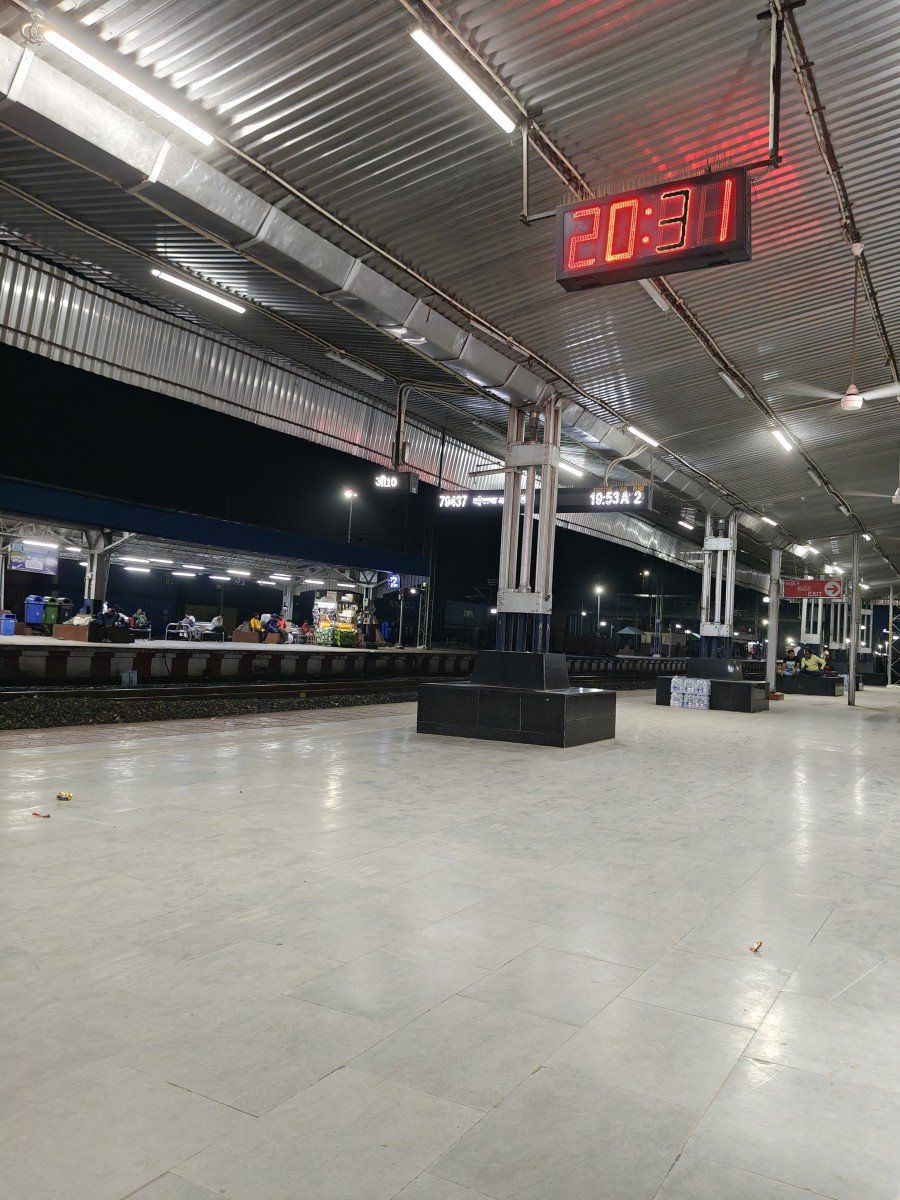
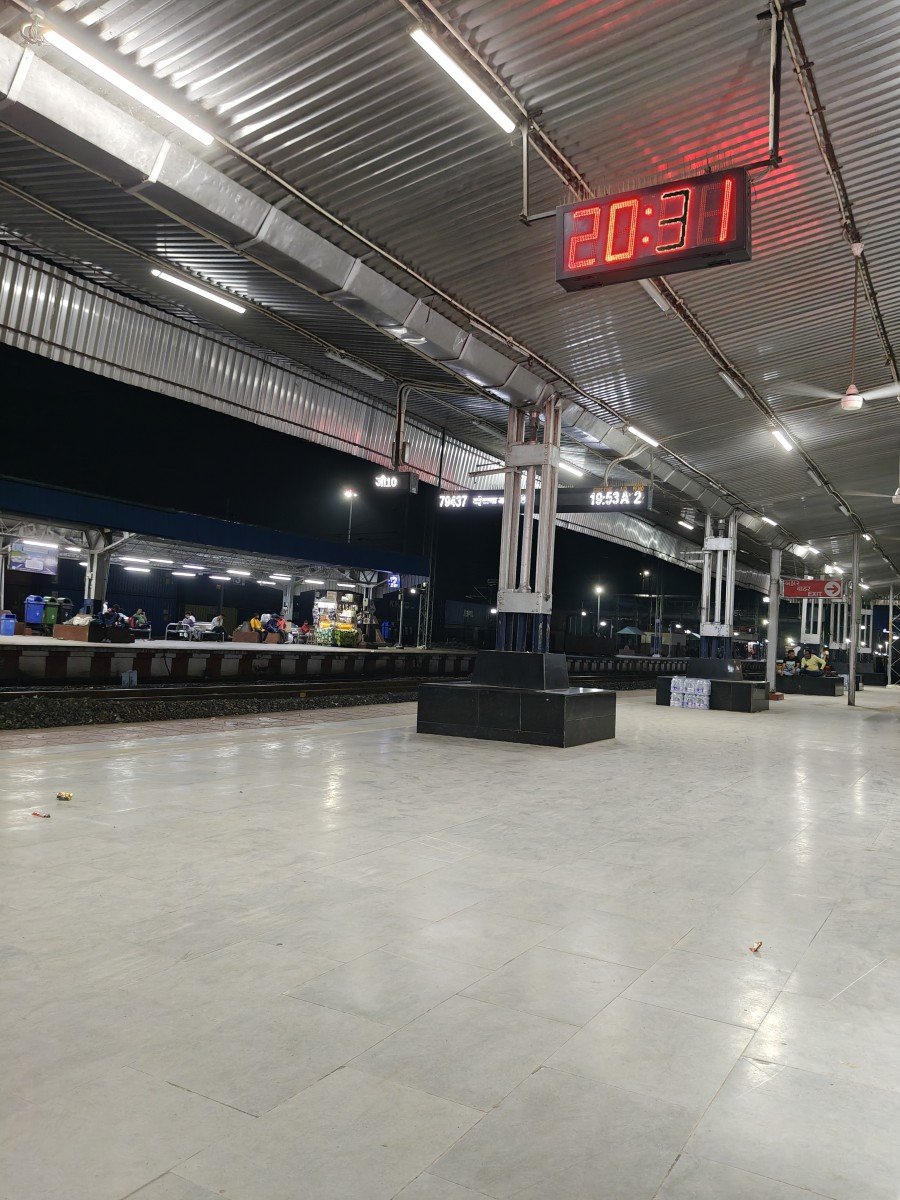
By Train: The Palanpur Junction Railway Station (PNU) is a significant railway hub:. The temple is very close to the station, about 1 KMS away:. An auto-rickshaw or even a 15-minute walk will take you to the temple, which is a very well-known landmark in the city center:.
By Road: Palanpur is well-connected by National Highway 27 (NH 27):. Regular GSRTC buses and private vehicles ply the routes from major Gujarat cities:. The temple is situated in the central Palliviya Nagar area, making it easy for drivers to locate:.
By Local Transport: Use local auto-rickshaws, the most common form of transport, to reach the Motu Derasar:. Since it's a major religious site, all local drivers will know the location; you can also use the landmark of Mira Gate which is very close:.
: -
Weather and Best Time to Visit:
Winter Season (November to February):
This is the Best Time to Visit:. The weather is cool and pleasant, ideal for walking around the temple complex, sitting for contemplation, and exploring the surrounding busy city center:.Winter Season (November to February):
This is the Best Time to Visit:. The weather is cool and pleasant, ideal for walking around the temple complex, sitting for contemplation, and exploring the surrounding busy city center:.
Monsoon Season (July to September): The monsoon can bring a unique, dramatic atmosphere to the white marble structure and cool the air, but be prepared for high humidity and occasional heavy rain, which can make the stone slippery:.
Summer Season (March to June): This is the Least Ideal time due to the extreme heat, which can make walking on the marble floor uncomfortable; visit only in the very early morning if traveling during this period:.
Different Parts of the Day: Morning is highly recommended for a peaceful and architecturally clear visit; Evening is best for the Aarti and the spiritual energy of the crowd:.
: -
Near Tourist Places:
Mira Gate (0. 5 KMS), Chandrakant Bakshi Memorial (1 KMS), Keerti Stambh (1. 5 KMS), Pataleshwar Mahadev Temple (1. 6 KMS), Mithi Vav (2 KMS), Shashivan Garden (2. 5 KMS), Balaram Palace Resort (15 KMS), Ambaji Temple (50 KMS), Jessore Sloth Bear Sanctuary (45 KMS), Dantiwada Dam (35 KMS):
Tourism Tips
-
Health & Safety: The temple is a place of worship;
dress modestly, covering your shoulders and legs:. Be prepared to remove your footwear outside the main temple area:. Watch your step on the marble floors, especially if they are wet:.Health & Safety: The temple is a place of worship;
dress modestly, covering your shoulders and legs:. Be prepared to remove your footwear outside the main temple area:. Watch your step on the marble floors, especially if they are wet:.
Packing: Carry a small bottle of water; for long visits, bring a thin cloth (stole or scarf) to cover your head out of respect or to sit on the marble floor:.
Accommodation: The Jain community often maintains a nearby guest house (Dharamsala or Upashraya) that may offer basic, subsidized accommodation to pilgrims:. Otherwise, comfortable hotels are available near the Railway Station and Highway:.
Other Different Topics:
Respectful Behavior: Jain temples are very conservative; maintain silence inside the main halls and respect the sanctity of the place:. Do not take photos inside the Garbha-Griha (Sanctum) and be respectful of the monks and devotees:.
:
Reviews
FAQs
Palanpur Itineray And Cost:-
Other Places In Palanpur :-
Other States In India :-
Information about New and Updated Locations() of Gujarat Has Been Added :-
Card subtitle
Note:-
Information provided here in good Faith and for reference only.
Near Places
Ambaji Temple
Some quick example text to build on the card title and make up the bulk of the card's content.
Go somewhere
Balaram Mahadev Temple
Some quick example text to build on the card title and make up the bulk of the card's content.
Go somewhere
Balaram Palace Resort
Some quick example text to build on the card title and make up the bulk of the card's content.
Go somewhere
Chandrakant Bakshi Memorial
Some quick example text to build on the card title and make up the bulk of the card's content.
Go somewhere
Dantiwada Dam
Some quick example text to build on the card title and make up the bulk of the card's content.
Go somewhere
Gabbar Hills
Some quick example text to build on the card title and make up the bulk of the card's content.
Go somewhere
Jessore Sloth Bear Sanctuary
Some quick example text to build on the card title and make up the bulk of the card's content.
Go somewhere
Kedarnath Mahadev Temple
Some quick example text to build on the card title and make up the bulk of the card's content.
Go somewhere
Keerti Stambh
Some quick example text to build on the card title and make up the bulk of the card's content.
Go somewhere
Kumbhariya Jain Temple
Some quick example text to build on the card title and make up the bulk of the card's content.
Go somewhere
Mira Gate Palanpur Fort
Some quick example text to build on the card title and make up the bulk of the card's content.
Go somewhere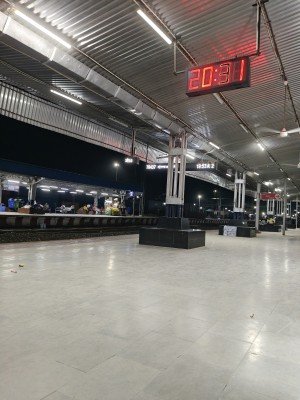
Motu Derasar
Some quick example text to build on the card title and make up the bulk of the card's content.
Go somewhere
Paniyari Waterfalls
Some quick example text to build on the card title and make up the bulk of the card's content.
Go somewhere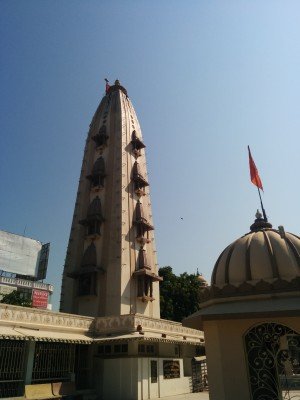
Pataleshwar Mahadev Temple
Some quick example text to build on the card title and make up the bulk of the card's content.
Go somewherein Other Cities