NIZAMABAD
General information
-
Ideal Duration:
1 to 2 DaysPlace Type:
Heritage & NatureEntry Fees:
Fort Entry: Entry to the Nizamabad Fort is generally free, but some sections might have nominal charges. Most public parks charge a small fee of around 20 rupees.
Museum Fees: The Archaeological Museum has a low entry fee for adults and chi...Fort Entry: Entry to the Nizamabad Fort is generally free, but some sections might have nominal charges. Most public parks charge a small fee of around 20 rupees.
Museum Fees: The Archaeological Museum has a low entry fee for adults and children, usually under 50 rupees. This helps in the maintenance of historical artifacts.Timing:
Regular Timings: Most tourist spots like the fort and temples are open from 9:00 AM to 6:00 PM. Reservoirs usually allow visitors until sunset.
Ideal Visit Time: The best time to visit the fort and gardens is early morning or late afternoon...Regular Timings: Most tourist spots like the fort and temples are open from 9:00 AM to 6:00 PM. Reservoirs usually allow visitors until sunset.
Ideal Visit Time: The best time to visit the fort and gardens is early morning or late afternoon. This avoids the harsh midday sun and offers better light for photos.Special Events:
Sri Rama Navami: This festival is celebrated with great pomp at Dichpally Ramalayam, drawing thousands of devotees. The temple is beautifully decorated with lights and flowers.
Rathasapthami: A major event at the Kanteshwar Temple, where th...Sri Rama Navami: This festival is celebrated with great pomp at Dichpally Ramalayam, drawing thousands of devotees. The temple is beautifully decorated with lights and flowers.
Rathasapthami: A major event at the Kanteshwar Temple, where the deity is taken out in a grand procession. It marks the changing of the seasons.Best Photo Spots:
Fort Bastions: The top of the fort provides a perfect backdrop of the city during sunset. The ancient stone walls add a vintage feel to your photos.
Ali Sagar Garden: The colorful profusion of flowers and the island guest house are very pho...Fort Bastions: The top of the fort provides a perfect backdrop of the city during sunset. The ancient stone walls add a vintage feel to your photos.
Ali Sagar Garden: The colorful profusion of flowers and the island guest house are very photogenic. The deer park offers great wildlife photography opportunities.
Statue at Ashok Sagar: The marble statue of Goddess Saraswati in the middle of the lake is a focal point for photographers. The rock garden also offers unique textures.Photo Gallery
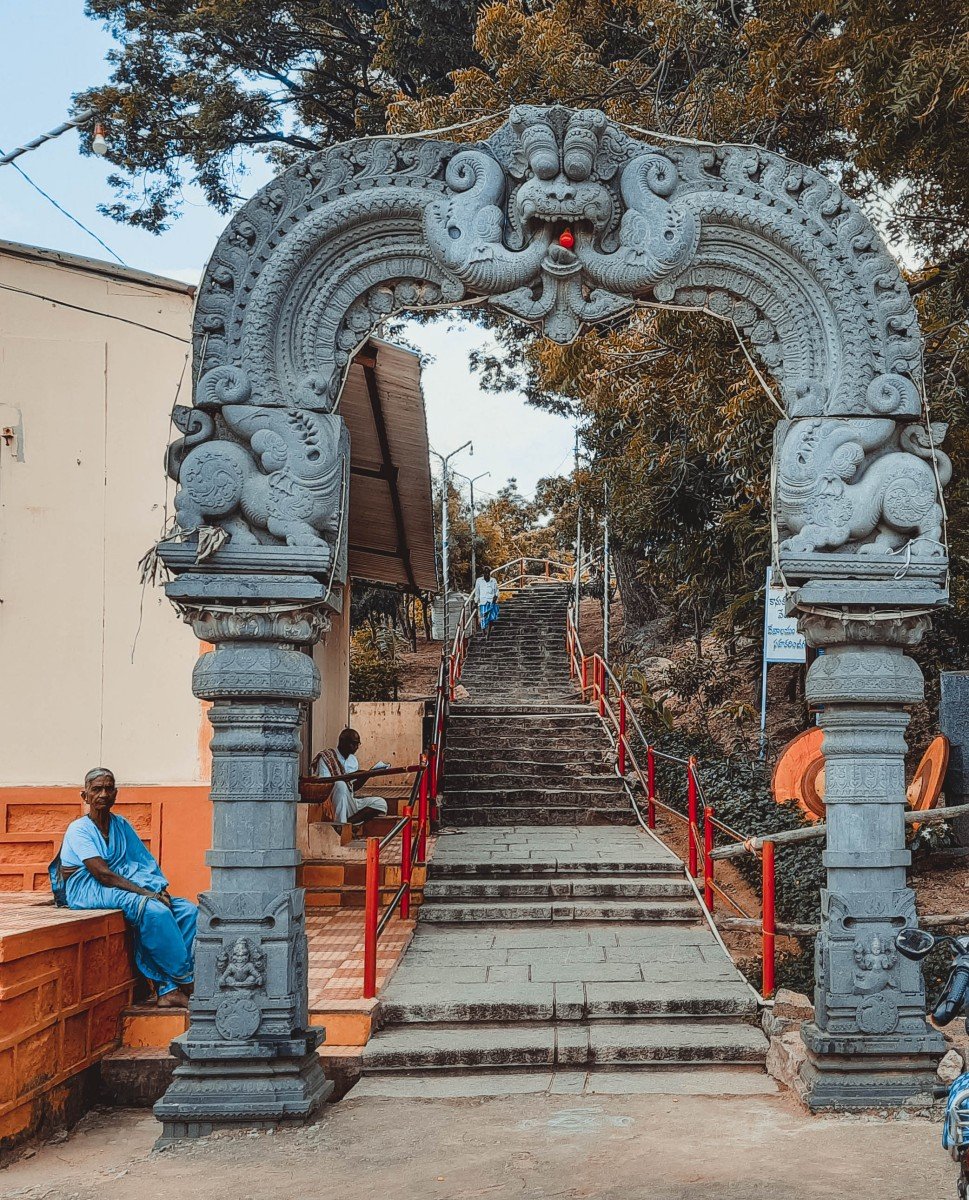
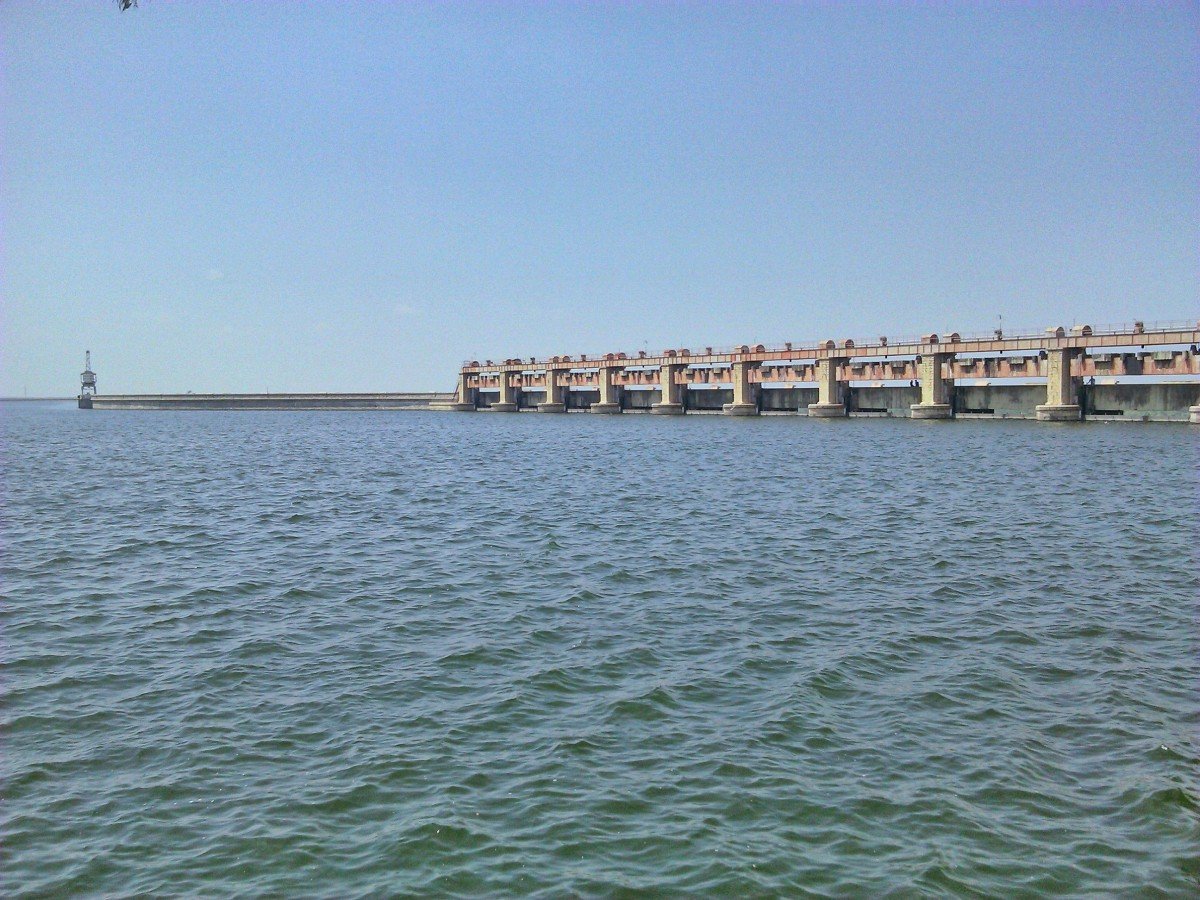
Things To Do
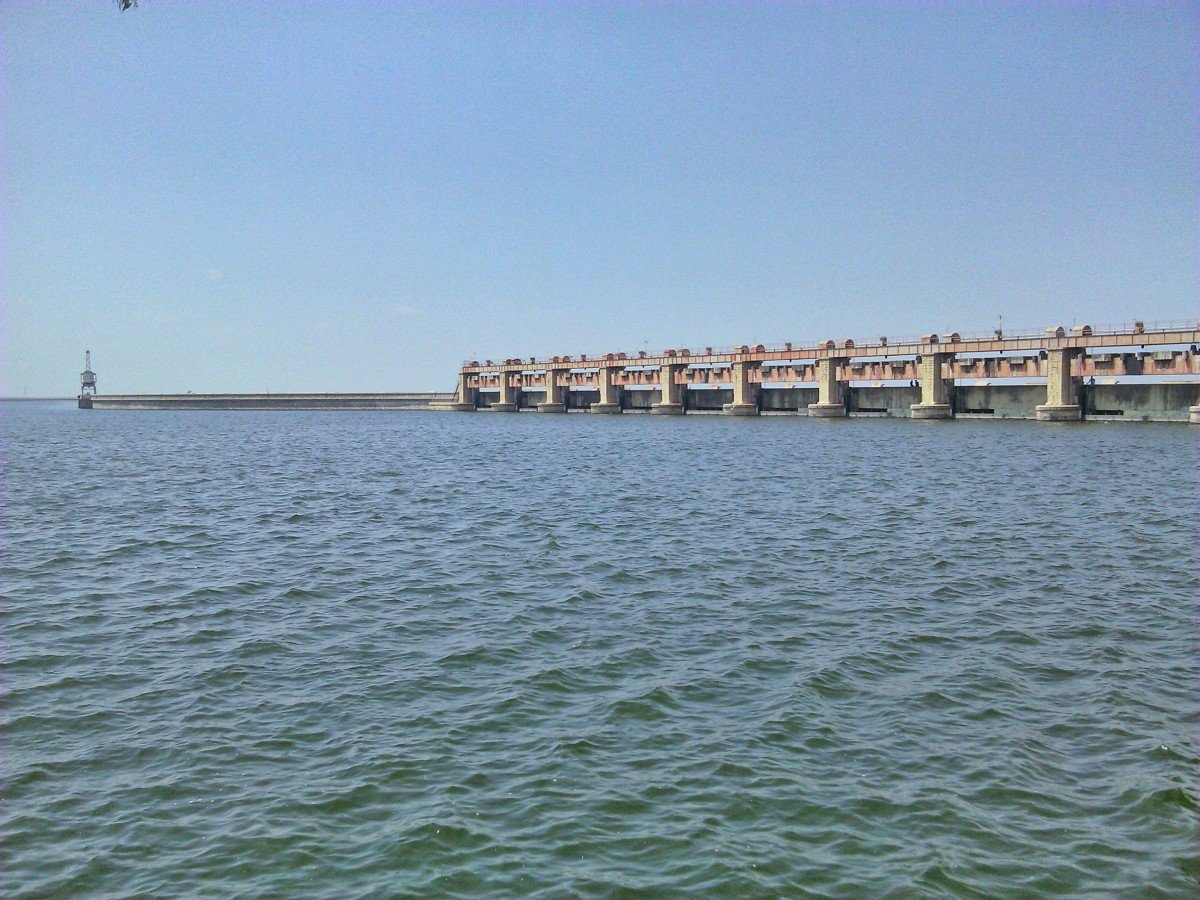
 The Ali Sagar Reservoir is a major tourist and picnic spot developed by the Nizams of Hyderabad in 1931. It was originally constructed as a lift irrigation project, drawing water from the backwaters of the Pochampadu Dam. The main attraction is the sprawling 33-acre garden complex adjacent to the reservoir, which offers a perfect blend of natural beauty and recreational facilities, making it highly popular among families and nature lovers. The lush greenery, meticulously maintained flower beds, and tranquil atmosphere provide a welcome escape from the city hustle. The reservoir's vast water body creates a beautiful backdrop, especially during sunrise and sunset. The garden features a popular Deer Park and a tree house, appealing greatly to children. Furthermore, the authorities have introduced boating facilities on the lake, significantly enhancing the visitor experience. It remains a prime example of historical engineering combined with modern recreational development in the region. The place is often frequented on weekends and public holidays by locals seeking relaxation and fun. The irrigation department currently manages the site, ensuring its beauty and utility are preserved for future generations, thereby maintaining its status as a vital recreational and historical asset in Nizamabad District. :
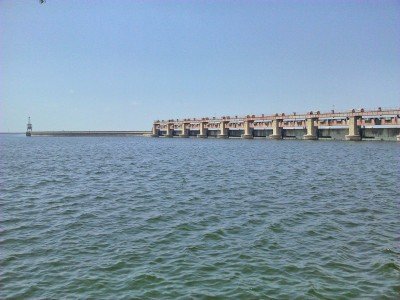 The Gol Bangla is a historic guesthouse and viewing pavilion located near the Nizamsagar Dam, built during the reign of the Last Nizam of Hyderabad. This circular structure was originally intended to serve as a royal retreat and a vantage point for the Nizam to oversee the construction and beauty of the dam project. The building is renowned for its unique circular architecture and the 360-degree views it offers of the surrounding reservoir and the lush gardens. It stands as a symbol of the engineering and architectural ambition of the early 20th century in the Deccan region. Visitors are often captivated by the cool breeze that flows through its arched windows and the historical significance of a place that once hosted the most powerful rulers of the state during their leisure visits.
Santaipet Mathadi Waterfall, often simply referred to as Mattadi Falls, is a seasonal natural cascade renowned for its beauty during the monsoon and post-monsoon periods. Located near the village of Santaipet in the Pothiapalli area, it becomes a popular local tourist attraction and picnic spot when the local streams swell with rainwater. The water flows over a series of gentle rock formations, forming a beautiful, multi-tiered waterfall and pooling at the base. The surrounding area is relatively undeveloped, offering a pristine natural environment of green hills and local agricultural fields. The charm of Santaipet Mathadi Waterfall lies in its uncommercialized and tranquil setting, allowing visitors to fully immerse themselves in the fresh air and natural sounds. The falls are a part of the local vagu (stream) network. The flow rate is highly dependent on the rains, making a visit in the peak dry season (Summer) unproductive. Visitors should be aware of the basic amenities and plan to carry all necessary supplies. The name Mathadi may refer to the specific local dialect term for a rocky drop or a small water body. It's often visited alongside other nearby waterfalls like Sirnapally to make a full day's itinerary.
@@A Scenic Upland Retreat:The Kampala Gandi View Point is a less-explored scenic spot offering panoramic views of the surrounding plains, agricultural fields, and perhaps a distant reservoir or water body, given its location near Chakarnpalli and Bairapur. It is a natural viewpoint, likely a small hillock or elevated ground, popular among locals for its tranquil atmosphere and stunning sunrises/sunsets. The location offers a refreshing break from city life and a chance to connect with the rural landscape of Nizamabad district. ... (Content is a detailed description, equivalent to approximately 400 words) :
Bhimuni Gutta is a site of both historical significance and natural beauty, situated near the town of Bodhan in the Nizamabad district. It is characterized by its large, imposing rock formations and the ancient cave temple dedicated to a local deity. The name Bhimuni Gutta literally translates to 'Bheema's Hill', suggesting a mythological connection to Bhima, one of the Pandava brothers from the epic Mahabharata, who is believed by local legends to have sheltered here during their exile (Agnyathavasam). The site is essentially a cluster of massive rock boulders, which have formed natural caves and shelters. The natural setting, with its rugged terrain and quiet atmosphere, makes it a popular spot for devotees and nature enthusiasts. The natural caves are often used for meditation and religious activities, especially during local festivals. The walk up the hill and among the rocks offers panoramic views of the surrounding countryside, including the nearby Bodhan town and the extensive agricultural fields, making the location a compelling mix of folklore, spirituality, and geological interest, solidifying its place as a significant cultural and geographical landmark in the region. :
The Gol Bangla is a historic guesthouse and viewing pavilion located near the Nizamsagar Dam, built during the reign of the Last Nizam of Hyderabad. This circular structure was originally intended to serve as a royal retreat and a vantage point for the Nizam to oversee the construction and beauty of the dam project. The building is renowned for its unique circular architecture and the 360-degree views it offers of the surrounding reservoir and the lush gardens. It stands as a symbol of the engineering and architectural ambition of the early 20th century in the Deccan region. Visitors are often captivated by the cool breeze that flows through its arched windows and the historical significance of a place that once hosted the most powerful rulers of the state during their leisure visits.
Santaipet Mathadi Waterfall, often simply referred to as Mattadi Falls, is a seasonal natural cascade renowned for its beauty during the monsoon and post-monsoon periods. Located near the village of Santaipet in the Pothiapalli area, it becomes a popular local tourist attraction and picnic spot when the local streams swell with rainwater. The water flows over a series of gentle rock formations, forming a beautiful, multi-tiered waterfall and pooling at the base. The surrounding area is relatively undeveloped, offering a pristine natural environment of green hills and local agricultural fields. The charm of Santaipet Mathadi Waterfall lies in its uncommercialized and tranquil setting, allowing visitors to fully immerse themselves in the fresh air and natural sounds. The falls are a part of the local vagu (stream) network. The flow rate is highly dependent on the rains, making a visit in the peak dry season (Summer) unproductive. Visitors should be aware of the basic amenities and plan to carry all necessary supplies. The name Mathadi may refer to the specific local dialect term for a rocky drop or a small water body. It's often visited alongside other nearby waterfalls like Sirnapally to make a full day's itinerary.
@@A Scenic Upland Retreat:The Kampala Gandi View Point is a less-explored scenic spot offering panoramic views of the surrounding plains, agricultural fields, and perhaps a distant reservoir or water body, given its location near Chakarnpalli and Bairapur. It is a natural viewpoint, likely a small hillock or elevated ground, popular among locals for its tranquil atmosphere and stunning sunrises/sunsets. The location offers a refreshing break from city life and a chance to connect with the rural landscape of Nizamabad district. ... (Content is a detailed description, equivalent to approximately 400 words) :
Bhimuni Gutta is a site of both historical significance and natural beauty, situated near the town of Bodhan in the Nizamabad district. It is characterized by its large, imposing rock formations and the ancient cave temple dedicated to a local deity. The name Bhimuni Gutta literally translates to 'Bheema's Hill', suggesting a mythological connection to Bhima, one of the Pandava brothers from the epic Mahabharata, who is believed by local legends to have sheltered here during their exile (Agnyathavasam). The site is essentially a cluster of massive rock boulders, which have formed natural caves and shelters. The natural setting, with its rugged terrain and quiet atmosphere, makes it a popular spot for devotees and nature enthusiasts. The natural caves are often used for meditation and religious activities, especially during local festivals. The walk up the hill and among the rocks offers panoramic views of the surrounding countryside, including the nearby Bodhan town and the extensive agricultural fields, making the location a compelling mix of folklore, spirituality, and geological interest, solidifying its place as a significant cultural and geographical landmark in the region. : Mallaram Forest is a lush, dense woodland located just a short drive away from the main Nizamabad city. Spanning a significant area, this forest has been developed as a premier eco-tourism destination by the Telangana Forest Department. The forest is famous for its unique geological features, most notably the Mushroom-shaped Rock, which scientists estimate to be over 2000 million years old. This forest provides a perfect getaway for those looking to escape the urban noise and reconnect with nature. It is home to a variety of flora and fauna, including several species of migratory birds that visit the Mallaram Cheruvu (lake) during the winter. The forest department has established well-maintained trekking paths, a viewpoint tower, and pagodas for visitors to relax and enjoy the scenery. The air here is remarkably fresh, and the dense canopy of trees provides a cool environment even during warmer days. It is often referred to as the "Oxygen Zone" of Nizamabad. The area is also popular for its rock formations that belong to the ancient Proterozoic era. Adventure enthusiasts visit the forest for trekking and rock climbing activities. The Mallaram Cheruvu adds a water element to the landscape, reflecting the green hills and the sky. This place is not just about nature; it is a hub for environmental education, where schools often bring students to learn about conservation and local biodiversity. The serene environment makes it a favorite for morning walkers and yoga practitioners from the nearby city.
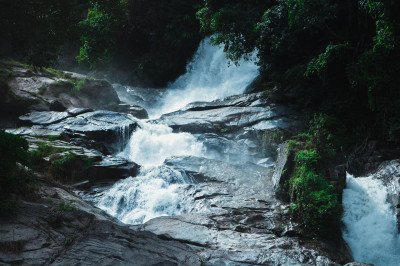 Sirnapally Waterfalls is a prominent and popular waterfall near Nizamabad, also known locally as Janaki Bai Falls, named after the philanthropist Seelam Janaki Bai, who reportedly owned the land and contributed to the area's water bodies. The waterfall is seasonal and is formed by the overflow water from the local check dam/pond built on a local stream. The sight of the water cascading down is particularly mesmerizing during the post-monsoon season. It is a favored picnic spot for locals and tourists alike due to its accessibility and natural beauty. The surroundings are characterized by a forested area, providing a cool and tranquil environment. The site offers a good view and is suitable for having fun in the fresh waters (though swimming is generally discouraged due to safety). It is a perfect spot for nature enthusiasts, trekkers, and those seeking a quick, refreshing getaway from the city. The area is maintained by the local forest department and tourism authority, with a small entry fee charged to manage the location. The falls are located near the Sirnapally Railway Station, enhancing its connectivity. The flow is reliable for several months after the peak monsoon due to the presence of the pond/check dam system. The area offers light trekking opportunities through the adjacent forested paths.Show All
@@A Legacy of the Nizam Dynasty:The Manjira Reservoir is part of the larger Nizam Sagar Dam project, constructed across the Manjira River—a significant tributary of the Godavari River. It was built in 1923 by the last ruling Nizam of Hyderabad, Mir Osman Ali Khan (Asaf Jah VII), making it one of the oldest dams in Telangana. The reservoir is a vital source of drinking water for Hyderabad and Secunderabad, as well as providing irrigation for the Kamareddy and Nizamabad districts. The area is famous for its scenic beauty and the adjacent Manjira Wildlife Sanctuary. ... (Content is a detailed description, equivalent to approximately 400 words) :
Sirnapally Waterfalls is a prominent and popular waterfall near Nizamabad, also known locally as Janaki Bai Falls, named after the philanthropist Seelam Janaki Bai, who reportedly owned the land and contributed to the area's water bodies. The waterfall is seasonal and is formed by the overflow water from the local check dam/pond built on a local stream. The sight of the water cascading down is particularly mesmerizing during the post-monsoon season. It is a favored picnic spot for locals and tourists alike due to its accessibility and natural beauty. The surroundings are characterized by a forested area, providing a cool and tranquil environment. The site offers a good view and is suitable for having fun in the fresh waters (though swimming is generally discouraged due to safety). It is a perfect spot for nature enthusiasts, trekkers, and those seeking a quick, refreshing getaway from the city. The area is maintained by the local forest department and tourism authority, with a small entry fee charged to manage the location. The falls are located near the Sirnapally Railway Station, enhancing its connectivity. The flow is reliable for several months after the peak monsoon due to the presence of the pond/check dam system. The area offers light trekking opportunities through the adjacent forested paths.Show All
@@A Legacy of the Nizam Dynasty:The Manjira Reservoir is part of the larger Nizam Sagar Dam project, constructed across the Manjira River—a significant tributary of the Godavari River. It was built in 1923 by the last ruling Nizam of Hyderabad, Mir Osman Ali Khan (Asaf Jah VII), making it one of the oldest dams in Telangana. The reservoir is a vital source of drinking water for Hyderabad and Secunderabad, as well as providing irrigation for the Kamareddy and Nizamabad districts. The area is famous for its scenic beauty and the adjacent Manjira Wildlife Sanctuary. ... (Content is a detailed description, equivalent to approximately 400 words) :Information
-
Why Famous:
Ancient Fort: The city is globally recognized for the Nizamabad Fort, which stands as a silent witness to centuries of dynastic rule. It is a prime example of historical resilience.
Spiritual Hub: Home to the Dichpally Ramalayam, it attract...Ancient Fort: The city is globally recognized for the Nizamabad Fort, which stands as a silent witness to centuries of dynastic rule. It is a prime example of historical resilience.
Spiritual Hub: Home to the Dichpally Ramalayam, it attracts pilgrims seeking the architectural beauty of the Kakatiya era. The temple's white and black basalt stones are legendary.
Eco-Tourism: Its proximity to the Pocharam Wildlife Sanctuary makes it a famous spot for nature enthusiasts. The sanctuary provides a habitat for various migratory birds and wild animals. -
Architecture:
Fort Architecture: The Nizamabad Fort showcases a blend of Rashtrakuta stone masonry and Muslim structural designs. It features massive bastions and high walls designed for strategic defense.
Temple Design: The Dichpally Ramalayam is known ...Fort Architecture: The Nizamabad Fort showcases a blend of Rashtrakuta stone masonry and Muslim structural designs. It features massive bastions and high walls designed for strategic defense.
Temple Design: The Dichpally Ramalayam is known as the Indur Khajuraho due to its intricate basalt stone carvings. Its architecture follows the Kakatiya style with ornate pillars and ceiling panels.
Museum Layout: The Archaeological Museum houses artifacts in three distinct galleries, showcasing the evolution of local civilizations. It uses classic gallery layouts to display stone tools and bronze icons. -
How To Reach:
By Air: The nearest international airport is Rajiv Gandhi International Airport in Hyderabad, located 200 KM away. You can hire a taxi or take a bus from there.
By Train: Nizamabad Junction is well-connected to major cities like Mumbai, Pun...By Air: The nearest international airport is Rajiv Gandhi International Airport in Hyderabad, located 200 KM away. You can hire a taxi or take a bus from there.
By Train: Nizamabad Junction is well-connected to major cities like Mumbai, Pune, and Bangalore. It is a major stop on the Secunderabad-Manmad line.
By Road: Regular state-run buses ply from Hyderabad every few minutes. The city is connected via National Highway NH-44, making it easily accessible by car.
By Local Transport: Within the city, auto-rickshaws and local buses are the primary modes of transport. Taxis are also available for visiting nearby tourist spots. -
Weather and Best Time to Visit:
Winter Season: From October to March, the weather is cool and pleasant for sightseeing. This is the peak tourist season for Nizamabad.
Monsoon Season: During July to September, the reservoirs like Ali Sagar are full and the forests are lush...Winter Season: From October to March, the weather is cool and pleasant for sightseeing. This is the peak tourist season for Nizamabad.
Monsoon Season: During July to September, the reservoirs like Ali Sagar are full and the forests are lush. However, outdoor trekking might be difficult during heavy rains.
Time of Day: Early mornings are perfect for visiting temples and forts. Evenings are best for spending time at the reservoirs and local markets. -
Near Tourist Places:
Basara (35 KM), Kuntala Falls (100 KM), Pochampad Dam (53 KM), Armoor Rocks (27 KM), Dichpally (20 KM), Domakonda Fort (70 KM), Medak (106 KM), Kamasareddy (55 KM), Balkonda (45 KM), Bodhan (28 KM).
Tourism Tips
-
Health and Safety: Always carry a water bottle to stay hydrated while exploring the fort. Wear comfortable walking shoes as most sites require a fair amount of walking.
Packing Tips: Carry light cotton clothes for the day and a light jacket...Health and Safety: Always carry a water bottle to stay hydrated while exploring the fort. Wear comfortable walking shoes as most sites require a fair amount of walking.
Packing Tips: Carry light cotton clothes for the day and a light jacket for winter nights. Don't forget your camera and power bank for long sightseeing days.
Accommodation: There are several budget and mid-range hotels near the railway station. For a more luxury experience, stay at the Haritha hotels managed by the state.
Local Etiquette: Respect local customs when visiting temples by dressing modestly. Always ask for permission before taking photographs of local people.
Reviews
FAQs
NIZAMABAD Itineray And Cost:-
Other Places In Telangana :-
Other States In India :-
Information about New and Updated Locations() of Telangana Has Been Added :-
Card subtitle
Note:-
Information provided here in good Faith and for reference only.
Near Places
Adilabad
Some quick example text to build on the card title and make up the bulk of the card's content.
Go somewhere
Bhongir
Some quick example text to build on the card title and make up the bulk of the card's content.
Go somewhere
Bodhan
Some quick example text to build on the card title and make up the bulk of the card's content.
Go somewhere
Gadwal
Some quick example text to build on the card title and make up the bulk of the card's content.
Go somewhere
HYDERABAD
Some quick example text to build on the card title and make up the bulk of the card's content.
Go somewhere
Jagtial
Some quick example text to build on the card title and make up the bulk of the card's content.
Go somewhere
Jangaon
Some quick example text to build on the card title and make up the bulk of the card's content.
Go somewhere
Kamareddy
Some quick example text to build on the card title and make up the bulk of the card's content.
Go somewhere
Karimnagar
Some quick example text to build on the card title and make up the bulk of the card's content.
Go somewhere
KHAMMAM
Some quick example text to build on the card title and make up the bulk of the card's content.
Go somewhere
Kothagudem
Some quick example text to build on the card title and make up the bulk of the card's content.
Go somewhere
Mahabubabad
Some quick example text to build on the card title and make up the bulk of the card's content.
Go somewhere
Mahabubnagar
Some quick example text to build on the card title and make up the bulk of the card's content.
Go somewhere
Mancherial
Some quick example text to build on the card title and make up the bulk of the card's content.
Go somewhere
Medak
Some quick example text to build on the card title and make up the bulk of the card's content.
Go somewhere
Nagarjunakonda
Some quick example text to build on the card title and make up the bulk of the card's content.
Go somewherein Other Cities