

Naganna Step Well
General information
-
Ideal Duration:
1 to 2 Hours:Place Type:
Historical Step Well and Archaeological Site:Entry Fees:
Entry to the Step Well: As an unprotected archaeological site in a rural/semi-urban setting, there is generally No Entry Fee to access and explore the Naganna Step Well. Visitors have free access during daylight hours.
Guidance and Donations:Entry to the Step Well: As an unprotected archaeological site in a rural/semi-urban setting, there is generally No Entry Fee to access and explore the Naganna Step Well. Visitors have free access during daylight hours.
Guidance and Donations: The site currently lacks official guides. If you hire a local person for guidance or historical context, a negotiated fee or a reasonable tip (Rs.50 to Rs.100) is appropriate. If any local conservation group has a donation box for the well's upkeep, a small contribution is encouraged to support their vital preservation work.
Parking: Parking a private vehicle is generally free in an open space near the well or on the village road, provided it does not obstruct traffic.
:Timing:
Regular Timings: The site is accessible only during daylight hours from approximately 6:00 AM to 6:00 PM. Visits outside these hours are strongly discouraged due to the lack of lighting, the presence of loose stone, and safety concerns with descending the steep steps.
<...Regular Timings: The site is accessible only during daylight hours from approximately 6:00 AM to 6:00 PM. Visits outside these hours are strongly discouraged due to the lack of lighting, the presence of loose stone, and safety concerns with descending the steep steps.
Ideal Visit Time: The Ideal Visit Time is the early morning (7:00 AM to 9:00 AM). The temperature is coolest, and the low sun angle creates dramatic, directional lighting that highlights the structure's depth and stone work, which is excellent for photography. Late afternoon (4:00 PM to 6:00 PM) is the next best choice.
Avoid Mid-Day and Monsoon: Avoid visiting during the harsh midday heat, and exercise extreme caution during the monsoon months of July and August, as the steps can become extremely slippery and hazardous, and the well may fill with water.
:Special Events:
Annual Heritage Festival: Local history and conservation groups, in collaboration with the village of Elgandal, may occasionally organize an Annual Heritage Festival or a dedicated Step Well Day. These events, usually involving cultural performances, guided historical walks...Annual Heritage Festival: Local history and conservation groups, in collaboration with the village of Elgandal, may occasionally organize an Annual Heritage Festival or a dedicated Step Well Day. These events, usually involving cultural performances, guided historical walks, and discussions by historians, are special opportunities to experience the step well's importance in a community setting and to learn about the region's broader architectural history.
Village Fair (Jathara) Proximity: As the well is near the historical village center, it is often a key point of interest during large-scale local religious fairs (Jathara). Although the well is not the host, the presence of these events provides a lively cultural context, demonstrating the enduring importance of water bodies and historical sites to the surrounding community.
Clean-up and Restoration Drives: Scheduled clean-up and minor restoration drives, often organized on weekends by non-governmental organizations or student groups, can be considered special events. Tourists who visit during these times can witness or participate in the civic action to preserve the monument, making the visit a more meaningful and engaged experience.
:Best Photo Spots:
Geometric Patterns from the Top: Standing at the very top of the step well, looking down, is the prime spot for capturing the incredible geometric patterns of the descending steps. This perspective is vital for showing the scale and the symmetrical design, best captured wit...Geometric Patterns from the Top: Standing at the very top of the step well, looking down, is the prime spot for capturing the incredible geometric patterns of the descending steps. This perspective is vital for showing the scale and the symmetrical design, best captured with a wide-angle lens or a phone panorama feature.
Light and Shadow in the Chambers: The various landings and chambers created by the archways offer excellent photo spots for capturing the dramatic contrast between light and shadow. This creates a moody, mysterious atmosphere. Use the strong diagonal lines of the sunbeams to enhance the architectural depth, especially around 11:00 AM to 1:00 PM when the sun is highest.
The Water Reflection: For an artistic shot, carefully position your camera near the water level to capture the reflection of the stone walls in the still water below. This shot requires patience and a low angle but yields a unique, symmetrical, and abstract image.
:Photo Gallery
Things To Do
-
Descent and Exploration: The primary thing to do is to descend carefully into the step well itself, level by level. Take your time to appreciate the geometric arrangement of the steps, the cool, subterranean air, and the intricate stone carving on the support pillars and lintels. The experience of moving down into the earth provides a unique sensory experience and a close-up view of the construction methods of the Kakatiya period architects.
Photography of Geometry and Light: The well's structure offers incredible opportunities for architectural and geometric photography. Focus on capturing the repeating patterns of the steps, the contrast between the dark stone and the sunlight filtering from above, and the deep perspective down to the water. A wide-angle lens is highly recommended to capture the full scope of the descent an...Descent and Exploration: The primary thing to do is to descend carefully into the step well itself, level by level. Take your time to appreciate the geometric arrangement of the steps, the cool, subterranean air, and the intricate stone carving on the support pillars and lintels. The experience of moving down into the earth provides a unique sensory experience and a close-up view of the construction methods of the Kakatiya period architects.
Photography of Geometry and Light: The well's structure offers incredible opportunities for architectural and geometric photography. Focus on capturing the repeating patterns of the steps, the contrast between the dark stone and the sunlight filtering from above, and the deep perspective down to the water. A wide-angle lens is highly recommended to capture the full scope of the descent and the interior chambers. Portrait photography using the stone arches as frames is also popular.
Historical Visualization: Engage in historical visualization and imagine the step well in its prime—a busy social and religious hub where women gathered to draw water, socialize, and perform rituals. Try to mentally reconstruct the original surrounding structures based on the ruins. This imaginative exercise deepens the connection to the site's history and its role in the daily life of the medieval town.
Meditation and Quiet Time: The deep, cool chambers of the well offer a naturally tranquil and shaded spot, providing an excellent environment for a few minutes of quiet meditation or peaceful escape from the heat and the world outside. The silence enhances the contemplative atmosphere of the ancient structure.
Cleaning and Conservation Observation: If you visit during an organized conservation drive (by local groups), an opportunity might arise for respectful participation or observation of the cleaning and preservation efforts. This provides a direct, hands-on connection to the heritage and highlights the importance of maintenance for such ancient structures.
Combined Tour with Elgandal Fort: Given their close proximity, a trip to the Naganna Step Well should be immediately followed or preceded by a comprehensive tour of the Elgandal Fort. Compare the stone masonry and construction styles of the well (hydraulic) and the fort (military) to gain a deeper understanding of Kakatiya-era building techniques and priorities. This combined tour makes for a full and rich historical day trip.
Interaction with Conservationists: If you find any local conservationists or heritage experts at the site, initiate a respectful conversation to learn more about the step well's history, the conservation challenges, and the potential future of the site. Their insights can significantly enrich your understanding beyond what official signage provides.
:
Information
-
Why Famous:
Kakatiya-Era Engineering: The Naganna Step Well is famous for being a rare, intact example of a large, functional water management structure dating back to the glorious Kakatiya dynasty in the Karimnagar region. It showcases the high level of engineering and architectural s...Kakatiya-Era Engineering: The Naganna Step Well is famous for being a rare, intact example of a large, functional water management structure dating back to the glorious Kakatiya dynasty in the Karimnagar region. It showcases the high level of engineering and architectural skill of that period, specifically their ability to design sustainable, aesthetically pleasing water sources in the Deccan landscape. This historical authenticity is its prime source of fame.
A Photographer's Delight: It is highly famous among regional photographers and heritage enthusiasts for its dramatic visual appeal. The geometric pattern of the descending steps, the deep well shaft, and the play of light and shadow on the stone walls create a unique, moody, and highly photogenic environment. The structure's decay and the overgrown greenery add a sense of timeless drama to the visual composition.
Link to Elgandal Fort's History: Its proximity and historical association with the prominent Elgandal Fort make it a famous ancillary attraction. Visitors coming to see the fort are often directed to the step well, creating a historical-architectural cluster of sites that collectively narrate the medieval history of the Karimnagar area. The step well is an essential stop for anyone wanting a complete picture of the area's heritage.
Local Conservation Success Story: It is gaining fame as a local conservation success story. The efforts by local groups to clean up the well and protect it from vandalism have drawn positive attention, highlighting the importance of community involvement in preserving regional heritage. This gives it a contemporary fame as a beacon for heritage preservation.
: -
Architecture:
Step Well (Vav) Typology: The Naganna Step Well falls under the architectural category of a vav or step well, which is a common structure in arid regions of India. It features a deep vertical shaft for water extraction, but its key architectural feature is the elaborate, st...Step Well (Vav) Typology: The Naganna Step Well falls under the architectural category of a vav or step well, which is a common structure in arid regions of India. It features a deep vertical shaft for water extraction, but its key architectural feature is the elaborate, stepped corridor that spirals or descends straight down, allowing access to the water table as it fluctuates. Dimension is not precisely recorded but typically, such wells can descend for five to eight stories (or levels), and the surrounding area would cover a few hundred square meters to accommodate the steps, rest platforms, and surrounding walls. The well itself is often circular or square at the base.
Stone Masonry and Detailing: The construction is characterized by robust, dressed stone masonry (granite and basalt), often with fine carvings and motifs on the pillars, lintels, and niches. The steps are designed in a geometric, aesthetically pleasing pattern, maximizing stability and ease of access. The surrounding retaining walls and arches are built using a corbelling or simple arch technique, providing structural support to the heavy earth surrounding the excavation. The entire structure is a masterpiece of subterranean engineering, built for durability and to withstand the constant pressure of the soil and water. The architectural detailing, if intact, often features miniature shrine niches dedicated to local deities, reflecting the structure's sacred use.
: -
How To Reach:
By Air: The nearest major international airport is Rajiv Gandhi International Airport (RGIA) in Hyderabad (HYD), approximately 195 KM away. Take a taxi or bus to Karimnagar city. From Karimnagar, the remaining 15-17 KM to the Elgandal area and the well is covered by local ...By Air: The nearest major international airport is Rajiv Gandhi International Airport (RGIA) in Hyderabad (HYD), approximately 195 KM away. Take a taxi or bus to Karimnagar city. From Karimnagar, the remaining 15-17 KM to the Elgandal area and the well is covered by local transport.
By Train: The closest railway station is Karimnagar Railway Station (KRMR), approximately 15 KM away. Travelers can easily hire an auto-rickshaw or taxi from the station. The well is located in the general area of the historic Elgandal Fort.
By Road: Naganna Step Well is located in the Elgandal area, which is easily reachable from Karimnagar city (15-17 KM) via the Karimnagar-Jammikunta Road or the road to Elgandal Fort. Local TSRTC buses ply this route. A private car or taxi offers the most convenience, with a drive time of about 30 to 45 minutes from the city center.
By Local Transport: From Karimnagar city center, take a shared or private auto-rickshaw specifically to Elgandal Fort or the nearby area. The well is a short walk from the main road once you reach the Elgandal vicinity. Ensure you get specific directions to the "Naganna Baavi" (Naganna Well) as it may not be on a main road.
: -
Weather and Best Time to Visit:
Different Seasons for Tranquility:
Winter (December to February): This is the Best Time to Visit. The weather is cool and dry, making the descent and exploration comfortable. The lower water level in the well can sometimes allow for deeper ...Different Seasons for Tranquility:
Winter (December to February): This is the Best Time to Visit. The weather is cool and dry, making the descent and exploration comfortable. The lower water level in the well can sometimes allow for deeper exploration.
Post-Monsoon (September to November): Excellent time, as the surrounding area is green, and the well's water level is high, offering the most scenic reflection views.
Summer (March to June): The Least Ideal Time. The intense heat makes the open surroundings very uncomfortable. Visit must be restricted to very early mornings.
Different Parts of the Day for Ideal Experience: Early Morning (7:00 AM - 9:00 AM) The Best Part of the Day for comfort, photography, and historical contemplation. The light dramatically hits the upper levels. Late Afternoon (4:00 PM - 6:00 PM) Another good time, avoiding the heat and offering pleasant light for the exterior surroundings. Midday (9:00 AM - 4:00 PM) This time is generally too hot for an enjoyable visit, especially in summer.
: -
Near Tourist Places:
Elgandal Fort (1 KM); Do Minar (1 KM); Karimnagar Cable Bridge (15 KM); Lower Manair Dam (LMD) (16 KM); Nagunur Fort and Temples (10 KM); Manakondur Fort (9 KM); Tower Circle (16 KM); Ujwala Park (17 KM); Kaman Chowrasta (17 KM); Ramagiri Fort (35 KM)
Tourism Tips
-
Health & Safety: Watch Your Step on the steps, as they can be uneven, broken, or mossy and slippery due to water. Descend slowly and use a phone light if the lower sections are dark. Do Not Lean Over the well's edge. Snakes can be present in the overgrown areas, so stick ...Health & Safety: Watch Your Step on the steps, as they can be uneven, broken, or mossy and slippery due to water. Descend slowly and use a phone light if the lower sections are dark. Do Not Lean Over the well's edge. Snakes can be present in the overgrown areas, so stick to the established steps and paths. Carry Water as there are no amenities.
Packing: Bring a torch/flashlight for exploring the darker, lower chambers of the well. A camera with a wide-angle lens is ideal. Wear sturdy, closed-toe shoes with good grip.
Accommodation: Stay in Karimnagar city (15-17 KM away) for the best facilities. There are no tourist accommodations at the Elgandal site.
Other Different Topics:
Respect Local Efforts: Support local conservation groups if they are present and be mindful not to disturb the site.
Check the Way: Since the well is not directly on the main road, confirm directions with locals in the Elgandal area before you start walking to the site.
Combine Historical Sites: It is highly recommended to combine this trip with a visit to the nearby Elgandal Fort for a full historical day trip.
:
Reviews
FAQs
Karimnagar Itineray And Cost:-
Naganna Step Well Tourism:-
Other Places In Karimnagar :-
Other States In India :-
Information about New and Updated Locations() of Telangana Has Been Added :-
Card subtitle
Note:-
Information provided here in good Faith and for reference only.
Near Places

Amrutha Nilayam
Some quick example text to build on the card title and make up the bulk of the card's content.
Go somewhere
Gadimahal Veldi
Some quick example text to build on the card title and make up the bulk of the card's content.
Go somewhere
Gandhi Chowk
Some quick example text to build on the card title and make up the bulk of the card's content.
Go somewhere
Husnabad Sthupam
Some quick example text to build on the card title and make up the bulk of the card's content.
Go somewhere
Indhira Bhavan
Some quick example text to build on the card title and make up the bulk of the card's content.
Go somewhere
Kallupalle Check Dam
Some quick example text to build on the card title and make up the bulk of the card's content.
Go somewhere
Kaman Chowrasta
Some quick example text to build on the card title and make up the bulk of the card's content.
Go somewhere
Karimnagar Cable Bridge
Some quick example text to build on the card title and make up the bulk of the card's content.
Go somewhere
Karimnagar Cable Bridge / Manair River Front
Some quick example text to build on the card title and make up the bulk of the card's content.
Go somewhere
Kondagattu Anjaneya Swamy Temple
Some quick example text to build on the card title and make up the bulk of the card's content.
Go somewhere
Lower Manair Dam Gates View
Some quick example text to build on the card title and make up the bulk of the card's content.
Go somewhere
Lower Manair Dam
Some quick example text to build on the card title and make up the bulk of the card's content.
Go somewhere
Manair Check Dam
Some quick example text to build on the card title and make up the bulk of the card's content.
Go somewhere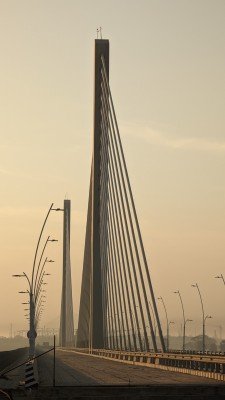
Manair River Front / Cable Bridge
Some quick example text to build on the card title and make up the bulk of the card's content.
Go somewhere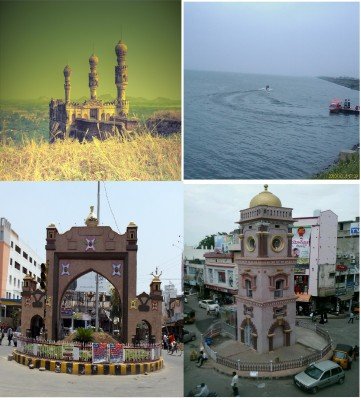
Manakondur Fort
Some quick example text to build on the card title and make up the bulk of the card's content.
Go somewhere
Matthadi Bandalu
Some quick example text to build on the card title and make up the bulk of the card's content.
Go somewherein Other Cities