Nagunur Fort and Temples
General information
-
Ideal Duration:
3 to 4 Hours:Place Type:
Archaeological Ruins and Temple Complex:Entry Fees:
Entry to the Ruins: As an unprotected archaeological ruin, there is officially No Entry Fee to visit the Nagunur Fort and Temples complex. Access is free and open to the public during the day.
Photography Fees: There are No commercial photo...Entry to the Ruins: As an unprotected archaeological ruin, there is officially No Entry Fee to visit the Nagunur Fort and Temples complex. Access is free and open to the public during the day.
Photography Fees: There are No commercial photography fees at this site. However, for large-scale professional filming or drone photography, it is courteous and advisable to seek permission from the local village council or the district archaeological office.
Guidance and Donations: The site currently does not have official guides or ticket kiosks. If you hire a local person for guidance to navigate the ruins and understand the local legends, a small, negotiated fee or tip (Rs.50 to Rs.100) is expected. Visitors are encouraged to be responsible and not leave any litter.
:Timing:
Regular Timings: The site is essentially an open archaeological field and is accessible only during safe daylight hours, from 6:00 AM to 6:00 PM. Due to the uneven terrain, lack of lighting, and the presence of ruins and potential wildlife, visits after dark are not safe or...Regular Timings: The site is essentially an open archaeological field and is accessible only during safe daylight hours, from 6:00 AM to 6:00 PM. Due to the uneven terrain, lack of lighting, and the presence of ruins and potential wildlife, visits after dark are not safe or advisable.
Ideal Visit Time: The Ideal Visit Time is the early morning (6:00 AM to 9:00 AM). The soft, directional sunlight is perfect for highlighting the sculptural details on the stone, and the weather is cool for walking around the large site. The second-best time is the late afternoon (4:00 PM to 6:00 PM).
Monsoon Caution: While the surrounding fields are lush after the monsoon (September), the ruins can be slippery and overgrown. Exercise caution during this season.
:Special Events:
Maha Shivaratri Celebrations: As the complex contains a significant ruined Shiva Temple and other shrines, the local community often organizes a simplified but deeply traditional celebration for Maha Shivaratri (usually in February/March). This special event involves night-...Maha Shivaratri Celebrations: As the complex contains a significant ruined Shiva Temple and other shrines, the local community often organizes a simplified but deeply traditional celebration for Maha Shivaratri (usually in February/March). This special event involves night-long worship, local cultural performances, and a gathering of devotees at the site, injecting a temporary spiritual vibrancy into the ancient ruins.
Archaeological Excavation/Restoration Drives: On rare occasions, the state archaeological department or the Archaeological Survey of India (ASI) may conduct small-scale excavations or organized restoration camps. Visiting during such a time is a special event, allowing tourists to witness the delicate process of archaeological work and gain a firsthand understanding of how the ruins are studied and protected by experts.
Local Harvest Festivals: The village of Nagunur, being a prominent agricultural area, celebrates major seasonal festivals like Sankranti (January) and local harvest thanksgivings. Although centered in the village, the fort and temple ruins, as the historical heart of the community, become a point of reverence, allowing visitors to experience the local cultural and agrarian traditions.
:Best Photo Spots:
The Trikuta Temple Door Frame: The intricately carved door frames (especially the surviving ones of the Trikuta Temple) are the best photo spots for close-up shots of Kakatiya sculptural art. Focus on the dwarapalaka (door guardian) figures and the mythological motifs. Use...The Trikuta Temple Door Frame: The intricately carved door frames (especially the surviving ones of the Trikuta Temple) are the best photo spots for close-up shots of Kakatiya sculptural art. Focus on the dwarapalaka (door guardian) figures and the mythological motifs. Use a zoom lens to capture the detail without getting too close to the fragile stone.
Pillars and Corbelled Ceilings: Capturing the long lines of the surviving pillars (some of which may be re-erected) against the sky, showing the unique patterns and the structure of the corbelled ceilings, makes for great architectural detail shots. Use a low angle to emphasize the height and grandeur of the original structure.
Panoramic View from the Fort Wall: A high point on the remnants of the fort wall offers a panoramic photo spot for the entire temple cluster, allowing you to capture the sprawling, ruined landscape and the surrounding village. This gives a sense of the scale of the former temple city.
:Photo Gallery
Things To Do
-
Archaeological Survey and Exploration: The primary activity is an in-depth archaeological survey of the temple cluster. Spend time walking through the ruins, identifying the remains of the Trikuta Temple, the Vaishnava Temple, and the Shiva Temple. Carefully examine the carved pillars, door frames, and stone lintels for intricate details, inscriptions, and sculptural motifs. This requires patience and a keen eye to truly appreciate the craftsmanship of the 12th and 13th centuries.
Photography of Historical Decay: The ruins are a perfect subject for moody, historical photography. Focus on capturing the artistic details—the carved deities on the door jambs, the repeating patterns on the broken pillars, and the way the natural light hits the red stone. Use the fallen debris and overgrown trees to frame shots that emphasize th...Archaeological Survey and Exploration: The primary activity is an in-depth archaeological survey of the temple cluster. Spend time walking through the ruins, identifying the remains of the Trikuta Temple, the Vaishnava Temple, and the Shiva Temple. Carefully examine the carved pillars, door frames, and stone lintels for intricate details, inscriptions, and sculptural motifs. This requires patience and a keen eye to truly appreciate the craftsmanship of the 12th and 13th centuries.
Photography of Historical Decay: The ruins are a perfect subject for moody, historical photography. Focus on capturing the artistic details—the carved deities on the door jambs, the repeating patterns on the broken pillars, and the way the natural light hits the red stone. Use the fallen debris and overgrown trees to frame shots that emphasize the long history and the silence of the abandoned complex. Black and white photography is highly effective here.
Fort Wall Exploration: Walk the perimeter of the remaining fort wall ruins. Although fragmented, this activity helps to appreciate the political and military importance of Nagunur as a Kakatitya outpost. Imagine the layout of the medieval town within the walls and the defense mechanisms employed against invaders. The views from the top of the surviving wall sections offer a great perspective on the surrounding countryside.
Historical Context and Storytelling: Bring a book or a printout about the Kakatiya and Chalukya history of the region. Sit quietly among the ruins and spend time visualizing the temples in their prime—full of devotees, priests, and the hustle of a temple city. Reading the historical context on-site deeply enriches the visit.
Sketching and Artistic Documentation: For artists and students, the ruins offer a fantastic opportunity for sketching the surviving architectural elements. Focus on a specific pillar or a surviving niche carving to document the sculptural style and the precision of the ancient stone workers. This is a quiet, contemplative activity that allows for a deeper study of the heritage.
Interaction with Locals: Engage respectfully with the residents of Nagunur village. They often possess valuable oral history and local legends about the fort and the temples. They might also be able to point out smaller, less obvious ruins or archaeological fragments that are part of the local lore but not officially marked.
:
Information
-
Why Famous:
The "Four Hundred Temples" Legend: Nagunur is famously associated with the local legend that it once contained four hundred temples (Naluguvonalu), a hyperbole that underscores its profound importance as a major Hindu religious center in the medieval era. This fame as a tem...The "Four Hundred Temples" Legend: Nagunur is famously associated with the local legend that it once contained four hundred temples (Naluguvonalu), a hyperbole that underscores its profound importance as a major Hindu religious center in the medieval era. This fame as a temple city attracts both history and spiritual tourists who seek out its ancient, sacred atmosphere, despite the ruined state of most structures.
Kakatiya and Chalukya Power Seat: It is famous as one of the most important administrative and military forts of the nascent Kakatiya dynasty, a direct link to the regional power base that eventually grew into the empire of Warangal. The ruins are tangible proof of the transition of power in the Deccan, drawing historians and researchers interested in the political geography of the time.
Archaeological Riches: The site is renowned among the archaeological community for its rich cluster of Western Chalukya and Kakatiya temple ruins, which provide crucial evidence for studying the evolution of South Indian temple architecture and sculptural art. The stylistic similarities and differences between the various ruined shrines are a major point of interest and scholarly fame.
A Photographer's Atmospheric Subject: The picturesque decay of the stone temples—the fallen pillars, the overgrown vegetation, and the quiet dignity of the scattered ruins—makes it a famous spot for atmospheric, ruin-focused photography, appealing to those who appreciate historical aesthetics and the visual poetry of neglect.
: -
Architecture:
Trikuta Temple Style: The most prominent architectural feature is the ruined Trikuta Temple (triple-shrine) dedicated to Lord Shiva. This style is characteristic of both Kalyani Chalukya and Kakatiya architecture, where three shrines are grouped around a central hall (manda...Trikuta Temple Style: The most prominent architectural feature is the ruined Trikuta Temple (triple-shrine) dedicated to Lord Shiva. This style is characteristic of both Kalyani Chalukya and Kakatiya architecture, where three shrines are grouped around a central hall (mandapa).
Dimension of the Complex: While the overall fort perimeter is massive (details scarce due to ruin), the Trikuta temple would have spanned a footprint of perhaps 40 to 60 meters in length and width, built on a raised pedestal or platform (Upapitha). The main entrance of the temple faces North, and the three shrines face the other three cardinal directions (East, West, South), adhering to sacred geometric principles.
Pillars and Sculptural Detail: The temples are constructed primarily from red sandstone and feature intricately carved pillars and beams. The pillars are highly polished and decorated with bands of carvings, including miniature figures, floral motifs, and geometric designs, which are hallmarks of the Kakatiya style—a blend of sturdy massiveness with delicate surface ornamentation. The door frames (dwarapalakas and lintels) exhibit the finest sculptural work, often featuring detailed mythological figures and guardian deities. The use of corbelled ceilings (due to a lack of true arches in early Kakatiya style) and the precision of the stone joinery are key architectural details.
: -
How To Reach:
By Air: The nearest major international airport is Rajiv Gandhi International Airport (RGIA) in Hyderabad (HYD), approximately 190 KM away. Take a taxi or bus to Karimnagar city. From Karimnagar, the remaining 8-10 KM to Nagunur requires local transport.
Read MoreBy Air: The nearest major international airport is Rajiv Gandhi International Airport (RGIA) in Hyderabad (HYD), approximately 190 KM away. Take a taxi or bus to Karimnagar city. From Karimnagar, the remaining 8-10 KM to Nagunur requires local transport.
By Train: The closest railway station is Karimnagar Railway Station (KRMR), approximately 10 KM away. From the station, the easiest way to reach Nagunur village is by a private taxi or auto-rickshaw. The major junction Peddapalli (PDPL) is about 45 KM away.
By Road: Nagunur village is easily reachable from Karimnagar city (8-10 KM) via a well-maintained road (often on the route to Rayapatnam). Frequent TSRTC local buses run this route. A private car or taxi is the most convenient option, with a short drive of about 15 to 25 minutes from the city center. Ask for directions to the "Pata Nagunur" (Old Nagunur) or the temple ruins.
By Local Transport: A dedicated auto-rickshaw from Karimnagar city is the most common local transport choice. Negotiate a return fare, as finding an auto for the return journey from the village may be challenging. Local buses are available but may drop you off on the main road, requiring a short walk to the fort area.
:Weather and Best Time to Visit:
Different Seasons for Aesthetic Appeal:
Post-Monsoon (September to November): This is the Best Time to Visit. The surrounding fields are green and lush, providing a picturesque contrast to the ancient red-stone ruins. The weather is pleasan...Different Seasons for Aesthetic Appeal:
Post-Monsoon (September to November): This is the Best Time to Visit. The surrounding fields are green and lush, providing a picturesque contrast to the ancient red-stone ruins. The weather is pleasant for walking.
Winter (December to February): Ideal for a comfortable, cool visit and in-depth exploration of the large site.
Summer (March to June): The Least Ideal Time. The exposed ruins in the open field and the intense heat make daytime visits highly uncomfortable and risk heat stress. Restrict visits to the cooler parts of the day.
Different Parts of the Day for Ideal Experience: Early Morning (6:00 AM - 9:00 AM) The Best Part of the Day for photography, historical walking, and a quiet experience. The soft, angled sunlight perfectly illuminates the carvings. Late Afternoon (4:00 PM - 6:00 PM) Another good time for pleasant weather and atmospheric views, especially of the ruins silhouetted against the setting sun. Midday (9:00 AM - 4:00 PM) To be avoided due to the heat and the harsh, flat light which diminishes the sculptural detail.
:Near Tourist Places:
Lower Manair Dam (LMD) (10 KM); Ujwala Park (10 KM); Karimnagar Cable Bridge (9 KM); Tower Circle (8 KM); Elgandal Fort (18 KM); Naganna Step Well (10 KM); Kaman Chowrasta (10 KM); Manakondur Fort (25 KM); Vemulawada Rajarajeshwara Temple (45 KM); Ramadugu Fort (28 KM)Tourism Tips
-
Health & Safety: Wear Sturdy, Closed-Toe Shoes as the site is full of uneven ground, loose rubble, and sharp stones. Be cautious when walking inside the ruined structures and near the fort walls, as some sections are unstable. Carry Ample Water as there are no vendor facil...Health & Safety: Wear Sturdy, Closed-Toe Shoes as the site is full of uneven ground, loose rubble, and sharp stones. Be cautious when walking inside the ruined structures and near the fort walls, as some sections are unstable. Carry Ample Water as there are no vendor facilities at the immediate site. Be aware of overgrown vegetation and potential snakes in the ruins, especially in the mornings.
Packing: Bring binoculars to examine the high-up sculptural details. A good quality camera and notebook are essential for documentation. A small brush may be useful for gently cleaning small, interesting stone details for photography.
Accommodation: All suitable accommodation, including quality hotels and restaurants, is available in Karimnagar city (8-10 KM away). Nagunur is a small village with no dedicated tourist facilities.
Other Different Topics:
Respect the Ruins: The site is a fragile historical treasure. Do not climb on or move the ancient stones, and do not litter.
Carry Small Change: For the auto-rickshaw ride from the city and any small snacks from the village shop.
Combine Trips: This trip can be easily combined with a visit to the Lower Manair Dam (LMD) or Ujwala Park on the same day due to their relative proximity to the city.
:
Reviews
FAQs
Karimnagar Itineray And Cost:-
Nagunur Fort and Temples Tourism:-
Other Places In Karimnagar :-
Other States In India :-
Information about New and Updated Locations() of Telangana Has Been Added :-
Card subtitle
Note:-
Information provided here in good Faith and for reference only.
Near Places

Amrutha Nilayam
Some quick example text to build on the card title and make up the bulk of the card's content.
Go somewhere
Gadimahal Veldi
Some quick example text to build on the card title and make up the bulk of the card's content.
Go somewhere
Gandhi Chowk
Some quick example text to build on the card title and make up the bulk of the card's content.
Go somewhere
Husnabad Sthupam
Some quick example text to build on the card title and make up the bulk of the card's content.
Go somewhere
Indhira Bhavan
Some quick example text to build on the card title and make up the bulk of the card's content.
Go somewhere
Kallupalle Check Dam
Some quick example text to build on the card title and make up the bulk of the card's content.
Go somewhere
Kaman Chowrasta
Some quick example text to build on the card title and make up the bulk of the card's content.
Go somewhere
Karimnagar Cable Bridge
Some quick example text to build on the card title and make up the bulk of the card's content.
Go somewhere
Karimnagar Cable Bridge / Manair River Front
Some quick example text to build on the card title and make up the bulk of the card's content.
Go somewhere
Kondagattu Anjaneya Swamy Temple
Some quick example text to build on the card title and make up the bulk of the card's content.
Go somewhere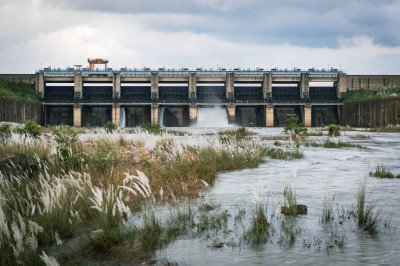
Lower Manair Dam Gates View
Some quick example text to build on the card title and make up the bulk of the card's content.
Go somewhere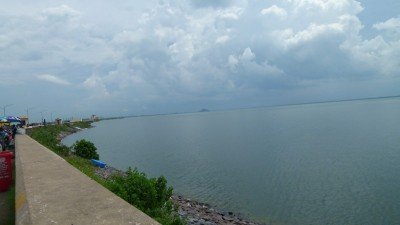
Lower Manair Dam
Some quick example text to build on the card title and make up the bulk of the card's content.
Go somewhere
Manair Check Dam
Some quick example text to build on the card title and make up the bulk of the card's content.
Go somewhere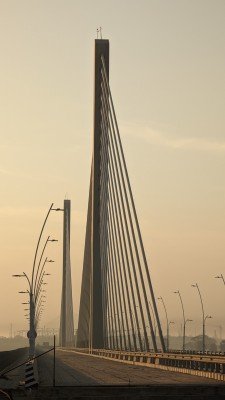
Manair River Front / Cable Bridge
Some quick example text to build on the card title and make up the bulk of the card's content.
Go somewhere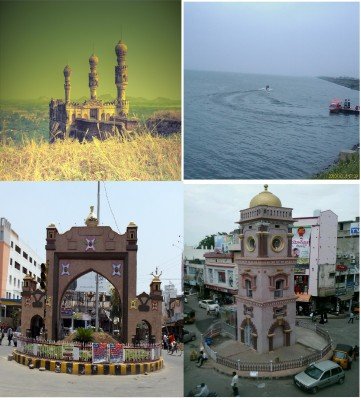
Manakondur Fort
Some quick example text to build on the card title and make up the bulk of the card's content.
Go somewhere
Matthadi Bandalu
Some quick example text to build on the card title and make up the bulk of the card's content.
Go somewherein Other Cities