Nakti Dam
General information
-
Ideal Duration:
4 to 6 HoursPlace Type:
Dam & Bird SanctuaryEntry Fees:
Standard Entry: Usually free, though a nominal fee of Rs 10 might be charged by the forest department or local committee.
Vehicle Entry: Rs 50 for cars.
:...Standard Entry: Usually free, though a nominal fee of Rs 10 might be charged by the forest department or local committee.
Vehicle Entry: Rs 50 for cars.
:Timing:
Regular Timings: 8:00 AM to 5:00 PM.
Ideal Visit Time: December for bird watching or August to see the full reservoir. Early mornings (6:30 AM) are best for bird photography.
:...Regular Timings: 8:00 AM to 5:00 PM.
Ideal Visit Time: December for bird watching or August to see the full reservoir. Early mornings (6:30 AM) are best for bird photography.
:Special Events:
World Wetlands Day (February 2nd): Local environmentalists often gather here to spread awareness about bird conservation.
Makar Sankranti: A time when local tribes visit the dam for holy dips and community feasting.
Read MoreWorld Wetlands Day (February 2nd): Local environmentalists often gather here to spread awareness about bird conservation.
Makar Sankranti: A time when local tribes visit the dam for holy dips and community feasting.
:Best Photo Spots:
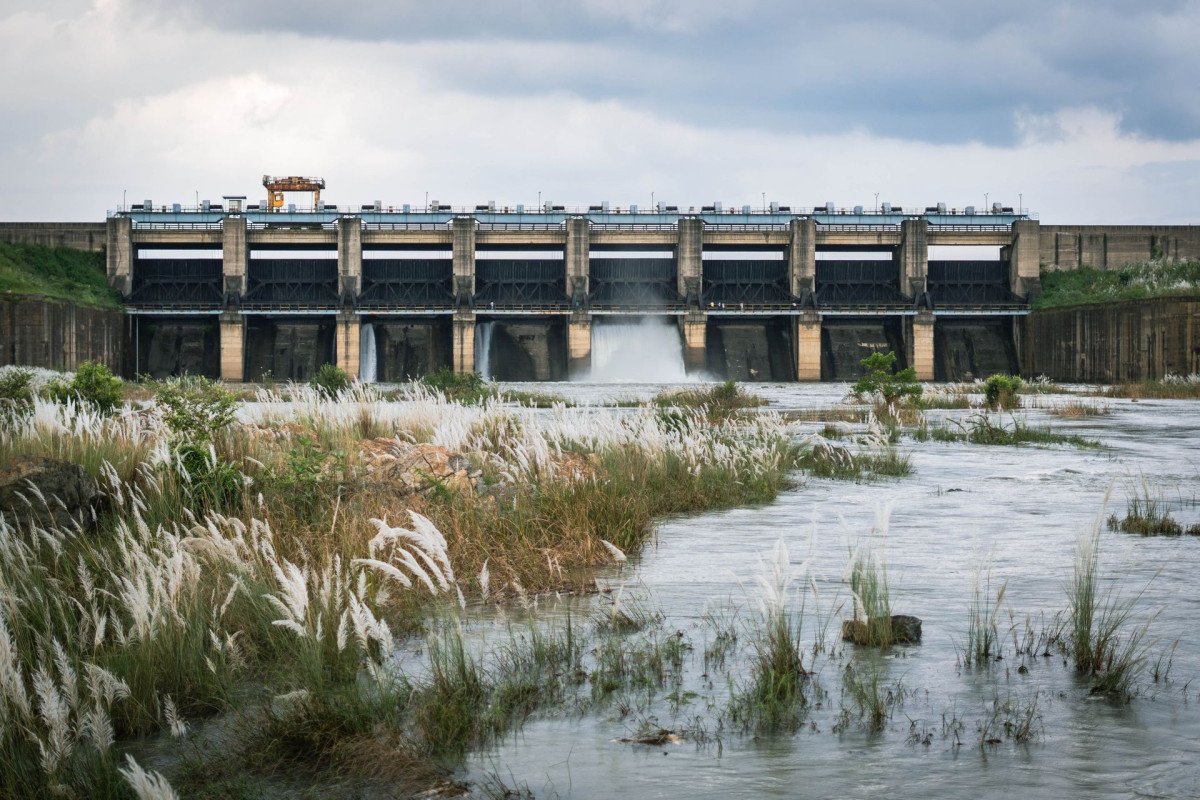
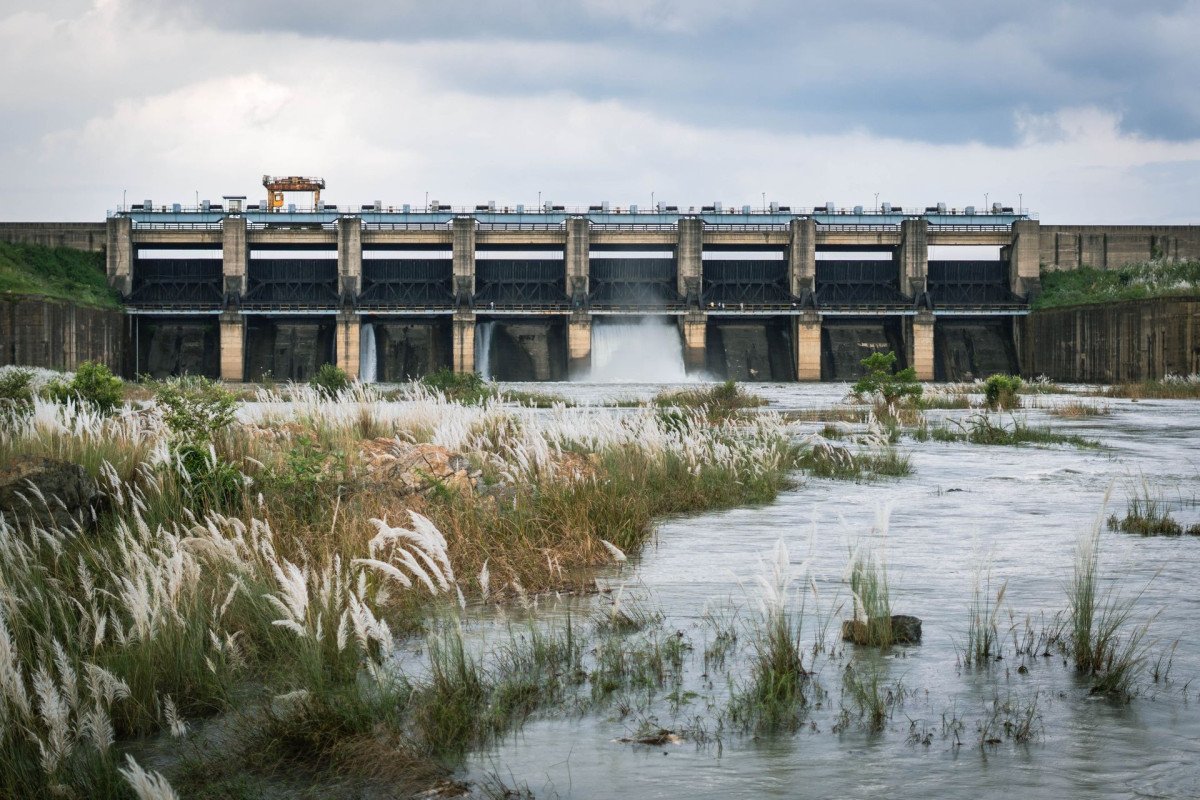
The Spillway: Capturing the water rushing through the gates during Monsoon is a powerful shot.
The Reservoir Horizon: A wide-angle shot of the blue water meeting the hills.
Bird Portraits: Telephoto shots o...The Spillway: Capturing the water rushing through the gates during Monsoon is a powerful shot.
The Reservoir Horizon: A wide-angle shot of the blue water meeting the hills.
Bird Portraits: Telephoto shots of migratory birds floating on the water surface.
:Photo Gallery
Things To Do
-
Bird Watching: During December and January, carry a professional camera or binoculars to see the Bar-headed Geese.
Photography: The contrast between the blue water and the red soil of Jharkhand is a visual treat.
Walking on the Dam Wall: A 1-KM walk provides fresh air and a sense of the scale of the reservoir.
Fishing: With local permission, you can enjoy traditional hook-and-line fishing.
Trekking: The hills surrounding the dam offer easy to moderate trekking trails through the forest.
Picnic: There are several shaded spots under trees near the base of the dam wall that are perfect for a group meal.
Boating: Occasionally, local fishermen offer rides in their tr...Bird Watching: During December and January, carry a professional camera or binoculars to see the Bar-headed Geese.
Photography: The contrast between the blue water and the red soil of Jharkhand is a visual treat.
Walking on the Dam Wall: A 1-KM walk provides fresh air and a sense of the scale of the reservoir.
Fishing: With local permission, you can enjoy traditional hook-and-line fishing.
Trekking: The hills surrounding the dam offer easy to moderate trekking trails through the forest.
Picnic: There are several shaded spots under trees near the base of the dam wall that are perfect for a group meal.
Boating: Occasionally, local fishermen offer rides in their traditional dug-out canoes (exercise caution as there are no life jackets).
Meditation: The quiet environment is ideal for those looking to practice mindfulness away from the city.
:
Information
-
Why Famous:
Migratory Bird Sanctuary: Famous for being a winter home to Siberian and Tibetan birds.
Scenic Landscapes: Known for its "mini-sea" look in the middle of the Chota Nagpur hills. It is a vital spot for eco-tourism in the Kolhan division.Migratory Bird Sanctuary: Famous for being a winter home to Siberian and Tibetan birds.
Scenic Landscapes: Known for its "mini-sea" look in the middle of the Chota Nagpur hills. It is a vital spot for eco-tourism in the Kolhan division.
: -
Architecture:
The Embankment Structure: The dam is an earth-fill embankment with a masonry spillway. It stretches approximately 1. 2 kilometers in length. The height of the dam from the riverbed is about 65 feet.
The Spillway Gates: Features a series o...The Embankment Structure: The dam is an earth-fill embankment with a masonry spillway. It stretches approximately 1. 2 kilometers in length. The height of the dam from the riverbed is about 65 feet.
The Spillway Gates: Features a series of radial gates that control the flow during Monsoon. The concrete work of the spillway showcases mid-20th-century irrigation design.
The Reservoir Capacity: The catchment area covers several hundred hectares, creating a deep-water body with a maximum depth of 50 feet near the wall.
: -
How To Reach:
By Air: Ranchi Airport (approx 120 KMs).
By Train: Chakradharpur Railway Station is the nearest major railhead (approx 25 KMs away).
By Road: From Chaibasa, head towards Chakradharpur and then take the Ranc...By Air: Ranchi Airport (approx 120 KMs).
By Train: Chakradharpur Railway Station is the nearest major railhead (approx 25 KMs away).
By Road: From Chaibasa, head towards Chakradharpur and then take the Ranchi highway toward Bandgaon.
By Local Transport: Hiring a private cab from Chaibasa is the most convenient way as public transport to the dam is infrequent.
: -
Weather and Best Time to Visit:
Best Time:
Winter (November to February): The climate is cool, and the birds are present.
Monsoon (July to September): The dam is full, and the surrounding hills are emerald green.
Read MoreBest Time:
Winter (November to February): The climate is cool, and the birds are present.
Monsoon (July to September): The dam is full, and the surrounding hills are emerald green.
Late Afternoon: 3:00 PM to 5:00 PM for the soft golden light over the water.
:Near Tourist Places:
Hirni Falls (30km), Pansua Dam (40km), Chakradharpur (25km), Lonjo Falls (25km), Lupungutu (55km), Sita Falls (60km), Jonha Falls (85km), Kharsawan (40km), Kera Palace (35km), Mahadev Sal (50km)Tourism Tips
-
Health & Safety: The dam wall can be windy and slippery; stay away from the edges. Do not swim in the reservoir as the depth is unpredictable.
Packing: Binoculars, a sun hat, and comfortable walking shoes are essentials.Health & Safety: The dam wall can be windy and slippery; stay away from the edges. Do not swim in the reservoir as the depth is unpredictable.
Packing: Binoculars, a sun hat, and comfortable walking shoes are essentials.
Accommodation: Best to stay in Chaibasa or Chakradharpur (e. g. , Railway Guest House).
Cash & Connectivity: Limited mobile signal (BSNL/Airtel works best). No ATMs nearby; carry cash from the city.
:
Reviews
FAQs
Chaibasa Itineray And Cost:-
Information about New and Updated Locations() of Jharkhand Has Been Added :-
Card subtitle
Note:-
Information provided here in good Faith and for reference only.
All information and pictures will be updated soon, please keep visiting.
Near Places

Bharandia Eco Tourism
Some quick example text to build on the card title and make up the bulk of the card's content.
Go somewhere
Bharbhariya Valley
Some quick example text to build on the card title and make up the bulk of the card's content.
Go somewhere
Brahmani Hill View Point
Some quick example text to build on the card title and make up the bulk of the card's content.
Go somewhere
Chaibasa Clock Tower
Some quick example text to build on the card title and make up the bulk of the card's content.
Go somewhere
Chakradharpur Hill View
Some quick example text to build on the card title and make up the bulk of the card's content.
Go somewhere
Dhanapali Picnic Spot
Some quick example text to build on the card title and make up the bulk of the card's content.
Go somewhere
Durdur Waterfall
Some quick example text to build on the card title and make up the bulk of the card's content.
Go somewhere
Hill Point
Some quick example text to build on the card title and make up the bulk of the card's content.
Go somewhere
Kanderbera Picnic Spot
Some quick example text to build on the card title and make up the bulk of the card's content.
Go somewhere
Kera Palace
Some quick example text to build on the card title and make up the bulk of the card's content.
Go somewherein Other Cities