

Nalgonda
General information
-
Ideal Duration:
1 DayPlace Type:
Heritage & TrekkingEntry Fees:
Fort Entry: There is a nominal entry fee for the Bhongir Fort, usually around 10 to 20 rupees for Indians. This fee goes towards the maintenance of the paths and the heritage site, making it a very affordable adventure for everyone.
Temple Ac...Fort Entry: There is a nominal entry fee for the Bhongir Fort, usually around 10 to 20 rupees for Indians. This fee goes towards the maintenance of the paths and the heritage site, making it a very affordable adventure for everyone.
Temple Access: Entry to the temples in Panagal is generally free, but you might need to pay a small amount for camera usage or parking. Most of these sites are active places of worship, so it is important to follow the local rules.Timing:
Regular Timings: The forts and temples are generally open from 9:00 AM to 5:30 PM for tourists. It is best to start your trek at Bhongir early in the morning to avoid the midday sun and finish before the gates close.
Ideal Visit Time: Oct...Regular Timings: The forts and temples are generally open from 9:00 AM to 5:30 PM for tourists. It is best to start your trek at Bhongir early in the morning to avoid the midday sun and finish before the gates close.
Ideal Visit Time: October to March is the best period as the weather is cool and pleasant for outdoor activities like trekking and sightseeing. For the shadow temple, any time during the day is fine as the shadow is always present.Special Events:
Maha Shivaratri: The temples of Panagal come alive during this festival with special prayers, lights, and thousands of devotees. It is the best time to see the religious fervor and the traditional rituals of the local people in full display.
...Maha Shivaratri: The temples of Panagal come alive during this festival with special prayers, lights, and thousands of devotees. It is the best time to see the religious fervor and the traditional rituals of the local people in full display.
Bonalu Festival: Celebrated with great pomp in the town, this festival involves colorful processions and traditional dances dedicated to the Goddess Mahakali. It is a vibrant cultural event that showcases the folk traditions of the region.Best Photo Spots:
Bhongir Summit: The edge of the fort overlooking the town provides a dramatic backdrop for photos, especially during sunrise or sunset. The texture of the massive rock and the ancient stone gates add a historical feel to your pictures.
Temple...Bhongir Summit: The edge of the fort overlooking the town provides a dramatic backdrop for photos, especially during sunrise or sunset. The texture of the massive rock and the ancient stone gates add a historical feel to your pictures.
Temple Carvings: The detailed pillars of the Pachala Someswara temple offer great opportunities for macro photography. The intricate depictions of gods and mythical creatures in stone are perfect for capturing the essence of medieval Indian art.Photo Gallery
Things To Do
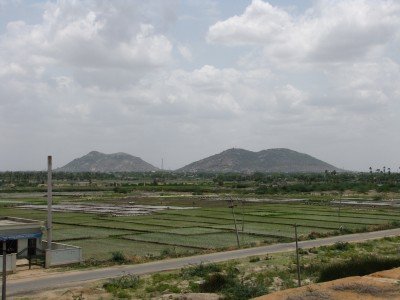 Panagallu, once the capital of the Kanduru Cholas, is a village that breathes history. It is world-renowned for the Chaya Someswara Swamy Temple, an architectural marvel where a single, permanent shadow falls on the Shivalingam throughout the day, despite no pillar being directly in front of it. This phenomenon remains a testament to the advanced geometric knowledge of ancient Indian architects. Another gem in the village is the Pachala Someswara Temple, known for its 70 intricately carved pillars and a Shivalingam made of emerald-green onyx. The village also hosts a State Archaeological Museum which preserves sculptures and inscriptions dating back to the Ikshvaku and Kakatiya periods. Walking through Panagallu is like stepping back into the 11th century, with every stone telling a story of royal patronage and spiritual devotion. The village serves as a vital link in understanding the transition of power between the Cholas and the Kakatiyas.
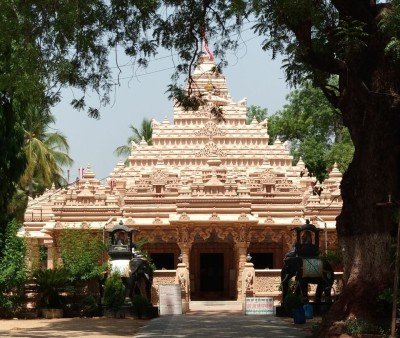 @@Spiritual Hub: Kolanupaku Jain Temple, also known as Kulpakji, is one of the oldest and most significant Jain pilgrimage centers in South India. With a history spanning over 2,000 years, the temple is a testimony to the ancient roots of Jainism in the Telangana region. The temple is dedicated to Lord Adinath, Lord Neminath, and Lord Mahavira, featuring exquisite idols that are carved with immense precision. The highlight of the temple is the 1.5-meter tall statue of Lord Mahavira, which is carved entirely out of a single piece of rare green jade. This idol is considered one of a kind in the world and attracts devotees from all over the country. The temple has undergone several renovations over the centuries, with the most recent one involving a complete overhaul using red sandstone and white marble. The craftsmanship is reminiscent of the temples in Rajasthan and Gujarat, with hundreds of skilled artisans having worked on the intricate carvings. The temple complex is spread over a large area and includes a dharamshala for pilgrims to stay. The atmosphere is filled with a sense of peace and spiritual energy, making it a perfect place for meditation. Historically, Kolanupaka was a major center for the Rashtrakutas and later the Chalukyas, who patronized the Jain faith. Numerous inscriptions have been found here that shed light on the socio-religious history of the region. The temple is not just a religious site but also a cultural treasure that showcases the artistic excellence of ancient and medieval India. It is a major stop on the Jain pilgrimage circuit, especially for the Shwetambar sect. The surrounding village of Kolanupaka also houses ancient Shiva and Vishnu temples, reflecting a history of religious harmony. Visiting this temple provides a deep dive into the philosophy and art of Jainism.
 @@The Buddhavanam project is a major spiritual and cultural hub spread across 274 acres near Nagarjuna Sagar Dam on the banks of the Krishna River, dedicated to showcasing the life and teachings of Lord Buddha in an immersive environment. It was developed by the Telangana State Tourism Development Corporation to promote Buddhist heritage tourism, especially highlighting the ancient Buddhist connection of the Krishna Valley, known historically as Nagarjuna Konda or Sriparvata - Vijayapuri, which was a major centre of Mahayana Buddhism during the Ikshvaku dynasty around the 3rd and 4th centuries A.D. The park is divided into eight segments, each focusing on a specific part of the Buddha's journey or the spread of Buddhism. It features impressive narrative sculptures, a majestic Maha Stupa, and replicas of global Buddhist monuments. The park is a modern spiritual revival that preserves the rich archaeological past of the submergence-threatened sites like Nagarjunakonda and Anupu, making it a unique destination for pilgrims and history enthusiasts. It is an active site for Buddhist study and reflection, successfully blending heritage preservation with modern tourism and cultural exchange.
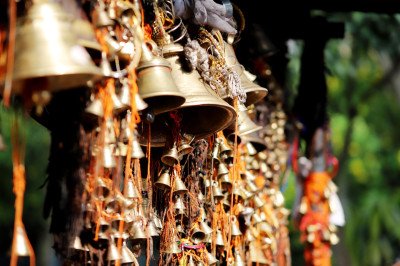 @@Sacred History and Significance : The Wadapalli Venkateswara Swamy Temple is a highly revered shrine located in the village of Wadapalli. This temple is often called Chinna Tirupati due to its spiritual significance and the belief that the deity fulfills the wishes of devotees. Historically, the temple is ancient, with roots dating back several centuries. It gained prominence due to its unique location at the "Sangam" or confluence of the Musi River and the Krishna River. This geographical feature is considered spiritually powerful in Hindu tradition. The presiding deity, Lord Venkateswara, is worshipped here in the form of Kalyana Venkateswara. Legend says that the idol was installed to protect the region and provide a place of worship for those unable to travel to Tirumala. The temple environment is exceptionally peaceful, filled with the sound of flowing river water and temple bells. Devotees flock here particularly on Saturdays, which are dedicated to Lord Vishnu. The shrine has undergone several renovations to accommodate the growing number of pilgrims. It serves as a center for Vedic rituals and local cultural gatherings. The temple is not just a religious site but also a historical landmark that reflects the architectural styles of the region's past rulers. The proximity to the river makes the air cool and the surroundings green. Pilgrims often take a holy dip in the river before entering the temple for Darshan. The spiritual energy of the place is palpable, drawing people from across Telangana and Andhra Pradesh. It stands as a symbol of faith and the enduring legacy of Vaishnavism in the Nalgonda region.
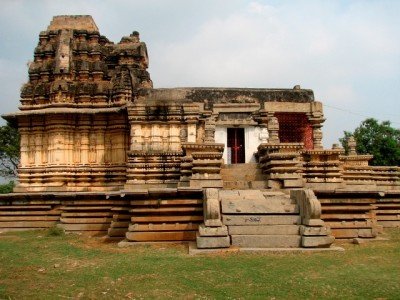 The Pillalamarri Temple, also known as the Shambhu Lingeswara Temple, is a magnificent historical site dating back to the Kakatiya period. Located on the banks of the Musi River, this temple is dedicated to Lord Shiva and stands as a testament to the glorious past of the region. The temple complex is renowned for its spiritual aura and the deep-rooted history that connects it to the 12th century. Visitors often feel a sense of peace as they walk through the ancient corridors that have witnessed centuries of devotion. The temple serves as a major pilgrimage hub for devotees from across Telangana. Its significance is highlighted by the numerous inscriptions found on its walls, which provide insights into the social and political life of the medieval era. The surroundings are tranquil, offering a perfect blend of divinity and nature. For history buffs, the temple is a treasure trove of information regarding ancient Indian traditions. The local community holds the temple in high regard, and it remains a focal point for religious activities in Nalgonda. Exploring the temple provides a deep dive into the cultural fabric of the Kakatiya dynasty. :
Mattapalli Narasimha Swami Temple is one of the five sacred "Pancha Narasimha Kshetras" located on the banks of the holy Krishna River. The temple is unique because the presiding deity, Lord Yogananda Lakshmi Narasimha Swamy, is seated in a natural cave. Legend says that the Lord appeared in a dream to Sri Anumala Machireddi to reveal His presence. The temple is known for its powerful spiritual vibrations and is believed to cure various ailments of devotees. The river Krishna at this point is called Krishnaveni, and a holy dip here is considered highly auspicious. The cave atmosphere provides a sense of ancient times when sages performed penance here. The temple structure has been expanded over centuries by various dynasties. It is a major pilgrimage site in the erstwhile Nalgonda district. The "Vaikuntha Dwara" is opened during special festivals, attracting massive crowds. The temple is surrounded by dense forests, adding to its mystical charm. Devotees often perform "Pradakshinas" around the sanctum for fulfilling their wishes. The administration provides free meals or "Annadanam" to visitors. It remains a cornerstone of Vaishnavite culture in the region. The peaceful flow of the river and the chants within the cave create a meditative environment.
@@The concept of a Bodrayi is deeply rooted in the cultural and spiritual traditions of Telangana, often representing the town's 'foundation stone' or symbolic protective pillar, typically installed at the time of a village's or town's establishment. The Nalgonda Bodrayi, while its exact current structure and precise historical origin are less documented compared to grand monuments, represents the spiritual and cultural core of the community. It is the focal point for various local rituals and festivals, particularly those relating to the town's prosperity, agriculture, and protection from harm. It is a monument of civic pride, symbolizing the town's long-standing identity and resilience. Unlike major tourist monuments, the Bodrayi is a living cultural artifact, best understood through the local customs and ceremonies performed around it, serving as a silent witness to the city's historical evolution and a continuity of its cultural past.Show All
Udaya Samudram is a massive historic reservoir located in Panagal, serving as a vital water source and a scenic attraction. Built by the Chola kings and later expanded by the Kakatiyas, this man-made lake reflects the advanced engineering of ancient India. The reservoir is surrounded by a massive stone bund that offers a great path for walking and enjoying the view. It is especially beautiful during the sunrise and sunset, when the sky reflects in the vast expanse of water. The reservoir plays a crucial role in the local irrigation system, supporting the agriculture of the surrounding villages. Historically, it was part of a larger complex of temples and administrative buildings. Today, it is a popular spot for locals to unwind and enjoy the cool breeze. The area around the reservoir is being developed for tourism, with plans for better seating and lighting. It is a quiet oasis just a few minutes away from the busy Nalgonda town. Visiting the reservoir provides a sense of the scale at which ancient rulers planned their water management systems. It is a perfect place for those who love water bodies and peaceful environments. :
The Pillalamarri Temple, also known as the Shambhu Lingeswara Temple, is a magnificent historical site dating back to the Kakatiya period. Located on the banks of the Musi River, this temple is dedicated to Lord Shiva and stands as a testament to the glorious past of the region. The temple complex is renowned for its spiritual aura and the deep-rooted history that connects it to the 12th century. Visitors often feel a sense of peace as they walk through the ancient corridors that have witnessed centuries of devotion. The temple serves as a major pilgrimage hub for devotees from across Telangana. Its significance is highlighted by the numerous inscriptions found on its walls, which provide insights into the social and political life of the medieval era. The surroundings are tranquil, offering a perfect blend of divinity and nature. For history buffs, the temple is a treasure trove of information regarding ancient Indian traditions. The local community holds the temple in high regard, and it remains a focal point for religious activities in Nalgonda. Exploring the temple provides a deep dive into the cultural fabric of the Kakatiya dynasty. :
Mattapalli Narasimha Swami Temple is one of the five sacred "Pancha Narasimha Kshetras" located on the banks of the holy Krishna River. The temple is unique because the presiding deity, Lord Yogananda Lakshmi Narasimha Swamy, is seated in a natural cave. Legend says that the Lord appeared in a dream to Sri Anumala Machireddi to reveal His presence. The temple is known for its powerful spiritual vibrations and is believed to cure various ailments of devotees. The river Krishna at this point is called Krishnaveni, and a holy dip here is considered highly auspicious. The cave atmosphere provides a sense of ancient times when sages performed penance here. The temple structure has been expanded over centuries by various dynasties. It is a major pilgrimage site in the erstwhile Nalgonda district. The "Vaikuntha Dwara" is opened during special festivals, attracting massive crowds. The temple is surrounded by dense forests, adding to its mystical charm. Devotees often perform "Pradakshinas" around the sanctum for fulfilling their wishes. The administration provides free meals or "Annadanam" to visitors. It remains a cornerstone of Vaishnavite culture in the region. The peaceful flow of the river and the chants within the cave create a meditative environment.
@@The concept of a Bodrayi is deeply rooted in the cultural and spiritual traditions of Telangana, often representing the town's 'foundation stone' or symbolic protective pillar, typically installed at the time of a village's or town's establishment. The Nalgonda Bodrayi, while its exact current structure and precise historical origin are less documented compared to grand monuments, represents the spiritual and cultural core of the community. It is the focal point for various local rituals and festivals, particularly those relating to the town's prosperity, agriculture, and protection from harm. It is a monument of civic pride, symbolizing the town's long-standing identity and resilience. Unlike major tourist monuments, the Bodrayi is a living cultural artifact, best understood through the local customs and ceremonies performed around it, serving as a silent witness to the city's historical evolution and a continuity of its cultural past.Show All
Udaya Samudram is a massive historic reservoir located in Panagal, serving as a vital water source and a scenic attraction. Built by the Chola kings and later expanded by the Kakatiyas, this man-made lake reflects the advanced engineering of ancient India. The reservoir is surrounded by a massive stone bund that offers a great path for walking and enjoying the view. It is especially beautiful during the sunrise and sunset, when the sky reflects in the vast expanse of water. The reservoir plays a crucial role in the local irrigation system, supporting the agriculture of the surrounding villages. Historically, it was part of a larger complex of temples and administrative buildings. Today, it is a popular spot for locals to unwind and enjoy the cool breeze. The area around the reservoir is being developed for tourism, with plans for better seating and lighting. It is a quiet oasis just a few minutes away from the busy Nalgonda town. Visiting the reservoir provides a sense of the scale at which ancient rulers planned their water management systems. It is a perfect place for those who love water bodies and peaceful environments. :Information
-
Why Famous:
Bhongir Fort: This massive rock fort is famous for its unique structure and the panoramic views it offers from the summit. It is a popular destination for rock climbing and trekking enthusiasts who want to challenge themselves while exploring history.
Read MoreBhongir Fort: This massive rock fort is famous for its unique structure and the panoramic views it offers from the summit. It is a popular destination for rock climbing and trekking enthusiasts who want to challenge themselves while exploring history.
Mystery Shadow Temple: The Chaya Someswara Temple is world-famous for its "shadow that never moves," a phenomenon that attracts curious tourists and scientists alike. It is a symbol of the advanced knowledge of light and shadow possessed by the Kakatiya architects.Architecture:
Monolithic Fort: The Bhongir Fort is built on a single massive rock that stands about 500 feet high, covering an area of 40 acres. The architecture includes multiple gates, deep moats, and secret tunnels that showcase the defensive capabilities of the era.Monolithic Fort: The Bhongir Fort is built on a single massive rock that stands about 500 feet high, covering an area of 40 acres. The architecture includes multiple gates, deep moats, and secret tunnels that showcase the defensive capabilities of the era.
Shadow Phenomenon: The Chaya Someswara Temple is designed such that a shadow of a pillar falls on the Shivalingam throughout the day without moving. The dimensions of the temple are traditional, but the placement of the pillars is a masterclass in optical engineering.How To Reach:
By Air: Hyderabad's Rajiv Gandhi International Airport is the nearest air link, located about 100 KMS away. From the airport, you can take a direct taxi or a bus to reach Nalgonda in about 2 hours.
By Train: Nalgonda has its own railway s...By Air: Hyderabad's Rajiv Gandhi International Airport is the nearest air link, located about 100 KMS away. From the airport, you can take a direct taxi or a bus to reach Nalgonda in about 2 hours.
By Train: Nalgonda has its own railway station which is well-connected to Hyderabad, Guntur, and other major cities. Many express trains stop here, making it a very convenient option for those traveling by rail.
By Road: The district is well-connected by a network of state and national highways, with frequent bus services from Hyderabad. The road journey is smooth and offers a glimpse into the changing landscape of the Telangana countryside.
By Local Transport: Within the town, auto-rickshaws are the most common way to get around and reach the nearby temples. For visiting places like Bhongir or Devarakonda, you can take a local bus or hire a taxi for the day.Weather and Best Time to Visit:
Winter Season: The winter months are ideal for exploring the district as the temperatures are moderate, making the treks to the forts much more enjoyable. This is also the time when most of the local festivals and cultural events take place.
...Winter Season: The winter months are ideal for exploring the district as the temperatures are moderate, making the treks to the forts much more enjoyable. This is also the time when most of the local festivals and cultural events take place.
Monsoon Season: Visiting during the rains turns the rocky landscape into a lush green paradise, with many small waterfalls coming to life. However, climbing the rock at Bhongir can be slippery and dangerous, so caution is advised.
Early Morning: The early morning hours are the best for trekking to the forts to catch the sunrise and avoid the heat. It is also the quietest time to visit the temples and enjoy the spiritual atmosphere without the crowds.Near Tourist Places:
Bhongir Fort (50 KMS), Yadagirigutta (60 KMS), Nagarjuna Sagar (65 KMS), Panagal Temples (4 KMS), Devarakonda Fort (60 KMS), Surendrapuri (55 KMS), Hyderabad (100 KMS), Miryalaguda (45 KMS), Suryapet (50 KMS), Kolanupaka (80 KMS).Tourism Tips
-
Health and Safety: Always wear shoes with a good grip when climbing the Bhongir fort and carry a bottle of water to stay hydrated. The rock can get very hot in the afternoon, so planning your trek for the morning is a smart move.
Packing Esse...Health and Safety: Always wear shoes with a good grip when climbing the Bhongir fort and carry a bottle of water to stay hydrated. The rock can get very hot in the afternoon, so planning your trek for the morning is a smart move.
Packing Essentials: Carry a light backpack with some snacks, water, and a basic first aid kit for your treks. Sun protection like a hat and sunscreen is also important as you will be spending a lot of time in the sun.
Accommodation: Nalgonda has several decent hotels and the tourism department's Haritha hotels provide a comfortable stay. Staying in the town allows you to easily access the nearby temples and plan your day trips effectively.
Respect Local Customs: While visiting the temples, follow the traditional dress code and be respectful of the devotees and the rituals. Always ask for permission before taking photos of the deity or the interior of the shrines.
Reviews
FAQs
Nalgonda Itineray And Cost:-
Information about New and Updated Locations() of Telangana Has Been Added :-
Card subtitle
Note:-
Information provided here in good Faith and for reference only.
Near Places
Adilabad
Some quick example text to build on the card title and make up the bulk of the card's content.
Go somewhere
Bhongir
Some quick example text to build on the card title and make up the bulk of the card's content.
Go somewhere
Bodhan
Some quick example text to build on the card title and make up the bulk of the card's content.
Go somewhere
Gadwal
Some quick example text to build on the card title and make up the bulk of the card's content.
Go somewhere
HYDERABAD
Some quick example text to build on the card title and make up the bulk of the card's content.
Go somewhere
Jagtial
Some quick example text to build on the card title and make up the bulk of the card's content.
Go somewhere
Jangaon
Some quick example text to build on the card title and make up the bulk of the card's content.
Go somewhere
Kamareddy
Some quick example text to build on the card title and make up the bulk of the card's content.
Go somewhere
Karimnagar
Some quick example text to build on the card title and make up the bulk of the card's content.
Go somewhere
KHAMMAM
Some quick example text to build on the card title and make up the bulk of the card's content.
Go somewhere
Kothagudem
Some quick example text to build on the card title and make up the bulk of the card's content.
Go somewhere
Mahabubabad
Some quick example text to build on the card title and make up the bulk of the card's content.
Go somewhere
Mahabubnagar
Some quick example text to build on the card title and make up the bulk of the card's content.
Go somewhere
Mancherial
Some quick example text to build on the card title and make up the bulk of the card's content.
Go somewhere
Medak
Some quick example text to build on the card title and make up the bulk of the card's content.
Go somewhere
Nagarjunakonda
Some quick example text to build on the card title and make up the bulk of the card's content.
Go somewherein Other Cities