Narwa Forest/Narwa Pahar
General information
-
Ideal Duration:
3 to 5 hours (For a peaceful picnic and short trek); Full Day (For extensive trekking and exploring the extended forest area).Place Type:
Nature, Forest, Picnic Spot, Trekking Destination,Entry Fees:
I.
General Entry and Parking Fees (Highly Variable): Narwa Forest/Pahar generally does not have a formal, government-regulated entry fee structure as a dedicated tourist park. The natural area is essentially open to the public. However, during the peak picnic seas...I.
General Entry and Parking Fees (Highly Variable): Narwa Forest/Pahar generally does not have a formal, government-regulated entry fee structure as a dedicated tourist park. The natural area is essentially open to the public. However, during the peak picnic season, especially in December and January, local youth or community groups often charge a small, informal "parking fee" or "maintenance fee" for vehicles entering and parking in the designated open grounds. This fee can range from Rs.30 to Rs.100 per car or large vehicle (such as a tempo traveler or bus). II.
Charges for Designated Picnic Spots/Land Use: Some areas of the riverbank or clearings may be considered private or locally managed land, where a small charge is levied by the locals for use of the space for setting up a picnic and cooking. These charges are often negotiable and intended to cover the use of space and, sometimes, to compensate for basic cleanup efforts. This charge is typically a nominal amount, perhaps Rs.100-Rs.200 per large group, but it can vary significantly based on the size of the group and the time of the year. III.
No Official Ticketing or Infrastructure Fees: It is crucial to note that there is no official ticketing counter for forest entry, trekking, or sightseeing at Narwa. The fees encountered are informal, community-level charges. Visitors should carry small change and engage politely with the local people who manage these fees. They must be wary of any exorbitant demands, which are unusual, and should keep expectations low regarding official infrastructure or facilities like proper washrooms, which are often absent.Timing:
I.
Regular and Ideal Visit Timings (Daylight Hours): The site is essentially an open natural space and does not have fixed gate hours. It is accessible from Sunrise to Sunset. However, for safety and logistical reasons, the regular operating hours for visitors are...I.
Regular and Ideal Visit Timings (Daylight Hours): The site is essentially an open natural space and does not have fixed gate hours. It is accessible from Sunrise to Sunset. However, for safety and logistical reasons, the regular operating hours for visitors are considered to be 7:00 AM to 5:00 PM. The Ideal Visit Time is during the morning, from 8:00 AM to 11:00 AM, for trekking and photography before the crowds arrive, or in the late afternoon, from 3:00 PM to 5:00 PM, for relaxing and watching the sunset. During the peak picnic season (December/January), groups often arrive as early as 6:00 AM to secure the best spots. II.
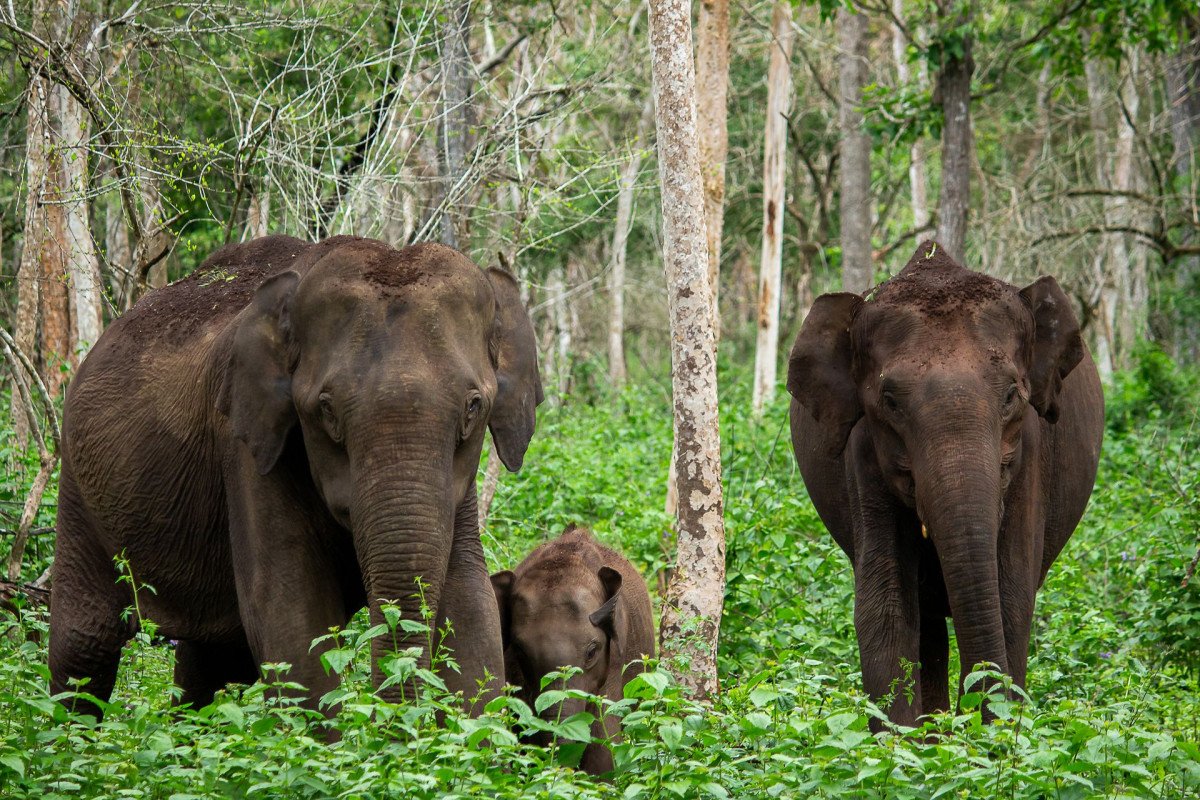
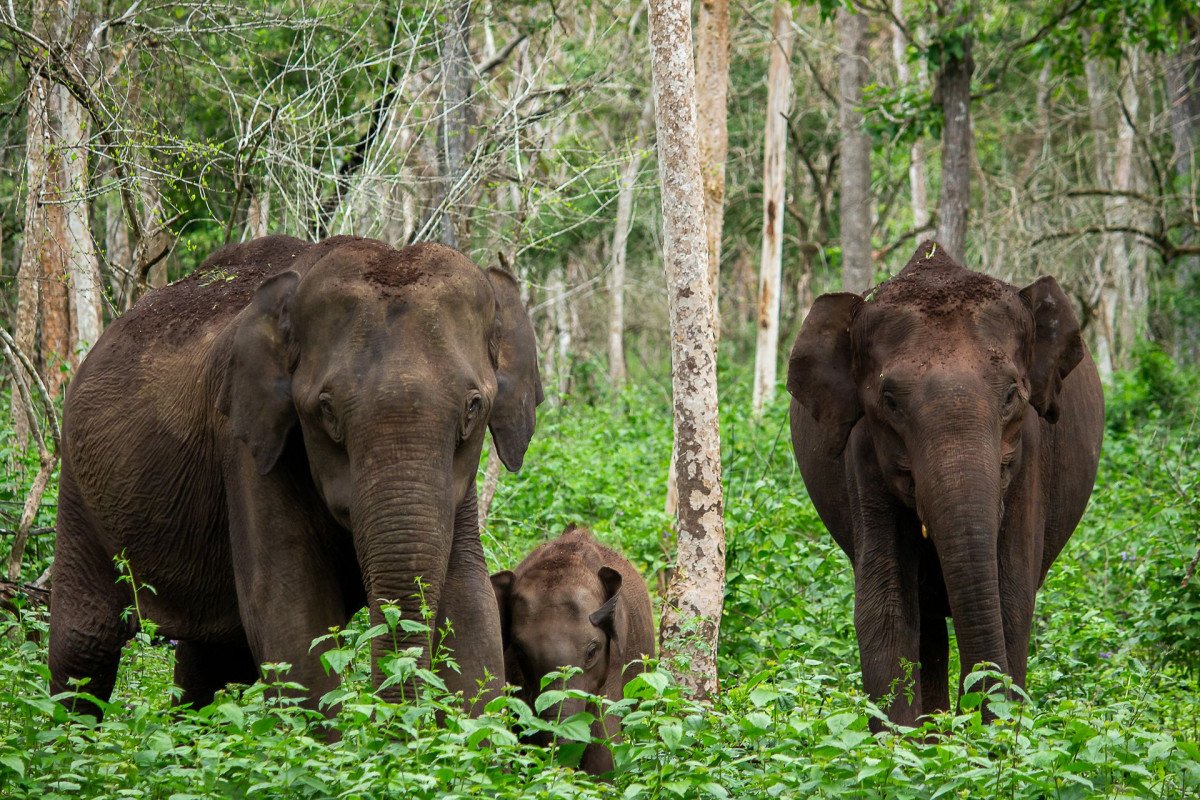
Safety and Peak Season Consideration: Visitors are strongly advised not to stay after Sunset (after 5:30 PM). As a forest area on the outskirts, it lacks lighting and security infrastructure, making it unsafe after dark. Furthermore, the surrounding area is close to an industrial/mining zone and elephant corridors are sometimes active in the broader Dalma range forests, increasing the risk after nightfall. Therefore, all activities, including packing up and leaving, should be concluded well before the evening. The peak season for picnicking is during the cool, dry winter months (November to February), while the best time for lush, green views and photography is right after the Monsoon (October).Special Events:
I.
Peak Winter/New Year Celebrations: The most significant, albeit informal, "event" at Narwa Forest is the massive influx of visitors and picnickers during the end of December and the entire January month, particularly around Christmas and New Year's Day. The plac...I.
Peak Winter/New Year Celebrations: The most significant, albeit informal, "event" at Narwa Forest is the massive influx of visitors and picnickers during the end of December and the entire January month, particularly around Christmas and New Year's Day. The place buzzes with energy as groups organize large-scale celebrations, which include elaborate outdoor cooking, music, dancing, and general merriment. The sheer volume of people and the festive atmosphere transform the quiet forest into a temporary, joyous outdoor festival, making it a unique cultural phenomenon of the Jamshedpur winter. This period represents the spot's busiest and most vibrant time. II.
Local Religious and Harvest Festivals: Being in a tribal belt of Jharkhand, the area around Narwa occasionally sees small, localized celebrations of regional harvest or tribal festivals, such as Sohrai or Sarhul, in the nearby villages. These are not tourist-centric events, but visitors who happen to be in the area may get a rare glimpse of the rich cultural traditions of the Santhal, Ho, or Bhumij tribes, marked by traditional dances, music, and specific rituals. These intimate village-level gatherings offer a genuine and uncommercialized cultural experience for the perceptive traveler.Best Photo Spots:
I.
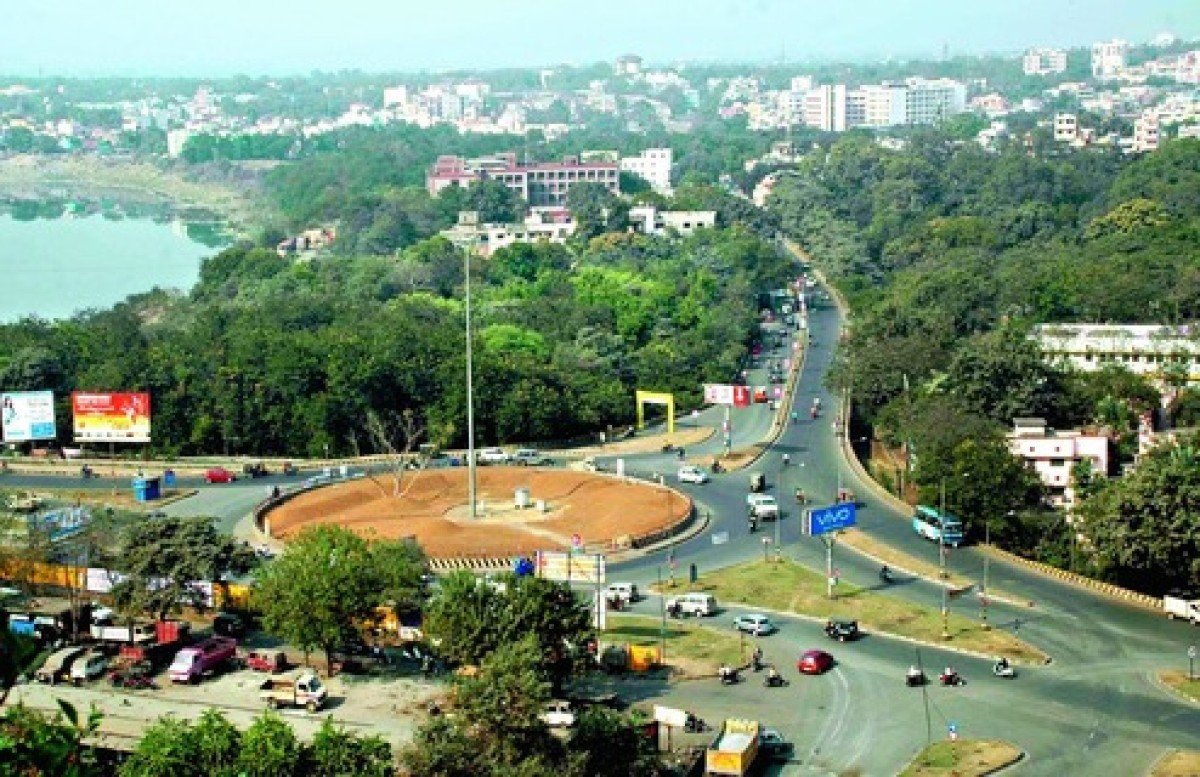
Narwa Bridge and Mountain View Point: The bridge or a vantage point near the beginning of the Narwa area offers the most iconic photograph of the location. This spot provides a stunning, panoramic view where the road snakes through the valley, framed by the lush...I.
Narwa Bridge and Mountain View Point: The bridge or a vantage point near the beginning of the Narwa area offers the most iconic photograph of the location. This spot provides a stunning, panoramic view where the road snakes through the valley, framed by the lush, rolling hillocks of Narwa Pahar and the clear, rocky stream flowing underneath. This is the ideal spot for wide-angle landscape shots, especially during the golden hours of sunrise or sunset, where the hills appear silhouetted or bathed in soft light. II.
The Cascading Water and Rocky Stream Bed: Focus on the stream itself. Close-up and mid-range shots of the clear water flowing over the smooth, multi-hued boulders and rocks are a must. Photographers can experiment with long exposures (if using a tripod) to capture the silky, ethereal look of the moving water. The small, natural pools and mini-cascades provide beautiful foreground interest, contrasting the texture of the water with the rough, ancient rocks. III.
The Forest Canopy and Sun Dapples: Inside the denser parts of the Sal and mixed deciduous forest, the interplay of light and shadow creates dramatic photo opportunities. Shots looking up at the canopy, or focusing on the sunlight dappling the forest floor, can capture the essence of the jungle. Look for unique flora, moss-covered tree trunks, and the vibrant colors of fresh leaves, which are particularly rich after the Monsoon. This area is also excellent for macro photography of insects and forest floor details. IV.
Candid Picnic Moments and Human Element: Capture the lively human element, especially during the peak winter season. Candid shots of families cooking together over an open fire, children playing by the water, or friends hiking on the rocky trails tell a vibrant story of the spot's recreational value. These photos should emphasize the joy and communal spirit of the picnic experience against the beautiful natural backdrop.Photo Gallery
Things To Do
-
I.
The Quintessential Picnic and Group Gathering: The primary activity at Narwa Forest is enjoying a day-long picnic. This involves setting up camp near the rocky stream, cooking a full meal (often including traditional Indian fare), and spending quality time with family and friends. Visitors should arrive early, especially during the peak December and January months, to secure a good spot near the water or under the shade of the trees. The open spaces are ideal for playing group games like cricket or badminton. II.
Nature Photography and Bird Watching: The lush green forest cover, the clear river, and the surrounding hillocks provide exceptional opportunities for nature photography. The light filtering through the canopy and the reflections on the water are particularly photogenic. The area is home to various loc...I.
The Quintessential Picnic and Group Gathering: The primary activity at Narwa Forest is enjoying a day-long picnic. This involves setting up camp near the rocky stream, cooking a full meal (often including traditional Indian fare), and spending quality time with family and friends. Visitors should arrive early, especially during the peak December and January months, to secure a good spot near the water or under the shade of the trees. The open spaces are ideal for playing group games like cricket or badminton. II.
Nature Photography and Bird Watching: The lush green forest cover, the clear river, and the surrounding hillocks provide exceptional opportunities for nature photography. The light filtering through the canopy and the reflections on the water are particularly photogenic. The area is home to various local and migratory bird species, especially in the early morning and late afternoon. Carrying a good camera and binoculars will enhance the experience of capturing the rich avian life and the scenic landscapes. The mountain views from the bridge are an excellent subject for wide-angle shots. III.
Rocky Stream Exploration and Water Play: Spend time exploring the rocky riverbed. Walking barefoot on the smooth stones and dipping feet in the cool, clear water is a popular and refreshing activity. Children especially enjoy playing in the shallow pools. It is important, however, to be cautious as the river can have oddly cut rocks and deeper sections in places. Always test the depth and current before wading in. IV.
Trekking and Hiking on the Hillocks: For the physically active, the surrounding hillocks (Narwa Pahar) offer rewarding trekking opportunities. The trails are rugged and provide a good workout. A short trek up to a vantage point is highly recommended to get a panoramic view of the forest and the valley below. This activity should be undertaken with proper footwear and adequate water, preferably in groups. V.
Mountain Biking and Adventurous Trails: For adventure sports enthusiasts, the Narwa region is an emerging hub for mountain biking, with known routes like the 'Narwa Valley Line'. These trails are challenging, featuring both uphill and downhill sections (All-Mountain & Downhill), catering to experienced riders. This is a specialized activity that requires proper gear and knowledge of the terrain, often organized by local biking clubs like the TrailTribe. VI.
Sunset and Sunrise Viewing: While the main picnic crowds disperse in the afternoon, the hill tops offer spectacular views of the sunset. For those who can arrange an early morning visit, the sunrise over the rolling hills of Singhbhum is a breathtaking experience, painting the forest canopy with golden hues. These moments are ideal for quiet contemplation and capturing dramatic landscape photos. VII.
Cultural Immersion and Local Shopping: Near the entrance or on the way to Narwa, visitors often encounter small roadside stalls run by local vendors, especially during the peak season. Engaging with these locals, tasting simple, traditional snacks, and perhaps purchasing locally-made crafts offers a small opportunity for cultural exchange and supports the regional economy.
Information
-
Why Famous:
I.
The Ideal Winter Picnic Getaway: Narwa Forest is arguably most famous for being one of the premier winter picnic spots near Jamshedpur. Its proximity to the city, combined with its unspoiled natural beauty, makes it a magnet for residents seeking a quick escape....I.
The Ideal Winter Picnic Getaway: Narwa Forest is arguably most famous for being one of the premier winter picnic spots near Jamshedpur. Its proximity to the city, combined with its unspoiled natural beauty, makes it a magnet for residents seeking a quick escape. The crisp, cool air of the winter months (from November to February) is perfect for outdoor cooking, feasting, and group activities. The open clearings near the stream provide ample space for large family and corporate picnics. The entire atmosphere shifts during this season, becoming a hub of joyful activity, with people from Jamshedpur and neighboring districts like Purulia and Medinipur (West Bengal) frequenting the spot. The spot is cherished for its uncommercialized nature, offering a raw, rustic picnic experience that contrasts sharply with manicured city parks. II.
The Serenity of the Flowing Stream: A major draw is the pristine, rocky stream that flows through the area. Unlike some other water bodies near the city, the Narwa stream is celebrated for its clean, crystal-clear water, which murmurs over the rocks. This natural water feature elevates the spot from a mere forest to a delightful riverside retreat. Visitors love to dip their feet in the cool water, relax on the smooth boulders, and capture the picturesque scenes of the water cascading gently over the stones. The tranquil sound of the flowing water is a unique element of the area's fame, providing a truly meditative and relaxing backdrop, which is a rare commodity near an industrial center. The natural formation of the small cascades and pools further enhances its reputation as a scenic and refreshing destination. The stream's beauty is particularly pronounced just after the Monsoon season, when the water flow is abundant but the weather is pleasant. -
Architecture:
The Natural and Geological Structure and Landscape of Narwa Pahar: I.
The Undulating Topography and Hills: The 'Pahar' or hill aspect of Narwa is defined by a series of low-lying, ancient hillocks that are part of the broader Singhbhum Craton. These hills, primari...The Natural and Geological Structure and Landscape of Narwa Pahar: I.
The Undulating Topography and Hills: The 'Pahar' or hill aspect of Narwa is defined by a series of low-lying, ancient hillocks that are part of the broader Singhbhum Craton. These hills, primarily composed of Precambrian metamorphic and sedimentary rocks, exhibit gentle slopes on one side and steeper, rocky inclines on the other, creating the perfect landscape for moderate trekking. The rock formations are predominantly quartzites, schists, and gneisses. The highest points, while not soaring peaks, offer panoramic vistas of the surrounding green canopy and plains. The average height of these hillocks ranges from 300 meters to 450 meters above mean sea level. This varied elevation contributes to the microclimate and biodiversity of the area, providing distinct habitats for different types of flora. II.
The Riverine and Rocky Bed Dimension: A defining feature is the small, seasonal river/stream that meanders through the forest floor. The riverbed is characteristically rocky, filled with rounded river stones and large boulders, evidence of strong water flow during the Monsoon season. The river's width typically varies from 5 meters to 15 meters during the dry winter, shrinking to mere trickles in the peak summer months. The water, which is exceptionally clear, flows over jagged rocks, creating small, natural pools and gentle cascades. The natural formation of the river's course dictates the main picnic and resting spots, which are usually located on flat, clearings near the water's edge, often having an area dimension of 200-500 square meters for groups to gather. The geological structure of the surrounding area is also notable for the presence of the Singhbhum Shear Zone, which is associated with the rich mineral deposits, including uranium, that make the adjacent area industrially significant. -
How To Reach:
I.
By Air: The nearest major airport is Birsa Munda Airport (IXR) in Ranchi, the capital of Jharkhand, which is approximately 130-140 KMS away from Jamshedpur. It has good connectivity to major Indian cities like Delhi, Kolkata, Mumbai, and Bangalore. From the air...I.
By Air: The nearest major airport is Birsa Munda Airport (IXR) in Ranchi, the capital of Jharkhand, which is approximately 130-140 KMS away from Jamshedpur. It has good connectivity to major Indian cities like Delhi, Kolkata, Mumbai, and Bangalore. From the airport, one can hire a pre-paid taxi or cab to travel to Jamshedpur (a drive of about 3-4 hours). Once in Jamshedpur (Tatanagar), a local taxi or auto-rickshaw must be hired for the final 20-22 KMS journey to Narwa Forest. II.
By Train: The most convenient way to reach the region is by train to Tatanagar Junction (TATA), which is the primary railway station for Jamshedpur. Tatanagar is a major junction on the South Eastern Railway line and is exceptionally well-connected, with daily express and superfast trains (like the Gitanjali Express, Steel Express, and Howrah-Mumbai Mail) running from all corners of India, especially Kolkata, Mumbai, Chennai, and Delhi. From Tatanagar Junction railway station, Narwa Forest is about 14-20 KMS away. The journey can be completed by a pre-booked cab or a local taxi/auto. III.
By Road: Jamshedpur is well-connected by National Highway (NH-33), which runs through the region. Traveling by road is a popular option, especially from neighboring states like West Bengal and Odisha. The road journey from Kolkata (approx. 280 KMS) takes about 5-6 hours. Once in Jamshedpur, follow the route towards Jaduguda or the Mosabani Road. Narwa Forest is situated off this main road. The journey from the city center to the spot by car takes about 45 minutes to 1 hour, depending on the traffic. IV.
By Local Transport: The final leg of the journey from Jamshedpur city center to Narwa Forest is best covered by hired local cabs or auto-rickshaws. Auto-rickshaws are readily available from areas like Sakchi and Tatanagar Station, but one must negotiate the fare beforehand, as the destination is on the outskirts. For groups, hiring a dedicated local cab (like an Ola or Uber if available, or a local taxi service) for a return trip is the most comfortable and reliable option. Public buses are infrequent and do not run directly to the picnic spot itself, only along the main Jaduguda road, requiring a long walk. -
Weather and Best Time to Visit:
I.
Seasonal Preference:
The Cool, Dry Winter: The Best Time to Visit is during the Winter months, specifically from October to February.
- Winter (November - February): This is the peak season. The...I.
Seasonal Preference:
The Cool, Dry Winter: The Best Time to Visit is during the Winter months, specifically from October to February.
- Winter (November - February): This is the peak season. The weather is cool, dry, and highly pleasant, with temperatures ranging from 10Rs.C to 25Rs.C. This climate is ideal for trekking, picnics, outdoor cooking, and all-day outdoor activities. The low humidity and clear skies enhance the scenic beauty and make the natural stream a refreshing retreat.
- Post-Monsoon (October): This is a great shoulder season. The forest is at its lushest and most vibrant green, the stream has ample water, and the weather is beginning to cool down. It's ideal for photography and nature walks, with fewer crowds than the peak picnic season.
- Summer (March - June): The Summer months are extremely hot, with temperatures soaring past 40Rs.C. The stream often shrinks to a trickle. It is generally not recommended for a visit.
- Monsoon (July - September): The Monsoon season brings heavy rainfall. The forest is beautiful, but the ground is slippery, the river level can be dangerously high and swift, and outdoor activities like trekking and picnicking are difficult. -
Near Tourist Places:
Narwa Forest is a great starting point for other sites in the East Singhbhum region. 1.
Rankini Mandir (Jaduguda): Approx. 2. 3 KMS (Religious/Scenic) 2.
Dimna Lake: Approx. 14 KMS (Natural/Picnic) 3.
Dalma Wildlife Sanctuary (Entrance): Approx. 25 KMS (Wildlife/Nature) 4.
Jubilee Park (Jamshedpur City): Approx. 20 KMS (Recreational/City) 5.
Tata Steel Zoological Park: Approx. 20 KMS (Zoo/Recreational) 6.
Gouri Kunja (Bibhutibhushan's House in Ghatshila): Approx. 40 KMS (Literary/Historic) 7.
Burudih Lake (Ghatshila): Approx. 50 KMS (Scenic/Boating) 8.
Phuldungri Hillock (Ghatshila): Approx. 45 KMS (Scenic/Trekking) 9.
Galudih Barrage/Dam: Approx. 30 KMS (Scenic/Dam View) 10.
Ratmohona (Subarnarekha River View): Approx. 40 KMS (Scenic/Sunset)
Tourism Tips
-
I.
Health & Safety (Forest/River Precautions): Carry a first-aid kit with antiseptic cream, bandages, and pain relievers, as medical help is distant. If you plan to wade in the river, wear proper water shoes; be cautious of the uneven, slippery, and sharply cut ro...I.
Health & Safety (Forest/River Precautions): Carry a first-aid kit with antiseptic cream, bandages, and pain relievers, as medical help is distant. If you plan to wade in the river, wear proper water shoes; be cautious of the uneven, slippery, and sharply cut rocks in the stream bed. The water can be deceptively deep in some areas. Since the broader region is known for elephant movement (part of the Dalma range corridor), it is critically important to leave the area well before Sunset. Carry a strong insect repellent, especially during the post-monsoon and early winter months. II.
Packing Essentials (Picnic and Outdoor Gear): For a picnic, bring all necessary supplies, including cooking utensils, disposable or reusable plates, cutlery, and ample drinking water, as facilities are minimal. Since the spot is not well-maintained, bring large garbage bags to collect all trash (Plastic and Thermocol plates/glasses are highly discouraged and often lead to littering). For trekking, wear sturdy, closed-toe footwear. Carry a power bank, as mobile network strength can be patchy. III.
Accommodation (Staying in Jamshedpur): There are no hotels or guesthouses at Narwa Forest. Accommodation should be booked in Jamshedpur (in areas like Sakchi, Bistupur, or near Tatanagar Station), which offers a range of options from budget hotels to high-end stays (Hotel The Sonnet, Novotel Jamshedpur). It is best to travel to Narwa as a day trip from the city. IV. Other Practical Topics (Local Interaction and Respect): Be prepared for informal fees charged by locals for parking or land use; keep small change handy and be polite.
Respect the natural environment: Do not litter and do not damage the flora. The local area is a part of the Jaduguda region, which has industrial significance; be respectful of any restricted or privately-owned areas and the local tribal community whose land this is. Simple Language should be used when interacting with vendors.
Reviews
FAQs
Jamshedpur Itineray And Cost:-
Narwa Forest/Narwa Pahar Tourism:-
Information about New and Updated Locations() of Jharkhand Has Been Added :-
Card subtitle
Note:-
Information provided here in good Faith and for reference only.
All information and pictures will be updated soon, please keep visiting.
Near Places

Amadubi Rural Tourism Centre
Some quick example text to build on the card title and make up the bulk of the card's content.
Go somewhere
Bada Banki Dam
Some quick example text to build on the card title and make up the bulk of the card's content.
Go somewhere
Bhatia Park
Some quick example text to build on the card title and make up the bulk of the card's content.
Go somewhere
Bhuneswari Temple
Some quick example text to build on the card title and make up the bulk of the card's content.
Go somewhere
Centre for Excellence Exhibition
Some quick example text to build on the card title and make up the bulk of the card's content.
Go somewhere
Chandil Dam
Some quick example text to build on the card title and make up the bulk of the card's content.
Go somewhere
Dalma Wildlife Sanctuary
Some quick example text to build on the card title and make up the bulk of the card's content.
Go somewhere
Dimna Lake
Some quick example text to build on the card title and make up the bulk of the card's content.
Go somewhere
Domuhani
Some quick example text to build on the card title and make up the bulk of the card's content.
Go somewhere
Ganesh Puja Maidan
Some quick example text to build on the card title and make up the bulk of the card's content.
Go somewherein Other Cities