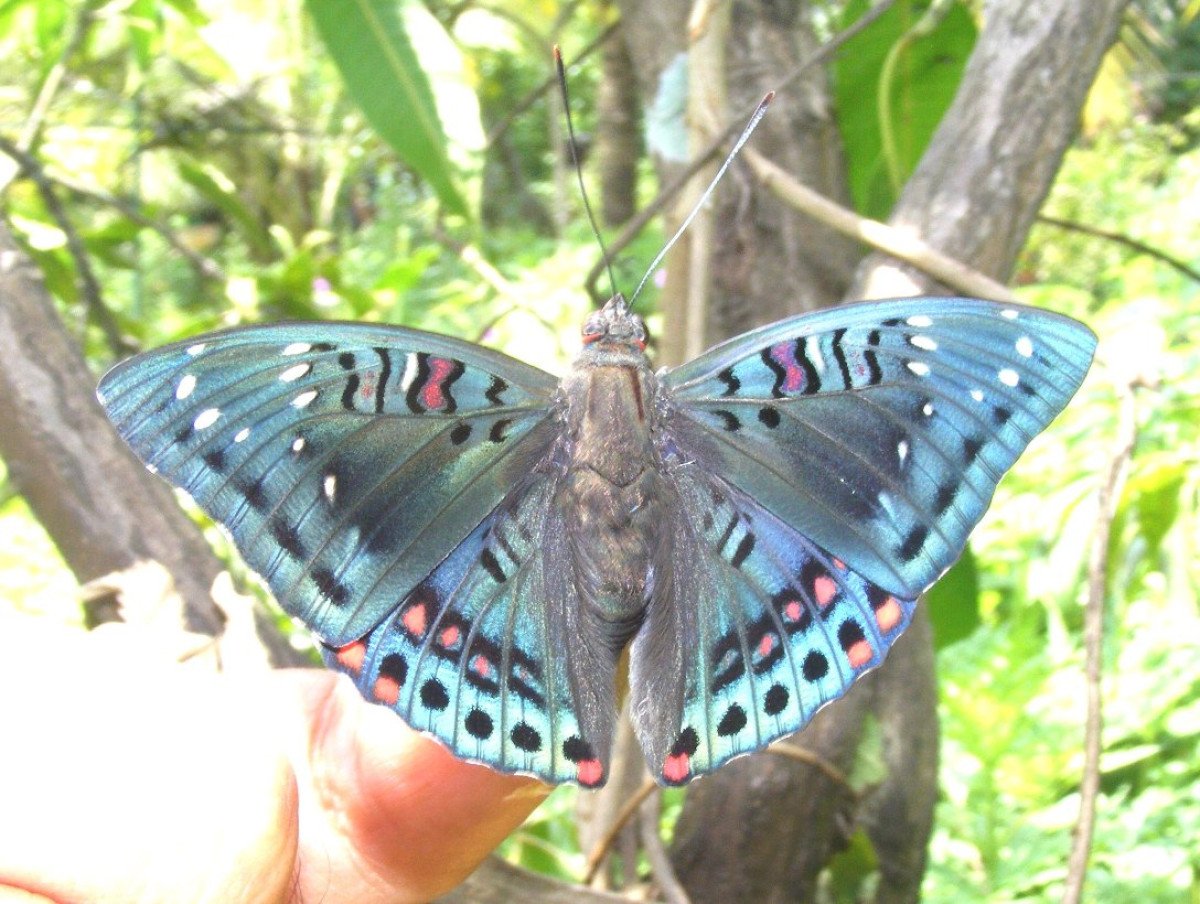
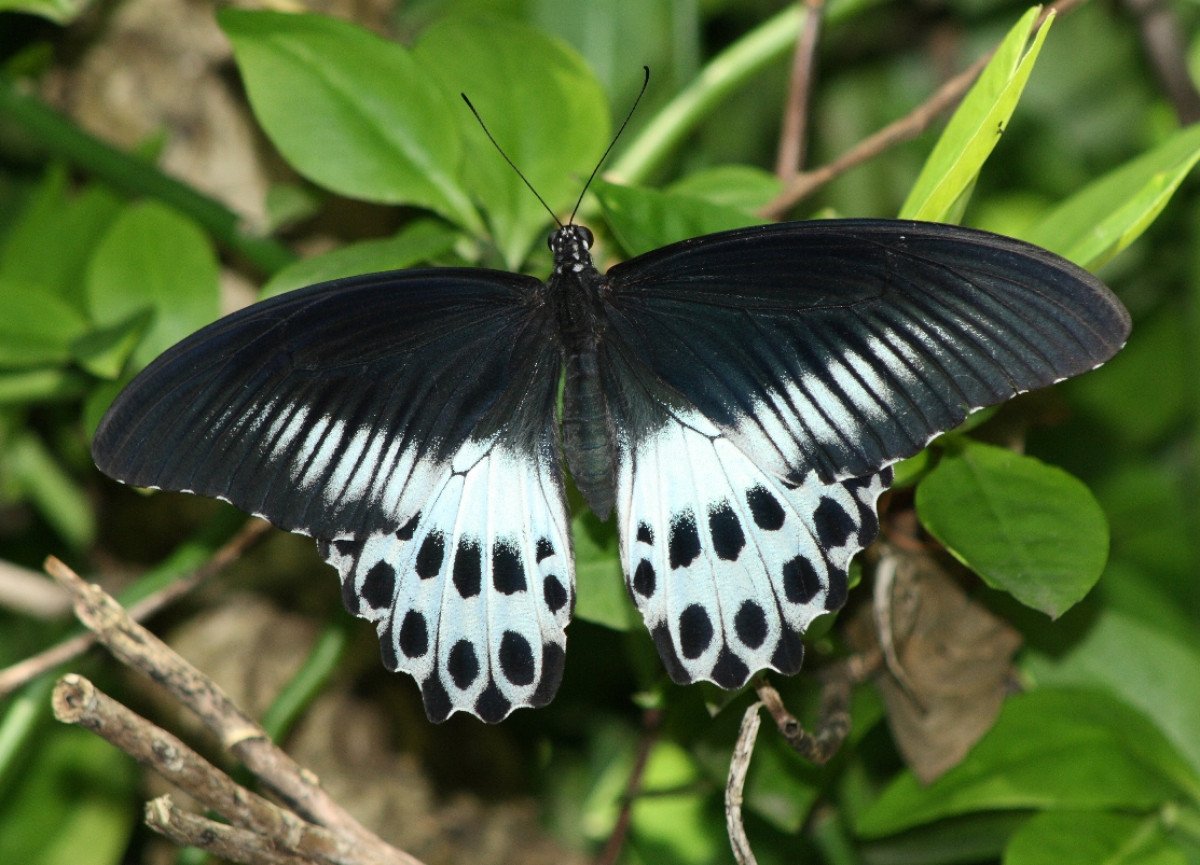
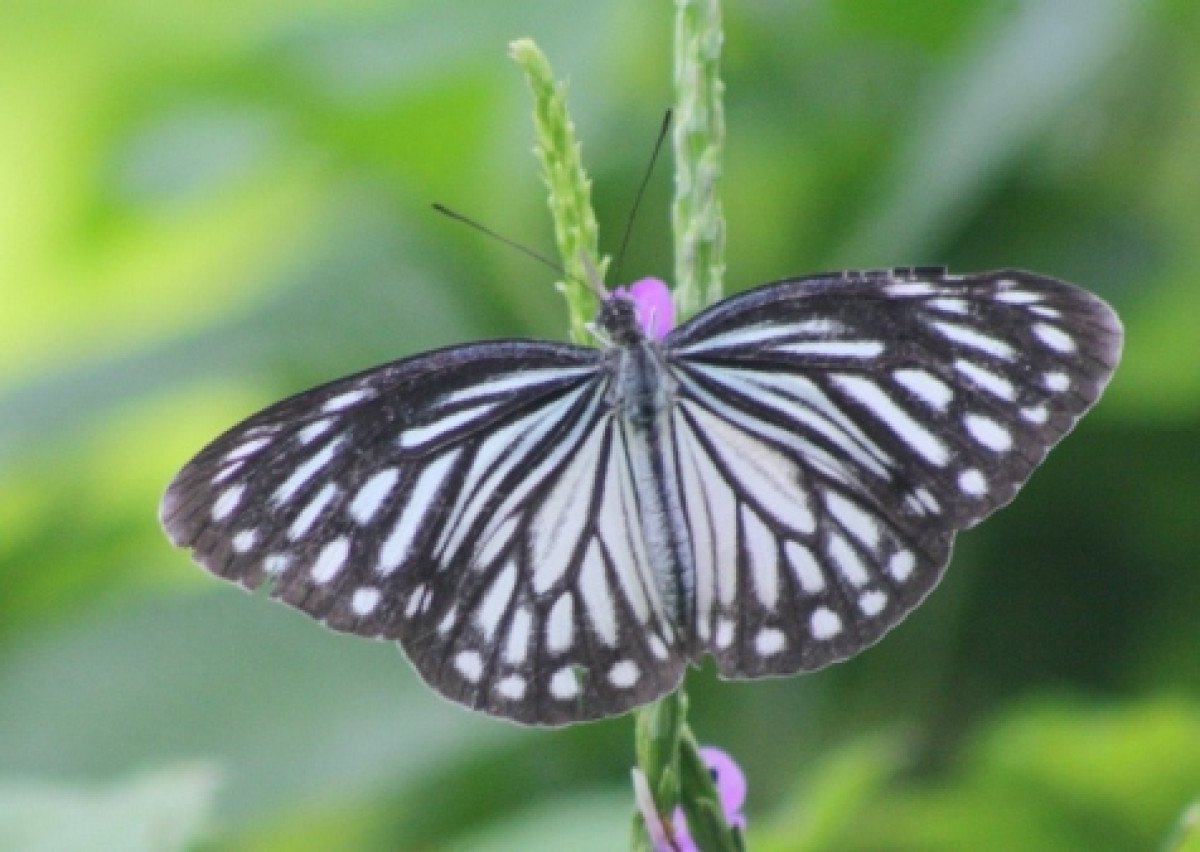

Ovalekar Wadi Butterfly Garden
General information
-
Ideal Duration:
2-3 Hours (Including Guided Tour)Place Type:
Butterfly Sanctuary, Ecological Park, Guided NaturEntry Fees:
General Entry Fee (Mandatory): The entry fee is mandatory and is generally around Rs.100 per person for adults. This fee contributes directly to the maintenance of the garden and the conservation efforts, which is a key part of the experience. The fee for children is sometim...General Entry Fee (Mandatory): The entry fee is mandatory and is generally around Rs.100 per person for adults. This fee contributes directly to the maintenance of the garden and the conservation efforts, which is a key part of the experience. The fee for children is sometimes lower (e. g. , Rs.50).
Optional Breakfast Cost: The light, local breakfast is an optional extra, typically costing a small, fixed amount, such as Rs.60 per person. This is an additional cost to budget for, which enhances the morning experience.
Parking Charges: Since the garden is in a semi-rural area, vehicle parking is usually available on-site or nearby for a nominal, fixed fee (e. g. , Rs.30-Rs.50 per vehicle), which helps manage the flow of traffic on the narrow village roads.
Photography/Commercial Use Fee: While personal photography is included, professional or commercial photography (e. g. , pre-wedding shoots) may require a separate, significantly higher commercial permit fee, which must be inquired about in advance.Timing:
Regular Timings: The garden is STRICTLY open only on Sundays from 8:00 AM to 1:00 PM. Visitors must plan their trip precisely around this short window, arriving by 8:30 AM for the best viewing experience.
Ideal Visit Time:
Read MoreRegular Timings: The garden is STRICTLY open only on Sundays from 8:00 AM to 1:00 PM. Visitors must plan their trip precisely around this short window, arriving by 8:30 AM for the best viewing experience.
Ideal Visit Time:
Peak Activity Morning: The Ideal Visit Time is immediately after opening, between 8:00 AM and 10:00 AM. This period coincides with the butterflies’ peak flight activity when the morning sun warms their wings, and the light is perfect for photography.
Avoid Late Arrival: Arriving after 11:00 AM is not recommended, as the butterflies become less active in the midday heat, and the guided tour may be nearing its conclusion.Special Events:
Butterfly Conservation Day: The garden occasionally organizes special, formal events like a 'Butterfly Conservation Day' or a 'Lepidopterist Meet-up,' often in collaboration with the Bombay Natural History Society (BNHS). These events include expert talks, advanced workshop...Butterfly Conservation Day: The garden occasionally organizes special, formal events like a 'Butterfly Conservation Day' or a 'Lepidopterist Meet-up,' often in collaboration with the Bombay Natural History Society (BNHS). These events include expert talks, advanced workshops on butterfly monitoring and rearing, and specialized nature walks, targeting serious nature lovers and students.
Post-Monsoon Peak Season: While open every Sunday, the informal 'event' is the peak flight period, which occurs in the post-monsoon months of October and November. The concentration and variety of butterflies are at their highest then, drawing a maximum number of visitors for the most spectacular natural display of the year.Best Photo Spots:
The Caterpillar/Chrysalis Close-up: A clear, focused, macro shot of a delicate chrysalis or a colorful caterpillar on its host leaf makes for a unique and highly educational photograph, showcasing the life-cycle.
Butterfly on Nectar Flowers:...The Caterpillar/Chrysalis Close-up: A clear, focused, macro shot of a delicate chrysalis or a colorful caterpillar on its host leaf makes for a unique and highly educational photograph, showcasing the life-cycle.
Butterfly on Nectar Flowers: A perfect picture is of a vibrant butterfly (like a Common Crow or Striped Tiger) sitting on a brightly colored nectar flower, especially a Lantana or Pentas, capturing the feeding activity.
The Sun-Dappled Pathway: The narrow, sun-dappled walking path, framed by dense foliage and the occasional glimpse of a flying butterfly, is a perfect photo spot to capture the serene and atmospheric mood of the garden. Mr.
Ovalekar with a Group: A group picture with the dedicated owner/naturalist, Mr. Rajendra Ovalekar, provides a meaningful memory of the educational and personal nature of the visit.Photo Gallery


Things To Do
-
Participate in the Guided Tour: Join the mandatory guided tour led by Mr. Ovalekar. Pay close attention to the details about the butterfly life cycle, host plants, and nectar sources. This is the primary activity and offers the most educational value.
Macro and Close-up Photography: Dedicate time to macro photography. The sheer number of stationary and flying butterflies, coupled with the detailed foliage, provides endless subjects. Use a macro lens for close-ups of caterpillars, chrysalides, and nectaring butterflies.
Learning the Butterfly Life Cycle: Actively look for and identify all four stages of the butterfly—egg, larva (caterpillar), pupa (chrysalis), and adult—on the various plants, turning the visit into a focused educational hunt.
Identifying Diff...Participate in the Guided Tour: Join the mandatory guided tour led by Mr. Ovalekar. Pay close attention to the details about the butterfly life cycle, host plants, and nectar sources. This is the primary activity and offers the most educational value.
Macro and Close-up Photography: Dedicate time to macro photography. The sheer number of stationary and flying butterflies, coupled with the detailed foliage, provides endless subjects. Use a macro lens for close-ups of caterpillars, chrysalides, and nectaring butterflies.
Learning the Butterfly Life Cycle: Actively look for and identify all four stages of the butterfly—egg, larva (caterpillar), pupa (chrysalis), and adult—on the various plants, turning the visit into a focused educational hunt.
Identifying Different Species: Carry a local butterfly field guide or use an identification app (respecting the rules on phone use) to identify as many different species as possible, noting their colors, flight patterns, and preferred plants.
Enjoy the Optional Breakfast: Opt for the simple, local breakfast after the tour. It's a relaxed way to reflect on the experience and socialize with other nature enthusiasts in a pleasant, natural setting.
Practicing Stillness and Patience: Butterflies are delicate. The key activity is to practice patience and stillness to allow the butterflies to land near you or continue their activities undisturbed. This teaches valuable lessons in nature observation.
Shopping for Nature Books: Check if any butterfly-themed books or informational posters are available for sale to support the garden's conservation efforts and extend the learning experience at home.
Information
-
Why Famous:
Personalized Guided Conservation Effort: The garden is famously known for the personal, dedicated effort of its owner, Mr. Rajendra Ovalekar, who transformed the land. The fact that he conducts the in-depth, passionate guided tours is its biggest fame. Visitors get an unp...Personalized Guided Conservation Effort: The garden is famously known for the personal, dedicated effort of its owner, Mr. Rajendra Ovalekar, who transformed the land. The fact that he conducts the in-depth, passionate guided tours is its biggest fame. Visitors get an unparalleled, first-hand lesson in butterfly conservation, habitat creation, and the lifecycle of these insects, making it a unique educational destination.
Sheer Species Diversity in Urban Context: It is famous for hosting over 130 butterfly species and more than 80 plant species within a small, accessible area so close to a major metropolitan region. This high concentration of biodiversity, including many rare species, has established it as a premier destination for macro-photographers and serious lepidopterists.
Sunday-Only, Exclusive Experience: The strict, limited opening time (Sunday mornings only) creates a sense of exclusivity and special-ness. The timing is designed to coincide with the butterflies' most active flight period, ensuring a high-quality viewing experience, which has contributed to its unique fame in the tourism circuit. -
Architecture:
Ecosystem Design and Planting Configuration: The garden's architecture is primarily 'ecological architecture' rather than structural. It is deliberately designed as a thriving, layered ecosystem. The layout involves strategically planting nectar plants (for adult feeding) ...Ecosystem Design and Planting Configuration: The garden's architecture is primarily 'ecological architecture' rather than structural. It is deliberately designed as a thriving, layered ecosystem. The layout involves strategically planting nectar plants (for adult feeding) and host plants (for egg-laying and caterpillar feeding) in dense clusters and winding pathways to maximize the habitat for different butterfly species, mimicking a natural forest edge.
Pathway Dimensions: The garden features narrow, winding nature trails and walking paths, typically less than 1 meter wide, made of natural soil or wood chips to prevent soil erosion and maintain a rustic feel. The total pathway length is sufficient for a comprehensive 90-minute guided tour.
Simple Infrastructure: Structural architecture is minimal, consisting of a simple gate/entry point, a small registration/ticket counter, a sheltered area for the optional breakfast, and simple informational signboards. There are no large buildings, ensuring the focus remains entirely on the natural environment and the tiny, delicate creatures. The entire design is based on the principle of minimal intervention for maximum natural benefit. -
How To Reach:
By Air: The nearest airport is Chhatrapati Shivaji Maharaj International Airport (BOM), approximately 35 KMS away. Hire a private taxi or cab via the Western Express Highway and then Ghodbunder Road (NH 48). The journey can take up to 90-120 minutes due to traffic.By Air: The nearest airport is Chhatrapati Shivaji Maharaj International Airport (BOM), approximately 35 KMS away. Hire a private taxi or cab via the Western Express Highway and then Ghodbunder Road (NH 48). The journey can take up to 90-120 minutes due to traffic.
By Train: Take a local train to Thane Railway Station (TNA). From Thane Station (approx. 12 KMS), hire an auto-rickshaw or taxi specifically to Owala Village on Ghodbunder Road, near Suraj Water Park. Since it's a longer distance, a cab is preferred.
By Road (Car/Taxi): Drive along the busy Ghodbunder Road (NH 48) towards Gowniwada/Owala Village. Look for the turn-off near Suraj Water Park. Use GPS navigation to guide you precisely to Ovalekar Wadi as the signage from the main road can be subtle.
By Local Transport (Bus): Take a TMT bus along Ghodbunder Road towards Ghai Bandhan or Bhayander. Get off at the stop nearest to Owala Village or Suraj Water Park. From there, hire a local auto-rickshaw or take a short 1. 5-2 KM walk into the village road. -
Weather and Best Time to Visit:
Post-Monsoon Peak (October to February): The Best Time is the clear, cool weather from October to February. This period sees the highest variety and population of butterflies, as the monsoon rains have ceased, the air is clean, and the sun is pleasant, perfect for their act...Post-Monsoon Peak (October to February): The Best Time is the clear, cool weather from October to February. This period sees the highest variety and population of butterflies, as the monsoon rains have ceased, the air is clean, and the sun is pleasant, perfect for their activity.
Monsoon Season (June to September): A good time for green views, but butterfly activity can be reduced by heavy rain, and the paths can be muddy.
Different Parts of the Day:
Sunny Morning: The best and only time is a Sunny Morning (8:00 AM - 10:00 AM). Butterflies are cold-blooded and require sunlight to warm up their muscles for flight; hence, sunny mornings ensure maximum viewing. -
Near Tourist Places:
Suraj Water Park (2 KMS), Elvis Butterfly Garden (1 KM), Ghodbunder Fort (4 KMS), Tikuji-Ni-Wadi (9 KMS), Manpada Waterfall (9 KMS), Upvan Lake (11 KMS), Korum Mall (13 KMS), Viviana Mall (15 KMS), Tansa Wildlife Sanctuary (35 KMS), Ghai Bandhan/Bhayander (Suburb) (6 KMS).
Tourism Tips
-
Health & Safety:
Movement and Clothes: Move slowly and quietly through the garden to avoid disturbing the butterflies. Wear brightly colored clothes (e. g. , red, yellow, orange) as these colors often attract butterflies, enhancing your view...Health & Safety:
Movement and Clothes: Move slowly and quietly through the garden to avoid disturbing the butterflies. Wear brightly colored clothes (e. g. , red, yellow, orange) as these colors often attract butterflies, enhancing your viewing experience.
Packing:
Camera and Binoculars: Carry a good camera with a macro lens for detailed shots. Binoculars are excellent for observing high-flying species. Avoid sunscreens/perfumes with strong smells, which can potentially deter the butterflies.
Accommodation:
Ghodbunder Road Hotels: Stay in a hotel along Ghodbunder Road (like The Byke Suraj Plaza) for the quickest and most convenient access to the garden for the early Sunday morning opening.
Other Different Topics:
Respectful Silence: Maintain minimal noise and volume as sound vibrations can disturb the delicate creatures. Touch nothing—neither plants, nor caterpillars, nor butterflies—to preserve the fragile ecosystem. Book a cab early as transport can be tricky on the village road early on a Sunday.
Reviews
FAQs
Thane Itineray And Cost:-
Ovalekar Wadi Butterfly Garden Tourism:-
Other Places In Thane :-
Other States In India :-
Information about New and Updated Locations() of Maharashtra Has Been Added :-
Card subtitle
Note:-
Information provided here in good Faith and for reference only.
Near Places

Ambe Ghosle Lake
Some quick example text to build on the card title and make up the bulk of the card's content.
Go somewhere
Bassein Fort
Some quick example text to build on the card title and make up the bulk of the card's content.
Go somewhere
Bhiwandi
Some quick example text to build on the card title and make up the bulk of the card's content.
Go somewhere
Brahmala Lake Garden
Some quick example text to build on the card title and make up the bulk of the card's content.
Go somewhere
DC-3 Aircraft
Some quick example text to build on the card title and make up the bulk of the card's content.
Go somewhere
Elvis Butterfly Garden
Some quick example text to build on the card title and make up the bulk of the card's content.
Go somewhere
Ghodbunder Fort
Some quick example text to build on the card title and make up the bulk of the card's content.
Go somewhere
Gorakhgad Fort
Some quick example text to build on the card title and make up the bulk of the card's content.
Go somewhere
Har Har Gange Waterfalls
Some quick example text to build on the card title and make up the bulk of the card's content.
Go somewhere
Hariyali Lake
Some quick example text to build on the card title and make up the bulk of the card's content.
Go somewhere
Jai Vilas Palace
Some quick example text to build on the card title and make up the bulk of the card's content.
Go somewhere
Jupiter Hospital Skywalk
Some quick example text to build on the card title and make up the bulk of the card's content.
Go somewhere
Kacharali Lake
Some quick example text to build on the card title and make up the bulk of the card's content.
Go somewhere
Kalibari Temple
Some quick example text to build on the card title and make up the bulk of the card's content.
Go somewhere
Kelva Beach
Some quick example text to build on the card title and make up the bulk of the card's content.
Go somewhere
Kopineshwar Temple
Some quick example text to build on the card title and make up the bulk of the card's content.
Go somewherein Other Cities