

Pakur
General information
-
Ideal Duration:
1 to 2 DaysPlace Type:
Historical and CulturalEntry Fees:
General Entry: Most historical sites and public parks in Pakur have a very nominal entry fee of 10 to 20 rupees.
Photography Charges: Some sites might charge an additional 50 to 100 rupees for professional camera usage or video recording. ...General Entry: Most historical sites and public parks in Pakur have a very nominal entry fee of 10 to 20 rupees.
Photography Charges: Some sites might charge an additional 50 to 100 rupees for professional camera usage or video recording.Timing:
Regular Park Timings: Most parks are open from 9:00 AM to 6:00 PM throughout the year for all visitors.
Ideal Visit Time: The best time to visit is during the early morning hours or late afternoon to avoid the midday sun. ...Regular Park Timings: Most parks are open from 9:00 AM to 6:00 PM throughout the year for all visitors.
Ideal Visit Time: The best time to visit is during the early morning hours or late afternoon to avoid the midday sun.Special Events:
Santhal Hool Diwas: Celebrated every year on June 30th to honor the martyrs of the Santhal rebellion with traditional dances.
Maghi Mela: A grand tribal fair organized during the full moon of January or February involving rituals and local t...Santhal Hool Diwas: Celebrated every year on June 30th to honor the martyrs of the Santhal rebellion with traditional dances.
Maghi Mela: A grand tribal fair organized during the full moon of January or February involving rituals and local trade.Best Photo Spots:
Top of Martello Tower: The unique circular structure of the tower provides an excellent backdrop for historical photography.
Sidho Kanho Park Lake: The reflection of the greenery in the park's water bodies creates a picturesque setting for n...Top of Martello Tower: The unique circular structure of the tower provides an excellent backdrop for historical photography.
Sidho Kanho Park Lake: The reflection of the greenery in the park's water bodies creates a picturesque setting for nature photos.
Dharni Pahar Viewpoint: The hilltop offers a wide-angle view of the Pakur landscape which is perfect for landscape photography.Photo Gallery
Things To Do
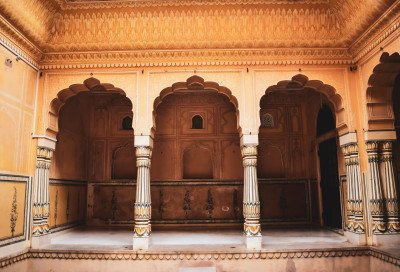 @@Place Details: Birkitti Fort is an ancient historical landmark located in the Maheshpur block of Pakur. This fort is deeply associated with the Rajput chief Raja Udit Narayan Singh who ruled during the 18th century. It stands as a silent witness to the fierce battle fought between the local Rajput warriors and the army of Nawab Murshid Quli Khan of Murshidabad. Over time, the fort has turned into ruins, yet it remains a site of great archaeological interest for history buffs and researchers. The surroundings are filled with local legends about hidden tunnels and treasures. The site offers a glimpse into the defensive strategies used by local rulers against external invasions. Visitors can still see the remnants of the thick walls and the strategic positioning of the fort on a slightly elevated terrain. The area is peaceful and surrounded by rural landscapes, making it a quiet retreat from the town's hustle. It is particularly popular among those who enjoy exploring offbeat historical trails and learning about the regional conflicts that shaped the history of the Santhal Pargana division.
 @@Crafting the Fabric of Life: The Local Handloom Weaving Centers of Pakur represent the rich textile tradition of the Santhal Pargana. For centuries, the local communities, particularly the Santhal women, have been master weavers, creating intricate fabrics that are both functional and artistic. These centers are scattered across the district, with significant clusters in and around Pakur town. The weaving process is entirely manual, using traditional wooden looms that have been passed down through generations. The primary products include the 'Panchi Parhan' (traditional Santhali saree), cotton towels, and shawls. These textiles are known for their durability and the use of natural dyes derived from forest plants and minerals. A visit to these centers allows one to see the rhythmic movement of the shuttle and the focused precision of the weavers. It is not just an industry but a cultural expression, with patterns often reflecting tribal folklore and the local flora. In recent years, these centers have gained recognition for their sustainable and eco-friendly practices. The government and local NGOs are working to modernize some techniques while keeping the soul of the craft intact. For a visitor, these centers offer a chance to purchase authentic, high-quality handloom products directly from the artisans, ensuring that the benefits of tourism reach the grassroots level.
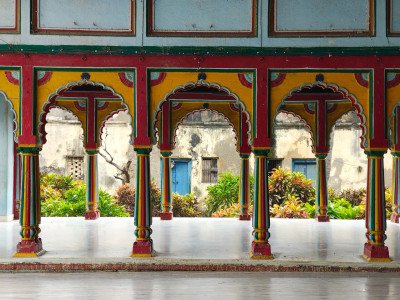 @@Detailed Overview: The Pakur Rajbari, also known as the Palace of the Pakur Raj, is a historic landmark that represents the aristocratic past of the region. Historically, Pakur was an independent estate known as Amber, and this palace served as the administrative and residential headquarters for the ruling family. The palace witnessed the tumultuous times of the British Raj and the Santhal Rebellion of 1855. During the rebellion, the palace was a target of the Santhal warriors who sought to overthrow the local zamindari system. Parts of the palace are now in ruins, but the surviving structures still exude an aura of faded grandeur. The architecture is a blend of traditional Indian styles and colonial influences, featuring large courtyards, thick masonry walls, and arched doorways. The Rajbari is not just a building; it is a repository of local history, housing stories of valor, administration, and cultural patronage. Visitors can explore the outer premises and see the residential quarters that were once bustling with royal activity. The proximity of the Nitya Kali Mandir within its campus adds a spiritual dimension to the visit. Although much of the interior is private or dilapidated, the facade remains a popular spot for history enthusiasts and photographers. The palace grounds are often used for local cultural gatherings, keeping the legacy of the Pakur royals alive in the modern era. Walking through its corridors feels like stepping back into the 19th century, offering a somber reminder of the changing tides of time and power in Jharkhand.
@@Place Details: Hathimara Sunset View Point is a hidden treasure for nature lovers and photography enthusiasts in the Pakur district. The name "Hathimara" is derived from local legends and the peculiar shape of the hills which resemble a sleeping elephant. This viewpoint is situated on an elevated ridge that offers an unobstructed view of the western horizon. As the sun begins to set, the entire landscape, characterized by undulating hills and scattered tribal hamlets, is bathed in shades of orange and crimson. The area is relatively untouched by commercial tourism, offering a raw and authentic experience of nature. It is a quiet spot where the only sounds you hear are the evening calls of birds and the distant chiming of cattle bells. The vantage point also overlooks some of the massive stone mines of Pakur, providing a unique contrast between industrial activity and natural beauty. It has become a popular spot for local youth and travelers who seek a moment of peace at the end of the day. The drive to the viewpoint through the winding village roads is an experience in itself, passing through lush green fields and traditional Santhal houses.
@@Detailed Overview: Subhash Chowk is the bustling heart of the Hiranpur block in Pakur district. Named after the legendary freedom fighter Netaji Subhash Chandra Bose, this intersection is much more than just a road crossing; it is a center of commerce, culture, and social interaction. The chowk is characterized by a prominent statue of Netaji, which serves as a landmark for everyone in the area. This is where the local life of Pakur is most visible. The streets radiating from the chowk are lined with shops selling everything from traditional Santhali textiles to modern electronic goods. During the day, the area is a hive of activity with farmers bringing their produce to the market, students going to local colleges, and traders negotiating deals. It is particularly famous for its street food, where you can find local delicacies like Gupchup (Panipuri) and hot Jalebis. The chowk also acts as a primary transportation hub for the rural parts of the district, with buses and jeeps constantly moving towards Dumka, Sahebganj, and Pakur town. For a traveler, Subhash Chowk offers an authentic "small-town India" experience. It is a place where you can observe the harmonious blend of tribal and non-tribal cultures. The annual celebrations on Netaji’s Birthday (January 23rd) transform the chowk into a festive ground with parades and cultural programs. Despite the chaos and noise typical of an Indian market, there is a certain charm to the energy of Subhash Chowk that captures the resilient spirit of the people of Pakur.
@@Detailed Overview: The Pakur Rajbari, also known as the Palace of the Pakur Raj, is a historic landmark that represents the aristocratic past of the region. Historically, Pakur was an independent estate known as Amber, and this palace served as the administrative and residential headquarters for the ruling family. The palace witnessed the tumultuous times of the British Raj and the Santhal Rebellion of 1855. During the rebellion, the palace was a target of the Santhal warriors who sought to overthrow the local zamindari system. Parts of the palace are now in ruins, but the surviving structures still exude an aura of faded grandeur. The architecture is a blend of traditional Indian styles and colonial influences, featuring large courtyards, thick masonry walls, and arched doorways. The Rajbari is not just a building; it is a repository of local history, housing stories of valor, administration, and cultural patronage. Visitors can explore the outer premises and see the residential quarters that were once bustling with royal activity. The proximity of the Nitya Kali Mandir within its campus adds a spiritual dimension to the visit. Although much of the interior is private or dilapidated, the facade remains a popular spot for history enthusiasts and photographers. The palace grounds are often used for local cultural gatherings, keeping the legacy of the Pakur royals alive in the modern era. Walking through its corridors feels like stepping back into the 19th century, offering a somber reminder of the changing tides of time and power in Jharkhand.
@@Place Details: Hathimara Sunset View Point is a hidden treasure for nature lovers and photography enthusiasts in the Pakur district. The name "Hathimara" is derived from local legends and the peculiar shape of the hills which resemble a sleeping elephant. This viewpoint is situated on an elevated ridge that offers an unobstructed view of the western horizon. As the sun begins to set, the entire landscape, characterized by undulating hills and scattered tribal hamlets, is bathed in shades of orange and crimson. The area is relatively untouched by commercial tourism, offering a raw and authentic experience of nature. It is a quiet spot where the only sounds you hear are the evening calls of birds and the distant chiming of cattle bells. The vantage point also overlooks some of the massive stone mines of Pakur, providing a unique contrast between industrial activity and natural beauty. It has become a popular spot for local youth and travelers who seek a moment of peace at the end of the day. The drive to the viewpoint through the winding village roads is an experience in itself, passing through lush green fields and traditional Santhal houses.
@@Detailed Overview: Subhash Chowk is the bustling heart of the Hiranpur block in Pakur district. Named after the legendary freedom fighter Netaji Subhash Chandra Bose, this intersection is much more than just a road crossing; it is a center of commerce, culture, and social interaction. The chowk is characterized by a prominent statue of Netaji, which serves as a landmark for everyone in the area. This is where the local life of Pakur is most visible. The streets radiating from the chowk are lined with shops selling everything from traditional Santhali textiles to modern electronic goods. During the day, the area is a hive of activity with farmers bringing their produce to the market, students going to local colleges, and traders negotiating deals. It is particularly famous for its street food, where you can find local delicacies like Gupchup (Panipuri) and hot Jalebis. The chowk also acts as a primary transportation hub for the rural parts of the district, with buses and jeeps constantly moving towards Dumka, Sahebganj, and Pakur town. For a traveler, Subhash Chowk offers an authentic "small-town India" experience. It is a place where you can observe the harmonious blend of tribal and non-tribal cultures. The annual celebrations on Netaji’s Birthday (January 23rd) transform the chowk into a festive ground with parades and cultural programs. Despite the chaos and noise typical of an Indian market, there is a certain charm to the energy of Subhash Chowk that captures the resilient spirit of the people of Pakur.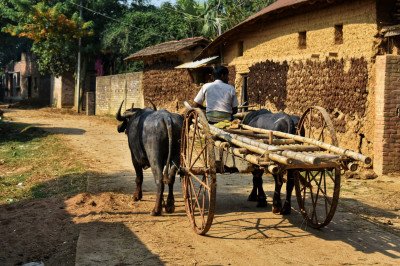 @@A Rural Paradise: Lilatari Village is a picturesque settlement that epitomizes the rustic beauty of rural Jharkhand. Surrounded by rolling hills and dense forests, the village is a haven for those looking to escape the hustle of urban life. The village is home to the Santhal and Paharia tribes, whose lives are deeply intertwined with the natural world. Here, nature is not just a backdrop but a way of life. The landscape is dotted with traditional mud houses, often decorated with vibrant tribal art, and vast fields of yellow mustard during the winter. The village is the gateway to the stunning Lilatari Waterfall, and the air here is filled with the scent of wild flowers and fresh earth. Visitors can witness the harmonious balance between human activity and the environment, as farmers tend to their land using age-old techniques. The village serves as a living museum of tribal traditions, from their unique architectural styles to their community-centric festivals. It is a place where time slows down, allowing one to appreciate the small details of nature—the song of a forest bird, the ripple of a stream, and the golden glow of a sunset over the hills. For many, Lilatari is the heartbeat of Pakur's natural heritage, offering an authentic glimpse into the soul of eastern India.
@@A Monument of Resistance: The Martello Tower, situated within the beautifully landscaped Siddhu Kanhu Murmu Park, is the most iconic historical landmark in Pakur. Built by the British in 1856, this unique defensive structure was a response to the fierce Santhal Rebellion led by the legendary brothers Siddhu and Kanhu Murmu. The tower was designed to protect British officials and assets from the arrows and traditional weapons of the Santhal warriors. Today, it stands as a silent witness to one of the earliest struggles against colonial rule in India. The surrounding park is named in honor of the rebel leaders and serves as a green lung for the city. It features manicured lawns, a variety of floral displays, and life-sized statues of the Murmu brothers. The park also includes a children's play area, a musical fountain, and a small pond, making it the most popular recreational spot for locals. The tower itself is a rare example of Martello architecture in India, characterized by its solid, round form. Inside the park, one can also find murals and plaques that narrate the history of the Hool (rebellion). It is a place where colonial history and tribal martyrdom intersect, offering a deep educational experience alongside leisure. The park is especially lively in the evenings when families gather to enjoy the cool breeze and the illuminated walkways.Show All
@@Place Details: Dharampur More is a significant landmark and a bustling junction located in the Hiranpur block of Pakur district. While often seen as a transit point, it has gained popularity as a local hangout and a gateway to several rural attractions. The "More" (junction) is a hub of local culture where one can experience the authentic lifestyle of the tribal communities of Jharkhand. It serves as a meeting point for villagers from surrounding areas like Litipara and Amrapara. The area around the junction is dotted with small stalls selling local snacks, traditional handicrafts, and fresh farm produce. It is a place where the modern road network meets the rustic charm of the Santhal Parganas. Travelers often stop here to refresh themselves while traveling deeper into the forest regions of the district. The atmosphere is energetic, especially during the weekly "Haat" (market days), where tribal people gather to trade goods. For a tourist, it offers an unedited look into the socio-economic life of the region, making it more than just a road crossing.
@@A Rural Paradise: Lilatari Village is a picturesque settlement that epitomizes the rustic beauty of rural Jharkhand. Surrounded by rolling hills and dense forests, the village is a haven for those looking to escape the hustle of urban life. The village is home to the Santhal and Paharia tribes, whose lives are deeply intertwined with the natural world. Here, nature is not just a backdrop but a way of life. The landscape is dotted with traditional mud houses, often decorated with vibrant tribal art, and vast fields of yellow mustard during the winter. The village is the gateway to the stunning Lilatari Waterfall, and the air here is filled with the scent of wild flowers and fresh earth. Visitors can witness the harmonious balance between human activity and the environment, as farmers tend to their land using age-old techniques. The village serves as a living museum of tribal traditions, from their unique architectural styles to their community-centric festivals. It is a place where time slows down, allowing one to appreciate the small details of nature—the song of a forest bird, the ripple of a stream, and the golden glow of a sunset over the hills. For many, Lilatari is the heartbeat of Pakur's natural heritage, offering an authentic glimpse into the soul of eastern India.
@@A Monument of Resistance: The Martello Tower, situated within the beautifully landscaped Siddhu Kanhu Murmu Park, is the most iconic historical landmark in Pakur. Built by the British in 1856, this unique defensive structure was a response to the fierce Santhal Rebellion led by the legendary brothers Siddhu and Kanhu Murmu. The tower was designed to protect British officials and assets from the arrows and traditional weapons of the Santhal warriors. Today, it stands as a silent witness to one of the earliest struggles against colonial rule in India. The surrounding park is named in honor of the rebel leaders and serves as a green lung for the city. It features manicured lawns, a variety of floral displays, and life-sized statues of the Murmu brothers. The park also includes a children's play area, a musical fountain, and a small pond, making it the most popular recreational spot for locals. The tower itself is a rare example of Martello architecture in India, characterized by its solid, round form. Inside the park, one can also find murals and plaques that narrate the history of the Hool (rebellion). It is a place where colonial history and tribal martyrdom intersect, offering a deep educational experience alongside leisure. The park is especially lively in the evenings when families gather to enjoy the cool breeze and the illuminated walkways.Show All
@@Place Details: Dharampur More is a significant landmark and a bustling junction located in the Hiranpur block of Pakur district. While often seen as a transit point, it has gained popularity as a local hangout and a gateway to several rural attractions. The "More" (junction) is a hub of local culture where one can experience the authentic lifestyle of the tribal communities of Jharkhand. It serves as a meeting point for villagers from surrounding areas like Litipara and Amrapara. The area around the junction is dotted with small stalls selling local snacks, traditional handicrafts, and fresh farm produce. It is a place where the modern road network meets the rustic charm of the Santhal Parganas. Travelers often stop here to refresh themselves while traveling deeper into the forest regions of the district. The atmosphere is energetic, especially during the weekly "Haat" (market days), where tribal people gather to trade goods. For a tourist, it offers an unedited look into the socio-economic life of the region, making it more than just a road crossing.Information
-
Why Famous:
The Santhal Rebellion Hub: Pakur is famous as the site of the historic Santhal Hool of 1855 led by the Murmu brothers. It is widely recognized for the Martello Tower which was built by the British to protect themselves from the Santhal rebels. The town is also known global...The Santhal Rebellion Hub: Pakur is famous as the site of the historic Santhal Hool of 1855 led by the Murmu brothers. It is widely recognized for the Martello Tower which was built by the British to protect themselves from the Santhal rebels. The town is also known globally for its high-quality black stone and stone crushing industry. Its cultural significance lies in the preservation of Santhali traditions and the annual tribal fairs. -
Architecture:
Martello Tower Architecture: The Martello Tower in Pakur is an upright concrete structure designed for defensive purposes during the 19th century. It features a unique circular design with thick walls meant to withstand heavy artillery fire from the rebels. The tower stand...Martello Tower Architecture: The Martello Tower in Pakur is an upright concrete structure designed for defensive purposes during the 19th century. It features a unique circular design with thick walls meant to withstand heavy artillery fire from the rebels. The tower stands at a height of approximately 30 feet with a diameter of 25 feet at the base. It has a glass roof and internal stairs leading to the top where armed personnel were positioned. The architecture is a blend of European defensive styles adapted for the local terrain and climate. -
How To Reach:
By Air: The nearest major airport is in Kolkata or Ranchi from where you can take a train or taxi.
By Train: Pakur has its own railway station which is well-connected to Howrah, Malda, and Ranchi via regular express trains.By Air: The nearest major airport is in Kolkata or Ranchi from where you can take a train or taxi.
By Train: Pakur has its own railway station which is well-connected to Howrah, Malda, and Ranchi via regular express trains.
By Road: Regular bus services are available from Ranchi, Jamshedpur, and Kolkata to the Pakur bus stand situated centrally.
By Local Transport: Within the town, auto-rickshaws and cycle-rickshaws are the most common and affordable ways to move around the city. -
Weather and Best Time to Visit:
Winter Season: The months from October to March are perfect as the weather is cool and pleasant for outdoor exploration.
Early Morning Visits: Visiting the hills and parks before 9:00 AM ensures you enjoy the fresh air and soft morning light...Winter Season: The months from October to March are perfect as the weather is cool and pleasant for outdoor exploration.
Early Morning Visits: Visiting the hills and parks before 9:00 AM ensures you enjoy the fresh air and soft morning light. -
Near Tourist Places:
1. Martello Tower (0. 5 KM), 2. Sidho Kanho Park (1 KM), 3. Nitya Kali Mandir (1 KM), 4. Pakur Rajbari (1 KM), 5. Kanchangarh (15 KM), 6. Dharni Pahar (20 KM), 7. Shiv Sheetla Mandir (2 KM), 8. Amrapara Park (35 KM), 9. Hot Springs at Duari (40 KM), 10. Rajmahal Hills (50 KM)
Tourism Tips
-
Health and Safety: Always carry a first-aid kit and bottled water as some remote areas might not have immediate medical facilities.
Packing Essentials: Pack light cotton clothes for the day and a light jacket for the cool winter evenings in ...Health and Safety: Always carry a first-aid kit and bottled water as some remote areas might not have immediate medical facilities.
Packing Essentials: Pack light cotton clothes for the day and a light jacket for the cool winter evenings in Jharkhand.
Accommodation Tips: There are several budget-friendly guest houses and government bungalows available for a comfortable stay in Pakur town.
Respect Local Culture: When visiting tribal villages, always seek permission before taking photos and respect their traditional customs and rituals.
Reviews
FAQs
Pakur Itineray And Cost:-
Other Places In Jharkhand :-
Other States In India :-
Information about New and Updated Locations() of Jharkhand Has Been Added :-
Card subtitle
Note:-
Information provided here in good Faith and for reference only.
Near Places
Bokaro
Some quick example text to build on the card title and make up the bulk of the card's content.
Go somewhere
Chaibasa
Some quick example text to build on the card title and make up the bulk of the card's content.
Go somewhere
Chatra
Some quick example text to build on the card title and make up the bulk of the card's content.
Go somewhere
Chirkunda
Some quick example text to build on the card title and make up the bulk of the card's content.
Go somewhere
Daltonganj
Some quick example text to build on the card title and make up the bulk of the card's content.
Go somewhere
Deoghar
Some quick example text to build on the card title and make up the bulk of the card's content.
Go somewhere
Dhanbad
Some quick example text to build on the card title and make up the bulk of the card's content.
Go somewhere
Dumka
Some quick example text to build on the card title and make up the bulk of the card's content.
Go somewhere
Garhwa
Some quick example text to build on the card title and make up the bulk of the card's content.
Go somewhere
Ghatsila
Some quick example text to build on the card title and make up the bulk of the card's content.
Go somewhere
Giridih
Some quick example text to build on the card title and make up the bulk of the card's content.
Go somewhere
Godda
Some quick example text to build on the card title and make up the bulk of the card's content.
Go somewhere
Gumla
Some quick example text to build on the card title and make up the bulk of the card's content.
Go somewhere
Hazaribagh
Some quick example text to build on the card title and make up the bulk of the card's content.
Go somewhere
Jamshedpur
Some quick example text to build on the card title and make up the bulk of the card's content.
Go somewhere
Jamtara
Some quick example text to build on the card title and make up the bulk of the card's content.
Go somewherein Other Cities