...

Place To Visit And Things To Do In Pakur

Jharkhand, India
The Historical Essence of Pakur: Pakur is a district that serves as a living museum of the Santhal rebellion and British colonial history. It is situated in the northeastern part of Jharkhand and is bordered by West Bengal. The town is famous for its black stone mines and traditional Santhali cultur e which thrives in the rural pockets. Historically, it was a cluster of ponds and orchards surrounded by the Rajmahal hills and deep forests. Today, it stands as a testament to the bravery of Sidho and Kanho Murmu who fought against the British Raj. The town offers a mix of historical monuments and natural landscapes that are untouched by heavy commercialization. Visitors can explore the ancient Rajbari and the unique Martello Tower which remains a symbol of colonial defense. The local markets are vibrant with tribal handicrafts and the smell of local delicacies. Pakur is truly a destination for those who want to delve into the roots of Jharkhand's tribal and colonial past.

Things To Do

Card image cap
Birkitti Fort

@@Place Details: Birkitti Fort is an ancient historical landmark located in the Maheshpur block of Pakur. This fort is deeply associated with the Rajp...

@@Place Details: Birkitti Fort is an ancient historical landmark located in the Maheshpur block of Pakur. This fort is deeply associated with the Rajput chief Raja Udit Narayan Singh who ruled during the 18th century. It stands as a silent witness to the fierce battle fought between the local Rajput warriors and the army of Nawab Murshid Quli Khan of Murshidabad. Over time, the fort has turned into ruins, yet it remains a site of great archaeological interest for history buffs and researchers. The surroundings are filled with local legends about hidden tunnels and treasures. The site offers a glimpse into the defensive strategies used by local rulers against external invasions. Visitors can still see the remnants of the thick walls and the strategic positioning of the fort on a slightly elevated terrain. The area is peaceful and surrounded by rural landscapes, making it a quiet retreat from the town's hustle. It is particularly popular among those who enjoy exploring offbeat historical trails and learning about the regional conflicts that shaped the history of the Santhal Pargana division.
Card image cap
Dharampur More

@@Place Details: Dharampur More is a significant landmark and a bustling junction located in the Hiranpur block of Pakur district. While often seen as...

@@Place Details: Dharampur More is a significant landmark and a bustling junction located in the Hiranpur block of Pakur district. While often seen as a transit point, it has gained popularity as a local hangout and a gateway to several rural attractions. The "More" (junction) is a hub of local culture where one can experience the authentic lifestyle of the tribal communities of Jharkhand. It serves as a meeting point for villagers from surrounding areas like Litipara and Amrapara. The area around the junction is dotted with small stalls selling local snacks, traditional handicrafts, and fresh farm produce. It is a place where the modern road network meets the rustic charm of the Santhal Parganas. Travelers often stop here to refresh themselves while traveling deeper into the forest regions of the district. The atmosphere is energetic, especially during the weekly "Haat" (market days), where tribal people gather to trade goods. For a tourist, it offers an unedited look into the socio-economic life of the region, making it more than just a road crossing.
Card image cap
Dharni Pahar

@@Place Details: Dharni Pahar is one of the most revered religious and scenic spots in the Pakur district. Situated atop a lush green hill, it houses ...

@@Place Details: Dharni Pahar is one of the most revered religious and scenic spots in the Pakur district. Situated atop a lush green hill, it houses an ancient temple dedicated to Lord Shiva. The temple is a significant pilgrimage site for the people of Jharkhand and neighboring West Bengal. To reach the temple, visitors must climb a series of stairs that wind through thick vegetation and wildflowers. The climb is rewarded with a breathtaking panoramic view of the surrounding valleys and stone quarries that Pakur is famous for. During the holy month of Shravan, thousands of devotees carry water to offer to the deity. Apart from its religious importance, Dharni Pahar has evolved into a popular picnic spot for families. The natural beauty of the hill, especially during the monsoon, is captivating. It offers a perfect blend of spirituality and nature. The air is fresh, and the hilltop provides a serene environment for those looking to escape the noise of town life. It is also a site where local tribal customs merge with Hindu traditions, creating a unique cultural atmosphere.
Card image cap
Hathimara Sunset View Point

@@Place Details: Hathimara Sunset View Point is a hidden treasure for nature lovers and photography enthusiasts in the Pakur district. The name "Hathi...

@@Place Details: Hathimara Sunset View Point is a hidden treasure for nature lovers and photography enthusiasts in the Pakur district. The name "Hathimara" is derived from local legends and the peculiar shape of the hills which resemble a sleeping elephant. This viewpoint is situated on an elevated ridge that offers an unobstructed view of the western horizon. As the sun begins to set, the entire landscape, characterized by undulating hills and scattered tribal hamlets, is bathed in shades of orange and crimson. The area is relatively untouched by commercial tourism, offering a raw and authentic experience of nature. It is a quiet spot where the only sounds you hear are the evening calls of birds and the distant chiming of cattle bells. The vantage point also overlooks some of the massive stone mines of Pakur, providing a unique contrast between industrial activity and natural beauty. It has become a popular spot for local youth and travelers who seek a moment of peace at the end of the day. The drive to the viewpoint through the winding village roads is an experience in itself, passing through lush green fields and traditional Santhal houses.
Card image cap
Kanchangar Gufa View Point

@@Place Details: Kanchangar Gufa View Point is a place of mystery, history, and immense natural beauty located in the Litipara block. The site feature...

@@Place Details: Kanchangar Gufa View Point is a place of mystery, history, and immense natural beauty located in the Litipara block. The site features an ancient cave (Gufa) situated on a hilltop in the middle of a dense forest. According to local lore, this was the ruling seat of the Paharia kings who lived here centuries ago. Inside the cave, visitors can find naturally occurring Shivlings which are worshipped by the local tribal people. One of the most fascinating features of this place is the oval-shaped rock structure near the cave that produces a strange, metallic echoing sound when struck. The view from the top is truly majestic, offering a 360-degree look at the dense forests and the winding rivers of the Pakur district. The journey to the cave involves a moderate trek through the woods, making it an adventure for those who love the outdoors. The atmosphere is mystical and untouched by modern development. It is a place where legends come to life, and the connection between the tribal people and their ancestral lands is palpable. The site is also significant for its biodiversity, as the forest is home to various medicinal plants and wild animals.
Card image cap
Kanchangarah Cave

@@History and Nature Combined: The Kanchangarah Cave is a mesmerizing natural and historical site nestled deep within the lush forests of the Rajmahal...
@@History and Nature Combined: The Kanchangarah Cave is a mesmerizing natural and historical site nestled deep within the lush forests of the Rajmahal Hills. Located at a distance of about 18 KMS from the Littipara block headquarters, this cave is perched atop a scenic hill. It is deeply revered by the local Paharia tribe and is believed to have been the strategic seat of an ancient Paharia King. Inside the cave, several natural rock formations resembling Shivlings are found, making it a significant religious spot. The cave's most striking feature is its oval structure, which produces a hauntingly beautiful echo, a phenomenon that has fascinated visitors for generations. The surrounding forest is dense and provides a sanctuary for various species of birds and small wildlife, offering a serene atmosphere for those seeking peace. The trek to the cave is an adventure in itself, passing through tribal hamlets where the culture of the Santhal Pargana remains untouched by modernity. Despite its historical significance, the cave remains largely unexplored by mainstream tourists, preserving its raw and rugged charm. Visitors are often awestruck by the panoramic view of the Pakur plains and the winding Ganges in the distance from the hilltop. It is a place where legends of kings and the silence of nature coexist perfectly.
Card image cap
Lilatari Village & Nature

@@A Rural Paradise: Lilatari Village is a picturesque settlement that epitomizes the rustic beauty of rural Jharkhand. Surrounded by rolling hills and...

@@A Rural Paradise: Lilatari Village is a picturesque settlement that epitomizes the rustic beauty of rural Jharkhand. Surrounded by rolling hills and dense forests, the village is a haven for those looking to escape the hustle of urban life. The village is home to the Santhal and Paharia tribes, whose lives are deeply intertwined with the natural world. Here, nature is not just a backdrop but a way of life. The landscape is dotted with traditional mud houses, often decorated with vibrant tribal art, and vast fields of yellow mustard during the winter. The village is the gateway to the stunning Lilatari Waterfall, and the air here is filled with the scent of wild flowers and fresh earth. Visitors can witness the harmonious balance between human activity and the environment, as farmers tend to their land using age-old techniques. The village serves as a living museum of tribal traditions, from their unique architectural styles to their community-centric festivals. It is a place where time slows down, allowing one to appreciate the small details of nature—the song of a forest bird, the ripple of a stream, and the golden glow of a sunset over the hills. For many, Lilatari is the heartbeat of Pakur's natural heritage, offering an authentic glimpse into the soul of eastern India.
Card image cap
Lilatari Waterfall

@@A Hidden Natural Wonder: The Lilatari Waterfall, also known locally as the Chhota Ghagri fall, is one of the most breathtaking natural attractions i...

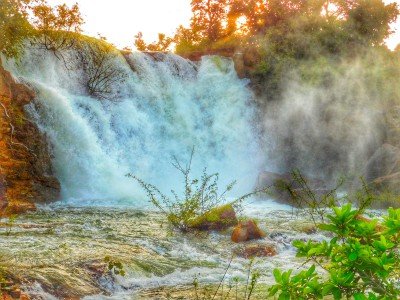
@@A Hidden Natural Wonder: The Lilatari Waterfall, also known locally as the Chhota Ghagri fall, is one of the most breathtaking natural attractions in the Pakur district. Hidden within the dense foliage of the Surajbera region, the waterfall cascades down from a height of approximately 60 Feet into a clear, rocky pool below. The sound of the falling water echoes through the surrounding valley, creating a tranquil and refreshing environment. Unlike many commercialized waterfalls, Lilatari remains pristine and untouched, offering a raw experience of nature. The path to the waterfall involves a short but invigorating trek through forest trails and over natural boulders. During the monsoon season, the waterfall swells in volume, creating a powerful mist that cools the entire area. The pool at the base is shallow enough in certain spots for visitors to dip their feet and enjoy the cool, mountain water. Lush ferns and wild moss cover the surrounding rocks, giving the place an emerald-green appearance. It is a favorite spot for local picnickers, especially during the winter months when the weather is mild. The waterfall is fed by a perennial stream that originates deep within the hills, ensuring a steady flow throughout most of the year. For nature lovers and photographers, Lilatari Waterfall is a dream destination that captures the wild, untamed spirit of Jharkhand's landscape.
Card image cap
Local Handloom Weaving Centers

@@Crafting the Fabric of Life: The Local Handloom Weaving Centers of Pakur represent the rich textile tradition of the Santhal Pargana. For centuries,...

@@Crafting the Fabric of Life: The Local Handloom Weaving Centers of Pakur represent the rich textile tradition of the Santhal Pargana. For centuries, the local communities, particularly the Santhal women, have been master weavers, creating intricate fabrics that are both functional and artistic. These centers are scattered across the district, with significant clusters in and around Pakur town. The weaving process is entirely manual, using traditional wooden looms that have been passed down through generations. The primary products include the 'Panchi Parhan' (traditional Santhali saree), cotton towels, and shawls. These textiles are known for their durability and the use of natural dyes derived from forest plants and minerals. A visit to these centers allows one to see the rhythmic movement of the shuttle and the focused precision of the weavers. It is not just an industry but a cultural expression, with patterns often reflecting tribal folklore and the local flora. In recent years, these centers have gained recognition for their sustainable and eco-friendly practices. The government and local NGOs are working to modernize some techniques while keeping the soul of the craft intact. For a visitor, these centers offer a chance to purchase authentic, high-quality handloom products directly from the artisans, ensuring that the benefits of tourism reach the grassroots level.
Card image cap
Martello Tower

@@A Monument of Resistance: The Martello Tower, situated within the beautifully landscaped Siddhu Kanhu Murmu Park, is the most iconic historical land...

@@A Monument of Resistance: The Martello Tower, situated within the beautifully landscaped Siddhu Kanhu Murmu Park, is the most iconic historical landmark in Pakur. Built by the British in 1856, this unique defensive structure was a response to the fierce Santhal Rebellion led by the legendary brothers Siddhu and Kanhu Murmu. The tower was designed to protect British officials and assets from the arrows and traditional weapons of the Santhal warriors. Today, it stands as a silent witness to one of the earliest struggles against colonial rule in India. The surrounding park is named in honor of the rebel leaders and serves as a green lung for the city. It features manicured lawns, a variety of floral displays, and life-sized statues of the Murmu brothers. The park also includes a children's play area, a musical fountain, and a small pond, making it the most popular recreational spot for locals. The tower itself is a rare example of Martello architecture in India, characterized by its solid, round form. Inside the park, one can also find murals and plaques that narrate the history of the Hool (rebellion). It is a place where colonial history and tribal martyrdom intersect, offering a deep educational experience alongside leisure. The park is especially lively in the evenings when families gather to enjoy the cool breeze and the illuminated walkways.
Card image cap
Nitya Kali Mandir

@@Detailed Overview: The Nitya Kali Mandir is a deeply revered religious site located within the historic Pakur Rajbari complex. It is considered one ...
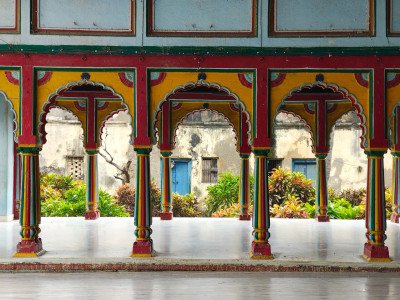
@@Detailed Overview: The Nitya Kali Mandir is a deeply revered religious site located within the historic Pakur Rajbari complex. It is considered one of the oldest and most spiritually significant temples in the Santhal Pargana division. The temple is dedicated to Goddess Kali, the fierce protector, and holds a special place in the hearts of the local residents and the royal family of Pakur. Devotees believe that the deity is "Nitya" (eternal) and provides constant protection to the town. The atmosphere inside the temple is serene, filled with the scent of incense and the sound of prayer bells. Historically, the temple was the private place of worship for the Pakur Raj family, but it was later opened to the general public. During the evening Aarti, the spiritual energy is palpable as hundreds of lamps are lit. The temple is particularly crowded on Tuesdays and Saturdays, which are considered auspicious days for Kali worship. It stands as a symbol of the fusion between royal heritage and local religious traditions. Many pilgrims from neighboring districts of West Bengal and Bihar visit this temple to seek blessings. The temple complex also houses smaller shrines dedicated to other Hindu deities, making it a comprehensive religious hub. Visiting this mandir offers a glimpse into the cultural soul of Pakur and its long-standing history of Shakti worship.
Card image cap
Pakur Rajbari

@@Detailed Overview: The Pakur Rajbari, also known as the Palace of the Pakur Raj, is a historic landmark that represents the aristocratic past of the...

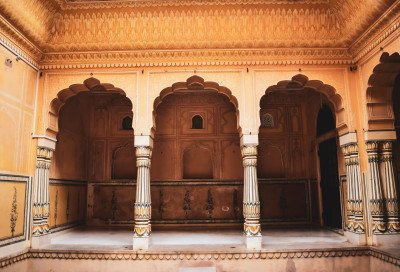
@@Detailed Overview: The Pakur Rajbari, also known as the Palace of the Pakur Raj, is a historic landmark that represents the aristocratic past of the region. Historically, Pakur was an independent estate known as Amber, and this palace served as the administrative and residential headquarters for the ruling family. The palace witnessed the tumultuous times of the British Raj and the Santhal Rebellion of 1855. During the rebellion, the palace was a target of the Santhal warriors who sought to overthrow the local zamindari system. Parts of the palace are now in ruins, but the surviving structures still exude an aura of faded grandeur. The architecture is a blend of traditional Indian styles and colonial influences, featuring large courtyards, thick masonry walls, and arched doorways. The Rajbari is not just a building; it is a repository of local history, housing stories of valor, administration, and cultural patronage. Visitors can explore the outer premises and see the residential quarters that were once bustling with royal activity. The proximity of the Nitya Kali Mandir within its campus adds a spiritual dimension to the visit. Although much of the interior is private or dilapidated, the facade remains a popular spot for history enthusiasts and photographers. The palace grounds are often used for local cultural gatherings, keeping the legacy of the Pakur royals alive in the modern era. Walking through its corridors feels like stepping back into the 19th century, offering a somber reminder of the changing tides of time and power in Jharkhand.
Card image cap
Serling More

@@Detailed Overview: Serling More is a picturesque junction located in the Amrapara block of Pakur district. It serves as a vital transit point but ha...

@@Detailed Overview: Serling More is a picturesque junction located in the Amrapara block of Pakur district. It serves as a vital transit point but has gained popularity as a tourist attraction due to its stunning natural beauty and hilly terrain. Surrounded by the rolling hills of the Rajmahal range, this area offers some of the most scenic views in the entire district. The "More" (junction) is where the road winds through lush green forests and tribal hamlets, providing a refreshing escape from the industrial landscape of central Pakur. It is a favorite spot for long drives and motorcycle expeditions. The air here is noticeably cooler and fresher than in the town. For many travelers, Serling More is a gateway to the deeper tribal heartlands of Jharkhand, where the Santhal and Paharia tribes live in harmony with nature. The surrounding hills are dotted with small waterfalls that come alive during the monsoon season. There are several small eateries and tea stalls at the junction where travelers stop to enjoy local snacks like Dhuska and Chai. The area is also significant for its proximity to several stone mining sites, which, despite the industrial activity, offer a unique rugged landscape. For those interested in landscape photography, the winding roads and the backdrop of blue hills provide endless opportunities. It is common to see tribal villagers carrying traditional wares to the local weekly markets from this point. Serling More represents the rugged, untamed beauty of the Jharkhand plateau and is a must-visit for anyone looking to explore the natural side of Pakur.
Card image cap
Subha Laxmi Palace

@@Detailed Overview: Subha Laxmi Palace is one of the premier luxury venues and tourist landmarks in the Pakur district, specifically located near the...

@@Detailed Overview: Subha Laxmi Palace is one of the premier luxury venues and tourist landmarks in the Pakur district, specifically located near the Hiranpur area. Unlike the historic Rajbari, this "palace" is a modern construction designed to provide a high-end experience for travelers and locals alike. It serves as a combination of a resort, a banquet hall, and a recreational center. The architecture is grand, mimicking royal Indian palaces with large domes, expansive lawns, and ornate interiors. It has become a popular destination for "staycations" for people from neighboring towns who want to enjoy modern amenities in a rural setting. The palace is surrounded by well-maintained gardens and features a variety of facilities including a swimming pool, multi-cuisine restaurants, and children’s play areas. It is particularly famous for hosting lavish weddings and corporate events, bringing a touch of urban luxury to the district. For a tourist, it provides a comfortable base to explore the nearby attractions like Subhash Chowk and the rural landscapes of Hiranpur. The staff is known for their hospitality, often organizing local cultural performances for guests. The palace stands out in the landscape of Pakur as a symbol of the region's developing tourism infrastructure. Whether you are looking for a fine dining experience or a comfortable night's stay after a long day of sightseeing, this palace offers a sanctuary of comfort. Its clean environment and professional service make it a preferred choice for families traveling with children and seniors.
Card image cap
Subhash Chowk

@@Detailed Overview: Subhash Chowk is the bustling heart of the Hiranpur block in Pakur district. Named after the legendary freedom fighter Netaji Sub...

@@Detailed Overview: Subhash Chowk is the bustling heart of the Hiranpur block in Pakur district. Named after the legendary freedom fighter Netaji Subhash Chandra Bose, this intersection is much more than just a road crossing; it is a center of commerce, culture, and social interaction. The chowk is characterized by a prominent statue of Netaji, which serves as a landmark for everyone in the area. This is where the local life of Pakur is most visible. The streets radiating from the chowk are lined with shops selling everything from traditional Santhali textiles to modern electronic goods. During the day, the area is a hive of activity with farmers bringing their produce to the market, students going to local colleges, and traders negotiating deals. It is particularly famous for its street food, where you can find local delicacies like Gupchup (Panipuri) and hot Jalebis. The chowk also acts as a primary transportation hub for the rural parts of the district, with buses and jeeps constantly moving towards Dumka, Sahebganj, and Pakur town. For a traveler, Subhash Chowk offers an authentic "small-town India" experience. It is a place where you can observe the harmonious blend of tribal and non-tribal cultures. The annual celebrations on Netaji’s Birthday (January 23rd) transform the chowk into a festive ground with parades and cultural programs. Despite the chaos and noise typical of an Indian market, there is a certain charm to the energy of Subhash Chowk that captures the resilient spirit of the people of Pakur.
Show All

Note:-

Information provided here in good Faith and for reference only.

All information and pictures will be updated soon, please keep visiting.

Near Places
...
Bokaro

Some quick example text to build on the card title and make up the bulk of the card's content.

Go somewhere
...
Chaibasa

Some quick example text to build on the card title and make up the bulk of the card's content.

Go somewhere
...
Chatra

Some quick example text to build on the card title and make up the bulk of the card's content.

Go somewhere
...
Chirkunda

Some quick example text to build on the card title and make up the bulk of the card's content.

Go somewhere
...
Daltonganj

Some quick example text to build on the card title and make up the bulk of the card's content.

Go somewhere

...
Deoghar

Some quick example text to build on the card title and make up the bulk of the card's content.

Go somewhere
...
Dhanbad

Some quick example text to build on the card title and make up the bulk of the card's content.

Go somewhere
...
Dumka

Some quick example text to build on the card title and make up the bulk of the card's content.

Go somewhere
...
Garhwa

Some quick example text to build on the card title and make up the bulk of the card's content.

Go somewhere
...
Ghatsila

Some quick example text to build on the card title and make up the bulk of the card's content.

Go somewhere
in Other Cities