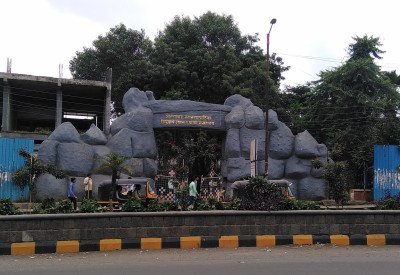
...

Place To Visit And Things To Do In Aurangabad

Maharashtra, India
Place Overview: Aurangabad, recently renamed as Chhatrapati Sambhajinagar, is a historic city in Maharashtra that serves as the gateway to the world-famous UNESCO World Heritage sites of Ajanta and Ellora. Founded in 1610 by Malik Ambar and later named after the Mughal Emperor Aurangzeb, the city is a treasure trove of medieval architecture, ancient caves, and grand monuments. It is uniquely positioned as a hub for Buddhist, Hindu, and Jain art which draws millions of international and domestic tourists every year. The city's landscape is dotted with 52 gates and impressive structures like Bibi Ka Maqbara which reflect its glorious past as a major administrative and cultural center of the Deccan region. Historical Grandeur: The history of Aurangabad is a fascinating tapestry of different dynasties including the Satavahanas, Yadavas, Mughals, and Marathas. Each era has left an indelible mark on the city's identity from the rock-cut caves that date back to the 2nd century BC to the massive Daulatabad Fort which was once the capital of India under the Tughlaqs. Exploring the city feels like walking through a living museum where ancient heritage coexists with a growing modern economy. The resilience of its structures and the preservation of its ancient art forms like Paithani weaving and Himroo textiles make it a significant center for understanding the diverse cultural evolution of central India. Architectural Marvels: The city is renowned for its diverse architectural styles ranging from the intricate Buddhist rock-cut temples of Ajanta to the Indo-Islamic design of Bibi Ka Maqbara, often called the "Taj of the Deccan." The Ellora Caves represent a peak of monolithic architecture with the Kailasa Temple being the largest single rock-cut structure in the world. Within the city, the 52 gates served as defensive checkpoints and decorative entrances which showcase the strategic urban planning of the 17th century. The use of local basalt stone and lime mortar has allowed these monuments to survive for centuries which provides a clear link to the engineering brilliance of ancient and medieval Indian builders. Modern Hub: Today, Aurangabad is not just a tourist destination but also a major industrial and educational hub in Maharashtra. It is home to several large manufacturing units and the Dr. Babasaheb Ambedkar Marathwada University which contributes to the city's cosmopolitan and vibrant atmosphere. The local markets are famous for their traditional crafts and modern shopping malls which offer a unique blend of old-world charm and contemporary lifestyle for residents and visitors alike. With its well-developed infrastructure and growing hospitality sector, the city continues to be a premier destination that offers a comfortable and enriching experience for travelers exploring the rich heritage of the Deccan.

Things To Do

Card image cap
Ajanta Caves

The Ajanta Caves are a world-renowned UNESCO World Heritage site consisting of 30 rock-cut Buddhist cave monuments. These caves date from the 2nd cen...

The Ajanta Caves are a world-renowned UNESCO World Heritage site consisting of 30 rock-cut Buddhist cave monuments. These caves date from the 2nd century BCE to about 480 CE and were discovered accidentally in 1819 by a British officer named John Smith during a tiger hunt. The caves are famous for their magnificent murals and paintings that represent the pinnacle of ancient Indian art. They are carved into the side of a horseshoe-shaped cliff along the Waghur River. The site is divided into two phases: the earlier Hinayana phase, where Buddha was represented by symbols, and the later Mahayana phase, featuring large Buddha statues. The intricate details of the Jataka tales are painted on the walls, depicting the previous lives of the Buddha. These caves served as a sanctuary for Buddhist monks during the monsoon seasons, providing a quiet space for meditation and study. Today, it stands as one of the most visited historical sites in India, drawing art historians and spiritual seekers from across the globe to admire its preservation and beauty.
Card image cap
Anand Sagar

Anand Sagar is a sprawling spiritual and meditation complex developed by the Saint Eknath Maharaj Sansthan. It is dedicated to the revered 16th-centu...

Anand Sagar is a sprawling spiritual and meditation complex developed by the Saint Eknath Maharaj Sansthan. It is dedicated to the revered 16th-century Marathi saint-poet Sant Eknath, whose Samadhi (tomb) is also located in Paithan. The complex offers a serene and uplifting environment for devotees and tourists alike. It features beautifully landscaped gardens, meditation halls, and various devotional structures. The central attraction is a large musical fountain, which presents a synchronized show of water, light, and music, often depicting themes from Indian mythology and spiritual stories. There are also replicas of various significant Hindu temples, providing visitors with a glimpse of different architectural styles and deities. A unique feature is the "mini-train" that takes visitors on a tour of the complex, making it accessible and enjoyable for all ages. Anand Sagar aims to promote spiritual awareness, peace, and cultural understanding through its various facilities and activities. It serves as a modern pilgrimage site and a family-friendly recreational area, offering a blend of spiritual solace and entertainment. The clean and well-maintained premises make it a pleasant destination for a half-day outing.
Card image cap
Aurangabad Caves

@@Historical Context and Buddhist Heritage: The Aurangabad Caves are a group of 12 rock-cut Buddhist shrines, divided into three main groups (Western:...

@@Historical Context and Buddhist Heritage: The Aurangabad Caves are a group of 12 rock-cut Buddhist shrines, divided into three main groups (Western: Caves 1-5, Eastern: Caves 6-9, Northern: Caves 10-12), dating from the 3rd to the 7th centuries A.D. These caves were built during the time when the city was a significant spiritual and trade hub. Unlike the massive scale of their famous neighbors, Ajanta and Ellora, the Aurangabad Caves hold a unique place in Indian rock-cut architecture, primarily showcasing Buddhist art. They represent the transition from the Hinayana (early Buddhist) phase to the Mahayana (later Buddhist) phase, and even show Tantric influences, which is a rare feature. They are often overshadowed by the proximity of the UNESCO World Heritage Sites, earning them the moniker of the 'Hidden Caves' of Maharashtra. The caves were excavated from soft basaltic trap rock on the Sihyachal ranges, rising about 700 feet above the plains, offering a breathtaking view of the city and the nearby Bibi Ka Maqbara. Their lack of inscriptions has made precise dating difficult, but scholarly consensus places their construction and use over a long period, reflecting different stages of Buddhist thought and art. Cave No. 4 is the only Chaitya-griha (prayer hall) from the earlier Hinayana period. Caves 1 and 3 are prominent examples of later Vihara (monastery) design, similar to those found in the Vakataka period at Ajanta. The sculptures here, especially the female figures and the Bodhisattva statues, are considered masterpieces of the Gupta and post-Gupta artistic periods, recognized for their elegance and dynamic posture. The surrounding landscape also makes the site ideal for both history enthusiasts and nature lovers. The ongoing maintenance by the Archaeological Survey of India (ASI) helps preserve these fragile remnants of an ancient spiritual and artistic tradition. The complex, located behind the Bibi-ka-Maqbara, provides an essential link in the chain of rock-cut monuments in the Deccan region, illustrating the extensive spread of Buddhist monastic life and patronage in ancient India. (Word Count: 404):
Card image cap
Aurangabad Regional Museum

The Aurangabad Regional Museum is a treasure trove of artifacts that tell the story of the rich historical and cultural heritage of the Marathwada re...

The Aurangabad Regional Museum is a treasure trove of artifacts that tell the story of the rich historical and cultural heritage of the Marathwada region. While the Soneri Mahal also houses a museum, this particular museum focuses on a broader collection of exhibits. The museum boasts several galleries showcasing a diverse range of items. These include archaeological finds from the region, such as ancient pottery, sculptures, and inscriptions, providing insights into the ancient settlements and dynasties that flourished here. There are also significant collections of traditional Maratha weapons, including swords, daggers, and firearms, offering a glimpse into the region's martial history. Furthermore, the museum displays ethnographic artifacts, textiles, and traditional costumes, reflecting the diverse cultural practices and craftsmanship of the local communities. A dedicated gallery on the life and times of Dr. Babasaheb Ambedkar, a prominent social reformer and the architect of the Indian Constitution, who also has a university named after him in Aurangabad, is a notable feature. The museum serves as an important educational institution, preserving and showcasing the regional heritage for future generations, and provides a comprehensive overview for visitors interested in the history and culture of Maharashtra.
Card image cap
Bani Begum Garden

Bani Begum Garden is a beautiful landscaped garden located in the historical town of Khuldabad. It was built in memory of Bani Begum, who was the dau...

Bani Begum Garden is a beautiful landscaped garden located in the historical town of Khuldabad. It was built in memory of Bani Begum, who was the daughter-in-law (or granddaughter-in-law according to some records) of the Mughal Emperor Aurangzeb. The garden is a classic example of Mughal "Charbagh" style, characterized by its symmetrical layout, water channels, and lush greenery. Unlike the crowded city spots, this garden offers a tranquil atmosphere filled with the scent of blooming flowers and the sound of flowing water. The centerpiece of the garden is the tomb of Bani Begum, which is surrounded by fluted pillars and elegant domes. The site is an architectural gem that reflects the aesthetic preferences of the late Mughal period. Visitors often come here to escape the hustle of the city and enjoy a peaceful afternoon amidst historical ruins. The garden's maintenance is overseen by the Archaeological Survey of India, ensuring that its historical integrity and natural beauty remain intact for future generations of tourists to explore and appreciate.
Card image cap
Bhadra Maruti Temple

The Bhadra Maruti Temple is a highly revered Hindu shrine located in the town of Khuldabad. It is one of the only three temples in India where Lord H...

The Bhadra Maruti Temple is a highly revered Hindu shrine located in the town of Khuldabad. It is one of the only three temples in India where Lord Hanuman is depicted in a reclining or "sleeping" posture, known as the Bhav Samadhi. According to local legend, the ruler of this region, King Bhadrasen, was a great devotee of Lord Rama and used to sing devotional songs. Lord Hanuman was so enchanted by the king's music that he decided to rest at this spot. The temple is a significant spiritual hub, especially for those following the path of devotion. The atmosphere is vibrant with chants of "Jai Shri Ram," and the temple complex is always filled with energy. It is located very close to the Ellora Caves, making it a convenient stop for tourists exploring the region's heritage. The temple's interior is decorated with intricate glass work and colorful paintings that tell stories of Hanuman's life and his devotion to Rama. Devotees believe that praying here brings mental peace and fulfillment of wishes, making it a cornerstone of local religious life and culture.
Card image cap
Bibi Ka Maqbara

@@Historical Significance and Construction: The Bibi Ka Maqbara (Tomb of the Lady) is a grand mausoleum commissioned by the Mughal Emperor Aurangzeb i...

@@Historical Significance and Construction: The Bibi Ka Maqbara (Tomb of the Lady) is a grand mausoleum commissioned by the Mughal Emperor Aurangzeb in memory of his first wife, Dilras Banu Begum (posthumously known as Rabia-ud-Durrani). The construction is generally credited to her son, Prince Azam Shah, who initiated the work between 1651 AD and 1661 AD. It is popularly, though less flatteringly, known as the 'Mini Taj Mahal' or the 'Taj of the Deccan' due to its striking, deliberate resemblance to the iconic Taj Mahal in Agra. The monument reflects the shift in architectural patronage under Aurangzeb, who was less inclined towards extravagant construction than his predecessors; hence, while the design is similar, the use of marble is considerably less, substituting it with fine plasterwork and local basaltic trap rock in the upper tiers. This gives it a less opulent and more austere look compared to the original Taj. The total cost of the monument, according to historical accounts, was around 700,000 Rupees, which was modest compared to the millions spent on the Taj Mahal. The design and erection are attributed to the architect Ata-Ullah and the engineer Hanspat Rai. The structure stands at the center of a spacious Charbagh-style garden, following the classical Mughal garden layout with axial water channels, fountains, and pathways, creating a serene and symmetrical environment. The Bibi Ka Maqbara is one of the most significant monuments built during Aurangzeb’s reign and remains the primary tourist attraction in Aurangabad city. The mortal remains of Dilras Banu Begum lie in a chamber below the ground level, surrounded by an octagonal marble screen. (Word Count: 403):
Card image cap
Chhatrapati Shivaji Maharaj Museum

This museum is dedicated to the life and glorious reign of the legendary Maratha warrior king, Chhatrapati Shivaji Maharaj. It offers a fascinating g...

This museum is dedicated to the life and glorious reign of the legendary Maratha warrior king, Chhatrapati Shivaji Maharaj. It offers a fascinating glimpse into the history of the Maratha Empire through its impressive collection of artifacts. The museum houses six exhibition halls showcasing various historical items, including ancient war weapons like swords, shields, and rifles, as well as armor and artillery used by the Maratha forces. Other notable exhibits include old photographs and transparencies of forts conquered and built by Shivaji Maharaj, providing insights into the advanced architectural beauty of these structures. The museum also displays rare coins from the Satavahana Dynasty and vessels used during Shivaji Maharaj's era, offering a detailed understanding of the lifestyles of the people during that period. A particular highlight is a 500-year-old war suit, a 400-year-old Paithani saree, and a copy of the Holy Quran handwritten by Emperor Aurangzeb.
Card image cap
Chhatrapati Shivaji Museum

@@Introduction to Maratha History and Culture: The Chhatrapati Shivaji Museum in Aurangabad is a dedicated cultural institution that meticulously chro...
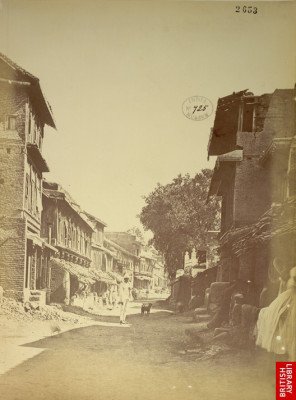
@@Introduction to Maratha History and Culture: The Chhatrapati Shivaji Museum in Aurangabad is a dedicated cultural institution that meticulously chronicles the life, times, and unparalleled military strategies of the Maratha warrior king, Chhatrapati Shivaji Maharaj. It serves as an essential pilgrimage site for history enthusiasts, showcasing a rich collection of artifacts that illuminate the zenith of the Maratha Empire. The museum's primary mission is to preserve and educate the public about the region's pre-Mughal and Maratha history, providing context to the broader historical narrative of the Deccan region. @@Key Exhibits and Collections: The exhibits are diverse, ranging from ancient weaponry, including swords, shields, and firearms used by the Maratha forces, to rare manuscripts and documents detailing the administrative and judicial structure of Shivaji's Swarajya (self-rule). The collection also includes antique items, coins, and paintings, offering a visual journey through the 17th-century political and social landscape. One of the most significant sections is dedicated to personal belongings or items associated with the king or his era, lending a tangible connection to the past. The displays are well-curated to ensure historical accuracy, using bilingual labels (English and Marathi) to cater to both local and national visitors. The museum often features dioramas and models that recreate historical battles or court scenes, making the learning experience interactive and engaging. The overall ambiance is designed to evoke a sense of reverence and appreciation for the foundational figure of Maratha pride.
Card image cap
Chowk Masjid

Chowk Masjid is another historically significant mosque in Aurangabad, built by Shayista Khan, Emperor Aurangzeb's maternal uncle and a prominent Mug...

Chowk Masjid is another historically significant mosque in Aurangabad, built by Shayista Khan, Emperor Aurangzeb's maternal uncle and a prominent Mughal general. Constructed in 1665 AD, this mosque showcases a blend of Mughal and Deccan architectural elements, typical of the later Mughal period in the Deccan. The mosque is notable for its five graceful arches that form the fa ade of the prayer hall, leading into a spacious and well-lit interior. Unlike the Kali Masjid, Chowk Masjid features two tall, slender minarets flanking the main structure, adding to its visual grandeur. The interior of the prayer hall is adorned with intricate stucco work and calligraphic inscriptions, reflecting the artistic preferences of the Mughal era. A large ablution tank in the courtyard provides water for ritual cleansing before prayers. The mosque's location in a bustling market area highlights its historical role as a central place of worship and community gathering. It remains an active mosque, drawing local worshippers and visitors interested in its historical and architectural value. The detailed craftsmanship and elegant design of Chowk Masjid offer a deeper insight into the Mughal architectural legacy in Aurangabad.
Card image cap
Connaught Place

@@Evolution of the Commercial Center: Connaught Place in Aurangabad is the popular local name for the city's modern and rapidly developing commercial ...
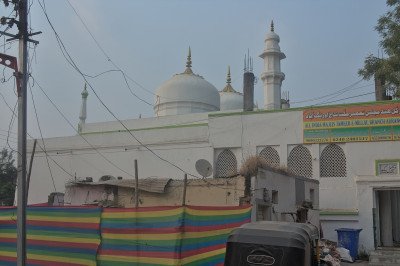
@@Evolution of the Commercial Center: Connaught Place in Aurangabad is the popular local name for the city's modern and rapidly developing commercial and business district, largely centered around the Jalna Road and CIDCO areas, near the Prozone Mall complex. While not historically significant like its New Delhi namesake, it has become the pulse of contemporary consumerism and corporate activity in Marathwada. This area symbolizes the city's transition from a historical capital to a bustling industrial and service hub. It is characterized by high-rise commercial buildings, modern shopping malls, and premium retail showrooms. @@Economic and Retail Significance: The area houses the regional offices of major national and international banks, insurance companies, and IT firms, making it a key economic driver for the city. It is the go-to destination for high-end retail, featuring showrooms for luxury cars, jewelry, electronics, and fashion brands. The concentration of business and retail outlets here has created a self-contained ecosystem for commerce, leisure, and entertainment, attracting visitors from surrounding towns and villages. The development has been exponential since the early 2000s, reflecting Aurangabad's growing purchasing power and cosmopolitan aspirations. The constant flow of commercial activity makes it the most dynamic and busiest part of the modern city, distinct from the historical old city areas like Shahganj or Gul Mandi.
Card image cap
Dargah Baba Shah Musafir

@@Historical and Spiritual Significance: The Dargah of Baba Shah Musafir is a revered shrine dedicated to the Sufi saint Baba Shah Musafir, who lived ...

@@Historical and Spiritual Significance: The Dargah of Baba Shah Musafir is a revered shrine dedicated to the Sufi saint Baba Shah Musafir, who lived in the 17th century and was a spiritual preceptor to the Mughal Emperor Aurangzeb. The complex, situated near the famous Panchakki (Water Mill), is a place of deep spiritual importance, attracting devotees from all faiths who come to seek blessings and peace. The complex was built around 1695 AD and houses the saint's modest tomb, a mosque, a madrasa (religious school), and a picturesque garden. The saint's presence provided a spiritual anchor in the Mughal capital of the Deccan. @@The Panchakki Connection: The Dargah complex is intrinsically linked with the Panchakki, an ingenious 17th-century water-powered flour mill. The water mill was designed to supply ground flour to the saint's disciples, pilgrims, and the garrison troops, showcasing the Mughal administration's engineering prowess applied to serving the spiritual community. The serene water channel, artificial waterfall, and reservoir in front of the mosque add to the tranquil atmosphere, making the visit a blend of historical engineering and spiritual contemplation.
Card image cap
Dargah of Pir Ismail

@@Historical Context and Mughal Connection: The Dargah of Pir Ismail is a notable Sufi shrine built in memory of Pir Ismail, a revered Sufi saint who ...
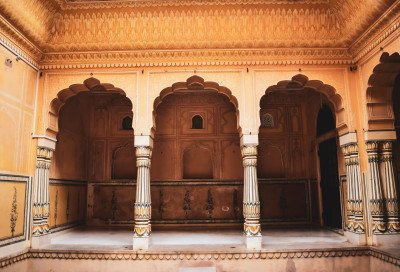
@@Historical Context and Mughal Connection: The Dargah of Pir Ismail is a notable Sufi shrine built in memory of Pir Ismail, a revered Sufi saint who served as a tutor to the Mughal Emperor Aurangzeb. Located in the Harsul area, the Dargah stands as a testament to the Mughal influence and the spiritual life of Aurangabad during the 17th century. While the saint's tomb is the focus of devotion, the complex is admired for its architectural elements and historical importance, offering insight into the deep spiritual reverence held by even the most powerful rulers of the time. @@The Architectural Highlight: The most striking feature of the Dargah is its magnificent main gate, built in the classic Mughal style. The gate is flanked by large, imposing minarets and is adorned with intricate carvings, giving the entire complex a regal and historical appearance. The site's tranquil atmosphere, away from the hustle of the city center, contributes to its role as a place of reflection and spiritual solace. It is a key historical link between Aurangzeb's spiritual and administrative life.
Card image cap
Daulatabad Fort

Daulatabad Fort, also known as Deogiri, is one of the most powerful and fascinating hill forts in India. Built in the 12th century by the Yadava dyna...

Daulatabad Fort, also known as Deogiri, is one of the most powerful and fascinating hill forts in India. Built in the 12th century by the Yadava dynasty, it later became famous when Sultan Muhammad bin Tughluq moved the capital of the Delhi Sultanate here in 1327. The fort is built on a 200-meter high conical hill and is protected by three layers of defensive walls known as Ambarkot, Mahakot, and Kalakot. Its defense systems were so advanced that the fort was considered virtually unconquerable. It features a deep moat filled with crocodiles, a dark zigzag passage called the Andheri to trap enemies, and massive spiked gates to prevent elephant charges. Climbing to the top involves navigating a series of steps and tunnels, offering a rewarding panoramic view of the surrounding Deccan plateau. The fort complex also houses the Chand Minar, the second tallest minaret in India, and various ruins of palaces, temples, and mosques. It serves as a living museum of medieval military engineering, showcasing how geography and architecture were combined to create a formidable stronghold that stood the test of time and many sieges.
Card image cap
Devgiri Fort Museum

While the Daulatabad Fort itself is an architectural marvel and a significant historical site, the small museum housed within its premises provides a...

While the Daulatabad Fort itself is an architectural marvel and a significant historical site, the small museum housed within its premises provides a more focused and detailed understanding of the fort's rich past. The Devgiri Fort Museum serves as a repository of artifacts unearthed from the fort and surrounding areas, offering a tangible connection to the various dynasties that ruled this strategically important stronghold. The exhibits typically include a collection of ancient weaponry such as swords, daggers, chain mail, and cannonballs, showcasing the military prowess and defensive strategies employed by the fort's occupants. Beyond warfare, the museum also displays pottery fragments, terracotta figures, ancient coins from different periods (including Yadava, Delhi Sultanate, Bahmani, Mughal, and Maratha), and sculptures, providing insights into the daily life, artistic styles, and economic activities of the fort's inhabitants. Informative panels and displays narrate the fort's tumultuous history, from its origins as Devgiri under the Yadavas to its transformation into Daulatabad under Muhammad bin Tughlaq, and its subsequent control by various powerful empires. A visit to this museum, after exploring the sprawling fort, enhances the overall experience by providing crucial context and preserving the smaller, yet equally important, relics of its glorious past.
Card image cap
Ellora Caves

Ellora Caves represent one of the largest rock-cut monastery-temple cave complexes in the world and are a UNESCO World Heritage site. The site featur...

Ellora Caves represent one of the largest rock-cut monastery-temple cave complexes in the world and are a UNESCO World Heritage site. The site features 34 caves carved out of the vertical face of the Charanandri hills between the 6th and 10th centuries CE. What makes Ellora unique is that it houses monuments from three different religions: Buddhism (Caves 1-12), Hinduism (Caves 13-29), and Jainism (Caves 30-34), all existing side by side. This coexistence symbolizes the religious harmony prevalent in ancient India. The crowning glory of Ellora is Cave 16, the Kailasa Temple, which is the largest monolithic structure in the world. It was carved from the top down out of a single piece of basalt rock, a feat that seems impossible even by modern standards. The caves are filled with high-relief sculptures of deities, mythological scenes, and intricate pillars. During the monsoon, waterfalls cascade over the caves, creating a magical atmosphere. Ellora is not just an archaeological site but a testament to human creativity and the spiritual depth of ancient Indian civilization, attracting millions of visitors who come to witness its sheer scale and artistic brilliance.
Card image cap
Gautala Autramghat Wildlife Sanctuary

Gautala Autramghat Wildlife Sanctuary is a biodiversity hotspot nestled amidst the scenic hills of the Sahyadri range. Spanning over 250 square kilom...

Gautala Autramghat Wildlife Sanctuary is a biodiversity hotspot nestled amidst the scenic hills of the Sahyadri range. Spanning over 250 square kilometers, this sanctuary is known for its dense deciduous forests, rugged terrain, and rich flora and fauna. It serves as an important ecological corridor and a protected habitat for a variety of wildlife. The sanctuary is home to several species of mammals, including barking deer, chinkara, civet cats, sloth bears, wild boars, and various types of monkeys. It is also a paradise for birdwatchers, with over 200 species of birds, including migratory ones, flocking to its diverse ecosystems. The lush greenery is punctuated by picturesque waterfalls, especially during the monsoon season, enhancing the sanctuary's natural beauty. Within the sanctuary, there are also ancient temples and caves, such as the Sita Khori and Shivling Point, adding a historical and spiritual dimension to the natural experience. The sanctuary offers opportunities for trekking, nature walks, and wildlife spotting, making it an ideal destination for adventure seekers and nature lovers. It is a crucial site for conservation efforts, playing a vital role in preserving the ecological balance of the region.
Card image cap
Goga Baba Hill

@@Natural Beauty and Panoramic Views: Goga Baba Hill is a prominent, picturesque hillock located on the outskirts of Aurangabad, often considered a na...

@@Natural Beauty and Panoramic Views: Goga Baba Hill is a prominent, picturesque hillock located on the outskirts of Aurangabad, often considered a nature escape within the city limits. It provides a stunning, panoramic view of the entire Aurangabad cityscape, including the distant Bibi Ka Maqbara and the surrounding Deccan plateau. The hill is part of the extensive campus of Dr. Babasaheb Ambedkar Marathwada University, offering a lush, green, and tranquil environment, making it a popular spot for morning joggers, nature lovers, and photographers seeking the best sunset views. @@Spiritual Significance: The hill is named after the revered local saint Goga Baba, and a small, simple temple dedicated to him is situated on the summit. This spiritual presence, combined with the natural beauty, makes it a dual destination for both spiritual seekers and casual tourists. The serene ambiance is ideal for quiet contemplation and meditation, serving as a peaceful retreat from the urban noise, while the short trek to the top is a refreshing outdoor activity.
Card image cap
Grishneshwar Jyotirlinga Temple

Grishneshwar Temple holds immense religious significance as it is one of the 12 sacred Jyotirlinga shrines of Lord Shiva in India. This ancient templ...

Grishneshwar Temple holds immense religious significance as it is one of the 12 sacred Jyotirlinga shrines of Lord Shiva in India. This ancient temple, built with striking red volcanic rock, is a testament to the Hemadpanti architectural style, characterized by its intricate carvings and robust structures. The current temple structure was largely reconstructed in the 18th century by Maharani Ahilyabai Holkar, a revered Maratha queen, though its origins date back much further, with mentions in ancient scriptures like the Shiva Purana. The temple features a five-tiered shikhara (spire) adorned with sculptures of various deities and mythological scenes. Inside, a spacious court hall rests on 24 pillars, each intricately carved with legends of Lord Shiva. The sanctum sanctorum houses the revered Jyotirlinga, facing east, symbolizing the infinite nature of Shiva. A unique tradition here requires male devotees to enter the inner sanctum bare-chested as a mark of humility and respect. The temple resonates with chants and hymns during the daily Aarti ceremonies, creating a profound atmosphere of devotion. It is a pilgrimage site for devotees seeking spiritual solace and a historical marvel for those interested in ancient Indian architecture and religious traditions.
Card image cap
Grishneshwar Temple

@@ Divine History and Legend : The Grishneshwar Temple, also known as Ghrneshwar, is a sanctuary of profound spiritual energy and historical resilienc...

@@ Divine History and Legend : The Grishneshwar Temple, also known as Ghrneshwar, is a sanctuary of profound spiritual energy and historical resilience. It stands as the twelfth and final Jyotirlinga, representing the culmination of the sacred pilgrimage to Lord Shiva's primary abodes. The temple's name is derived from the word 'Grishna', meaning compassion, and is linked to the legend of a devout woman named Ghushma. According to the Shiva Purana, her son was miraculously restored to life by Shiva due to her unwavering faith, leading the deity to reside here eternally. Throughout history, the temple faced destruction during the Delhi Sultanate era in the 13th and 14th centuries but was repeatedly rebuilt by visionary leaders. The current structure we see today was reconstructed in the 18th century by the benevolent Maratha Queen Ahilyabai Holkar of Indore. This site serves as a bridge between ancient Vedic traditions and the medieval Maratha spirit, drawing millions of devotees who seek moksha or liberation. The atmosphere is thick with the scent of incense and the rhythmic chanting of 'Om Namah Shivaya', creating a mystical aura that transcends time. It is not just a religious site but a testament to the enduring nature of Indian faith and architectural heritage.
Card image cap
Gul Mandi

@@The Heart of Old Aurangabad Commerce: Gul Mandi, literally meaning "Flower Market," is much more than its name suggests; it is the oldest, busiest, ...

@@The Heart of Old Aurangabad Commerce: Gul Mandi, literally meaning "Flower Market," is much more than its name suggests; it is the oldest, busiest, and most central traditional market in Aurangabad. Located in the historical old city near Shahgunj, it is the commercial nerve center for the city’s populace, known for its incredible variety of goods, competitive prices, and vibrant atmosphere. This market has been the backbone of local trade for centuries, connecting the agricultural hinterlands with the city's consumers. @@A Shopper's Paradise: The narrow, bustling lanes are a paradise for shoppers, offering everything from fresh produce, spices, and flowers to textiles, jewelry, electronics, and household goods. It is particularly renowned for its traditional Paithani and Himroo fabrics and the local paith (grain market). The market is a sensory experience, characterized by the cacophony of vendors, the aroma of spices, and the vibrant colors of clothing and flowers, offering a stark contrast to the modern, sterile environment of the new commercial hubs.
Card image cap
Himayat Bagh

Himayat Bagh is a sprawling 300-acre garden that once served as a royal retreat during the Mughal era. It was developed by one of Aurangzeb's officia...

Himayat Bagh is a sprawling 300-acre garden that once served as a royal retreat during the Mughal era. It was developed by one of Aurangzeb's officials and was known for its vast collection of fruit-bearing trees, cultivated for the royal court. Today, it houses the Fruit Research Station and Nursery, which is part of the Vasantrao Naik Marathwada Krishi Vidyapeeth, making it a place of botanical interest. The garden retains much of its historical charm with its well-manicured lawns, various plant species, and remnants of Mughal-era architectural structures. One of the most significant structures within Himayat Bagh is the Barra Darri (Twelve-Doored Pavilion), an elegant pavilion that once utilized an ingenious underground water chamber and aqueduct system to create a natural air-conditioning effect, keeping the entire area cool. While the water system is no longer operational, its architectural marvel is still evident. Himayat Bagh offers a tranquil and green escape from the city's bustle, providing a perfect setting for leisurely strolls, picnics, and relaxation. Visitors can explore the nursery to learn about various plant species and gardening techniques, and even purchase grafted plants. The historical significance, coupled with the lush greenery, makes it a pleasant attraction.
Card image cap
Himroo Factory

@@The Royal Weave Heritage: The Himroo Factory (or often a renowned workshop/showroom complex) is the custodian of Aurangabad's most famous and histor...

@@The Royal Weave Heritage: The Himroo Factory (or often a renowned workshop/showroom complex) is the custodian of Aurangabad's most famous and historically rich textile tradition: Himroo fabric. This unique fabric, often confused with silk, is a blend of cotton/polyester and silk, characterized by its intricate motifs, Persian-inspired designs, and a soft, silken texture. The craft was patronized by the Mughal and Nizam rulers and brought to the Deccan from Persia and Turkey, evolving into a distinct local art form. The factory serves as a vital center for the production, preservation, and promotion of this centuries-old handicraft. @@A Working Museum of Handloom: The factory is essentially a working museum where visitors can witness the entire process of Himroo weaving, from the preparation of the yarn to the final product. The rhythmic clatter of the traditional handlooms, often pit looms, offers a mesmerizing and educational experience. The main focus is on the skilled artisans, often descendants of the original weavers, who meticulously create intricate designs without the aid of modern machinery, highlighting the exceptional value of the handloom product.
Card image cap
Jayakwadi Dam

@@ Engineering and Ecological Marvel : The Jayakwadi Dam, built across the holy Godavari River, is one of the largest irrigation projects in India and...

@@ Engineering and Ecological Marvel : The Jayakwadi Dam, built across the holy Godavari River, is one of the largest irrigation projects in India and the pride of the Marathwada region. Inaugurated in 1976 by Prime Minister Indira Gandhi, the dam was constructed to address the perennial water scarcity in the surrounding districts. The resulting reservoir is named Nath Sagar, in honor of the great saint Sant Eknath Maharaj who lived in the nearby town of Paithan. The dam creates a massive water body that covers an area of over 350 square km, forming a unique ecosystem that supports both agriculture and wildlife. It is home to the Jayakwadi Bird Sanctuary, which attracts thousands of migratory birds from as far as Siberia and Europe during the winter months. The project not only provides water for irrigation and drinking to cities like Aurangabad and Jalna but also supports a hydroelectric power plant. The surrounding landscape is characterized by the lush Dnyaneshwar Udyan, a garden modeled after the Brindavan Gardens of Mysore. For tourists, it offers a blend of engineering scale, serene water views, and rich biodiversity. The sight of the 27 massive gates and the vast expanse of water stretching to the horizon is truly breathtaking. It stands as a symbol of modern India's progress and its commitment to ecological preservation.
Card image cap
Kaghzipura

@@ A Legacy of Handmade Paper : Kaghzipura is a unique historical village that has preserved the ancient art of papermaking for over seven centuries. ...

@@ A Legacy of Handmade Paper : Kaghzipura is a unique historical village that has preserved the ancient art of papermaking for over seven centuries. Its name is a combination of 'Kaghazi' (those who make paper) and 'Pura' (settlement), marking it as the historic "Paper Town" of the region. The craft was introduced in 1327 when Sultan Muhammad bin Tughlaq shifted his capital from Delhi to Daulatabad, bringing skilled artisans from Central Asia. These craftsmen mastered the technique of transforming discarded cotton rags, hemp, and jute into high-quality, durable paper that was used by royal courts for centuries. During the Mughal era, particularly under Aurangzeb, the village flourished as the primary supplier of archival paper for the empire. By the mid-20th century, almost every household in the village was a small factory or 'Kaarkhana'. However, with the rise of industrial paper, the craft faced a steep decline. Today, a small community of dedicated artisans continues to practice the traditional soak-pulp-press method, keeping the legacy alive. The paper produced here is eco-friendly, acid-free, and prized by artists for its unique texture. A visit to Kaghzipura is a journey back in time, offering a rare glimpse into a pre-industrial manufacturing process that once defined the economic fabric of the Deccan. It is a place of quiet industry, where the rhythmic sound of pulping machines tells a story of survival and artistic pride.
Card image cap
Kala Darwaza (Black Gate)

Kala Darwaza, meaning "Black Gate," is one of the 52 gates that once fortified the city of Aurangabad. While most of the city walls have crumbled ove...

Kala Darwaza, meaning "Black Gate," is one of the 52 gates that once fortified the city of Aurangabad. While most of the city walls have crumbled over time, some of these impressive gates, including Kala Darwaza, still stand as a testament to Aurangabad's historical defenses. This particular gate is named for its dark stone construction, which sets it apart from other gates. It served as a crucial entry and exit point for the city, controlling trade and movement during the Mughal era. The gate is a robust structure, featuring strong wooden doors reinforced with iron spikes, designed to deter elephant charges. The architecture is sturdy and functional, emphasizing defensive capabilities rather than elaborate ornamentation. Surrounding the gate, one can still observe remnants of the old city walls, offering a glimpse into the city's past grandeur as a fortified capital. Visiting Kala Darwaza allows one to visualize the scale of the original city defenses and appreciate the strategic planning involved in its construction. It is a significant historical landmark that provides a tangible link to Aurangabad's rich Mughal past and its role as a regional power center.
Card image cap
Kali Masjid (Jumma Masjid)

Kali Masjid, or Jumma Masjid, is one of the oldest and most significant mosques in Aurangabad, dating back to 1605 AD. It was built by Malik Ambar, t...

Kali Masjid, or Jumma Masjid, is one of the oldest and most significant mosques in Aurangabad, dating back to 1605 AD. It was built by Malik Ambar, the Prime Minister of the Nizam Shahi dynasty of Ahmednagar, who was instrumental in the city's early development. The mosque is characterized by its distinct black stone construction, which gives it the name "Kali Masjid" (Black Mosque). Its architecture is simple yet robust, reflecting the early Deccan architectural style. The mosque features a large courtyard and an open prayer hall, supported by a series of imposing arches. Unlike many later Mughal mosques, it lacks minarets, emphasizing its earlier architectural period. The prayer hall is divided into various compartments, and the central mihrab (prayer niche) points towards Mecca. The sheer scale and historical significance of the mosque make it a prominent landmark in the old city. It continues to be an active place of worship, particularly for Friday congregational prayers, and offers a glimpse into the rich Islamic heritage of Aurangabad. The mosque s simple yet grand design stands as a testament to Malik Ambar s vision and the architectural prowess of the early 17th century.
Card image cap
Khuldabad

@@ A Sacred Spiritual Landscape : Khuldabad, formerly known as Rauza, is a historic town of immense spiritual significance, often called the "Valley o...

@@ A Sacred Spiritual Landscape : Khuldabad, formerly known as Rauza, is a historic town of immense spiritual significance, often called the "Valley of Saints" or the "Abode of Eternity." In the 14th century, it became a major center for the Chishti Sufi order when over 1,400 saints chose to reside and eventually be buried here. The town's atmosphere is one of profound silence and devotion, with the air echoing the legacy of mystics who preached peace and communal harmony. Among its most revered sites is the tomb of the last great Mughal Emperor, Aurangzeb, which is surprisingly simple and open-to-the-sky, reflecting his personal religious austerity. Nearby are the grand Dargahs of powerful Sufi saints like Zar Zari Zar Baksh and Shaikh Burhan-ud-din Gharib, which continue to draw pilgrims from all over the world. The town is also home to the unique Bhadra Maruti Temple, one of the few places where Lord Hanuman is depicted in a reclining position. Historically, Khuldabad served as a gateway to the Deccan and a retreat for the elite of Daulatabad. The town is enclosed by massive stone walls with seven gateways, each telling a story of the Mughal and Nizami influence. It remains a living museum of Islamic architecture, Sufi mysticism, and Deccan history, offering a peaceful counterpoint to the bustling city of Aurangabad. Visitors often feel a sense of detachment from the material world as they walk through the shaded pathways of this holy "Garden of Paradise."
Card image cap
Killa Arrak

Killa Arrak refers to the remnants of Emperor Aurangzeb's personal palace and citadel within the fortified city of Aurangabad. While much of this ext...

Killa Arrak refers to the remnants of Emperor Aurangzeb's personal palace and citadel within the fortified city of Aurangabad. While much of this extensive complex is in ruins or lies buried, the surviving structures offer a glimpse into the once-grand imperial residence. Aurangzeb spent a significant part of his reign in the Deccan, and Aurangabad served as his de facto capital during this period. Killa Arrak was the nucleus of his administrative and residential activities. The surviving parts include sections of the fortified walls, remnants of the Diwan-e-Khas (hall of private audience), and parts of the Diwan-e-Aam (hall of public audience). Unlike other Mughal palaces that were built with marble and red sandstone, Killa Arrak primarily utilized local basalt stone and stucco, reflecting the pragmatic approach of Aurangzeb and the regional architectural styles. The complex once boasted intricate gardens, water features, and a complex system of internal divisions for various court functions and residential quarters. For historians and archaeology enthusiasts, Killa Arrak offers a unique opportunity to explore the less-preserved, yet historically vital, personal space of one of India's most powerful emperors. Its present dilapidated state also emphasizes the passage of time and the ephemeral nature of imperial grandeur.
Card image cap
Lonar Crater Lake

Lonar Crater Lake is a breathtaking geological wonder formed over 50,000 years ago by a high-velocity meteorite impact. It is the world’s only hype...

Lonar Crater Lake is a breathtaking geological wonder formed over 50,000 years ago by a high-velocity meteorite impact. It is the world’s only hyper-velocity impact crater in basaltic rock, making it a site of global scientific importance. The lake is uniquely alkaline and saline, supporting rare microorganisms. Surrounded by a lush forest, the crater offers a dramatic landscape that feels like another world. Legend and science meet here, as ancient temples dot the rim. Visitors are often mesmerized by the emerald green water and the sheer scale of the depression. It is a haven for trekkers, birdwatchers, and history buffs alike. The ecosystem within the crater is distinct from the surrounding plains. NASA and various global geological agencies frequently study this site for its lunar-like properties. The quietude of the lake provides a spiritual and reflective atmosphere for every traveler. This site is a National Geo-Heritage Monument that showcases the raw power of cosmic events.
Show All

Note:-

Information provided here in good Faith and for reference only.

All information and pictures will be updated soon, please keep visiting.

Near Places

...
Ajanta Caves

Some quick example text to build on the card title and make up the bulk of the card's content.

Go somewhere
...
Alibag

Some quick example text to build on the card title and make up the bulk of the card's content.

Go somewhere
...
Alibaug

Some quick example text to build on the card title and make up the bulk of the card's content.

Go somewhere
...
Amravati

Some quick example text to build on the card title and make up the bulk of the card's content.

Go somewhere
...
Aurangabad

Some quick example text to build on the card title and make up the bulk of the card's content.

Go somewhere
...
Bhandardara

Some quick example text to build on the card title and make up the bulk of the card's content.

Go somewhere
...
Diveagar

Some quick example text to build on the card title and make up the bulk of the card's content.

Go somewhere
...
Ganpatipule

Some quick example text to build on the card title and make up the bulk of the card's content.

Go somewhere
...
Karjat

Some quick example text to build on the card title and make up the bulk of the card's content.

Go somewhere
...
Khandala

Some quick example text to build on the card title and make up the bulk of the card's content.

Go somewhere
in Other Cities