

Aurangabad
General information
-
Ideal Duration:
3 to 5 DaysPlace Type:
Heritage & CultureEntry Fees:
Cave Entry Fees: Entry to the Ajanta and Ellora caves is regulated by the ASI with fees around 40 rupees for Indians and 600 rupees for foreign nationals. There is also a nominal charge for the shuttle bus from the parking area to the caves which helps in maintaining the ec...Cave Entry Fees: Entry to the Ajanta and Ellora caves is regulated by the ASI with fees around 40 rupees for Indians and 600 rupees for foreign nationals. There is also a nominal charge for the shuttle bus from the parking area to the caves which helps in maintaining the eco-sensitive zone around these ancient monuments.
Monument Charges: Visiting Bibi Ka Maqbara and Daulatabad Fort involves a separate entry fee of approximately 25 rupees for domestic tourists. Professional photography and videography may require special permits and additional charges which should be checked at the entrance gate to avoid any inconvenience during your visit.Timing:
Regular Timings: Most monuments and caves are open from 9:00 AM to 5:30 PM but it is important to note that Ajanta Caves are closed on Mondays and Ellora Caves are closed on Tuesdays. Planning your itinerary around these weekly closures is essential to ensure you don't miss...Regular Timings: Most monuments and caves are open from 9:00 AM to 5:30 PM but it is important to note that Ajanta Caves are closed on Mondays and Ellora Caves are closed on Tuesdays. Planning your itinerary around these weekly closures is essential to ensure you don't miss out on these primary attractions during your stay.
Ideal Visit Time: The best time to visit the caves is the early morning as soon as they open to avoid the large tour groups and the midday heat. For the city monuments like Bibi Ka Maqbara, the late afternoon is ideal for enjoying the gardens and the sunset views which provide a more atmospheric and comfortable experience for travelers.Special Events:
Ellora Ajanta Festival: Usually held in January, this grand cultural event features performances by renowned Indian classical dancers and musicians against the backdrop of the illuminated caves. The festival celebrates the heritage of the region and attracts art lovers from...Ellora Ajanta Festival: Usually held in January, this grand cultural event features performances by renowned Indian classical dancers and musicians against the backdrop of the illuminated caves. The festival celebrates the heritage of the region and attracts art lovers from across the globe who come to witness the fusion of ancient art and modern performances.
Paithan Fair: The annual fair at Paithan near the Sant Eknath temple is a major religious event that draws lakhs of devotees for a holy dip in the Godavari River. The fair is a vibrant display of rural culture with folk music, traditional games, and local markets that provide a deep insight into the spiritual life of the Marathwada region.Best Photo Spots:
Kailasa Temple Top View: Climbing the stairs to the side of the Kailasa Temple allows photographers to capture the entire structure from above which shows the incredible scale of the excavation. The aerial perspective highlights the symmetry and the detailed carvings on the...Kailasa Temple Top View: Climbing the stairs to the side of the Kailasa Temple allows photographers to capture the entire structure from above which shows the incredible scale of the excavation. The aerial perspective highlights the symmetry and the detailed carvings on the roof which are not visible from the ground level.
Ajanta Viewpoint: The hilltop viewpoint across the Waghora river provides a classic panoramic shot of the entire horseshoe-shaped cliff of the Ajanta Caves. This spot is particularly beautiful in the morning when the sun lights up the cave entrances and the surrounding greenery is reflected in the river below.
Bibi Ka Maqbara Reflexion: The long water fountains in the Charbagh garden offer a perfect reflection shot of the mausoleum's dome and minarets. Capturing this symmetry during the early morning or late afternoon provides a clean and professional-looking photograph that showcases the elegance of the Mughal-style architecture.Photo Gallery
Things To Do
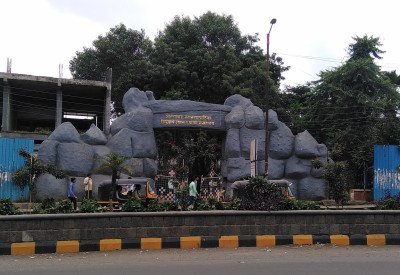 : Siddharth Garden and Zoo is one of the most popular and beloved recreational destinations in Aurangabad, serving as both a sprawling public park and the only zoo in the entire Marathwada region. Located conveniently near the Central Bus Stand, the area is divided into a beautifully landscaped garden and a dedicated zoological park. The garden features majestic trees, vibrant lawns, a variety of colorful flowering plants, and recreational areas, including musical fountains and a large statue of Buddha after which the garden is named (Siddharth was the original name of Gautama Buddha). The zoo houses a diverse collection of wildlife, including various mammals (like tigers, leopards, and bears), reptiles, and a bird section. It also features a small aquarium and a children's play area. It is a favorite spot for family picnics, school trips, and evening outings. The garden provides a much-needed green space and recreational facility for city dwellers, while the zoo plays an educational role in wildlife conservation and awareness. The atmosphere is generally lively and bustling, especially on weekends and holidays.
 The Bhadra Maruti Temple is a highly revered Hindu shrine located in the town of Khuldabad. It is one of the only three temples in India where Lord Hanuman is depicted in a reclining or "sleeping" posture, known as the Bhav Samadhi. According to local legend, the ruler of this region, King Bhadrasen, was a great devotee of Lord Rama and used to sing devotional songs. Lord Hanuman was so enchanted by the king's music that he decided to rest at this spot. The temple is a significant spiritual hub, especially for those following the path of devotion. The atmosphere is vibrant with chants of "Jai Shri Ram," and the temple complex is always filled with energy. It is located very close to the Ellora Caves, making it a convenient stop for tourists exploring the region's heritage. The temple's interior is decorated with intricate glass work and colorful paintings that tell stories of Hanuman's life and his devotion to Rama. Devotees believe that praying here brings mental peace and fulfillment of wishes, making it a cornerstone of local religious life and culture.
 @@Historical Context and Buddhist Heritage: The Aurangabad Caves are a group of 12 rock-cut Buddhist shrines, divided into three main groups (Western: Caves 1-5, Eastern: Caves 6-9, Northern: Caves 10-12), dating from the 3rd to the 7th centuries A.D. These caves were built during the time when the city was a significant spiritual and trade hub. Unlike the massive scale of their famous neighbors, Ajanta and Ellora, the Aurangabad Caves hold a unique place in Indian rock-cut architecture, primarily showcasing Buddhist art. They represent the transition from the Hinayana (early Buddhist) phase to the Mahayana (later Buddhist) phase, and even show Tantric influences, which is a rare feature. They are often overshadowed by the proximity of the UNESCO World Heritage Sites, earning them the moniker of the 'Hidden Caves' of Maharashtra. The caves were excavated from soft basaltic trap rock on the Sihyachal ranges, rising about 700 feet above the plains, offering a breathtaking view of the city and the nearby Bibi Ka Maqbara. Their lack of inscriptions has made precise dating difficult, but scholarly consensus places their construction and use over a long period, reflecting different stages of Buddhist thought and art. Cave No. 4 is the only Chaitya-griha (prayer hall) from the earlier Hinayana period. Caves 1 and 3 are prominent examples of later Vihara (monastery) design, similar to those found in the Vakataka period at Ajanta. The sculptures here, especially the female figures and the Bodhisattva statues, are considered masterpieces of the Gupta and post-Gupta artistic periods, recognized for their elegance and dynamic posture. The surrounding landscape also makes the site ideal for both history enthusiasts and nature lovers. The ongoing maintenance by the Archaeological Survey of India (ASI) helps preserve these fragile remnants of an ancient spiritual and artistic tradition. The complex, located behind the Bibi-ka-Maqbara, provides an essential link in the chain of rock-cut monuments in the Deccan region, illustrating the extensive spread of Buddhist monastic life and patronage in ancient India. (Word Count: 404):
@@ A Legacy of Handmade Paper : Kaghzipura is a unique historical village that has preserved the ancient art of papermaking for over seven centuries. Its name is a combination of 'Kaghazi' (those who make paper) and 'Pura' (settlement), marking it as the historic "Paper Town" of the region. The craft was introduced in 1327 when Sultan Muhammad bin Tughlaq shifted his capital from Delhi to Daulatabad, bringing skilled artisans from Central Asia. These craftsmen mastered the technique of transforming discarded cotton rags, hemp, and jute into high-quality, durable paper that was used by royal courts for centuries. During the Mughal era, particularly under Aurangzeb, the village flourished as the primary supplier of archival paper for the empire. By the mid-20th century, almost every household in the village was a small factory or 'Kaarkhana'. However, with the rise of industrial paper, the craft faced a steep decline. Today, a small community of dedicated artisans continues to practice the traditional soak-pulp-press method, keeping the legacy alive. The paper produced here is eco-friendly, acid-free, and prized by artists for its unique texture. A visit to Kaghzipura is a journey back in time, offering a rare glimpse into a pre-industrial manufacturing process that once defined the economic fabric of the Deccan. It is a place of quiet industry, where the rhythmic sound of pulping machines tells a story of survival and artistic pride.
@@ A Sacred Spiritual Landscape : Khuldabad, formerly known as Rauza, is a historic town of immense spiritual significance, often called the "Valley of Saints" or the "Abode of Eternity." In the 14th century, it became a major center for the Chishti Sufi order when over 1,400 saints chose to reside and eventually be buried here. The town's atmosphere is one of profound silence and devotion, with the air echoing the legacy of mystics who preached peace and communal harmony. Among its most revered sites is the tomb of the last great Mughal Emperor, Aurangzeb, which is surprisingly simple and open-to-the-sky, reflecting his personal religious austerity. Nearby are the grand Dargahs of powerful Sufi saints like Zar Zari Zar Baksh and Shaikh Burhan-ud-din Gharib, which continue to draw pilgrims from all over the world. The town is also home to the unique Bhadra Maruti Temple, one of the few places where Lord Hanuman is depicted in a reclining position. Historically, Khuldabad served as a gateway to the Deccan and a retreat for the elite of Daulatabad. The town is enclosed by massive stone walls with seven gateways, each telling a story of the Mughal and Nizami influence. It remains a living museum of Islamic architecture, Sufi mysticism, and Deccan history, offering a peaceful counterpoint to the bustling city of Aurangabad. Visitors often feel a sense of detachment from the material world as they walk through the shaded pathways of this holy "Garden of Paradise."
@@Natural Beauty and Panoramic Views: Goga Baba Hill is a prominent, picturesque hillock located on the outskirts of Aurangabad, often considered a nature escape within the city limits. It provides a stunning, panoramic view of the entire Aurangabad cityscape, including the distant Bibi Ka Maqbara and the surrounding Deccan plateau. The hill is part of the extensive campus of Dr. Babasaheb Ambedkar Marathwada University, offering a lush, green, and tranquil environment, making it a popular spot for morning joggers, nature lovers, and photographers seeking the best sunset views. @@Spiritual Significance: The hill is named after the revered local saint Goga Baba, and a small, simple temple dedicated to him is situated on the summit. This spiritual presence, combined with the natural beauty, makes it a dual destination for both spiritual seekers and casual tourists. The serene ambiance is ideal for quiet contemplation and meditation, serving as a peaceful retreat from the urban noise, while the short trek to the top is a refreshing outdoor activity.
@@Historical Context and Buddhist Heritage: The Aurangabad Caves are a group of 12 rock-cut Buddhist shrines, divided into three main groups (Western: Caves 1-5, Eastern: Caves 6-9, Northern: Caves 10-12), dating from the 3rd to the 7th centuries A.D. These caves were built during the time when the city was a significant spiritual and trade hub. Unlike the massive scale of their famous neighbors, Ajanta and Ellora, the Aurangabad Caves hold a unique place in Indian rock-cut architecture, primarily showcasing Buddhist art. They represent the transition from the Hinayana (early Buddhist) phase to the Mahayana (later Buddhist) phase, and even show Tantric influences, which is a rare feature. They are often overshadowed by the proximity of the UNESCO World Heritage Sites, earning them the moniker of the 'Hidden Caves' of Maharashtra. The caves were excavated from soft basaltic trap rock on the Sihyachal ranges, rising about 700 feet above the plains, offering a breathtaking view of the city and the nearby Bibi Ka Maqbara. Their lack of inscriptions has made precise dating difficult, but scholarly consensus places their construction and use over a long period, reflecting different stages of Buddhist thought and art. Cave No. 4 is the only Chaitya-griha (prayer hall) from the earlier Hinayana period. Caves 1 and 3 are prominent examples of later Vihara (monastery) design, similar to those found in the Vakataka period at Ajanta. The sculptures here, especially the female figures and the Bodhisattva statues, are considered masterpieces of the Gupta and post-Gupta artistic periods, recognized for their elegance and dynamic posture. The surrounding landscape also makes the site ideal for both history enthusiasts and nature lovers. The ongoing maintenance by the Archaeological Survey of India (ASI) helps preserve these fragile remnants of an ancient spiritual and artistic tradition. The complex, located behind the Bibi-ka-Maqbara, provides an essential link in the chain of rock-cut monuments in the Deccan region, illustrating the extensive spread of Buddhist monastic life and patronage in ancient India. (Word Count: 404):
@@ A Legacy of Handmade Paper : Kaghzipura is a unique historical village that has preserved the ancient art of papermaking for over seven centuries. Its name is a combination of 'Kaghazi' (those who make paper) and 'Pura' (settlement), marking it as the historic "Paper Town" of the region. The craft was introduced in 1327 when Sultan Muhammad bin Tughlaq shifted his capital from Delhi to Daulatabad, bringing skilled artisans from Central Asia. These craftsmen mastered the technique of transforming discarded cotton rags, hemp, and jute into high-quality, durable paper that was used by royal courts for centuries. During the Mughal era, particularly under Aurangzeb, the village flourished as the primary supplier of archival paper for the empire. By the mid-20th century, almost every household in the village was a small factory or 'Kaarkhana'. However, with the rise of industrial paper, the craft faced a steep decline. Today, a small community of dedicated artisans continues to practice the traditional soak-pulp-press method, keeping the legacy alive. The paper produced here is eco-friendly, acid-free, and prized by artists for its unique texture. A visit to Kaghzipura is a journey back in time, offering a rare glimpse into a pre-industrial manufacturing process that once defined the economic fabric of the Deccan. It is a place of quiet industry, where the rhythmic sound of pulping machines tells a story of survival and artistic pride.
@@ A Sacred Spiritual Landscape : Khuldabad, formerly known as Rauza, is a historic town of immense spiritual significance, often called the "Valley of Saints" or the "Abode of Eternity." In the 14th century, it became a major center for the Chishti Sufi order when over 1,400 saints chose to reside and eventually be buried here. The town's atmosphere is one of profound silence and devotion, with the air echoing the legacy of mystics who preached peace and communal harmony. Among its most revered sites is the tomb of the last great Mughal Emperor, Aurangzeb, which is surprisingly simple and open-to-the-sky, reflecting his personal religious austerity. Nearby are the grand Dargahs of powerful Sufi saints like Zar Zari Zar Baksh and Shaikh Burhan-ud-din Gharib, which continue to draw pilgrims from all over the world. The town is also home to the unique Bhadra Maruti Temple, one of the few places where Lord Hanuman is depicted in a reclining position. Historically, Khuldabad served as a gateway to the Deccan and a retreat for the elite of Daulatabad. The town is enclosed by massive stone walls with seven gateways, each telling a story of the Mughal and Nizami influence. It remains a living museum of Islamic architecture, Sufi mysticism, and Deccan history, offering a peaceful counterpoint to the bustling city of Aurangabad. Visitors often feel a sense of detachment from the material world as they walk through the shaded pathways of this holy "Garden of Paradise."
@@Natural Beauty and Panoramic Views: Goga Baba Hill is a prominent, picturesque hillock located on the outskirts of Aurangabad, often considered a nature escape within the city limits. It provides a stunning, panoramic view of the entire Aurangabad cityscape, including the distant Bibi Ka Maqbara and the surrounding Deccan plateau. The hill is part of the extensive campus of Dr. Babasaheb Ambedkar Marathwada University, offering a lush, green, and tranquil environment, making it a popular spot for morning joggers, nature lovers, and photographers seeking the best sunset views. @@Spiritual Significance: The hill is named after the revered local saint Goga Baba, and a small, simple temple dedicated to him is situated on the summit. This spiritual presence, combined with the natural beauty, makes it a dual destination for both spiritual seekers and casual tourists. The serene ambiance is ideal for quiet contemplation and meditation, serving as a peaceful retreat from the urban noise, while the short trek to the top is a refreshing outdoor activity. @@Evolution of the Commercial Center: Connaught Place in Aurangabad is the popular local name for the city's modern and rapidly developing commercial and business district, largely centered around the Jalna Road and CIDCO areas, near the Prozone Mall complex. While not historically significant like its New Delhi namesake, it has become the pulse of contemporary consumerism and corporate activity in Marathwada. This area symbolizes the city's transition from a historical capital to a bustling industrial and service hub. It is characterized by high-rise commercial buildings, modern shopping malls, and premium retail showrooms. @@Economic and Retail Significance: The area houses the regional offices of major national and international banks, insurance companies, and IT firms, making it a key economic driver for the city. It is the go-to destination for high-end retail, featuring showrooms for luxury cars, jewelry, electronics, and fashion brands. The concentration of business and retail outlets here has created a self-contained ecosystem for commerce, leisure, and entertainment, attracting visitors from surrounding towns and villages. The development has been exponential since the early 2000s, reflecting Aurangabad's growing purchasing power and cosmopolitan aspirations. The constant flow of commercial activity makes it the most dynamic and busiest part of the modern city, distinct from the historical old city areas like Shahganj or Gul Mandi.Show All
The Ajanta Caves are a world-renowned UNESCO World Heritage site consisting of 30 rock-cut Buddhist cave monuments. These caves date from the 2nd century BCE to about 480 CE and were discovered accidentally in 1819 by a British officer named John Smith during a tiger hunt. The caves are famous for their magnificent murals and paintings that represent the pinnacle of ancient Indian art. They are carved into the side of a horseshoe-shaped cliff along the Waghur River. The site is divided into two phases: the earlier Hinayana phase, where Buddha was represented by symbols, and the later Mahayana phase, featuring large Buddha statues. The intricate details of the Jataka tales are painted on the walls, depicting the previous lives of the Buddha. These caves served as a sanctuary for Buddhist monks during the monsoon seasons, providing a quiet space for meditation and study. Today, it stands as one of the most visited historical sites in India, drawing art historians and spiritual seekers from across the globe to admire its preservation and beauty.
@@Evolution of the Commercial Center: Connaught Place in Aurangabad is the popular local name for the city's modern and rapidly developing commercial and business district, largely centered around the Jalna Road and CIDCO areas, near the Prozone Mall complex. While not historically significant like its New Delhi namesake, it has become the pulse of contemporary consumerism and corporate activity in Marathwada. This area symbolizes the city's transition from a historical capital to a bustling industrial and service hub. It is characterized by high-rise commercial buildings, modern shopping malls, and premium retail showrooms. @@Economic and Retail Significance: The area houses the regional offices of major national and international banks, insurance companies, and IT firms, making it a key economic driver for the city. It is the go-to destination for high-end retail, featuring showrooms for luxury cars, jewelry, electronics, and fashion brands. The concentration of business and retail outlets here has created a self-contained ecosystem for commerce, leisure, and entertainment, attracting visitors from surrounding towns and villages. The development has been exponential since the early 2000s, reflecting Aurangabad's growing purchasing power and cosmopolitan aspirations. The constant flow of commercial activity makes it the most dynamic and busiest part of the modern city, distinct from the historical old city areas like Shahganj or Gul Mandi.Show All
The Ajanta Caves are a world-renowned UNESCO World Heritage site consisting of 30 rock-cut Buddhist cave monuments. These caves date from the 2nd century BCE to about 480 CE and were discovered accidentally in 1819 by a British officer named John Smith during a tiger hunt. The caves are famous for their magnificent murals and paintings that represent the pinnacle of ancient Indian art. They are carved into the side of a horseshoe-shaped cliff along the Waghur River. The site is divided into two phases: the earlier Hinayana phase, where Buddha was represented by symbols, and the later Mahayana phase, featuring large Buddha statues. The intricate details of the Jataka tales are painted on the walls, depicting the previous lives of the Buddha. These caves served as a sanctuary for Buddhist monks during the monsoon seasons, providing a quiet space for meditation and study. Today, it stands as one of the most visited historical sites in India, drawing art historians and spiritual seekers from across the globe to admire its preservation and beauty.Information
-
Why Famous:
UNESCO Heritage Sites: Aurangabad is famous for housing the Ajanta and Ellora caves which are among the most significant archaeological sites in the world. These caves contain stunning frescoes and sculptures that represent the golden age of Indian art and offer a profound ...UNESCO Heritage Sites: Aurangabad is famous for housing the Ajanta and Ellora caves which are among the most significant archaeological sites in the world. These caves contain stunning frescoes and sculptures that represent the golden age of Indian art and offer a profound insight into the religious harmony and artistic mastery of ancient civilizations.
Mughal Architecture: The city is home to Bibi Ka Maqbara, the only monument of its kind in the Deccan that closely resembles the Taj Mahal. This beautiful tomb built by Aurangzeb's son for his mother is a significant example of Mughal architecture in southern India and is a major landmark that defines the city's skyline. -
Architecture:
Ellora Cave 16 (Kailasa): The Kailasa Temple is a monolithic masterpiece carved from a single block of basalt rock from the top down. It measures 164 feet in length, 108 feet in width, and 100 feet in height with intricate sculptures of gods and goddesses that represent the...Ellora Cave 16 (Kailasa): The Kailasa Temple is a monolithic masterpiece carved from a single block of basalt rock from the top down. It measures 164 feet in length, 108 feet in width, and 100 feet in height with intricate sculptures of gods and goddesses that represent the pinnacle of Rashtrakuta architecture and spiritual devotion.
Bibi Ka Maqbara Layout: This mausoleum features a classic Charbagh layout with the main tomb standing on a high square platform surrounded by four minarets. Its architecture mirrors the Taj Mahal but with unique Deccan influences using marble for the dome and polished plaster for the main structure which gives it a distinct and elegant aesthetic. -
How To Reach:
By Air Access: Aurangabad Airport is well-connected to major Indian cities like Mumbai, Delhi, Hyderabad, and Bangalore with regular domestic flights. The airport is located about 10 KMS from the city center which makes it very convenient for travelers to reach their hotels...By Air Access: Aurangabad Airport is well-connected to major Indian cities like Mumbai, Delhi, Hyderabad, and Bangalore with regular domestic flights. The airport is located about 10 KMS from the city center which makes it very convenient for travelers to reach their hotels and start their heritage tour within a short time after landing.
By Train Connectivity: Aurangabad Railway Station is a major stop on the South Central Railway and is directly connected to Mumbai, Pune, Nagpur, and Secunderabad. Several overnight trains like the Devagiri Express and Tapovan Express provide a comfortable and time-efficient way for tourists to travel to the city from different parts of Maharashtra.
By Road Journey: The city is a major junction on the state highway network and is easily accessible by road from Mumbai (330 KMS) and Pune (235 KMS). State transport (MSRTC) and private sleeper buses operate frequently which offers a range of options from budget to luxury for travelers who enjoy the scenic drive through the Western Ghats and the Deccan plateau.
By Local Transport: Within the city, auto-rickshaws and city buses are readily available for short-distance travel between monuments. For visiting Ajanta (100 KMS) and Ellora (30 KMS), it is best to hire a private taxi for the day or use the dedicated tourism buses which provide a reliable and comfortable way to reach these remote sites and back. -
Weather and Best Time to Visit:
Winter Season: From November to February, the weather is cool and perfect for outdoor sightseeing with temperatures ranging from 10°C to 25°C. This is the peak tourist season when the caves and forts can be explored comfortably and the local festivals provide an added cul...Winter Season: From November to February, the weather is cool and perfect for outdoor sightseeing with temperatures ranging from 10°C to 25°C. This is the peak tourist season when the caves and forts can be explored comfortably and the local festivals provide an added cultural dimension to the travel experience for every visitor.
Monsoon Season: The months of June to September bring refreshing rains that turn the landscape green and make the waterfalls at Ajanta and Ellora come alive. While the humidity can be high, the misty atmosphere and the reduced crowds make it a great time for photography and for those who enjoy the natural beauty of the Sahyadri ranges.
Summer Season: March to May can be quite hot with temperatures often crossing 38°C which makes exploring the rock-cut caves and forts a bit challenging during the day. However, travelers can still enjoy the indoor museums and evening walks in the gardens and it is a good time to find lower hotel rates and a more peaceful city environment. -
Near Tourist Places:
Ajanta Caves (100 KM), Ellora Caves (30 KM), Daulatabad Fort (15 KM), Bibi Ka Maqbara (3 KM), Panchakki (2 KM), Grishneshwar Temple (30 KM), Paithan Garden (56 KM), Aurangabad Caves (5 KM), Siddharth Garden (2 KM), Lonar Crater (140 KM)
Tourism Tips
-
Health and Safety: When exploring the caves, wear comfortable walking shoes with a good grip as the rock surfaces can be slippery and there are many stairs to climb. Carry a flashlight for seeing the details in the darker caves and always stay hydrated by carrying a water b...Health and Safety: When exploring the caves, wear comfortable walking shoes with a good grip as the rock surfaces can be slippery and there are many stairs to climb. Carry a flashlight for seeing the details in the darker caves and always stay hydrated by carrying a water bottle especially during the warmer months of the year.
Packing Essentials: Pack light cotton clothes, a hat, and sunglasses for sun protection during the day and a light jacket for the cooler winter evenings. If you plan to visit the religious sites, carry a scarf or a shawl to cover your head or shoulders as a sign of respect for the local spiritual traditions and customs.
Accommodation Tips: Aurangabad offers a wide range of accommodation from luxury 5-star hotels to budget-friendly guesthouses near the railway station. Staying near the Cidco or Station Road area provides easy access to transport and restaurants while staying near the university offers a more quiet and green environment for a relaxing stay.
Guide Services: Hiring a certified guide at Ajanta and Ellora is highly recommended to understand the deep historical and religious significance of the carvings and paintings. Ensure you check their ID card and agree on the charges beforehand to have an educational and smooth experience while exploring these vast and complex archaeological sites.
Reviews
FAQs
Aurangabad Itineray And Cost:-
Information about New and Updated Locations() of Maharashtra Has Been Added :-
Card subtitle
Note:-
Information provided here in good Faith and for reference only.
All information and pictures will be updated soon, please keep visiting.
Near Places

Alibaug
Some quick example text to build on the card title and make up the bulk of the card's content.
Go somewhere
Amravati
Some quick example text to build on the card title and make up the bulk of the card's content.
Go somewhere
Aurangabad
Some quick example text to build on the card title and make up the bulk of the card's content.
Go somewhere
Bhandardara
Some quick example text to build on the card title and make up the bulk of the card's content.
Go somewhere
Diveagar
Some quick example text to build on the card title and make up the bulk of the card's content.
Go somewhere
Ganpatipule
Some quick example text to build on the card title and make up the bulk of the card's content.
Go somewhere
Karjat
Some quick example text to build on the card title and make up the bulk of the card's content.
Go somewhere
Khandala
Some quick example text to build on the card title and make up the bulk of the card's content.
Go somewhere
Kolad
Some quick example text to build on the card title and make up the bulk of the card's content.
Go somewhere
Kolhapur
Some quick example text to build on the card title and make up the bulk of the card's content.
Go somewherein Other Cities