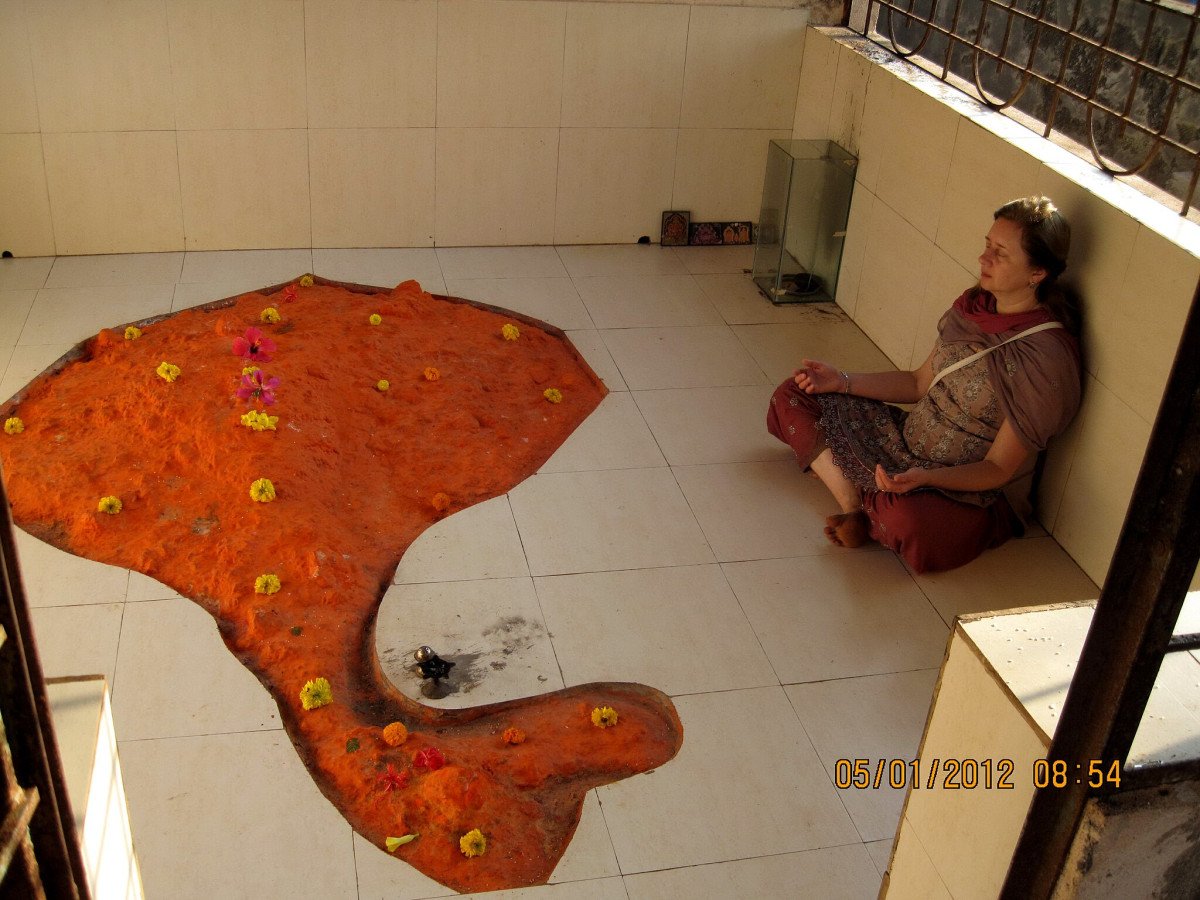
Ganpatipule
General information
-
Ideal Duration:
3 DaysPlace Type:
Pilgrimage & BeachEntry Fees:
Temple Entry: Access to the main temple is free for all devotees; special darshan passes might be available during peak festivals.
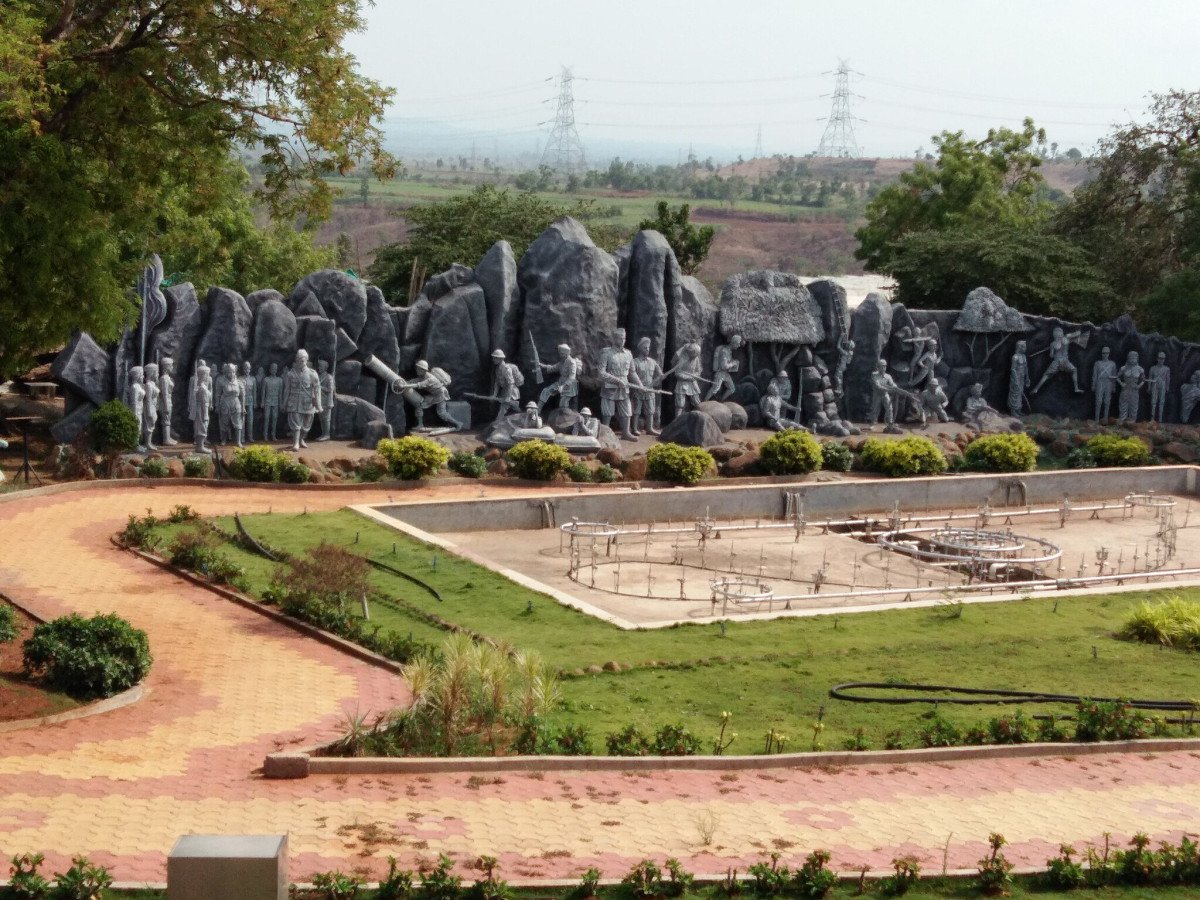
Museum Fees: Prachin Konkan museum charges a nominal fee of approximately 50 INR for adults to support th...Temple Entry: Access to the main temple is free for all devotees; special darshan passes might be available during peak festivals.
Museum Fees: Prachin Konkan museum charges a nominal fee of approximately 50 INR for adults to support the cultural park.Timing:
Temple Hours: The temple is open from 5:00 AM to 9:00 PM, with the morning aarti being a particularly spiritual time to visit.
Best Visit Hour: Evening at the beach is perfect for photography, while Early Morning is best for a peaceful t...Temple Hours: The temple is open from 5:00 AM to 9:00 PM, with the morning aarti being a particularly spiritual time to visit.
Best Visit Hour: Evening at the beach is perfect for photography, while Early Morning is best for a peaceful temple visit.Special Events:
Maghi Ganeshotsav: This major festival in January/February sees massive processions and special rituals dedicated to the elephant god.
Angarki Chaturthi: Thousands of devotees visit the temple on this auspicious day to seek blessings and...Maghi Ganeshotsav: This major festival in January/February sees massive processions and special rituals dedicated to the elephant god.
Angarki Chaturthi: Thousands of devotees visit the temple on this auspicious day to seek blessings and witness the grand aarti.Best Photo Spots:
Temple Courtyard: The entrance of the Ganpati Temple with the blue sea in the background provides a majestic shot.
Aare Ware Road: The winding coastal road between Ratnagiri and Ganpatipule offers "Great Ocean Road" style landscape views...Temple Courtyard: The entrance of the Ganpati Temple with the blue sea in the background provides a majestic shot.
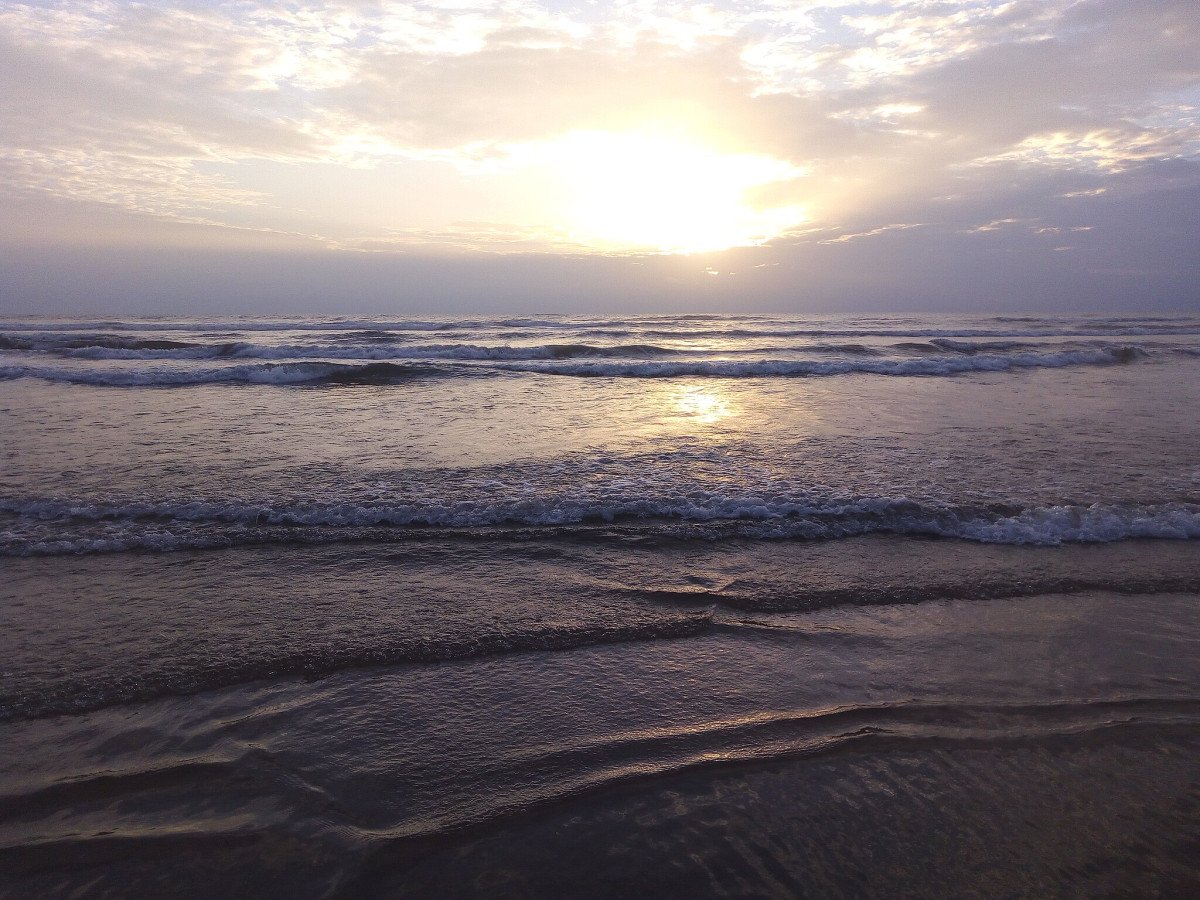
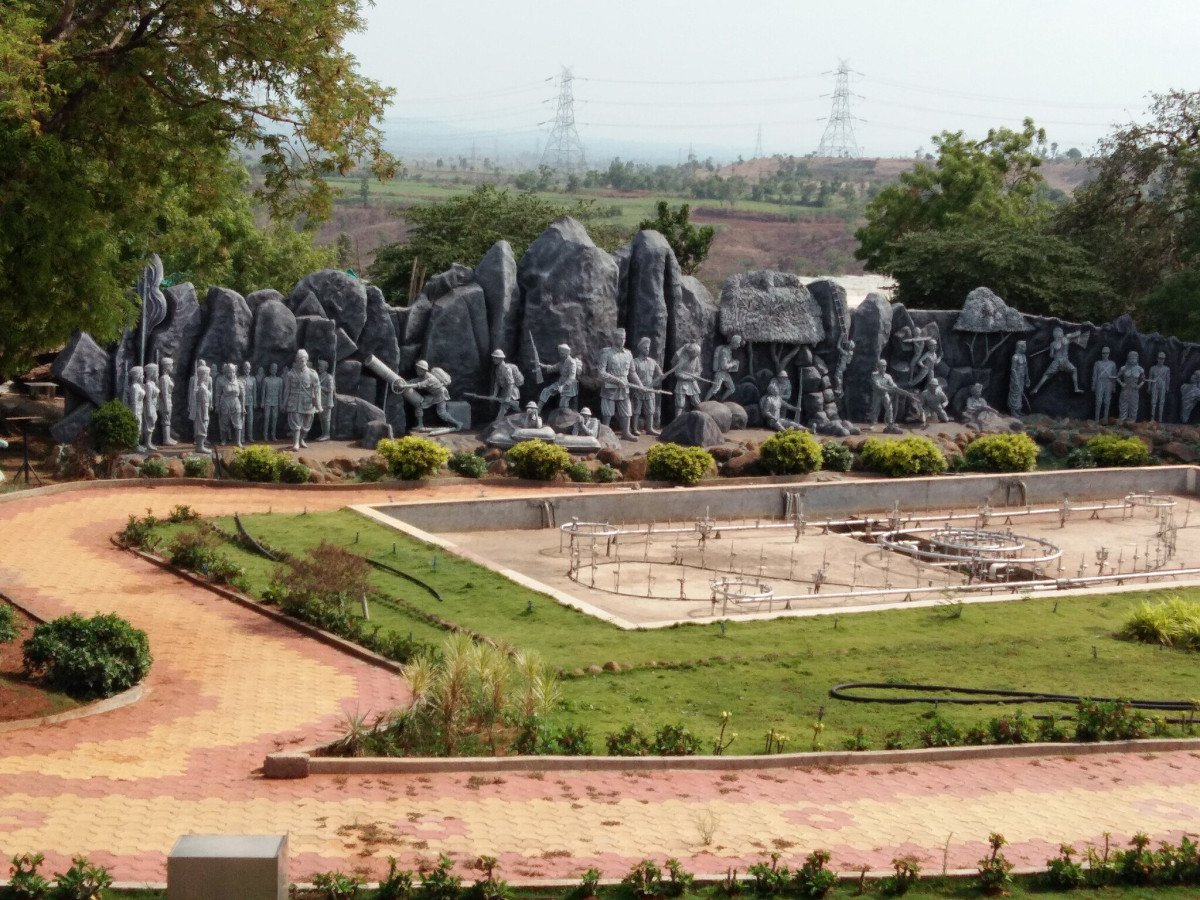
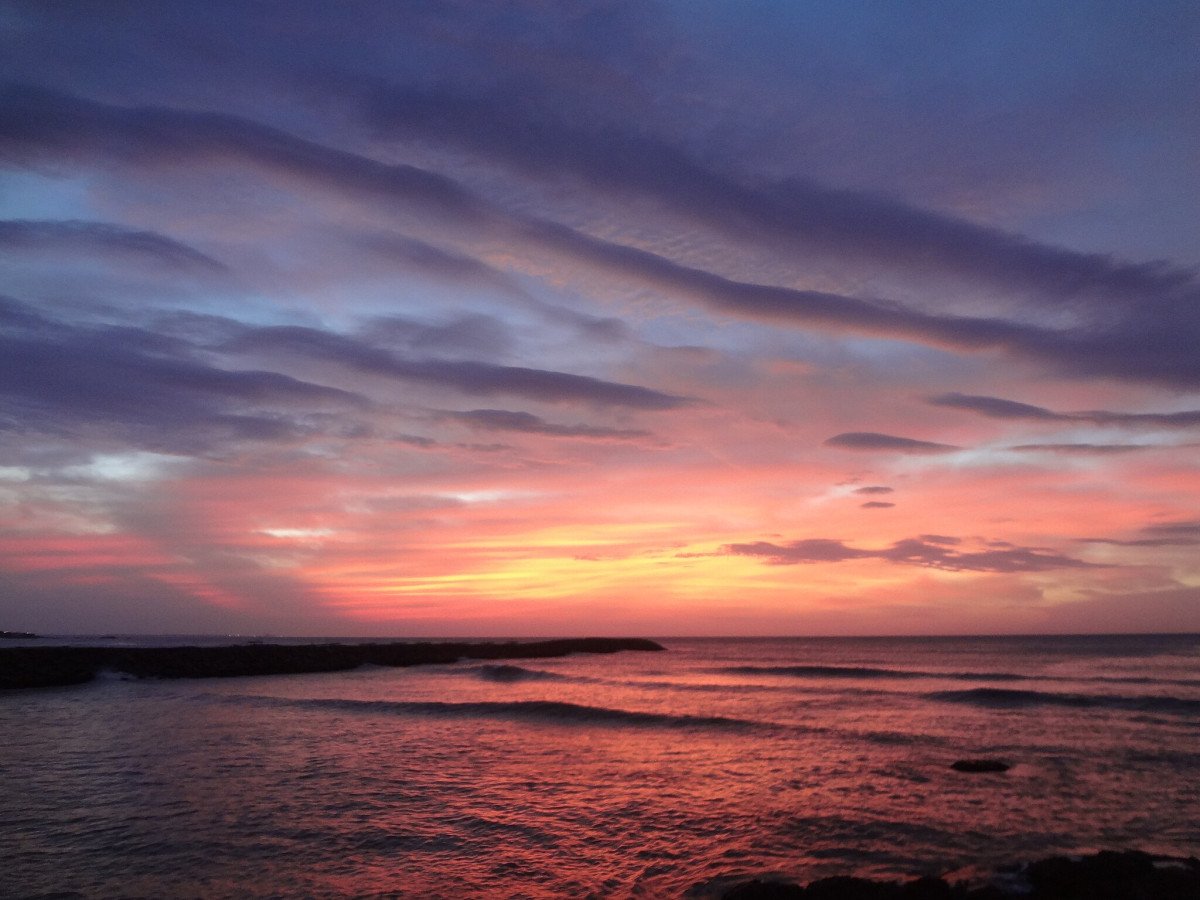
Aare Ware Road: The winding coastal road between Ratnagiri and Ganpatipule offers "Great Ocean Road" style landscape views.Photo Gallery
Things To Do
 @@The Gateway to the North: Dabhol is an ancient port town located at the mouth of the Vashishti River. It has a rich history dating back to the 14th century when it was a major trading hub for horses from Persia. The town is famous for the Dabhol Power Plant (formerly Enron) and its historic ferry service that connects the northern and southern Konkan. The "Dabhol Jetty" is a bustling place where one can witness the daily life of the fishing community. The town is also home to the Shahi Jamia Masjid, one of the oldest mosques in the Konkan region, showcasing the cosmopolitan history of this port.
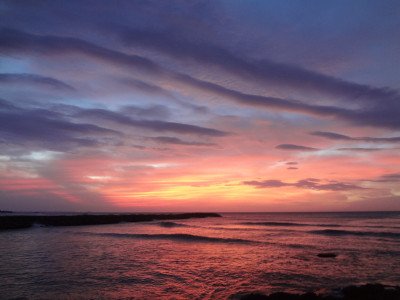 Bhandarpule Beach is one of the most stunning and relatively untouched beaches along the Konkan coast of Maharashtra. It offers a stark contrast to the slightly more crowded Ganpatipule Beach, presenting a serene and secluded getaway for peace-seekers. Located approximately 3.5 KM from the main Ganpatipule town, this shore is nestled between two small hillocks, which adds to its picturesque setting and tranquil atmosphere. The beach stretches for about 2 kilometers and is characterized by its clean, pristine sands and the brilliant bluish-green hue of the Arabian Sea. A noticeable feature is the line of Suru (Casuarina) trees that fringes the seaside, providing shade and enhancing the natural beauty of the place. The location, away from the immediate buzz of the pilgrimage center, makes it an ideal spot for long, peaceful walks, contemplation, and enjoying the unadulterated beauty of nature. The gentle lapping of the waves and the panoramic views of the surrounding lush greenery and the vast ocean create a soothing ambiance. Due to its secluded nature, there are fewer commercial activities, allowing visitors to connect purely with the natural surroundings. From the hillock near Bhandarpule, one can often get a beautiful, dual view of both Ganpatipule and Bhandarpule beaches, showcasing the best of the Konkan coastline. While the sea here can sometimes be rough and is generally not recommended for swimming, it serves as a photographer's delight, especially during sunrise and sunset, when the colors paint a mesmerizing canvas over the water and sand. It's a true hidden gem for those who prioritize solitude and the raw, natural charm of a coastal retreat, embodying the unspoiled essence of Ratnagiri’s seaside beauty. The relative lack of development ensures that the beach remains a pristine ecological spot.
 The Laxmi Keshav Temple in Kolisare is a place of ethereal beauty, tucked away in a dense, jungle-like valley. This temple is famous for its stunning idol of Lord Vishnu (Keshav), which is carved from a single piece of rare black Shaligram stone brought from the Gandaki River in Nepal. The idol is about 5 feet tall and is considered one of the most beautiful examples of ancient sculpture in Maharashtra. It features intricate carvings of the Dashavatar (ten incarnations of Vishnu) around the main deity. The temple itself is a simple, elegant structure that sits at the bottom of a valley, surrounded by towering trees and a natural stream that flows year-round. This stream, known as the 'Teertha,' provides holy water that is used for the daily anointing of the deity. The atmosphere here is remarkably cool and silent, even during the peak of summer, thanks to the thick forest canopy that blocks out the sun. Legend has it that the idol was hidden in a local pond for years to protect it from invaders before being installed in its current location in 1510. The walk down to the temple involves descending about 150 to 200 stone steps, which are shaded by mango and cashew trees. Visitors often feel as if they have stepped back in time into a Vedic age hermitage. The temple is not just a religious site but a natural sanctuary where the biodiversity of the Konkan is preserved. It is a must-visit for anyone seeking silence and a deep connection with nature and art:
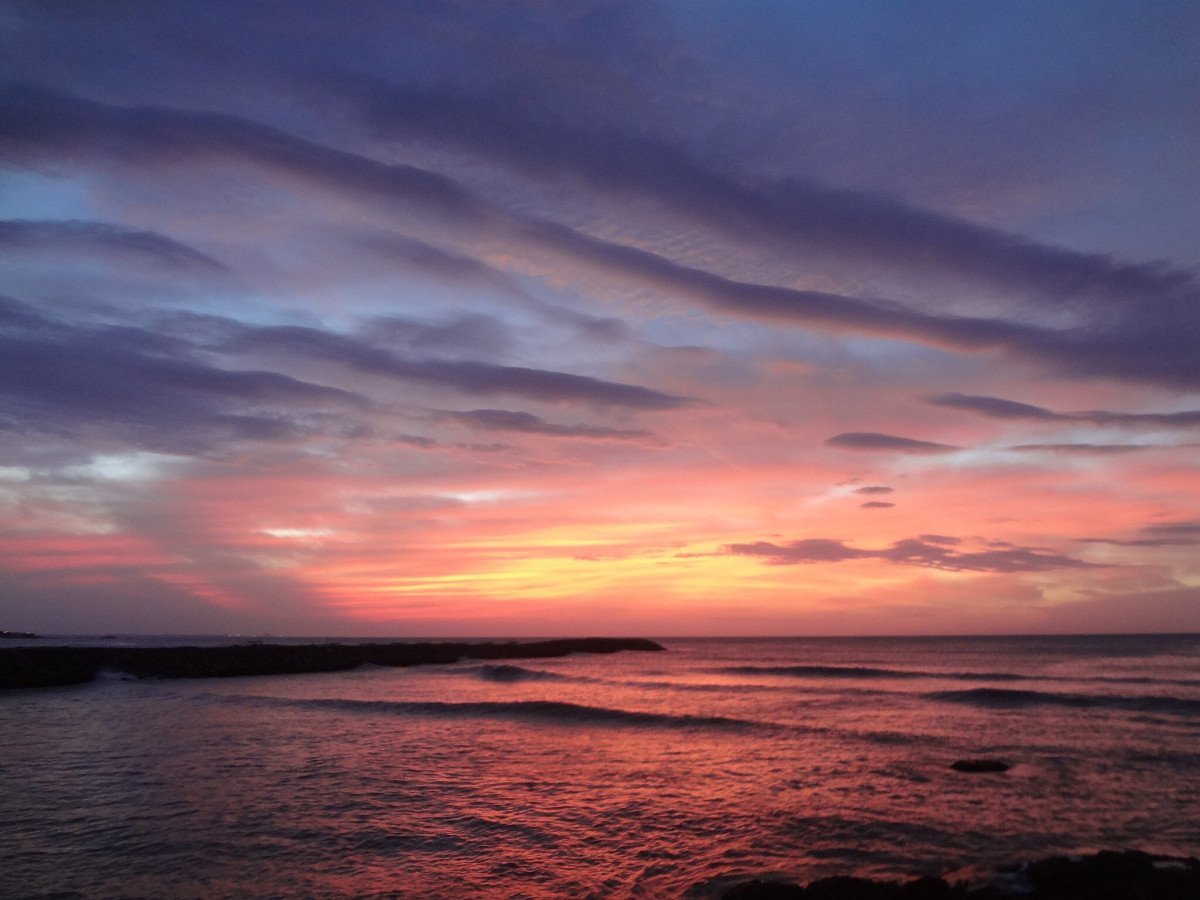
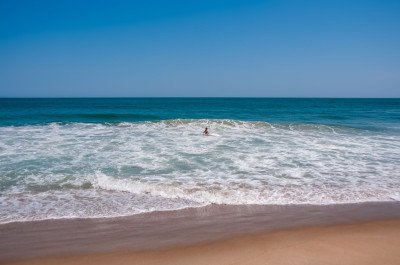 @@Coastal and Spiritual Essence: Guhagar Beach is a majestic 6-kilometer long stretch of white sand located in the heart of the Konkan region. Known as the "Temple Town," Guhagar is famous for its ancient Shiva temples and its incredibly clean, wide beach. The beach is lined with dense groves of coconut, betel nut, and Alphonso mango trees, giving it a lush, tropical feel. The name "Guhagar" literally means "Cave House," reflecting the many ancient caves and temples found in the vicinity. The water is remarkably clear, and the slope of the beach is gradual, making it one of the safest spots for swimming in all of Maharashtra. Despite its growing popularity, the beach maintains a very disciplined and clean environment, largely thanks to the local community's efforts. The town itself is a peaceful settlement where traditional Konkani lifestyles are still very much alive. Visitors can enjoy authentic Malvani cuisine in the many homestays that line the streets leading to the beach. Guhagar is also a significant pilgrimage center, with the Vyadeshwar Temple being the primary attraction. The beach offers a perfect blend of spiritual solace and recreational fun, with various water sports available for adventure enthusiasts. The sunset here is a spectacular event, painting the sky in shades of violet and gold, often accompanied by the distant sound of temple bells.
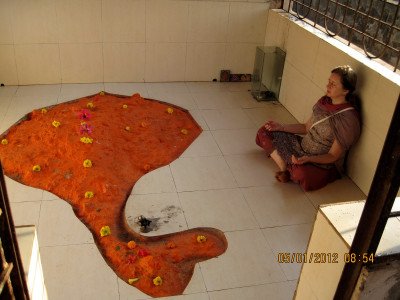 The Swayambhu Ganpati Temple is the cornerstone of Ganpatipule and one of the most revered and unique temples dedicated to Lord Ganesha in India. The word 'Swayambhu' literally means 'self-manifested' or 'self-originated', referring to the idol of Lord Ganesha which is believed to have naturally emerged from the reddish-pink soil of the hillock over 400 years ago, and according to some legends, even longer, over 1600 years ago. What makes this temple exceptionally rare and sacred is the orientation of the deity: the idol faces West, towards the Arabian Sea, a direction that is highly unusual in Hindu temple architecture, which typically features deities facing East. This westward orientation has earned the temple the title of 'Paschim Dwar Dewata' or the 'Western Sentinel God'. The temple is built right on the shores of Ganpatipule Beach, creating a breathtaking fusion of spirituality and nature, where devotees can hear the sound of the sea waves during their prayers. The original sanctum is simple, housing the rock idol that retains its natural, unadorned form, emphasizing its organic sanctity. The temple complex has undergone various developments over the centuries, with a significant modern structure erected between 1998 and 2003 using special Agra Red stone, designed to maintain the feel of being carved from a single rock, adhering to ancient Indian architectural styles. A crucial ritual for devotees is the Pradakshina (circumambulation) of the whole hill behind the temple, which is about 1 KM long. This path is considered a circumambulation of the deity itself, offering spectacular views and spiritual solace. The temple draws thousands of pilgrims throughout the year, especially during Ganesh Chaturthi and the Magh Chaturthi fair (usually in February-March), solidifying Ganpatipule's status as a major pilgrimage center on the Konkan coast.
@@The Legacy of Kavi Keshavsut: The Memorial of Keshavsut is located in the serene village of Malgund, the birthplace of Krishnaji Keshav Damle, popularly known as Kavi Keshavsut. He is celebrated as the "Father of Modern Marathi Poetry" for breaking away from traditional religious themes to write about social reform and human emotions. The memorial was built by the Konkan Marathi Sahitya Parishad and inaugurated in 1994 by the famous poet Kusumagraj. It serves as a pilgrimage for literature lovers, featuring his ancestral house, a vast library, and stone-engraved poems that echo through the lush green premises. @@A Literary Haven: Visiting this place feels like stepping back into the 19th Century when the poet first penned his revolutionary verses. The memorial meticulously preserves the rustic charm of Konkan while providing modern facilities for researchers and tourists. It is known as the "Poetry Capital of Maharashtra" because it hosts numerous literary events and workshops throughout the year. The peaceful atmosphere of the garden and the sight of the poet's original writing desk create a profound connection between the visitor and the era of social awakening. @@Cultural Importance: The site is not just a museum but a living tribute to the Marathi language. In the heart of the Konkan coast, this memorial stands as a symbol of intellectual pride. It showcases 132 poems written by Keshavsut, which played a pivotal role in shaping modern Marathi literature. For every traveler visiting Ganpatipule, a short trip to Malgund to see this memorial is essential to understand the cultural fabric of Maharashtra. The blend of nature, literature, and history makes it a unique destination that appeals to both the young and the old. @@Preserving History: The state government has invested in the beautification of this memorial to promote literary tourism. With its clean surroundings, informative pamphlets, and a beautiful lotus pond, it offers a quiet retreat from the busy beaches. The library within the complex houses rare collections of Marathi literature, making it a goldmine for scholars. The memorial successfully bridges the gap between past and present, ensuring that the revolutionary spirit of Kavi Keshavsut continues to inspire future generations of writers and thinkers who visit this sacred spot.
@@The Scenic Drive: Arey Ware are twin beaches created by a single mountain that collapsed into the sea millions of years ago. The road connecting Ganpatipule to Ratnagiri passes right over the cliff between these two beaches, offering what is arguably the most beautiful coastal drive in India. The beaches are characterized by crystal clear blue water and silver sand. Unlike the main Ganpatipule beach, Arey Ware remains largely secluded, providing a private beach experience. The geological formation of the "Arey Ware Point" provides a 360-degree view of the vast Arabian Sea and the verdant Sahyadri hills.Show All
@@A Saint's Abode: Pawas is a small, tranquil village that gained worldwide fame as the residence of Swami Swaroopanand, a renowned spiritual leader and saint of the 20th Century. The Ashram at Pawas is where Swamiji spent 40 years of his life in deep meditation and service to humanity. He was a follower of the Warkari tradition and is credited with translating several ancient scriptures like the Dnyaneshwari into simpler Marathi for the common people. The ashram today is a beautifully managed complex that includes the Samadhi Mandir (tomb) and the house where Swamiji lived, known as "Anant Niwas." @@Spiritual Serenity: The atmosphere in the Pawas Ashram is one of absolute silence and peace. It is not a place for loud tourism but a sanctuary for those seeking inner silence. Thousands of devotees visit daily to pay their respects and sit in the meditation hall. The ashram provides 'Mahaprasad' (holy meal) to all visitors, which is served with great love and humility. The discipline maintained by the trust is exemplary, making it one of the cleanest and most organized religious sites in Maharashtra. The surrounding greenery and the flowing river nearby add to the meditative quality of the entire village. @@Life of Swaroopanand: Born as Ramchandra Vishnupant Godbole on 15th December 1903, Swamiji took Sanyas (renunciation) at a young age. His teachings focused on the path of Bhakti (devotion) and the chanting of the "Ram Krishna Hari" mantra. He was not just a spiritual teacher but also an active participant in India's freedom struggle before dedicating his life entirely to spirituality. The ashram displays various items used by him, providing a personal look into his simple and disciplined life. His literature continues to guide seekers on the path of self-realization, making Pawas a center for Vedantic studies and spiritual growth. @@Global Pilgrimage: Today, Pawas attracts visitors from across the globe who are interested in Indian spirituality and the life of saints. The ashram has excellent facilities for those who wish to stay and meditate for longer periods. The "Gurupurnima" and "Samadhi Din" festivals are celebrated here with great pomp, drawing lakhs of people. Despite the large crowds, the sense of peace remains unshaken. The village of Pawas itself has remained largely untouched by commercialization, retaining its rural charm. For a traveler, a visit to Pawas is a journey into the heart of Marathi spirituality, leaving one with a sense of lasting calm and renewed energy.
The Swayambhu Ganpati Temple is the cornerstone of Ganpatipule and one of the most revered and unique temples dedicated to Lord Ganesha in India. The word 'Swayambhu' literally means 'self-manifested' or 'self-originated', referring to the idol of Lord Ganesha which is believed to have naturally emerged from the reddish-pink soil of the hillock over 400 years ago, and according to some legends, even longer, over 1600 years ago. What makes this temple exceptionally rare and sacred is the orientation of the deity: the idol faces West, towards the Arabian Sea, a direction that is highly unusual in Hindu temple architecture, which typically features deities facing East. This westward orientation has earned the temple the title of 'Paschim Dwar Dewata' or the 'Western Sentinel God'. The temple is built right on the shores of Ganpatipule Beach, creating a breathtaking fusion of spirituality and nature, where devotees can hear the sound of the sea waves during their prayers. The original sanctum is simple, housing the rock idol that retains its natural, unadorned form, emphasizing its organic sanctity. The temple complex has undergone various developments over the centuries, with a significant modern structure erected between 1998 and 2003 using special Agra Red stone, designed to maintain the feel of being carved from a single rock, adhering to ancient Indian architectural styles. A crucial ritual for devotees is the Pradakshina (circumambulation) of the whole hill behind the temple, which is about 1 KM long. This path is considered a circumambulation of the deity itself, offering spectacular views and spiritual solace. The temple draws thousands of pilgrims throughout the year, especially during Ganesh Chaturthi and the Magh Chaturthi fair (usually in February-March), solidifying Ganpatipule's status as a major pilgrimage center on the Konkan coast.
@@The Legacy of Kavi Keshavsut: The Memorial of Keshavsut is located in the serene village of Malgund, the birthplace of Krishnaji Keshav Damle, popularly known as Kavi Keshavsut. He is celebrated as the "Father of Modern Marathi Poetry" for breaking away from traditional religious themes to write about social reform and human emotions. The memorial was built by the Konkan Marathi Sahitya Parishad and inaugurated in 1994 by the famous poet Kusumagraj. It serves as a pilgrimage for literature lovers, featuring his ancestral house, a vast library, and stone-engraved poems that echo through the lush green premises. @@A Literary Haven: Visiting this place feels like stepping back into the 19th Century when the poet first penned his revolutionary verses. The memorial meticulously preserves the rustic charm of Konkan while providing modern facilities for researchers and tourists. It is known as the "Poetry Capital of Maharashtra" because it hosts numerous literary events and workshops throughout the year. The peaceful atmosphere of the garden and the sight of the poet's original writing desk create a profound connection between the visitor and the era of social awakening. @@Cultural Importance: The site is not just a museum but a living tribute to the Marathi language. In the heart of the Konkan coast, this memorial stands as a symbol of intellectual pride. It showcases 132 poems written by Keshavsut, which played a pivotal role in shaping modern Marathi literature. For every traveler visiting Ganpatipule, a short trip to Malgund to see this memorial is essential to understand the cultural fabric of Maharashtra. The blend of nature, literature, and history makes it a unique destination that appeals to both the young and the old. @@Preserving History: The state government has invested in the beautification of this memorial to promote literary tourism. With its clean surroundings, informative pamphlets, and a beautiful lotus pond, it offers a quiet retreat from the busy beaches. The library within the complex houses rare collections of Marathi literature, making it a goldmine for scholars. The memorial successfully bridges the gap between past and present, ensuring that the revolutionary spirit of Kavi Keshavsut continues to inspire future generations of writers and thinkers who visit this sacred spot.
@@The Scenic Drive: Arey Ware are twin beaches created by a single mountain that collapsed into the sea millions of years ago. The road connecting Ganpatipule to Ratnagiri passes right over the cliff between these two beaches, offering what is arguably the most beautiful coastal drive in India. The beaches are characterized by crystal clear blue water and silver sand. Unlike the main Ganpatipule beach, Arey Ware remains largely secluded, providing a private beach experience. The geological formation of the "Arey Ware Point" provides a 360-degree view of the vast Arabian Sea and the verdant Sahyadri hills.Show All
@@A Saint's Abode: Pawas is a small, tranquil village that gained worldwide fame as the residence of Swami Swaroopanand, a renowned spiritual leader and saint of the 20th Century. The Ashram at Pawas is where Swamiji spent 40 years of his life in deep meditation and service to humanity. He was a follower of the Warkari tradition and is credited with translating several ancient scriptures like the Dnyaneshwari into simpler Marathi for the common people. The ashram today is a beautifully managed complex that includes the Samadhi Mandir (tomb) and the house where Swamiji lived, known as "Anant Niwas." @@Spiritual Serenity: The atmosphere in the Pawas Ashram is one of absolute silence and peace. It is not a place for loud tourism but a sanctuary for those seeking inner silence. Thousands of devotees visit daily to pay their respects and sit in the meditation hall. The ashram provides 'Mahaprasad' (holy meal) to all visitors, which is served with great love and humility. The discipline maintained by the trust is exemplary, making it one of the cleanest and most organized religious sites in Maharashtra. The surrounding greenery and the flowing river nearby add to the meditative quality of the entire village. @@Life of Swaroopanand: Born as Ramchandra Vishnupant Godbole on 15th December 1903, Swamiji took Sanyas (renunciation) at a young age. His teachings focused on the path of Bhakti (devotion) and the chanting of the "Ram Krishna Hari" mantra. He was not just a spiritual teacher but also an active participant in India's freedom struggle before dedicating his life entirely to spirituality. The ashram displays various items used by him, providing a personal look into his simple and disciplined life. His literature continues to guide seekers on the path of self-realization, making Pawas a center for Vedantic studies and spiritual growth. @@Global Pilgrimage: Today, Pawas attracts visitors from across the globe who are interested in Indian spirituality and the life of saints. The ashram has excellent facilities for those who wish to stay and meditate for longer periods. The "Gurupurnima" and "Samadhi Din" festivals are celebrated here with great pomp, drawing lakhs of people. Despite the large crowds, the sense of peace remains unshaken. The village of Pawas itself has remained largely untouched by commercialization, retaining its rural charm. For a traveler, a visit to Pawas is a journey into the heart of Marathi spirituality, leaving one with a sense of lasting calm and renewed energy.Information
-
Why Famous:
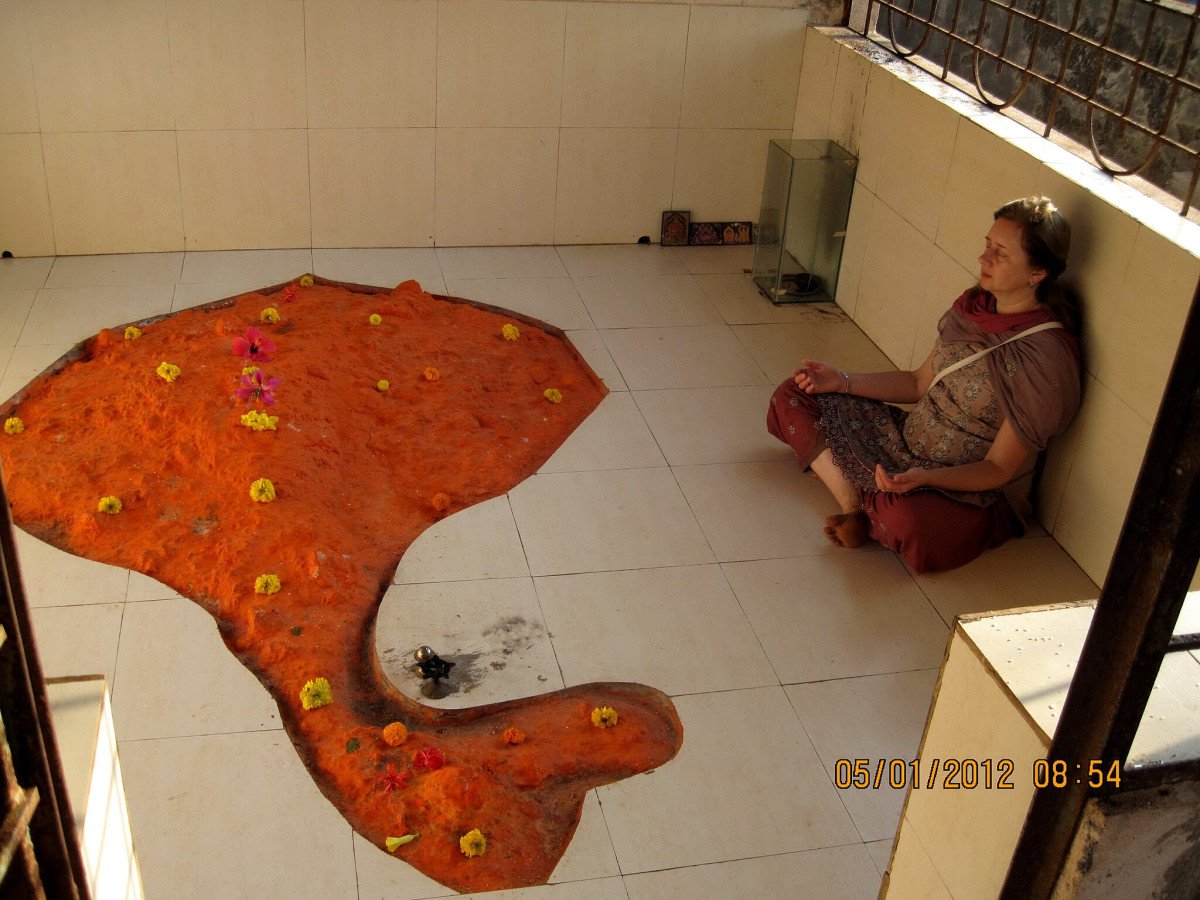
Swayambhu Idol: It is famous for the self-originated idol of Lord Ganesha, which is not carved by human hands but formed naturally.
Pristine Coast: The town is renowned for its White Sand Beach which remains remarkably clean and offers o...Swayambhu Idol: It is famous for the self-originated idol of Lord Ganesha, which is not carved by human hands but formed naturally.
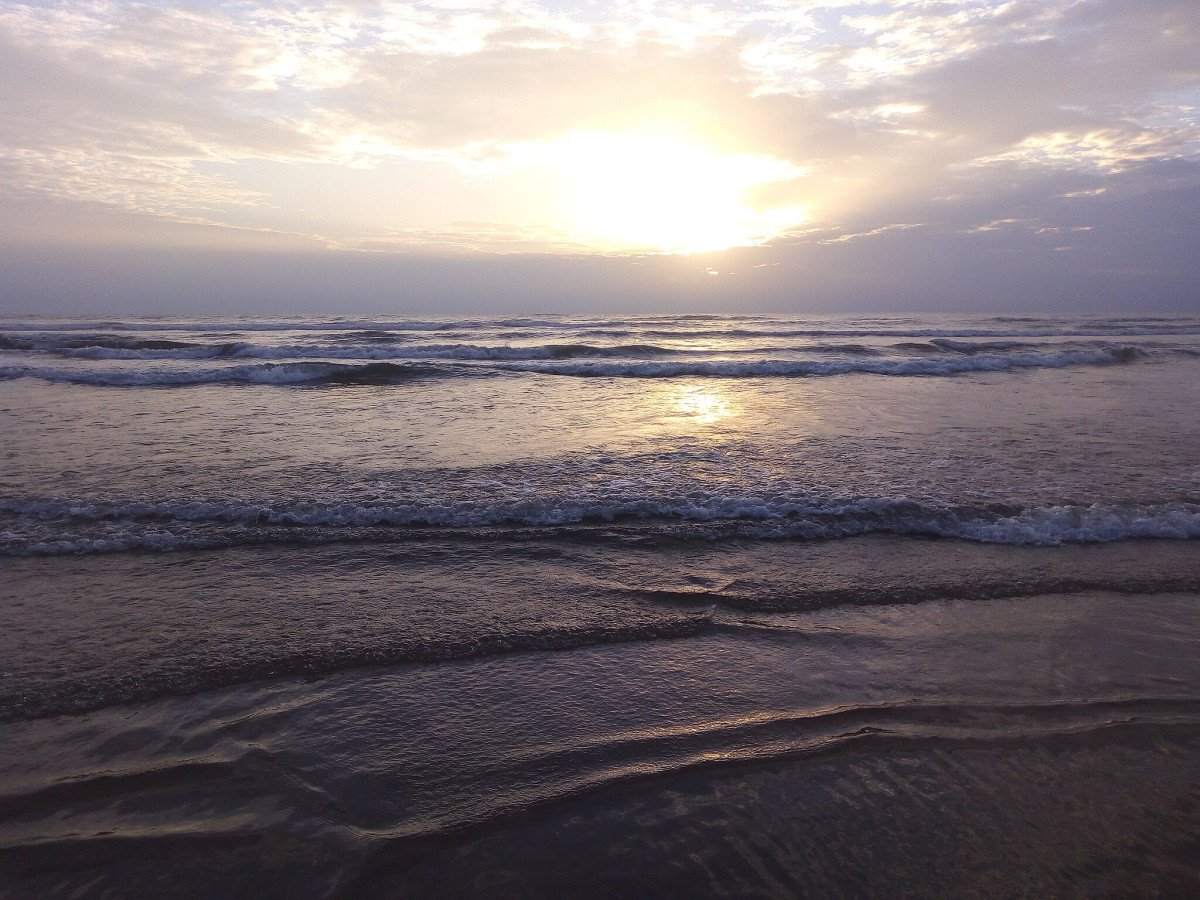
Pristine Coast: The town is renowned for its White Sand Beach which remains remarkably clean and offers one of the best sunset views in India. -
Architecture:
Temple Design: The temple is built in the Panchayatan style, featuring a unique stone structure where the deity faces the West to guard the coast.
Dimensions: The temple sits at the foot of a hill that is shaped like a Ganesha, with a ci...Temple Design: The temple is built in the Panchayatan style, featuring a unique stone structure where the deity faces the West to guard the coast.
Dimensions: The temple sits at the foot of a hill that is shaped like a Ganesha, with a circumambulation path of 1 km around the hill. -
How To Reach:
By Air: The nearest functional airport is Ratnagiri, though Mumbai (BOM) is the major hub with better connectivity for international travelers.
By Train: Ratnagiri Railway Station is the major stop on the Konkan Railway, located just 25 ...By Air: The nearest functional airport is Ratnagiri, though Mumbai (BOM) is the major hub with better connectivity for international travelers.
By Train: Ratnagiri Railway Station is the major stop on the Konkan Railway, located just 25 kms away from the town.
By Road: Well-connected by MSRTC buses and private luxury coaches from Mumbai, Pune, and Kolhapur via the NH-66.
Local Transport: Auto-rickshaws are easily available for local sightseeing, and many tourists prefer renting bicycles to explore the coastline. -
Weather and Best Time to Visit:
Winter Peak: November to February is the best time with cool temperatures ranging from 15°C to 28°C, ideal for sightseeing.
Summer Visit: March to May is hot but famous for the Alphonso Mango season, attracting fruit lovers from all ov...Winter Peak: November to February is the best time with cool temperatures ranging from 15°C to 28°C, ideal for sightseeing.
Summer Visit: March to May is hot but famous for the Alphonso Mango season, attracting fruit lovers from all over the country. -
Near Tourist Places:
Ratnagiri (25 kms), Jaigad Fort (20 kms), Malgund (3 kms), Aare Ware Beach (12 kms), Pawas (40 kms), Bhandarpule (5 kms), Velneshwar (80 kms), Guhagar (90 kms), Thibaw Palace (28 kms), Marleshwar (60 kms).
Tourism Tips
-
Health and Safety: The beach has strong undercurrents in certain areas; always follow the instructions of the lifeguards on duty.
Packing Tips: Pack light cotton clothes, a wide-brimmed hat, sunglasses, and high-SPF sunscreen to tackle ...Health and Safety: The beach has strong undercurrents in certain areas; always follow the instructions of the lifeguards on duty.
Packing Tips: Pack light cotton clothes, a wide-brimmed hat, sunglasses, and high-SPF sunscreen to tackle the coastal humidity and sun.
Accommodation: Stay at the MTDC Resort for the best beach-facing views and proximity to the main temple complex.
Dress Code: While there is no strict dress code, modest attire is recommended when entering the temple to respect local traditions.
Reviews
FAQs
Ganpatipule Itineray And Cost:-
Other Places In Maharashtra :-
Other States In India :-
Information about New and Updated Locations() of Maharashtra Has Been Added :-
Card subtitle
Note:-
Information provided here in good Faith and for reference only.
Near Places
Alibaug
Some quick example text to build on the card title and make up the bulk of the card's content.
Go somewhere
Amravati
Some quick example text to build on the card title and make up the bulk of the card's content.
Go somewhere
Aurangabad
Some quick example text to build on the card title and make up the bulk of the card's content.
Go somewhere
Bhandardara
Some quick example text to build on the card title and make up the bulk of the card's content.
Go somewhere
Diveagar
Some quick example text to build on the card title and make up the bulk of the card's content.
Go somewhere
Ganpatipule
Some quick example text to build on the card title and make up the bulk of the card's content.
Go somewhere
Karjat
Some quick example text to build on the card title and make up the bulk of the card's content.
Go somewhere
Khandala
Some quick example text to build on the card title and make up the bulk of the card's content.
Go somewhere
Kolad
Some quick example text to build on the card title and make up the bulk of the card's content.
Go somewhere
Kolhapur
Some quick example text to build on the card title and make up the bulk of the card's content.
Go somewhere
Lavasa
Some quick example text to build on the card title and make up the bulk of the card's content.
Go somewhere
Lonavala
Some quick example text to build on the card title and make up the bulk of the card's content.
Go somewhere
Mahabaleshwar
Some quick example text to build on the card title and make up the bulk of the card's content.
Go somewhere
Matheran
Some quick example text to build on the card title and make up the bulk of the card's content.
Go somewhere
Mumbai
Some quick example text to build on the card title and make up the bulk of the card's content.
Go somewhere
Nagpur
Some quick example text to build on the card title and make up the bulk of the card's content.
Go somewherein Other Cities