
...

Place To Visit And Things To Do In Haridwar

Uttarakhand, India
Spiritual Significance: Haridwar is one of the seven holiest places in India where the Ganga river leaves the mountains. It is a major pilgrimage site for Hindus who come for salvation. The city is filled with ancient temples and vibrant ashrams that echo with morning chants. Cultural Heritage: This ancient city is a melting pot of Vedic traditions and modern devotion. It serves as a base for the Char Dham Yatra and is famous for its Ayurvedic centers. The atmosphere is deeply pious, attracting millions of seekers annually. Historical Context: Mentioned in ancient scriptures as Mayapuri, it has been a center of learning since the time of Buddha. The city has witnessed the rise and fall of various empires while remaining a spiritual hub. It is also one of the four sites for the Kumbh Mela. Natural Beauty: Located at the foothills of the Shivalik ranges, it offers a scenic view of the crystal-clear river. The surrounding forests and hills add a serene backdrop to the bustling temple town. It is where the mountains meet the plains.

Things To Do

Card image cap
Adbhut Mandir

:The Adbhut Mandir, aptly named the 'Amazing Temple' or 'Temple of Wonders', is a relatively modern but grand spiritual edifice dedicated to Lord Shiv...

:The Adbhut Mandir, aptly named the 'Amazing Temple' or 'Temple of Wonders', is a relatively modern but grand spiritual edifice dedicated to Lord Shiva and Goddess Parvati. It was founded by Mahamandaleshwar Swami Achyutanand Ji Maharaj and inaugurated in 2016 after approximately 16 years of construction. Built on a sprawling 3-acre area in Haripur Kalan, its primary purpose is to honor the divine couple through various artistic and sculptural expressions, providing a serene space away from the main city's hustle. The temple complex is designed to invoke a feeling of peace and tranquility, nestled against the backdrop of open spaces near the Ganga river's course. The unique element of this temple lies in its claim that precious and rare gems, along with instruments (Yantras), are installed within the walls and idols, though this is not visibly obvious to the casual visitor. The atmosphere is calm, attracting devotees seeking spiritual solace and architectural enthusiasts. It is a symbol of modern devotion and art in the ancient holy city of Haridwar, offering a contrasting experience to the centuries-old shrines. The temple provides a space for silent meditation and contemplation on the spiritual journey of life. The construction materials and intricate craftsmanship showcase a blend of traditional skill and contemporary vision, making it a prominent new landmark in the region. The founder's vision was to create a sanctuary where the mind could find peace and connect with the divine energy of the universe, symbolized by Shiva and Parvati. The large area allows for open-air congregation and leisurely walks around the premises.
Card image cap
Anandamayi Maa Ashram

:The Anandamayi Maa Ashram in Kankhal is a profoundly sacred spiritual center dedicated to the revered saint, Sri Anandamayi Ma (born April 30, 1896 â...
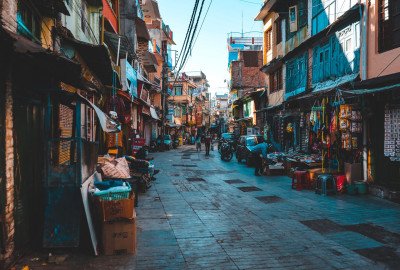
:The Anandamayi Maa Ashram in Kankhal is a profoundly sacred spiritual center dedicated to the revered saint, Sri Anandamayi Ma (born April 30, 1896 – passed away August 27, 1982). Often referred to as 'Joy-Permeated Mother,' she was a renowned Bengali mystic and spiritual figure whose teachings attracted followers from all over the world. The ashram, established and frequently visited by Maa Anandamayi herself, serves as a major pilgrimage site and a center for learning and spiritual practice. The complex is known for its serene and powerful spiritual energy. The most significant structure is the Samadhi Mandir, a shrine where her mortal remains are interred, built in a simple yet elegant white marble. The ashram complex includes various points of interest such as the Rudraksha Tree, the Gayatri Yagnashala, the Ati Rudra Yagnashala (site of a major Yagna in 1981), the Annapurnasthal (community kitchen), the Shankaracharya Hall, a school (Ma Anandamayi Vidyapeeth), and a museum dedicated to her life and teachings. The place maintains a beautiful, pristine environment, fostering a deep sense of peace and devotion. It is not just a place of worship but a living tribute to a modern spiritual master, where her mystic chants and teachings are still recited by resident devotees. The continuous lighting of an Akhand Diya (eternal lamp) adds to the sacred ambiance.
Card image cap
Bara Bazaar

:Bara Bazaar, meaning "Big Market," is the oldest, busiest, and most famous marketplace in Haridwar, located just behind the sacred Har Ki Pauri ghat....

:Bara Bazaar, meaning "Big Market," is the oldest, busiest, and most famous marketplace in Haridwar, located just behind the sacred Har Ki Pauri ghat. It is not merely a shopping street but a vibrant cultural and spiritual hub, reflecting the traditional heart of the city. The market meanders through narrow, bustling lanes, offering a rich, sensory experience where the scent of incense, flowers, and local sweets mixes with the constant chatter of vendors and pilgrims. The bazaar is the ultimate one-stop destination for pilgrims, offering all religious paraphernalia required for rituals on the Ganga. Beyond religious items, it is also a center for traditional Indian knowledge and wellness, featuring numerous shops selling genuine Ayurvedic products, herbal medicines, organic oils, and various health-related remedies. For food lovers, it is famous for local delicacies, especially the Mathura Pedas and various milk-based sweets. Many shops here are centuries old, passed down through generations, serving pilgrims for hundreds of years. The market becomes an electrifying spiritual fair during major events like the Kumbh Mela, hosting sadhus and millions of visitors. It is an essential stop for anyone wanting to capture the true, vibrant local flavor of Haridwar.
Card image cap
Bharat Mata Mandir

:The Bharat Mata Mandir, or "Mother India Temple," is a unique and monumental temple dedicated not to a traditional Hindu deity, but to the nation of ...

:The Bharat Mata Mandir, or "Mother India Temple," is a unique and monumental temple dedicated not to a traditional Hindu deity, but to the nation of India itself, personified as Bharat Mata. It was conceptualized and founded by the renowned Hindu spiritual teacher Swami Satyamitranand Giri and inaugurated in 1983. Standing 180 feet tall with eight stories, the temple is a powerful symbol of patriotism, national unity, and religious harmony. Each of its eight floors is dedicated to a specific theme, honoring various facets of Indian identity: the first floor to Bharat Mata herself, the second (Shoor Mandir) to India's brave heroes and freedom fighters, the third (Matru Mandir) to revered women of India (like Meera Bai and Savitri), the fourth to prominent saints and philosophers, and the fifth to the peaceful coexistence of all Indian religions. The sixth and seventh floors honor different manifestations of Goddess Shakti and incarnations of Lord Vishnu, respectively, while the eighth floor features a shrine to Lord Shiva and offers panoramic views of the city and the surrounding mountains. The temple aims to transcend all barriers of caste, creed, and language, celebrating India's rich heritage and the sacrifices made for its freedom.
Card image cap
Bhimgoda Tank

:Bhimgoda Tank is a significant water body in Haridwar that beautifully merges ancient Hindu mythology with modern hydraulic engineering. It is named ...

:Bhimgoda Tank is a significant water body in Haridwar that beautifully merges ancient Hindu mythology with modern hydraulic engineering. It is named after Bhima, the second of the five Pandava brothers from the epic Mahabharata. Legend holds that when the Pandavas were passing through Haridwar on their way to the Himalayas, Bhima, feeling thirsty, pressed his knee (Goda) powerfully into the ground, causing water to gush out and form a natural pool (Kund). In the modern era, the tank plays a crucial role in regulating the flow of the Ganga River into the Upper Ganga Canal via the Bhimgoda Headworks (Barrage). This modern infrastructure has amplified the natural beauty of the area. The site is characterized by an expansive, well-maintained surrounding area featuring lush green flower gardens, multiple artificial fountains, and small, swift-moving canals, transforming the mythological site into a significant tourist attraction. It offers a calm, scenic spot for visitors and pilgrims to relax, away from the intense crowds of the main ghats. The pleasant atmosphere and the combination of spiritual history and natural beauty make it a must-visit for a peaceful pause during a Haridwar trip. The sound of flowing water and the sight of manicured lawns provide mental peace and a break from the pressures of daily life.
Card image cap
Bilkeshwar Mahadev Temple

:The Bilkeshwar Mahadev Temple is an ancient and highly revered shrine dedicated to Lord Shiva and his consort, Goddess Parvati. It holds immense myth...

:The Bilkeshwar Mahadev Temple is an ancient and highly revered shrine dedicated to Lord Shiva and his consort, Goddess Parvati. It holds immense mythological significance as it is believed to be the exact spot where Goddess Parvati performed rigorous penance (Tapasya) to win Lord Shiva as her husband. Legend states that during her austerity, she sustained herself only on the leaves (Patra) of the Bel (Bilva) tree, which grows abundantly in the area, hence the name Bilkeshwar. The temple is nestled in the serene valley of Bilva Parvat, one of the three peaks associated with the worship of the Divine Mother (Shakti) in Haridwar (the others being Mansa Devi on Bilwa Parvat and Chandi Devi on Neel Parvat). The atmosphere is exceptionally peaceful and divine, surrounded by small hills and forested areas, providing a sense of seclusion despite its proximity to the city center. Another significant feature is the nearby Gauri Kund, a sacred pond where Goddess Parvati is believed to have bathed and drawn water. It is a powerful site where devotees come to seek blessings for a good marital life, fulfillment of desires, and spiritual boons from Lord Shiva. The temple's modest size and quiet location contribute to a feeling of deep, traditional reverence.
Card image cap
Birla Ghat

:Birla Ghat is a beautiful, serene, and ancient bathing ghat situated on the banks of the holy River Ganga in Haridwar. It is one of the city's import...

:Birla Ghat is a beautiful, serene, and ancient bathing ghat situated on the banks of the holy River Ganga in Haridwar. It is one of the city's important ghats, constructed and maintained by the renowned Birla industrial family, known for their philanthropic contributions to religious sites across India. The ghat is positioned adjacent to Vishnu Ghat and offers a tranquil alternative to the intense crowds and activity of the main Har Ki Pauri ghat. A wide flight of stone steps leads gently down to the sacred waters, allowing devotees to take a ritual dip (Ganga Snan) to purify their sins, a fundamental belief in Hinduism. Unlike some of the heavily commercialized ghats, Birla Ghat maintains a pristine and more peaceful environment. It is frequented by those who seek a quieter, more personal connection with the Ganga Mata. For safety, the ghat is equipped with iron chains and security barriers installed in the water to prevent people from being swept away by the strong river currents, a standard safety measure at many Haridwar ghats. The presence of smaller shrines dedicated to various deities adds to the spiritual sanctity. It is an ideal location for witnessing the sacredness of the Ganga in a calm setting and observing local rituals in a less hurried atmosphere. The area around the ghat also has a few food joints, providing simple refreshments.
Card image cap
Chandi Devi Temple

The Chandi Devi Temple is a famous Hindu temple on the eastern summit of the Sivalik Hills (Neel Parvat) built in 1929 by the King of Kashmir, Suchat ...

The Chandi Devi Temple is a famous Hindu temple on the eastern summit of the Sivalik Hills (Neel Parvat) built in 1929 by the King of Kashmir, Suchat Singh. The main idol, however, is believed to have been installed in the 8th century by Adi Shankaracharya. It is revered as a Siddh Peetha, where desires are believed to be fulfilled, making it one of the three such sacred sites in Haridwar, alongside Mansa Devi and Maya Devi Temples. The temple's location at an altitude of 884 meters offers breathtaking panoramic views of Haridwar and the Ganga River. The legend states that Goddess Chandi, a form of Goddess Durga, rested here after slaying the demons Shumbh and Nishumbh on the hill. The journey to the top is an experience in itself, with the option of a trek or the popular Chandi Devi Udankhatola ropeway (cable car). The temple complex is a significant pilgrimage center, especially during the festivals of Chandi Chaudas and Navratri, drawing thousands of devotees who seek the Goddess's blessings for prosperity and fulfillment. The serene yet elevated location provides a powerful spiritual ambiance, combining natural beauty with deep religious sanctity. Adjacent to the main temple is the shrine of Anjana, the mother of Lord Hanuman, further enriching the pilgrimage experience. The temple's simple yet commanding presence symbolizes the powerful protective energy of the Goddess. The entire area is considered a highly sacred pilgrimage circuit within the greater Haridwar region. (Approx. 180 words)
Card image cap
Crystal World

Crystal World is a comprehensive amusement and water park located strategically on the Dehradun-Haridwar Highway, offering a perfect blend of water-ba...

Crystal World is a comprehensive amusement and water park located strategically on the Dehradun-Haridwar Highway, offering a perfect blend of water-based and land-based thrilling rides for all ages. It is one of the biggest parks in the region, featuring over 40 water and thrill experiences, including high-speed slides, a large Wave Pool, a relaxing Lazy River, and dedicated Kiddie Pools. The amusement section includes rides like a Dragon Coaster, Free Bee, and Rotary Octopus Ride. The park is also notable for introducing new-generation attractions, such as the Celebrity Museum and an Interactive Art Museum, catering to diverse visitor interests beyond just rides. The park emphasizes high safety standards, using internationally approved equipment and having trained lifeguards on duty. It is a popular weekend getaway for families, friends, and school groups looking for a break from the spiritual focus of Haridwar. The wide-ranging attractions, combined with a large food court offering various cuisines, make it a complete entertainment destination. Its location near the Golden Triangle of Uttarakhand (Dehradun, Haridwar, and Rishikesh) makes it easily accessible by road. It is often lauded for its clean, filtered water in the pools and a pleasant ambiance surrounded by greenery. (Approx. 180 words)
Card image cap
Daksha Mahadev Temple

The Daksha Mahadev Temple, also known as Daksheshwar Mahadev Temple, is a revered sanctuary dedicated to Lord Shiva, located in the ancient town of Ka...

The Daksha Mahadev Temple, also known as Daksheshwar Mahadev Temple, is a revered sanctuary dedicated to Lord Shiva, located in the ancient town of Kankhal. Its historical significance is rooted in the pivotal Hindu mythological event of Daksha Yajna. According to the Shiva Purana, King Daksha Prajapati, the father of Goddess Sati, organized a great sacrifice (Yajna) but deliberately insulted Lord Shiva by not inviting him. Unable to bear the insult to her husband, Sati self-immolated herself in the Yajna fire (the site known as Sati Kund). The grief-stricken and enraged Lord Shiva then unleashed his terrifying warrior Virbhadra, who destroyed the Yajna and beheaded Daksha. Later, upon the request of other Gods, Shiva resurrected Daksha but replaced his head with that of a goat, restoring the Yajna. The current structure of the temple was built by Queen Dhankaur in 1810 and has undergone several renovations. The temple complex houses the revered Shiv Lingam, the Sati Kund, and a large, ancient Banyan Tree. Its location near the Ganga River also features the Daksha Ghat, where pilgrims take a holy dip. It is a vital pilgrimage site, particularly during the holy month of Saavan and on Maha Shivaratri, attracting millions of devout followers of Lord Shiva. (Approx. 180 words)
Card image cap
Doodhadhari Barfani Temple

The Doodhadhari Barfani Temple is a prominent, visually stunning temple complex located within the Doodhadhari Barfani Baba Ashram. It is primarily de...
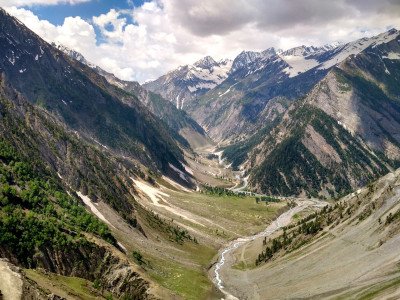
The Doodhadhari Barfani Temple is a prominent, visually stunning temple complex located within the Doodhadhari Barfani Baba Ashram. It is primarily dedicated to Lord Hanuman and the divine pair of Ram and Sita. The temple's fame stems from its exceptionally intricate and appealing architecture, which utilizes pure white marble extensively for both its interiors and exteriors. This use of white marble gives it a unique, majestic look, often compared to the pristine, snow-covered mountains, hence the name "Barfani" (of snow). The complex is comprised of several smaller shrines dedicated to various other Hindu deities, making it a comprehensive spiritual hub. The exquisite craftsmanship, featuring fine marble relief work and detailed carvings, sets it apart from many other temples in Haridwar. The temple also maintains lush, well-kept gardens that enhance the tranquility and beauty of the surroundings, providing a serene environment for worship and meditation. It is situated conveniently on the Haridwar-Rishikesh Highway (NH 58), making it easily accessible for pilgrims traveling between the two holy cities. Devotees hold a strong belief that visiting this Ram-Sita shrine fulfills their desires and brings spiritual peace, contributing to its popularity among both tourists and locals. The serene ambiance combined with the brilliant white structure makes it a beautiful sight. (Approx. 180 words)
Card image cap
Fun Valley Water Park

Fun Valley Water Park is a popular entertainment complex situated on the main Dehradun-Haridwar Highway (NH 72), specifically at Lal Tappar. Its strat...

Fun Valley Water Park is a popular entertainment complex situated on the main Dehradun-Haridwar Highway (NH 72), specifically at Lal Tappar. Its strategic location between Dehradun and Haridwar makes it a frequent leisure stop for travelers in the region. The park is a combination of both a water park and an amusement park, offering over 20 thrilling rides. Key attractions include a variety of multi-lane water slides, the massive Wave Pool, a soothing Lazy River for relaxed floating, and a dedicated Rain Dance Zone. The amusement park section features land-based thrills such as Go-Karting, Dodgem Cars (Bumping Cars), and the Dragon Coaster. It is known for its spacious layout and modern facilities, including a multi-cuisine food court and ample parking space. The park adheres to international safety standards, with its water slides manufactured by leading companies, and the entire area is monitored by skilled lifeguards and security personnel. Fun Valley serves as a refreshing, non-religious, family-friendly destination, offering a complete day of fun, especially during the hot summer months from March to June. It provides a perfect contrast to the spiritual atmosphere of Haridwar, allowing visitors to enjoy recreational activities amidst the scenic backdrop of the surrounding mountains and green spaces. (Approx. 180 words)
Card image cap
Ganga Aarti Sthal

Har Ki Pauri, which literally means "The Footsteps of the Lord," is the most sacred and famous ghat (a flight of steps leading to a river) on the bank...

Har Ki Pauri, which literally means "The Footsteps of the Lord," is the most sacred and famous ghat (a flight of steps leading to a river) on the banks of the Ganges in Haridwar. The particular spot where the evening prayer takes place is known as Brahmakund and is considered the most sanctified point. According to Hindu mythology, it is believed to be the spot where a drop of Amrit (nectar of immortality) fell during the Samudra Manthan (churning of the cosmic ocean) carried by the celestial bird, Garuda. It is also believed that Lord Vishnu and Lord Shiva visited this spot in the Vedic times, with a visible footprint on a stone wall being attributed to Lord Vishnu. The primary attraction is the spectacular Ganga Aarti performed every evening, a mesmerizing ritual where large oil lamps (deepams) are offered to the river Goddess Ganga by a group of priests, accompanied by rhythmic chanting and the ringing of temple bells. Taking a holy dip (Ganga Snaan) at Har Ki Pauri is considered highly auspicious, believed to wash away sins and grant Moksha (salvation). The tradition of the Ganga Aarti here was revived and popularized by Madan Mohan Malviya in 1916. The ghat is the epicenter of all religious activities in Haridwar and is the main site for the Kumbh Mela every 12 years. (Approx. 180 words)
Card image cap
Gau Ghat

Gau Ghat is one of the important and historically significant ghats along the Ganges river in Haridwar, located adjacent to the more popular Subhash G...

Gau Ghat is one of the important and historically significant ghats along the Ganges river in Haridwar, located adjacent to the more popular Subhash Ghat. The name "Gau Ghat" translates to "Cow Ghat," and it derives its name from the traditional belief that taking a dip at this ghat can cleanse a person of the sin of cow slaughter (Gau Hatya), which is considered one of the gravest sins in Hinduism. While this spiritual belief is central to its name, Gau Ghat holds a profound historical significance in modern Indian history. It is the sacred location where the ashes of several prominent national leaders, including Mahatma Gandhi, Jawaharlal Nehru, and Indira Gandhi, were immersed in the holy river Ganga. This ritual immersion (Asthi Visarjan) gives the ghat a unique status as a site of national commemoration and spiritual solace. Unlike the bustling Har Ki Pauri, Gau Ghat is generally less crowded, offering a quieter and more contemplative environment for pilgrims and visitors. It is a preferred location for conducting Shraddha ceremonies and other post-death rituals for loved ones. Its serene atmosphere allows for a deeper personal connection with the river and the performance of rituals away from the main tourist rush. (Approx. 180 words)
Card image cap
Gauri Shankar Mahadev Temple

@@Spiritual Importance: This temple is a revered sanctuary dedicated to Lord Shiva (Shankar) and his consort Goddess Parvati (Gauri). It serves as a p...

@@Spiritual Importance: This temple is a revered sanctuary dedicated to Lord Shiva (Shankar) and his consort Goddess Parvati (Gauri). It serves as a peaceful counterpoint to the more crowded central temples of Haridwar. Located on the way to the Chandi Devi Temple, it offers a serene environment with the backdrop of the Shivalik Hills, embodying the tranquil aspect of the divine couple. @@Pilgrimage Beliefs: Devotees believe that visiting here before or after the arduous climb to Chandi Devi completes a cycle of worship, granting blessings for a successful life and marriage. The temple complex is not vast but is beautifully maintained, offering a calming space for meditation and prayer. It is frequented by local devotees and pilgrims undertaking the Char Dham Yatra. @@The Ambiance: The air around the temple is filled with the scent of incense and flowers, providing an ideal setting for spiritual contemplation away from the city's hustle. The design, though modest, radiates a profound sense of devotion. @@Accessibility: Its location on the main road to the hill-top temple makes it easily accessible, serving as a significant stop on the pilgrim circuit. The temple is especially vibrant during the holy month of Shravan and Maha Shivaratri when thousands of devotees visit to offer prayers and holy water (Ganga Jal) to the Shivling. The temple beautifully represents the harmony and eternal bond between Gauri and Shankar: End.
Card image cap
Geeta Bhawan

@@Introduction to Gita Bhawan: This extensive ashram, located in Swargashram, Rishikesh, is a key part of the Gita Press network, famous for publishin...

@@Introduction to Gita Bhawan: This extensive ashram, located in Swargashram, Rishikesh, is a key part of the Gita Press network, famous for publishing Hindu scriptures. Though strictly in Rishikesh, it is a fundamental stop on the spiritual journey from Haridwar. It provides basic, often free, accommodation (Dharmashala) for thousands of pilgrims, fostering a communal environment focused on spiritual study and simple living. @@Focus on Scriptures: The walls are inscribed with teachings and verses from the Bhagavad Gita and other epics, turning the entire complex into a living, open-air scriptural museum. It features a massive bookstore selling religious texts at subsidized rates. @@Holistic Approach: Beyond worship, it hosts a free Ayurvedic dispensary that prepares traditional medicines using Himalayan herbs and Ganga water. The core purpose is to spread the knowledge of the Gita and promote a righteous, simple life of devotion (Satsang). @@Daily Life: The daily routine revolves around community prayers, discourses (Pravachans), and group chanting. The ashram’s vast size includes temples, a dining hall, and dedicated Ghats for ritual bathing in the Ganga. It represents a traditional, uncommercialized spiritual experience for serious seekers, especially during the Summer Satsang programs in May and June: End.
Card image cap
Har Ki Pauri

@@The Spiritual Nexus of Haridwar: Har Ki Pauri, meaning 'The Footsteps of the Lord' (Hari), is the most sacred ghat in Haridwar and is considered the...

@@The Spiritual Nexus of Haridwar: Har Ki Pauri, meaning 'The Footsteps of the Lord' (Hari), is the most sacred ghat in Haridwar and is considered the geographical and spiritual heart of the city. It is the location where a drop of Amrit (the elixir of immortality) is believed to have fallen during the Samudra Manthan, making the water here exceptionally holy. @@Brahmakund: The central area of the ghat, known as Brahmakund, is where the magnificent evening Ganga Aarti is performed. Pilgrims take a holy dip in the swiftly flowing Ganga here, which is believed to wash away all sins and grant Moksha (salvation). @@Historical Context: The ghat was built by King Vikramaditya in the 1st century BC in memory of his brother, Bhartrihari. A visible footprint on a stone wall is traditionally believed to belong to Lord Vishnu, cementing the ghat's sacred status. @@Cultural Significance: As the site of the colossal Kumbh Mela (held every 12 years) and Ardh Kumbh Mela (every 6 years), it draws tens of millions of devotees, making it one of the most significant pilgrimage sites in the world. The atmosphere is perpetually charged with devotion, bustling with priests (Purohits), vendors, and pilgrims year-round: End.
Card image cap
Jai Ram Ashram

@@Establishment and Philanthropy: Founded by Adi Guru Sri Jai Ram Maharaj in 1891, Jai Ram Ashram is renowned not just as a place of lodging but as a ...

@@Establishment and Philanthropy: Founded by Adi Guru Sri Jai Ram Maharaj in 1891, Jai Ram Ashram is renowned not just as a place of lodging but as a major philanthropic institution. It is famous for conducting regular charitable activities like free eye camps, medical checkups, and community marriages for the underprivileged. @@Art and Mythology: The ashram is architecturally and artistically significant, featuring striking, large white plaster sculptures and dioramas depicting scenes from Hindu mythology. The most famous is the enormous, dynamic depiction of the Samudra Manthan (The Churning of the Ocean) on the front facade, a must-see for visitors. @@The Atmosphere: Located near Bhimgoda, slightly away from the immediate bustle of Har Ki Pauri, it offers a tranquil environment with well-maintained gardens and fountains. Pilgrims often choose to stay here due to its clean, economical accommodation and peaceful surroundings. @@A Visual Treat: Unlike many temples that use vibrant colors, the ashram’s statues are distinctively rendered in pristine white, providing a striking visual appeal, especially when illuminated at night. It beautifully preserves and showcases the heritage and stories of Haridwar in an accessible artistic format: End.
Card image cap
Kamleshwar Temple

@@The Legends of Kankhal: While the larger Kamleshwar Temple is in Srinagar, the one in Kankhal is an ancient and locally revered shrine dedicated to ...

@@The Legends of Kankhal: While the larger Kamleshwar Temple is in Srinagar, the one in Kankhal is an ancient and locally revered shrine dedicated to Lord Shiva. It is mentioned in the Skanda Purana, linking it to the period of Lord Rama. One prominent legend associated with a temple of this name recounts Lord Vishnu worshipping Shiva with one thousand lotuses. When Shiva tested him by hiding one, Vishnu prepared to replace it with one of his own eyes (Kamal Nayan), which gave the temple its name. @@Spiritual Fulfillment: The temple is especially significant for couples seeking the blessing of a child. A unique rite, the standing lamp ceremony on Kartik Shukla Chaturdashi, draws thousands of devotees who stay awake holding lamps to seek this blessing. @@Architectural Simplicity: The local Kankhal temple is characterized by a humble, traditional North Indian architecture, focused more on spiritual energy than grand ornamentation. It houses an ancient Shivling, believed to be much older than the present structure. @@Pilgrim’s Stop: It forms an essential part of the pilgrimage circuit in Kankhal, which is considered one of the most sacred towns in the Haridwar region, along with Haridwar proper and Mayapur: End.
Card image cap
Kankhal

@@The Great Sacrifice: This temple is arguably the most historically and mythologically charged site in Haridwar, being the place where King Daksha Pr...

@@The Great Sacrifice: This temple is arguably the most historically and mythologically charged site in Haridwar, being the place where King Daksha Prajapati performed his great fire sacrifice (Yagna). The myth states that Daksha, father of Goddess Sati (Lord Shiva’s first wife), insulted Shiva by not inviting him to the sacrifice. Sati, unable to bear the insult to her husband, immolated herself in the Yagna Kunda (fire pit) here. @@Shiva's Wrath: This act provoked Lord Shiva's fierce rage. He sent Virabhadra and Bhadrakali who destroyed the sacrifice and beheaded Daksha, who was later resurrected with a goat's head. The site is one of the Shakti Peethas where Sati's body parts are believed to have fallen. @@Present Structure: The current temple structure was built by Queen Dhankaur of Landaura in 1810 and has been rebuilt since. It houses a Shivlingam representing the spot where the incident occurred. @@Adjacent Shrines: The complex also includes the Das Mahavidya Temple (dedicated to the ten forms of the Goddess) and the Daksha Ghat on the Ganga, making it a comprehensive site of Shaiva and Shakta worship: End.
Card image cap
Kushavarta Ghat

@@The Site for Ancestral Rites: Kushavarta Ghat is one of the most sacred and ancient bathing ghats in Haridwar, primarily renowned for performing the...

@@The Site for Ancestral Rites: Kushavarta Ghat is one of the most sacred and ancient bathing ghats in Haridwar, primarily renowned for performing the Shraddh ceremony and other last rituals for the deceased ancestors. Its name is linked to the belief that the revered Sage Dattatreya performed intense penance here standing on one foot, using a sacred reservoir (Kusha Varta). @@Pitru Paksha Significance: It gains exceptional importance during the Pitru Paksha (a fortnight dedicated to ancestors in September–October) when thousands of pilgrims flock here to perform rituals like Pind Daan, believing it grants ultimate salvation (Moksha) to their departed ancestors. @@Queen Ahilyabai Holkar’s Legacy: The present stone structure of the ghat was constructed in the 18th Century by the great Maratha Queen Ahilyabai Holkar of Indore, who undertook the construction and renovation of many religious sites across India. This architectural patronage cemented its legacy. @@A Tranquil Space: Though solemn, the ghat offers a relatively tranquil atmosphere compared to the bustling Har Ki Pauri, making it suitable for quiet contemplation and the performance of specific, deeply personal rites: End.
Card image cap
Lal Mata Mandir

The Lal Mata Mandir, also widely known as the Vaishno Devi Temple of Haridwar, is a relatively modern but immensely popular spiritual site dedicated t...

The Lal Mata Mandir, also widely known as the Vaishno Devi Temple of Haridwar, is a relatively modern but immensely popular spiritual site dedicated to Maa Vaishno Devi. Built on an artificial hillock to intricately replicate the holy cave shrine of Vaishno Devi in Katra, Jammu and Kashmir, it offers pilgrims a simulated experience of the challenging original pilgrimage in a more accessible location. The temple complex is a vibrant and colorful establishment that houses multiple deities of the Hindu pantheon, including a unique idol of Maa Vaishno Devi in her full glory. The temple is famed for its captivating interiors, which feature long, winding cave passages that devotees must navigate, giving it the local name Gufa Wala Mandir (Cave Temple). This immersive journey through the cave is considered spiritually significant and enhances the feeling of a true pilgrimage. The temple complex is well-maintained and provides amenities for devotees, including a notable feature of having eighty-six free accommodation rooms for visiting pilgrims, highlighting its community-focused charitable nature. The spiritual atmosphere is charged with devotion, especially during major festivals, making it a significant landmark for pilgrims seeking the blessings of the Divine Mother without undertaking the arduous journey to the original shrine. The temple’s location on the Sapt Sarovar Road makes it a convenient stop for tourists visiting other major ashrams and temples in the Bhupatwala area. The temple's detailed sculptures and representations of mythological events from the Ramayana and Mahabharata are a major draw for visitors interested in Hindu culture and art.
Card image cap
Mansa Devi Temple

The Mansa Devi Temple is one of the most sacred and ancient temples in Haridwar, nestled atop the Bilwa Parvat of the Shivalik Hills. It is revered as...

The Mansa Devi Temple is one of the most sacred and ancient temples in Haridwar, nestled atop the Bilwa Parvat of the Shivalik Hills. It is revered as one of the three Siddh Peethas (places where wishes are fulfilled) in the region, along with the Chandi Devi Temple and the Maya Devi Temple. Dedicated to Goddess Mansa Devi, who is believed to have emerged from the mind of Lord Shiva and is worshipped as the Goddess of Snakes (Nagas), the temple is a spiritual powerhouse. The name Mansa is derived from 'Manasa' (wish), signifying her ability to grant the earnest desires of her devotees. A unique ritual performed here is the tying of a sacred thread (sutra) to the branches of an ancient tree within the temple premises while making a wish; devotees return to untie the thread upon the wish's fulfillment. This tradition draws thousands of pilgrims daily. The temple houses two principal forms of the Goddess: one with eight arms and another with three heads and five arms. The journey to the temple is an experience in itself, offering devotees a choice between a picturesque trek uphill or a scenic cable car ride (Mansa Devi Udan Khatola), providing breathtaking panoramic views of the entire Haridwar city and the meandering Ganga River below. The temple was historically established between 1811 and 1815 by Maharaja Gopal Singh of Manimajra, built upon the site where local legends say a cow once offered milk to three holy stones, which were revealed to be the divine shilas imbued with Sati's essence.
Card image cap
Maya Devi Temple

@@Sacred Significance: The Maya Devi Temple is one of the three Siddhpeeths (places where wishes are fulfilled) and is a prominent Shaktipeeth. Legend...

@@Sacred Significance: The Maya Devi Temple is one of the three Siddhpeeths (places where wishes are fulfilled) and is a prominent Shaktipeeth. Legend holds that the heart and navel of Goddess Sati fell here when Lord Shiva was carrying her corpse, elevating its spiritual status. The original name of Haridwar, Mayapuri, is derived from the presiding deity, Goddess Maya Devi, who is considered the Adhisthatri (patron goddess) of the city. @@Deities and Inner Sanctum: The inner sanctum houses three primary idols: Goddess Maya Devi (four-armed, three-headed) in the center, Goddess Kali on the left, and Goddess Kamakhya on the right. Two other goddesses, manifestations of Shakti, are also present. It is an ancient and powerful center for divine feminine worship. @@History and Preservation: Dating back to the 11th century, the temple is one of the three oldest temples still intact in Haridwar. Pilgrims flock here throughout the year, especially during the holy Navaratri festival, to seek blessings for fulfillment of desires and spiritual strength, highlighting its enduring importance in Hindu mythology and pilgrimage circuits. @@Spiritual Triangle: This temple forms a crucial vertex of the Siddhapeeth Triangle in Haridwar, along with Mansa Devi Temple and Chandi Devi Temple, making a pilgrimage to all three highly meritorious. Bold font used for proper nouns.:
Card image cap
Neel Dhara Pakshi Vihar

@@Location and Environment: The Neel Dhara Pakshi Vihar is a crucial part of the larger Rajaji National Park and is situated at the serene stretch of ...

@@Location and Environment: The Neel Dhara Pakshi Vihar is a crucial part of the larger Rajaji National Park and is situated at the serene stretch of the Ganga river known as Neel Dhara, near the Bhimgoda Barrage. This specific location provides an ideal, tranquil habitat with abundant flora and fauna for migratory bird species. @@Avian Hotspot: It is a celebrated bird-watching spot, famous globally for attracting thousands of migratory birds, particularly during the winter months. The sight of these diverse species against the backdrop of the Shivalik mountain range is breathtaking. @@Key Species: The sanctuary is most famous for sighting the endangered Siberian Crane, which migrates here from colder climates. Other major bird species include Painted Storks, Black Ibises, Asian Openbill Storks, and various local wading birds and cormorants. @@Nature and Conservation: Beyond being a tourist attraction, the Vihar is dedicated to avian biodiversity conservation through habitat preservation, population monitoring, and environmental education. It supports eco-tourism, allowing visitors to connect with nature responsibly. Bold font used for proper nouns.:
Card image cap
Parad Shivling

@@Unique Composition: The Parad Shivling is a unique and spiritually significant idol of Lord Shiva made entirely of Parad (solidified mercury). It is...

@@Unique Composition: The Parad Shivling is a unique and spiritually significant idol of Lord Shiva made entirely of Parad (solidified mercury). It is housed within the serene premises of Harihar Ashram in the historic town of Kankhal, which is an important suburb of Haridwar. @@Weight and Scale: The Shivling is phenomenal, reportedly weighing approximately 150 Kilograms. The sheer size and the esoteric material used in its creation attract devotees and scholars alike, as the purification and solidification of mercury for ritual use is a complex Ayurvedic and Tantric process. @@Spiritual Significance: Parad is believed to have powerful spiritual and healing properties, and worshipping a Shivling made of it is considered highly auspicious, granting blessings and potentially curing various ailments. It is often linked to the myth of Shiva marrying Shakti. @@Ashram Complex: The surrounding Harihar Ashram complex is a tranquil space that also contains the Maha Mrityunjaya Mandir (dedicated to Lord Shiva as the Conqueror of Death) and a sacred, ancient Rudraksha tree. The Rudraksha beads from this tree are highly sought after for their healing reputation. Bold font used for proper nouns.:
Card image cap
Patanjali Yogpeeth

@@Vision and Mission: Patanjali Yogpeeth is a world-renowned medical and research institute established in 2006 by Baba Ramdev and Acharya Balkrishna....

@@Vision and Mission: Patanjali Yogpeeth is a world-renowned medical and research institute established in 2006 by Baba Ramdev and Acharya Balkrishna. Its primary mission is to promote Yoga and Ayurveda globally as a path to peace, good health, and happiness, offering a holistic alternative to allopathic medicine. @@Facilities: The campus is massive, divided into Phases I and II, and boasts world-class facilities. This includes large, modern Yoga Halls, an extensive Ayurvedic Hospital offering free consultation and treatments, advanced research laboratories, accommodation blocks (AC and non-AC), and a vast Herbal Garden containing hundreds of medicinal plants. @@Educational and Research Hub: It is the headquarters of various educational wings, including Patanjali University and institutes dedicated to research in Yoga and Ayurveda. Visitors can learn about the latest findings and attend lectures. @@Activities for Visitors: Guests can receive free Ayurveda consultations, undergo therapeutic treatments, attend regular Yoga and meditation classes, and shop for Patanjali's extensive range of consumer and medicinal products at the factory outlet. Bold font used for proper nouns.:
Card image cap
Pawan Dham

@@A Modern Marvel: Pawan Dham is a relatively modern Hindu temple, founded by Swami Vedantanand Ji Maharaj, and is one of Haridwar's most unique and v...

@@A Modern Marvel: Pawan Dham is a relatively modern Hindu temple, founded by Swami Vedantanand Ji Maharaj, and is one of Haridwar's most unique and visually stunning attractions. It is managed by the Geeta Bhawan Trust Society. @@Artistic Distinction: The temple is famed worldwide for its extraordinary use of glasswork and intricate mirror embellishments that adorn almost every surface, both internally and externally. This distinctive architecture gives it the nickname 'Glass Temple.' @@Idol Showcase: The interior houses several magnificent idols (Murtis) of various Hindu deities, but it is particularly noted for a gorgeous, life-like idol of Lord Krishna preaching the Bhagavad Geeta to Arjuna in his chariot, and a central idol of Lord Hanuman. @@Visual Splendor: The vibrant colors, fine craftsmanship, stunning murals depicting scenes from the Ramayana and Mahabharata, and the dazzling reflections created by the mirrored walls make it feel like a jeweled palace, contrasting sharply with the traditional stone temples of Haridwar. Bold font used for proper nouns.:
Card image cap
Piran Kaliyar Sharif

@@ Significance of Piran Kaliyar : Piran Kaliyar Sharif is the world-renowned dargah of the 13th-century Sufi saint Hazrat Alauddin Ali Ahmed Sabir Ka...

@@ Significance of Piran Kaliyar : Piran Kaliyar Sharif is the world-renowned dargah of the 13th-century Sufi saint Hazrat Alauddin Ali Ahmed Sabir Kaliyari. He was the nephew and disciple of the famous saint Baba Farid and is a central figure in the Chishti order of Sufism. The shrine is situated on the banks of the Ganga Canal and is a shining example of communal harmony, as it is visited by both Muslims and Hindus with equal devotion. The atmosphere here is deeply mystical, with the air often filled with the soul-stirring sounds of Qawwali and the smell of fresh rose petals. It is believed that the saint possessed immense spiritual powers, and even today, people come from far and wide to seek his blessings for the fulfillment of their wishes. The complex is not just a religious site but a place of healing where people find solace from their mental and physical ailments. The surrounding village of Kaliyar has grown around the shrine, maintaining a traditional and rustic charm that transports visitors back in time. It is a place where the ego is shed at the door, and every pilgrim is treated as a guest of the saint.
Card image cap
Prem Nagar Ashram

@@Founding and Development: Prem Nagar Ashram, meaning 'City of Love,' was established in 1944 by Yogiraj Satgurudev Shri Hans Ji Maharaj and was furt...

@@Founding and Development: Prem Nagar Ashram, meaning 'City of Love,' was established in 1944 by Yogiraj Satgurudev Shri Hans Ji Maharaj and was further developed by his successors, Jagat Janani Shri Mata Ji and Shri Satpal Ji Maharaj. It is a major spiritual center dedicated to the twin ideals of selfless service and meditation. @@Peaceful Oasis: Located on Jwalapur Road, between Haridwar, Kankhal, and Jwalapur, it is a large, serene complex known for its lush green gardens, peaceful atmosphere, and spiritual energy, providing a retreat for Satsang and inner contemplation. @@Govardhan Hall: The ashram houses the impressive Govardhan Hall, one of the largest column-free halls in Asia, specifically designed to accommodate over 25,000 people for Satsang (spiritual discourses) and meditation, showcasing modern engineering prowess for spiritual purposes. @@Facilities and Activities: The sprawling campus offers modern accommodation (nearly 1000 well-furnished AC/Non-AC rooms), a Gaushala (cow shelter), a temple, and various unique spots like the Panch Pallav tree and a musical fountain. Daily activities include Bhajans, Kirtans, Yoga classes, and free medical checkups for the needy. Bold font used for proper nouns.:
Show All

Note:-

Information provided here in good Faith and for reference only.

All information and pictures will be updated soon, please keep visiting.

Near Places
in Other Cities