...

Place To Visit And Things To Do In Haryana

India, Haryana, India
Geographical Tourism Overview: Haryana is a vibrant land characterized by the Shivalik Hills in the north and the Aravalli Range in the south. The state is divided into 22 districts and serves as a vital bridge between the national capital and the fertile plains of Punjab. The Yamuna river marks its eastern border, creating a lush agricultural belt that contrasts with the semi-arid regions of the west. It is a state where ancient Vedic history meets the rapid modernization of the National Capital Region. Tourists can witness a diverse landscape that transitions from rolling hills to vast golden wheat fields within just a few hours of travel. Administrative Tourism Structure: For administrative ease and tourism development, Haryana is organized into six major divisions including Ambala, Gurugram, and Hisar. The Haryana Tourism Corporation manages numerous highway resorts and tourist complexes that are named after local birds, such as Blue Jay and Kingfisher. These hubs are strategically placed to provide modern amenities like medical facilities, hospitality, and quality dining to travelers. The state government focuses heavily on Heritage, Eco, and Adventure Tourism to ensure a balanced experience for every visitor. Administrative offices in Chandigarh coordinate the maintenance of protected monuments and wildlife sanctuaries across the state. Historical Landscape: The geography of Haryana has been the silent witness to legendary battles that shaped the destiny of India. From the plains of Kurukshetra, where the Mahabharata was fought, to the three major battles of Panipat, the land is a living museum. Its central location made it a strategic gateway for invaders and empires throughout the centuries, leaving behind a trail of forts and tombs. Today, these historical sites are integrated into the state's tourism circuit, offering a deep dive into the medieval and ancient past. The administrative preservation of these sites ensures that the geography of the state remains a window into its glorious history. Natural Heritage: Haryana boasts a unique ecosystem ranging from the dense forests of Kalesar to the wetlands of Sultanpur. The state has successfully developed eco-tourism spots that highlight its natural wealth despite being heavily industrialized in parts. Two national parks and eight wildlife sanctuaries provide a safe haven for migratory birds and indigenous wildlife like the Blackbuck. The Morni Hills, the only hill station in the state, offers a serene environment with two beautiful lakes and pine-covered slopes. Administratively, the forest department works tirelessly to increase green cover and promote sustainable tourism in these fragile zones.

Things To Do

Card image cap
Ambala

@@History of Ambala: Ambala is an ancient city founded by Amba Rajput in the 14th century and later became a major British military base in 1843. It i...

@@History of Ambala: Ambala is an ancient city founded by Amba Rajput in the 14th century and later became a major British military base in 1843. It is strategically located on the border of Haryana and Punjab, serving as a vital junction for travelers heading to the Himalayas. @@Religious Significance: The city is home to the historic Bhawani Amba Temple, dedicated to the Goddess Amba, from whom the city derives its name. Several historic Gurudwaras like Manji Sahib and Sis Ganj reflect the deep-rooted Sikh heritage of the region. @@Military Importance: Ambala Cantonment is one of the largest and oldest cantonments in India, housing a major Air Force station and army base. It played a pivotal role during the British era and remains a high-security defense hub today. @@Commercial Hub: The city is world-famous for its wholesale Cloth Market, which attracts shoppers from across North India for wedding trousseaus. Additionally, it is a leading center for the manufacturing of scientific and surgical instruments, earning the nickname Science City.
Card image cap
Bahadurgarh

@@Historical Background: Bahadurgarh was founded by the Mughal Emperor Alamgir II in 1754 and was originally known as Sharafabad. It was later granted...

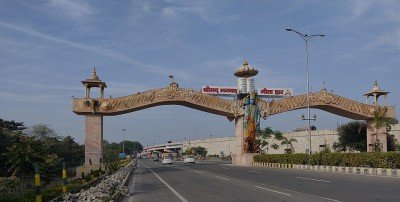
@@Historical Background: Bahadurgarh was founded by the Mughal Emperor Alamgir II in 1754 and was originally known as Sharafabad. It was later granted to Baloch chiefs, who renamed it after Bahadur Khan, the local ruler who fortified the settlement. @@Industrial Growth: Today, the city is a major industrial hub in the NCR region, famous for its manufacturing units of footwear, sanitary ware, and chemicals. Its proximity to Delhi has transformed it from a rural outpost into a bustling urban center. @@Role in 1857: The city has a proud history of resistance, having played a significant role during the Indian Rebellion of 1857. Local leaders and citizens rose against British rule, marking the city's place in India's freedom struggle. @@Modern Identity: As part of the Jhajjar district, it serves as a satellite city to the national capital, blending Haryanvi traditions with modern lifestyle amenities like malls and metro connectivity.
Card image cap
Bhiwani

@@Historical Essence: Bhiwani was founded by a Rajput King Neem Singh, who named it after his wife Bhani. It has historically been a major center of c...

@@Historical Essence: Bhiwani was founded by a Rajput King Neem Singh, who named it after his wife Bhani. It has historically been a major center of commerce and was a key city during the Mughal and British administrations. @@Mini Kashi: Known as Chhoti Kashi (Little Varanasi), the city is densely packed with over 300 temples, making it a primary spiritual destination in the state of Haryana. @@Boxing Nursery: The city gained international fame as the Bhiwani Boxing Club produced several Olympic and world-class boxers like Vijender Singh, earning it the title Boxing Nursery of India. @@Cultural Heartland: It represents the core of Haryanvi culture, where traditional wrestling (Dangal), folk music, and ancient customs are still preserved and practiced with great pride.
Card image cap
Fatehabad

@@Historical Legacy: Fatehabad was founded in the 14th century by Sultan Firoz Shah Tughlaq and named after his son Fateh Khan. The city is an archaeo...

@@Historical Legacy: Fatehabad was founded in the 14th century by Sultan Firoz Shah Tughlaq and named after his son Fateh Khan. The city is an archaeological goldmine featuring sites from the Harappan and Pre-Harappan eras. @@Archaeological Wealth: It is home to Banawali and Bhirrana, which are among the oldest sites of the Indus Valley Civilization. These sites offer a glimpse into the sophisticated urban planning of ancient times. @@Spiritual Landmarks: The city houses the Humayun Mosque, a small but significant structure built during the Mughal era. It stands as a testament to the brief periods of royal respite in this region. @@Monolithic Wonders: The Ashokan Pillar located here is a major draw for history buffs and researchers. It showcases the intricate craftsmanship of the Mauryan period and the reuse of monuments by later dynasties.
Card image cap
Gurugram

@@Modern Marvel: Gurugram, formerly known as Gurgaon, is a global hub for finance and technology. It transformed from a sleepy village into a glitteri...

@@Modern Marvel: Gurugram, formerly known as Gurgaon, is a global hub for finance and technology. It transformed from a sleepy village into a glittering metropolis with skyscrapers that rival international skylines. @@Cultural Fusion: The city is a melting pot of cultures, home to people from across the world. This is reflected in its diverse food scene, international schools, and vibrant nightlife at Cyber Hub. @@Entertainment Hub: It boasts world-class entertainment venues like the Kingdom of Dreams. From theatrical performances to leisure parks, the city offers a lifestyle that is both fast-paced and luxurious. @@Natural Oases: Despite its urban sprawl, Gurugram preserves nature at the Sultanpur National Park. This sanctuary is a haven for birdwatchers and offers a peaceful escape from the city's concrete jungle.
Card image cap
Hisar

@@Historical Bastion: Hisar was founded by Firoz Shah Tughlaq in 1354 and was originally called Hisar-e-Firoza. It served as a strategic fort city on ...

@@Historical Bastion: Hisar was founded by Firoz Shah Tughlaq in 1354 and was originally called Hisar-e-Firoza. It served as a strategic fort city on the road to Delhi. @@Industrial Giant: Known as the "Steel City" of India, it is a major producer of galvanized iron. It houses some of the country's largest steel plants and industrial units. @@Agricultural Hub: It is home to the prestigious CCS Haryana Agricultural University, one of the largest in Asia. This has made the city a center for research and innovation. @@Ancient Roots: Nearby Agroha is the mythical birthplace of the Agrawal community. The archaeological mounds here date back thousands of years, linking the city to ancient trade routes.
Card image cap
Jhajjar

@@Historical Roots: Jhajjar is a city with deep historical roots, often associated with the era of the Mahabharata. It was a major center during the 1...

@@Historical Roots: Jhajjar is a city with deep historical roots, often associated with the era of the Mahabharata. It was a major center during the 1857 revolt against the British. @@Cultural Heritage: The city is famous for its Gurukul, which houses one of the largest archaeological museums in the state. It preserves a vast collection of coins, idols, and ancient artifacts. @@Natural Beauty: Jhajjar is home to the Bhindawas Bird Sanctuary, a freshwater lake that attracts hundreds of species of birds. It is a paradise for nature enthusiasts and photographers. @@Traditional Crafts: The region is known for its traditional pottery and leather work. The local artisans continue to practice age-old techniques that are part of the city's identity.
Card image cap
Jind

@@Mythological Significance: Jind is often referred to as the "Heart of Haryana." According to legend, the Pandavas built a temple here to Goddess Jai...

@@Mythological Significance: Jind is often referred to as the "Heart of Haryana." According to legend, the Pandavas built a temple here to Goddess Jainti to seek victory. @@Historical Evolution: The city was a major princely state during the British era. It has been a center of political activity and has witnessed the rise and fall of several dynasties. @@Spiritual Center: The city is famous for its numerous temples and holy tanks (Sarovars). Rani Talab is the most iconic landmark, featuring a temple in the middle of a lake. @@Rural Vibrancy: Jind represents the true essence of Haryanvi rural life and culture. It is known for its buffaloes, particularly the Murrah breed, and its thriving agriculture.
Card image cap
Jyotisar

@@Historical Significance: Jyotisar is one of the most revered pilgrimage sites in India. It is firmly believed to be the exact spot where Lord Krishn...

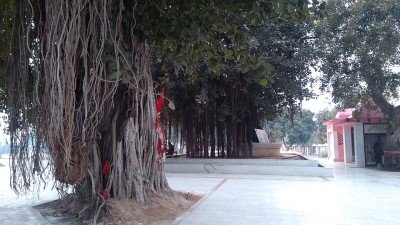
@@Historical Significance: Jyotisar is one of the most revered pilgrimage sites in India. It is firmly believed to be the exact spot where Lord Krishna delivered the celestial message of the Bhagavad Gita to Arjuna during the Mahabharata war. The name Jyotisar literally translates to 'Source of Light,' symbolizing the divine enlightenment shared on this ground. @@The Immortal Banyan Tree: A primary feature of the site is an ancient Vat (Banyan) tree. Devotees believe this tree is an offshoot of the original tree under which the discourse took place over 5,000 years ago. It stands as a silent witness to history, draped in holy threads by pilgrims seeking blessings. @@Spiritual Atmosphere: The entire complex exudes a sense of deep peace and Vedic resonance. The holy lake (Sarovar) adjacent to the tree is used by pilgrims for ritual purification before prayers. @@Cultural Revival: In recent years, the Haryana Tourism department has transformed the area with modern amenities while preserving its ancient soul. It now hosts high-tech multimedia shows that narrate the epic saga to younger generations.
Card image cap
Karnal

@@Historical Legacy: Karnal is ancient, named after the legendary Karna of the Mahabharata. It is said that Karna used to distribute gold to the poor ...

@@Historical Legacy: Karnal is ancient, named after the legendary Karna of the Mahabharata. It is said that Karna used to distribute gold to the poor at the Karna Lake. Historically, it has been a strategic gateway for invaders marching toward Delhi, witnessing the famous Battle of Karnal in 1739 between Nadir Shah and the Mughals. @@Agricultural Hub: Often called the 'Rice Bowl of India,' Karnal is world-famous for its high-quality Basmati rice. It houses prestigious institutes like the National Dairy Research Institute (NDRI). @@Modern Urbanization: Today, Karnal is one of the smartest cities in Haryana, balancing its rich history with modern infrastructure, wide roads, and beautiful parks. @@Cultural Fabric: The city is a melting pot of Punjabi and Haryanvi cultures, reflected in its vibrant food scene and hospitality.
Card image cap
Kurukshetra

@@The Holy Land: Kurukshetra is not just a city but a living museum of Indian spirituality. Known as the 'Land of the Mahabharata,' it is where the ep...

@@The Holy Land: Kurukshetra is not just a city but a living museum of Indian spirituality. Known as the 'Land of the Mahabharata,' it is where the epic war between the Pandavas and Kauravas was fought to uphold 'Dharma.' It is mentioned in the first verse of the Gita as Dharmakshetra. @@Sacred Waters: The city is dotted with 'Sarovars' (lakes) that are considered so holy that a dip during a solar eclipse is said to provide the merit of a thousand 'Ashvamedha' sacrifices. @@Educational Excellence: Beyond religion, it is a center of learning with the Kurukshetra University and National Institute of Technology (NIT). @@Cultural Hub: The city hosts the International Gita Mahotsav, attracting millions of tourists and scholars from around the globe.
Card image cap
Narnaul

@@Historical Crossroads: Narnaul is one of the oldest towns in Haryana, dating back to the Mahabharata era. It gained prominence during the Mughal rul...

@@Historical Crossroads: Narnaul is one of the oldest towns in Haryana, dating back to the Mahabharata era. It gained prominence during the Mughal rule as it was the birthplace of Birbal, one of Akbar's nine jewels. It also served as a major administrative center for Sher Shah Suri. @@Architectural Wealth: Often overlooked, it contains a high concentration of monuments ranging from the Tughlaq period to the British era. @@Ayurvedic Connection: The nearby Dhosi Hill is famously associated with Chavan Rishi, the creator of Chyavanprash. @@Cultural Identity: The town maintains a rustic, traditional charm with old Havelis and narrow lanes that tell stories of a bygone era.
Card image cap
Palwal

@@Historical Context: Palwal is an ancient city mentioned in the Mahabharata, originally named after the demon Palwasur who was defeated by Lord Balar...

@@Historical Context: Palwal is an ancient city mentioned in the Mahabharata, originally named after the demon Palwasur who was defeated by Lord Balarama. It gained modern significance as the site where Mahatma Gandhi was first arrested in April 1919. The city blends its Vedic roots with colonial-era milestones, making it a unique stop for history buffs. @@Cotton Hub: Known as the "Cotton City," Palwal plays a vital role in Haryana's textile economy. The local markets are bustling with trade, showcasing the industrious spirit of the region. @@Cultural Fabric: The local lifestyle is deeply rooted in Haryanvi traditions and Braj culture due to its proximity to Mathura. Folklore and traditional music are central to community life here. @@Spiritual Aura: The presence of temples like Panchvati and Dauji provides a serene environment for pilgrims. These sites are linked to the exile of the Pandavas, adding a layer of divinity to the city.
Card image cap
Panchkula

@@Modern Layout: Panchkula is a planned city known for its wide roads, lush greenery, and systematic sectors. It serves as a major satellite town of C...

@@Modern Layout: Panchkula is a planned city known for its wide roads, lush greenery, and systematic sectors. It serves as a major satellite town of Chandigarh, forming the Tricity area. @@Natural Beauty: Nestled at the foothills of the Shivalik Range, it offers a refreshing escape from the plains. It holds the thickest forest cover in Haryana, providing a rich habitat for flora. @@Spiritual Hub: The city is home to the famous Mansa Devi temple, a major center of Shakti worship. Thousands of devotees flock here during the Navratri festivals for blessings. @@Administrative Significance: It houses the headquarters of the Western Command of the Indian Army at Chandimandir. The city is a hub for government offices and high-end residential estates.
Card image cap
Panipat

@@Historic Battlefield: Panipat is etched in Indian history as the site of three pivotal battles that changed the destiny of the subcontinent. The cit...

@@Historic Battlefield: Panipat is etched in Indian history as the site of three pivotal battles that changed the destiny of the subcontinent. The city witnessed the rise and fall of empires. @@Industrial Powerhouse: Known as the "Textile City," it is a global hub for handloom products and recycling textiles. It is world-famous for its high-quality carpets and blankets. @@Ancient Origins: Legend has it that Panipat was one of the five 'Prasthas' or villages demanded by the Pandavas. It has transitioned from a Vedic settlement to a modern industrial town. @@Culinary Delights: The city is famous for its unique pickles and traditional Haryanvi cuisine. The food culture here is a mix of rustic local flavors and Punjabi influences.
Card image cap
Parwanoo

@@Hilly Border: Parwanoo is a unique town located on the Haryana-Himachal border. While mostly in Himachal, its industrial sectors and gateways are de...

@@Hilly Border: Parwanoo is a unique town located on the Haryana-Himachal border. While mostly in Himachal, its industrial sectors and gateways are deeply integrated with Haryana's economy. @@Orchard Land: Famous for its sprawling fruit orchards, especially peaches and apples. The town is a major center for the production of fruit-based products like jams and juices. @@Timber Trail: Known for its iconic cable car ride that offers a bird's-eye view of the Shivalik ranges. It is a popular weekend getaway for people from Chandigarh and Panchkula. @@Industrial Hub: One of the biggest industrial towns in the region, housing major manufacturing units. It represents the modern, productive face of the Shivalik foothills.
Card image cap
Rohtak

@@Cultural Capital: Rohtak is often considered the political and cultural heart of Haryana. It is famous for its vibrant Haryanvi culture, traditional...

@@Cultural Capital: Rohtak is often considered the political and cultural heart of Haryana. It is famous for its vibrant Haryanvi culture, traditional wrestling, and political history. @@Education Hub: Known for its numerous educational institutions, including Maharshi Dayanand University. It attracts students from across the country, creating a youthful vibe. @@Ancient Roots: The city finds mention in the Mahabharata as Rohitaka. Archeological excavations at Khokhrakot have revealed its ancient significance dating back to the Indo-Greek era. @@Industrial Growth: Apart from agriculture, it has developed into a major industrial center with a dedicated Industrial Model Township (IMT) housing global brands.
Card image cap
Sirsa

@@Introduction to Sirsa: Sirsa is one of the oldest cities in Haryana, mentioned in the Mahabharata as Sairishaka and known for its spiritual roots. T...

@@Introduction to Sirsa: Sirsa is one of the oldest cities in Haryana, mentioned in the Mahabharata as Sairishaka and known for its spiritual roots. The town is steeped in history with legends suggesting it was founded by King Saras in the 7th Century. It serves as a major religious hub for various sects and is famous for its peaceful coexistence of temples, gurdwaras, and deras. The Sarasvati River is believed to have flowed near this town in ancient times, adding to its sacred aura and historical depth. @@Historical Significance: The city has witnessed various dynasties from the Mauryas to the Mughals, leaving behind a rich archaeological heritage at Ther Mound. Legend says Emperor Shah Jahan visited the Dera Baba Sarsai Nath to seek blessings for his son’s health, showcasing its medieval importance. Today, Sirsa is a blend of traditional values and modern growth, acting as a gateway to Punjab and Rajasthan. It remains a vital center for agriculture and dairy production in the state, often referred to as the wheat bowl of Haryana. @@Spiritual Landscape: Home to numerous religious institutions like Dera Sacha Sauda and Gurudwara Chilla Sahib, it attracts millions of devotees annually for spiritual solace. The city's atmosphere is charged with devotion, especially during the festivals of Holi and Diwali, which are celebrated with great fervor by locals. Each shrine in Sirsa tells a story of faith, from the Sikh gurus' visits to the penance of Nath sect saints. This spiritual diversity makes it a unique destination for pilgrims seeking peace and a deeper connection with Indian roots. @@Natural and Modern Sirsa: Apart from its history, the city offers green spaces like Bhadra Park and the Surkhab Tourist Complex for recreation and family outings. The Ottu Barrage on the Ghaggar River is a popular spot for bird watching and enjoying sunsets amidst the rustic landscape of western Haryana. Modern Sirsa features bustling markets like Main Bazaar where one can find traditional handicrafts and high-quality dairy products like pure desi ghee. The city continues to evolve while keeping its ancient soul intact, making it a fascinating stop for every traveler in the region.
Card image cap
Sohna

@@Introduction to Sohna: Sohna is a picturesque town nestled in the foothills of the Aravali mountains, famous for its medicinal hot springs and ancie...

@@Introduction to Sohna: Sohna is a picturesque town nestled in the foothills of the Aravali mountains, famous for its medicinal hot springs and ancient heritage. The name Sohna is derived from the word 'Sona' (gold), referring to the golden dust that was once found in the streams after heavy rains. It is a popular weekend getaway for people from Delhi and Gurugram due to its proximity and serene natural surroundings. The town offers a unique blend of mythological significance, medieval history, and modern luxury resorts that cater to tired urban travelers seeking relaxation. @@Natural Wonders: The most prominent feature of the town is the Shiv Kund, a natural sulphur spring believed to have incredible medicinal properties for skin diseases. Legends say that Arjuna, the Pandava prince, dug this spring to quench his thirst during their exile, making it a sacred site for Hindus. The water temperature in these springs remains constant between 46°C and 51°C throughout the year, attracting thousands of devotees and health seekers. The surrounding Aravali hills provide a lush green backdrop, especially during the monsoon, making it a haven for nature lovers and hikers. @@Historical Legacy: Sohna has been occupied by various races over centuries, including the Kambhos, Khanzadas, and Rajputs, each leaving their mark on its architecture. The town is dotted with impressive tombs and mosques from the Tughlaq and Lodi periods, such as the famous Lal Gumbad and Gora Barak Mosque. The Sohna Hill Fort, though mostly in ruins, still stands as a sentinel over the town, offering a glimpse into the defensive strategies of the past. These historical structures made of red sandstone and quartzite highlight the town's strategic importance during the medieval era in northern India. @@Modern Tourism: Today, Sohna is known for its high-end resorts like the Westin Sohna and the Barbet Tourist Complex, which offer world-class amenities amidst nature. The annual Vintage Car Rally held in February is a major highlight, where classic automobiles from across the country parade through the town's scenic routes. Adventure seekers can enjoy trekking in the Aravalis or visit the nearby Damdama Lake for boating and rock climbing activities. With the new elevated corridor, Sohna has become even more accessible, making it a premier destination for both relaxation and historical exploration in Haryana.
Card image cap
Thanesar

@@Introduction to Thanesar: Thanesar is a city of immense historical and religious importance, serving as the ancient capital of King Harshavardhana i...

@@Introduction to Thanesar: Thanesar is a city of immense historical and religious importance, serving as the ancient capital of King Harshavardhana in the 7th Century. It is located adjacent to Kurukshetra and is deeply connected to the events of the Mahabharata, being the site of the legendary battle. The city's name is derived from 'Sthaneshwar', meaning the 'Place of God', and it has been a center of learning and spirituality for millennia. Visitors are drawn to its sacred tanks, ancient mounds, and medieval monuments that showcase the layers of Indian history from the Vedic period to the Mughal era. @@The Sacred Waters: The city is home to the magnificent Brahma Sarovar, one of the largest man-made ponds in Asia, where it is believed Lord Brahma created the universe. Another significant site is the Sannihit Sarovar, where seven sacred rivers are said to meet, and taking a dip here during an eclipse is considered highly auspicious. These water bodies are surrounded by numerous temples and ghats, creating a serene and spiritual atmosphere that attracts pilgrims from across the globe. The evening 'Aarti' at the sarovars is a soul-stirring experience, with hundreds of lamps floating on the water under the starlit sky. @@Historical Landmarks: Thanesar boasts the Sheikh Chilli's Tomb, a stunning monument of the Mughal era often called the 'Mini Taj Mahal' due to its beautiful white marble dome. The Harsh-ka-Tila is an archaeological mound that reveals excavations from the Kushan to the Mughal periods, offering a physical timeline of the city's past. The Pathar Masjid, built with red sandstone and featuring beautiful carvings, is another testament to the city's diverse cultural and architectural heritage. These sites are meticulously maintained by the Archaeological Survey of India, making Thanesar a paradise for history buffs and researchers. @@Spiritual and Educational Hub: Modern Thanesar is also a center for modern education and science, featuring the Kurukshetra Panorama and Science Centre. The Jyotisar site, located just a few kilometers away, is the place where Lord Krishna delivered the Bhagavad Gita to Arjuna, marked by an ancient banyan tree. The city hosts the annual Gita Jayanti festival, a grand event that celebrates the teachings of the holy book with cultural programs and international seminars. This blend of ancient wisdom and modern inquiry makes Thanesar a unique destination that appeals to both the heart and the mind of every visitor.
Card image cap
Yamunanagar

@@Introduction to Yamunanagar: Yamunanagar is a vibrant city located on the banks of the sacred Yamuna River, known for its booming industries and bre...

@@Introduction to Yamunanagar: Yamunanagar is a vibrant city located on the banks of the sacred Yamuna River, known for its booming industries and breathtaking natural beauty. Originally called Abdullahpur, it was renamed after independence to reflect its deep connection with the river that sustains the entire region's life and economy. The city is a unique blend of a major industrial hub, famous for its timber and sugar production, and a serene getaway with the Shivalik foothills nearby. It serves as a gateway to both Uttarakhand and Himachal Pradesh, offering travelers a mix of spiritual sites, wildlife adventures, and historical monuments. @@Natural Diversity: The crown jewel of the district is the Kalesar National Park, which spreads over 11,500 acres and is home to a variety of wild animals and dense Sal forests. The Hathni Kund Barrage, located on the Yamuna, is a popular destination for bird watching and white-water rafting, providing a refreshing escape into the lap of nature. The region's geography, with its rolling hills and riverine plains, makes it one of the most ecologically diverse parts of Haryana. Visitors can enjoy the lush greenery of the Ch. Devi Lal Herbal Nature Park, which conserves hundreds of medicinal plant species in a scenic setting. @@Spiritual Heritage: Yamunanagar is home to several ancient and revered sites like the Kapal Mochan temple complex, where thousands gather for the annual fair to cleanse their sins in sacred ponds. The Chaneti Stupa, dating back to the Mauryan period and believed to be built by Emperor Ashoka, highlights the region's ancient Buddhist connections and historical depth. The Panchmukhi Hanuman Mandir is another significant spiritual spot that attracts devotees from far and wide with its unique five-faced idol of the deity. These sites offer a peaceful contrast to the city's industrial hustle, providing spiritual nourishment to every traveler who visits the land. @@Industrial and Modern Growth: Known as the 'Timber City', Yamunanagar is famous for its high-quality plywood and paper industries, contributing significantly to India's manufacturing sector. The twin city of Jagadhri is renowned for its traditional brass and stainless steel utensil industry, which has a history dating back several centuries to the pre-colonial era. Modern amenities, including comfortable hotels and bustling shopping malls, make the city a convenient base for exploring the surrounding attractions like Adibadri and Lohgarh. The city's growth is a testament to its people's hard work and the abundant natural resources provided by the fertile Yamuna plains and the Shivalik range.
Show All

Note:-

Information provided here in good Faith and for reference only.

All information and pictures will be updated soon, please keep visiting.

Near Places
...
Andaman and Nicobar Islands

Some quick example text to build on the card title and make up the bulk of the card's content.

Go somewhere
...
Andhra Pradesh

Some quick example text to build on the card title and make up the bulk of the card's content.

Go somewhere
...
Arunachal Pradesh

Some quick example text to build on the card title and make up the bulk of the card's content.

Go somewhere
...
Assam

Some quick example text to build on the card title and make up the bulk of the card's content.

Go somewhere
...
Bihar

Some quick example text to build on the card title and make up the bulk of the card's content.

Go somewhere
...
Chandigarh

Some quick example text to build on the card title and make up the bulk of the card's content.

Go somewhere
...
Chhattisgarh

Some quick example text to build on the card title and make up the bulk of the card's content.

Go somewhere
...
Daman and Diu

Some quick example text to build on the card title and make up the bulk of the card's content.

Go somewhere
...
Delhi

Some quick example text to build on the card title and make up the bulk of the card's content.

Go somewhere
...
Goa

Some quick example text to build on the card title and make up the bulk of the card's content.

Go somewhere
...
Goa
in Other Cities