...

Place To Visit And Things To Do In Mahabubnagar

Telangana, India
Environmental Icon: Mahabubnagar is globally famous for the Pillalamarri, a massive 800-year-old banyan tree that covers several acres. It is more than just a tree; it is a living ecosystem that has become a symbol of the district's natural heritage. The site also includes a small zoo, an aquarium, and an archaeological museum, making it a comprehensive family destination that combines nature with education. Spiritual Landscape: The district is home to many ancient temples, including the Manyamkonda Venkateswara Swamy Temple, often called the "Poor Man's Tirupati". Located on a high hill, it offers spiritual solace and a panoramic view of the vast plains below. The presence of several historic mosques and dargahs also highlights the diverse cultural and religious history of the region over the centuries. Water Resources: The Jurala Project and the Koilsagar Dam are major engineering feats that provide water to the thirsty lands of the district. These sites have also become popular tourist spots due to their scenic beauty and the opportunities they provide for boating and birdwatching. The vast reservoirs create a micro-climate that is much cooler than the surrounding areas, especially during the hot summer months. Agricultural Heart: Known for its production of high-quality rice and pulses, the district's economy is deeply rooted in the soil. The vast fields of green and the hardworking farmers define the rural landscape that tourists see while traveling between sites. This connection to the land is reflected in the local festivals like Sankranti, which are celebrated with great traditional fervor and community feasts.

Things To Do

Card image cap
Alampur Jogulamba Temple

Alampur Jogulamba Temple is one of the 18 Maha Shakti Peethas. The temple is dedicated to Goddess Jogulamba, a fierce form of Shakti seated on a corp...
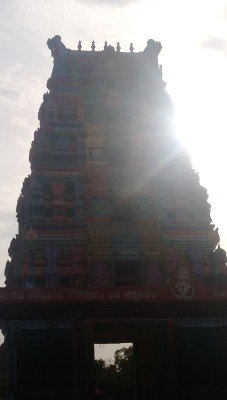
Alampur Jogulamba Temple is one of the 18 Maha Shakti Peethas. The temple is dedicated to Goddess Jogulamba, a fierce form of Shakti seated on a corpse. It is located at the confluence of the Tungabhadra and Krishna rivers, earning it the name Dakshina Kashi. The original temple was grounded in the 14th century and the current structure was rebuilt in 2005. It is a vital spiritual hub for Hindu pilgrims seeking salvation and divine energy. :
Card image cap
Ammapally Sri Seeta Ramachandra Swamy Temple

Ammapally Temple is an ancient shrine dedicated to Lord Rama and Sita. It is famously known as the "Movie Temple" because hundreds of Telugu films ha...
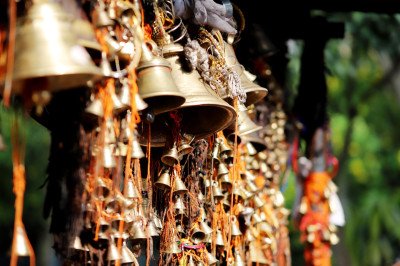
Ammapally Temple is an ancient shrine dedicated to Lord Rama and Sita. It is famously known as the "Movie Temple" because hundreds of Telugu films have been shot here. The temple dates back over 1000 years to the Chalukya era. It is surrounded by a massive wall and a serene water tank filled with lotuses. The idol of Rama is unique as it is a monolithic stone carving without the usual Hanuman idol in the sanctum. :
Card image cap
Bhootpur Lake

Bhootpur Lake, also known as the Bhootpur Reservoir, is a significant water body providing irrigation and a scenic retreat. It is located just a shor...

Bhootpur Lake, also known as the Bhootpur Reservoir, is a significant water body providing irrigation and a scenic retreat. It is located just a short drive from the main city. The lake is surrounded by small hillocks and green fields, making it a popular spot for weekend outings. It serves as a vital ecosystem for local birds and a peaceful spot for nature lovers. :
Card image cap
Deer Park

The Deer Park near Priyadarshini Jurala Project is a beautiful wildlife enclosure. It was established to protect local deer species and provide a rec...

The Deer Park near Priyadarshini Jurala Project is a beautiful wildlife enclosure. It was established to protect local deer species and provide a recreational space for visitors to the dam. The park is nestled in a valley-like setting with the Krishna river flowing nearby. It houses hundreds of spotted deer (Chital) and Blackbucks in a semi-natural habitat. :
Card image cap
Eegalapenta

Eegalapenta is a scenic village located on the banks of the Srisailam Reservoir in the Nallamala forest. It serves as the entry point from the Mahabu...

Eegalapenta is a scenic village located on the banks of the Srisailam Reservoir in the Nallamala forest. It serves as the entry point from the Mahabubnagar side to the Srisailam temple. The area is famous for its breathtaking views of the Krishna river cutting through deep gorges. It is part of the Amrabad Tiger Reserve and offers a mix of adventure and spirituality. :
Card image cap
Jataprolu Village Temples

Jataprolu, historically known as Jatayuvu Kshetra, is a site of immense spiritual and heritage significance located on the banks of the Krishna River...

Jataprolu, historically known as Jatayuvu Kshetra, is a site of immense spiritual and heritage significance located on the banks of the Krishna River. Legend has it that this is the place where the mythical bird Jatayu fell after battling Ravana to rescue Goddess Sita. The village is renowned for the Madana Gopala Swamy Temple, an architectural masterpiece built by the Rajas of Jetprole in the 16th century. Interestingly, these temples were painstakingly relocated from their original sites in Malleswaram and Manchalakota during the construction of the Srisailam Dam to prevent them from being submerged. The complex also houses a group of ancient Shiva Temples dating back to the 10th century. Visitors can explore more than 20 Shivalayams within a short distance of the main shrine, many of which feature incredible stone carvings and historical inscriptions. The spiritual aura of the village is heightened during festivals when pilgrims gather for a holy dip in the river. This destination offers a perfect blend of mythology, history, and tranquil riverine landscapes, making it a must-visit for heritage enthusiasts.
Card image cap
Jetaprolu Shivalayam

@@ History and Significance : The Shiva Temple at Jetaprolu is a magnificent assembly of ancient shrines located near the banks of the Krishna River. ...

@@ History and Significance : The Shiva Temple at Jetaprolu is a magnificent assembly of ancient shrines located near the banks of the Krishna River. Historically, this place is known as Jatayuvu Kshetra, believed to be the spot where the mythical bird Jatayu fought Ravana. The temples were originally located in villages like Malleswaram but were meticulously shifted stone-by-stone to Jetaprolu to save them from submergence during the construction of the Srisailam Dam. This site includes the famous Agasthyeswara Swamy temple, dating back to the 10th Century, and several other Shivalayas that represent the golden era of regional dynasties. Visiting this place feels like walking through a living museum where spirituality meets historical resilience. The quiet atmosphere of the village and the proximity to the river make it a soulful retreat for history buffs. Devotees flock here during Maha Shivaratri to offer prayers and witness the ancient rituals performed with traditional fervor. The complex serves as a reminder of the artistic brilliance of the Rajas of Jetprole who patronized these structures. It is a place where every stone tells a story of survival and devotion across centuries.
Card image cap
Jurala Backwaters

The Jurala Backwaters refer to the vast, scenic reservoir formed behind the Indira Priyadarshini Jurala Dam. While the dam is an engineering marvel, ...
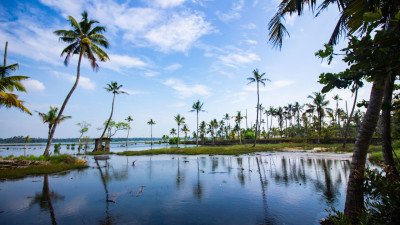
The Jurala Backwaters refer to the vast, scenic reservoir formed behind the Indira Priyadarshini Jurala Dam. While the dam is an engineering marvel, the backwaters offer a more serene, natural experience. The water spreads across a massive area, creating small islands and lush green banks that attract a variety of local and migratory birds. This area is particularly beautiful during the post-monsoon months when the water level is high and the surrounding hills are draped in green. The backwaters are a vital source of livelihood for local fishing communities, and one can often see traditional coracles or small boats dotting the horizon. It is a preferred spot for those seeking solitude away from the crowds at the main dam. The reflection of the sky on the still water creates a mirror-like effect, making it a paradise for landscape photographers. Several small shrines and old village ruins can be found along the banks, appearing and disappearing as the water levels fluctuate. The quietude of the backwaters, broken only by the sound of ripples and bird calls, provides a therapeutic escape for city dwellers.
Card image cap
Jurala Dam

The Indira Priyadarshini Jurala Project, commonly known as Jurala Dam, is a magnificent multipurpose project built across the River Krishna. Inaugura...

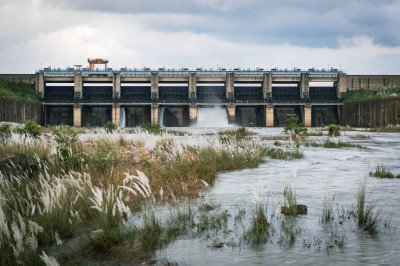
The Indira Priyadarshini Jurala Project, commonly known as Jurala Dam, is a magnificent multipurpose project built across the River Krishna. Inaugurated in 1995, it serves the critical needs of irrigation, hydroelectric power, and drinking water for the drought-prone regions of Mahabubnagar and Jogulamba Gadwal. The dam is unique as it is the only hydroelectric project in the state that has water flow throughout the year, thanks to the discharge from the upstream Almatti and Narayanpur dams. The sight of the massive reservoir, especially when the gates are open during the monsoon, is a spectacular display of nature's power. Spanning a width of over 1 kilometer, the dam features a large number of radial gates that release water into the churning river below. Near the dam site, there is a Deer Park and several temples like the Ramalayam and Parthasaradhi Temple, adding a recreational and spiritual dimension to the visit. It has become a popular picnic spot for families who enjoy the cool breeze and the vast expanse of blue water. The project also facilitates a massive hydroelectric station that contributes significantly to the state's power grid.
Card image cap
Kadalivanam

Kadalivanam is a deeply spiritual and adventurous destination located in the heart of the Nallamala Forest. It is essentially a massive natural rock ...

Kadalivanam is a deeply spiritual and adventurous destination located in the heart of the Nallamala Forest. It is essentially a massive natural rock shelter, or cave, that has been a site of penance for saints and sages for centuries. The name "Kadalivanam" means "Banana Grove," though it is more famous for its association with the Dattatreya tradition and the Lingayat saint Akka Mahadevi. Legend says that Akka Mahadevi spent her final days here in deep meditation before merging with the divine. The cave is spacious enough to hold hundreds of people and features a perennial natural spring. Reaching Kadalivanam is a journey in itself, involving a boat ride across the Krishna River followed by a strenuous trek through dense forests and rocky terrain. This isolation has preserved its mystical atmosphere. It is considered a "Siddhasthalam," a place where spiritual seekers attain high levels of consciousness. For the adventurous, the trek offers a chance to see the raw beauty of the Eastern Ghats, while for the devout, it is a holy pilgrimage. The silence inside the cave is profound, making it an ideal spot for meditation.
Card image cap
Koilkonda Fort and Koilsagar Dam

Koilkonda Fort was once a strategic outpost of the Qutb Shahi dynasty, perched high on a rugged hill. To enter this formidable fortress, one must pas...
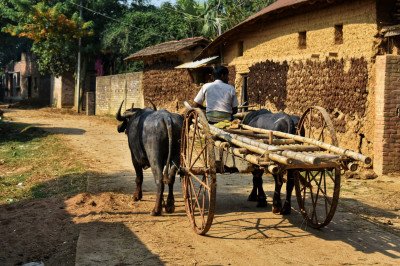
Koilkonda Fort was once a strategic outpost of the Qutb Shahi dynasty, perched high on a rugged hill. To enter this formidable fortress, one must pass through seven massive gates, a design intended to thwart invaders. The first gate features an inscription of Ibrahim Qutb Shah dating back to 1550 AD. Inside, the fort ruins include a palace, a mosque, an Idgah, and a large pond. The trek to the top is moderately difficult, involving rocky paths and steep steps, but the reward is a breathtaking 360-degree view of the surrounding plains. Just 10 km away from the fort lies the Koilsagar Dam, an irrigation project constructed during the Nizam's era between 1945 and 1948. The dam is built across the Peddavagu River and is cradled between lush green hills. The combination of the historic fort and the tranquil dam makes this a perfect day-trip destination. While the fort offers a glimpse into medieval military architecture, the dam provides a serene spot for relaxation. The area is also known for the Veerabhadra Temple at Koilkonda, which hosts a popular annual Jathara. Together, these sites represent the perfect harmony of historical grandeur and natural beauty.
Card image cap
Koilkonda Fort & Village

@@The Historical Legacy of Koilkonda: The Koilkonda Fort is a magnificent medieval structure that served as a strategic military outpost for the Qutb ...

@@The Historical Legacy of Koilkonda: The Koilkonda Fort is a magnificent medieval structure that served as a strategic military outpost for the Qutb Shahi dynasty. Perched atop a rugged hill, it overlooks the vast plains of the Mahabubnagar district. Historically, it was a vital defense point during the 16th century, especially under the reign of Ibrahim Qutb Shah. The village itself is steeped in antiquity, housing ruins that tell stories of ancient bravery and administrative brilliance. Exploring this site offers a deep dive into the Deccan's feudal history. The fort is surrounded by a deep gorge on the west and streams on the east, making it naturally protected. It was not just a military fort but a residence for royal representatives, containing palaces and mosques. Today, it stands as a testament to Indo-Islamic architecture and serves as a prime destination for trekkers. The silence of the ruins is broken only by the whistling wind and birds. Visitors often find the blend of history and nature here deeply moving. It is an essential stop for anyone wanting to understand the cultural fabric of Telangana.
Card image cap
Koilsagar Dam Project

@@The Engineering Marvel of Koilsagar: The Koilsagar Project is one of the most picturesque irrigation dams in the Mahabubnagar region. Constructed du...

@@The Engineering Marvel of Koilsagar: The Koilsagar Project is one of the most picturesque irrigation dams in the Mahabubnagar region. Constructed during the Nizam era between 1945 and 1948, it was designed to tap the waters of the Peddavagu river, a tributary of the Krishna. The project was primarily built to provide water to thousands of acres of agricultural land, transforming the local economy. Beyond its utility, the dam is situated in a stunning valley between two majestic mountains. The sight of the water reservoir stretching towards the horizon is breathtaking. It is a medium-sized project but holds immense significance for the local farmers. The dam features a guest house that offers a panoramic view of the entire reservoir. During the monsoon, when the gates are opened, the sight of cascading water attracts thousands of tourists. It is a peaceful retreat far from the city's noise, offering a serene atmosphere. The project represents a bridge between historical engineering and modern agricultural needs. It is often visited along with the Koilkonda Fort due to their proximity.
Card image cap
Mettugattu Veerabhadra Swamy Temple

@@The Fierce Deity and Local Cultural Hub: The Mettugattu Veerabhadra Swamy Temple is a highly revered local and regional shrine dedicated to Lord Vee...
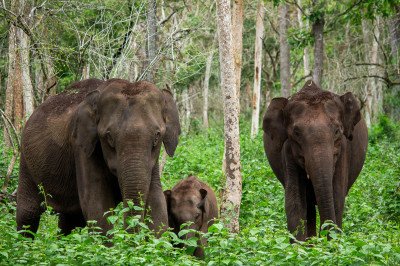
@@The Fierce Deity and Local Cultural Hub: The Mettugattu Veerabhadra Swamy Temple is a highly revered local and regional shrine dedicated to Lord Veerabhadra, a fierce and powerful incarnation of Lord Shiva, who was created from Shiva’s wrath to destroy the yagna of King Dakshya Prajapati. The temple, located near Mettugattu Village in the Kondurg Mandal, is generally situated on a small hillock (Mettu means 'high ground' or 'hill' in Telugu, reinforcing the location), making the climb to the shrine a symbolic act of pilgrimage and purification, and offering panoramic views of the surrounding countryside, which is characteristic of many regional temples. Unlike the grand, widely documented temples like the one in Lepakshi, the Mettugattu shrine is a modest, community-centric place of worship whose history is strongly embedded in local folklore and the religious practices of the surrounding villages. Its primary significance is as a center of local faith and a venue for regional festivals, particularly those dedicated to Shiva. The temple attracts large crowds from the Mahabubnagar district and nearby areas, who come seeking blessings for health, prosperity, and protection from evil forces, reflecting the powerful protective nature of the Veerabhadra deity. The temple's modest structure and serene hilltop location provide a unique, authentic spiritual experience that contrasts with the commercialized atmosphere of larger pilgrimage centers, making it a true cultural touchstone of the Palamuru region. The temple's presence highlights the deep-rooted Shaivite tradition in the Telangana area.
Card image cap
Nallamala Forest Safari

The Nallamala Forest Safari is a premier wildlife experience located in the Amrabad Tiger Reserve, which is one of the largest tiger habitats in Indi...

The Nallamala Forest Safari is a premier wildlife experience located in the Amrabad Tiger Reserve, which is one of the largest tiger habitats in India. This dense forest spans across the Nallamala Hills and provides a sanctuary for diverse flora and fauna. The safari typically starts from the Farhabad entrance, where visitors board forest department jeeps to venture deep into the core zone. The landscape is characterized by rugged hills, deep valleys, and thick deciduous forests that change color with the seasons. During the safari, you can spot majestic animals like the Bengal Tiger, Indian Leopard, Sloth Bear, and Wild Dogs. The forest is also home to herds of Spotted Deer, Sambar, and Nilgai, which are frequently seen near water holes. The air is crisp and filled with the sounds of various bird species, making it a paradise for nature enthusiasts. The forest has a rich history, once being the hunting grounds of the Nizams of Hyderabad, and now it serves as a critical conservation hub. The ecosystem is vital for the Krishna River basin, as many streams originate from these hills. Exploring the Nallamala Forest is not just about spotting tigers; it is about immersing oneself in the raw beauty of the Telangana wilderness. The quietness of the jungle, interrupted only by the rustling of leaves or the alarm call of a langur, creates a meditative experience. It is a place where you can witness the delicate balance of nature and the efforts taken by the forest department to protect endangered species. The safari tracks wind through ancient trees and rocky outcrops, offering surprises at every turn. It is a must-visit for anyone looking to escape the urban noise of Mahabubnagar or Hyderabad. :
Card image cap
Pedda Cheruvu

@@The Town's Lifeline and Recreation Center: The Pedda Cheruvu, which simply means 'Large Lake' in Telugu, is a major water body and an essential geog...

@@The Town's Lifeline and Recreation Center: The Pedda Cheruvu, which simply means 'Large Lake' in Telugu, is a major water body and an essential geographical feature of Mahabubnagar town, serving as a vital source for local ground water recharge, agricultural use, and maintaining the microclimate of the area. Located very close to the heart of the city, its proximity and expansive nature have made it a popular destination for local recreation, especially during the mornings and evenings. The area around the lake has been developed by the local municipality and tourism department to create a scenic environment, often featuring a well-maintained Tank Bund or embankment, walking tracks, and organized seating areas for residents and visitors. The lake offers a peaceful retreat from the urban hustle, providing a perfect setting for morning walks, jogging, and light exercise, and is particularly beautiful at sunrise and sunset when the water reflects the sky's changing colors, making it a favorite spot for the local populace to unwind. As a major water reservoir, its historical significance lies in its role in supporting the town's development and agriculture for decades, a classic example of traditional water harvesting systems. The presence of a small Ganesh Temple and some food stalls along the Bund adds a cultural and social dimension to the natural site, making it a complete local experience. The sheer size of the lake commands a peaceful atmosphere.
Card image cap
Pillalamarri Banyan Tree

@@Ancient Natural Wonder and Tourist Complex: The Pillalamarri Banyan Tree, whose name literally translates to 'Children's Banyan' (Pillalu meaning ch...

@@Ancient Natural Wonder and Tourist Complex: The Pillalamarri Banyan Tree, whose name literally translates to 'Children's Banyan' (Pillalu meaning children, Marri meaning banyan), is a legendary botanical marvel estimated to be over 800 years old, making it one of the oldest and largest banyan trees in the world, covering an immense area of approximately 3 to 4 acres of land. Its fame stems from its vast canopy and the countless prop roots that have grown down to the earth and solidified into secondary trunks, making it virtually impossible to distinguish the original main trunk. This sprawling, self-sustaining forest-within-a-tree gives the impression of a small hillock with green foliage from a distance and provides cool shade for up to a thousand people simultaneously, making it a perfect spot for relaxation and picnics. The location has been developed by the State Tourism Department into a complete tourist complex, featuring not only the majestic tree but also a small archaeological and science Museum, a Deer Park and a mini Zoo, and a relocated ancient temple. The local name Peerla Marri also points to the presence of a tomb of a revered Muslim Sufi saint, Jamal Hussain and Kamal Hussain, within its vicinity, symbolizing the peaceful coexistence of different faiths under its immense shade, a key historical and cultural feature that adds to its profound local significance and makes it a must-visit location for any traveler in Mahabubnagar district. The tree has survived numerous climatic changes and political shifts, standing as a silent, living witness to the history of the Deccan region. @@Conservation and Rehabilitation Efforts: The tree gained international attention when it faced a serious health crisis due to pest infestation and the natural aging process, requiring intensive care and conservation efforts from the local authorities and forest department. As part of a unique rehabilitation program, the colossal tree was placed on a drip-irrigation system, a major effort that involved injecting a diluted chemical solution into its trunk and prop roots to combat the termite attack and provide necessary nourishment. This conservation initiative, which has been successful in stabilizing the health of the ancient tree, highlights the importance given to preserving this natural heritage and has made the tree itself a symbol of ecological care and preservation efforts in Telangana. Despite a period of partial closure for this treatment, the surrounding park and related attractions have continued to draw visitors, emphasizing its enduring appeal as a natural, historical, and educational destination near Mahabubnagar town.
Card image cap
Pillalamarri Temple

@@Preserved Historical and Architectural Gem: The Pillalamarri Temple, correctly identified as the Sri Rajarajeswara Temple, is a profoundly significa...

@@Preserved Historical and Architectural Gem: The Pillalamarri Temple, correctly identified as the Sri Rajarajeswara Temple, is a profoundly significant historical and architectural artifact, primarily because it is a meticulously preserved and relocated temple. Originally, it stood in the village of Erladinne (or Erula Dinne) on the left bank of the Krishna River, but was slated for submergence due to the construction of the Srisailam Reservoir Project in the late 1970s. To save this invaluable piece of heritage, the State Archaeology Department undertook the arduous task of dismantling the entire structure stone-by-stone, carefully numbering each piece, and then reconstructing it on a new, safe foundation within the Pillalamarri Banyan Tree complex in Mahabubnagar town in 1983. This act of preservation itself adds a layer of modern historical significance to the temple, making it a rare example of a successful architectural transplant in India, offering a unique opportunity for visitors to appreciate ancient art that was rescued from oblivion. The temple is dedicated to Lord Shiva (in the form of Rajarajeswara Swamy) and is an authentic representation of the late Vijayanagara architectural style of the 16th century, exhibiting delicate and intricate stone carvings that survived the challenges of relocation and the ravages of time and human conflict. It serves as a quiet, sacred counterpoint to the towering natural wonder of the banyan tree that surrounds it, providing a peaceful place for worship, reflection, and the study of medieval Deccan craftsmanship.
Card image cap
Rangasamudram Lake

Rangasamudram Lake is a magnificent man-made reservoir that reflects the visionary engineering of the Wanaparthy Samsthanam rulers. It was commission...

Rangasamudram Lake is a magnificent man-made reservoir that reflects the visionary engineering of the Wanaparthy Samsthanam rulers. It was commissioned by the Raja of Wanaparthy to address the irrigation needs of the region and has since become a vital ecological landmark. The lake is vast, covering hundreds of acres, and is surrounded by lush greenery and historical ruins. It serves as a major source of water for the local agriculture, turning the dry landscape of Mahabubnagar into a fertile belt. The lake's surroundings are peaceful, making it a popular spot for weekend getaways and picnics. Historically, the lake was part of a larger water management system that included several smaller tanks and canals, showcasing the advanced hydraulic knowledge of the 18th-century local kings. During the monsoon, the water levels rise significantly, attracting various migratory birds such as Flamingos and Pintails. The serene waters are perfect for a quiet evening walk along the bund, where you can witness a spectacular sunset reflecting off the surface. The lake is closely tied to the culture of Wanaparthy, with many local festivals being celebrated on its banks. It is not just a water body but a symbol of the prosperity and legacy of the Wanaparthy kings. Visitors can explore the nearby Wanaparthy Palace and the Sri Ranganayaka Swamy Temple, which are intricately linked to the history of this lake. The cool breeze from the water makes it a refreshing escape from the heat of the Telangana plains. It is an ideal spot for those who appreciate history combined with natural tranquility. :
Card image cap
Saleshwaram Cave Temple

Saleshwaram Cave Temple, dedicated to Lord Shiva (known as Lingamaiah), is one of the most mystical and sacred sites in South India. Located deep wit...
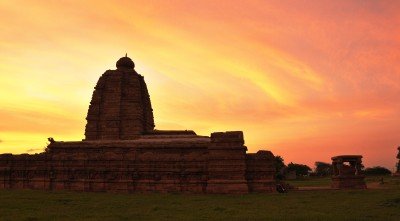
Saleshwaram Cave Temple, dedicated to Lord Shiva (known as Lingamaiah), is one of the most mystical and sacred sites in South India. Located deep within a valley in the Nallamala Hills, the temple is a cave shrine that remains closed for most of the year. It is famously opened to the public for only 3 to 5 days during the Chaitra Purnima (Full Moon) in the month of April. This creates a massive pilgrimage known as the Saleshwaram Jathara, attracting lakhs of devotees who trek through difficult forest terrain to reach the deity. The journey involves a steep descent into a 1000-foot deep valley, navigating through narrow gorges and rocky paths. The most breathtaking feature of Saleshwaram is the perennial waterfall that cascades from a height of over 200 feet, directly opposite the cave temple. The water is believed to have medicinal properties, as it flows through mineral-rich rocks and herbal vegetation. Legend says that the temple was established in the 6th Century AD and has been mentioned in the Sri Parvatha Purana. The local Chenchu tribes are the traditional guardians of this shrine. Reaching the temple is considered a test of faith and physical endurance. The atmosphere during the Jathara is electric, with chants of "Vastunna Lingamayya" echoing through the mountains. Despite the crowds, the site maintains a primal, spiritual energy. The cave itself is natural, with a small Shivalinga that is continuously bathed by the mist from the waterfall. It is a place where nature and divinity merge seamlessly, offering a profound experience for both the devout and the adventurous. Because it is located in the core area of the Amrabad Tiger Reserve, special permissions and forest department regulations are strictly enforced to protect the wildlife. :
Card image cap
Sangameswaram Temple

The Sangameswaram Temple is an architectural and spiritual wonder located at the Saptasandhi Sangam—the confluence of the Krishna, Tungabhadra, and...

The Sangameswaram Temple is an architectural and spiritual wonder located at the Saptasandhi Sangam—the confluence of the Krishna, Tungabhadra, and five other smaller rivers. This ancient temple, dedicated to Lord Shiva, has a unique and somewhat tragic modern history. After the construction of the Srisailam Dam in the 1980s, the original site of the temple was submerged under the reservoir's backwaters. For nearly two decades, the temple remained completely underwater. However, due to receding water levels during the summer, the temple resurfaces for about 45 to 60 days every year, typically between March and May. This "disappearing" act has made it a site of immense curiosity and devotion. When the temple is submerged, only the wooden Neem Linga (installed by the Pandavas) is said to remain resilient. When it resurfaces, thousands of devotees travel by boat from Somasila or Muchumarri to offer prayers. The sight of the ancient stone structure, covered in silt but still standing strong, is hauntingly beautiful. The temple is built in the Chalukyan style and dates back to the 8th Century. It is said that Chatrapati Shivaji once stayed here for 40 days. The pilgrimage to Sangameswaram is adventurous, as it requires crossing the vast expanse of the Krishna River. The silence of the water surrounding the ancient pillars creates an atmosphere of divine isolation. As the monsoon arrives, the water levels rise again, and the temple slowly disappears back into the depths, hidden until the next summer. It is a powerful reminder of the intersection between man-made progress and ancient heritage. :
Card image cap
Somasila River Front

@@ Riverside Beauty and Serenity : The Somasila River Front is one of the most picturesque locations in Telangana, where the backwaters of the Srisail...

@@ Riverside Beauty and Serenity : The Somasila River Front is one of the most picturesque locations in Telangana, where the backwaters of the Srisailam Project meet the lush Nallamala hills. It is famous for the Lalitha Someswara Swamy Temple, a group of 15 Shiva temples that were relocated from the original submerged village of Somasila. The river front has evolved into a major eco-tourism destination, offering a unique blend of spiritual solace and natural splendor. The vast expanse of the Krishna River creates an island-like atmosphere, especially during the monsoon when the water levels are high. Visitors can enjoy the tranquil environment, far away from the hustle of urban life, making it a perfect weekend getaway. The sunrise and sunset views over the water are breathtaking, drawing photographers from across the state. In recent years, the government has developed the area with cottage stays and boating facilities to enhance the tourist experience. The presence of the ancient Shiva lingams within the temple complex adds a layer of mystical charm to the scenic beauty. It is a destination that appeals to pilgrims, nature lovers, and adventure seekers alike, providing a wholesome experience by the majestic river.
Card image cap
Sri Lakshmi Venkateshwara Swamy

@@The Divine Hill of Manyamkonda: Known as Palamuru Tirupathi, the Manyamkonda Temple is a revered shrine dedicated to Lord Venkateshwara. It is locat...

@@The Divine Hill of Manyamkonda: Known as Palamuru Tirupathi, the Manyamkonda Temple is a revered shrine dedicated to Lord Venkateshwara. It is located in a natural cave atop three hills. In ancient times, several great sages (Munis) like Narasimha Yogi and Kasirayalu performed penance here, which is why it was originally called Munulakonda. Over time, the name evolved into Manyamkonda. The main idol of Lord Venkateswara is believed to be "Swayambhu" or self-manifested. The temple is unique because the deity is housed within a natural rock formation rather than a man-made sanctum. This gives the temple a very ancient, earthy feel. It is the most important Vaishnavite center in the district. The climb to the top offers stunning views of the surrounding green fields and villages. The temple complex has been developed recently with better facilities, including a ropeway. It serves as a spiritual beacon for the people of Mahabubnagar and nearby districts. The annual festival here attracts lakhs of devotees who cannot travel to the original Tirupati. It remains a symbol of faith and the ascetic history of the Telangana region.
Card image cap
Sri Lalitha Someswara Swamy

@@The Sacred Sands of Somasila: Located on the banks of the holy Krishna river, the Lalitha Someswara Swamy Temple is a cluster of 15 ancient shrines....

@@The Sacred Sands of Somasila: Located on the banks of the holy Krishna river, the Lalitha Someswara Swamy Temple is a cluster of 15 ancient shrines. Originally built in the 7th century, the temples are dedicated to Lord Shiva. A fascinating historical fact is that the entire temple complex was shifted from the old Somasila village to its current higher elevation to prevent submersion during the construction of the Srisailam Dam. This massive relocation project preserved the intricate stone carvings and the sacred Shivalingas. The temple is famous for its unique spiritual energy and its location at the confluence of rivers. Pilgrims believe that a dip in the Krishna river here followed by a darshan cleanses all sins. The temple complex is not just a religious site but a cultural heritage site that showcases the transition of architectural styles over centuries. The backwaters of the river create a mystical backdrop, especially during sunrise and sunset. It is considered one of the most peaceful Shaivite centers in Telangana. The village of Somasila has now become a major tourism hub, blending spirituality with river-side relaxation.
Card image cap
Umamaheshwaram Temple

@@ The Sacred Hill Abode : Umamaheshwaram Temple is a highly revered shrine dedicated to Lord Shiva and Goddess Parvati, perched atop the scenic Nalla...

@@ The Sacred Hill Abode : Umamaheshwaram Temple is a highly revered shrine dedicated to Lord Shiva and Goddess Parvati, perched atop the scenic Nallamala Hills. Established around the 2nd Century A.D., it is traditionally considered the "Northern Entrance" to the holy town of Srisailam. The temple is situated at an elevation of nearly 3000 feet, surrounded by dense forests and steep valley curves that offer an adventurous drive. One of its most mysterious features is the Papanashanam, a perennial water source where water trickles from the rocks throughout the year, regardless of the season. The presiding deities are worshipped as Mallikarjuna and Bhramaramba, echoing the divine pair at Srisailam. The temple environment is significantly cooler than the surrounding plains, earning it the nickname "Poor Man's Ooty." Pilgrims believe that a visit to Srisailam is incomplete without seeking blessings here first. The trekking paths leading to the temple are filled with natural beauty, making it a favorite for those who enjoy spiritual treks. The ancient stone structures and the sound of chanting echoing through the forest create a deeply meditative atmosphere. It remains a key center for Saivite traditions and a sanctuary for those seeking peace amidst nature's bounty.
Show All

Mahabubnagar Itineray And Cost:-

Information about New and Updated Locations() of Telangana Has Been Added :-
Card subtitle

Note:-

Information provided here in good Faith and for reference only.

Near Places
...
Adilabad

Some quick example text to build on the card title and make up the bulk of the card's content.

Go somewhere
...
Bhongir

Some quick example text to build on the card title and make up the bulk of the card's content.

Go somewhere
...
Bodhan

Some quick example text to build on the card title and make up the bulk of the card's content.

Go somewhere
...
Gadwal

Some quick example text to build on the card title and make up the bulk of the card's content.

Go somewhere
...
HYDERABAD

Some quick example text to build on the card title and make up the bulk of the card's content.

Go somewhere
...
Jagtial

Some quick example text to build on the card title and make up the bulk of the card's content.

Go somewhere
...
Jangaon

Some quick example text to build on the card title and make up the bulk of the card's content.

Go somewhere
...
Kamareddy

Some quick example text to build on the card title and make up the bulk of the card's content.

Go somewhere
...
Karimnagar

Some quick example text to build on the card title and make up the bulk of the card's content.

Go somewhere
...
KHAMMAM

Some quick example text to build on the card title and make up the bulk of the card's content.

Go somewhere
...
Kothagudem

Some quick example text to build on the card title and make up the bulk of the card's content.

Go somewhere
...
Mahabubabad

Some quick example text to build on the card title and make up the bulk of the card's content.

Go somewhere
...
Mahabubnagar

Some quick example text to build on the card title and make up the bulk of the card's content.

Go somewhere
...
Mancherial

Some quick example text to build on the card title and make up the bulk of the card's content.

Go somewhere
...
Medak

Some quick example text to build on the card title and make up the bulk of the card's content.

Go somewhere
...
Nagarjunakonda

Some quick example text to build on the card title and make up the bulk of the card's content.

Go somewhere
in Other Cities