Jangaon
General information
-
Ideal Duration:
1 DayPlace Type:
Cultural & LiteraryEntry Fees:
Museum Entry: Small fee of 10 to 20 INR for the Pothana Memorial maintenance.
Temple Entry: Free entry for everyone; special pujas vary from 100 to 500 INR. ...Museum Entry: Small fee of 10 to 20 INR for the Pothana Memorial maintenance.
Temple Entry: Free entry for everyone; special pujas vary from 100 to 500 INR.Timing:
Regular Timings: Memorials open from 10 AM to 5:30 PM. Temples open from 5:30 AM to 7:30 PM.
Ideal Visit Time: Late winter mornings (8 AM to 11 AM) are pleasant for outdoor exploration and village walks. ...Regular Timings: Memorials open from 10 AM to 5:30 PM. Temples open from 5:30 AM to 7:30 PM.
Ideal Visit Time: Late winter mornings (8 AM to 11 AM) are pleasant for outdoor exploration and village walks.Special Events:
Pothana Jayanthi: A grand literary festival where scholars gather to recite poems and celebrate the contributions of Bammera Pothana.
Jeedikal Jatara: A local fair held during Sankranti (January) that attracts thousands of rural folk for tra...Pothana Jayanthi: A grand literary festival where scholars gather to recite poems and celebrate the contributions of Bammera Pothana.
Jeedikal Jatara: A local fair held during Sankranti (January) that attracts thousands of rural folk for traditional rituals and commerce.Best Photo Spots:
Bammera Statue: The tall statue of the poet against the backdrop of the memorial park is the most iconic shot in the district.
Jeedikal Temple Pond: The reflection of the temple lights in the pond at night creates a serene and professional p...Bammera Statue: The tall statue of the poet against the backdrop of the memorial park is the most iconic shot in the district.
Jeedikal Temple Pond: The reflection of the temple lights in the pond at night creates a serene and professional photographic composition.Photo Gallery
Things To Do
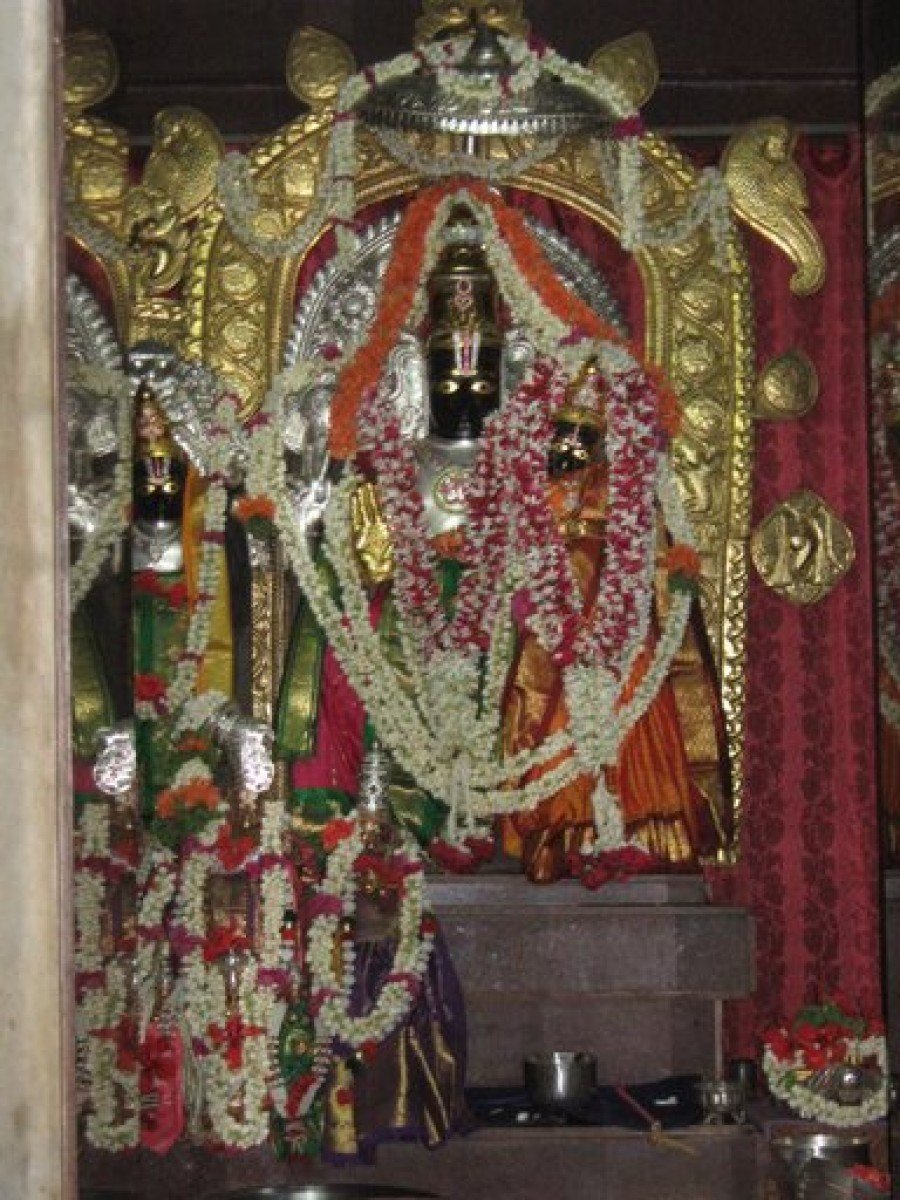
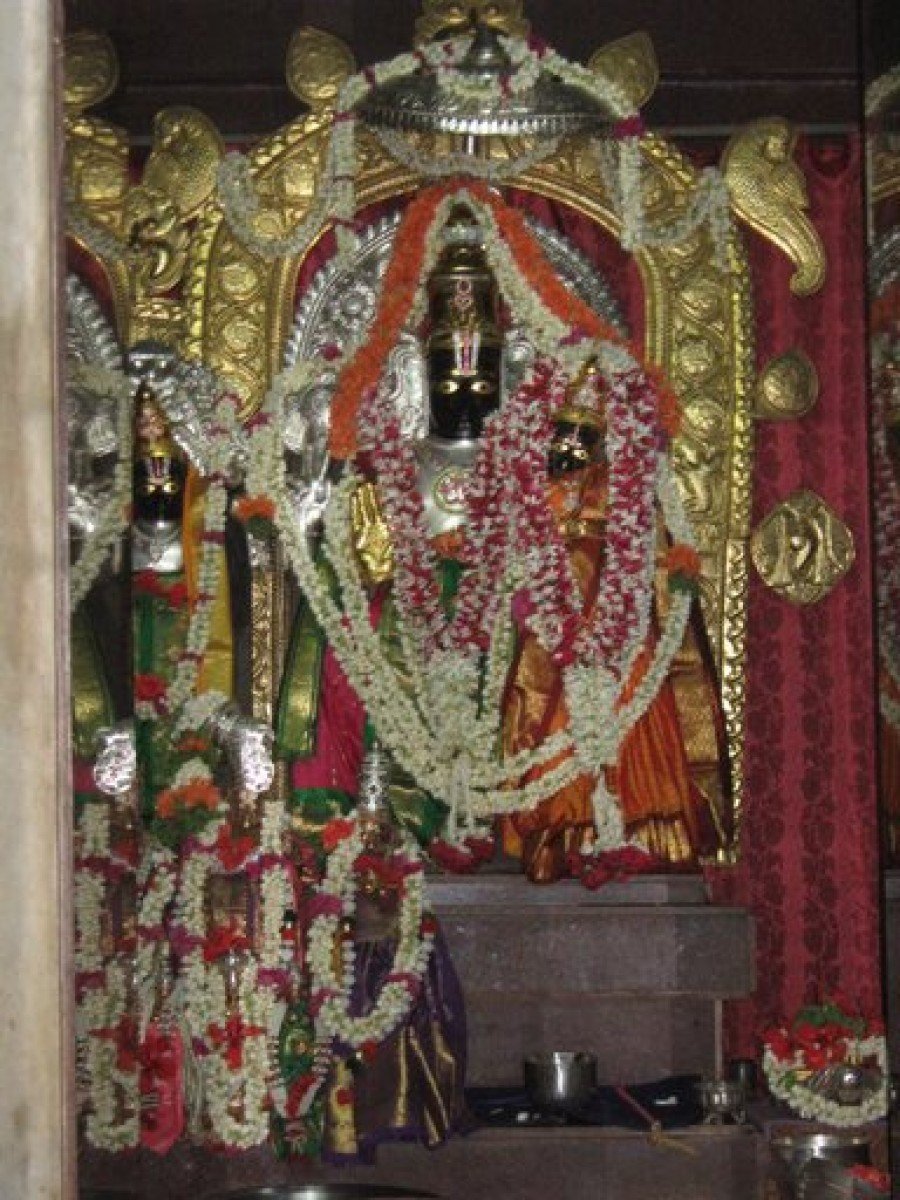
 @@A Sacred Mythological Site: Lady Banda is an exceptionally significant spiritual site located within the Sri Ramachandra Swamy Devasthanam complex in Jeedikal. This place holds immense importance in the Ramayana lore, specifically linked to the Maricha episode. It is believed that while Lord Rama was chasing the golden deer (the demon Maricha in disguise), he shot the fatal arrow at this very spot. The term "Lady" in Telugu refers to "deer," and "Banda" refers to a "rock," signifying the rock where the deer fell. The site features the sacred Sri Rama Paduka's (footprints) and a natural rock pond known as Uttar Ganga. Legend says Lord Rama pressed the rock with his thumb to bring forth water to quench the thirst of the liberated soul of Chitraradha. This water remains at a constant level year-round, never drying up even in the peak of summer, which devotees find miraculous. The atmosphere here is deeply meditative, filled with the resonance of ancient prayers. Visitors often experience a sense of peace that transcends time, feeling a direct connection to the Tretayuga. The site is surrounded by local legends, including the phenomenon where rice at the temple turns yellow exactly when rituals are performed at Bhadrachalam, symbolizing a cosmic link between the two holy sites dedicated to Lord Rama.
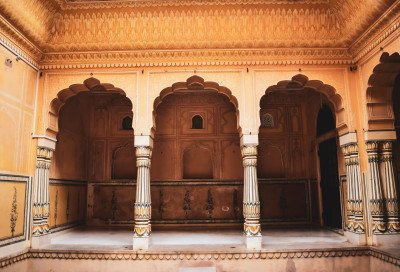 @@Aristocratic Splendor: Domkonda Fort, also known as Gadi Domakonda, is an 18th-century fortified complex that serves as a stunning example of the princely heritage of the region. The fort features a magnificent two-storied palace called "Addhala Meda" or the Glass House, which was once the seat of power for the local royal family who still manages the property. Surrounded by high granite walls and a protective moat, the fort houses a beautiful water garden pond and a central courtyard. The structure is famous for its unique blend of architectural styles, combining Mughal arched pillars with Western-style round columns. In 2022, the fort gained international recognition by receiving the UNESCO Asia-Pacific Award for Cultural Heritage Conservation, highlighting the successful restoration of its stucco work and woodwork. It also contains an ancient Shiva temple from the Kakatiya era, making it a site of both historical and religious importance.
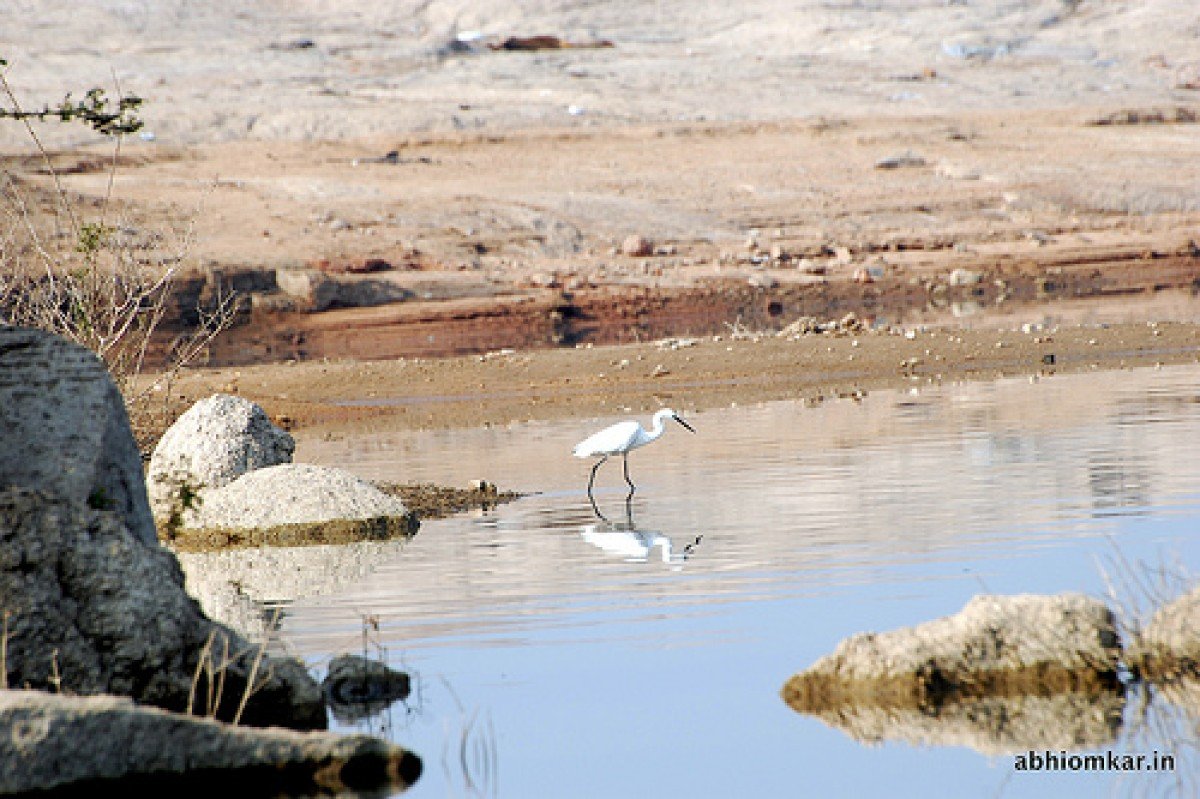
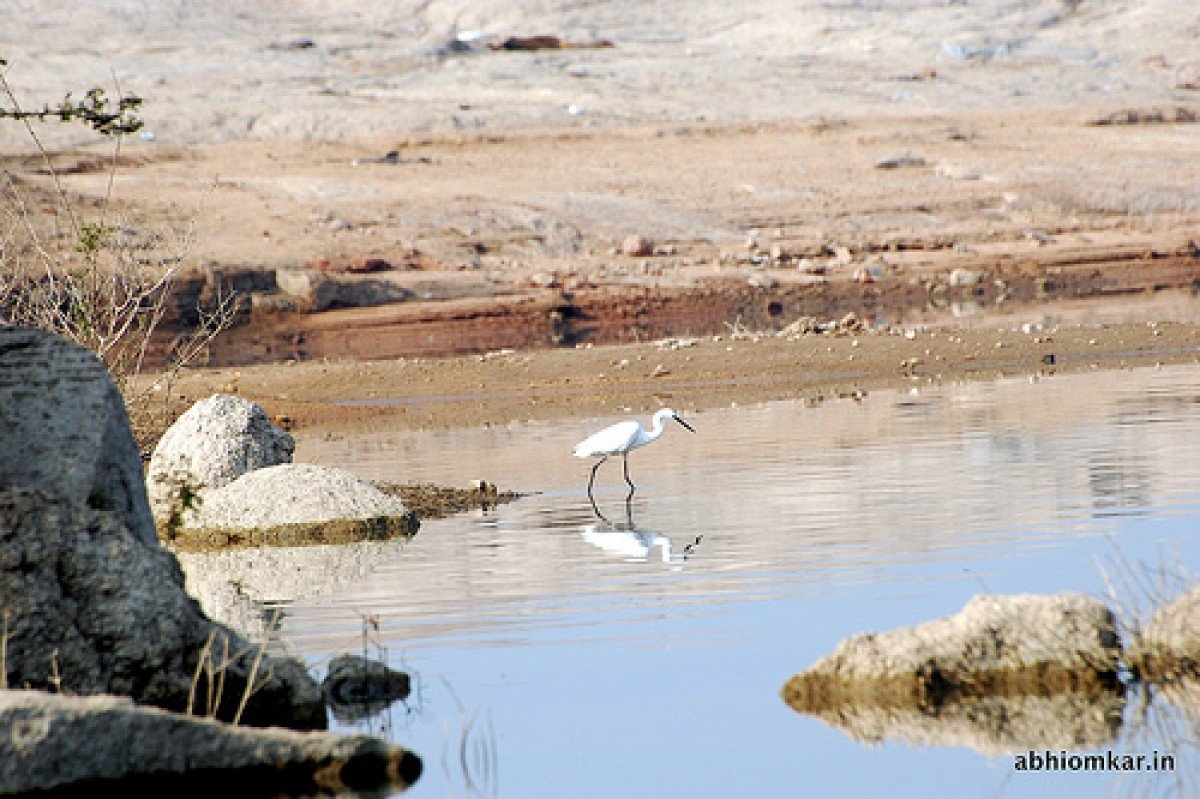
 @@A Historic Reservoir: Shamirpet Lake, also known as Pedda Cheruvu, is a man-made lake built during the Nizam era in the 19th century. Originally constructed to meet the irrigation and drinking water needs of the region, it has now evolved into one of the most popular weekend getaways near the Jangaon-Hyderabad belt. The lake is famous for its rocky terrain and the surrounding Jawahar Deer Park. The landscape is dotted with large granite boulders, which are a hallmark of the Deccan Plateau. It is a haven for bird watchers, especially during the winter months when migratory birds flock to its shores. The sunset at Shamirpet is legendary, with the orange sky reflecting off the calm waters and the silhouettes of the boulders creating a dramatic scene. However, the lake is also known for its depth and rocky underwater terrain, making it dangerous for swimming. The presence of the Katta Maisamma temple nearby adds a cultural dimension to the visit, where many locals gather for weekend rituals.
@@Legacy of Pothana: Bammera is the sacred birthplace of the legendary 15th-century poet Bammera Pothana, who is immortalized for translating the Srimad Bhagavatam from Sanskrit to Telugu. This village resonates with the spiritual energy of a man who chose a life of simple farming over royal patronage, refusing to dedicate his work to mortal kings. The site is a pilgrimage for literature lovers, featuring the ruins of his ancestral home and a peaceful atmosphere that reflects the poet's humble lifestyle. Visitors can see the old well and the fields where he once labored while composing divine verses that are still recited in every Telugu household today. The state government has developed this location into a significant cultural landmark to honor his "Sahaja Kavi" (Natural Poet) title and preserved the rural charm that inspired his rhythmic and metamorphic poetry.
@@A Historic Reservoir: Shamirpet Lake, also known as Pedda Cheruvu, is a man-made lake built during the Nizam era in the 19th century. Originally constructed to meet the irrigation and drinking water needs of the region, it has now evolved into one of the most popular weekend getaways near the Jangaon-Hyderabad belt. The lake is famous for its rocky terrain and the surrounding Jawahar Deer Park. The landscape is dotted with large granite boulders, which are a hallmark of the Deccan Plateau. It is a haven for bird watchers, especially during the winter months when migratory birds flock to its shores. The sunset at Shamirpet is legendary, with the orange sky reflecting off the calm waters and the silhouettes of the boulders creating a dramatic scene. However, the lake is also known for its depth and rocky underwater terrain, making it dangerous for swimming. The presence of the Katta Maisamma temple nearby adds a cultural dimension to the visit, where many locals gather for weekend rituals.
@@Legacy of Pothana: Bammera is the sacred birthplace of the legendary 15th-century poet Bammera Pothana, who is immortalized for translating the Srimad Bhagavatam from Sanskrit to Telugu. This village resonates with the spiritual energy of a man who chose a life of simple farming over royal patronage, refusing to dedicate his work to mortal kings. The site is a pilgrimage for literature lovers, featuring the ruins of his ancestral home and a peaceful atmosphere that reflects the poet's humble lifestyle. Visitors can see the old well and the fields where he once labored while composing divine verses that are still recited in every Telugu household today. The state government has developed this location into a significant cultural landmark to honor his "Sahaja Kavi" (Natural Poet) title and preserved the rural charm that inspired his rhythmic and metamorphic poetry. @@A Historical Pilgrimage Center: The Palakurthi Someshwara Laxmi Narasimha Swamy Temple is a legendary cave shrine perched on a hillock. It is a rare site where both Lord Shiva (as Someshwara) and Lord Vishnu (as Laxmi Narasimha) are worshipped in adjacent caves, symbolizing the unity of Shaivism and Vaishnavism. Historically, the site dates back over 800 years and is famously known as the birthplace of the renowned 12th-century poet Palkuriki Somanatha, who was a pioneer in Telugu literature and the Veera Shaiva movement. The temple is reached by climbing approximately 365 steps, though a motorable road is now available. Inside the caves, the natural rock ceiling creates a cool and divine atmosphere. The Shivalinga is a Swayambhu (self-manifested) deity. Devotees believe that a narrow passage behind the temple, created by the Lord for an elderly devotee, allows only the pure-hearted to pass through. The hill is also home to ancient beehives, believed to be the guardians of the shrine. The surrounding landscape is filled with boulders and greenery, offering a serene retreat for spiritual seekers and history buffs alike.
@@Treta Yuga Legend: This ancient temple is steeped in Ramayana lore, believed to be the spot where Lord Rama shot the demon Maricha, who had disguised himself as a golden deer to lure Rama away from Sita. The temple is unique because it houses a "Swayambhu" (self-manifested) idol of Lord Rama on a hillock. Local legends state that the water pond inside the natural rock, known as "Palagundam," never goes dry even in the harshest summers. Another miracle associated with this place is the "Lady Banda" (Deer Rock), where the golden deer is said to have fallen. Devotees believe that the fingerprints of Lord Rama can still be felt in a small hole in the rock, from which "Uttar Ganga" water emerges. The temple's spiritual significance is so high that it is often compared to Bhadrachalam, and it is said that the rice at this temple turns yellow naturally during the celestial wedding of Rama and Sita at the main Bhadrachalam shrine.
@@A Historical Pilgrimage Center: The Palakurthi Someshwara Laxmi Narasimha Swamy Temple is a legendary cave shrine perched on a hillock. It is a rare site where both Lord Shiva (as Someshwara) and Lord Vishnu (as Laxmi Narasimha) are worshipped in adjacent caves, symbolizing the unity of Shaivism and Vaishnavism. Historically, the site dates back over 800 years and is famously known as the birthplace of the renowned 12th-century poet Palkuriki Somanatha, who was a pioneer in Telugu literature and the Veera Shaiva movement. The temple is reached by climbing approximately 365 steps, though a motorable road is now available. Inside the caves, the natural rock ceiling creates a cool and divine atmosphere. The Shivalinga is a Swayambhu (self-manifested) deity. Devotees believe that a narrow passage behind the temple, created by the Lord for an elderly devotee, allows only the pure-hearted to pass through. The hill is also home to ancient beehives, believed to be the guardians of the shrine. The surrounding landscape is filled with boulders and greenery, offering a serene retreat for spiritual seekers and history buffs alike.
@@Treta Yuga Legend: This ancient temple is steeped in Ramayana lore, believed to be the spot where Lord Rama shot the demon Maricha, who had disguised himself as a golden deer to lure Rama away from Sita. The temple is unique because it houses a "Swayambhu" (self-manifested) idol of Lord Rama on a hillock. Local legends state that the water pond inside the natural rock, known as "Palagundam," never goes dry even in the harshest summers. Another miracle associated with this place is the "Lady Banda" (Deer Rock), where the golden deer is said to have fallen. Devotees believe that the fingerprints of Lord Rama can still be felt in a small hole in the rock, from which "Uttar Ganga" water emerges. The temple's spiritual significance is so high that it is often compared to Bhadrachalam, and it is said that the rice at this temple turns yellow naturally during the celestial wedding of Rama and Sita at the main Bhadrachalam shrine.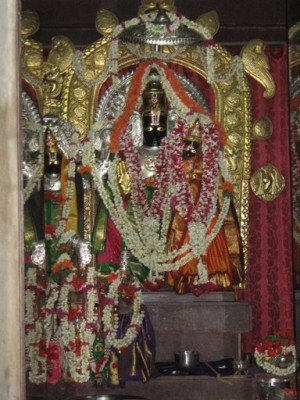 @@A Versatile Event Venue: Sri Rama Gardens is a prominent multi-purpose venue located in the heart of Jangaon. While it primarily serves as a function hall for weddings and large-scale community events, it is also a local landmark known for its well-maintained landscape and open spaces. It is famous among locals for hosting cultural programs, political gatherings, and the grand Dasara celebrations. The "Gardens" part of the name refers to the beautifully manicured lawns and flowering plants that surround the main structure. It serves as a green lung in the increasingly urbanized Jangaon town. For a traveler, it is an interesting place to observe local life, especially during the wedding season when the venue is decorated with vibrant lights and traditional floral arrangements. It reflects the social fabric of the town, where people from all walks of life gather to celebrate milestones. The venue is spacious enough to accommodate thousands of guests, making it the go-to spot for major town activities.Show All
@@Scientific Wonder: The Chaya Someshwara Temple, built during the 11th-12th centuries by the Kunduru Chodas, is a masterpiece of medieval engineering known for a persistent shadow that falls on the main deity. This shadow remains stationary throughout the day, regardless of the sun's position, appearing as the silhouette of a single pillar. However, modern research reveals it is actually a unified shadow formed by the strategic placement of four pillars in the mandapa, demonstrating the advanced optical knowledge of ancient Indian architects. The temple is a "Trikutalayam," featuring three sanctums dedicated to Lord Shiva, Lord Vishnu, and Lord Surya. The intricate carvings on the pillars depict scenes from the Ramayana and Mahabharata, making it a treasure trove of art and history. It stands amidst lush paddy fields, offering a tranquil atmosphere for pilgrims and history buffs alike who come to witness the "Chaya" (shadow) that gives the temple its unique name.
@@A Versatile Event Venue: Sri Rama Gardens is a prominent multi-purpose venue located in the heart of Jangaon. While it primarily serves as a function hall for weddings and large-scale community events, it is also a local landmark known for its well-maintained landscape and open spaces. It is famous among locals for hosting cultural programs, political gatherings, and the grand Dasara celebrations. The "Gardens" part of the name refers to the beautifully manicured lawns and flowering plants that surround the main structure. It serves as a green lung in the increasingly urbanized Jangaon town. For a traveler, it is an interesting place to observe local life, especially during the wedding season when the venue is decorated with vibrant lights and traditional floral arrangements. It reflects the social fabric of the town, where people from all walks of life gather to celebrate milestones. The venue is spacious enough to accommodate thousands of guests, making it the go-to spot for major town activities.Show All
@@Scientific Wonder: The Chaya Someshwara Temple, built during the 11th-12th centuries by the Kunduru Chodas, is a masterpiece of medieval engineering known for a persistent shadow that falls on the main deity. This shadow remains stationary throughout the day, regardless of the sun's position, appearing as the silhouette of a single pillar. However, modern research reveals it is actually a unified shadow formed by the strategic placement of four pillars in the mandapa, demonstrating the advanced optical knowledge of ancient Indian architects. The temple is a "Trikutalayam," featuring three sanctums dedicated to Lord Shiva, Lord Vishnu, and Lord Surya. The intricate carvings on the pillars depict scenes from the Ramayana and Mahabharata, making it a treasure trove of art and history. It stands amidst lush paddy fields, offering a tranquil atmosphere for pilgrims and history buffs alike who come to witness the "Chaya" (shadow) that gives the temple its unique name.Information
-
Why Famous:
Bammera Pothana: It is the ultimate pilgrimage for Telugu literature fans who wish to see the home of the legendary 'Maha Kavi'.
Revolutionary History: The town is famous for its resistance movements, symbolizing the spirit of the Telangana ...Bammera Pothana: It is the ultimate pilgrimage for Telugu literature fans who wish to see the home of the legendary 'Maha Kavi'.
Revolutionary History: The town is famous for its resistance movements, symbolizing the spirit of the Telangana people's struggle for land and rights. -
Architecture:
Temple Architecture: The Jeedikal Temple features typical Kakatiya-style stone carvings with a massive 'Gopuram' and a large sacred pond (Pushkarini).
Poet's Memorial: The Bammera Pothana site includes a traditional mud-and-stone structure r...Temple Architecture: The Jeedikal Temple features typical Kakatiya-style stone carvings with a massive 'Gopuram' and a large sacred pond (Pushkarini).
Poet's Memorial: The Bammera Pothana site includes a traditional mud-and-stone structure renovated to preserve the 15th-century aesthetic of the poet’s residence.
Rural Layout: The architecture of the older parts of the town consists of 'Gadis' (fortified mansions) that belonged to local landlords during the Nizam era. -
How To Reach:
By Air: Rajiv Gandhi International Airport (HYD) is about 110 KMS away via the Warangal Highway.
By Train: Jangaon (ZN) is a major station on the Secunderabad-Kazipet line with frequent express trains.
By Road:<...By Air: Rajiv Gandhi International Airport (HYD) is about 110 KMS away via the Warangal Highway.
By Train: Jangaon (ZN) is a major station on the Secunderabad-Kazipet line with frequent express trains.
By Road: It is perfectly situated on NH 163. Buses from Hyderabad (85 KMS) run every 15 minutes.
By Local Transport: Shared autos and mini-buses are available to reach interior villages like Bammera and Palakurthi. -
Weather and Best Time to Visit:
Winter Season: October to January is perfect as the weather is cool and the fields are lush green.
Summer Season: March to May can be very hot (up to 42°C), making outdoor sightseeing difficult during midday.
M...Winter Season: October to January is perfect as the weather is cool and the fields are lush green.
Summer Season: March to May can be very hot (up to 42°C), making outdoor sightseeing difficult during midday.
Monsoon: August is beautiful for photographers but roads to interior villages can be muddy. -
Near Tourist Places:
1. Warangal (55 KMS), 2. Kolanupaka (25 KMS), 3. Pembarthi (10 KMS), 4. Yadadri (45 KMS), 5. Bhongir Fort (50 KMS), 6. Palakurthi (25 KMS), 7. Ghanpur Temples (65 KMS), 8. Ramappa Temple (120 KMS), 9. Laknavaram (135 KMS), 10. Hyderabad (85 KMS).
Tourism Tips
-
Health and Safety: Keep hand sanitizers and masks handy; medical facilities are available in the main town but limited in villages.
Packing: Wear breathable cottons; a sturdy pair of walking shoes is essential for visiting hill temples and...Health and Safety: Keep hand sanitizers and masks handy; medical facilities are available in the main town but limited in villages.
Packing: Wear breathable cottons; a sturdy pair of walking shoes is essential for visiting hill temples and ruins.
Accommodation: Limited luxury options; it is better to stay in Warangal or make it a day trip from Hyderabad.
Cultural Etiquette: Ask for permission before photographing local residents or private 'Gadi' properties.
Reviews
FAQs
Jangaon Itineray And Cost:-
Other Places In Telangana :-
Other States In India :-
Information about New and Updated Locations() of Telangana Has Been Added :-
Card subtitle
Note:-
Information provided here in good Faith and for reference only.
Near Places
Adilabad
Some quick example text to build on the card title and make up the bulk of the card's content.
Go somewhere
Bhongir
Some quick example text to build on the card title and make up the bulk of the card's content.
Go somewhere
Bodhan
Some quick example text to build on the card title and make up the bulk of the card's content.
Go somewhere
Gadwal
Some quick example text to build on the card title and make up the bulk of the card's content.
Go somewhere
HYDERABAD
Some quick example text to build on the card title and make up the bulk of the card's content.
Go somewhere
Jagtial
Some quick example text to build on the card title and make up the bulk of the card's content.
Go somewhere
Jangaon
Some quick example text to build on the card title and make up the bulk of the card's content.
Go somewhere
Kamareddy
Some quick example text to build on the card title and make up the bulk of the card's content.
Go somewhere
Karimnagar
Some quick example text to build on the card title and make up the bulk of the card's content.
Go somewhere
KHAMMAM
Some quick example text to build on the card title and make up the bulk of the card's content.
Go somewhere
Kothagudem
Some quick example text to build on the card title and make up the bulk of the card's content.
Go somewhere
Mahabubabad
Some quick example text to build on the card title and make up the bulk of the card's content.
Go somewhere
Mahabubnagar
Some quick example text to build on the card title and make up the bulk of the card's content.
Go somewhere
Mancherial
Some quick example text to build on the card title and make up the bulk of the card's content.
Go somewhere
Medak
Some quick example text to build on the card title and make up the bulk of the card's content.
Go somewhere
Nagarjunakonda
Some quick example text to build on the card title and make up the bulk of the card's content.
Go somewherein Other Cities