Kamareddy
General information
-
Ideal Duration:
1 to 2 DaysPlace Type:
Heritage & NatureEntry Fees:
Fort Entry: Entry is restricted as it is a private property, but heritage tours can be booked for approximately 200 to 500 INR.
Dam & Sanctuary: Nominal entry fee of 20 to 50 INR for vehicle parking and maintenance. ...Fort Entry: Entry is restricted as it is a private property, but heritage tours can be booked for approximately 200 to 500 INR.
Dam & Sanctuary: Nominal entry fee of 20 to 50 INR for vehicle parking and maintenance.Timing:
Regular Timings: Fort (if open for tours) 10 AM to 4 PM. Dams and parks 9 AM to 6 PM.
Ideal Visit Time: August for the dam's full glory or December for the comfortable fort explorations. ...Regular Timings: Fort (if open for tours) 10 AM to 4 PM. Dams and parks 9 AM to 6 PM.
Ideal Visit Time: August for the dam's full glory or December for the comfortable fort explorations.Special Events:
Bathukamma Celebrations: The festival is celebrated with great pomp at the Domakonda Fort, involving the royal family and local villagers.
Bhairava Ashtami: A major festival at the Isannapally temple where special night-long rituals are perf...Bathukamma Celebrations: The festival is celebrated with great pomp at the Domakonda Fort, involving the royal family and local villagers.
Bhairava Ashtami: A major festival at the Isannapally temple where special night-long rituals are performed for Lord Bhairava.Best Photo Spots:
The Glass House: The interior of the Addala Meda in the fort offers a royal backdrop for portraits and architectural shots.
Dam Spillway: During the monsoon, the rushing water from the open gates of Nizamsagar creates a dramatic and powerful...The Glass House: The interior of the Addala Meda in the fort offers a royal backdrop for portraits and architectural shots.
Dam Spillway: During the monsoon, the rushing water from the open gates of Nizamsagar creates a dramatic and powerful image.Photo Gallery
Things To Do
 The Kamareddy Railway Station serves as the primary lifeline for the town, connecting it to major metropolitan hubs like Hyderabad, Nizamabad, and Nanded. It is a crucial junction under the Hyderabad Division of the South Central Railway zone. For many visitors, this station is the first point of contact with the town’s warm hospitality and bustling energy. The station has undergone significant modernization in recent years, featuring improved platforms, digital signage, and passenger waiting halls that reflect the growing importance of Kamareddy as a district headquarters. It handles a high volume of daily commuters and long-distance travelers, making it a vibrant center of activity. The surrounding area is filled with local eateries and markets, offering a quick glimpse into the town's commercial life. Historically, the railway line here played a pivotal role in the transport of agricultural goods like sugarcane and turmeric, which are staples of the local economy. Today, the station stands as a symbol of progress, blending its historical utility with modern amenities to serve thousands of passengers daily.
 The Ganadapuram Step Well is a hidden archaeological treasure. It was primarily built for water conservation and as a resting place for weary travelers. The well dates back over 500 years and showcases the advanced engineering of the medieval era. It features several levels of descending stairs. Unlike regular wells, step wells were social hubs where people gathered to beat the heat. The water remains cool throughout the year due to the subterranean design. The structure is built using locally sourced granite. It has survived centuries of weather changes but requires modern conservation. The site is a reminder of the sustainable water management practices of ancient India. Visitors are often amazed by the symmetry of the stairs. It is a quiet spot, away from the typical tourist crowds. :
 The Sri Sai Baba Temple in Nemli has earned the title "Mini Shirdi" due to its striking resemblance to the original shrine in Maharashtra. Constructed by an NRI, Shri Mohan Reddy Patalolla, this temple spans 2.5 acres of beautifully landscaped grounds. It features a magnificent 23-foot statue of Shirdi Sai Baba in a cooking posture, which is a unique attraction in the region. Since its inception, it has become a major pilgrimage site for people from Telangana, Maharashtra, and Karnataka. The temple atmosphere is filled with the scent of incense and the sound of Sai Bhajans. The pristine white marble work and the lush green gardens make it a peaceful destination for families. It is not just a place of worship but a center for peace and spiritual rejuvenation.
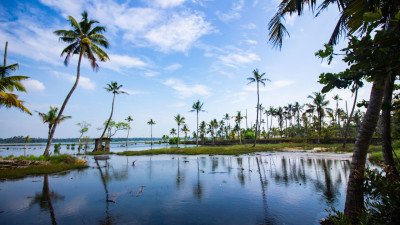 Ramareddy Lake is a serene water body located in the historical mandal of Ramareddy, which is named after the local ruling family of the past. The lake is deeply integrated into the local culture and is surrounded by a mix of agricultural land and small shrines. It serves as a vital ecological balance for the region, supporting local flora and fauna. The lake’s water is used for irrigation, but it also serves as a recreational spot for the local community. Historically, the area around Ramareddy has been a site of significant cultural activity, and the lake remains a central point for many local traditions. The water body is particularly beautiful during the post-monsoon season when the lotus flowers often bloom near the edges. The calm and steady waters provide a sense of tranquility that is rare to find. For a visitor, Ramareddy Lake offers a chance to experience the slow-paced life of a Telangana mandal headquarters while enjoying the natural beauty of a well-maintained water body. It is an ideal spot for a short getaway from the busier parts of the district.
Mallanna Sagar is a monumental feat of modern engineering and is officially the largest artificial reservoir in India. While the main structure is located in the neighboring Siddipet district, a significant portion of its catchment and its massive impact on irrigation extend into the Kamareddy district. Part of the Kaleshwaram Lift Irrigation System (KLIS), this reservoir has a staggering capacity of 50 TMC (Thousand Million Cubic feet). It was built to quench the thirst of Hyderabad and to provide life-giving water to millions of acres of farmland across Northern Telangana. The sheer scale of the reservoir is breathtaking, with a massive bund that stretches for miles, offering views that resemble an inland sea. The project has transformed the local landscape from arid plains to fertile zones, supporting crops like paddy and maize. For tourists, the reservoir is becoming a major attraction for its engineering grandeur and the serene beauty of the vast blue water. Standing on the bund during sunset provides a peaceful experience, as the water reflects the changing colors of the sky, making it a popular spot for weekend drives from nearby towns.
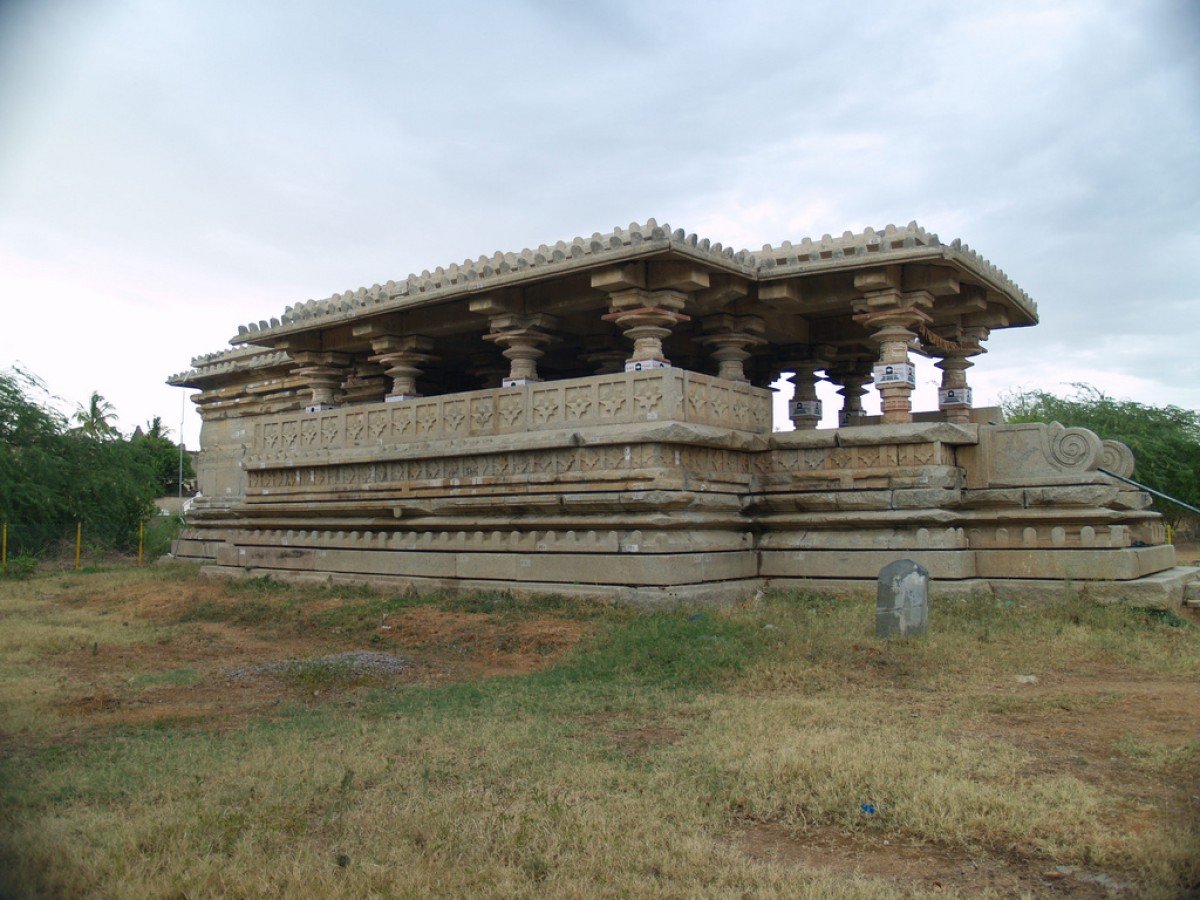
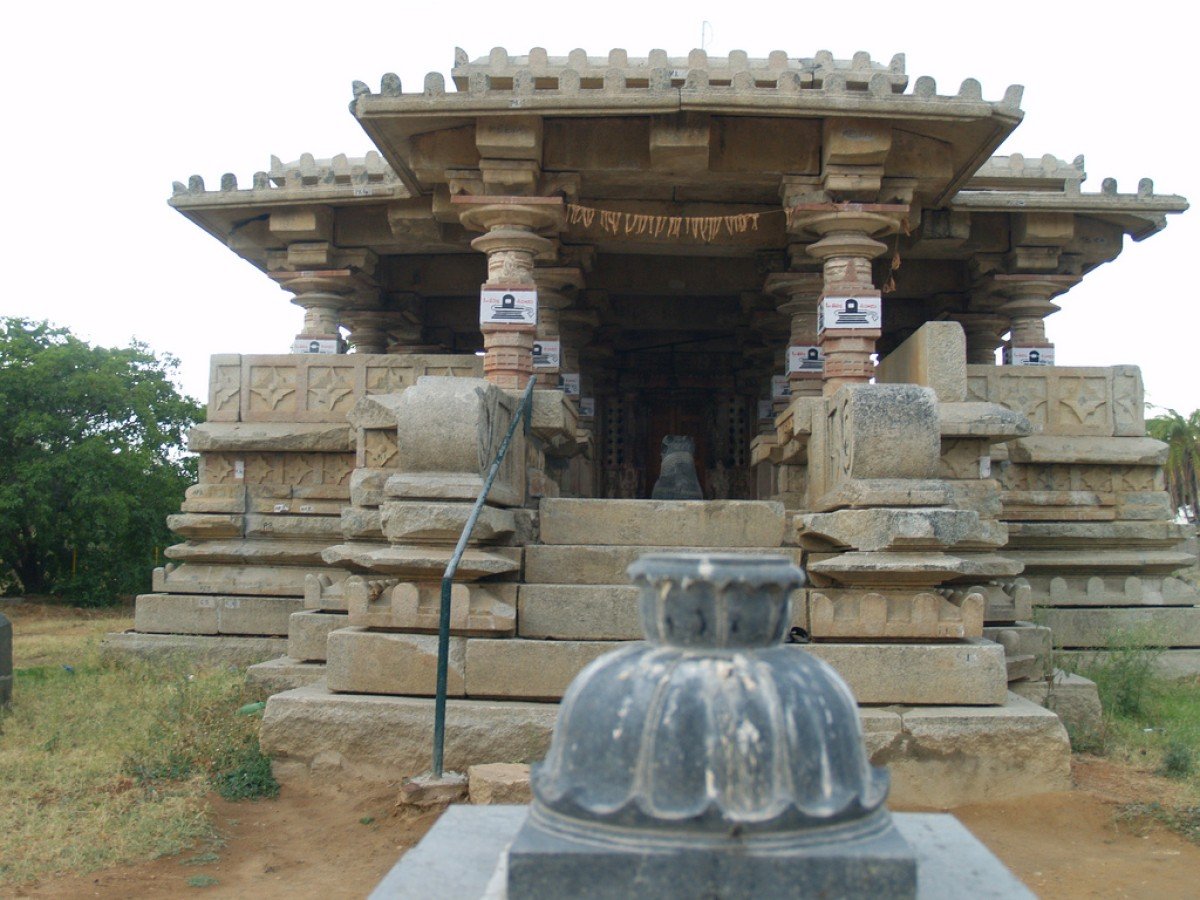
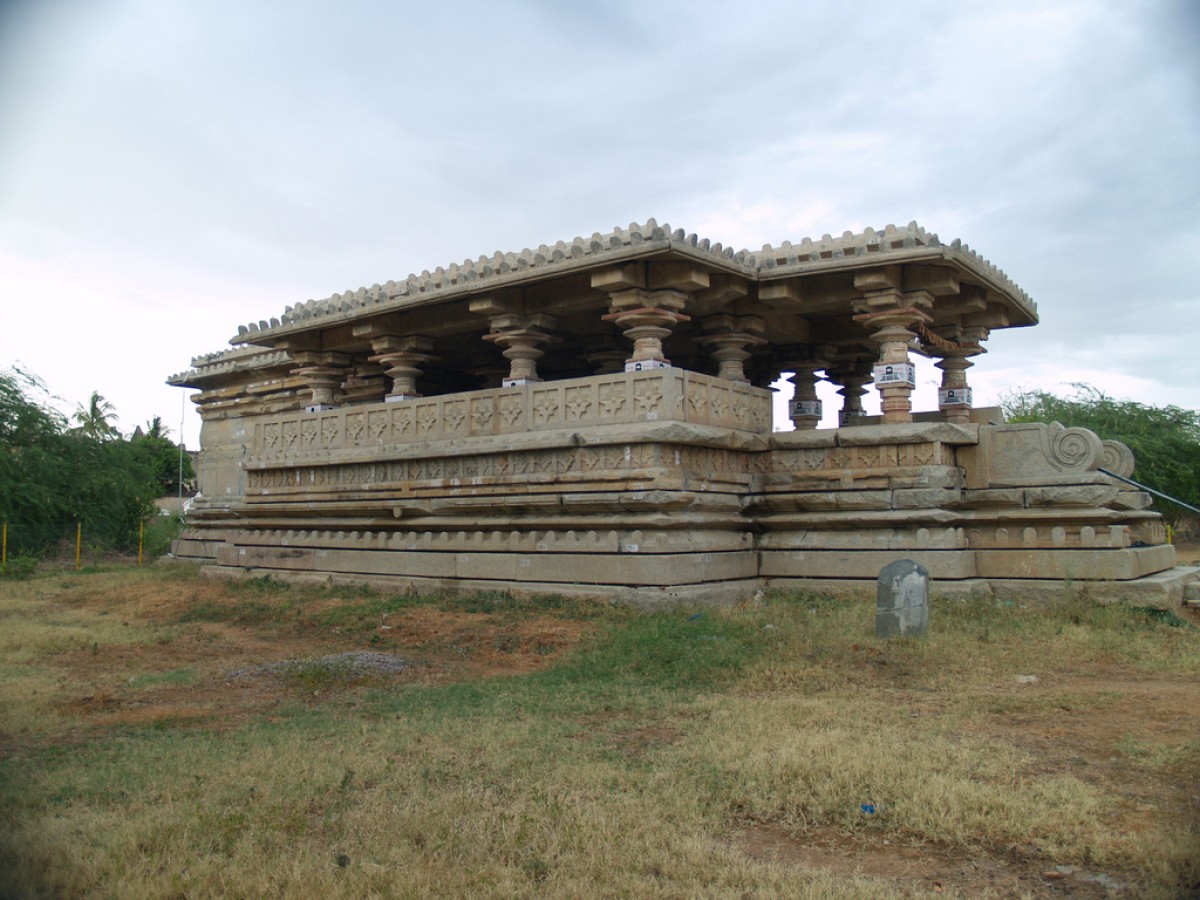
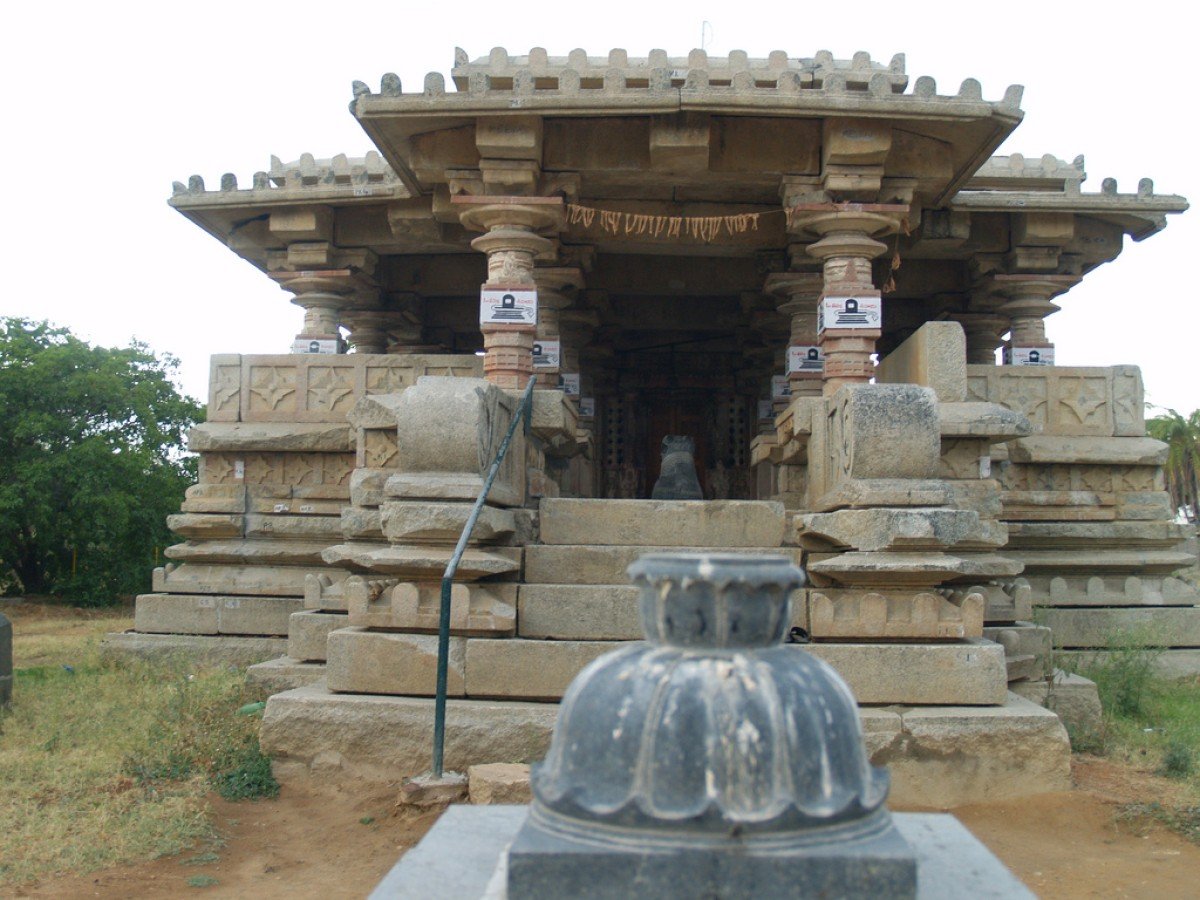
@@ Legend of the Exile : The Trilinga Rameshwara Temple in Tandur is a site of immense mythological importance. It is believed that during their 14-year exile, Lord Rama, Lakshmana, and Sita stayed here briefly. While staying near the Manjeera River, they felt the need to worship Lord Shiva. Due to the influence of different cosmic energies, they installed three separate Shiva Lingams at three different angles within a single complex. These lingams are named Rama, Bheema, and Soma. The area where they bathed is still known as Ramapadalu. The temple was originally constructed by the Chalukyas in the 11th century and was later renovated and completed by the Kakatiya kings. The temple stands amidst lush green paddy fields, offering a postcard-perfect view of rural Telangana. It is a place where history, mythology, and nature blend seamlessly. Devotees believe that worshipping all three lingams together brings immense peace and removes obstacles from one's life. The sight of the Manjeera River flowing nearby, which itself looks like a Shiva Linga from an aerial view, adds to the sanctity of the place.
Ramareddy Lake is a serene water body located in the historical mandal of Ramareddy, which is named after the local ruling family of the past. The lake is deeply integrated into the local culture and is surrounded by a mix of agricultural land and small shrines. It serves as a vital ecological balance for the region, supporting local flora and fauna. The lake’s water is used for irrigation, but it also serves as a recreational spot for the local community. Historically, the area around Ramareddy has been a site of significant cultural activity, and the lake remains a central point for many local traditions. The water body is particularly beautiful during the post-monsoon season when the lotus flowers often bloom near the edges. The calm and steady waters provide a sense of tranquility that is rare to find. For a visitor, Ramareddy Lake offers a chance to experience the slow-paced life of a Telangana mandal headquarters while enjoying the natural beauty of a well-maintained water body. It is an ideal spot for a short getaway from the busier parts of the district.
Mallanna Sagar is a monumental feat of modern engineering and is officially the largest artificial reservoir in India. While the main structure is located in the neighboring Siddipet district, a significant portion of its catchment and its massive impact on irrigation extend into the Kamareddy district. Part of the Kaleshwaram Lift Irrigation System (KLIS), this reservoir has a staggering capacity of 50 TMC (Thousand Million Cubic feet). It was built to quench the thirst of Hyderabad and to provide life-giving water to millions of acres of farmland across Northern Telangana. The sheer scale of the reservoir is breathtaking, with a massive bund that stretches for miles, offering views that resemble an inland sea. The project has transformed the local landscape from arid plains to fertile zones, supporting crops like paddy and maize. For tourists, the reservoir is becoming a major attraction for its engineering grandeur and the serene beauty of the vast blue water. Standing on the bund during sunset provides a peaceful experience, as the water reflects the changing colors of the sky, making it a popular spot for weekend drives from nearby towns.
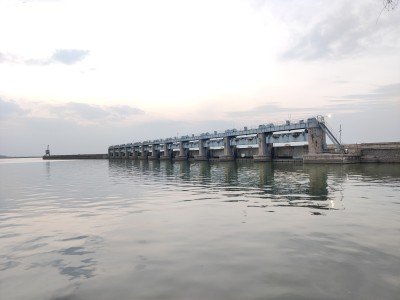
@@ Legend of the Exile : The Trilinga Rameshwara Temple in Tandur is a site of immense mythological importance. It is believed that during their 14-year exile, Lord Rama, Lakshmana, and Sita stayed here briefly. While staying near the Manjeera River, they felt the need to worship Lord Shiva. Due to the influence of different cosmic energies, they installed three separate Shiva Lingams at three different angles within a single complex. These lingams are named Rama, Bheema, and Soma. The area where they bathed is still known as Ramapadalu. The temple was originally constructed by the Chalukyas in the 11th century and was later renovated and completed by the Kakatiya kings. The temple stands amidst lush green paddy fields, offering a postcard-perfect view of rural Telangana. It is a place where history, mythology, and nature blend seamlessly. Devotees believe that worshipping all three lingams together brings immense peace and removes obstacles from one's life. The sight of the Manjeera River flowing nearby, which itself looks like a Shiva Linga from an aerial view, adds to the sanctity of the place.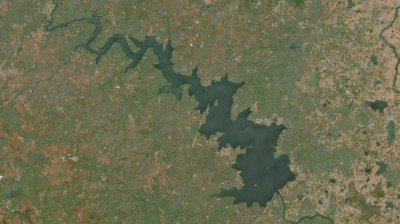 @@Engineering Marvel on Manjira: The Singoor Dam is a massive reservoir project constructed across the Manjira River, a major tributary of the Godavari. Completed in 1989, this dam serves multiple purposes: it is a primary source of drinking water for Hyderabad, generates hydroelectric power, and provides irrigation for thousands of acres of farmland in the Medak, Sangareddy, and parts of Kamareddy districts. The reservoir has a storage capacity of about 30 TMC, creating a vast expanse of water that looks like an inland sea. The project is named after M. Bagha Reddy, a prominent local leader. Beyond its utility, the dam has evolved into a popular tourist destination due to its scenic beauty and the rich biodiversity it supports. The backwaters of the dam are home to a large population of Mugger Crocodiles, which are a major attraction for wildlife enthusiasts. The area is also a haven for migratory birds during the winter months. The sight of the massive spillway gates discharging water during the peak monsoon is an awe-inspiring experience that draws thousands of visitors. The dam represents the successful balance between industrial necessity and environmental preservation. It is a place where one can witness the power of engineering while enjoying the tranquility of nature.Show All
Pitlam Reservoir is a vital medium-scale water body located in the Pitlam mandal, primarily serving the irrigation needs of several surrounding villages. This reservoir is known for its calm environment and is often visited by locals seeking a break from the hustle of city life. The reservoir's vast catchment area fills up beautifully during the monsoon, transforming the arid landscape into a lush green haven. It plays a crucial role in maintaining the groundwater levels of the region, supporting crops like sugarcane and paddy. While not as commercialized as other projects, its raw beauty lies in its simplicity and the traditional lifestyle of the fishermen who operate here. The area around the reservoir is dotted with small hillocks and agricultural fields, providing a picturesque rural Indian setting. It is an excellent spot for those interested in rural tourism and seeing the impact of water management on local livelihoods. The quietude of the place is its biggest draw, offering a meditative atmosphere.
@@Engineering Marvel on Manjira: The Singoor Dam is a massive reservoir project constructed across the Manjira River, a major tributary of the Godavari. Completed in 1989, this dam serves multiple purposes: it is a primary source of drinking water for Hyderabad, generates hydroelectric power, and provides irrigation for thousands of acres of farmland in the Medak, Sangareddy, and parts of Kamareddy districts. The reservoir has a storage capacity of about 30 TMC, creating a vast expanse of water that looks like an inland sea. The project is named after M. Bagha Reddy, a prominent local leader. Beyond its utility, the dam has evolved into a popular tourist destination due to its scenic beauty and the rich biodiversity it supports. The backwaters of the dam are home to a large population of Mugger Crocodiles, which are a major attraction for wildlife enthusiasts. The area is also a haven for migratory birds during the winter months. The sight of the massive spillway gates discharging water during the peak monsoon is an awe-inspiring experience that draws thousands of visitors. The dam represents the successful balance between industrial necessity and environmental preservation. It is a place where one can witness the power of engineering while enjoying the tranquility of nature.Show All
Pitlam Reservoir is a vital medium-scale water body located in the Pitlam mandal, primarily serving the irrigation needs of several surrounding villages. This reservoir is known for its calm environment and is often visited by locals seeking a break from the hustle of city life. The reservoir's vast catchment area fills up beautifully during the monsoon, transforming the arid landscape into a lush green haven. It plays a crucial role in maintaining the groundwater levels of the region, supporting crops like sugarcane and paddy. While not as commercialized as other projects, its raw beauty lies in its simplicity and the traditional lifestyle of the fishermen who operate here. The area around the reservoir is dotted with small hillocks and agricultural fields, providing a picturesque rural Indian setting. It is an excellent spot for those interested in rural tourism and seeing the impact of water management on local livelihoods. The quietude of the place is its biggest draw, offering a meditative atmosphere.Information
-
Why Famous:
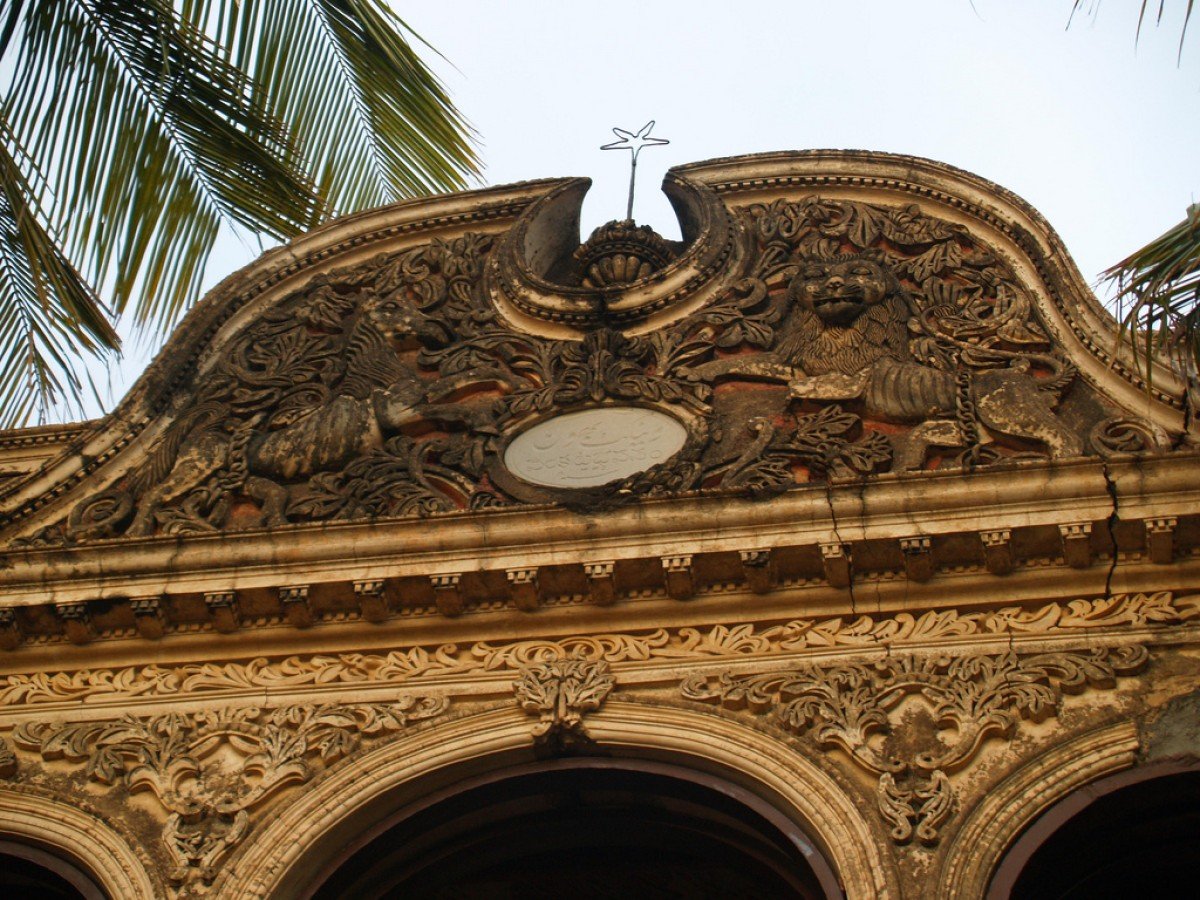
Domakonda Fort: Recently restored and awarded for heritage conservation, it is one of the most beautiful private forts in India.
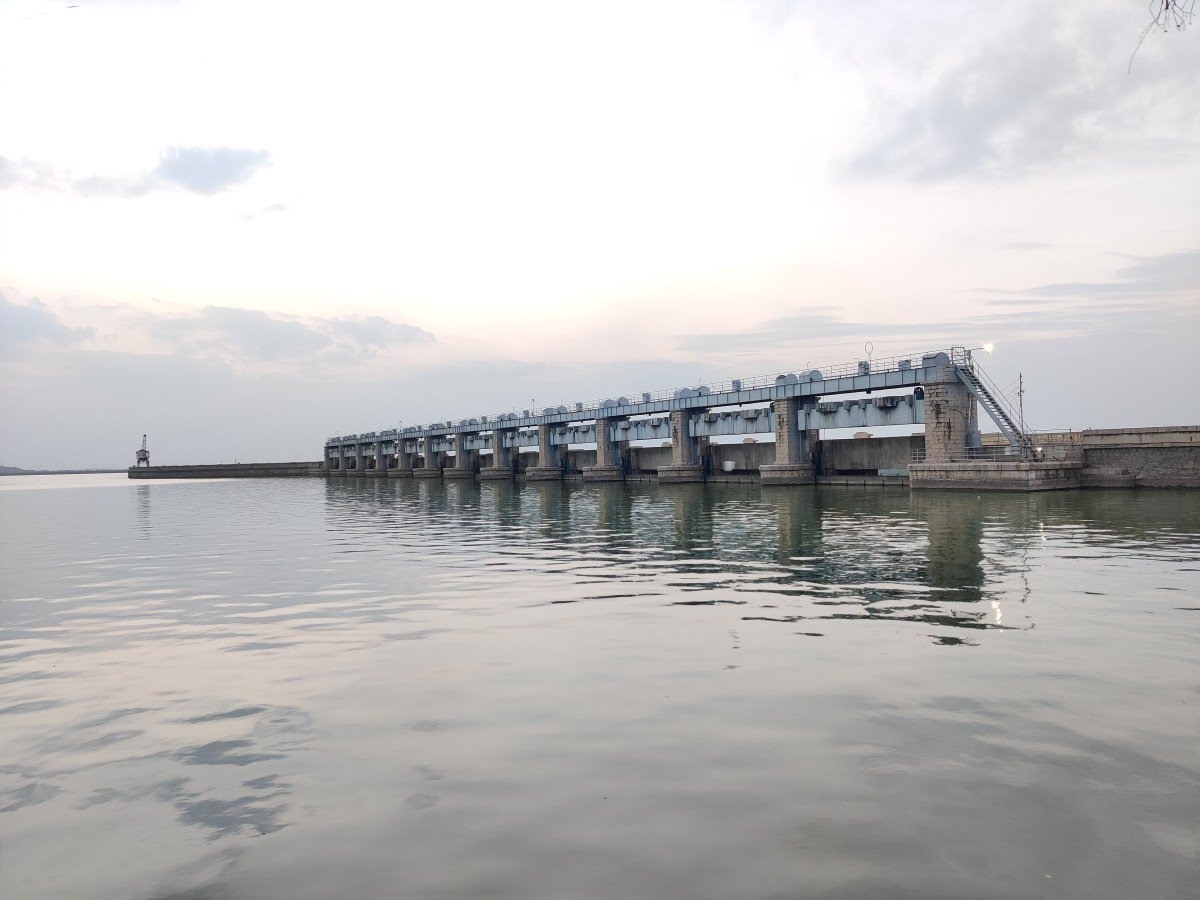
Nizamsagar Project: One of the oldest and largest dams in the state, it is a lifeline for agriculture and a prim...Domakonda Fort: Recently restored and awarded for heritage conservation, it is one of the most beautiful private forts in India.
Nizamsagar Project: One of the oldest and largest dams in the state, it is a lifeline for agriculture and a prime spot for local tourism. -
Architecture:
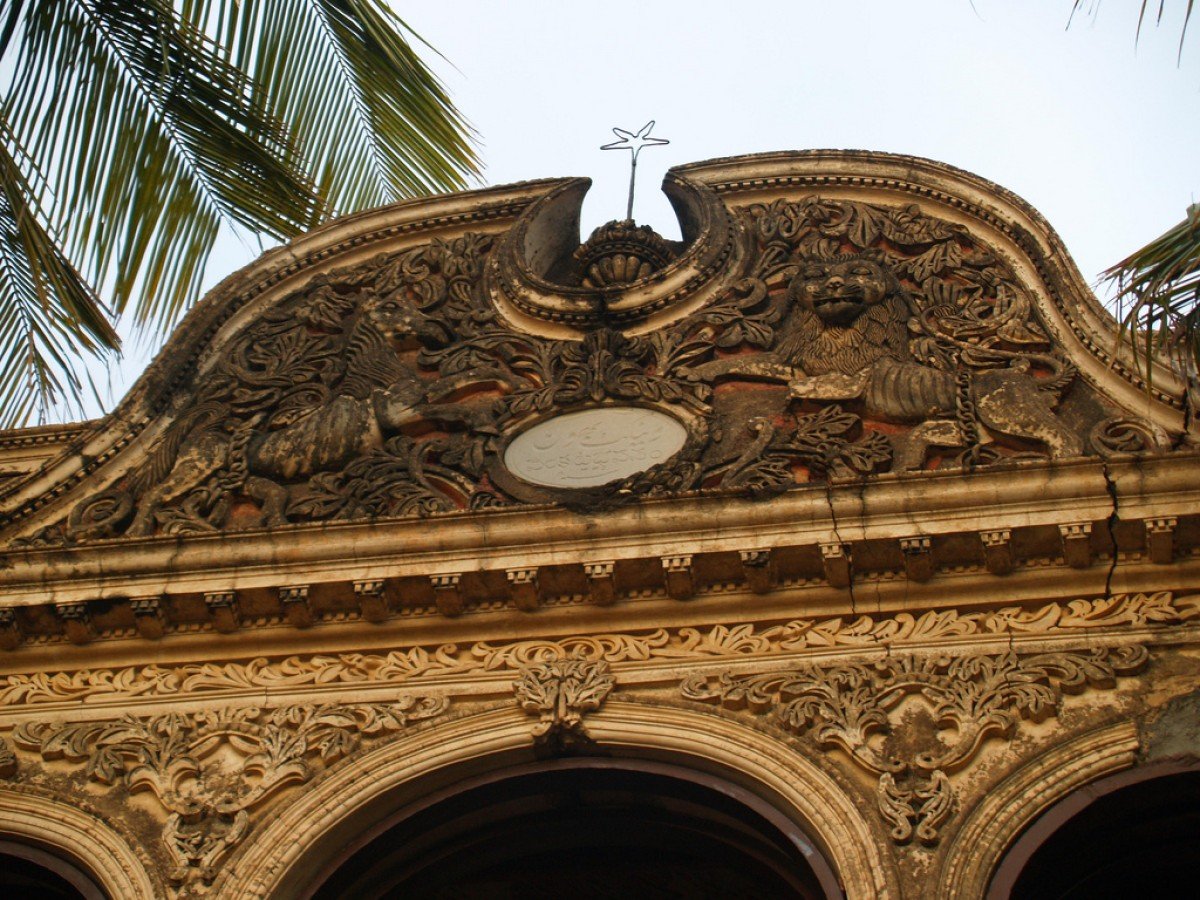
Palatial Architecture: The Domakonda Fort features a 'Kanchu Kota' (Bronze Fort) and an 'Addala Meda' (Glass House) with intricate woodwork and marble flooring.
Water Engineering: The Nizamsagar Dam, built in 1923, features massive masonry w...Palatial Architecture: The Domakonda Fort features a 'Kanchu Kota' (Bronze Fort) and an 'Addala Meda' (Glass House) with intricate woodwork and marble flooring.
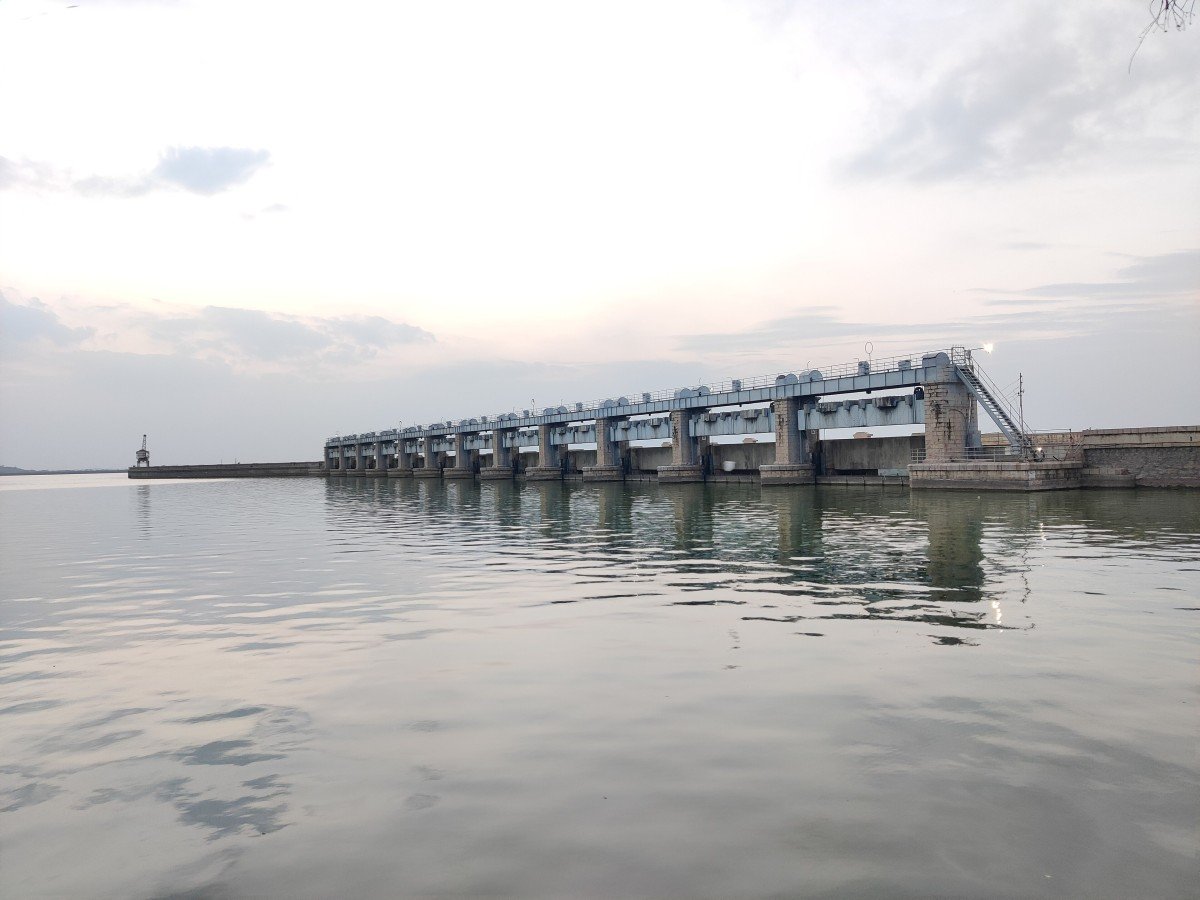
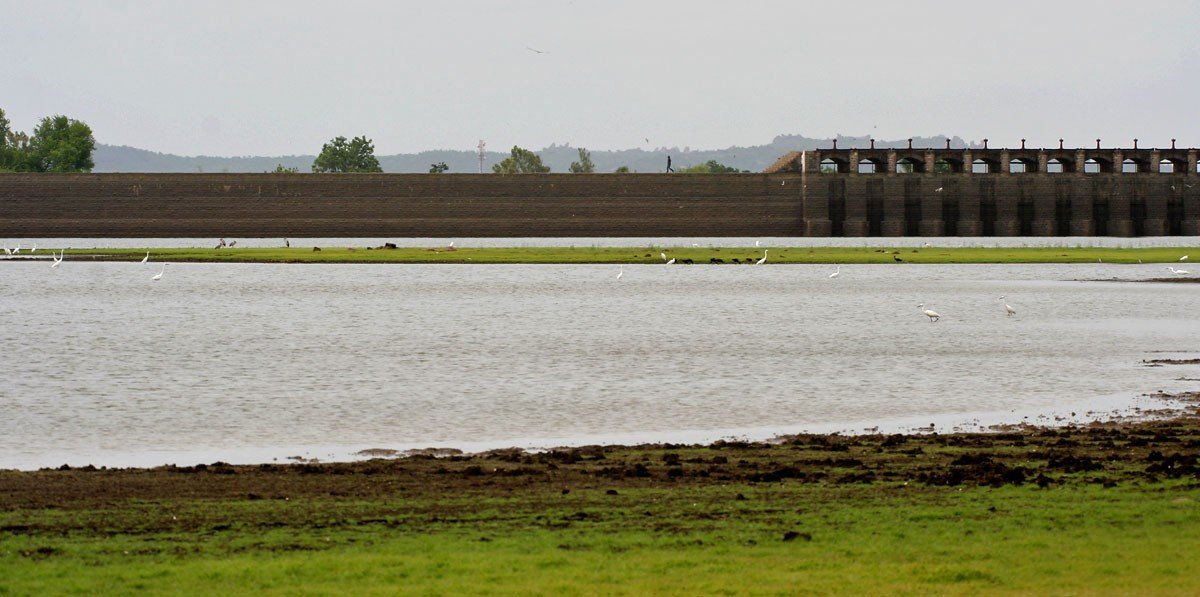
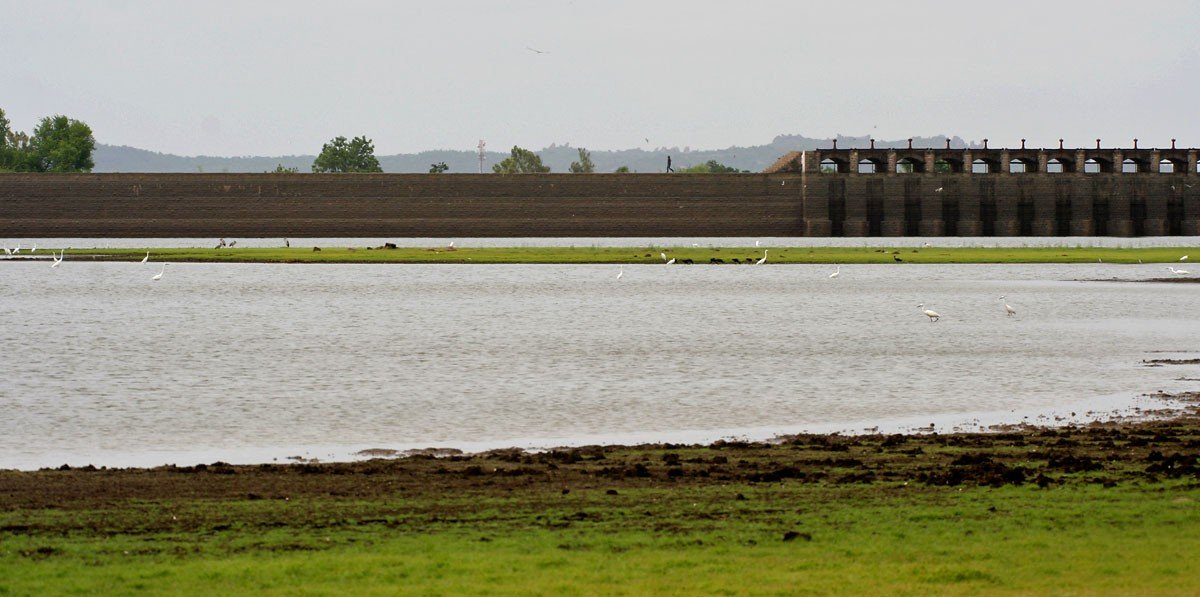
Water Engineering: The Nizamsagar Dam, built in 1923, features massive masonry walls and a beautiful garden area designed in the colonial era style.
Temple Craftsmanship: The Kala Bhairava Swamy temple showcases traditional Deccan stone masonry with detailed carvings of deities on the pillars. -
How To Reach:
By Air: Rajiv Gandhi International Airport (HYD) is 140 KMS away; Nanded Airport in Maharashtra is also an option.
By Train: Kamareddy (KMC) is a key station on the Secunderabad-Manmad line with excellent connectivity.
Read MoreBy Air: Rajiv Gandhi International Airport (HYD) is 140 KMS away; Nanded Airport in Maharashtra is also an option.
By Train: Kamareddy (KMC) is a key station on the Secunderabad-Manmad line with excellent connectivity.
By Road: Located on NH 44 (Hyderabad-Nagpur Highway). Direct buses from Hyderabad take about 2. 5 hours.
By Local Transport: Private taxis are recommended for visiting Domakonda and Nizamsagar as they are away from the town center.Weather and Best Time to Visit:
Winter Season: November to February is the peak season for fort visits and bird watching at the reservoirs.
Monsoon: July to September is best for seeing the reservoirs at full capacity and the lush green forests.
Read MoreWinter Season: November to February is the peak season for fort visits and bird watching at the reservoirs.
Monsoon: July to September is best for seeing the reservoirs at full capacity and the lush green forests.
Spring: February to March is pleasant for trekking to Koulas Fort before the summer heat intensifies.Near Tourist Places:
1. Nizamabad (50 KMS), 2. Basar (110 KMS), 3. Medak Church (65 KMS), 4. Pocharam Dam (20 KMS), 5. Hyderabad (115 KMS), 6. Dichpally Ramalayam (40 KMS), 7. Koulas Fort (70 KMS), 8. Armoor Rocks (75 KMS), 9. Siricilla (60 KMS), 10. Siddipet (80 KMS).Tourism Tips
-
Health and Safety: Watch out for monkeys near the temples; keep your belongings secure. Wear hats as the sun can be sharp.
Packing: Carry binoculars for the wildlife sanctuary and comfortable trekking shoes for the forts.Health and Safety: Watch out for monkeys near the temples; keep your belongings secure. Wear hats as the sun can be sharp.
Packing: Carry binoculars for the wildlife sanctuary and comfortable trekking shoes for the forts.
Accommodation: Good quality hotels are available in Kamareddy town; the Haritha Resort near the dam offers a scenic stay.
Cultural Etiquette: Respect the privacy of the Domakonda residents and follow the rules regarding photography in sensitive areas.
Reviews
FAQs
Kamareddy Itineray And Cost:-
Other Places In Telangana :-
Other States In India :-
Information about New and Updated Locations() of Telangana Has Been Added :-
Card subtitle
Note:-
Information provided here in good Faith and for reference only.
Near Places
Adilabad
Some quick example text to build on the card title and make up the bulk of the card's content.
Go somewhere
Bhongir
Some quick example text to build on the card title and make up the bulk of the card's content.
Go somewhere
Bodhan
Some quick example text to build on the card title and make up the bulk of the card's content.
Go somewhere
Gadwal
Some quick example text to build on the card title and make up the bulk of the card's content.
Go somewhere
HYDERABAD
Some quick example text to build on the card title and make up the bulk of the card's content.
Go somewhere
Jagtial
Some quick example text to build on the card title and make up the bulk of the card's content.
Go somewhere
Jangaon
Some quick example text to build on the card title and make up the bulk of the card's content.
Go somewhere
Kamareddy
Some quick example text to build on the card title and make up the bulk of the card's content.
Go somewhere
Karimnagar
Some quick example text to build on the card title and make up the bulk of the card's content.
Go somewhere
KHAMMAM
Some quick example text to build on the card title and make up the bulk of the card's content.
Go somewhere
Kothagudem
Some quick example text to build on the card title and make up the bulk of the card's content.
Go somewhere
Mahabubabad
Some quick example text to build on the card title and make up the bulk of the card's content.
Go somewhere
Mahabubnagar
Some quick example text to build on the card title and make up the bulk of the card's content.
Go somewhere
Mancherial
Some quick example text to build on the card title and make up the bulk of the card's content.
Go somewhere
Medak
Some quick example text to build on the card title and make up the bulk of the card's content.
Go somewhere
Nagarjunakonda
Some quick example text to build on the card title and make up the bulk of the card's content.
Go somewherein Other Cities