...

Place To Visit And Things To Do In Wanaparthy

Telangana, India
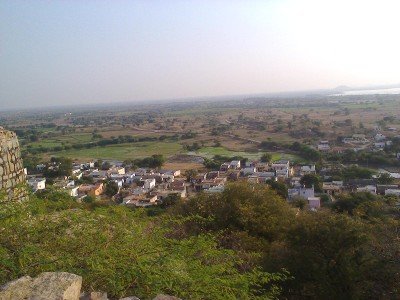
Historical Legacy: Wanaparthy is a historic town known for the Wanaparthy Samsthanam, one of the oldest feudal estates under the Nizams. The town revolves around its royal past and agricultural importance. The Royal Palace: The Wanaparthy Palace, also known as Mustafa Mahal, is the primary attractio n, now serving as a government polytechnic college. It stands as a symbol of the Raja's generosity. Cultural Influence: The region has a deep-rooted connection to Telugu literature and traditional South Indian customs. It served as a hub for art and education during the princely rule. Natural Landscape: Surrounded by irrigation projects like the Saralasagar Dam, the area offers a serene rural landscape. The greenery and water bodies define its local geography.

Things To Do

Card image cap
Chandragad Fort

Chandragad Fort is a majestic hill fortress perched gracefully on the banks of the Krishna River. Built during the era of the Peshwas, specifically b...

Chandragad Fort is a majestic hill fortress perched gracefully on the banks of the Krishna River. Built during the era of the Peshwas, specifically by Chandrasena Jilledar, this fort served as a crucial administrative and defensive hub for the region. It was primarily designed to function as a strategic storehouse for grains and taxes collected from the local populace before being dispatched to the Peshwa headquarters. The fort is situated near the Jurala Dam, offering a breathtaking vantage point of the water body and the surrounding rugged landscape of Telangana. Despite its historical significance, the fort remains relatively secluded, making it a perfect spot for history enthusiasts and trekkers looking for an off-the-beaten-path experience. The climb to the top involves a moderately challenging trek through rocky terrain, which adds to the adventure. Inside the fort, one can find the ancient Sri Ramalingeshwara Temple dedicated to Lord Shiva, along with several historic ponds that once supplied water to the garrison. The fort's elevation allows visitors to see it from several kilometers away, standing as a silent witness to the passage of time and the shifts in regional power. Today, it stands as a symbol of the military and economic strategy of the Maratha influence in the Deccan region. Its walls, though weathered, still echo the stories of the soldiers who once guarded these heights. Visiting this place offers a deep dive into the 18th-century administrative systems of India.
Card image cap
Chatrapathi Shivaji Maharaj Circle

Chatrapathi Shivaji Maharaj Circle is a prominent landmark and a vital traffic junction located in the heart of Wanaparthy town. It features a grand ...

Chatrapathi Shivaji Maharaj Circle is a prominent landmark and a vital traffic junction located in the heart of Wanaparthy town. It features a grand statue of the legendary Maratha king, Chatrapathi Shivaji Maharaj, mounted on a horse in a traditional warrior pose. This circle serves as a major orientation point for locals and tourists alike. It symbolizes the cultural integration and the deep respect the people of Telangana have for the great Indian warrior king who fought against oppressive regimes. The area around the circle is a bustling commercial zone, lined with shops, eateries, and business establishments, making it the most active part of the town. It is a place where history meets modern daily life. During national festivals and Shivaji Jayanti, the circle is beautifully decorated with saffron flags and lights, attracting large crowds. The statue itself is a masterpiece of modern bronze casting, capturing the fierce determination and noble character of Shivaji Maharaj. For a visitor, this circle is the gateway to exploring the various historical and administrative sites of Wanaparthy. It is often the starting point for rallies, processions, and public gatherings, reflecting the socio-political pulse of the district. The vibrant atmosphere here provides a glimpse into the local lifestyle, with people from all walks of life passing through this junction. It is a site of inspiration and a reminder of India's rich martial heritage.
Card image cap
Dr. B.R. Ambedkar Statue

The Dr. B.R. Ambedkar Statue in Wanaparthy is a significant socio-cultural monument dedicated to the 'Father of the Indian Constitution'. Located at ...

The Dr. B.R. Ambedkar Statue in Wanaparthy is a significant socio-cultural monument dedicated to the 'Father of the Indian Constitution'. Located at a prominent junction known as Ambedkar Chowk, this statue stands as a symbol of equality, justice, and the empowerment of the marginalized sections of society. Dr. Ambedkar is depicted in his iconic attire, holding the Constitution of India, which serves as a constant reminder of the democratic values the country stands for. The site is a major gathering point for social activists, students, and citizens who come to pay their respects, especially on his birth and death anniversaries. The area around the statue is well-maintained with a small garden and decorative fencing, providing a space for reflection in the middle of the bustling town. It is not just a physical structure but a spiritual and political lighthouse for the local community. Visitors can often see floral tributes placed at the base of the statue, reflecting the deep-seated reverence people have for Babasaheb. The junction is also a hub for local transport, making it an easy stop for anyone touring Wanaparthy. Historically, such statues in Telangana have played a role in the social awakening of the region. The presence of this statue in the district headquarters underscores the importance of his teachings in the local governance and social fabric. It is a must-visit for those interested in Indian political history and social reform movements.
Card image cap
Enukunta Reservoir

Enukunta Reservoir is a vital water body and a scenic spot located near Wanaparthy, serving as a lifeline for the local agricultural community. This ...
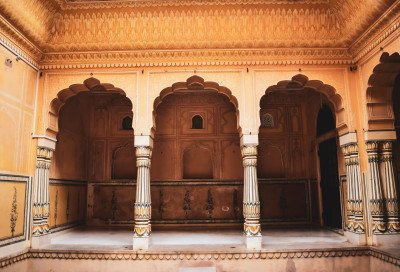
Enukunta Reservoir is a vital water body and a scenic spot located near Wanaparthy, serving as a lifeline for the local agricultural community. This reservoir was constructed to store water for irrigation and to recharge the groundwater levels of the drought-prone region. Over the years, it has evolved into a popular recreational spot for locals due to its serene environment and vast expanse of water. The reservoir is surrounded by small hillocks and lush greenery, especially during the monsoon season, providing a refreshing escape from the urban heat. It is a perfect place for those who enjoy nature walks and bird watching, as the water attracts various migratory birds. The calm waters of the reservoir reflect the changing colors of the sky, making it a favorite spot for sunset watchers. Unlike the more commercialized tourist spots, Enukunta Reservoir offers a peaceful and raw connection with nature. There are no loud crowds or heavy commercial activity, allowing visitors to enjoy the sound of the wind and the ripples of the water. Fishing is a common activity here, and one can see local fishermen in their traditional boats casting nets. The reservoir also plays a crucial role in the local ecology, supporting a variety of aquatic life. For a traveler, a visit to this reservoir provides an insight into the importance of water management in the rural landscapes of Telangana. It is an ideal spot for a quick getaway from the town, offering a blend of utility and beauty.
Card image cap
Ghanpur Fort

Ghanpur Fort, also known as Khilla Ghanpur, is one of the most significant historical landmarks in the Wanaparthy district. Built in the 13th century...
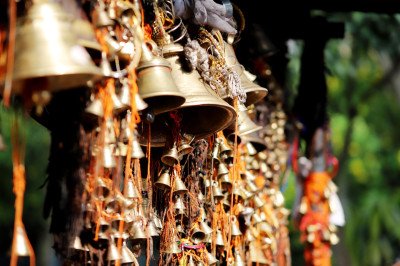
Ghanpur Fort, also known as Khilla Ghanpur, is one of the most significant historical landmarks in the Wanaparthy district. Built in the 13th century during the glorious reign of the Kakatiya Dynasty, specifically under the patronage of King Ganapathi Deva, the fort stands as a testament to medieval military architecture. The fort was strategically constructed by joining two massive rocky mountains with a formidable wall. It was later ruled by various dynasties including the Bahmanis, Vijayanagara Kings, and the Qutb Shahis, making it a melting pot of historical influences. The fort is famous for its robust defenses, ancient cannons that still remain at the top, and the ruins of royal palaces and ministers' houses. Legend has it that the last Kakatiya king, Pratapa Rudra, married the daughter of Gona Ganna Reddy within these very walls. The trek to the top is an adventure in itself, passing through ancient gateways and narrow passages. Along the way, visitors can see several perennial ponds that once served as the primary water source for the stationed army. The panoramic view from the summit is breathtaking, overlooking the Ganapa Samudram lake, another Kakatiya marvel. The fort's rugged beauty and historical depth make it a premier destination for trekkers and history buffs. Despite its age, the fort retains an air of mystery, with local lore speaking of secret tunnels connecting it to other distant forts. It is a place where every stone has a story to tell about the wars and weddings of a bygone era.
Card image cap
Jayasree Govindamma Temple

The Jayasree Govindamma Temple is a revered Hindu pilgrimage site dedicated to a local goddess, reflecting the rich spiritual and folk traditions of t...

The Jayasree Govindamma Temple is a revered Hindu pilgrimage site dedicated to a local goddess, reflecting the rich spiritual and folk traditions of the Wanaparthy region. This ancient temple, often mentioned in local lore, serves as a significant spiritual anchor for the local community, especially women, who seek blessings for prosperity and well-being. The temple is not merely a place of worship but a cultural nexus where generations of traditions, rituals, and local festivals converge. The atmosphere is marked by deep devotion, and the simplicity of the structure speaks to its age and historical connection to the agrarian and devotional heartland of Telangana. Though specific historical construction dates are sparse, its continuous worship indicates a strong historical presence, pre-dating modern town planning. The surrounding area maintains a quiet, rural sanctity, providing a spiritual retreat away from the bustle of the main town. The deity, Jayasree Govindamma, is seen as a protective mother figure, and offerings often include traditional items and prayers for family welfare, reflecting the temple's intimate connection to daily life in Wanaparthy. The temple's modest size is compensated by the fervor of its devotees, especially during auspicious days and local harvest festivals, where the air is filled with chants and the fragrance of incense, cementing its status as a foundational pillar of the community's spiritual identity and a must-visit for those interested in authentic, grassroots Hindu devotion in South India. The simplicity of its setting, combined with the profound faith it inspires, makes it a unique study in local religious practice and a testament to enduring faith, a true hidden gem for cultural exploration in the district of Wanaparthy.
Card image cap
Koilkonda Fort

@@Historical Narrative: Koilkonda Fort is a magnificent medieval structure perched atop a rugged hill, once serving as a strategic military outpost fo...
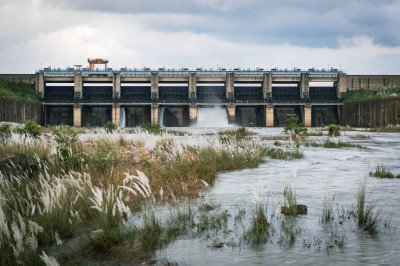
@@Historical Narrative: Koilkonda Fort is a magnificent medieval structure perched atop a rugged hill, once serving as a strategic military outpost for the Qutb Shahi dynasty. The fort's history is deeply intertwined with the defense of the Golconda kingdom, acting as a western gateway that guarded against enemy invasions during the 16th century. To reach the summit, visitors must navigate a challenging trek across a deep canyon on the west or a series of seasonal streams from the east, adding to the site's adventurous allure. The fort features seven massive gateways, with the first gate bearing an inscription of Ibrahim Qutb Shah dating back to 1550. Inside the sprawling complex, ruins of a royal palace, a mosque, and an Idgah stand as silent witnesses to a bygone era of Islamic architectural dominance. The elevated position of the fort provides breathtaking panoramic views of the surrounding Deccan landscape and the nearby Koilsagar Dam. Despite its historical significance, the fort remains an underrated destination, offering a tranquil environment for history buffs and trekking enthusiasts who wish to explore ancient fortifications away from modern crowds.
Card image cap
Koilsagar Dam

@@Site Description: Koilsagar Dam is a picturesque medium-scale irrigation project built across a tributary of the Krishna River, nestled between two ...

@@Site Description: Koilsagar Dam is a picturesque medium-scale irrigation project built across a tributary of the Krishna River, nestled between two lush green hills. Completed in the mid-20th century, the dam has a storage capacity of approximately 60 million cubic meters and serves as a vital water source for the surrounding agricultural lands. The reservoir's vast expanse of blue water against the backdrop of the Koilkonda hills creates a tranquil atmosphere that attracts nature lovers and weekend travelers from across the state. The area around the lake is known for its serene "Lake View" points where visitors can enjoy the cool breeze and watch local fishermen at work. In recent years, the dam has become a popular spot for eco-tourism, with activities like camping and bouldering gaining traction among youth groups. The proximity to the Koilkonda Fort makes it a perfect twin-destination for a day trip. During the peak monsoon season, the sight of water gushing through the spillway gates is a spectacular experience that draws large crowds. The area remains relatively untouched by commercialization, offering a raw and peaceful connection with nature.
Card image cap
Manne Vagu Bridge

@@Project Details: The Manne Vagu Bridge is a vital piece of infrastructure located near the town of Kothakota in the Wanaparthy district. Spanning ac...

@@Project Details: The Manne Vagu Bridge is a vital piece of infrastructure located near the town of Kothakota in the Wanaparthy district. Spanning across the Manne Vagu stream, this bridge serves as a crucial transport link for several villages, connecting agricultural hubs to the main district markets. While primarily a functional structure, the bridge has gained popularity among locals as a scenic evening hangout spot, especially when the stream is flowing at full capacity. The architecture of the bridge showcases modern civil engineering designed to withstand the heavy seasonal floods that are common in this part of the Deccan plateau. During the monsoon months, the area surrounding the bridge transforms into a vibrant green landscape, with the rushing water of the stream providing a soothing natural soundtrack. It is a common site to see travelers stopping their vehicles on the side to take in the views or snap a quick photo of the rural beauty. The bridge also plays a significant role in the local economy by ensuring year-round connectivity for farmers transporting their produce. For a visitor, it offers a simple yet refreshing glimpse into the rural life of Telangana, away from the hustle of the town.
Card image cap
Pangal Fort

@@Historical Context: Pangal Fort, also known as Pangal Killa, is a historic hill fortress that dates back to the 11th-12th centuries, built during th...

@@Historical Context: Pangal Fort, also known as Pangal Killa, is a historic hill fortress that dates back to the 11th-12th centuries, built during the reign of the Kalyani Chalukyas. Spread across hundreds of acres of rugged granite terrain, the fort has survived through centuries of dynastic shifts, from the Bahmanis to the Qutb Shahis and the Nizams. The fort's strategic location on a series of hill peaks allowed it to control the vital trade routes of the Deccan. To enter the fort, one must pass through seven massive gateways, each designed with military precision to trap and neutralize invading forces. The main entrance, known as Mundlagavini, is a marvel of granite construction, featuring enormous stones fitted together without the use of mortar. Inside, the fort houses the Uyyala Mandapam (Swing Pavilion) and several rock-cut water tanks that still hold water today. The fort was a site of significant guerrilla warfare during the revolts against the Nizam of Hyderabad. Today, it stands as a silent sentinel, offering a moderate trek for those who wish to explore its hidden ruins, secret caves, and ancient temples. The lush green cover during the monsoon makes it one of the most beautiful heritage sites in the Wanaparthy district, perfect for those seeking solitude and history.
Card image cap
Ramapuram Tank

@@General Details: Ramapuram Tank is a historic water reservoir that has been a lifeline for the agricultural communities of the Wanaparthy region for...

@@General Details: Ramapuram Tank is a historic water reservoir that has been a lifeline for the agricultural communities of the Wanaparthy region for generations. Likely constructed during the era of the Wanaparthy Samsthanam rulers, this tank is an example of the indigenous water management systems that characterize the semi-arid landscape of Telangana. The tank is not just a source of irrigation but also a central hub for village life, where social gatherings and religious rituals take place. Its vast waters spread over a significant area, providing a habitat for local flora and fauna, including various species of fish and waterfowl. The bund of the tank is reinforced with stone and provides a pleasant walkway for evening visitors. During the rainy season, the tank fills to capacity, creating a beautiful lake-like appearance that reflects the surrounding palm trees and farmland. For tourists, it offers a peaceful rural retreat where one can witness the "real" India—farmers tilling their land, cattle grazing near the water, and the slow pace of country life. It serves as a reminder of the foresight of ancient rulers who built these "chain of tanks" to ensure water security in a region prone to drought.
Card image cap
Rangapur Ghat Before Beechupally Bridge

Rangapur Ghat is a breathtaking riverside location situated on the banks of the sacred Krishna River. This spot is located just before the famous Bee...
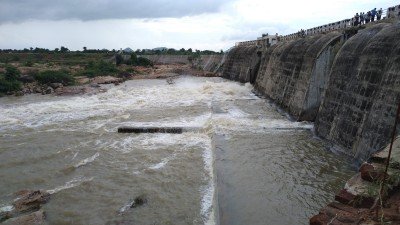
Rangapur Ghat is a breathtaking riverside location situated on the banks of the sacred Krishna River. This spot is located just before the famous Beechupally Bridge and serves as a peaceful retreat for nature lovers and spiritual seekers. The ghat is characterized by its wide stone steps leading down to the flowing waters, providing a safe and accessible area for pilgrims to perform ritual baths. Historically, the river Krishna has been the lifeline of the region, and this specific ghat has gained popularity for its tranquil environment compared to the more crowded Beechupally side. The area is surrounded by lush greenery and offers a panoramic view of the river's expanse, making it a perfect spot for meditation and relaxation. Visitors often stop here to experience the cool breeze and the rhythmic sound of the water. The significance of the ghat is deeply rooted in local traditions, where the river is worshipped as a mother goddess. During the Pushkaralu festival, this place transforms into a hub of religious activity, drawing thousands of devotees. Even on regular days, the spiritual aura of the place is palpable. The sunsets at Rangapur Ghat are particularly famous, painting the sky in shades of orange and gold that reflect beautifully on the water's surface. It is an ideal destination for those looking to escape the hustle and bustle of city life and connect with nature's pristine beauty. The local administration has made efforts to maintain the cleanliness of the ghat, ensuring a pleasant experience for all travelers. Whether you are a photographer looking for the perfect shot or a traveler seeking a quiet moment of reflection, Rangapur Ghat offers a unique blend of natural splendor and spiritual calm. :
Card image cap
Saralasagar Project

The Saralasagar Project is a significant, post-independence hydraulic engineering marvel located near Madanapur in the Wanaparthy district. Completed ...

The Saralasagar Project is a significant, post-independence hydraulic engineering marvel located near Madanapur in the Wanaparthy district. Completed in 1959 and drawing water from the Krishna River, the project stands out for its utilization of the unique siphon spillway technology, which was adapted from designs in California, USA. This makes it the second largest dam in Asia to employ this self-activating mechanism, where the water's own pressure initiates the discharge process without the need for manual gates, earning it the moniker, 'The Dam with no Gates'. Initiated by Raja Rameshwara Rao of the Wanaparthy Samsthanam in 1947 and named after his mother, Sarala Devi, the reservoir irrigates over 4,182 acres of agricultural land, transforming the local agrarian economy and demonstrating the visionary leadership of the erstwhile princely state rulers. The reservoir's capacity is approximately 0.55 TMC (Thousand Million Cubic Feet), and its vast water spread provides a picturesque, tranquil setting, making it a popular spot for local picnics and nature enthusiasts. The historical connection, the unique technology, and the scenic water body make Saralasagar a crucial landmark, symbolizing the blend of traditional vision and modern engineering in the region. The project's dedication to the public good highlights its role in the socio-economic development of the entire district of Wanaparthy, standing as a testament to engineering excellence that continues to serve the local farming community by providing essential irrigation.
Card image cap
Singotam Fort

Singotam Fort is a historical landmark that stands as a testament to the glorious rule of the Wanaparthy and Kollapur Samsthanams. This fort was prim...
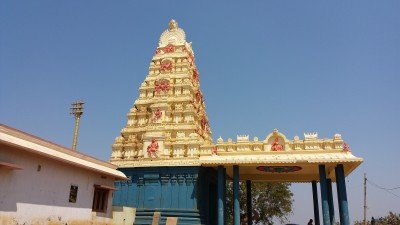
Singotam Fort is a historical landmark that stands as a testament to the glorious rule of the Wanaparthy and Kollapur Samsthanams. This fort was primarily used as a strategic military outpost and a residence for the local chieftains. Located on a slightly elevated terrain, the fort offers a commanding view of the surrounding plains and the nearby Singotam Reservoir. The history of the fort is closely linked with the Surabhi royal family, who were known for their patronage of art, culture, and architecture. Over the centuries, the fort has witnessed numerous battles and shifts in power, yet its sturdy walls continue to tell stories of valor and heritage. The interior of the fort contains ruins of ancient granaries, living quarters, and guard rooms. Although time has taken its toll on the structures, the remaining walls and gateways still display the strength of medieval engineering. The fort is often visited along with the famous Sri Lakshmi Narasimha Swamy Temple, which is located nearby. The combination of historical ruins and religious significance makes Singotam a unique destination. The area surrounding the fort is filled with legends of hidden tunnels and royal treasures, which add an element of mystery for the visitors. Exploring the fort requires some light trekking, making it a popular spot for adventure enthusiasts and history buffs alike. The panoramic views from the top are especially rewarding during the monsoon season when the entire landscape turns emerald green. The fort serves as a bridge between the past and the present, reminding visitors of the rich cultural tapestry of the Telangana region. Effort is being made by local heritage groups to document and preserve what remains of this magnificent structure before it fades further into the pages of history. :
Card image cap
Sri Lakshmi Narasimha Swamy Temple

The Sri Lakshmi Narasimha Swamy Temple in Singotam is a highly revered spiritual site with a history spanning over 600 years. The temple is unique be...
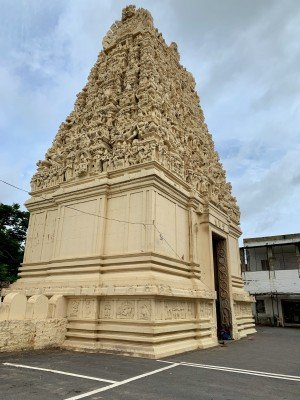
The Sri Lakshmi Narasimha Swamy Temple in Singotam is a highly revered spiritual site with a history spanning over 600 years. The temple is unique because the deity, Lord Narasimha, is worshipped here in the form of a Shiva Linga, showcasing a rare blend of Vaishnava and Shaiva traditions. Legend has it that the idol was discovered by a local farmer while ploughing his field. When he tried to move the stone, it miraculously returned to its original spot. This led the then ruler, Raja Singamanaidu, to construct a temple at the site. The temple is situated at the foot of a small hill, and there is another shrine dedicated to Ratna Lakshmi Devi on the hilltop. The atmosphere here is filled with devotion, especially during the annual Jathara or festival, which attracts lakhs of pilgrims from across Telangana, Andhra Pradesh, and Karnataka. The temple complex is well-maintained and includes several sub-shrines and a large marriage hall. The sacred tank, or Pushkarini, located near the temple is believed to have healing properties. Devotees often take a dip here before offering their prayers. The temple’s location amidst hills and near the Singotam Reservoir adds to its serene and picturesque charm. It is not just a place of worship but also a center for cultural activities and traditional Vedic learning. The priests are known for their hospitality and for explaining the temple's rich history to curious visitors. For many families in the Wanaparthy and Nagarkurnool districts, this is their "Ista Daivam" or family deity, and they visit regularly to seek blessings for new beginnings. The peaceful vibes of the temple, combined with the natural beauty of the surrounding area, make it a must-visit destination for anyone traveling through the region. :
Card image cap
Sri Ranganayaka Swamy Temple

The Sri Ranganayaka Swamy Temple in Srirangapur is an architectural gem built in the 18th century by the rulers of the Wanaparthy Samsthanam. It is o...

The Sri Ranganayaka Swamy Temple in Srirangapur is an architectural gem built in the 18th century by the rulers of the Wanaparthy Samsthanam. It is often called the "Dakshina Srirangam" because its design and deity are inspired by the famous Ranganathaswamy Temple in Tamil Nadu. According to local history, the King of Wanaparthy had a dream where Lord Vishnu appeared and asked him to build a temple in this specific location. The temple is beautifully situated on the banks of the Ratna Pushkarini lake, which creates a peaceful and divine atmosphere. The main deity is Lord Ranganatha, seen in a reclining posture on the serpent Adishesha. The temple complex is known for its vastness and the intricate carvings on its pillars. The Vijayanagara style of architecture is clearly visible in the grand entrance gopurams and the pillared halls. Throughout the year, various festivals are celebrated here with great pomp, especially the Brahmotsavalu, which draws devotees from all over the state. The temple is not just a religious center but also a historical site that showcases the grandeur of the Wanaparthy kings. The lake adjacent to the temple is quite large and provides a scenic backdrop, especially during the rainy season. Visitors often spend time sitting by the lake after their prayers, enjoying the cool breeze. The temple has been a center for Vaishnavite culture in the region for centuries. Recent renovations have helped preserve the delicate carvings and the structural integrity of the temple. A visit to Srirangapur provides a deep insight into the religious devotion and the artistic sensibilities of the past eras. It is a place where history, architecture, and spirituality meet, offering a fulfilling experience for every traveler. :
Card image cap
Sri Venkateshwara Swami Temple

The Sri Venkateshwara Swami Temple is a prominent and well-maintained Hindu temple dedicated to Lord Venkateshwara (a form of Vishnu, also known as Ba...

The Sri Venkateshwara Swami Temple is a prominent and well-maintained Hindu temple dedicated to Lord Venkateshwara (a form of Vishnu, also known as Balaji), located in the thriving Maremmakunta area, essentially the heart of Wanaparthy town. Unlike the ancient temple outside the city, this shrine is a central place of worship for the townspeople, characterized by its accessibility and continuous devotional activity. It serves as a spiritual hub where daily rituals (Nitya Pujas), major festivals (Brahmotsavam), and various life-cycle ceremonies (Kalyanam, tonsure) are performed. The temple complex is a vibrant place, often busy with devotees and local community gatherings. The presence of Lord Venkateshwara signifies the cultural and religious influence of the great Vaishnavite traditions found throughout South India, similar to the famous shrine at Tirupati. Its location within the main town makes it a focal point for social life, attracting not only the locals of Wanaparthy but also pilgrims from surrounding villages, who consider a visit to this temple an essential part of their spiritual calendar, a cornerstone of their devotional faith. The temple provides a lively and engaging spiritual experience, easily accessible to all visitors.
Card image cap
Teegalapally View Point

Teegalapally View Point is a newly popularized natural attraction located on a hilltop near Wanaparthy town. This spot has become a favorite for loca...

Teegalapally View Point is a newly popularized natural attraction located on a hilltop near Wanaparthy town. This spot has become a favorite for locals and tourists who seek a panoramic view of the changing landscape of the district. From this elevation, one can see the sprawling town of Wanaparthy, the surrounding agricultural fields, and the distant hills of the Nallamala range. The view point is especially famous for its cool breeze and the sense of openness it provides. It is an ideal spot for those who enjoy short treks and outdoor photography. The path leading to the view point is scenic, passing through local villages and small patches of forest. During the monsoon, the entire hill turns lush green, and small seasonal streams can be seen along the way. Many people visit this place in the early mornings to watch the sunrise, which is a truly magical experience as the mist clears over the town below. It has also become a popular "hangout" spot for the youth and families during the weekends. While the site is still being developed in terms of tourism infrastructure, its raw and natural beauty is what attracts most people. It offers a quiet alternative to the more crowded historical sites in the region. The silence of the hilltop, interrupted only by the sound of the wind, makes it a great place for meditation or simply to sit and think. As Wanaparthy continues to grow as a tourism hub, Teegalapally View Point stands out as its "green lung" and a place that showcases the natural topography of the Deccan plateau. It is a reminder of the simple joys of nature that are located just a few kilometers away from urban life. Visitors are encouraged to keep the area clean and respect the local environment while enjoying the views. :
Card image cap
Uddandapur Bio Reservoir

The Uddandapur Bio Reservoir is a relatively newer, large-scale irrigation and drinking water project that has created a massive water body and an ass...

The Uddandapur Bio Reservoir is a relatively newer, large-scale irrigation and drinking water project that has created a massive water body and an associated green belt, primarily serving the needs of the Mahabubnagar and Wanaparthy districts. While geographically closer to Jadcherla, it is a significant natural attraction for the larger region, including Wanaparthy. The term "Bio Reservoir" suggests a focus on ecological preservation and the development of surrounding areas for biodiversity, possibly featuring efforts like afforestation and the creation of parklands, making it an excellent spot for nature tourism and local excursions. The vast, serene lake surface is contrasted by the modern, utilitarian design of the dam and its spillways. It offers a stunning panoramic view, especially from dedicated viewpoints like the one near Jadcherla, where visitors can fully appreciate the scale of the human-made lake set against the backdrop of the rugged Deccan Plateau landscape. The reservoir is crucial for stabilizing water supply in the area and is rapidly developing into a key regional picnic and weekend getaway spot, offering a tranquil escape and opportunities for bird watching and nature photography. The site represents the new wave of infrastructure development in Telangana that aims to balance utility with environmental consciousness, making it a forward-looking destination that contrasts with the historical forts and temples of the region.
Card image cap
Vallur Fort

@@Historical Legacy: Vallur Fort is an ancient fortification that stands as a testament to the defensive strategies of the medieval era in the Deccan ...
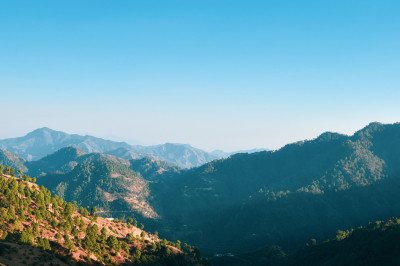
@@Historical Legacy: Vallur Fort is an ancient fortification that stands as a testament to the defensive strategies of the medieval era in the Deccan region. It was built using massive granite stones and served as a strategic military outpost for local chieftains and later the Nizams. The fort is nestled in a rugged landscape, offering a sense of isolation and grandeur that appeals to history buffs. @@Regional Influence: Throughout the centuries, the fort changed hands between several dynasties, each adding their unique touch to the structure. Its location provided a vantage point over the surrounding plains, making it an essential hub for regional administration and security. Today, it remains a quiet observer of history, slowly being reclaimed by nature but still retaining its imposing character. @@Cultural Heritage: The fort is not just a military structure but a symbol of the local community's resilience and architectural prowess. Local legends speak of hidden tunnels and stored treasures within its walls, adding a layer of mystery to the site. It is a place where the echoes of past battles and the whispers of ancient rulers still linger in the air. @@Modern Day Appeal: In recent years, Vallur Fort has become a popular destination for trekkers and nature enthusiasts looking for offbeat locations. The climb to the fort provides a healthy physical challenge and rewards visitors with breathtaking views. It serves as an educational site for students interested in archaeology and the history of the Wanaparthy region.
Card image cap
Veltoor Hills

@@Natural Grandeur: Veltoor Hills represent the rugged beauty of the Deccan Plateau, characterized by large boulder formations and scrub forests. Thes...

@@Natural Grandeur: Veltoor Hills represent the rugged beauty of the Deccan Plateau, characterized by large boulder formations and scrub forests. These hills provide a much-needed green escape for the residents of Wanaparthy and nearby towns. The area is known for its serene atmosphere, where the only sounds are the rustling of leaves and the chirping of birds. @@Geological Interest: The rock formations here are millions of years old, showcasing the unique "tors" and balancing rocks typical of the Telangana region. Geologists and students often visit the site to study the erosion patterns and mineral compositions of these ancient stones. The hills also act as a natural watershed for the surrounding agricultural lands. @@Local Significance: For the people of Veltoor, these hills are more than just a landscape; they are part of their daily life and local folklore. Many local stories revolve around the spirits of the hills and the ancient sages who were said to have meditated in the hidden caves. It is a place of quiet reflection and community gatherings during local festivals. @@Eco-Tourism Potential: Veltoor Hills is slowly being developed as an eco-tourism destination with trails designed for trekking and mountain biking. The local government has taken steps to preserve the biodiversity of the area while making it accessible to visitors. It serves as a perfect spot for those looking to experience the raw beauty of rural Telangana.
Card image cap
Vivekananda Swami Statue

@@Spiritual Landmark: The Vivekananda Swami Statue in Veltoor is a modern spiritual landmark dedicated to the great Indian philosopher and monk, Swami...
@@Spiritual Landmark: The Vivekananda Swami Statue in Veltoor is a modern spiritual landmark dedicated to the great Indian philosopher and monk, Swami Vivekananda. It was erected to inspire the youth of the region with his messages of strength, courage, and selfless service. The statue stands tall against the backdrop of the rugged hills, creating a powerful visual impact. @@Symbol of Unity: The site serves as a center for cultural and spiritual activities, bringing together people from different walks of life. It is not just a statue but a part of a larger meditation complex that encourages visitors to practice mindfulness. The serene environment of the hills complements the peaceful expression on the statue's face. @@Architectural Pride: The construction of the statue involved skilled artisans who captured the determined yet calm persona of Swamiji. It has quickly become one of the most recognizable icons in the Wanaparthy district, attracting tourists and devotees alike. The pedestal of the statue often features inscriptions of his famous quotes in Telugu and English. @@Community Hub: During significant days like National Youth Day, the area around the statue becomes a hub of activity with speeches, yoga sessions, and cultural programs. It plays a vital role in the social fabric of the local villages, providing a place for inspiration and quiet contemplation. The statue is a beacon of hope and a reminder of India's rich spiritual heritage.
Card image cap
Wanaparthy Market Area

The Wanaparthy Market Area is not a historical monument but the vibrant, beating economic and cultural pulse of the entire town and district. It encom...
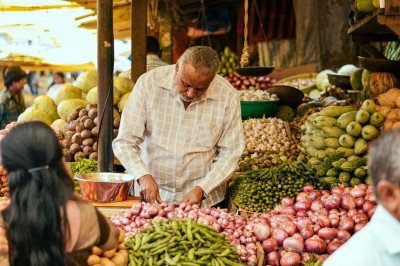
The Wanaparthy Market Area is not a historical monument but the vibrant, beating economic and cultural pulse of the entire town and district. It encompasses the main street markets, the organized Agricultural Market Committee (AMC) yard, and surrounding commercial establishments. The market is a fascinating blend of traditional small-scale vendors and modern shops, selling everything from fresh agricultural produce (millets, pulses, horticulture crops) to household goods, textiles, and traditional handicrafts. The market's significance lies in its role as a crucial meeting point for farmers (Rythus), traders, and local consumers, reflecting the agrarian strength of the region and the local commerce flow. The AMC section, in particular, showcases the regulated trading of major agricultural commodities, providing an insight into the local economy, including initiatives like the e-NAM (National Agricultural Market) platform. A stroll through the market is a direct immersion into the daily life, culture, and social interactions of the people of Wanaparthy, where the vibrant noise, the mix of aromas, and the lively bargaining create an unforgettable and authentic local experience that is far more revealing than any static tourist spot. The market area is a must-visit for travelers seeking genuine local flavor and interaction.
Card image cap
Wanaparthy Palace

The Wanaparthy Palace, historically known as Mustafa Mahal (named after a Muslim saint, which speaks to the regional secular history), is a grand, his...

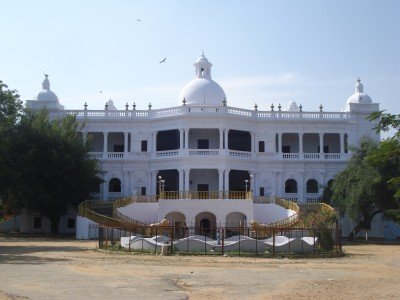
The Wanaparthy Palace, historically known as Mustafa Mahal (named after a Muslim saint, which speaks to the regional secular history), is a grand, historic architectural landmark that served as the primary residence of the Rajas of Wanaparthy Samsthanam. Constructed in the 18th-19th Century by the former rulers, the palace is a magnificent fusion of three distinct architectural styles: European (Colonial), Mughal, and traditional South Indian design, reflecting the diverse political and cultural influences of the time. The most unique and commendable aspect of the palace's history is its post-independence transformation: Raja Rameshwar Rao II donated the palace and its surrounding land to the cause of education. Since 1959, it has been the site of the K.D.R. Government Polytechnic College, the first polytechnic college in Telangana, inaugurated by the first Prime Minister of India, Pandit Jawaharlal Nehru. This dual identity—a regal residence turned educational institution—makes the palace a potent symbol of Wanaparthy's transition from a princely state to a modern democracy, showcasing the Samsthanam's lasting legacy of public service. Though access is primarily through the college administration, the imposing exterior and preserved historical sections offer a profound glimpse into the region's royal past and the philanthropic spirit of its former rulers.
Card image cap
Yedula Reservoir

@@Engineering Marvel: Yedula Reservoir, also known as the Veeranjaneya Reservoir, is a massive water storage project that forms a crucial part of the ...

@@Engineering Marvel: Yedula Reservoir, also known as the Veeranjaneya Reservoir, is a massive water storage project that forms a crucial part of the Palamuru-Rangareddy Lift Irrigation Scheme. It was constructed to store water lifted from the Krishna River to provide irrigation and drinking water to the parched lands of Mahabubnagar and Wanaparthy. The scale of the reservoir is awe-inspiring, with a vast expanse of blue water stretching to the horizon. @@Economic Impact: The reservoir has transformed the local economy by ensuring a steady supply of water for agriculture throughout the year. Farmers in the surrounding villages of Chennaram and Yedula now cultivate multiple crops, leading to increased prosperity in the region. It also serves as a source of livelihood for local fishermen who harvest various species of freshwater fish from its depths. @@Scenic Beauty: Beyond its functional utility, Yedula Reservoir has become a popular spot for nature lovers and weekend travelers. The calm waters, surrounded by low hills and green fields, create a picturesque setting that is perfect for relaxation. The cool breeze coming off the water makes it a pleasant escape even during the warmer months. @@Wildlife Habitat: The large body of water has become a sanctuary for various migratory birds, especially during the winter months. Birdwatchers can spot species like teals, herons, and egrets along the shoreline. The surrounding area is also home to various small mammals and reptiles, contributing to the local biodiversity. It is a place where engineering and nature coexist in harmony.
Show All

Wanaparthy Itineray And Cost:-

Information about New and Updated Locations() of Telangana Has Been Added :-
Card subtitle

Note:-

Information provided here in good Faith and for reference only.

Near Places
...
Adilabad

Some quick example text to build on the card title and make up the bulk of the card's content.

Go somewhere
...
Bhongir

Some quick example text to build on the card title and make up the bulk of the card's content.

Go somewhere
...
Bodhan

Some quick example text to build on the card title and make up the bulk of the card's content.

Go somewhere
...
Gadwal

Some quick example text to build on the card title and make up the bulk of the card's content.

Go somewhere
...
HYDERABAD

Some quick example text to build on the card title and make up the bulk of the card's content.

Go somewhere
...
Jagtial

Some quick example text to build on the card title and make up the bulk of the card's content.

Go somewhere
...
Jangaon

Some quick example text to build on the card title and make up the bulk of the card's content.

Go somewhere
...
Kamareddy

Some quick example text to build on the card title and make up the bulk of the card's content.

Go somewhere
...
Karimnagar

Some quick example text to build on the card title and make up the bulk of the card's content.

Go somewhere
...
KHAMMAM

Some quick example text to build on the card title and make up the bulk of the card's content.

Go somewhere
...
Kothagudem

Some quick example text to build on the card title and make up the bulk of the card's content.

Go somewhere
...
Mahabubabad

Some quick example text to build on the card title and make up the bulk of the card's content.

Go somewhere
...
Mahabubnagar

Some quick example text to build on the card title and make up the bulk of the card's content.

Go somewhere
...
Mancherial

Some quick example text to build on the card title and make up the bulk of the card's content.

Go somewhere
...
Medak

Some quick example text to build on the card title and make up the bulk of the card's content.

Go somewhere
...
Nagarjunakonda

Some quick example text to build on the card title and make up the bulk of the card's content.

Go somewhere
in Other Cities