...

Place To Visit And Things To Do In West Bengal

India, West Bengal, India
Key Geographical Details: West Bengal is geographically diverse, featuring the towering Himalayan peaks like Sandakphu at 3636 meters and the vast Gangetic plains. The state is home to the Sundarbans, the world's largest mangrove forest and a UNESCO World Heritage site known for its unique tidal del ta. To the north, the Teesta and Jaldhaka rivers carve through lush tea gardens, while the south is defined by the Hooghly river's fertile banks. This varied terrain supports a wide range of ecosystems, from alpine forests in Darjeeling to the saline marshes of the coastal south. Administrative Tourism Details: Administratively, the state is divided into 23 districts, with its capital Kolkata serving as the primary hub for administrative and tourism operations. The West Bengal Tourism Development Corporation (WBTDC) manages numerous heritage bungalows and lodges across these districts to promote local culture. Major administrative zones like Siliguri act as the gateway to the North-East, while Asansol and Durgapur serve as industrial tourism centers. The government focuses on "Rural Tourism" circuits, highlighting the administrative efforts to preserve folk arts in districts like Purulia and Bankura.

Things To Do

Card image cap
Bakkhali

@@The Essence of Bakkhali: Bakkhali is a tranquil seaside hamlet located on one of the many deltaic islands in the South 24 Parganas district of West ...

@@The Essence of Bakkhali: Bakkhali is a tranquil seaside hamlet located on one of the many deltaic islands in the South 24 Parganas district of West Bengal. This destination is a stark contrast to the bustling city life of Kolkata, offering a peaceful retreat where the land meets the Bay of Bengal. The beach here is unique, stretching for approximately 8 kilometers from Bakkhali to Fraserganj, with hard-packed sand that allows for walking and even cycling along the shore. The town is surrounded by dense mangrove forests and tidal creeks, giving it a distinct coastal wilderness feel. Historically, the area gained prominence during the British era when Andrew Fraser, the then Lieutenant Governor of Bengal, fell in love with its beauty and tried to develop it as a resort. Today, it remains a favorite for budget travelers and nature enthusiasts. The local economy is driven by fishing and tourism, with the daily rhythm dictated by the tides. Visitors are often captivated by the sight of red crabs scuttling across the sand and the distant silhouettes of fishing trawlers. The atmosphere is slow-paced, making it an ideal spot for introspection and relaxation. @@Geographical and Cultural Context: Geographically, Bakkhali is part of the Sundarbans archipelago, though it is located on the fringes. This proximity means the air is rich with the scent of saline water and damp earth. The culture is deeply rooted in the traditions of rural Bengal, where the sea is worshipped as a life-giver. The local cuisine is a highlight, featuring fresh catches like Hilsa and Pomfret, prepared with traditional spices. The community is tight-knit, and festivals like Durga Puja and Paush Mela are celebrated with authentic local flavor. Despite being a popular tourist spot, Bakkhali has maintained its environmental integrity, with various conservation efforts aimed at protecting its mangrove ecosystem and the local wildlife. The experience here is about embracing the simplicity of nature, from watching the golden sunrise to hearing the whispering casuarina trees at night.
Card image cap
Bankura

@@Place Details: Bankura is a district in West Bengal that represents the quintessential charm of the Rarh region, characterized by its distinct red s...

@@Place Details: Bankura is a district in West Bengal that represents the quintessential charm of the Rarh region, characterized by its distinct red soil and undulating landscape. It is world-renowned for its heritage town, Bishnupur, which was the capital of the Malla kings. The district is a living museum of Terracotta art, where centuries-old temples are adorned with intricate clay carvings depicting scenes from the Ramayana, Mahabharata, and the life of Lord Krishna. Beyond the temples, Bankura is famous for its natural beauty, including the majestic Susunia and Biharinath hills, and the vast Mukutmanipur dam, which is the second-largest earthen dam in India. The culture of Bankura is deeply rooted in its tribal heritage, particularly of the Santhal community. The district is also an artistic powerhouse, producing the iconic Bankura Horse, a terracotta figurine that has become a symbol of Indian handicrafts. The weaving tradition here is equally prestigious, with Baluchari and Swarnachari silk sarees being prized for their narrative borders depicting mythological stories. Historically, the Malla dynasty ruled this region for over a thousand years, fostering a unique style of music known as the Bishnupur Gharana. The town of Bankura serves as the administrative hub, while nearby villages like Panchmura are centers for terracotta pottery. The Kangsabati and Kumari rivers add to the scenic allure of the countryside. In 2026, Bankura attracts travelers seeking a mix of spiritual solace, historical exploration, and outdoor adventure. The local cuisine, featuring dishes like Posto-r Bora (poppy seed fritters), offers a unique taste of rural Bengal. Festivals like the Bishnupur Mela and Palash Utsab showcase the vibrant folk life. Whether you are trekking up the Susunia Hill to see ancient inscriptions or marveling at the architecture of the Rasmancha, Bankura provides a deeply enriching experience that celebrates the harmony between man, art, and nature.
Card image cap
Bishnupur

@@Historical Essence: Bishnupur is a legendary town that served as the capital of the Malla dynasty for centuries, specifically from the 16th to the 1...

@@Historical Essence: Bishnupur is a legendary town that served as the capital of the Malla dynasty for centuries, specifically from the 16th to the 19th century. The town is globally renowned for its exceptional terracotta temples, which were built using local laterite clay because of the scarcity of stone in the region. These temples are not just religious structures but are intricate canvases depicting the Ramayana, Mahabharata, and the life of Lord Krishna. The Malla kings, who were devout Vaishnavites, patronized art and culture, leading to the birth of the Bishnupur Gharana of Hindustani classical music. The town’s history is etched in every brick, reflecting a period of intense creative output and architectural innovation that remains unparalleled in Eastern India. Exploring Bishnupur is like walking through an open-air museum where the red-soiled landscape complements the burnt-clay shades of the monuments. Beyond temples, the town is a thriving hub for Baluchari silk weaving, a craft that tells stories through silk threads. The legacy of the Malla kings lives on in the town's layout, its numerous large water tanks or 'Bandhs' built for water management and defense, and the resilient spirit of its artisans. Today, it stands as a major pilgrimage for history buffs, art lovers, and spiritual seekers alike, offering a glimpse into a glorious past where art, faith, and governance merged seamlessly. The peaceful atmosphere of the town, combined with the rhythmic clatter of looms and the sight of grand gateways like the Pathar Darwaja, makes Bishnupur a soulful destination for any traveler seeking the authentic roots of Bengal.
Card image cap
Cooch Behar

Cooch Behar is a unique city in West Bengal, known for its planned layout, heritage buildings, and vast water bodies called Dighis. Once the seat of ...
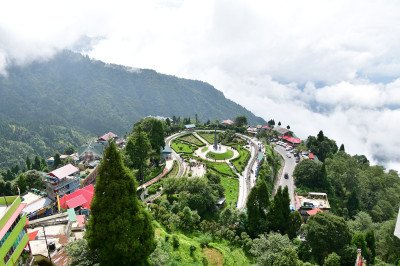
Cooch Behar is a unique city in West Bengal, known for its planned layout, heritage buildings, and vast water bodies called Dighis. Once the seat of the Koch Kingdom, it is often called the 'City of Beauty'. The city is dominated by the Cooch Behar Palace, but its charm lies in every corner—from the white Madan Mohan Temple to the historic Jenkins School. The city's culture is a blend of Bengali and tribal Koch-Rajbongshi traditions. Cooch Behar is one of the few places in India that was a princely state until 1949 and has successfully preserved its royal identity. The streets are wide, and the city is surprisingly clean compared to other Bengal towns. The local cuisine, featuring fresh fish from the Torsha river and unique sweets like Sarbajaya, is a delight for foodies. It serves as the gateway to the Dooars and the borders of Assam and Bhutan.
Card image cap
Darjeeling

@@General Overview: Darjeeling is a world-renowned hill station located in the lesser Himalayas at an elevation of 6,700 feet. It is famous for its te...

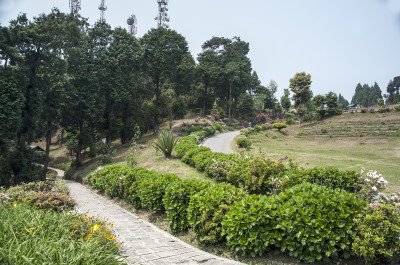
@@General Overview: Darjeeling is a world-renowned hill station located in the lesser Himalayas at an elevation of 6,700 feet. It is famous for its tea industry and the views of Mount Kanchenjunga, the third-highest peak in the world. @@Historical Context: It was developed by the British in the mid-19th century as a sanatorium and a summer retreat. The town has a unique cosmopolitan culture, with a mix of Nepalese, Tibetan, and Bengali influences. @@Natural Beauty: Surrounded by emerald-green tea gardens and misty pine forests, the landscape is breathtaking. @@Tea Heritage: Darjeeling Tea is the first Indian product to receive a GI tag, often called the "Champagne of Teas." @@Modern Darjeeling: Today, it is a hub for adventure seekers, trekkers, and those looking for a peaceful mountain escape. The town is centered around the Chowrasta Mall, where locals and tourists gather to enjoy the mountain air. The Darjeeling Himalayan Railway, a UNESCO World Heritage Site, is a living piece of history that still runs through the heart of the town. With its colorful monasteries, colonial schools, and vibrant markets selling woolens and spices, Darjeeling remains one of the most popular tourist destinations in India. The aroma of fresh tea and the sight of snow-capped mountains create a magical atmosphere that lingers in the hearts of visitors forever. :
Card image cap
Digha

@@Introduction to Digha: Digha is the most popular sea resort in the eastern region. Though located in West Bengal, it is a key destination for touris...

@@Introduction to Digha: Digha is the most popular sea resort in the eastern region. Though located in West Bengal, it is a key destination for tourists visiting Odisha. It features a low gradient beach with shallow water. The beach is lined with Casuarina trees that enhance its beauty. It was discovered by the British in the late 18th century. @@Old and New Digha: The town is divided into Old Digha and New Digha. Old Digha is famous for its sea wall and dramatic waves. New Digha offers a wider sandy beach suitable for bathing. Both areas are connected by a scenic coastal road. There are plenty of hotels and markets in both sections. @@Marine Life and Science: Digha is home to the Marine Aquarium and Research Centre. It is the largest inbuilt marine aquarium in India. Visitors can see a variety of sea creatures like sharks and rays. The Digha Science Centre is another attraction for children. It offers interactive exhibits on light and sound. @@Seafood and Shopping: The town is a paradise for seafood lovers. You can get fresh fish, prawns, and crabs at the local stalls. The markets are famous for ornaments made of seashells. Cashew nuts are a local specialty and are very affordable here. Shopping for hand-carved decorative items is a popular activity.
Card image cap
Dooars

@@Natural Grandeur: The Dooars or Duars are the alluvial floodplains in northeastern India that lie south of the outer foothills of the Himalayas and ...

@@Natural Grandeur: The Dooars or Duars are the alluvial floodplains in northeastern India that lie south of the outer foothills of the Himalayas and north of the Brahmaputra River basin. The name originates from the word 'Duar', meaning door, signifying the region's role as a gateway to Bhutan. This vast stretch of land is a mosaic of dense forests, teeming wildlife, endless tea gardens, and meandering rivers like the Teesta, Jaldhaka, and Murti. It is home to several National Parks and Wildlife Sanctuaries, including Jaldapara, Gorumara, and the Buxa Tiger Reserve, which are sanctuaries for the rare Indian one-horned rhinoceros, Asiatic elephants, and Royal Bengal Tigers. The landscape is characterized by its lush greenery and the rhythmic backdrop of the mountains. Beyond wildlife, the Dooars is culturally rich, inhabited by diverse ethnic groups like the Mech, Raba, and Toto tribes, each with their unique traditions and folk dances. The tea industry is the backbone of the local economy, with colonial-era bungalows dotting the emerald-green slopes, offering a glimpse into the tea-growing heritage of the region. For an adventurer, the Dooars offers trekking, white-water rafting, and jungle safaris that provide an adrenaline-pumping experience amidst raw nature. For those seeking peace, the quiet riverside camps and the misty mornings in the tea gardens provide the perfect escape from urban chaos. The region is not just a destination but an experience that awakens the senses with the scent of wet earth, the sound of the forest, and the sight of wild animals in their natural habitat. It remains one of the most biodiverse regions in India, a true paradise for nature photographers and wildlife enthusiasts.
Card image cap
Kalimpong

@@Place Details: Kalimpong is a serene and picturesque hill station located in the northern part of West Bengal, perched at an altitude of about 1,250...

@@Place Details: Kalimpong is a serene and picturesque hill station located in the northern part of West Bengal, perched at an altitude of about 1,250 meters. It was once a gateway for trade between India and Tibet and still carries a wonderful mix of cultures. The town is famous for its mild climate, beautiful orchids, and traditional handicrafts. As you drive up the winding roads along the Teesta River, you are welcomed by lush green hills and a peaceful atmosphere that is very different from the busy streets of Darjeeling. Kalimpong is known for its world-class educational institutions and its beautiful colonial-era bungalows like the Morgan House. The town is a melting pot of people from Nepal, Bhutan, Sikkim, and Tibet, which is reflected in the local food and the many colorful monasteries. The Zang Dhok Palri Phodang monastery on Durpin Dara hill is one of the most important religious sites here, offering a quiet place for meditation and a panoramic view of the Kanchenjunga range. Kalimpong is also a hub for floriculture, producing a vast variety of cacti, orchids, and gladioli that are exported all over the world. The town's markets are filled with handmade paper, wood carvings, and Tibetan jewelry. For those who love nature, the Deolo Hill provides a perfect spot for paragliding and picnicking with a view of the river valleys below. The surrounding areas like Lava and Lolegaon are famous for their deep forests and canopy walks. Kalimpong is the perfect place for someone who wants to relax, enjoy long walks in the mist, and soak in the Himalayan beauty without the heavy crowds of larger hill stations. The locals are very friendly and always ready to share a cup of tea. Whether you are exploring the old churches, visiting the nurseries, or just watching the clouds move over the mountains, Kalimpong offers a sense of peace that is hard to find anywhere else. It is a destination that feels like a home away from home, where every corner has a story to tell and every view is like a painting :
Card image cap
Kolkata

@@History of Kolkata: Kolkata, formerly known as Calcutta, served as the capital of British India until 1911. It is a city that breathes history throu...

@@History of Kolkata: Kolkata, formerly known as Calcutta, served as the capital of British India until 1911. It is a city that breathes history through its colonial-era buildings and narrow lanes. The city was established as a trading post for the East India Company and eventually became the center of the Indian Independence Movement. @@Cultural Essence: Often called the Cultural Capital of India, it is the birthplace of modern Indian literary and artistic thought. The legacy of Rabindranath Tagore and Satyajit Ray continues to influence the local lifestyle. @@Economic Importance: It remains the primary commercial and financial hub of Eastern India, centered around the Hooghly River. @@Modern Transformation: Today, Kolkata is a mix of old-world charm, with its iconic Trams and yellow Ambassador Taxis, and modern infrastructure like the Salt Lake Sector V IT hub and massive shopping malls in New Town. The city is famous for its hospitality and the philosophy of "Adda" or intellectual conversation. The culinary scene is dominated by world-famous Bengali sweets like Rosogolla and spicy street food like Kathi Rolls. From the bustling crowds of Howrah Station to the serene beauty of the Ganga ghats at sunset, Kolkata offers a sensory experience unlike any other city in the world. It is a place where every wall tells a story and every festival is a grand celebration of life. :
Card image cap
Kurseong

@@Introduction to Kurseong: Nestled at an altitude of 1,458 meters, Kurseong is a picturesque hill station in the Darjeeling district of West Bengal. ...

@@Introduction to Kurseong: Nestled at an altitude of 1,458 meters, Kurseong is a picturesque hill station in the Darjeeling district of West Bengal. Known as the "Land of White Orchids" (derived from the Lepcha word 'Kurson-rip'), it is often overshadowed by its more famous neighbor, Darjeeling, yet it possesses a unique charm that is quieter and more authentic. The town is famous for its world-class tea gardens, colonial-era boarding schools, and the iconic Darjeeling Himalayan Railway (Toy Train) that snakes through its heart. The climate remains pleasant throughout the year, with misty mornings and clear views of the plains below. The town’s history is intertwined with the British Raj, as it served as a preferred sanatorium and education hub. Today, Kurseong is a bustling mountain town that retains its heritage through its architecture and the lifestyle of its residents, who are predominantly Gorkhas. The slopes are covered with lush tea bushes and dense forests of pine and cedar, providing a sanctuary for diverse flora and fauna. @@The Cultural Fabric: The culture of Kurseong is a vibrant blend of Nepali, Tibetan, and British influences. The streets are lined with old bakeries, cozy cafes, and local markets selling everything from hand-knitted woolens to aromatic tea. Religion plays a central role, with several Buddhist monasteries, Hindu temples, and historic churches coexisting harmoniously. The annual Durga Puja and Diwali are celebrated with great pomp, alongside traditional Gorkha festivals like Tihar. The education sector is a major part of its identity, with institutions like Victoria Boys' School and Dow Hill Girls' School being over a century old. Life here is characterized by the chime of school bells, the whistle of the toy train, and the serene chant of monks in the morning. For travelers, Kurseong offers a chance to experience the Himalayas without the overwhelming crowds, providing a perfect base for trekking, birdwatching, or simply enjoying a cup of the finest Darjeeling tea while looking at the majestic Kanchenjunga.
Card image cap
Lataguri

@@Introduction to Lataguri: Lataguri is a small, charming village located on the fringes of the Gorumara National Park in the Jalpaiguri district of W...

@@Introduction to Lataguri: Lataguri is a small, charming village located on the fringes of the Gorumara National Park in the Jalpaiguri district of West Bengal. It serves as the primary entry point and hub for tourists wishing to explore the rich biodiversity of the Dooars region. The village is surrounded by dense tropical forests of Sal, Teak, and Siris, and is intersected by several sparkling rivers like the Murti and Jaldhaka. Historically, this region was a dense wilderness known only to tribal communities and forest officials, but it has now evolved into a premier eco-tourism destination. The atmosphere in Lataguri is defined by the call of wild animals and the rustle of the forest. The local economy is entirely centered around wildlife tourism, with numerous resorts and homestays offering a range of experiences from luxury to rustic. The village acts as a base for safaris into the national park, where visitors hope to catch a glimpse of the famous one-horned rhinoceros, Asian elephants, and diverse bird species. @@Nature and Culture: The culture of Lataguri is a blend of the diverse ethnic groups that inhabit the Dooars, including the Rajbongshis and various tea tribe communities. Local traditions are showcased through tribal dances and folk music, which are often organized for tourists in the evenings. The proximity to numerous tea gardens adds another layer to the landscape, with vast green stretches of tea bushes bordering the dark forests. For nature lovers, Lataguri offers a raw and unfiltered connection with the wild. The morning mist over the Murti River and the sight of bison grazing near the forest edges are common yet magical occurrences. The region is also an important corridor for wildlife movement between India and Bhutan, making it a critical area for conservation. A visit to Lataguri is not just about a vacation; it is an immersion into the vibrant ecosystem of the foothills of the Eastern Himalayas.
Card image cap
Lava

@@Introduction to Lava: Lava is a serene and mist-shrouded village situated at an altitude of 2,195 meters in the Kalimpong district of West Bengal. I...

@@Introduction to Lava: Lava is a serene and mist-shrouded village situated at an altitude of 2,195 meters in the Kalimpong district of West Bengal. It is one of the few places in the state that receives snow during the peak of winter. The village is surrounded by virgin forests of pine, fir, and birch, and it serves as the entry point to the Neora Valley National Park. Historically, Lava was a small trading post on the old silk route to Bhutan and Tibet. Today, it is a popular offbeat destination for those looking to escape the commercial bustle of larger hill stations. The atmosphere here is deeply spiritual, dominated by the majestic Lava Monastery and the quietude of the Himalayan wilderness. The weather is unpredictable, with clouds often rolling through the village streets, creating a dreamlike environment. The local population consists mainly of Lepchas and Sherpas, whose lives are closely linked to the forest and the monastery. @@Nature and Biodiversity: The biodiversity around Lava is exceptional. The transition from tropical deciduous forest to sub-alpine vegetation is visible as one ascends the winding roads. The Neora Valley National Park, which borders the village, is home to the endangered Red Panda and a vast array of Himalayan birds. For nature lovers, Lava is a starting point for several treks that lead into the heart of the mountains. The village itself is small, with a single main road lined with wooden shops and local eateries. Life moves slowly here, with the sound of prayer bells and the rustling leaves being the primary soundtrack. Whether it is watching the sunrise over the snow-peaks or trekking through the dense canopy, Lava offers an authentic mountain experience that is both rejuvenating and awe-inspiring.
Card image cap
Lolegaon

@@Introduction to Lolegaon: Lolegaon (also known as Kaffer) is a tiny, secluded Lepcha village situated at an altitude of 1,675 meters in the Kalimpon...

@@Introduction to Lolegaon: Lolegaon (also known as Kaffer) is a tiny, secluded Lepcha village situated at an altitude of 1,675 meters in the Kalimpong district of West Bengal. It is the epitome of peace and tranquility, located at the far end of a Himalayan ridge. The village is surrounded by ancient heritage forests consisting of towering pine, cypress, and oak trees. Historically, Lolegaon was a quiet hamlet of the indigenous Lepcha community, and it has only recently come onto the tourist map as an offbeat nature destination. The atmosphere is one of profound silence, punctuated only by the sounds of the wind through the trees and the calls of Himalayan birds. The weather is cool and pleasant for most of the year, with heavy mist being a constant companion during the monsoon and winter. Unlike other hill stations, Lolegaon has no bustling malls or large markets; it is a place for those who want to disconnect from the digital world and reconnect with nature. @@The Heritage Forest: The primary attraction of Lolegaon is its "Heritage Forest," a protected area that preserves the original flora of the Eastern Himalayas. The forest floor is covered with moss and ferns, and the trees are draped in orchids. For nature lovers, the village offers a rare opportunity to walk through a primeval forest. The local culture is deeply tied to the land, with the Lepcha residents living a simple life centered around agriculture and eco-tourism. A visit to Lolegaon is an exercise in slow travel, where the highlight of the day might be watching the sun rise over the horizon or seeing a rare bird perched on a cypress branch. It is a destination that appeals to the soul, offering a sense of solitude that is hard to find in the modern world.
Card image cap
Malda City

@@Place Details: Malda is a district of immense historical significance, often hailed as the "Mango City" of India. Nestled at the confluence of the M...
@@Place Details: Malda is a district of immense historical significance, often hailed as the "Mango City" of India. Nestled at the confluence of the Mahananda and Kalindi rivers, it serves as the strategic gateway to North Bengal. The history of Malda is deeply intertwined with the ancient capitals of Gour and Pandua, which were the seats of power for the Pala, Sena, and later the Bengal Sultanate. During the 18th century, it became a prominent hub for the British East India Company, who established a factory in 1771, giving the town the name English Bazaar. The district is a treasure trove of archaeological wonders, featuring ruins of majestic mosques, grand gateways, and ancient fortifications that tell stories of Islamic and Hindu heritage. Malda is globally renowned for its high-quality mangoes, particularly the Fazli, Himsagar, and Langra varieties, which are exported worldwide. The landscape is dotted with vast mango orchards and lush green fields of Jute and Mustard. Culturally, the region is famous for the Gambhira folk dance, a unique performance involving wooden masks and rhythmic songs that address social and religious themes. The town of Malda itself is a bustling commercial center, yet it retains a nostalgic charm with its old buildings and busy markets. The Malda Museum houses a rare collection of stone inscriptions, terracotta plaques, and statues recovered from the ruins of Gour. For nature lovers, the Adina Deer Park offers a serene escape. The religious harmony of the region is evident in its many shrines, including the Jauhra Kali temple and various Sufi dargahs. In 2026, Malda continues to evolve as a major tourist destination, blending its rich medieval legacy with modern infrastructure. Visitors can explore the remnants of the Baroduari Mosque, the towering Firoz Minar, and the intricate Eklakhi Mausoleum. The riverine geography provides beautiful sunset views, and the local cuisine, especially the sweets like Kansat, is a delight for foodies. Whether you are exploring the narrow alleys of Old Malda or the grand ruins of the past, the district offers a profound journey through time and culture.
Card image cap
Mandarmani

@@General Description: Mandarmani is a premier seaside resort village located in the state of West Bengal, specifically at the northern end of the Bay...
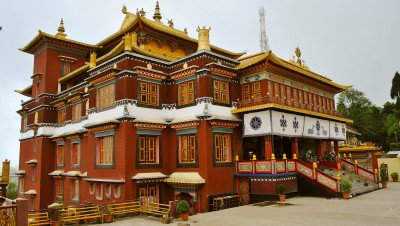
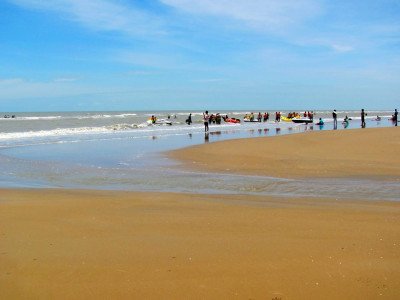
@@General Description: Mandarmani is a premier seaside resort village located in the state of West Bengal, specifically at the northern end of the Bay of Bengal. It has rapidly evolved from a silent fishing hamlet into one of the most vibrant and sought-after tourist destinations near Kolkata. The primary allure of this coastal gem is its expansive, firm-sand beach which stretches for nearly 13 Kilometers, making it one of the longest motorable beaches in the country. Travelers are often seen driving their vehicles along the shoreline, an experience that is rare and exhilarating. The atmosphere here is a perfect blend of tranquility and modern luxury, as the coastline is dotted with high-end resorts, cozy cottages, and budget-friendly hotels that cater to every type of traveler. The village is surrounded by lush greenery and salt marshes, providing a diverse ecological backdrop to the azure waters of the sea. Unlike the nearby crowded Digha, Mandarmani offers a more secluded and upscale environment, where one can hear the rhythmic waves and the whispers of the casuarina trees. The local community is deeply connected to the sea, and one can witness the daily hustle of fishermen bringing in their catch. Over the years, it has become a hotspot for destination weddings, corporate retreats, and family outings due to its serene ambiance and improving infrastructure. The vastness of the beach allows for long, uninterrupted walks where the horizon seems to merge with the sea, offering a sense of infinite peace. Whether you are looking for an adrenaline-pumping jet ski ride or a quiet afternoon watching red crabs scuttle across the sand, Mandarmani promises a rejuvenating escape from the city's chaos. The local cuisine, dominated by fresh seafood like prawns, pomfret, and crabs, adds a delicious layer to the overall travel experience, making it a complete package for any wanderlust seeker.
Card image cap
Mayapur

@@General Description: Mayapur is a sacred town situated at the confluence of the Ganges and Jalangi rivers in the Nadia district of West Bengal. It i...

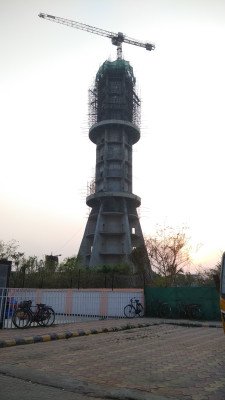
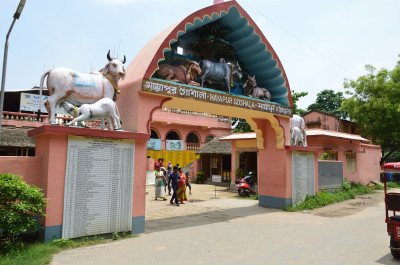
@@General Description: Mayapur is a sacred town situated at the confluence of the Ganges and Jalangi rivers in the Nadia district of West Bengal. It is globally renowned as the birthplace of Sri Chaitanya Mahaprabhu, the 15th-century saint and social reformer who propagated the Hare Krishna movement. As the international headquarters of the International Society for Krishna Consciousness (ISKCON), Mayapur serves as a spiritual lighthouse that attracts millions of pilgrims and tourists from across the globe every year. The town is characterized by its serene landscapes, sprawling temple complexes, and a palpable atmosphere of devotion. The rhythm of the town is dictated by the melodious chanting of the "Maha Mantra" which resonates through the air at all times. Visitors are greeted by lush green gardens, meticulously maintained ashrams, and the magnificent architecture of various temples. The centerpiece of the town is the Temple of the Vedic Planetarium (TOVP), an ongoing project that aims to be one of the largest religious monuments in the world. Mayapur is not just a destination for the religious; it is a center for Vedic education, organic farming, and cultural exchange. The presence of devotees from over 100 countries gives the town a unique cosmopolitan yet traditional vibe. The daily rituals, especially the evening "Sandhya Aarti," are a grand spectacle involving hundreds of lamps, ecstatic dancing, and soul-stirring music. Life in Mayapur is simple and rooted in the philosophy of "Plain living and high thinking." The town offers a variety of accommodation options, from humble guest houses to luxury hotels, all focused on providing a spiritual experience. The local cuisine is strictly vegetarian, served as 'Prasadam', which is prepared with immense devotion. A visit to Mayapur offers a profound sense of peace and a chance to explore the depths of Indian spirituality in a setting that is both ancient and modern.
Card image cap
Mirik

@@Place Details: Mirik is a serene hill station nestled in the Eastern Himalayas within the Darjeeling district of West Bengal. At an elevation of app...

@@Place Details: Mirik is a serene hill station nestled in the Eastern Himalayas within the Darjeeling district of West Bengal. At an elevation of approximately 1,495 meters (4,905 feet), it is famous for its man-made Sumendu Lake, also known as Mirik Lake. The name Mirik is derived from the Lepcha words "Mir-Yok," meaning "place burnt by fire." Historically, the area was a peaceful marshland until the West Bengal Tourism Development Corporation identified its potential and developed the lake in the late 1970s. Today, it serves as a tranquil alternative to the more crowded Darjeeling. The town is surrounded by sprawling tea estates, orange orchards, and cardamom plantations, offering breathtaking views of Mount Kanchenjunga. The central attraction, Sumendu Lake, is 1.25 km long and is encircled by a 3.5 km walking trail that passes through a dense forest of towering pine trees on one side and a beautifully manicured garden on the other. A curved footbridge called the Indreni Pull (Rainbow Bridge) connects the two banks. Mirik is not just about the lake; it is a gateway to the rich Gorkha culture, featuring colorful monasteries like the Bokar Monastery, which is a significant seat of the Kagyud order of Buddhism. The climate here is temperate and pleasant throughout the year, making it a favorite for honeymooners and families seeking a quiet retreat. The town’s economy is heavily dependent on tourism, tea, and the famous Mirik oranges, which are known for their sweetness. Whether you are boating on the calm waters of the lake, riding a horse along the pine trails, or simply watching the clouds roll over the mountains from a viewpoint, Mirik offers a rejuvenating escape into nature’s lap. Its proximity to the India-Nepal border at Pashupati Market also adds a unique cross-cultural flavor to the visit. Mirik remains one of the most picturesque and accessible hill stations in North Bengal, perfect for those who appreciate natural beauty without the chaos of larger mountain cities.:
Card image cap
Mukutmanipur

@@General Description: Mukutmanipur is a serene and picturesque getaway located in the Bankura district of West Bengal. It is nestled at the confluenc...
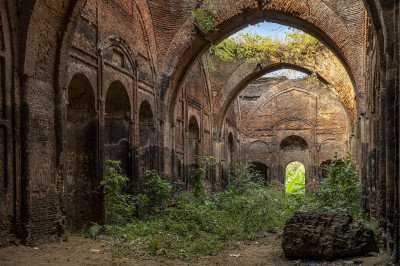
@@General Description: Mukutmanipur is a serene and picturesque getaway located in the Bankura district of West Bengal. It is nestled at the confluence of the Kangsabati and Kumari rivers, surrounded by undulating hillocks and dense forests of Sal and Mahua. The town is primarily famous for the Mukutmanipur Dam, which is the second-largest earthen dam in India. This massive structure creates a vast reservoir that looks like a turquoise sea amidst the rugged "Rangamati" (red soil) landscape of the region. The area is a perfect escape for those looking to get away from the frantic pace of urban life. The ambiance here is defined by the sound of the wind through the trees and the gentle lapping of water against the dam's walls. The nearby hills, like the Parashnath Hill, add a touch of mysticism and provide panoramic views of the entire valley. Mukutmanipur is also a gateway to exploring the tribal culture of West Bengal, as many Santhal villages are located in the vicinity. The local people are known for their warm hospitality and traditional art forms. The reservoir is a haven for migratory birds during the winter months, making it a hotspot for nature enthusiasts and birdwatchers. The sunset at Mukutmanipur is legendary, where the sky turns into a canvas of orange and purple, reflecting beautifully on the vast expanse of water. The town has seen significant development in tourism infrastructure, with several eco-resorts and government lodges offering comfortable stays. It is an ideal spot for picnics, boating, and long drives along the 11-kilometer-long dam road. Whether you are a solo traveler seeking peace or a family looking for a weekend picnic spot, Mukutmanipur offers a refreshing blend of natural beauty and cultural richness.
Card image cap
Murshidabad

@@General Description: Murshidabad, once the capital of the Nawabs of Bengal, Bihar, and Orissa, is a city frozen in time. Located on the eastern bank...
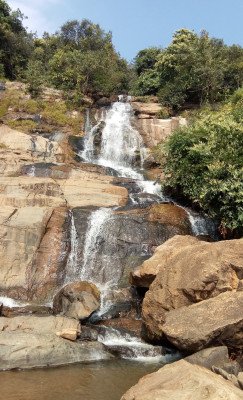
@@General Description: Murshidabad, once the capital of the Nawabs of Bengal, Bihar, and Orissa, is a city frozen in time. Located on the eastern bank of the Bhagirathi river, it is a treasure trove of historical monuments, grand palaces, and ancient mosques. The city’s history is inextricably linked with the decline of the Mughal Empire and the rise of the British East India Company. Walking through its narrow lanes is like stepping into a history book, where every corner tells a story of royalty, betrayal, and architectural brilliance. The most iconic landmark is the Hazarduari Palace, a massive structure with a thousand doors, which now serves as a museum housing a priceless collection of Nawabi artifacts. Beyond the palaces, Murshidabad is famous for its exquisite silk weaving and ivory carving traditions. The city has a distinct Nawabi culture that is reflected in its manners, language, and especially its culinary heritage. The "Murshidabadi Biryani" and various sweets like 'Chhanar Polao' are legendary. The city is also a major center for the 'Sholapith' craft, where artisans create intricate items from the pith of a water plant. The landscape is dotted with ruins of old fortifications, majestic imambaras, and serene gardens like Motijheel. Despite the passage of centuries, Murshidabad retains a sense of regal dignity. The river Bhagirathi adds a scenic charm to the city, with traditional boats ferrying people and goods just as they did in the days of the Nawabs. For any history enthusiast or cultural traveler, Murshidabad offers an unparalleled experience of discovering the roots of modern Indian history.
Card image cap
Namkhana

@@General Description: Namkhana is a strategically important and naturally scenic town located in the South 24 Parganas district of West Bengal. It se...

@@General Description: Namkhana is a strategically important and naturally scenic town located in the South 24 Parganas district of West Bengal. It serves as the vital gateway to the popular coastal destinations of Bakkhali, Frazerganj, and the sacred Sagar Island. Situated on the banks of the Hatania-Doania river, the town is a bustling hub of maritime activity. For many years, Namkhana was famous for its unique ferry service where entire buses and trucks were transported across the river on large vessels. However, with the construction of the massive Hatania-Doania Bridge, the town has transformed into a modern transit point while retaining its rustic charm. The surrounding landscape is a beautiful mix of mangrove forests, tidal creeks, and vast paddy fields. Namkhana is an excellent spot for travelers who want to experience the raw beauty of the Sundarbans delta without going deep into the tiger reserve. The town is a major center for the fishing industry, and the sight of hundreds of colorful mechanized trawlers docked at the harbor is a spectacle in itself. The air here is salty and fresh, filled with the cries of seagulls and the humming of boat engines. Travelers often stop here to enjoy a meal of fresh river fish before heading towards the beaches. The local economy is driven by fishing, betel leaf cultivation, and tourism. Namkhana also offers a glimpse into the resilient life of the delta people who live in harmony with the shifting tides. The nearby Henry’s Island and Mousuni Island have recently emerged as eco-tourism hotspots, and Namkhana serves as the primary base for reaching these locations. It is a place where the river meets the road, and the journey is as beautiful as the destination.
Card image cap
Purulia

@@Place Details: Purulia is a beautiful and culturally rich district located in the western part of West Bengal. It is often called the land of the re...

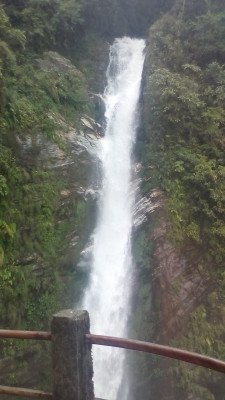
@@Place Details: Purulia is a beautiful and culturally rich district located in the western part of West Bengal. It is often called the land of the red soil because of the unique color of its earth. The landscape here is very different from the rest of the state, featuring rolling hills, dense forests of Palash and Sal trees, and ancient archaeological sites. This place is famous for its tribal heritage, especially the world-renowned Chhau dance. When you visit Purulia, you will see the majestic Ajodhya Hills, which are part of the Dalma range. The area is filled with stunning waterfalls like Bamni Falls and Turga Falls. The history of this place goes back hundreds of years, with many ancient temples and ruins scattered around. People here are very simple and live close to nature. During the spring months of February and March, the entire district turns bright red as the Palash flowers bloom everywhere. It is a sight that you will never forget. The culture is a mix of various tribal traditions, including Santhali and Kurmi rituals. There are many large dams and reservoirs like Murguma and Baranti that offer peaceful views and a chance to see migratory birds. Purulia is not just a place for sightseeing; it is a place to feel the heartbeat of rural Bengal. You can walk through the villages, talk to the local artisans who make Chhau masks, and listen to the rhythmic sounds of the Madal drum. The district is also known for its rugged beauty, making it a favorite spot for rock climbers and trekkers. Whether you are looking for adventure in the hills or peace by a lakeside, Purulia has something for everyone. It is a destination that stays in your heart because of its raw beauty and the warmth of its people. Visiting this place is like stepping back in time to a simpler way of living where nature and culture are perfectly balanced :
Card image cap
Shankarpur

@@Place Details: Shankarpur is a twin beach of Digha, located about 14 km away, and is widely known as a more peaceful and secluded alternative to its...
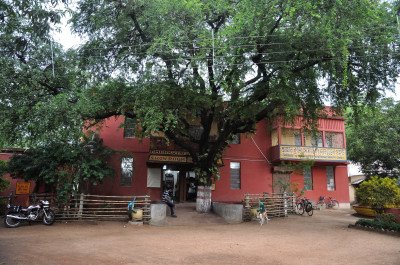
@@Place Details: Shankarpur is a twin beach of Digha, located about 14 km away, and is widely known as a more peaceful and secluded alternative to its bustling neighbor. It is primarily a large fishing harbor that has gradually developed into a sea resort for those seeking tranquility. The beach is characterized by vast stretches of sand lined with dense casuarina plantations that provide a cool shade even during the noon. Shankarpur offers a rare old-world charm where the main activity revolves around the local fishing community. In the mornings, the harbor is a hive of activity as hundreds of colorful fishing boats return with their fresh catch. The waters at Shankarpur are generally cleaner, and the atmosphere is far less commercialized than Digha. It is a place where nature takes center stage, and the rhythmic sound of the waves is the only music you hear. The destination is perfect for nature lovers and soul seekers who want to experience the Bay of Bengal in its most authentic form. The beach has several state-run and private resorts that offer stunning views of the horizon. The sunrise at Shankarpur is considered one of the most beautiful in the region, as the golden light reflects off the wet sand and the nets of the fishermen. It is a vital hub for the fishing industry in West Bengal, contributing significantly to the seafood supply of the state.
Card image cap
Shantiniketan

@@Place Details: Shantiniketan, meaning the "abode of peace," is a world-renowned cultural and educational hub established by Maharshi Debendranath Ta...

@@Place Details: Shantiniketan, meaning the "abode of peace," is a world-renowned cultural and educational hub established by Maharshi Debendranath Tagore and later expanded by his son, the Nobel Laureate Rabindranath Tagore. Located in the heart of the Birbhum district, this town is synonymous with Visva-Bharati University, which was founded on the principles of learning in harmony with nature. Historically, the area was known as Bhubhandanga, but it was transformed into a spiritual and intellectual sanctuary. The town gained global recognition in September 2023 when it was inscribed as a UNESCO World Heritage Site. The essence of Shantiniketan lies in its unique "Baul" folk music, the vibrant red laterite soil called Khoai, and the philosophical depth of Gurudev’s vision. The university campus is not just an educational institution but a living museum of art and history, where classes are still held under the shade of massive trees, fostering a deep connection between the student and the environment. Over the decades, it has attracted scholars, artists, and seekers from across the globe, including figures like Mahatma Gandhi and Jawaharlal Nehru. The town’s landscape is a beautiful blend of manicured gardens, mud-walled houses with thatched roofs, and large open-air courtyards. Shantiniketan is also the center for the Bengal School of Art, showcasing the works of legends like Nandalal Bose and Ramkinkar Baij. Visitors come here to find solace, to witness the fusion of Eastern and Western cultures, and to experience the slow-paced, rhythmic life of rural Bengal. Whether you are walking through the Sonajhuri forest or attending a prayer at the Upasana Griha, the spiritual energy of the place remains palpable. It is a destination that transcends traditional tourism, offering a transformative experience that celebrates humanism, internationalism, and the timeless beauty of the arts. Every corner of this town tells a story of creative freedom and intellectual rigor, making it a must-visit for anyone seeking to understand the cultural soul of India.:
Card image cap
Tarapith Temple

@@Place Details: Tarapith is one of the most significant pilgrimage sites in West Bengal, revered as a Siddha Peeth and one of the 51 Shakti Peethas. ...

@@Place Details: Tarapith is one of the most significant pilgrimage sites in West Bengal, revered as a Siddha Peeth and one of the 51 Shakti Peethas. The temple is dedicated to Maa Tara, a fierce yet motherly form of the Goddess Kali. According to mythology, it is believed that the third eye (the 'Tara' or eyeball) of Goddess Sati fell here. The place gained immense spiritual fame due to the great saint Bama Khepa, known as the 'Mad Saint,' who attained enlightenment through his intense devotion to Maa Tara in the adjacent cremation grounds. Unlike many other temples, the presiding deity here is worshipped in a motherly form, often depicted suckling Lord Shiva. The temple is situated on the banks of the Dwarka River, and its atmosphere is thick with the scent of incense, vermillion, and the sound of bells. The Maha Smashan (cremation ground) is an integral part of the temple complex, where Tantric rituals are performed by Sadhus and practitioners. It is one of the few places in India where death and divinity coexist so closely. Devotees from all over the country visit to seek blessings for overcoming obstacles and spiritual awakening. The idol of the goddess is usually covered with a golden mask during the day and is shown in its stone form only during special rituals. The town has grown around the temple, with a bustling market selling spiritual items, red hibiscus flowers, and religious texts. The history of the temple dates back centuries, with the current structure being built around 1225, though the site itself has been a center of Tantra for thousands of years. The spiritual energy of Tarapith is palpable, especially during the Sandhya Aarti (evening prayer), when the hymns and chants create a transcendental experience for the pilgrims. It is a place where faith, ritual, and mysticism blend seamlessly into the rural landscape of Birbhum. :
Show All
Information about New and Updated Locations() of West Bengal Has Been Added :-
Card subtitle

Note:-

Information provided here in good Faith and for reference only.

All information and pictures will be updated soon, please keep visiting.

Near Places

...
Andaman and Nicobar Islands

Some quick example text to build on the card title and make up the bulk of the card's content.

Go somewhere
...
Andhra Pradesh

Some quick example text to build on the card title and make up the bulk of the card's content.

Go somewhere
...
Arunachal Pradesh

Some quick example text to build on the card title and make up the bulk of the card's content.

Go somewhere
...
Assam

Some quick example text to build on the card title and make up the bulk of the card's content.

Go somewhere
...
Bihar

Some quick example text to build on the card title and make up the bulk of the card's content.

Go somewhere
...
Chandigarh

Some quick example text to build on the card title and make up the bulk of the card's content.

Go somewhere
...
Chhattisgarh

Some quick example text to build on the card title and make up the bulk of the card's content.

Go somewhere
...
Daman and Diu

Some quick example text to build on the card title and make up the bulk of the card's content.

Go somewhere
...
Delhi

Some quick example text to build on the card title and make up the bulk of the card's content.

Go somewhere
...
Goa

Some quick example text to build on the card title and make up the bulk of the card's content.

Go somewhere
...
Goa
in Other Cities