

West Bengal
General information
-
Ideal Duration:
7 to 10 DaysPlace Type:
Cultural, Heritage, Wildlife, and NatureEntry Fees:
Historical Entry Fees: Most historical monuments like the Victoria Memorial charge around 50 INR for Indian citizens and 500 INR for foreigners. These fees help in the maintenance of the heritage structures and the surrounding landscaped gardens.
Read MoreHistorical Entry Fees: Most historical monuments like the Victoria Memorial charge around 50 INR for Indian citizens and 500 INR for foreigners. These fees help in the maintenance of the heritage structures and the surrounding landscaped gardens.
National Park Fees: Entry to Jaldapara or Gorumara National Park typically costs around 100 INR per person, with additional charges for jeep safaris. The safari costs vary depending on the number of people and the duration of the forest trip.
Museum Charges: The Indian Museum in Kolkata has an entry fee of approximately 50 INR, with separate charges for camera usage. This museum is the oldest in India and houses rare artifacts, including an Egyptian mummy and Buddhist sculptures.Timing:
General Timings: Most tourist spots in West Bengal operate from 10:00 AM to 5:00 PM on weekdays. It is important to note that many museums and state-run attractions are closed on Mondays, so planning the itinerary accordingly is essential.
Best...General Timings: Most tourist spots in West Bengal operate from 10:00 AM to 5:00 PM on weekdays. It is important to note that many museums and state-run attractions are closed on Mondays, so planning the itinerary accordingly is essential.
Best Visit Time: The ideal time to visit the hill stations is during the early morning hours to avoid the mist. For the plains and coastal areas, late afternoons are preferred for sightseeing as the temperature becomes more pleasant after the sun begins to set.Special Events:
Durga Puja: This is the grandest festival of West Bengal, celebrated in October, where the entire state turns into an open-air art gallery with massive Pandals. The festival marks the victory of Goddess Durga over Mahishasura and involves traditional drumming called Dhaki. ...Durga Puja: This is the grandest festival of West Bengal, celebrated in October, where the entire state turns into an open-air art gallery with massive Pandals. The festival marks the victory of Goddess Durga over Mahishasura and involves traditional drumming called Dhaki.
Poush Mela: Held in Shantiniketan during December, this fair celebrates the harvest season and the foundation day of Sriniketan. It is famous for its Baul music performances, tribal dances, and local handicrafts that attract thousands of visitors from across the world.
Ganga Sagar Mela: Taking place in January at Sagar Island, this is one of the largest religious gatherings in India after the Kumbh Mela. Pilgrims take a holy dip at the confluence of the Ganges and the Bay of Bengal on the occasion of Makar Sankranti.
Rash Mela: Celebrated in Cooch Behar during November, this month-long festival is dedicated to Lord Krishna. The fair is known for its traditional wooden toys and the illumination of the Madan Mohan Temple, showcasing the royal heritage of the region.Best Photo Spots:
Howrah Bridge: Capturing the Howrah Bridge during the blue hour provides a stunning silhouette against the Hooghly River. The bustling traffic of yellow taxis and the massive steel structure make it the most iconic photography spot in Kolkata.
...Howrah Bridge: Capturing the Howrah Bridge during the blue hour provides a stunning silhouette against the Hooghly River. The bustling traffic of yellow taxis and the massive steel structure make it the most iconic photography spot in Kolkata.
Tiger Hill Sunrise: The first rays of the sun hitting the Kanchenjunga peak at Tiger Hill in Darjeeling create a golden glow that is a dream for photographers. It is recommended to reach early in the morning to secure a spot for the perfect wide-angle shot.
Kumartuli Alleys: The potters' colony in Kolkata, Kumartuli, is perfect for candid photography of artisans crafting clay idols of Goddess Durga. The play of light and shadow in the narrow lanes provides a rustic and artistic feel to the photographs.
Sundarban Mangroves: The dense canopy of the Sundarbans and the reflections of the trees in the still water offer great opportunities for nature photography. Catching a glimpse of a basking crocodile or a swimming tiger adds a dramatic element to the frames.Photo Gallery
Things To Do
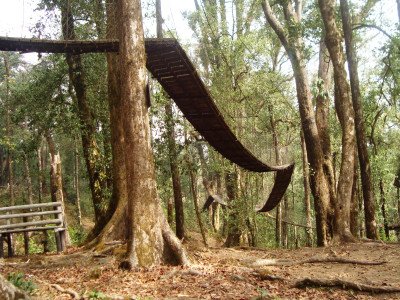 @@Introduction to Lolegaon: Lolegaon (also known as Kaffer) is a tiny, secluded Lepcha village situated at an altitude of 1,675 meters in the Kalimpong district of West Bengal. It is the epitome of peace and tranquility, located at the far end of a Himalayan ridge. The village is surrounded by ancient heritage forests consisting of towering pine, cypress, and oak trees. Historically, Lolegaon was a quiet hamlet of the indigenous Lepcha community, and it has only recently come onto the tourist map as an offbeat nature destination. The atmosphere is one of profound silence, punctuated only by the sounds of the wind through the trees and the calls of Himalayan birds. The weather is cool and pleasant for most of the year, with heavy mist being a constant companion during the monsoon and winter. Unlike other hill stations, Lolegaon has no bustling malls or large markets; it is a place for those who want to disconnect from the digital world and reconnect with nature. @@The Heritage Forest: The primary attraction of Lolegaon is its "Heritage Forest," a protected area that preserves the original flora of the Eastern Himalayas. The forest floor is covered with moss and ferns, and the trees are draped in orchids. For nature lovers, the village offers a rare opportunity to walk through a primeval forest. The local culture is deeply tied to the land, with the Lepcha residents living a simple life centered around agriculture and eco-tourism. A visit to Lolegaon is an exercise in slow travel, where the highlight of the day might be watching the sun rise over the horizon or seeing a rare bird perched on a cypress branch. It is a destination that appeals to the soul, offering a sense of solitude that is hard to find in the modern world.
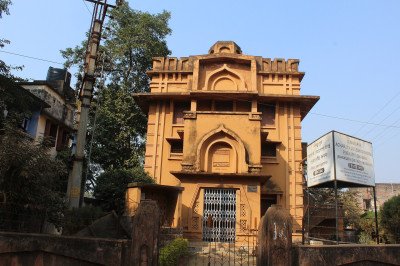 @@Place Details: Bankura is a district in West Bengal that represents the quintessential charm of the Rarh region, characterized by its distinct red soil and undulating landscape. It is world-renowned for its heritage town, Bishnupur, which was the capital of the Malla kings. The district is a living museum of Terracotta art, where centuries-old temples are adorned with intricate clay carvings depicting scenes from the Ramayana, Mahabharata, and the life of Lord Krishna. Beyond the temples, Bankura is famous for its natural beauty, including the majestic Susunia and Biharinath hills, and the vast Mukutmanipur dam, which is the second-largest earthen dam in India. The culture of Bankura is deeply rooted in its tribal heritage, particularly of the Santhal community. The district is also an artistic powerhouse, producing the iconic Bankura Horse, a terracotta figurine that has become a symbol of Indian handicrafts. The weaving tradition here is equally prestigious, with Baluchari and Swarnachari silk sarees being prized for their narrative borders depicting mythological stories. Historically, the Malla dynasty ruled this region for over a thousand years, fostering a unique style of music known as the Bishnupur Gharana. The town of Bankura serves as the administrative hub, while nearby villages like Panchmura are centers for terracotta pottery. The Kangsabati and Kumari rivers add to the scenic allure of the countryside. In 2026, Bankura attracts travelers seeking a mix of spiritual solace, historical exploration, and outdoor adventure. The local cuisine, featuring dishes like Posto-r Bora (poppy seed fritters), offers a unique taste of rural Bengal. Festivals like the Bishnupur Mela and Palash Utsab showcase the vibrant folk life. Whether you are trekking up the Susunia Hill to see ancient inscriptions or marveling at the architecture of the Rasmancha, Bankura provides a deeply enriching experience that celebrates the harmony between man, art, and nature.
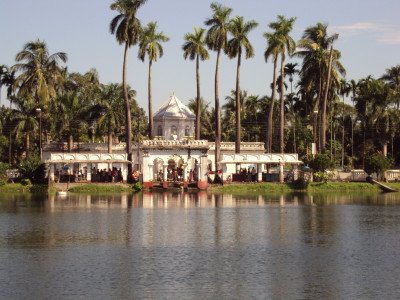 Cooch Behar is a unique city in West Bengal, known for its planned layout, heritage buildings, and vast water bodies called Dighis. Once the seat of the Koch Kingdom, it is often called the 'City of Beauty'. The city is dominated by the Cooch Behar Palace, but its charm lies in every corner—from the white Madan Mohan Temple to the historic Jenkins School. The city's culture is a blend of Bengali and tribal Koch-Rajbongshi traditions. Cooch Behar is one of the few places in India that was a princely state until 1949 and has successfully preserved its royal identity. The streets are wide, and the city is surprisingly clean compared to other Bengal towns. The local cuisine, featuring fresh fish from the Torsha river and unique sweets like Sarbajaya, is a delight for foodies. It serves as the gateway to the Dooars and the borders of Assam and Bhutan.
 @@General Description: Mukutmanipur is a serene and picturesque getaway located in the Bankura district of West Bengal. It is nestled at the confluence of the Kangsabati and Kumari rivers, surrounded by undulating hillocks and dense forests of Sal and Mahua. The town is primarily famous for the Mukutmanipur Dam, which is the second-largest earthen dam in India. This massive structure creates a vast reservoir that looks like a turquoise sea amidst the rugged "Rangamati" (red soil) landscape of the region. The area is a perfect escape for those looking to get away from the frantic pace of urban life. The ambiance here is defined by the sound of the wind through the trees and the gentle lapping of water against the dam's walls. The nearby hills, like the Parashnath Hill, add a touch of mysticism and provide panoramic views of the entire valley. Mukutmanipur is also a gateway to exploring the tribal culture of West Bengal, as many Santhal villages are located in the vicinity. The local people are known for their warm hospitality and traditional art forms. The reservoir is a haven for migratory birds during the winter months, making it a hotspot for nature enthusiasts and birdwatchers. The sunset at Mukutmanipur is legendary, where the sky turns into a canvas of orange and purple, reflecting beautifully on the vast expanse of water. The town has seen significant development in tourism infrastructure, with several eco-resorts and government lodges offering comfortable stays. It is an ideal spot for picnics, boating, and long drives along the 11-kilometer-long dam road. Whether you are a solo traveler seeking peace or a family looking for a weekend picnic spot, Mukutmanipur offers a refreshing blend of natural beauty and cultural richness.
@@Place Details: Shankarpur is a twin beach of Digha, located about 14 km away, and is widely known as a more peaceful and secluded alternative to its bustling neighbor. It is primarily a large fishing harbor that has gradually developed into a sea resort for those seeking tranquility. The beach is characterized by vast stretches of sand lined with dense casuarina plantations that provide a cool shade even during the noon. Shankarpur offers a rare old-world charm where the main activity revolves around the local fishing community. In the mornings, the harbor is a hive of activity as hundreds of colorful fishing boats return with their fresh catch. The waters at Shankarpur are generally cleaner, and the atmosphere is far less commercialized than Digha. It is a place where nature takes center stage, and the rhythmic sound of the waves is the only music you hear. The destination is perfect for nature lovers and soul seekers who want to experience the Bay of Bengal in its most authentic form. The beach has several state-run and private resorts that offer stunning views of the horizon. The sunrise at Shankarpur is considered one of the most beautiful in the region, as the golden light reflects off the wet sand and the nets of the fishermen. It is a vital hub for the fishing industry in West Bengal, contributing significantly to the seafood supply of the state.
@@General Description: Mukutmanipur is a serene and picturesque getaway located in the Bankura district of West Bengal. It is nestled at the confluence of the Kangsabati and Kumari rivers, surrounded by undulating hillocks and dense forests of Sal and Mahua. The town is primarily famous for the Mukutmanipur Dam, which is the second-largest earthen dam in India. This massive structure creates a vast reservoir that looks like a turquoise sea amidst the rugged "Rangamati" (red soil) landscape of the region. The area is a perfect escape for those looking to get away from the frantic pace of urban life. The ambiance here is defined by the sound of the wind through the trees and the gentle lapping of water against the dam's walls. The nearby hills, like the Parashnath Hill, add a touch of mysticism and provide panoramic views of the entire valley. Mukutmanipur is also a gateway to exploring the tribal culture of West Bengal, as many Santhal villages are located in the vicinity. The local people are known for their warm hospitality and traditional art forms. The reservoir is a haven for migratory birds during the winter months, making it a hotspot for nature enthusiasts and birdwatchers. The sunset at Mukutmanipur is legendary, where the sky turns into a canvas of orange and purple, reflecting beautifully on the vast expanse of water. The town has seen significant development in tourism infrastructure, with several eco-resorts and government lodges offering comfortable stays. It is an ideal spot for picnics, boating, and long drives along the 11-kilometer-long dam road. Whether you are a solo traveler seeking peace or a family looking for a weekend picnic spot, Mukutmanipur offers a refreshing blend of natural beauty and cultural richness.
@@Place Details: Shankarpur is a twin beach of Digha, located about 14 km away, and is widely known as a more peaceful and secluded alternative to its bustling neighbor. It is primarily a large fishing harbor that has gradually developed into a sea resort for those seeking tranquility. The beach is characterized by vast stretches of sand lined with dense casuarina plantations that provide a cool shade even during the noon. Shankarpur offers a rare old-world charm where the main activity revolves around the local fishing community. In the mornings, the harbor is a hive of activity as hundreds of colorful fishing boats return with their fresh catch. The waters at Shankarpur are generally cleaner, and the atmosphere is far less commercialized than Digha. It is a place where nature takes center stage, and the rhythmic sound of the waves is the only music you hear. The destination is perfect for nature lovers and soul seekers who want to experience the Bay of Bengal in its most authentic form. The beach has several state-run and private resorts that offer stunning views of the horizon. The sunrise at Shankarpur is considered one of the most beautiful in the region, as the golden light reflects off the wet sand and the nets of the fishermen. It is a vital hub for the fishing industry in West Bengal, contributing significantly to the seafood supply of the state.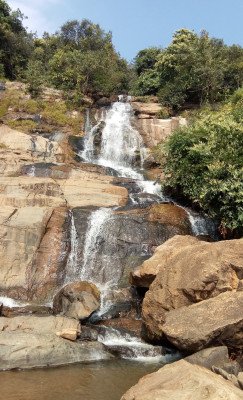 @@Place Details: Purulia is a beautiful and culturally rich district located in the western part of West Bengal. It is often called the land of the red soil because of the unique color of its earth. The landscape here is very different from the rest of the state, featuring rolling hills, dense forests of Palash and Sal trees, and ancient archaeological sites. This place is famous for its tribal heritage, especially the world-renowned Chhau dance. When you visit Purulia, you will see the majestic Ajodhya Hills, which are part of the Dalma range. The area is filled with stunning waterfalls like Bamni Falls and Turga Falls. The history of this place goes back hundreds of years, with many ancient temples and ruins scattered around. People here are very simple and live close to nature. During the spring months of February and March, the entire district turns bright red as the Palash flowers bloom everywhere. It is a sight that you will never forget. The culture is a mix of various tribal traditions, including Santhali and Kurmi rituals. There are many large dams and reservoirs like Murguma and Baranti that offer peaceful views and a chance to see migratory birds. Purulia is not just a place for sightseeing; it is a place to feel the heartbeat of rural Bengal. You can walk through the villages, talk to the local artisans who make Chhau masks, and listen to the rhythmic sounds of the Madal drum. The district is also known for its rugged beauty, making it a favorite spot for rock climbers and trekkers. Whether you are looking for adventure in the hills or peace by a lakeside, Purulia has something for everyone. It is a destination that stays in your heart because of its raw beauty and the warmth of its people. Visiting this place is like stepping back in time to a simpler way of living where nature and culture are perfectly balanced :
 @@Place Details: Tarapith is one of the most significant pilgrimage sites in West Bengal, revered as a Siddha Peeth and one of the 51 Shakti Peethas. The temple is dedicated to Maa Tara, a fierce yet motherly form of the Goddess Kali. According to mythology, it is believed that the third eye (the 'Tara' or eyeball) of Goddess Sati fell here. The place gained immense spiritual fame due to the great saint Bama Khepa, known as the 'Mad Saint,' who attained enlightenment through his intense devotion to Maa Tara in the adjacent cremation grounds. Unlike many other temples, the presiding deity here is worshipped in a motherly form, often depicted suckling Lord Shiva. The temple is situated on the banks of the Dwarka River, and its atmosphere is thick with the scent of incense, vermillion, and the sound of bells. The Maha Smashan (cremation ground) is an integral part of the temple complex, where Tantric rituals are performed by Sadhus and practitioners. It is one of the few places in India where death and divinity coexist so closely. Devotees from all over the country visit to seek blessings for overcoming obstacles and spiritual awakening. The idol of the goddess is usually covered with a golden mask during the day and is shown in its stone form only during special rituals. The town has grown around the temple, with a bustling market selling spiritual items, red hibiscus flowers, and religious texts. The history of the temple dates back centuries, with the current structure being built around 1225, though the site itself has been a center of Tantra for thousands of years. The spiritual energy of Tarapith is palpable, especially during the Sandhya Aarti (evening prayer), when the hymns and chants create a transcendental experience for the pilgrims. It is a place where faith, ritual, and mysticism blend seamlessly into the rural landscape of Birbhum. :Show All
@@Introduction to Lataguri: Lataguri is a small, charming village located on the fringes of the Gorumara National Park in the Jalpaiguri district of West Bengal. It serves as the primary entry point and hub for tourists wishing to explore the rich biodiversity of the Dooars region. The village is surrounded by dense tropical forests of Sal, Teak, and Siris, and is intersected by several sparkling rivers like the Murti and Jaldhaka. Historically, this region was a dense wilderness known only to tribal communities and forest officials, but it has now evolved into a premier eco-tourism destination. The atmosphere in Lataguri is defined by the call of wild animals and the rustle of the forest. The local economy is entirely centered around wildlife tourism, with numerous resorts and homestays offering a range of experiences from luxury to rustic. The village acts as a base for safaris into the national park, where visitors hope to catch a glimpse of the famous one-horned rhinoceros, Asian elephants, and diverse bird species. @@Nature and Culture: The culture of Lataguri is a blend of the diverse ethnic groups that inhabit the Dooars, including the Rajbongshis and various tea tribe communities. Local traditions are showcased through tribal dances and folk music, which are often organized for tourists in the evenings. The proximity to numerous tea gardens adds another layer to the landscape, with vast green stretches of tea bushes bordering the dark forests. For nature lovers, Lataguri offers a raw and unfiltered connection with the wild. The morning mist over the Murti River and the sight of bison grazing near the forest edges are common yet magical occurrences. The region is also an important corridor for wildlife movement between India and Bhutan, making it a critical area for conservation. A visit to Lataguri is not just about a vacation; it is an immersion into the vibrant ecosystem of the foothills of the Eastern Himalayas.
@@Place Details: Tarapith is one of the most significant pilgrimage sites in West Bengal, revered as a Siddha Peeth and one of the 51 Shakti Peethas. The temple is dedicated to Maa Tara, a fierce yet motherly form of the Goddess Kali. According to mythology, it is believed that the third eye (the 'Tara' or eyeball) of Goddess Sati fell here. The place gained immense spiritual fame due to the great saint Bama Khepa, known as the 'Mad Saint,' who attained enlightenment through his intense devotion to Maa Tara in the adjacent cremation grounds. Unlike many other temples, the presiding deity here is worshipped in a motherly form, often depicted suckling Lord Shiva. The temple is situated on the banks of the Dwarka River, and its atmosphere is thick with the scent of incense, vermillion, and the sound of bells. The Maha Smashan (cremation ground) is an integral part of the temple complex, where Tantric rituals are performed by Sadhus and practitioners. It is one of the few places in India where death and divinity coexist so closely. Devotees from all over the country visit to seek blessings for overcoming obstacles and spiritual awakening. The idol of the goddess is usually covered with a golden mask during the day and is shown in its stone form only during special rituals. The town has grown around the temple, with a bustling market selling spiritual items, red hibiscus flowers, and religious texts. The history of the temple dates back centuries, with the current structure being built around 1225, though the site itself has been a center of Tantra for thousands of years. The spiritual energy of Tarapith is palpable, especially during the Sandhya Aarti (evening prayer), when the hymns and chants create a transcendental experience for the pilgrims. It is a place where faith, ritual, and mysticism blend seamlessly into the rural landscape of Birbhum. :Show All
@@Introduction to Lataguri: Lataguri is a small, charming village located on the fringes of the Gorumara National Park in the Jalpaiguri district of West Bengal. It serves as the primary entry point and hub for tourists wishing to explore the rich biodiversity of the Dooars region. The village is surrounded by dense tropical forests of Sal, Teak, and Siris, and is intersected by several sparkling rivers like the Murti and Jaldhaka. Historically, this region was a dense wilderness known only to tribal communities and forest officials, but it has now evolved into a premier eco-tourism destination. The atmosphere in Lataguri is defined by the call of wild animals and the rustle of the forest. The local economy is entirely centered around wildlife tourism, with numerous resorts and homestays offering a range of experiences from luxury to rustic. The village acts as a base for safaris into the national park, where visitors hope to catch a glimpse of the famous one-horned rhinoceros, Asian elephants, and diverse bird species. @@Nature and Culture: The culture of Lataguri is a blend of the diverse ethnic groups that inhabit the Dooars, including the Rajbongshis and various tea tribe communities. Local traditions are showcased through tribal dances and folk music, which are often organized for tourists in the evenings. The proximity to numerous tea gardens adds another layer to the landscape, with vast green stretches of tea bushes bordering the dark forests. For nature lovers, Lataguri offers a raw and unfiltered connection with the wild. The morning mist over the Murti River and the sight of bison grazing near the forest edges are common yet magical occurrences. The region is also an important corridor for wildlife movement between India and Bhutan, making it a critical area for conservation. A visit to Lataguri is not just about a vacation; it is an immersion into the vibrant ecosystem of the foothills of the Eastern Himalayas.Information
-
Why Famous:
Cultural Capital: West Bengal is globally famous as the "Cultural Capital of India," being the birthplace of Nobel laureate Rabindranath Tagore. The state's intellectual heritage is reflected in its literature, cinema, and the vibrant Kolkata Book Fair.
Read MoreCultural Capital: West Bengal is globally famous as the "Cultural Capital of India," being the birthplace of Nobel laureate Rabindranath Tagore. The state's intellectual heritage is reflected in its literature, cinema, and the vibrant Kolkata Book Fair.
Royal Bengal Tigers: The state is the only home to the world-famous Royal Bengal Tigers residing in the mangrove swamps of the Sundarbans. This wildlife sanctuary is a massive attraction for nature lovers and international researchers tracking these majestic big cats.
Darjeeling Tea: The tea gardens of Darjeeling produce the "Champagne of Teas," which is protected under the Geographical Indication (GI) tag. Tourists flock here to witness the tea-plucking process and enjoy the scenic views of the Kanchenjunga range.Architecture:
Terracotta Dimensions: The Bishnupur temples, like the Rasmancha, feature a unique pyramidal base measuring approximately 24. 5 meters on each side. These structures are built from local laterite and decorated with intricate terracotta panels that are often just a few inche...Terracotta Dimensions: The Bishnupur temples, like the Rasmancha, feature a unique pyramidal base measuring approximately 24. 5 meters on each side. These structures are built from local laterite and decorated with intricate terracotta panels that are often just a few inches deep.
Colonial Grandeur: The Victoria Memorial in Kolkata stands at a height of 56 meters and is built using Makrana marble from Rajasthan. Its Indo-Saracenic revival style incorporates Mughal and European elements, spanning over 64 acres of lush gardens.
Himalayan Vernacular: Traditional houses in Darjeeling often use stone and timber, designed to withstand the steep slopes and the cold Himalayan climate. These structures typically feature sloping tin roofs to shed heavy rainfall and snow effectively during the winter months.How To Reach:
By Air: The Netaji Subhash Chandra Bose International Airport in Kolkata is the primary gateway, connecting the state to major global and domestic cities. Bagdogra Airport near Siliguri serves as the vital link for tourists heading to the Himalayan regions of the north.By Air: The Netaji Subhash Chandra Bose International Airport in Kolkata is the primary gateway, connecting the state to major global and domestic cities. Bagdogra Airport near Siliguri serves as the vital link for tourists heading to the Himalayan regions of the north.
By Train: The Howrah and Sealdah railway stations are two of the busiest in India, providing extensive connectivity to all parts of the country. For those heading to the hills, the New Jalpaiguri (NJP) station is the main junction connecting to Darjeeling.
By Road: West Bengal has a well-maintained network of National Highways like NH-12 and NH-16 that connect it to neighboring states like Odisha and Bihar. Long-distance buses operated by SBSTC and NBSTC provide affordable and comfortable travel options across the state.
By Local Transport: Within Kolkata, the iconic yellow taxis, trams, and the Metro Railway are the most popular ways to get around. In rural areas, auto-rickshaws and cycle-rickshaws are the primary modes of transport, offering a slow but scenic way to explore.Weather and Best Time to Visit:
Winter Season: From October to February, the weather is cool and pleasant, making it the peak season for tourism in the plains. This is the best time for forest safaris in the Sundarbans and attending the grand Durga Puja or Poush Mela festivities.
Read MoreWinter Season: From October to February, the weather is cool and pleasant, making it the peak season for tourism in the plains. This is the best time for forest safaris in the Sundarbans and attending the grand Durga Puja or Poush Mela festivities.
Summer and Monsoon: Summers from March to June can be quite hot in the plains, but this is the perfect time to escape to the cool hills of Darjeeling. The monsoons from July to September bring heavy rains, turning the tea gardens emerald green and beautiful.Near Tourist Places:
1. Digha (185 km), 2. Sundarbans (100 km), 3. Shantiniketan (160 km), 4. Bishnupur (140 km), 5. Mayapur (130 km), 6. Darjeeling (600 km), 7. Kalimpong (620 km), 8. Murshidabad (210 km), 9. Mandarmani (170 km), 10. Bakkhali (125 km).Tourism Tips
-
Health and Safety: Travelers should carry mosquito repellent, especially when visiting the Sundarbans or forest areas, to prevent malaria. It is also advised to drink bottled water and avoid eating raw salads from street vendors to ensure a healthy and safe trip.Health and Safety: Travelers should carry mosquito repellent, especially when visiting the Sundarbans or forest areas, to prevent malaria. It is also advised to drink bottled water and avoid eating raw salads from street vendors to ensure a healthy and safe trip.
Packing Tips: For the northern hills, heavy woolens are required even in the summer, as temperatures can drop significantly at night. For the southern plains, light cotton clothes are best suited to handle the humidity and the tropical sun during the day.
Accommodation Advice: Booking government lodges through the WBTDC website in advance is highly recommended for popular spots like Digha and Darjeeling. These lodges are often located in prime positions and offer reliable services at a very reasonable price point.
General Etiquette: When visiting temples or rural villages, it is respectful to dress modestly and ask for permission before taking photos of the locals. Learning a few basic words in Bengali like "Namaskar" can go a long way in building a friendly rapport.
Reviews
FAQs
Information about New and Updated Locations() of West Bengal Has Been Added :-
Card subtitle
Note:-
Information provided here in good Faith and for reference only.
All information and pictures will be updated soon, please keep visiting.
Near Places

Andaman and Nicobar Islands
Some quick example text to build on the card title and make up the bulk of the card's content.
Go somewhere
Andhra Pradesh
Some quick example text to build on the card title and make up the bulk of the card's content.
Go somewhere
Arunachal Pradesh
Some quick example text to build on the card title and make up the bulk of the card's content.
Go somewhere
Assam
Some quick example text to build on the card title and make up the bulk of the card's content.
Go somewhere
Bihar
Some quick example text to build on the card title and make up the bulk of the card's content.
Go somewhere
Chandigarh
Some quick example text to build on the card title and make up the bulk of the card's content.
Go somewhere
Chhattisgarh
Some quick example text to build on the card title and make up the bulk of the card's content.
Go somewhere
Daman and Diu
Some quick example text to build on the card title and make up the bulk of the card's content.
Go somewhere
Delhi
Some quick example text to build on the card title and make up the bulk of the card's content.
Go somewhere
Goa
Some quick example text to build on the card title and make up the bulk of the card's content.
Go somewherein Other Cities