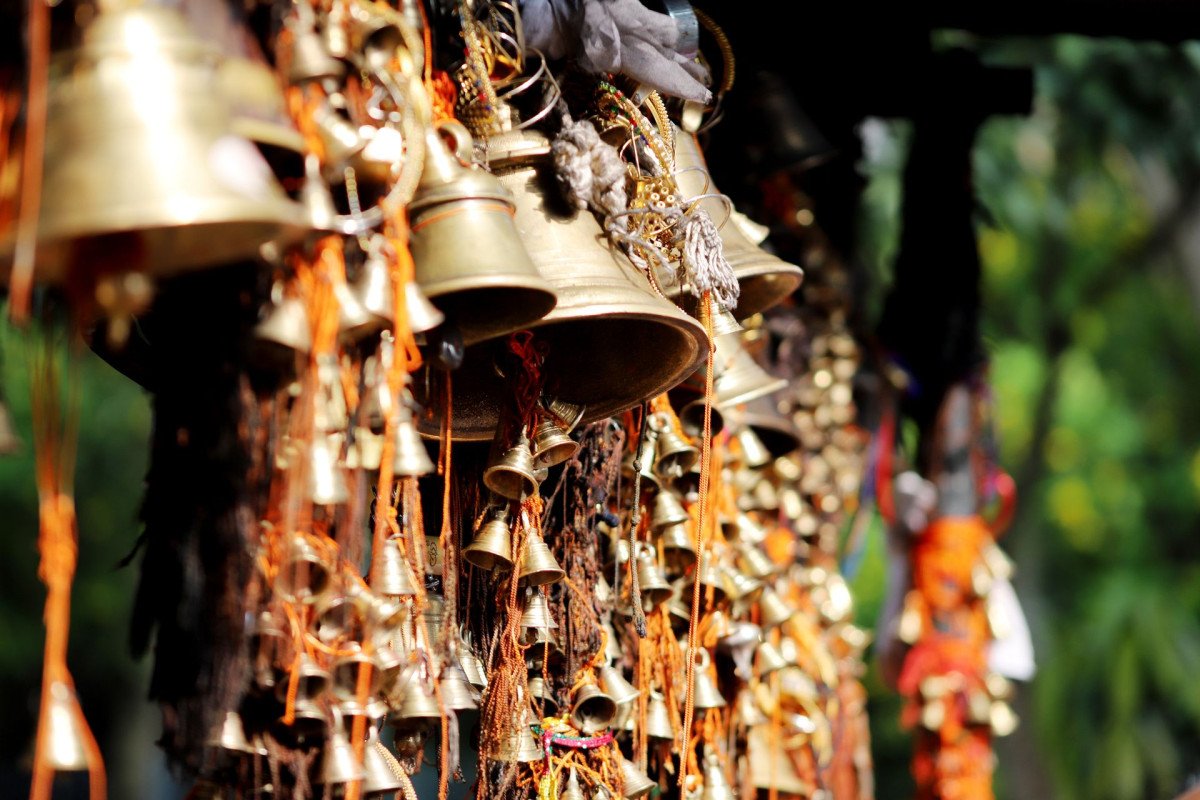
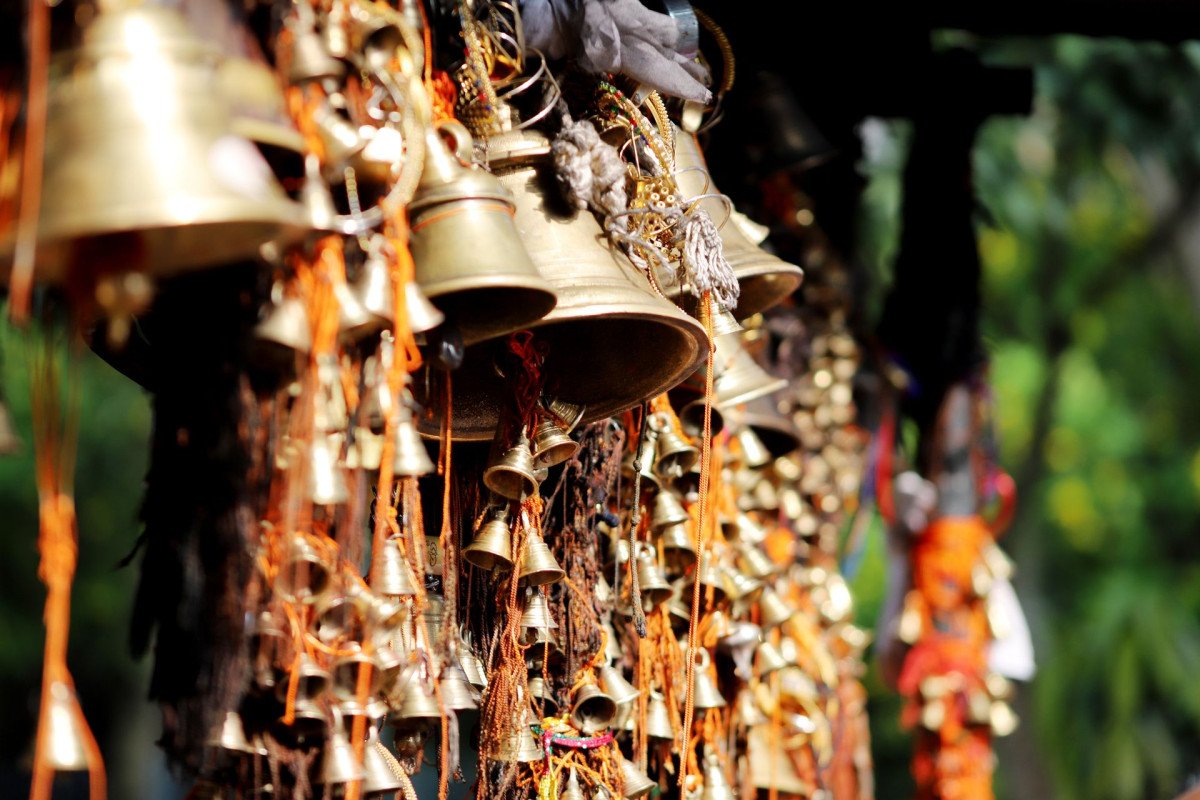
Renuka Devi Temple
General information
-
Ideal Duration:
Viewing and Observation: 30 Minutes - 1 Hour (after reaching Malana Village)Place Type:
Religious, Architectural, CulturalEntry Fees:
Temple Viewing Fee: There is No Entry Fee to view the exterior of the temple. As with the main temple, attempting to enter a restricted area or touching the structure is strictly forbidden and will result in a heavy fine or penalty imposed by the local authorities.
...Temple Viewing Fee: There is No Entry Fee to view the exterior of the temple. As with the main temple, attempting to enter a restricted area or touching the structure is strictly forbidden and will result in a heavy fine or penalty imposed by the local authorities.
Photography Restrictions: There is No Standardized Fee, but the severe restrictions on photography in Malana mean that any unauthorized attempt, especially of a sacred site, can lead to a significant financial penalty from the village council.
Donations: A small, voluntary donation to the temple's maintenance fund (if a designated spot is available outside the no-touch zone) is the only accepted 'payment' for a visit. Visitors are strongly advised to adhere to the strict protocol rather than seeking an unauthorized experience.
:Timing:
Regular Timings: As a sacred site, it is continuously used for local worship. Tourist viewing of the exterior is generally allowed during Daylight Hours from about 9:00 AM to 5:00 PM. The inner sanctum is permanently closed to non-Malanese.
Id...Regular Timings: As a sacred site, it is continuously used for local worship. Tourist viewing of the exterior is generally allowed during Daylight Hours from about 9:00 AM to 5:00 PM. The inner sanctum is permanently closed to non-Malanese.
Ideal Visit Time (Carving Light): The Mid-Morning (10:00 AM to 1:00 PM) is the best time, as the high sun illuminates the intricate wooden carvings on the exterior walls, allowing the details to be clearly visible and photographed from a distance. Late Afternoon light creates strong, dramatic shadows, which can also be aesthetically pleasing.
Seasonal Timings (Trekking/Access): The most accessible season is from May to October. Access is difficult in Winter (November to April) due to snow, and not recommended in the Monsoon (July-August) due to slippery trails leading through the village.
:Special Events:
Renuka Devi Fair/Procession: While the major village festivals are for Jamlu Devta, there are occasionally smaller, more intimate rituals or a procession of the temple's palanquin (idol carrier) or symbolic objects on specific lunar or religious calendar dates, generally lim...Renuka Devi Fair/Procession: While the major village festivals are for Jamlu Devta, there are occasionally smaller, more intimate rituals or a procession of the temple's palanquin (idol carrier) or symbolic objects on specific lunar or religious calendar dates, generally limited to the local community.
Special Puja for Protection: Following any local event, such as a localized natural disaster, the village elders may sanction a special puja (worship) at the Renuka Devi Temple to seek the goddess's protection for the community's well-being and harvest.
Woodwork Restoration Ceremony: Given the temple's architectural value, any authorized restoration or maintenance work on the carvings or structure is a highly specialized and ceremonial event, showcasing the local reverence for the craft and the deity.
:Best Photo Spots:
Close-up Shots of the Detailed Carvings: The best shots focus on isolating the detailed wooden carvings on the doors and window frames, using the sun's angle to highlight the depth and texture. A telephoto lens is useful for this from a distance.
Read MoreClose-up Shots of the Detailed Carvings: The best shots focus on isolating the detailed wooden carvings on the doors and window frames, using the sun's angle to highlight the depth and texture. A telephoto lens is useful for this from a distance.
The Temple Facade Against the Mountain Sky: Capture the entire structure, framing the sloping slate roof and the wooden facade against the deep blue or white of the Himalayan sky, emphasizing the isolation and traditional design.
Architectural Comparison Shot: Take a picture that frames the Renuka Devi Temple and one of the regular village Kath-Kuni houses, showing the difference in detail and scale between a home and a sacred shrine.
Carved Animal Relics: If any carved wooden animal relics (like goats) are displayed on the outer walls, capture a close-up that shows the detail of the artistic offering and its symbolic importance to the village's agricultural life.
The Temple's Small Courtyard: Capture the view from the entrance or perimeter, looking out over the valley, using the temple's quiet surroundings as a foreground element. (Approx.
):Photo Gallery
Things To Do
-
Observe the Intricate Wood Carvings on the exterior walls and doors from a respectful distance, looking for mythological figures, animals, and geometric patterns, which is the main activity here. Compare the Architecture of this shrine with the main Jamlu Devta Temple to appreciate the subtle differences in the Kath-Kuni style, age, and carving density. Take Only Exterior Photos of the architectural details and the facade of the shrine (respecting the general photography rules of the village), using the patterns and shadows for artistic shots. Understand the Deity's Significance by researching the local mythology of Renuka Devi and her relationship with Jamlu Devta and Parashurama before the visit. Participate in the Local Custom of Circling the Temple (if permitted and observed by other visitors) from a respectful distance, which is a traditional form of offering respect. Rest and ...Observe the Intricate Wood Carvings on the exterior walls and doors from a respectful distance, looking for mythological figures, animals, and geometric patterns, which is the main activity here. Compare the Architecture of this shrine with the main Jamlu Devta Temple to appreciate the subtle differences in the Kath-Kuni style, age, and carving density. Take Only Exterior Photos of the architectural details and the facade of the shrine (respecting the general photography rules of the village), using the patterns and shadows for artistic shots. Understand the Deity's Significance by researching the local mythology of Renuka Devi and her relationship with Jamlu Devta and Parashurama before the visit. Participate in the Local Custom of Circling the Temple (if permitted and observed by other visitors) from a respectful distance, which is a traditional form of offering respect. Rest and Reflect in the quiet courtyard area (if available) near the shrine, which is often a more peaceful spot than the main village square. Capture the Cultural Environment by observing the traditional dress and demeanor of any locals who may be performing rituals or passing by the shrine, always maintaining the no-touch rule. Follow an Authorized Local Guide who may be able to explain the specific meaning of the carvings and the shrine's history, providing unique, context-rich information. Walk the Perimeter of the Temple's Enclosure (if possible) to fully appreciate the four sides of the Kath-Kuni craftsmanship. Support the Village's Maintenance by making a small donation (if a designated box is present outside the restricted area) to help maintain the structure's precious wooden architecture. Identify the Local Wood Type (Deodar or Cedar) used in the construction by observing the grain and scent of the beams from the permitted distance. Observe the Slope of the Slate Roof and how it is perfectly designed to manage the heavy snowfall during the winter months. Document the Architectural Details through sketches or notes, as a way to engage deeply with the craftsmanship without relying on prohibited photography. Check for Any Unique Offerings left by the locals at the shrine's base, such as coins or flowers, which indicate current devotional practices.
:
Information
-
Why Famous:
Masterpiece of Kath-Kuni Woodwork: The temple is famous primarily for being a smaller, more concentrated showcase of the brilliant Kath-Kuni wood carving tradition of the region. Cultural and art historians prize the dense, mythological, and symbolic carvings on its exterio...Masterpiece of Kath-Kuni Woodwork: The temple is famous primarily for being a smaller, more concentrated showcase of the brilliant Kath-Kuni wood carving tradition of the region. Cultural and art historians prize the dense, mythological, and symbolic carvings on its exterior panels, many of which are older and more intact than those on other village structures.
The Mother of Parashurama Connection: Its dedication to Renuka Devi, the mother of Parashurama (whose father is Jamlu Devta), makes it a vital part of the village's entire religious-mythological complex. The close relationship between the deities is central to the Malanese spiritual narrative, giving this shrine high religious importance.
An Older Architectural Time Capsule: It is believed to have sustained less damage in the 2008 fire, potentially retaining more ancient, untouched wooden elements compared to the rebuilt structures in the main village, thus making it a famous point of interest for those seeking to see the original architecture of Malana. The subtle, preserved details are a key draw.
: -
Architecture:
Intricate Carving Emphasis: The architecture of the Renuka Devi Temple is a classic example of Kath-Kuni construction with a significant emphasis on detailed artistry. It is famed for having some of the most intricate and well-preserved Deodar wood carvings in the region, w...Intricate Carving Emphasis: The architecture of the Renuka Devi Temple is a classic example of Kath-Kuni construction with a significant emphasis on detailed artistry. It is famed for having some of the most intricate and well-preserved Deodar wood carvings in the region, which are the main focus of its design.
Relic Display and Symbolic Carvings: Unlike the main temple, which is strictly restricted, the outer walls of the Renuka Devi Shrine often feature relics or display panels of carved animals, such as goats, which are symbolic offerings or representations linked to local traditions and the community's close connection to nature and their herds.
Pahari Pagoda Influence and Materials: The small shrine follows a simple, two-tiered or single-roofed structure, typical of the Pahari style. The construction uses the interlocked layers of flat slate stone and thick, rectangular wooden beams. The use of local slate for the sloping roof and the heavy Deodar wood for the structure ensures durability against snow and tremors. The overall dimensions are smaller than the main temple, likely with a base footprint of about 5x5 meters to 8x8 meters and a maximum height of around 8 meters. The design philosophy is to create a secure, highly decorated wooden box to house the deity, reflecting local prosperity through craftsmanship.
: -
How To Reach:
By Air (Nearest Airport): Bhuntar Airport (KUU), followed by a taxi/bus to Jari (52 KM). Then, a cab to the Malana Dam road head (approx. 16 KM drive).
By Train (Nearest Major Railhead): Joginder Nagar (JDNX), or a road journey from Chandi...By Air (Nearest Airport): Bhuntar Airport (KUU), followed by a taxi/bus to Jari (52 KM). Then, a cab to the Malana Dam road head (approx. 16 KM drive).
By Train (Nearest Major Railhead): Joginder Nagar (JDNX), or a road journey from Chandigarh (CDG). Take a bus or taxi to Bhuntar/Kasol, then a local cab to the Malana Dam road head.
By Road (Starting Point): Travel to Jari (via Kullu or Kasol), and then take a hired cab to the designated parking spot near the Malana Dam.
By Local Transport (The Trek): The final journey involves a 3-5 KM uphill trek from the road head to Malana Village (1. 5-2 hours). Once in the village, the temple is a short, signed walk away from the central square. Local guides are available to help navigate the restricted pathways without violating local customs.
: -
Weather and Best Time to Visit:
Different Seasons:
Autumn (September End to October): This is the Best Time to Visit for both the trek and the views of the temple. The clear, crisp air allows for perfect viewing of the temple's exterior details, and the trails are dry.Different Seasons:
Autumn (September End to October): This is the Best Time to Visit for both the trek and the views of the temple. The clear, crisp air allows for perfect viewing of the temple's exterior details, and the trails are dry.
Summer (May to June): Excellent, pleasant weather for the trek, but the sun can be intense.
Monsoon (July-August): Avoid due to the risk of landslides on the road to the dam and very slippery stone paths within the village.
Winter (November-April): Not Recommended due to heavy snow cover making the trek and access to the temple very challenging.
Different Parts of the Day:
Mid-Morning: The ideal time for the best illumination of the exterior woodwork carvings, allowing one to appreciate the art in detail.
Late Afternoon: The light creates long, dramatic shadows that can enhance the texture of the old wood and stone architecture.
: -
Near Tourist Places:
Jamlu Devta Temple: ~0. 5 KM (Short walk within the village) Malana Village Central Square: ~0.
1 KM (Immediate proximity) Malana Dam Road Head:
~3-5 KM (Trek Down) Magic Valley/Waichin Valley:
~4-5 KM (Trek Uphill) Jari Village:
~16 KM (Road Distance) Kasol Town:
~22 KM (Road) Manikaran Sahib:
~26 KM (Road) Chanderkhani Pass:
~12 KM (Trek Start) Bhuntar Town:
~52 KM Naggar Castle: ~40 KM
Tourism Tips
-
Health & Safety:
Follow No-Touch Rule: This is the most critical safety and health tip to avoid conflict with the local community.
Navigation in Village: The stone paths can be uneven and steep; wear appropr...Health & Safety:
Follow No-Touch Rule: This is the most critical safety and health tip to avoid conflict with the local community.
Navigation in Village: The stone paths can be uneven and steep; wear appropriate footwear.
Altitude: Take it slow; rest near the shrine if needed to manage the altitude.
Packing:
Zoom Lens for Photography: If you are a photographer, carry a good zoom lens to capture the details of the carvings from a respectful distance without getting too close.
Cultural Research: Carry a small guide or notes on the temple's history and the village customs to enhance your cultural respect and experience.
Accommodation:
Jari or Kasol: Staying in nearby Jari or Kasol and making a day trip is a highly recommended option, as accommodation in Malana is extremely limited and basic.
Homestay Code: If staying in Malana, strictly adhere to the homestay owner's guidelines, especially regarding water use and cleanliness.
Other Different Topics:
Carry Binoculars: Binoculars are useful to appreciate the detailed carvings on the structure without violating the distance rule.
Small Local Offerings: Carry a few small, packaged sweets or non-local food items that can be respectfully left as offerings to the temple (not handed directly to locals) or shared with your guide.
:
Reviews
FAQs
Malana Itineray And Cost:-
Renuka Devi Temple Tourism:-
Information about New and Updated Locations() of Himachal Pradesh Has Been Added :-
Card subtitle
Note:-
Information provided here in good Faith and for reference only.
All information and pictures will be updated soon, please keep visiting.
Near Places

Barshaini
Some quick example text to build on the card title and make up the bulk of the card's content.
Go somewhere
Chanderkhani Pass
Some quick example text to build on the card title and make up the bulk of the card's content.
Go somewhere
Deo Tibba Peak
Some quick example text to build on the card title and make up the bulk of the card's content.
Go somewhere
Grahan Village
Some quick example text to build on the card title and make up the bulk of the card's content.
Go somewhere
Great Himalayan National Park
Some quick example text to build on the card title and make up the bulk of the card's content.
Go somewhere
Hampta Pass
Some quick example text to build on the card title and make up the bulk of the card's content.
Go somewhere
Jamlu Devta Temple
Some quick example text to build on the card title and make up the bulk of the card's content.
Go somewhere
Jari Village
Some quick example text to build on the card title and make up the bulk of the card's content.
Go somewhere
Kheerganga
Some quick example text to build on the card title and make up the bulk of the card's content.
Go somewhere
Magic Valley
Some quick example text to build on the card title and make up the bulk of the card's content.
Go somewherein Other Cities