Dhoparguri Satra
General information
-
Ideal Duration:
2 to 3 hoursPlace Type:
Religious, Cultural, Historical, ArchitecturalEntry Fees:
General Entry is Free Dhoparguri Satra, like most Satras and religious institutions in India, does not charge any mandatory entry fee for visitors or pilgrims. The philosophy of Ekasarana Dharma emphasizes open access to all devotees and visitors, regardless of background, as the teachings of the ...General Entry is Free Dhoparguri Satra, like most Satras and religious institutions in India, does not charge any mandatory entry fee for visitors or pilgrims. The philosophy of Ekasarana Dharma emphasizes open access to all devotees and visitors, regardless of background, as the teachings of the Gurus are meant to be universal and freely available. Visitors are welcome to enter the premises, offer prayers, and observe the cultural activities without paying a fixed charge. This ensures that the religious and cultural heritage remains accessible to everyone, promoting inclusivity and spiritual equality. Voluntary Donations and Offerings While there is no entry fee, visitors are encouraged to make voluntary donations (Dan or Dakshina) towards the maintenance and running of the Satra. These donations are entirely optional and can be placed in designated donation boxes (Hundi) or offered to the Sattradhikar (head priest) or the designated person. The funds are used for the daily expenses of the community, the upkeep of the buildings, and the organization of religious and cultural events. The amount is at the discretion of the visitor. In addition to cash, devotees often offer small amounts of grains, fruits, flowers, or cloth as a gesture of reverence and devotion. Fees for Special Services or Rituals If a visitor requests a special religious ritual (Puja or a specific type of Naam Prasanga) or wants to sponsor a community meal (Bhog or Prasada Vitaran) for a specific occasion, a fixed or suggested donation amount may be applicable to cover the cost of materials and arrangements. These are service charges for a specific activity, not a general entry fee. Similarly, a small fee might be levied for photography or filming if it is for commercial purposes, but personal, respectful photography is usually free.Timing:
Regular Timings: Open Daily Dhoparguri Satra is generally open to devotees and visitors all through the week, from Monday to Sunday. The opening hours typically start early in the morning, around 7:00 AM, coinciding with the first prayer sessions. The Satra usually remain...Regular Timings: Open Daily Dhoparguri Satra is generally open to devotees and visitors all through the week, from Monday to Sunday. The opening hours typically start early in the morning, around 7:00 AM, coinciding with the first prayer sessions. The Satra usually remains accessible until late evening, around 7:00 PM to 8:00 PM, closing after the evening prayers and rituals are completed. However, the most important times are the morning and evening prayer sessions (Naam Prasanga), which are central to the Satra's life. Visitors should plan to be respectful of the Bhokots' private time outside these hours.
Ideal Visit Time: Morning and Late Afternoon The Ideal Visit Time is during the early morning (7:30 AM to 10:00 AM) or the late afternoon to early evening (4:00 PM to 6:30 PM). Morning visits are ideal for witnessing the full, vibrant Naam Prasanga (communal chanting), which is the most active and spiritually charged part of the day. The morning light is also excellent for photography. Late afternoon visits allow for observing the evening prayers and the transition of the atmosphere as the day cools down, offering a peaceful and reflective experience. Avoid the hot midday hours (12:00 PM to 3:00 PM) when activity is minimal, and the weather can be uncomfortable. Special Festival Timings During major festivals like the Tithis of the Gurus or Doul Utsav, the timings may be extended, and the Satra might remain open for most of the day and night to accommodate the flow of pilgrims. During these special events, the atmosphere is most vibrant, but it is also much more crowded. Visitors should check the specific event schedule beforehand.Special Events:
Tithi of Madhavdeva and Sankardeva The most significant special events are the annual Tithis (death anniversaries) of Mahapurusha Madhavdeva and Srimanta Sankardeva. These are observed with immense fervor and devotion. The Tithis usually fall in the Assamese months of Bhadra (August-September) an...Tithi of Madhavdeva and Sankardeva The most significant special events are the annual Tithis (death anniversaries) of Mahapurusha Madhavdeva and Srimanta Sankardeva. These are observed with immense fervor and devotion. The Tithis usually fall in the Assamese months of Bhadra (August-September) and Aahin (September-October) respectively, though the exact date is based on the lunar calendar. During this time, thousands of devotees congregate at the Satra for round-the-clock chanting (Akhanda Naam Prasanga), recitations from the Bhagavata Purana, and large-scale community feasts (Prasada Vitaran). The atmosphere is highly spiritual and vibrant. Fagua/Doul Utsav (Holi) Like many Vaishnavite centers, the Doul Utsav (Holi or Fagua) is celebrated with great enthusiasm, typically in the month of Phagun/Chaitra (February/March). The festival involves the ceremonial procession of the deity (Guru Asana) and lots of singing and dancing, though the celebration here is usually more reserved and focused on devotional activities compared to the public spectacle in some other regions. It symbolizes the victory of good over evil and is a time of communal joy. Palnaam Palnaam is another important religious ceremony held in Satras. It is typically a two to three-day event involving continuous chanting, rituals, and the offering of prayers. It is a major congregation time for devotees and is observed in different Satras at various times of the year, often following the harvest season, representing a time of thanksgiving and heightened devotion. Checking the local calendar for the year's Palnaam date is recommended.Best Photo Spots:
The Namghar Facade and Entrance The main Namghar (prayer hall), particularly its facade, is the best photo spot. The architecture, with its simple wooden framework and the extended roofline, represents the distinct style of Assamese Vaishnavite culture. Look for angles that capture the whole stru...The Namghar Facade and Entrance The main Namghar (prayer hall), particularly its facade, is the best photo spot. The architecture, with its simple wooden framework and the extended roofline, represents the distinct style of Assamese Vaishnavite culture. Look for angles that capture the whole structure under natural light, preferably during the golden hours of early morning or late afternoon, to highlight the texture of the materials. The entrance, often marked by a simple wooden gate (Bat-Sora), provides an excellent framing element for a picture that signifies entry into the spiritual world of the Satra. Inside the Namghar (Respectful Shots) With permission, the interior of the Namghar offers incredibly evocative photographic opportunities. The long, empty hall, often illuminated by simple lighting or daylight filtering through the windows, creates a serene atmosphere. The Monikut (altar area) with the Guru Asana is the most sacred and visually powerful element. A wide-angle shot can capture the expanse of the hall, while a focused shot on the Asana highlights the spiritual center. Always be discreet, turn off your flash, and avoid taking photos during active prayer sessions. The Khol and Taal Players Candid photography of the Bhokots or devotees playing the traditional musical instruments—the Khol (a drum) and the Taal (cymbals)—during the Naam Prasanga is an exceptional opportunity. The expressions of devotion and the movement of their hands as they play add a dynamic, cultural dimension to the pictures. These shots capture the essence of the Satra's worship and cultural preservation. Look for close-ups of the instruments and the hands, or wider shots that include the entire group. Remember to seek verbal permission first, as candid photography can be sensitive in a religious setting.Photo Gallery
Things To Do
-
Participate in Naam Prasanga (Congregational Prayer) The most important activity is to attend and respectfully participate in the Naam Prasanga, the communal chanting of the name of Lord Vishnu/Krishna. These sessions are typically held in the Namghar in the morning and evening. Sitting with the devotees, listening to the rhythmic sounds of the Khol (drum) and Taal (cymbals), and absorbing the spiritual energy is a profound and authentic cultural and religious experience. It is the core of the Satra tradition and a perfect way to understand the simplicity and power of Ekasarana Dharma. Ensure you follow the local customs, such as sitting on the floor and removing your shoes. Witness Traditional Sattriya Culture Dhoparguri Satra, as a cultural center, regularly organizes or hosts performances of Sattriya Dance (one of India's classical dance forms, originating in the Satras) and Bh...Participate in Naam Prasanga (Congregational Prayer) The most important activity is to attend and respectfully participate in the Naam Prasanga, the communal chanting of the name of Lord Vishnu/Krishna. These sessions are typically held in the Namghar in the morning and evening. Sitting with the devotees, listening to the rhythmic sounds of the Khol (drum) and Taal (cymbals), and absorbing the spiritual energy is a profound and authentic cultural and religious experience. It is the core of the Satra tradition and a perfect way to understand the simplicity and power of Ekasarana Dharma. Ensure you follow the local customs, such as sitting on the floor and removing your shoes. Witness Traditional Sattriya Culture Dhoparguri Satra, as a cultural center, regularly organizes or hosts performances of Sattriya Dance (one of India's classical dance forms, originating in the Satras) and Bhaona (traditional religious theatre). Check with the Satra authorities upon arrival if any performance or rehearsal is scheduled. Watching these art forms is a unique way to appreciate the aesthetic contribution of Srimanta Sankardeva and Madhavdeva to Assamese culture. Even a simple rehearsal can be a captivating experience, showcasing the dedication of the artists. Explore the Monikut and Namghar Architecture Take time to walk slowly around the central Namghar. Observe the simplicity and functional design of the architecture. Pay close attention to the Monikut, the shrine housing the Guru Asana. Note the wooden carvings, if any, and the overall design that facilitates communal worship. The architectural elements are a physical manifestation of the faith's principles: simplicity, purity, and reverence for the holy seat of the Guru. Photographing the architecture (after seeking permission) can capture the unique Assamese style. Meet and Interact with the Bhokots If permitted and appropriate, try to have a brief, respectful conversation with the resident Bhokots (monks/devotees) or the Sattradhikar (head of the Satra). They are the custodians of the tradition and can offer deep insights into the history, philosophy, and daily life of the Satra. Remember to be polite, keep the conversation brief to respect their schedule, and address them with the proper reverence. This can turn a simple visit into an educational journey. Visit the Adjacent Sacred Spots Spend time seeking out the smaller, named holy spots within the complex like Gokrana, Vikrana, and Swargdwar. These areas are often quieter and offer a good spot for personal reflection or meditation. Understanding the symbolic significance of these names, which connect the local Satra to a wider Hindu religious geography, adds another layer to the visit. Engage in Local Food and Handicraft Shopping While the Satra itself is a religious place, the surrounding area in Hajo will have local stalls. Look for unique Assamese handicrafts, especially items related to Vaishnavite culture, such as small Khol drums, traditional woven fabrics, or locally-sourced prayer beads. Sampling local Assamese cuisine in nearby eateries is also a great way to complete the cultural immersion. Stroll in the Peaceful Satra Gardens/Grounds Most Satras are situated amidst tranquil, well-maintained grounds, often featuring a pond or small garden. A leisurely walk here provides a moment of peace and reflection, away from the more crowded religious sites of Hajo. The natural surroundings are an integral part of the spiritual environment, offering a space for quiet contemplation on the teachings of the Satra.
Information
-
Why Famous:
Legacy of Mahapurusha Madhavdeva Dhoparguri Satra is primarily famous because it was founded by Mahapurusha Madhavdeva in 1587 A. D. , the foremost disciple of Srimanta Sankardeva. Madhavdeva is one of the most revered figures in Assamese history and Vaishnavism, known for his spiritual depth, lit...Legacy of Mahapurusha Madhavdeva Dhoparguri Satra is primarily famous because it was founded by Mahapurusha Madhavdeva in 1587 A. D. , the foremost disciple of Srimanta Sankardeva. Madhavdeva is one of the most revered figures in Assamese history and Vaishnavism, known for his spiritual depth, literary contributions (especially the Nama Ghosha), and his role in institutionalizing the Satra system. His direct association gives this Satra immense spiritual significance, making it a key pilgrimage site for followers of the Ekasarana Dharma across Assam and the wider region. It serves as a living monument to his dedication to the faith. Center for Ekasarana Dharma in Hajo The town of Hajo is famous for its unique religious harmony, being a confluence point for Hinduism, Islam, and Buddhism. However, Dhoparguri Satra is unique within Hajo as the single major religious center exclusively dedicated to the Neo-Vaishnavite traditions of Srimanta Sankardeva. This distinction makes it an important focal point for the preservation and practice of this specific Assamese spiritual and cultural heritage in a town known for its inter-faith character. It symbolizes the strong presence of Assamese Vaishnavism in the heart of a multi-religious pilgrimage site. Preservation of Assamese Culture and Art Satras are not merely monasteries; they are significant cultural institutions. Dhoparguri Satra is renowned for preserving and promoting traditional Assamese music (Borgeet), dance (Sattriya Dance), and theatre (Bhaona and Ankiya Naat). The daily rituals, chanting, and the organized performance of these art forms keep the traditional culture alive. It is a recognized educational and cultural hub where the history and art of Assam's golden age of Vaishnavism are taught and celebrated, attracting scholars and enthusiasts alongside pilgrims. -
Architecture:
Architectural Overview of a Satra Dhoparguri Satra exhibits the typical architectural style of Assamese Satras, which reflects a simple yet profound aesthetic, prioritizing function for congregational prayer and cultural activities over elaborate ornamentation seen in traditional Hindu temples. Th...Architectural Overview of a Satra Dhoparguri Satra exhibits the typical architectural style of Assamese Satras, which reflects a simple yet profound aesthetic, prioritizing function for congregational prayer and cultural activities over elaborate ornamentation seen in traditional Hindu temples. The entire complex is traditionally built around a central, rectangular prayer hall known as the Namghar. This hall is the heart of the Satra where religious gatherings, prayers, and performances are held. The structure is typically made of wood, bamboo, and thatched roofs (though modern renovations often use concrete and tin for durability), giving it a light, indigenous look. The Namghar and Monikut The Namghar at Dhoparguri is a long, open-sided or partially walled structure. Its eastern end houses the Monikut (jewel-pedestal), which is a small, elevated, separate chamber where the Thapana (altar) is placed. The Thapana is where the Guru Asana (a wooden pedestal representing Lord Vishnu and the teachings of the Gurus, often adorned with holy scriptures like the Bhagavata Purana) is kept. The Monikut is the most sacred part, slightly raised to symbolize the divinity of the installed object. The architecture ensures that devotees can sit facing the Monikut during prayer and chanting. The Namghar's dimensions are designed to accommodate a large gathering, emphasizing the communal aspect of the faith. While specific dimensions for the historical structures are scarce, a typical Namghar can be around 15 to 30 meters in length and 8 to 15 meters in width, with the Monikut chamber being a smaller, cubical space at one end. Hatis and Bat-Sora Surrounding the central Namghar are smaller huts or cells known as Hatis. These served as the residences for the Bhokots (celibate monks or disciples) who lived in the Satra and dedicated their lives to the faith. The layout often includes an entrance gateway, the Bat-Sora or Karapat, which provides a formal entry point. The complex is generally simple, reflecting the non-idolatrous and egalitarian principles of the Ekasarana Dharma. The architecture often incorporates local, climate-appropriate materials, demonstrating a harmonious blend of spiritual and regional building traditions. -
How To Reach:
By Air The nearest major airport is Lokpriya Gopinath Bordoloi International Airport (GAU), located near Guwahati, the capital city of Assam. The airport is approximately 35 to 40 kilometers from Hajo. Upon arrival at GAU, travelers have several options:
Pre-booked Ta...By Air The nearest major airport is Lokpriya Gopinath Bordoloi International Airport (GAU), located near Guwahati, the capital city of Assam. The airport is approximately 35 to 40 kilometers from Hajo. Upon arrival at GAU, travelers have several options:
Pre-booked Taxi/Cab: This is the most convenient option. Reputable online taxi services or pre-paid counters at the airport can arrange a direct cab to Hajo. The journey takes about 1. 5 to 2 hours, depending on traffic conditions, especially while exiting Guwahati.
Airport Shuttle/Bus: While there are shuttle services to Guwahati city, a direct bus service to Hajo from the airport is less common. You would typically need to travel to the Guwahati city bus stand and then take another bus. By Train The closest major railway station is Guwahati Railway Station (GHY), which is well-connected to all major cities across India. The station is approximately 30 to 35 kilometers from Hajo. Hajo itself does not have a major railway station. From GHY station, you can hire a taxi or a private car. The drive to Hajo takes around 1 to 1. 5 hours. Alternatively, one can take an auto-rickshaw or local bus from the station to the main bus terminus and then catch a bus to Hajo.
By Road From Guwahati: Hajo is situated about 30 to 35 kilometers northwest of Guwahati. The road connectivity is excellent. State-run and private buses ply regularly between Guwahati's main bus terminus and Hajo. Taxis and self-drive cars are also readily available. The route is part of the national and state highway network, making for a smooth journey.
From Nearby Towns: Buses and shared taxis/sumos connect Hajo with nearby district headquarters and towns in Lower Assam. The road network is the lifeline of local transport in Assam. Dhoparguri Satra is located very close to the Hajo town center, often less than 1 km away, and is easily identifiable. By Local Transport Once you reach Hajo town center, the Dhoparguri Satra is very accessible. Auto-rickshaws and cycle-rickshaws are the most common forms of local transport for short distances within Hajo. They can be easily hired from the main market area to take you directly to the Satra. Given the short distance from the center, a pleasant 10-15 minute walk is also an option, allowing you to absorb the local atmosphere of Hajo. -
Weather and Best Time to Visit:
By Seasons: Best Time The Winter Season (Late October to March) is the Best Time to Visit. The weather is cool and pleasant, with average temperatures ranging from 10°C to 25°C. This comfortable climate is perfect for sightseeing, exploring the open-air Satra complex, a...By Seasons: Best Time The Winter Season (Late October to March) is the Best Time to Visit. The weather is cool and pleasant, with average temperatures ranging from 10°C to 25°C. This comfortable climate is perfect for sightseeing, exploring the open-air Satra complex, and attending the outdoor cultural programs that are often held during this period. The major festivals and Tithis also often fall near the beginning of this season. The Monsoon Season (June to September) should generally be avoided due to heavy rainfall, which can disrupt travel and make outdoor activities difficult. The Summer Season (April to May) is hot and humid, with temperatures often exceeding 35°C, making midday visits uncomfortable.
By Parts of the Day: Ideal Timing The Ideal Visit Time is the early morning (before 10:00 AM) or the late afternoon (after 4:00 PM). Early Morning is when the daily rituals and the main Naam Prasanga are performed, offering the most spiritually enriching experience. The light is also soft, which is comfortable for walking around. Late Afternoon to Early Evening provides another opportunity to witness the evening prayers, and the cooler temperature makes it ideal for a leisurely visit. Avoid the harsh midday heat when the Satra's activity often slows down. -
Near Tourist Places:
Hayagriva Madhava Temple: (Approx. 3 km from Dhoparguri Satra) - A major Hindu and Buddhist pilgrimage center.
Powa Mecca: (Approx. 3 km from Dhoparguri Satra) - A significant Muslim shrine believed to have the sanctity of a quarter of Mecca.
Kedareswar Temple: (Approx. 3. 5 km from Dhoparguri Satra) - An ancient Shiva temple on the Madanachala hill.
Ganesh Temple (Deva Bhavana): (Approx. 3. 5 km from Dhoparguri Satra) - Located at the foot of the Kedareswar Temple hill.
Joy Durga Temple: (Approx. 4 km from Dhoparguri Satra) - A prominent temple dedicated to Goddess Durga.
Kamaleswar Temple: (Approx. 3 km from Dhoparguri Satra) - Another historic Shiva temple.
Sualkuchi: (Approx. 15 km from Hajo) - Known as the Manchester of the East for its silk weaving industry.
Madankamdev Temple Ruins: (Approx. 30 km from Hajo) - Ancient, exquisite archaeological ruins of a temple complex.
Guwahati City: (Approx. 30 km from Hajo) - Major city with attractions like Kamakhya Temple and the Assam State Museum.
Chhaygaon (Chaygaon): (Approx. 25 km from Hajo) - Known for its scenic beauty and ancient temples.
Tourism Tips
-
Health & Safety:
Respect and Attire Respectful Conduct: Maintain a calm and quiet demeanor within the Satra premises, especially inside the Namghar. Turn off your mobile phone or keep it on silent.
Attire: ...Health & Safety:
Respect and Attire Respectful Conduct: Maintain a calm and quiet demeanor within the Satra premises, especially inside the Namghar. Turn off your mobile phone or keep it on silent.
Attire: Dress modestly. Shoulders and knees should be covered. Traditional Indian wear is ideal, but clean and respectful Western clothes (like trousers and a conservative shirt/t-shirt) are acceptable. Remove shoes before entering the Namghar and the Monikut area.
Health: Carry a water bottle, especially during the non-winter months, to stay hydrated. Use mosquito repellent, particularly in the evening, as Assam can have high mosquito populations.
Packing:
Essentials Footwear: Wear footwear that is easy to remove, as you will need to take them off frequently at the Satra and other temples in Hajo.
Sun Protection: Carry a hat, sunglasses, and high-SPF sunscreen, even in winter, as the sun can be strong.
Camera: Carry your camera to capture the unique architecture, but be very respectful and seek permission before taking pictures of people or inside the inner sanctums.
Accommodation: Base in Guwahati Hajo has limited high-quality lodging options. It is highly recommended that you book your accommodation in Guwahati, which is only an hour's drive away and offers a wide range of hotels, from budget-friendly to luxury. You can then travel to Hajo as a day trip. If you prefer to stay closer, look for clean guesthouses or homestays in Hajo, but book well in advance.
Other Tips:
Culture and Logistics Local Language: Basic knowledge of Assamese or Hindi can be helpful, although English is understood by many in the tourism and transport sectors.
Photography: Always ask for permission before taking photographs, especially of the Bhokots or during prayer sessions.
Food: Try the simple, vegetarian Prasada (blessed food) often distributed after the community prayers; it's considered a privilege to receive it. Carry small change for local transport and small purchases.
Reviews
FAQs
Hajo Itineray And Cost:-
Dhoparguri Satra Tourism:-
Information about New and Updated Locations() of Assam Has Been Added :-
Card subtitle
Note:-
Information provided here in good Faith and for reference only.
All information and pictures will be updated soon, please keep visiting.
Near Places
Alaboi Hills
Some quick example text to build on the card title and make up the bulk of the card's content.
Go somewhere
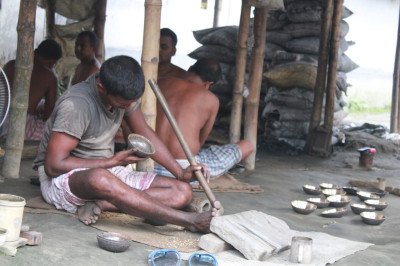
Bell Metal Industry Workshop
Some quick example text to build on the card title and make up the bulk of the card's content.
Go somewhere

Dampur Pahar View
Some quick example text to build on the card title and make up the bulk of the card's content.
Go somewhere

Deva Bhavana
Some quick example text to build on the card title and make up the bulk of the card's content.
Go somewhere
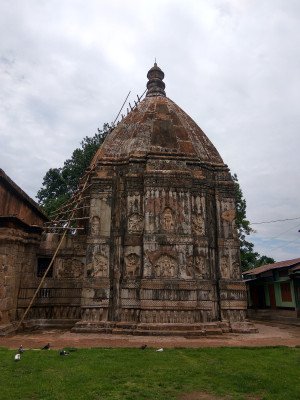
Dhoparguri Satra
Some quick example text to build on the card title and make up the bulk of the card's content.
Go somewhere
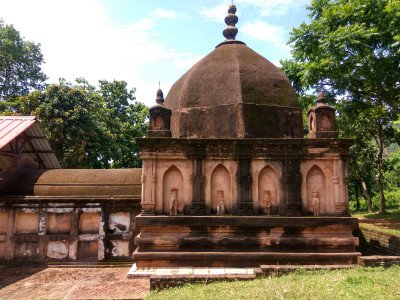
Dimu
Some quick example text to build on the card title and make up the bulk of the card's content.
Go somewhere
Ganesh Bigrah Temple
Some quick example text to build on the card title and make up the bulk of the card's content.
Go somewhere
Hayagriva Madhava Temple
Some quick example text to build on the card title and make up the bulk of the card's content.
Go somewhere
Joy Durga Temple
Some quick example text to build on the card title and make up the bulk of the card's content.
Go somewhere
Kalitakuchi
Some quick example text to build on the card title and make up the bulk of the card's content.
Go somewherein Other Cities