...

Haleshwar Temple

Tezpur, Assam, India
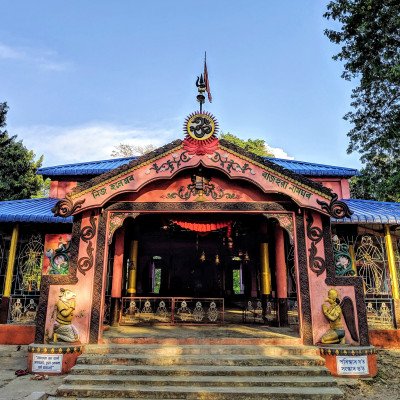
Haleshwar Temple is an ancient and revered Hindu shrine dedicated to Lord Shiva, located near the city of Tezpur in Assam. Its history is deeply interwoven with local mythology and the powerful Ahom dynasty. The temple's name, Haleshwar, has a fascinating origin. Legend says that a Shiva Linga was a ccidentally discovered by a farmer while he was ploughing his field. In the local vernacular, a farmer is called a Halowa. The temple was thus named Haleshwar, deriving from the term Halowa and Ishwar (meaning God), signifying the "God discovered by the ploughman." This discovery is said to have occurred during the time when the capital of the ancient Kamrupa kingdom was established at Harupeswar. This association gives the temple immense historical and spiritual significance, marking it as one of the oldest religious sites in the region. The initial structure, built to enshrine the discovered Linga, was later reconstructed and formalized by a renowned ruler. The current significant structure of the temple was rebuilt in 1705 A.D. by the great Ahom King, Rudra Singha. This reconstruction cemented the temple's importance, ensuring its longevity and continued role as a major pilgrimage center. What makes Haleshwar Temple unique is its status as a sacred place of worship for both Shivaites (devotees of Shiva) and Vaishnavites (devotees of Vishnu). This dual devotion reflects the inclusive and harmonious spiritual tradition of Assam. The serene atmosphere, coupled with its rich history, makes it a deeply tranquil and spiritually enriching destination for visitors and devotees alike. The temple complex is a reminder of the region's enduring cultural and religious heritage, standing as a testament to the faith of generations.

General information

  • ...

    Ideal Duration:

    1-2 hours (For Darshan and peaceful contemplation)
  • ...

    Place Type:

    Religious Site, Historical Temple, Pilgrimage Dest
  • ...

    Entry Fees:

    General Entry and Darshan:There are no official entry fees levied for general Darshan or visiting the Haleshwar Temple. Like most Hindu temples in India, it is open to all devotees and visitors free of charge. This policy ensures that religious places remain accessible to...
    General Entry and Darshan:There are no official entry fees levied for general Darshan or visiting the Haleshwar Temple. Like most Hindu temples in India, it is open to all devotees and visitors free of charge. This policy ensures that religious places remain accessible to all economic strata, adhering to the principle of open worship. This makes the temple a highly economical and spiritual destination for all travellers.

    Photography and Videography Fees:Typically, there are no separate fees for carrying a still camera or a small video camera for personal photography within the temple premises. However, visitors must exercise discretion and avoid disrupting the religious rituals. If a professional setup (tripod, large equipment) is planned for commercial purposes, it is advisable to seek explicit permission from the temple management beforehand, which might involve a nominal charge or fee based on the scale of the shoot. For personal use, photography is generally permitted free of cost, particularly in the outer areas.

    Donations and Puja Services:While entry is free, visitors have the option to make voluntary donations (Dakshina) towards the temple's maintenance, daily puja expenses, and charitable activities. There is usually a Hundi (donation box) for this purpose. Furthermore, if a devotee wishes to sponsor a special puja (e. g. , Rudrabhishek or other personal rituals), a priest-assisted service can be arranged for a specific, non-mandatory contribution or fee for the materials used in the ritual (Samagri). These contributions are considered part of the devotional act and are essential for the upkeep of the historical structure.
  • ...

    Timing:

    Regular Temple Timings:The Haleshwar Temple generally opens its doors early in the morning, typically around 6:00 AM, for the first puja (morning prayers) and aarti. It usually remains open throughout the day, closing for a short break in the afternoon (e. g. , from 1:00 P...
    Regular Temple Timings:The Haleshwar Temple generally opens its doors early in the morning, typically around 6:00 AM, for the first puja (morning prayers) and aarti. It usually remains open throughout the day, closing for a short break in the afternoon (e. g. , from 1:00 PM to 3:00 PM), before reopening for the evening session. The temple usually closes for the night after the final evening aarti, which often takes place around 7:00 PM or 8:00 PM, depending on the season and the time of sunset. These timings are approximate and can vary slightly based on local customs and festivals.

    Ideal Visit Time (Best Part of the Day):The ideal time to visit the temple is during the early morning hours (from 6:00 AM to 9:00 AM) or the late afternoon/early evening (from 4:00 PM to 6:00 PM). The mornings are peaceful and offer a serene atmosphere for contemplation and prayers, often coinciding with the morning aarti which is a beautiful ritual to witness. The late afternoon is preferable due to the cooler temperatures, especially outside the winter season, and the beautiful soft light, which is excellent for photography. Avoiding the mid-day heat and the temple's potential closure window is recommended.

    Best Day of the Week to Visit:Mondays hold a special religious significance for Lord Shiva's temples. While it is the busiest day, visiting on a Monday offers a chance to witness the heightened devotional activity and special pujas. For a more tranquil and crowd-free experience, a visit on a weekday (Tuesday to Friday) during the morning hours is highly recommended. Weekends can often attract local families and tourists, resulting in slightly larger crowds.
  • ...

    Special Events:

    Maha Shivaratri Celebration:The most significant and grand event celebrated at Haleshwar Temple is Maha Shivaratri (the Great Night of Shiva). This festival, typically falling in the late February or early March (Hindu calendar month of Phalguna), marks the convergence of ...
    Maha Shivaratri Celebration:The most significant and grand event celebrated at Haleshwar Temple is Maha Shivaratri (the Great Night of Shiva). This festival, typically falling in the late February or early March (Hindu calendar month of Phalguna), marks the convergence of Lord Shiva and Goddess Parvati and is celebrated with immense fervor. Thousands of devotees, not just from Tezpur but from all over the Sonitpur district and Assam, throng the temple. Special elaborate pujas, bhajans, and continuous chanting of the Maha Mrityunjaya Mantra are performed throughout the night. Devotees observe fasts and perform the Jalabhishek (offering water/milk) to the Shiva Linga. The entire complex is beautifully decorated with lights and flowers, creating a truly spectacular and spiritual atmosphere that lasts well into the morning.

    Assamese New Year (Bohag Bihu):Like all temples in Assam, the Assamese New Year, known as Bohag Bihu or Rongali Bihu, celebrated in the month of April, is a special time. While not specifically a Shiva festival, it is a cultural and religious occasion where new year prayers are offered for prosperity and well-being. Special rituals mark the transition to the new year, and the temple serves as a community gathering point for blessings. The celebration includes traditional Assamese music and a vibrant community feeling, providing a beautiful insight into the local cultural integration with religion.

    Monday Evening and Shravan Month Pujas:Mondays are considered sacred for Lord Shiva. Special pujas and aarti are often conducted on Monday evenings, attracting a consistent flow of devotees. Furthermore, the entire Hindu calendar month of Shravan (typically falling in July–August) is dedicated to Lord Shiva. During Shravan, the temple witnesses a significant increase in devotional activities, with devotees performing continuous Rudrabhishek (sacred bath of the Linga) and reciting sacred hymns. Special arrangements are made to accommodate the larger crowds and ensure smooth conduct of rituals.
  • ...

    Best Photo Spots:

    The Front View of the Temple Gopuram (Dome):The best spot for a classic, full-frame photograph is the slightly elevated frontal view of the main shrine. This angle allows you to capture the distinct Nilachal Architecture style of the dome or gopuram (though it's a dome, no...
    The Front View of the Temple Gopuram (Dome):The best spot for a classic, full-frame photograph is the slightly elevated frontal view of the main shrine. This angle allows you to capture the distinct Nilachal Architecture style of the dome or gopuram (though it's a dome, not a South Indian style gopuram), along with the entrance mandapa. Aim for a lower angle to make the structure appear more imposing against the sky. The light is especially beautiful during sunrise or late afternoon, as it casts warm hues on the stonework. This shot emphasizes the religious and architectural significance of the site.

    The Peaceful Courtyard and Shiva Linga Mandapa:The courtyard area offers excellent opportunities for environmental portraits and shots that capture the spiritual ambiance. Focus on the entrance to the inner sanctum where the Shiva Linga is placed (the Garbhagriha). Frame the shot to include the faithful ringing the temple bell or offering their prayers. During non-peak hours, the tranquility of the courtyard, with its simple flooring and maybe a few scattered trees, makes for great minimalist photography, symbolizing peace and devotion. Always be respectful of worshippers when taking photos in this area.

    The Rural Backdrop and Temple Boundary Wall:Since the temple is situated on the outskirts, its boundary provides a vantage point for landscape shots. Stand back from the temple, perhaps from the road or a slight elevation, to include the temple structure nestled within the green, rural setting—the paddy fields or distant trees. This shot helps illustrate the location of the temple in the wider geographical context of Tezpur district, highlighting the hidden gem aspect of its quiet location. This is best done with a wide-angle lens to capture the vastness of the surrounding nature.

    Details and Sculptural Elements:Close-up photography of the architectural details is highly recommended. Focus on any surviving carvings, the texture of the stone or brick, and the traditional motifs that adorn the temple walls or doorways. These details, even if simple, speak volumes about the craftsmanship of the Ahom era and the symbolic language of the temple. Look for the representations of gods, goddesses, or geometric patterns which are key features of the local architectural style.

Photo Gallery

...
Darjeeling
Queen of Hills • Tea Gardens
...
Darjeeling
Queen of Hills • Tea Gardens
...
Darjeeling
Queen of Hills • Tea Gardens
...
Darjeeling
Queen of Hills • Tea Gardens

Things To Do

  • ...
    Offer Prayer and Seek Blessings (Darshan):The primary activity is to visit the temple for Darshan (viewing and worshiping the deity). Devotees can offer prayers to the Shiva Linga, perform traditional Hindu rituals like puja and archana, and participate in the aarti (worship with light) if scheduled during the visit. The serene environment is ideal for personal meditation and seeking spiritual solace. Carrying simple offerings like flowers, belpatra (leaves sacred to Shiva), and milk is common. The temple's dual status (Shaivite and Vaishnavite) means visitors can often observe a blend of devotional practices. It's an opportunity to learn about the local customs and rituals associated with Lord Shiva's worship in Assam.

    Explore the Historical and Architectural Details:Take time to appreciate the Nilachal Architecture style...
    Offer Prayer and Seek Blessings (Darshan):The primary activity is to visit the temple for Darshan (viewing and worshiping the deity). Devotees can offer prayers to the Shiva Linga, perform traditional Hindu rituals like puja and archana, and participate in the aarti (worship with light) if scheduled during the visit. The serene environment is ideal for personal meditation and seeking spiritual solace. Carrying simple offerings like flowers, belpatra (leaves sacred to Shiva), and milk is common. The temple's dual status (Shaivite and Vaishnavite) means visitors can often observe a blend of devotional practices. It's an opportunity to learn about the local customs and rituals associated with Lord Shiva's worship in Assam.

    Explore the Historical and Architectural Details:Take time to appreciate the Nilachal Architecture style of the structure, even in its rebuilt form. While not a massive temple, focus on the details of the walls, any surviving historical inscriptions, and the overall layout typical of the 18th-century Ahom construction. Try to imagine the site before the reconstruction, when it was just an ancient shrine over the miraculously discovered Linga. This exploration connects you directly with the history of King Rudra Singha and the earlier Kamrupa kingdom. Reading the informational plaques (if available) can provide deeper context on the reconstruction and local legends.

    Engage with Local Devotees and Priests:Engaging in conversation with the temple priests or the local devotees can be an enriching experience. They often possess a wealth of oral history, legends, and deeper spiritual insights about the temple's origin and its significance to the community. Asking about the annual festivals, the Halowa (ploughman) legend, and the unique Shaivite-Vaishnavite harmony can yield stories that are not found in guidebooks. This human interaction is key to understanding the living culture of the place.

    Photography of the Temple and Surroundings:The temple, set against the tranquil backdrop of rural Tezpur, offers peaceful photographic opportunities. Capture the main temple structure, the unique features of the entrance, and the overall peaceful ambiance. The surrounding landscape, which includes greenery and the typical Assamese rural setting, provides a calm and scenic contrast to the urban bustle. Early morning or late afternoon light is best for photography, highlighting the temple's features and the soft colors of the rural environment.

    Attend Special Events and Festivals:If your visit coincides with major Hindu festivals, especially Maha Shivaratri (celebrated in the month of February or March), attending the special pujas and celebrations is a must. These events see the temple come alive with a great influx of pilgrims, elaborate decorations, devotional songs (bhajans), and special rituals dedicated to Lord Shiva. Observing or participating in these festivals provides an authentic cultural immersion.

    Combine Visit with Tezpur Local Sightseeing:Since Haleshwar Temple requires a short trip from the Tezpur city center, it should be planned as part of a half-day or full-day itinerary. After visiting the temple, you can proceed to nearby historical and cultural spots such as the Tezpur Airport (Salonibari Airport) or the Dekargaon Railway Station area, or even head towards other prominent spots like the Mahabhairab Temple or Agnigarh Hill in Tezpur town. This approach maximizes your travel time and offers a more comprehensive view of the region's heritage.

    Support the Local Economy:Visitors can support the temple and the local economy by purchasing small religious souvenirs, flowers, or offerings from the nearby vendors. Donating to the temple for its upkeep and maintenance is also a way to contribute to the preservation of this historical site. You might also find small local eateries serving authentic Assamese snacks and tea, which provides a lovely cultural break.

Resturants

Show All

Information

  • ...

    Why Famous:

    Ahom King's Patronage and Reconstruction:The temple's fame is greatly enhanced by its association with the powerful Ahom dynasty. The reconstruction of the temple in 1705 A. D. by King Rudra Singha, one of the most prominent Ahom kings, transformed it into a structure of ...
    Ahom King's Patronage and Reconstruction:The temple's fame is greatly enhanced by its association with the powerful Ahom dynasty. The reconstruction of the temple in 1705 A. D. by King Rudra Singha, one of the most prominent Ahom kings, transformed it into a structure of political and religious importance. The Ahom period was a golden age for temple building in Assam, and the King's active patronage signifies the temple's high status in the kingdom. This historical footprint attracts historians and those interested in the Ahom legacy.

    The Legend of the Ploughman (Halowa):The temple's unique origin story, where the Shiva Linga was discovered by an ordinary farmer (Halowa) while ploughing his field, is a central part of its fame. This story instantly connects the divine with the common man and the agrarian society of Assam. It highlights a narrative of spontaneous divine manifestation, making the site highly sacred and miraculous in the eyes of devotees. The name Haleshwar itself, meaning "God of the Ploughman," immortalizes this mythical event. Synthesis of Religious Sects (Vaishnavite and Shaivite):A remarkable feature that sets Haleshwar Temple apart is its role as a place of harmonious worship for both Shivaites and Vaishnavites. This confluence of the two major Hindu sects is not common and speaks to the spiritual tolerance and syncretism prevalent in Tezpur and Assam's religious landscape. It attracts a wider spectrum of devotees, making it a focal point for different religious traditions.
  • ...

    Architecture:

    Architectural Style and Design:The Haleshwar Temple primarily follows the indigenous Nilachal Architecture style, which is characteristic of many temples in Assam, particularly those dating back to the Ahom period. This style is known for its distinct features, including a...
    Architectural Style and Design:The Haleshwar Temple primarily follows the indigenous Nilachal Architecture style, which is characteristic of many temples in Assam, particularly those dating back to the Ahom period. This style is known for its distinct features, including a cruciform or octagonal base and a domical superstructure. While the original temple's structure and any older components are less documented, the reconstruction by King Rudra Singha in 1705 A. D. would have incorporated the prevalent architectural traditions of the Ahom era. The current structure, though modest, retains the traditional Assamese temple layout. This generally includes the Garbhagriha (sanctum sanctorum) where the main deity, the Shiva Linga, is enshrined, and an adjoining Mandapa (pillared hall or entrance hall) for devotees. The temple is built using locally available materials, often including brick and stone, reflecting the regional building practices of that time.

    Dimensions: Precise architectural dimensions are often challenging to ascertain without a formal archaeological survey. However, the general structure is typically a relatively small-to-medium-sized shrine compared to grander complexes. The focus is on the sanctity of the Garbhagriha, which houses the sacred Linga. The external design, though possibly less ornate than some South Indian temples, likely includes simple yet significant carvings or terracotta work in line with the Nilachal style. Its easterly orientation is typical for many Hindu temples, allowing the rising sun's rays to fall upon the deity, symbolizing divine enlightenment. The temple sits amidst a peaceful setting, with the surrounding area contributing to the overall spiritual ambiance.
  • ...

    How To Reach:

    By Air:The nearest airport is Tezpur Airport (also known as Salonibari Airport, IATA: TEZ), which is located very close to the temple, making it the most convenient option. Tezpur Airport operates flights, though sometimes limited, connecting it to major cities like Kolkat...
    By Air:The nearest airport is Tezpur Airport (also known as Salonibari Airport, IATA: TEZ), which is located very close to the temple, making it the most convenient option. Tezpur Airport operates flights, though sometimes limited, connecting it to major cities like Kolkata and Guwahati. From the airport, the temple is a very short taxi or auto-rickshaw ride. The nearest major international and better-connected airport is the Lokpriya Gopinath Bordoloi International Airport (GAU) in Guwahati, located approximately 180 KMS away. From Guwahati airport, one can hire a taxi directly to Tezpur (a journey of about 4-5 hours) or take a bus to the Tezpur ASTC bus terminal and then use local transport.

    By Train:Tezpur itself has a smaller station, but the nearest prominent railway station is Dekargaon Railway Station (DKGN), located about 4. 6 KMS from the city center and approximately 15 KMS from the temple. Another major railway junction is Rangapara North Junction Railway Station (RPAN), which is better connected and about 17 KMS from Tezpur city. From either station, you can hire a local taxi or an auto-rickshaw to reach Haleshwar Temple. For trains from faraway cities across India, the main connecting hub is often Guwahati Railway Station (GHY). From Guwahati, one must take a train to Rangapara North or Dekargaon, or continue the journey to Tezpur by road (taxi or bus).

    By Road:Tezpur is exceptionally well-connected by a network of National Highways and State Roads. National Highway 15 (NH 15) and other major routes connect Tezpur to the rest of Assam and neighboring states. Regular Assam State Transport Corporation (ASTC) buses, along with private bus operators, ply frequently between Guwahati (about 180 KMS away) and Tezpur. The bus journey from Guwahati takes approximately 3. 5 to 5 hours. Once you reach the Tezpur bus stand, you can easily hire local transport for the approximately 10 KMS journey to the temple. Driving to Tezpur from nearby Indian cities is a comfortable option due to the well-maintained road network.

    By Local Transport:To cover the 10 KMS distance from the Tezpur city center to Haleshwar Temple, the most common and convenient options are hired taxis (cab services), auto-rickshaws, or local city buses/shuttle cars. Auto-rickshaws are a cost-effective choice for a quick ride. It is advisable to negotiate the fare before starting the journey, especially with auto-rickshaws, as they may not use meters for out-of-city trips. Shuttle cars or shared taxis might also be available on the main road leading towards Salonibari but will require a short walk to the temple gate.
  • ...

    Weather and Best Time to Visit:

    Seasonal Considerations:

    The Winter Season (October to March):The best time to visit the Haleshwar Temple and Tezpur in general is during the winter season, which spans from October to March. During these months, the weather is most pleasan...
    Seasonal Considerations:

    The Winter Season (October to March):The best time to visit the Haleshwar Temple and Tezpur in general is during the winter season, which spans from October to March. During these months, the weather is most pleasant, characterized by clear skies, mild to cool temperatures, and low humidity. The average daytime temperature ranges comfortably, making sightseeing and travel highly enjoyable. November to February are particularly ideal for comfortable exploration. This season is also generally considered the peak tourist season for Assam.


    Seasonal Considerations:


    The Monsoon and Summer:The summer season (April to June) in Tezpur can be hot and humid, with temperatures rising significantly. While manageable, the heat can make daytime visits less comfortable. The monsoon season (July to September) brings heavy rainfall to the region. While the surrounding area turns lush green, the constant rain can disrupt travel plans, and outdoor activities become challenging. Therefore, while the temple remains open, the monsoon is considered the least ideal time for tourists not accustomed to heavy rains. Different Parts of the Day (Morning vs.

    Evening):As mentioned in the 'Sub Place Timings' section, the early morning (before 9:00 AM) is perfect for the temple visit. The air is fresh, the temple is less crowded, and the atmosphere is conducive to spiritual reflection. Alternatively, the late afternoon/evening (after 4:00 PM) is also an excellent time. The setting sun provides a gentle, warm light for photography, and the cooler evening breeze makes the courtyard comfortable. It is strongly advised to avoid the mid-day hours (11:00 AM to 3:00 PM) due to intense heat and direct sunlight, which can be tiring, and the potential for a short afternoon closure of the temple.
  • ...

    Near Tourist Places:

    Tezpur Airport (Salonibari): Approx. 2 KMS

    Agnigarh Hill (Tezpur): Approx. 13 KMS

    Bhairabi Temple (Tezpur): Approx. 18 KMS

    Bhalukpong (Assam-Arunachal Border): Approx. 75 KMS

Tourism Tips

  • ...
    Health & Safety:Always carry a first-aid kit with essential medicines, especially for stomach upsets or common colds, as the climate can be variable. During the monsoon and summer, carry mosquito repellent to guard against mosquito-borne illnesses, particularly in rural ar...
    Health & Safety:Always carry a first-aid kit with essential medicines, especially for stomach upsets or common colds, as the climate can be variable. During the monsoon and summer, carry mosquito repellent to guard against mosquito-borne illnesses, particularly in rural areas like Salonibari. Drink only bottled water to avoid waterborne diseases. While the temple is generally safe, be mindful of your belongings in crowded areas, especially during major festivals like Maha Shivaratri. Keep a contact number for the local police or your hotel handy.

    Packing Essentials:Pack light, comfortable clothing suitable for a tropical and often humid climate. Cotton clothing is best for the summer. For the winter months (November to February), carry a light jacket, shawl, or sweater, as mornings and evenings can be cool. As a religious site, it is respectful to wear modest clothing that covers your shoulders and knees. Carry comfortable footwear (sandals or slip-ons) as you will have to remove your shoes before entering the temple sanctum. Don't forget sunscreen, sunglasses, a hat, and a raincoat/umbrella regardless of the season, as the weather can change quickly.

    Accommodation in Tezpur:Since Haleshwar Temple is slightly outside the main town, it is best to secure accommodation in the Tezpur city center. Tezpur offers a range of lodging options, including government-run tourist lodges, mid-range hotels, and a few premium resorts. It is highly recommended to book in advance, especially if travelling during the peak season (October to March) or during major festivals. Choosing a centrally located hotel in Tezpur will provide easier access to local transport and other major tourist spots.

    Other Essential Tips (Respect and Etiquette):Respect the local culture and religious customs. Before taking photos of priests or devotees, politely ask for their permission. When entering the temple premises, remember to remove your shoes. Maintain silence and decorum within the main worship area. Learn a few basic phrases in Assamese or Hindi—the local people appreciate the effort, and it can facilitate communication. Always negotiate the fare with local transport providers (auto-rickshaws, cycle rickshaws) before starting the journey. Keep your surroundings clean and do not litter within the temple complex or the surrounding rural area.

Reviews

FAQs

Tezpur Itineray And Cost:-

Information about New and Updated Locations() of Assam Has Been Added :-
Card subtitle

Note:-

Information provided here in good Faith and for reference only.

All information and pictures will be updated soon, please keep visiting.

Near Places
...
Agnigarh Hill

Some quick example text to build on the card title and make up the bulk of the card's content.

Go somewhere
...
Agnigarh View Point

Some quick example text to build on the card title and make up the bulk of the card's content.

Go somewhere

...
Bamuni Hills

Some quick example text to build on the card title and make up the bulk of the card's content.

Go somewhere
...
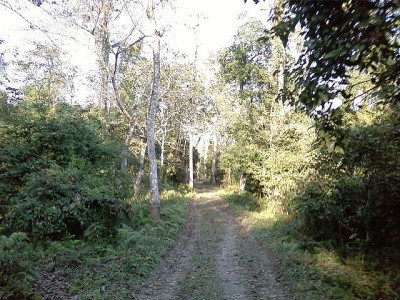
Bhairabi Temple

Some quick example text to build on the card title and make up the bulk of the card's content.

Go somewhere
...
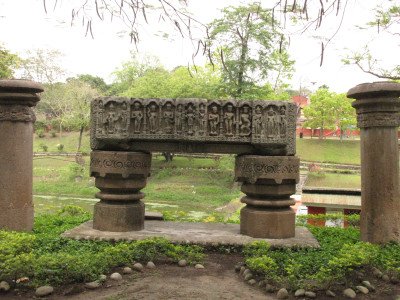
Bharali New Bridge Tezpur Side

Some quick example text to build on the card title and make up the bulk of the card's content.

Go somewhere
...
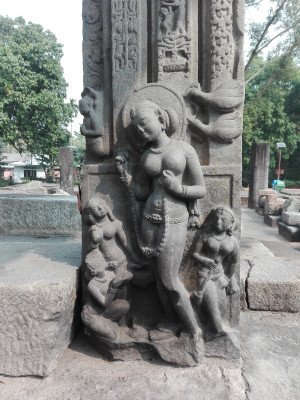
Bhomoraguri Historical Stone

Some quick example text to build on the card title and make up the bulk of the card's content.

Go somewhere
...
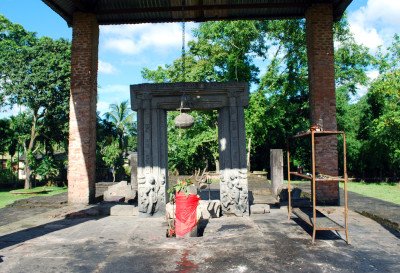
Bura Chapori Wildlife Sanctuary

Some quick example text to build on the card title and make up the bulk of the card's content.

Go somewhere
...
Chitralekha Udyan

Some quick example text to build on the card title and make up the bulk of the card's content.

Go somewhere
...
Da-Parbatia Gate

Some quick example text to build on the card title and make up the bulk of the card's content.

Go somewhere
...
Da Parbatia

Some quick example text to build on the card title and make up the bulk of the card's content.

Go somewhere
in Other Cities
