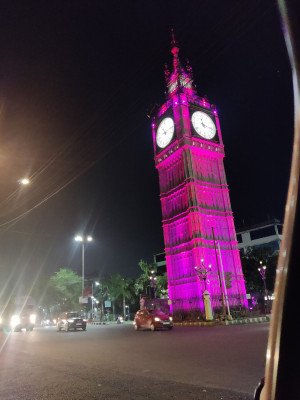
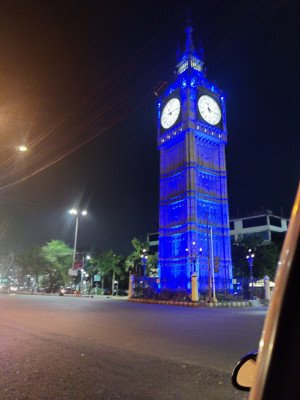
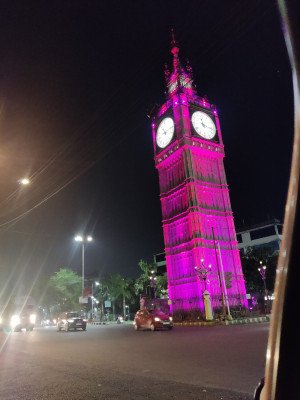
Lake Town Clock Tower
General information
-
Ideal Duration:
15-30 minutes (for a quick stop and photos)Place Type:
Public Landmark, Urban Structure, Photo SpotEntry Fees:
No Formal Entry Fee: The Lake Town Clock Tower is an open, public landmark situated on a traffic intersection. Therefore, there is no formal entry fee to see or photograph the structure itself. It is accessible 24 hours a day, seven days a week, making it a budget-friendly...No Formal Entry Fee: The Lake Town Clock Tower is an open, public landmark situated on a traffic intersection. Therefore, there is no formal entry fee to see or photograph the structure itself. It is accessible 24 hours a day, seven days a week, making it a budget-friendly attraction.
Fees for Associated Activities: While the tower itself is free, certain nearby facilities or activities may involve a charge.
Parking/Vehicle Fees: If you arrive by private vehicle, you might have to pay a nominal fee for parking in the designated areas of Diphu Bazar. Local auto-rickshaws or taxis will charge a fare for the ride to the location.
Market Purchases: The most significant expense in the vicinity will be any purchases made in the surrounding Diphu Bazar, including food, souvenirs, or local goods. These costs vary widely based on individual shopping habits.
Photography Fees (Highly Unlikely): There are no public reports of a fee for non-commercial photography of the clock tower. However, if you are planning commercial or professional photography/videography, it is always wise to check with the local municipal or police authorities to ensure no permissions or nominal fees are required for high-level commercial work. Generally, for a standard tourist visit, it's entirely free to access.Timing:
Regular Timings:
Open 24 Hours: As the Lake Town Clock Tower is an outdoor public landmark on a road intersection, it is open and visible 24 hours a day, seven days a week. There are no gates or closing times. However, the activity surround...Regular Timings:
Open 24 Hours: As the Lake Town Clock Tower is an outdoor public landmark on a road intersection, it is open and visible 24 hours a day, seven days a week. There are no gates or closing times. However, the activity surrounding it changes dramatically with the time of day.
Ideal Visit Time:
Early Morning and Evening: The best time to visit for an active experience is in the late morning (9:00 AM to 1:00 PM) when the Diphu Bazar is in full swing, offering the most vibrant view of local life, commerce, and crowd energy. The ideal time for photography is in the late afternoon/evening (4:00 PM to 7:00 PM). This period offers a softer light, and the illumination of the tower after dark provides a different, more aesthetic photo opportunity.
Quietest Visit Time:
Post-Midnight: The quietest period, if you prefer an empty street view for a photo, is after 11:00 PM or before 6:00 AM. During these hours, the market is closed, and traffic is minimal.
Time to Avoid:
Mid-Day Peak Heat: It is advisable to avoid visiting between 1:00 PM and 4:00 PM on a hot, sunny day, especially during the summer months (April to August), as the heat and direct sun can be intense.Special Events:
Local Festival Celebrations and Market Days: The main special events are linked to the major Karbi festivals, such as Rongker (a traditional festival for village welfare) or Sawk-A-Chirim (a post-harvest festival). While the main rituals occur elsewhere, the area around the...Local Festival Celebrations and Market Days: The main special events are linked to the major Karbi festivals, such as Rongker (a traditional festival for village welfare) or Sawk-A-Chirim (a post-harvest festival). While the main rituals occur elsewhere, the area around the clock tower, being the central market, becomes a focal point for associated activities. During these times, the market swells with vendors selling special goods and festive items, and the tower's square often hosts temporary stalls.
Pre- and Post-Election Gatherings: As a major political and administrative center, the clock tower area often serves as a natural gathering point for political rallies, celebrations, or protests. While not a scheduled event, witnessing a peaceful political gathering can be a unique insight into the local democratic process.
Annual Market Fairs (Mela): Periodically, the local municipality may host short-term market fairs (Mela) or trade exhibitions near the clock tower square. These events bring in artisans and traders from the entire district, selling a wider range of products like pottery, unique textiles, and agricultural produce. These fairs transform the character of the place for a few days, offering vibrant energy and unique shopping opportunities, making the clock tower a reference point for the temporary event.Best Photo Spots:
From the Traffic Island Base: The most iconic shot is taken from the base of the tower, often from a slightly elevated position on the surrounding traffic island (if safe).
Composition: This angle allows you to capture the entire vertical sp...From the Traffic Island Base: The most iconic shot is taken from the base of the tower, often from a slightly elevated position on the surrounding traffic island (if safe).
Composition: This angle allows you to capture the entire vertical span of the tower, emphasizing its height and the grandeur of the clock faces.
Timing: Early Morning or Late Evening (the 'golden hour') provides soft, warm light that makes the tower's facade glow.
The Busy Crossroads Perspective: Stand across the street (safely) to capture the tower amidst the chaos of the moving traffic and the busy market crowd.
Street Photography: Use a slightly slower shutter speed to introduce motion blur to the vehicles (auto-rickshaws, bikes) in the foreground, contrasting the movement with the static, solid tower. This shot is best taken during peak market hours.
Inclusion of Local Elements: Frame the shot to include colorful shop awnings, local vendors, or a prominent sign of the Diphu Bazar in the foreground, with the tower towering in the background.
Night View with Illumination: Capture the tower after dark when the structure and the clock faces are typically illuminated.
Night Photography: Use a tripod for long exposures to capture the trails of car lights passing by the brilliantly lit tower. The illuminated clock face is the star of this composition.
Wide Shot from a Distance: For a different perspective, walk a block or two away to capture the tower from a distance.
Skyline Shot: This angle helps contextualize the tower within the low-rise skyline of Diphu, showcasing its prominence as a vertical landmark against the surrounding modest buildings. This also helps in showing the transition from the bustling market to the quieter residential parts of the town.Photo Gallery
Things To Do
-
Take a Moment for Photography: The Lake Town Clock Tower is an excellent subject for street photography.
Capture the Tower's Scale: Stand back slightly to get the full height of the tower against the sky or a backdrop of the local buildings. Use a wide-angle lens for a dramatic effect, especially during the golden hour (just after sunrise or before sunset).
Focus on the Clock Face: Get a close-up shot of the clock face to highlight the mechanism and its unique design. The Roman numerals or the hands can make for an interesting detail shot.
Street Life Photography: The most rewarding part of photographing the tower is including the lively local life. Capture the blur of auto-rickshaws, the crowd of shoppers, or a local person going about their day with the towe...Take a Moment for Photography: The Lake Town Clock Tower is an excellent subject for street photography.
Capture the Tower's Scale: Stand back slightly to get the full height of the tower against the sky or a backdrop of the local buildings. Use a wide-angle lens for a dramatic effect, especially during the golden hour (just after sunrise or before sunset).
Focus on the Clock Face: Get a close-up shot of the clock face to highlight the mechanism and its unique design. The Roman numerals or the hands can make for an interesting detail shot.
Street Life Photography: The most rewarding part of photographing the tower is including the lively local life. Capture the blur of auto-rickshaws, the crowd of shoppers, or a local person going about their day with the tower in the background. This juxtaposition of the static landmark and the dynamic life around it tells a compelling story.
Explore the Bustling Diphu Bazar: The tower sits at the heart of the main commercial hub.
Shopping for Local Goods: Walk through the market lanes. Look for indigenous handloom products, local shawls, and traditional Karbi jewelry. This is the best place to buy souvenirs that are genuinely representative of the Karbi culture.
Buying Local Produce: Visit the vegetable and fruit section of the market. You'll find unique local produce and spices specific to the Northeast of India, like different varieties of local chilies and herbs.
Experience Local Cuisine: Search for the small, non-descript eateries and street stalls. This is your chance to try authentic, non-touristy dishes like Galho (a local gruel), smoked pork, and Bamboo Shoot preparations. Be adventurous in your food choices! Engage in Local Interaction and Observation:
People-Watching from a Quiet Spot: Find a bench or a quiet corner near the tower and simply watch the world go by. Observe the unique dressing styles of the Karbi people and the way commerce is conducted. It's a fantastic, free cultural lesson.
Learn a Few Local Phrases: Try learning a few basic phrases in Karbi or Assamese from a local shopkeeper. A little effort to connect will often be rewarded with warm hospitality and friendly conversations.
Seek Information: Engage with local administrative staff or knowledgeable residents to learn more about the tower's history, the reason for its construction, or any local legends associated with the area. Use the Tower as a Central Hub for Further Exploration:
Plan Your Day Trips: Since the tower is central, use it as the starting point for planning excursions to nearby places like the Arboretum Cum Craft Centre or the District Museum. Local transport is easily available here.
Walk to Nearby Spots: Many small temples, local parks, and government buildings are within walking distance. Take a leisurely stroll through the adjacent residential areas to get a feel for the local architecture and way of life outside the main market. The area around the tower is constantly moving, offering rich sensory experiences, from the sounds of haggling to the aromas of local food and spices. It's not just a sight; it's a living environment to be explored.
Information
-
Why Famous:
A Central Geographic Marker: The primary fame of the Lake Town Clock Tower stems from its function as a central landmark in the Diphu Bazar area. In a town where not all streets are well-signposted, the tall, easily recognizable tower provides an indispensable reference poi...A Central Geographic Marker: The primary fame of the Lake Town Clock Tower stems from its function as a central landmark in the Diphu Bazar area. In a town where not all streets are well-signposted, the tall, easily recognizable tower provides an indispensable reference point. People use it constantly when giving directions, saying things like "near the clock tower" or "just past the clock tower. " This utility makes it famous locally.
The Unofficial Heart of Commerce: Being situated in the highly commercial Diphu Bazar, the area surrounding the clock tower is the epicenter of the town’s trade and economic activity. Its fame is intrinsically linked to the hustle and bustle of the surrounding market, which is famous for local Karbi handicrafts, fresh produce, and general goods. Tourists and locals know that "at the clock tower" is where the action is.
Symbolic Timekeeper: The tower, even in the age of mobile phones, serves a symbolic purpose as the town’s public timekeeper. It is a steadfast, visible structure in a rapidly changing environment, providing a sense of stability and routine to the daily lives of the residents. It is famous for being a constant, reliable presence in a busy, transient space.
Urban Beautification Element: The tower was likely constructed as part of an urban beautification drive. It is one of the few structures in the area built purely for aesthetic and public utility purposes, garnering attention and making it a famous spot for quick photos and local pride. It represents a small-scale effort to give Diphu a distinctive visual landmark. -
Architecture:
Architectural Style and Materials: The clock tower features a simple, modern design, likely incorporating elements of basic municipal architecture. It is built primarily using reinforced concrete and finished with plaster and paint, possibly in bright or contrasting colors ...Architectural Style and Materials: The clock tower features a simple, modern design, likely incorporating elements of basic municipal architecture. It is built primarily using reinforced concrete and finished with plaster and paint, possibly in bright or contrasting colors to make it stand out against the busy backdrop of the market. It doesn't adhere to a specific classical or colonial style but is purely utilitarian with a focus on visibility. The structure is typically square or polygonal at the base, tapering slightly as it rises.
The Clock Mechanism: The most important architectural element is the clock face itself, usually installed on all four sides to ensure maximum public visibility. The clocks are often simple, large-dial analog mechanisms.
Dimension (Approximate): As exact public data is not readily available, the structure is estimated to be approximately 15 to 20 meters tall, making it an undeniable vertical presence in the area. The clock faces are likely around 1 to 1. 5 meters in diameter.
Structural Purpose: The tower functions both as a public clock and, implicitly, as an urban monument. Its construction is sturdy, designed to withstand the local weather conditions, serving its purpose of public utility and local orientation. -
How To Reach:
By Air (Plane): The nearest major airport to Diphu is Dimapur Airport (DMU) in Nagaland, which is approximately 55-65 KMS away. This airport is well-connected with major Indian cities like Kolkata, Guwahati, and Delhi.
From the Airport: Upo...By Air (Plane): The nearest major airport to Diphu is Dimapur Airport (DMU) in Nagaland, which is approximately 55-65 KMS away. This airport is well-connected with major Indian cities like Kolkata, Guwahati, and Delhi.
From the Airport: Upon arrival at Dimapur, you can hire a pre-paid taxi or a private cab for the two to three-hour drive to Diphu. Alternatively, you can take a shared taxi from Dimapur town center. The drive is scenic but can be bumpy in parts.
By Train (Rail): Diphu has its own railway station (DPU), which is a key junction on the Lumding–Dibrugarh section.
Train Connectivity: It is well-connected with major cities like Guwahati, Delhi, Kolkata, Chennai, and Amritsar via long-distance trains. The Diphu Railway Station is very close to the main town center and the Lake Town Clock Tower.
From the Station: From the station, the clock tower is only a short ride away (1-2 KMS). You can easily take an auto-rickshaw or a local cycle-rickshaw, which is the most convenient way to reach the destination quickly.
By Road (Bus/Car): Diphu is located on National Highway 39 (now a part of a new numbering system) and is well-connected by road networks.
Inter-City Buses: State-run and private buses operate regularly from Guwahati (approx. 6-7 hours), Dimapur, and other major towns in Assam and Nagaland to the Diphu bus stand.
Driving to Diphu: If driving, the road journey from Guwahati to Diphu offers picturesque views, but caution is advised, especially during the monsoon season (June to September). The main town roads are generally motorable.
By Local Transport (Within Diphu):
Auto-Rickshaws and Cycle-Rickshaws: These are the primary modes of transport within the town. They are easily available from the Diphu Railway Station and the bus stand. You should negotiate the fare beforehand. Just tell the driver "Clock Tower, Diphu Bazar," and they will know the exact location.
Shared Taxis/Local Vans: For short distances or shared travel on fixed routes, local shared taxis or vans are a very economical option. The clock tower's central location ensures that many local routes pass directly or very close by.
Walking: If you are staying in the main Diphu Bazar or town center, the clock tower is within easy walking distance. -
Weather and Best Time to Visit:
Best Season:
Winter (October to February): This period is the undisputed best time to visit Diphu and the clock tower.
Weather Conditions: The weather is pleasantly cool and dry, with temperatures ranging fro...Best Season:
Winter (October to February): This period is the undisputed best time to visit Diphu and the clock tower.
Weather Conditions: The weather is pleasantly cool and dry, with temperatures ranging from 10°C to 24°C. The clear skies and gentle warmth make exploring the outdoor market around the tower comfortable. The cold is a welcome contrast to the humid climate of the rest of the year.
Festival Timings: This season often coincides with major local festivals, increasing the vibrancy of the town and the market area near the clock tower.
Shoulder Season:
Post-Monsoon (September and March): These months offer transitional weather. September is cooler after the heavy monsoon, but the humidity may still be high. March marks the onset of summer, with pleasant mornings and slightly warm afternoons. These periods are a good alternative if you want to avoid peak winter crowds.
Season to Avoid:
Monsoon and Summer (April to August): This period is characterized by intense heat and high humidity, followed by heavy rainfall.
Monsoon Impact: Heavy rains can disrupt travel and sightseeing, making the market area muddy and difficult to navigate. The heat during the April to May summer months can be exhausting for outdoor visits.
Different Parts of the Day: Morning vs.
Evening: Vibrant Morning (9:00 AM - 1:00 PM) This is when the market is most active, perfect for soaking in the local atmosphere, shopping, and experiencing the true pulse of Diphu. Scenic Evening (4:00 PM - 7:00 PM) This is the time for great photos as the sun sets and the tower lights up. The evening ambiance is cooler and more relaxed, ideal for a leisurely stroll and street food. -
Near Tourist Places:
Diphu Railway Station: Approx. 1. 5 KMS (Transport hub)
Diphu District Museum: Approx. 3-4 KMS (Cultural and historical site)
Arboretum Cum Craft Centre: Approx. 8-10 KMS (Nature park and local crafts)
Botanical Garden: Approx. 5-6 KMS (Green space for relaxation)
Isckon Temple Diphu: Approx. 4 KMS (Religious site)
Singhason Peak: Approx. 45-50 KMS (Trekking and viewpoint)
Marat Longri Wildlife Sanctuary: Approx. 10-12 KMS (Wildlife viewing)
Dillai Waterfall: Approx. 20-25 KMS (Scenic waterfall)
Tokolangso Waterfall: Approx. 15-20 KMS (Scenic waterfall)
Bhelughat Waterfall: Approx. 30-35 KMS (Popular picnic spot)
Tourism Tips
-
Health & Safety:
Watch Your Step and Belongings:
Safety in the Crowd: Since the clock tower is in a crowded market area, practice standard vigilance against pickpockets. Keep your valuables secured.
<...Health & Safety:
Watch Your Step and Belongings:
Safety in the Crowd: Since the clock tower is in a crowded market area, practice standard vigilance against pickpockets. Keep your valuables secured.
Road Safety: The tower is on a busy traffic intersection. Be extremely cautious while taking photographs, especially when standing near the road. Always use marked pedestrian crossings.
Water & Food: Drink only bottled water. Be selective with street food; choose stalls that look clean and have a high customer turnover. Carry basic first-aid supplies.
Packing:
Prepare for the Climate:
Winter Essentials (October - February): Pack warm clothing, including jackets, sweaters, and shawls, especially for the chilly mornings and evenings.
Summer/Monsoon Essentials (March - September): Carry light, breathable cotton clothes. For the monsoon, pack a good quality umbrella or raincoat and waterproof footwear.
General Items: Comfortable walking shoes are a must for exploring the market. Carry a high SPF sunscreen and insect repellent.
Accommodation:
Focus on the Town Center:
Lodging Options: Diphu has limited, but functional, accommodation options, ranging from basic guesthouses to small-to-mid-range hotels. The best places to stay are generally near the Diphu Railway Station or the main town center for ease of access to the clock tower and transport.
Booking: It’s advisable to book your accommodation in advance, especially if visiting during the peak season (November to February) or during major local festivals.
Other Different Topics: Cultural Sensitivity &
Connectivity:
Cultural Sensitivity: Be respectful of local customs, especially when visiting local temples or the interior market areas. Always ask permission before taking close-up photos of local people, especially the elderly.
Connectivity: While the Diphu Bazar area has good mobile network coverage (4G), signal strength can be inconsistent outside the main town. ATMs are available in the Diphu Bazar area near the clock tower. Keep sufficient cash (Indian Rupees), as many small vendors will not accept digital payments. Learn a few words of Karbi or Assamese; the locals highly appreciate the effort.
Reviews
FAQs
Diphu Itineray And Cost:-
Lake Town Clock Tower Tourism:-
Information about New and Updated Locations() of Assam Has Been Added :-
Card subtitle
Note:-
Information provided here in good Faith and for reference only.
All information and pictures will be updated soon, please keep visiting.
Near Places
Akashi Ganga Picnic Spot
Some quick example text to build on the card title and make up the bulk of the card's content.
Go somewhere
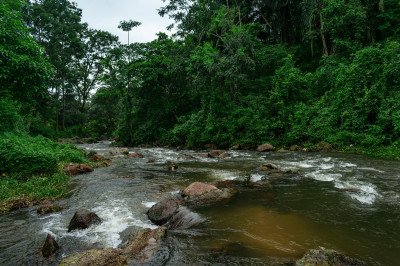
Amreng Tourist Centre
Some quick example text to build on the card title and make up the bulk of the card's content.
Go somewhere
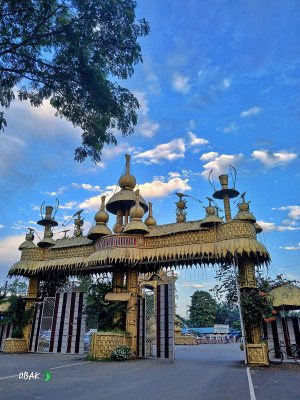
Arboretum Cum Craft Centre
Some quick example text to build on the card title and make up the bulk of the card's content.
Go somewhere
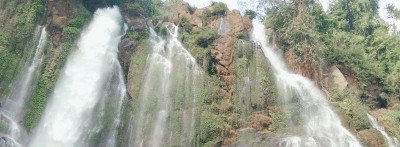
Bhelughat Waterfall
Some quick example text to build on the card title and make up the bulk of the card's content.
Go somewhere
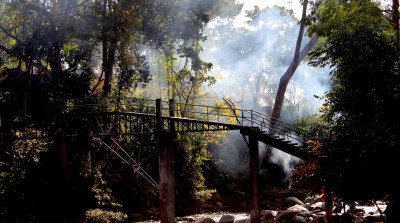
Botanical Gardens
Some quick example text to build on the card title and make up the bulk of the card's content.
Go somewhere

Deopani Durga Mandir
Some quick example text to build on the card title and make up the bulk of the card's content.
Go somewhere
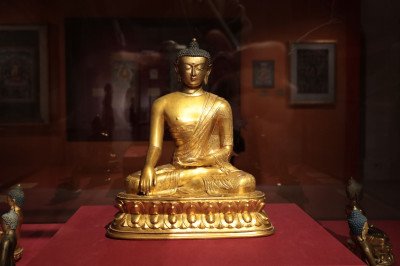
District Museum
Some quick example text to build on the card title and make up the bulk of the card's content.
Go somewhereGarampani Wildlife Sanctuary
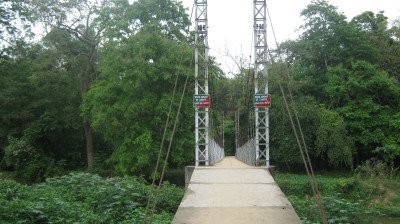
Some quick example text to build on the card title and make up the bulk of the card's content.
Go somewhere
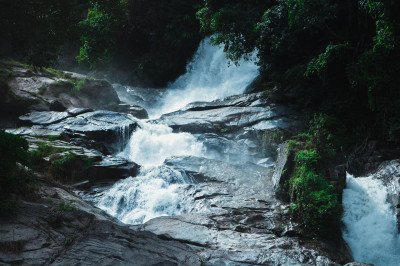
Hurnatpi Waterfalls
Some quick example text to build on the card title and make up the bulk of the card's content.
Go somewhere
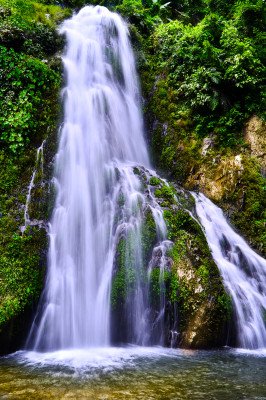
Kangthilangso Waterfall
Some quick example text to build on the card title and make up the bulk of the card's content.
Go somewherein Other Cities