

Sangareddy
General information
-
Ideal Duration:
1 DayPlace Type:
Heritage & Eco-TourismEntry Fees:
Jail Museum Fee: There is a small entry fee for the museum, typically around 20-50 rupees. Staying overnight for the Feel the Jail experience costs around 500 rupees.
Sanctuary Charges: Entry to the Manjeera Wildlife Sanctuary is nominal. ...Jail Museum Fee: There is a small entry fee for the museum, typically around 20-50 rupees. Staying overnight for the Feel the Jail experience costs around 500 rupees.
Sanctuary Charges: Entry to the Manjeera Wildlife Sanctuary is nominal. Boat rides are charged separately and vary based on the number of passengers.Timing:
Jail Timings: The Heritage Jail Museum is open from 10:00 AM to 5:00 PM. It is closed on certain public holidays, so check before visiting.
Best Time for Sanctuary: Early mornings (6:30 AM to 9:00 AM) are the best for birdwatching. Crocodi...Jail Timings: The Heritage Jail Museum is open from 10:00 AM to 5:00 PM. It is closed on certain public holidays, so check before visiting.
Best Time for Sanctuary: Early mornings (6:30 AM to 9:00 AM) are the best for birdwatching. Crocodiles are often seen basking in the sun during the winter afternoons.Special Events:
Annual Jail Festival: Special events are held at the Heritage Jail to showcase its history. It often includes tours and talks by historians and former officials.
Local Jataras: Religious festivals at the Beeramguda and Bonthapally temples a...Annual Jail Festival: Special events are held at the Heritage Jail to showcase its history. It often includes tours and talks by historians and former officials.
Local Jataras: Religious festivals at the Beeramguda and Bonthapally temples attract huge crowds. These events feature traditional music and community feasts.Best Photo Spots:
Suspension Bridge: The Komati Cheruvu bridge looks stunning at night when it is fully illuminated. It is a favorite spot for modern landscape photography.
Jail Barracks: The old stone walls and iron gates of the Heritage Jail provide a grit...Suspension Bridge: The Komati Cheruvu bridge looks stunning at night when it is fully illuminated. It is a favorite spot for modern landscape photography.
Jail Barracks: The old stone walls and iron gates of the Heritage Jail provide a gritty, historical backdrop. It is perfect for black and white photography.
Manjeera Backwaters: The sunset over the river with birds in the sky creates a classic nature shot. The islands provide a unique middle-ground for your photos.Photo Gallery
Things To Do
 @@Detailed Overview: The Rajiv Gandhi Statue in Turkapally serves as a significant landmark and a tribute to the late Prime Minister of India. It is a focal point for political gatherings and local commuters. The statue symbolizes the modernization and telecom revolution brought to the country under his leadership. Visitors often stop here while traveling towards Narayankhed. The surrounding area has developed into a small commercial hub with local shops. It represents the historical political legacy within the Sangareddy district. Locals hold various commemorative events here annually. The site is easily accessible and well-maintained by the local municipality. It acts as a primary orientation point for tourists exploring the rural outskirts of the town. The statue's presence has influenced the naming of the nearby junction. It remains a respected monument for the residents of Turkapally. Tourists can witness the local lifestyle around this junction. The area is bustling during the morning and evening hours. It provides a glimpse into the regional political sentiment of Telangana. The statue is elevated on a stone pedestal for better visibility. Many public transport buses use this as a major stop. It is a simple yet impactful site for history buffs. The site is surrounded by local greenery and small eateries. It serves as a bridge between the urban center and rural villages. Visitors appreciate the clean environment around the monument.
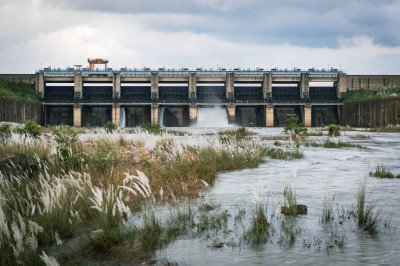 @@History and Engineering: The Singur Dam, also known as the Singoor Reservoir, is a large-scale project constructed across the Manjeera River, upstream of the Manjeera Dam. It serves as a vital source of drinking water for the twin cities of Hyderabad and Secunderabad, as well as providing extensive irrigation benefits to the surrounding areas of Sangareddy and Medak districts. Completed in the late 1980s, the dam is a massive earth-cum-masonry structure that impounds a significant volume of water. The project has a major capacity, making its water level an important gauge of the region's water security. Its location within a deep valley surrounded by undulating terrain provides a stunning, picturesque setting, making it one of the major scenic spots in the district. @@Ecological Importance: The reservoir is a deep water body, which has also naturally become a habitat for various aquatic life, most notably the Marsh Crocodile (Mugger), which is often spotted basking along the quieter, less-traveled parts of the reservoir’s perimeter. The massive lake and its surrounding hills offer a serene escape and a quiet spot for nature lovers, contrasting sharply with the smaller Manjeera Dam downstream. Its function as both a scenic tourist spot and a critical water resource underscores its profound importance to the entire region of Telangana.:
@@History and Purpose: The Manjeera Reservoir and Dam, constructed across the Manjeera River, which is a tributary of the Godavari River, stands as a crucial water resource for the entire Sangareddy district and a significant portion of the city of Hyderabad. Commissioned primarily for drinking water supply and irrigation, the project has transformed the agricultural landscape of the surrounding regions. The reservoir's construction was a landmark event in the region’s infrastructural development, ensuring water security for millions. @@Ecological Impact: The formation of the large water body has also created a unique micro-climate, attracting a diverse range of migratory and resident bird species, naturally leading to the declaration of the adjacent Manjeera Wildlife Sanctuary. The dam is an impressive feat of civil engineering, showcasing human ability to harness natural forces for community welfare. The reservoir’s full capacity is a measure of regional prosperity, with its water levels being a key indicator of the area's economic health, especially for the agricultural community. The serene environment and vast expanse of water offer a stark contrast to the nearby industrial activity. The dam structure itself acts as a massive barrier, holding back the immense volume of water, which is a mesmerizing sight, particularly during the monsoon when the gates are opened for controlled discharge. This event is often a spectacle, drawing local crowds. The project has had a profound socio-economic impact, supporting livelihoods and urban development. Its location makes it an easily accessible natural getaway from the hustle of the city, providing a calming retreat for visitors seeking peace and a connection with nature's grandeur. The total length and height of the main dam structure are subjects of regional pride, representing a massive government investment in public utility. The catchment area extends over a large geographical expanse, underscoring its importance. The local villages rely heavily on the water table replenished by the reservoir. The dam's continuous operation requires dedicated maintenance and management, ensuring its long-term stability and reliability as a primary water source.:
@@History and Engineering: The Singur Dam, also known as the Singoor Reservoir, is a large-scale project constructed across the Manjeera River, upstream of the Manjeera Dam. It serves as a vital source of drinking water for the twin cities of Hyderabad and Secunderabad, as well as providing extensive irrigation benefits to the surrounding areas of Sangareddy and Medak districts. Completed in the late 1980s, the dam is a massive earth-cum-masonry structure that impounds a significant volume of water. The project has a major capacity, making its water level an important gauge of the region's water security. Its location within a deep valley surrounded by undulating terrain provides a stunning, picturesque setting, making it one of the major scenic spots in the district. @@Ecological Importance: The reservoir is a deep water body, which has also naturally become a habitat for various aquatic life, most notably the Marsh Crocodile (Mugger), which is often spotted basking along the quieter, less-traveled parts of the reservoir’s perimeter. The massive lake and its surrounding hills offer a serene escape and a quiet spot for nature lovers, contrasting sharply with the smaller Manjeera Dam downstream. Its function as both a scenic tourist spot and a critical water resource underscores its profound importance to the entire region of Telangana.:
@@History and Purpose: The Manjeera Reservoir and Dam, constructed across the Manjeera River, which is a tributary of the Godavari River, stands as a crucial water resource for the entire Sangareddy district and a significant portion of the city of Hyderabad. Commissioned primarily for drinking water supply and irrigation, the project has transformed the agricultural landscape of the surrounding regions. The reservoir's construction was a landmark event in the region’s infrastructural development, ensuring water security for millions. @@Ecological Impact: The formation of the large water body has also created a unique micro-climate, attracting a diverse range of migratory and resident bird species, naturally leading to the declaration of the adjacent Manjeera Wildlife Sanctuary. The dam is an impressive feat of civil engineering, showcasing human ability to harness natural forces for community welfare. The reservoir’s full capacity is a measure of regional prosperity, with its water levels being a key indicator of the area's economic health, especially for the agricultural community. The serene environment and vast expanse of water offer a stark contrast to the nearby industrial activity. The dam structure itself acts as a massive barrier, holding back the immense volume of water, which is a mesmerizing sight, particularly during the monsoon when the gates are opened for controlled discharge. This event is often a spectacle, drawing local crowds. The project has had a profound socio-economic impact, supporting livelihoods and urban development. Its location makes it an easily accessible natural getaway from the hustle of the city, providing a calming retreat for visitors seeking peace and a connection with nature's grandeur. The total length and height of the main dam structure are subjects of regional pride, representing a massive government investment in public utility. The catchment area extends over a large geographical expanse, underscoring its importance. The local villages rely heavily on the water table replenished by the reservoir. The dam's continuous operation requires dedicated maintenance and management, ensuring its long-term stability and reliability as a primary water source.: The Chitkul Village Temple in Sangareddy (not to be confused with the one in Himachal) is an ancient shrine dedicated to a local deity, often identified as Pochamma or Maisamma. This temple is the heartbeat of the Chitkul village community, serving as the site for all major village festivals and rituals. It represents the indigenous folk traditions of rural Telangana, where deities are worshipped as protectors of the land and cattle. The temple is surrounded by agricultural fields, offering a very rustic and authentic experience of South Indian village life. The colorful idols and the simple, heartfelt devotion of the villagers make this a unique cultural stop for travelers.
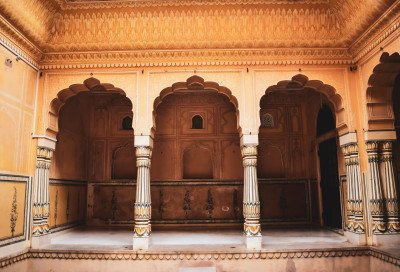 @@Detailed Overview: Tadkal Fort is a hidden historical gem located in the remote Kangti mandal of Sangareddy. This ancient fort dates back to the era of local chieftains and regional rulers who protected the borders of the Deccan. Although currently in a state of ruin, the fort walls and bastions still reflect the architectural strength of the past. It offers a panoramic view of the surrounding agricultural landscape from its elevated position. The fort was strategically built to monitor the movement of rival forces in the region. Many hidden chambers and stone carvings can still be found within the ruins. It is a site of great interest for archaeologists and history enthusiasts. The local legends suggest that the fort was once part of a larger defensive network. The trek to the top of the fort is adventurous and rewards visitors with fresh air and scenery. The stone masonry used in its construction demonstrates the skill of ancient craftsmen. It is relatively untouched by modern commercialization, offering a raw historical experience. The silence of the ruins provides a meditative environment for visitors. It serves as a reminder of the forgotten kingdoms that once thrived in the Sangareddy region. The fort is surrounded by a small village that shares its name and history. Visitors can see the remains of old granaries and water storage systems. The fort is particularly beautiful during the sunset hours when the stones glow. It is an ideal spot for those who enjoy exploring offbeat destinations. The lack of crowds makes it a perfect place for quiet exploration and photography. It stands as a silent witness to the changing dynasties of the Deccan plateau. The fort requires better preservation to maintain its historical integrity for future generations.
@@Historical Context: This ancient shrine, known as the Ramalingeswara Swamy Temple, is an 11th-century architectural masterpiece located in the quiet village of Nandikandi. Built during the reign of the Kalyani Chalukyas, specifically under King Vikramaditya V, it stands as a testament to the glorious Deccan heritage. The temple is dedicated to Lord Shiva and is renowned for its unique star-shaped sanctum, which is a rarity in this region. Visitors are often captivated by the intricate carvings that adorn every inch of the structure, from the base to the shikhara. The temple complex is surrounded by lush green fields, providing a serene backdrop for spiritual reflection. Over the centuries, the temple has survived various dynastic shifts and remains a significant pilgrimage site for locals and history enthusiasts alike. The spiritual energy of the place is palpable, especially during the early morning hours when the sun’s rays first touch the stone facade. It serves as a vital link to the medieval history of Telangana, showcasing the artistic prowess of the Chalukyan era. The local community holds the temple in high regard, and it continues to be a focal point for religious activities in the Sangareddy district. Despite its age, the structural integrity of the temple remains impressive, drawing tourists from Hyderabad and beyond. Every stone tells a story of devotion and craftsmanship that has endured for a millennium.
@@Overview and Economy: Pothreddipalle is a rapidly developing village located strategically on the National Highway 65 (NH-65), the main arterial road connecting Hyderabad and Mumbai. Its strategic location is the primary driver of its economic and social transformation, evolving from a purely agrarian village into a semi-urban node with increasing commercial and logistical importance. The village's economy still has agricultural roots, with large tracts of farmland nearby, but is now significantly bolstered by highway-related businesses like petrol pumps, trucking services, roadside hotels (Dhabas), and service centers. The most famous landmark in the village is the colossal Ntr Statue, which is a highly visible monument at the main junction, making the village known to travelers. @@Socio-Cultural Landscape: The village reflects a typical Telangana rural-to-urban transition, where traditional lifestyle coexists with modern influences brought by the highway traffic and infrastructure development. The local community is vibrant, largely dependent on agriculture and the service sector. The presence of the highway junction acts as a social and commercial hub where villagers and travelers interact. The village name itself is prominent on signboards, marking a key navigational point. The development of new real estate projects and educational institutions in the periphery suggests its growing importance as a residential and commercial satellite to Sangareddy town. Unlike the bustling city center, Pothreddipalle offers a slower pace of life, yet with the convenience of highway access. The local markets, though small, provide a glimpse into the region's agricultural produce. The village is also a catchment area for local employment in the service sector. The shift in livelihood from farming to trade is a key ongoing socio-economic trend here.:Show All
Dragon River is a picturesque stretch of the Manjeera River located near the village of Kalabgoor. It earned its unique name due to the winding, serpentine path the water takes through the rocky terrain, resembling the back of a mythical dragon when viewed from above. This spot is a favorite among nature lovers and photography enthusiasts who seek an escape from the urban hustle. The riverbanks are characterized by large boulders, lush greenery, and a variety of bird species, making it a hotspot for birdwatching. The water flow here is influenced by the nearby Manjeera Dam, providing a steady and calm environment during most parts of the year. Visitors often come here for picnics, as the natural rock formations provide perfect seating areas with a view. The area is relatively untouched by major commercialization, preserving its raw beauty. It is an excellent spot for reflection and connecting with nature. During the rainy season, the river swells, and the "dragon" comes to life with rushing water and vibrant flora. The local community respects the river as a life-giving source, and it plays a vital role in the local ecology. The sunset views here are particularly famous, as the light reflects off the winding water, creating a golden glow over the landscape.
@@Detailed Overview: Tadkal Fort is a hidden historical gem located in the remote Kangti mandal of Sangareddy. This ancient fort dates back to the era of local chieftains and regional rulers who protected the borders of the Deccan. Although currently in a state of ruin, the fort walls and bastions still reflect the architectural strength of the past. It offers a panoramic view of the surrounding agricultural landscape from its elevated position. The fort was strategically built to monitor the movement of rival forces in the region. Many hidden chambers and stone carvings can still be found within the ruins. It is a site of great interest for archaeologists and history enthusiasts. The local legends suggest that the fort was once part of a larger defensive network. The trek to the top of the fort is adventurous and rewards visitors with fresh air and scenery. The stone masonry used in its construction demonstrates the skill of ancient craftsmen. It is relatively untouched by modern commercialization, offering a raw historical experience. The silence of the ruins provides a meditative environment for visitors. It serves as a reminder of the forgotten kingdoms that once thrived in the Sangareddy region. The fort is surrounded by a small village that shares its name and history. Visitors can see the remains of old granaries and water storage systems. The fort is particularly beautiful during the sunset hours when the stones glow. It is an ideal spot for those who enjoy exploring offbeat destinations. The lack of crowds makes it a perfect place for quiet exploration and photography. It stands as a silent witness to the changing dynasties of the Deccan plateau. The fort requires better preservation to maintain its historical integrity for future generations.
@@Historical Context: This ancient shrine, known as the Ramalingeswara Swamy Temple, is an 11th-century architectural masterpiece located in the quiet village of Nandikandi. Built during the reign of the Kalyani Chalukyas, specifically under King Vikramaditya V, it stands as a testament to the glorious Deccan heritage. The temple is dedicated to Lord Shiva and is renowned for its unique star-shaped sanctum, which is a rarity in this region. Visitors are often captivated by the intricate carvings that adorn every inch of the structure, from the base to the shikhara. The temple complex is surrounded by lush green fields, providing a serene backdrop for spiritual reflection. Over the centuries, the temple has survived various dynastic shifts and remains a significant pilgrimage site for locals and history enthusiasts alike. The spiritual energy of the place is palpable, especially during the early morning hours when the sun’s rays first touch the stone facade. It serves as a vital link to the medieval history of Telangana, showcasing the artistic prowess of the Chalukyan era. The local community holds the temple in high regard, and it continues to be a focal point for religious activities in the Sangareddy district. Despite its age, the structural integrity of the temple remains impressive, drawing tourists from Hyderabad and beyond. Every stone tells a story of devotion and craftsmanship that has endured for a millennium.
@@Overview and Economy: Pothreddipalle is a rapidly developing village located strategically on the National Highway 65 (NH-65), the main arterial road connecting Hyderabad and Mumbai. Its strategic location is the primary driver of its economic and social transformation, evolving from a purely agrarian village into a semi-urban node with increasing commercial and logistical importance. The village's economy still has agricultural roots, with large tracts of farmland nearby, but is now significantly bolstered by highway-related businesses like petrol pumps, trucking services, roadside hotels (Dhabas), and service centers. The most famous landmark in the village is the colossal Ntr Statue, which is a highly visible monument at the main junction, making the village known to travelers. @@Socio-Cultural Landscape: The village reflects a typical Telangana rural-to-urban transition, where traditional lifestyle coexists with modern influences brought by the highway traffic and infrastructure development. The local community is vibrant, largely dependent on agriculture and the service sector. The presence of the highway junction acts as a social and commercial hub where villagers and travelers interact. The village name itself is prominent on signboards, marking a key navigational point. The development of new real estate projects and educational institutions in the periphery suggests its growing importance as a residential and commercial satellite to Sangareddy town. Unlike the bustling city center, Pothreddipalle offers a slower pace of life, yet with the convenience of highway access. The local markets, though small, provide a glimpse into the region's agricultural produce. The village is also a catchment area for local employment in the service sector. The shift in livelihood from farming to trade is a key ongoing socio-economic trend here.:Show All
Dragon River is a picturesque stretch of the Manjeera River located near the village of Kalabgoor. It earned its unique name due to the winding, serpentine path the water takes through the rocky terrain, resembling the back of a mythical dragon when viewed from above. This spot is a favorite among nature lovers and photography enthusiasts who seek an escape from the urban hustle. The riverbanks are characterized by large boulders, lush greenery, and a variety of bird species, making it a hotspot for birdwatching. The water flow here is influenced by the nearby Manjeera Dam, providing a steady and calm environment during most parts of the year. Visitors often come here for picnics, as the natural rock formations provide perfect seating areas with a view. The area is relatively untouched by major commercialization, preserving its raw beauty. It is an excellent spot for reflection and connecting with nature. During the rainy season, the river swells, and the "dragon" comes to life with rushing water and vibrant flora. The local community respects the river as a life-giving source, and it plays a vital role in the local ecology. The sunset views here are particularly famous, as the light reflects off the winding water, creating a golden glow over the landscape.Information
-
Why Famous:
Manjeera Sanctuary: Famous for being a major habitat for crocodiles and migratory birds. It is a peaceful getaway just a few kilometers from the bustling town.
Heritage Jail: It gained global fame for its Feel the Jail program, where touris...Manjeera Sanctuary: Famous for being a major habitat for crocodiles and migratory birds. It is a peaceful getaway just a few kilometers from the bustling town.
Heritage Jail: It gained global fame for its Feel the Jail program, where tourists can stay as inmates for a day. This unique experience is one of its kind in India.
Singur Dam: Known for its massive size and the scenic beauty of its backwaters during the monsoon. It is a vital source of drinking water for Hyderabad. -
Architecture:
Jail Architecture: The Heritage Jail was built in 1796 with massive stone walls and traditional barracks. Its design reflects the architectural style of the Salar Jung era.
Dam Construction: The Singur Dam is a massive hydroelectric structu...Jail Architecture: The Heritage Jail was built in 1796 with massive stone walls and traditional barracks. Its design reflects the architectural style of the Salar Jung era.
Dam Construction: The Singur Dam is a massive hydroelectric structure with 17 floodgates. Its design focus is on large-scale water storage and efficient power generation.
Museum Layout: The Kondapur Museum is built to house ancient artifacts from nearby excavations. It features a simple but effective layout to showcase pottery and coins. -
How To Reach:
By Air: The Rajiv Gandhi International Airport is about 60 KM away. The drive to Sangareddy takes about an hour via the Outer Ring Road.
By Train: The nearest railway station is Lingampally or Secunderabad. From there, you can take a local...By Air: The Rajiv Gandhi International Airport is about 60 KM away. The drive to Sangareddy takes about an hour via the Outer Ring Road.
By Train: The nearest railway station is Lingampally or Secunderabad. From there, you can take a local bus or a taxi to reach Sangareddy town.
By Road: Sangareddy is located on the Mumbai-Hyderabad highway (NH-65). It is extremely well-connected by state-run buses from all parts of Hyderabad.
By Local Transport: Shared autos are the lifeline of the town. For visiting the dam or sanctuary, it is better to hire a private taxi for convenience. -
Weather and Best Time to Visit:
Winter Season: October to March is the best time for birdwatching at the sanctuary. The weather is cool, making it ideal for walking through the heritage sites.
Monsoon Season: July to September is the time to visit the dams and reservoirs....Winter Season: October to March is the best time for birdwatching at the sanctuary. The weather is cool, making it ideal for walking through the heritage sites.
Monsoon Season: July to September is the time to visit the dams and reservoirs. The landscape turns vibrant green, though some outdoor activities might be limited.
Early Mornings: The best time to experience the town's local markets and temples. The air is fresh and the crowd is minimal, allowing for a peaceful visit. -
Near Tourist Places:
Hyderabad (58 KM), Medak (40 KM), Zaheerabad (68 KM), Narsapur (25 KM), Patancheruvu (35 KM), Wargal (50 KM), Edupayala (55 KM), Pocharam (85 KM), Bidar (90 KM), Osman Sagar (45 KM).
Tourism Tips
-
Health and Safety: When visiting the sanctuary, stay inside the boat and do not try to touch the crocodiles. Carry a first-aid kit and common medicines.
Packing Tips: Wear comfortable, light-colored clothing for birdwatching to blend in wit...Health and Safety: When visiting the sanctuary, stay inside the boat and do not try to touch the crocodiles. Carry a first-aid kit and common medicines.
Packing Tips: Wear comfortable, light-colored clothing for birdwatching to blend in with nature. Carry a good pair of walking shoes for the museum and jail tours.
Accommodation: There are several decent hotels in the town center. Many visitors choose to stay in Hyderabad and visit Sangareddy as a day trip.
Safety in Jail: If opting for the Feel the Jail experience, follow all the rules and instructions provided by the authorities. It is meant to be an educational experience.
Reviews
FAQs
Sangareddy Itineray And Cost:-
Information about New and Updated Locations() of Telangana Has Been Added :-
Card subtitle
Note:-
Information provided here in good Faith and for reference only.
Near Places
Adilabad
Some quick example text to build on the card title and make up the bulk of the card's content.
Go somewhere
Bhongir
Some quick example text to build on the card title and make up the bulk of the card's content.
Go somewhere
Bodhan
Some quick example text to build on the card title and make up the bulk of the card's content.
Go somewhere
Gadwal
Some quick example text to build on the card title and make up the bulk of the card's content.
Go somewhere
HYDERABAD
Some quick example text to build on the card title and make up the bulk of the card's content.
Go somewhere
Jagtial
Some quick example text to build on the card title and make up the bulk of the card's content.
Go somewhere
Jangaon
Some quick example text to build on the card title and make up the bulk of the card's content.
Go somewhere
Kamareddy
Some quick example text to build on the card title and make up the bulk of the card's content.
Go somewhere
Karimnagar
Some quick example text to build on the card title and make up the bulk of the card's content.
Go somewhere
KHAMMAM
Some quick example text to build on the card title and make up the bulk of the card's content.
Go somewhere
Kothagudem
Some quick example text to build on the card title and make up the bulk of the card's content.
Go somewhere
Mahabubabad
Some quick example text to build on the card title and make up the bulk of the card's content.
Go somewhere
Mahabubnagar
Some quick example text to build on the card title and make up the bulk of the card's content.
Go somewhere
Mancherial
Some quick example text to build on the card title and make up the bulk of the card's content.
Go somewhere
Medak
Some quick example text to build on the card title and make up the bulk of the card's content.
Go somewhere
Nagarjunakonda
Some quick example text to build on the card title and make up the bulk of the card's content.
Go somewherein Other Cities