

Sarad Mahel
General information
-
Ideal Duration:
1 to 2 Hours:Place Type:
Historical / Architectural:Entry Fees:
Darshan is Free: There is no official entry fee to visit the ruins of Sarad Mahel. As an unprotected monument, access is generally open to the public.
Maintenance Fund: A voluntary contribution or a small, unofficial fee might be asked by l...Darshan is Free: There is no official entry fee to visit the ruins of Sarad Mahel. As an unprotected monument, access is generally open to the public.
Maintenance Fund: A voluntary contribution or a small, unofficial fee might be asked by local caretakers, but this is not mandatory. It is important to confirm the official status of any requested fee.
Local Guide Fees: Hiring a local guide to explain the cooling system and the history is highly recommended and would involve a small negotiated charge (INR 200 to 400). The palace is an invaluable historical asset that is currently free to explore. :Timing:
Regular Timings: Open during daylight hours, generally from 9:00 AM to 5:00 PM. Avoid visiting after dark as the ruins can be unsafe.
Ideal Visit Time: Early Morning (9:00 AM to 11:00 AM) or Late Afternoon (3:00 PM to 5:00 PM) to avoid the ...Regular Timings: Open during daylight hours, generally from 9:00 AM to 5:00 PM. Avoid visiting after dark as the ruins can be unsafe.
Ideal Visit Time: Early Morning (9:00 AM to 11:00 AM) or Late Afternoon (3:00 PM to 5:00 PM) to avoid the mid-day heat and for optimal exploration comfort.
Photography Ideal Time: Mid-day light is harsh; choose early morning or late afternoon for soft shadows and warm light on the stone structure.
Duration: 1-2 hours is sufficient to explore the ruins and the unique cooling system remnants. :Special Events:
No Major Festivals: As a royal residential and administrative building, the Mahel does not host religious festivals.
Local Heritage Day: Occasionally, local heritage groups or the archaeological department may organize small events, lectures...No Major Festivals: As a royal residential and administrative building, the Mahel does not host religious festivals.
Local Heritage Day: Occasionally, local heritage groups or the archaeological department may organize small events, lectures, or guided tours to raise awareness about the palace's history and the need for its preservation, usually coinciding with World Heritage Day in April or Telangana Formation Day in June. :Best Photo Spots:
The Roof Tank Remains: A close-up shot of the three open water tanks on the roof to highlight the cooling system's main components.
Ruined Archways and Windows: Frame the outside landscape through the palace's broken windows for a melancholi...The Roof Tank Remains: A close-up shot of the three open water tanks on the roof to highlight the cooling system's main components.
Ruined Archways and Windows: Frame the outside landscape through the palace's broken windows for a melancholic and beautiful historical shot.
Texture of the Dangu Sunnam Walls: Close-up photographs of the unique construction material and the age-old mortar to emphasize the structure's durability.
The Garden Canal Path: A long shot along the five-foot-wide canal path to visualize the royal garden and its aesthetic role in the palace's design.
Sunrise/Sunset Silhouette: Capture the palace structure against the colorful sky for a dramatic silhouette. :Photo Gallery
Things To Do
-
Study the Cooling Mechanism: Spend time trying to understand the layout and the function of the rooftop water tanks and the water channeling system—a truly unique architectural lesson.
Walk the Royal Grounds: Stroll through the remnants of the royal garden and imagine the king and queen walking along the canal.
Photography of Ruins: Capture the historical beauty of the ruins, focusing on the texture of the Dangu Sunnam walls and the surviving archways.
Viewpoint for the Fort: The location near the Old Fort may offer a unique perspective of the larger fortification complex.
Archaeological Interest: Look for any remaining decorative elements or unique stonework details inside the ruined halls.
Histor...Study the Cooling Mechanism: Spend time trying to understand the layout and the function of the rooftop water tanks and the water channeling system—a truly unique architectural lesson.
Walk the Royal Grounds: Stroll through the remnants of the royal garden and imagine the king and queen walking along the canal.
Photography of Ruins: Capture the historical beauty of the ruins, focusing on the texture of the Dangu Sunnam walls and the surviving archways.
Viewpoint for the Fort: The location near the Old Fort may offer a unique perspective of the larger fortification complex.
Archaeological Interest: Look for any remaining decorative elements or unique stonework details inside the ruined halls.
Historical Imagination: Close your eyes and envision the palace in its full glory—a cool, flowing oasis in the arid Deccan plateau.
Sketching and Drawing: The ruins provide a perfect subject for artists and sketchers interested in historical structures. :
Information
-
Why Famous:
Natural Air Conditioning Innovation: Its foremost fame comes from its clever, pre-modern, natural cooling system, which was a feat of 17th-century engineering in the Deccan. This system allowed the royal court to function comfortably during the hottest months.Natural Air Conditioning Innovation: Its foremost fame comes from its clever, pre-modern, natural cooling system, which was a feat of 17th-century engineering in the Deccan. This system allowed the royal court to function comfortably during the hottest months.
Royal Heritage: It is a crucial relic of the royal history of Nirmal, providing a tangible link to the life of the local rulers like Srinivasa Rao and his queen, Dammamma. The palace served as the political and residential heart of the kingdom.
Dangu Sunnam Construction: The use of the unique and durable traditional Dangu Sunnam mortar is a feature that draws architectural enthusiasts, as it explains the structure's incredible longevity despite centuries of neglect. : -
Architecture:
Deccani Royal Architecture with Mughal Influence: The architecture is a blend of traditional Deccani style with subtle Mughal and local influences, characterized by thick walls and a focus on ventilation and passive cooling.
Innovative Cooling S...Deccani Royal Architecture with Mughal Influence: The architecture is a blend of traditional Deccani style with subtle Mughal and local influences, characterized by thick walls and a focus on ventilation and passive cooling.
Innovative Cooling System: The Mahel's most unique feature is its natural air conditioning. It had three open water tanks on the roof, fed by water from a large well using an elaborate system involving elephants and an underground pipe network that supplied water to the tanks, the garden's water canal, and the swimming pool. Water circulated around the mahal's upper structure, cooling the building via evaporation.
Construction Material and Dimensions: Built using traditional materials, including a robust Dangu Sunnam (a strong mortar made of lime, sand, jaggery, jute, bel fruit, and Terminalia chebula). The structure is noted for its strength and thick walls. The Mahel has three main doors and two smaller doors. Key features include a garden canal (five feet wide, a hundred feet long), a swimming pool, and the three roof-top tanks. The inner dimensions would have included a main Darbar Hall, private quarters, and a royal garden space. : -
How To Reach:
By Air: Nearest airport is Rajiv Gandhi International Airport (HYD) in Hyderabad (280 KM). Take a bus or taxi to Nirmal.
By Train: Nearest major station is Mancherial Railway Station (MCL) (80 KM). Frequent buses and taxis connect the stat...By Air: Nearest airport is Rajiv Gandhi International Airport (HYD) in Hyderabad (280 KM). Take a bus or taxi to Nirmal.
By Train: Nearest major station is Mancherial Railway Station (MCL) (80 KM). Frequent buses and taxis connect the station to Nirmal.
By Road: Sarad Mahel is located near the Old Fort area, approximately 4-5 KM from the center of Nirmal. An auto-rickshaw or taxi can take you directly to the location from the Nirmal Bus Stand.
By Local Transport: Auto-rickshaws are the most common form of local transport. Be sure to negotiate the fare, as the Mahel is slightly off the main road network, near the fort complex. : -
Weather and Best Time to Visit:
Different Types of Seasons: Winter (October to February) is the most comfortable and ideal time to visit, with cool and pleasant weather for exploring the open-air ruins. Summer should be avoided due to extreme heat. Monsoon (June to September) makes the surroundings lush,...Different Types of Seasons: Winter (October to February) is the most comfortable and ideal time to visit, with cool and pleasant weather for exploring the open-air ruins. Summer should be avoided due to extreme heat. Monsoon (June to September) makes the surroundings lush, but the ground can be muddy and slippery.
Different Parts of the Day: Late Afternoon is the best time for comfortable exploration and photography, especially for capturing the atmosphere of the ancient ruins as the sun sets. Early Morning is also a quiet, cool time. : -
Near Tourist Places:
1. Nirmal Fort (Shamgarh) (3 KM) 2. Sofi Nagar Darga (2 KM) 3. Rathaala Gudi (5 KM) 4. Omkareshwar Mandir (4 KM) 5. Nagareshwara Temple (5 KM) 6. Sathnala Dam (15 KM) 7. Mini Tank Bund (6 KM) 8. Kuntala Waterfalls (54 KM) 9. Pochera Waterfalls (38 KM) 10. Soan Garh Fort (15 KM)
Tourism Tips
-
Health & Safety: Wear sturdy shoes as the ground is uneven and the ruins have collapsed sections. Carry a water bottle. Be careful of thorny bushes or stray animals. Do not climb on unstable walls.
Packing: Bring insect repellent, especia...Health & Safety: Wear sturdy shoes as the ground is uneven and the ruins have collapsed sections. Carry a water bottle. Be careful of thorny bushes or stray animals. Do not climb on unstable walls.
Packing: Bring insect repellent, especially in the evening and monsoon. A hat and sunscreen are essential for daytime visits. A torch can be useful for exploring any deeper sections.
Accommodation: Accommodation options are available in Nirmal town center, a short drive from the Mahel. Book in advance during peak season.
Other Different Topics: Do not disturb or remove any archaeological elements. The site is a piece of history and should be treated with respect. Bring a picnic lunch or snacks, as there are no official food vendors near the ruins. :
Reviews
FAQs
Nirmal Itineray And Cost:-
Information about New and Updated Locations() of Telangana Has Been Added :-
Card subtitle
Note:-
Information provided here in good Faith and for reference only.
Near Places
Adelli Pochamma Temple
Some quick example text to build on the card title and make up the bulk of the card's content.
Go somewhere
Ayyappa Temple
Some quick example text to build on the card title and make up the bulk of the card's content.
Go somewhere
Balaji Temple / Devarakota Temple
Some quick example text to build on the card title and make up the bulk of the card's content.
Go somewhere
Basara Saraswathi Temple
Some quick example text to build on the card title and make up the bulk of the card's content.
Go somewhere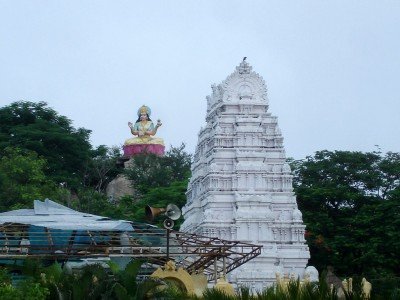
Boorgupally Shivalayam
Some quick example text to build on the card title and make up the bulk of the card's content.
Go somewhere
Gajulpet Church
Some quick example text to build on the card title and make up the bulk of the card's content.
Go somewhere
Gandi Ramanna Temple
Some quick example text to build on the card title and make up the bulk of the card's content.
Go somewhere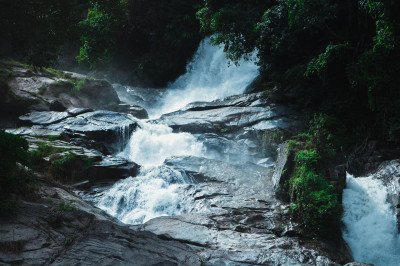
Gayatri Waterfalls
Some quick example text to build on the card title and make up the bulk of the card's content.
Go somewhere
Jungle Hanuman
Some quick example text to build on the card title and make up the bulk of the card's content.
Go somewhere
Kadem Project
Some quick example text to build on the card title and make up the bulk of the card's content.
Go somewhere
Kadile Papahareshwara Temple
Some quick example text to build on the card title and make up the bulk of the card's content.
Go somewhere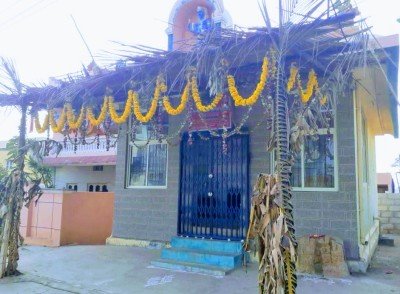
Kalabhairava Temple
Some quick example text to build on the card title and make up the bulk of the card's content.
Go somewhere
Kortikal Waterfall
Some quick example text to build on the card title and make up the bulk of the card's content.
Go somewhere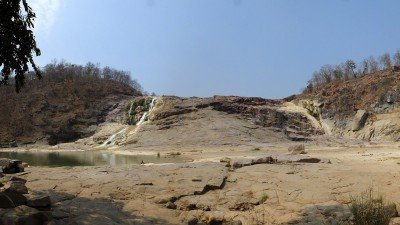
Kuntala Waterfalls
Some quick example text to build on the card title and make up the bulk of the card's content.
Go somewhere
Maha Lakshmi Temple
Some quick example text to build on the card title and make up the bulk of the card's content.
Go somewhere
Mini Tankbund
Some quick example text to build on the card title and make up the bulk of the card's content.
Go somewherein Other Cities