Saraighat Bridge
General information
-
Ideal Duration:
1 - 2 hours (for walking, viewing, and photography)Place Type:
Bridge, Engineering Marvel, Historical Landmark, SEntry Fees:
No Entry Fee for the Bridges: There are absolutely no entry fees to travel across or view the Saraighat Bridge (Old & New). Both are essential national highways and railway links, designed for public use, and thus are not designated tourist sites that charge an admission fe...No Entry Fee for the Bridges: There are absolutely no entry fees to travel across or view the Saraighat Bridge (Old & New). Both are essential national highways and railway links, designed for public use, and thus are not designated tourist sites that charge an admission fee. The freedom to walk or drive across the bridges is inherent to their function as crucial public infrastructure. However, for tourists, the cost of the experience will be entirely determined by the mode of transport used to reach the bridge and cross it. This could include the fare for a local bus, an auto-rickshaw, a taxi, or the cost of fuel for a private vehicle, which would vary significantly based on the starting point in Guwahati.
Costs for Peripheral Experiences: While the bridges themselves are free to access, certain surrounding or related experiences do involve a fee. For instance, if a visitor chooses to take a Brahmaputra River Cruise (which may pass under or near the bridges), the cruise operator will charge a substantial ticket price, which can range from a few hundred to a few thousand rupees depending on the duration and service (e. g. , dinner cruise). Similarly, a local ferry ride (for cross-river transport) will involve a small, nominal fee, typically under 50 rupees. If a visitor chooses to relax or take photos from the nearby Lachit Borphukan Park, there may be a minor park entrance fee or nominal parking charges for vehicles, usually less than 50 rupees.
Commercial and Photography Fees: For professional photographers or film crews planning to use the bridge as a backdrop for commercial purposes (e. g. , shooting a movie or an advertisement), obtaining special permissions from the railway and highway authorities is mandatory, and this process will involve paying a significant licensing or usage fee. For casual tourists taking photos with a camera or phone, no fee is applicable. Tourists should be mindful of security regulations; although access is free, strict rules regarding stTiming:
Regular Timings:
24/7 Access: The Saraighat Bridge (Old & New) is a critical and active transport artery, meaning it is open 24 hours a day, 7 days a week, 365 days a year for vehicular and train traffic. There are no fixed opening or closin...Regular Timings:
24/7 Access: The Saraighat Bridge (Old & New) is a critical and active transport artery, meaning it is open 24 hours a day, 7 days a week, 365 days a year for vehicular and train traffic. There are no fixed opening or closing hours for the bridge itself, as it is an operational rail and road connection. The road lanes on both the Old (upper deck) and New Bridges are constantly in use, and the railway line on the lower deck of the Old Bridge operates according to the train schedule. Pedestrian access on the footpath of the Old Saraighat Bridge is also generally available round the clock, though visitors should exercise caution and be aware of the surrounding traffic.
Ideal Visit Time:
Sunrise and Sunset (Golden Hour): The most ideal time for a visit, especially for sightseers and photographers, is during the Golden Hour—just after sunrise (roughly 5:00 AM to 6:30 AM) or just before sunset (roughly 4:30 PM to 6:00 PM). The light at these times is soft, creating stunning visuals of the bridge and the Brahmaputra River. Additionally, visiting during the late afternoon allows one to experience the day-to-night transition, witnessing the sunset and then the bridge's illumination. Early morning visits are also recommended to avoid heavy traffic congestion that plagues the bridge during peak commuter hours.
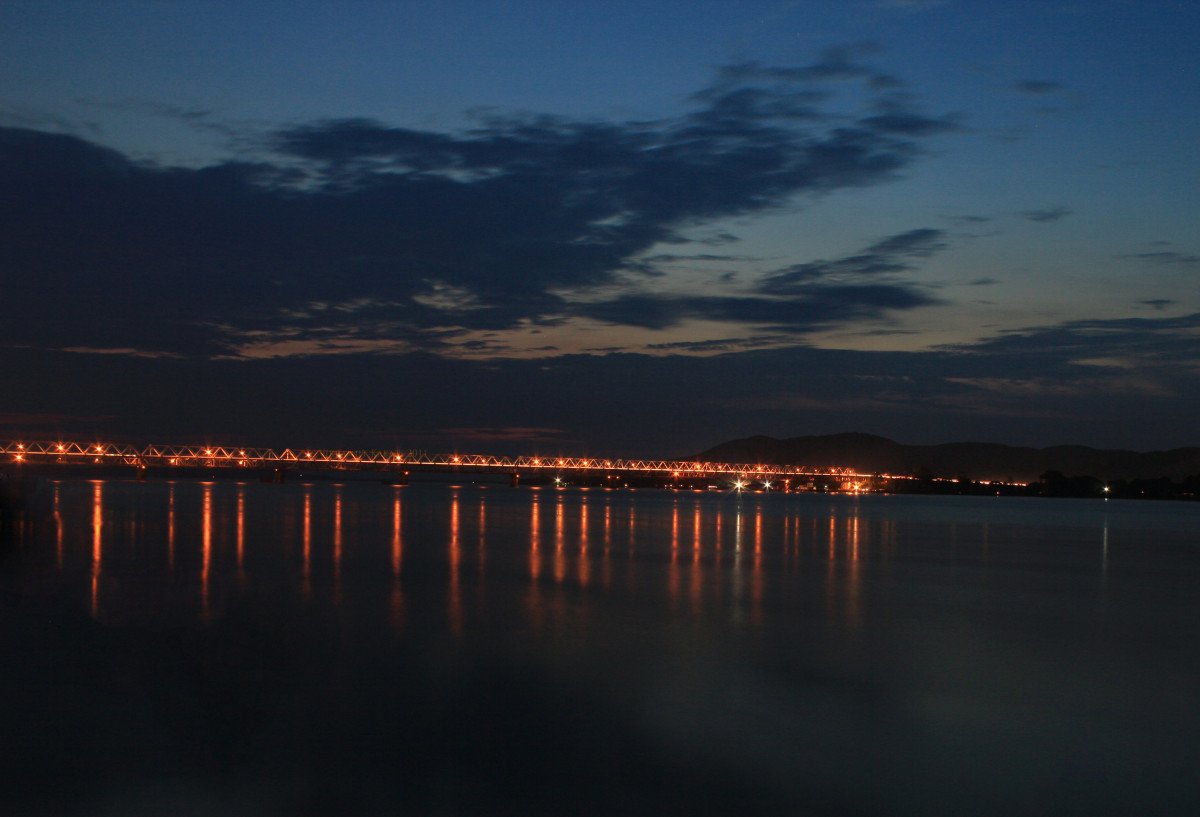
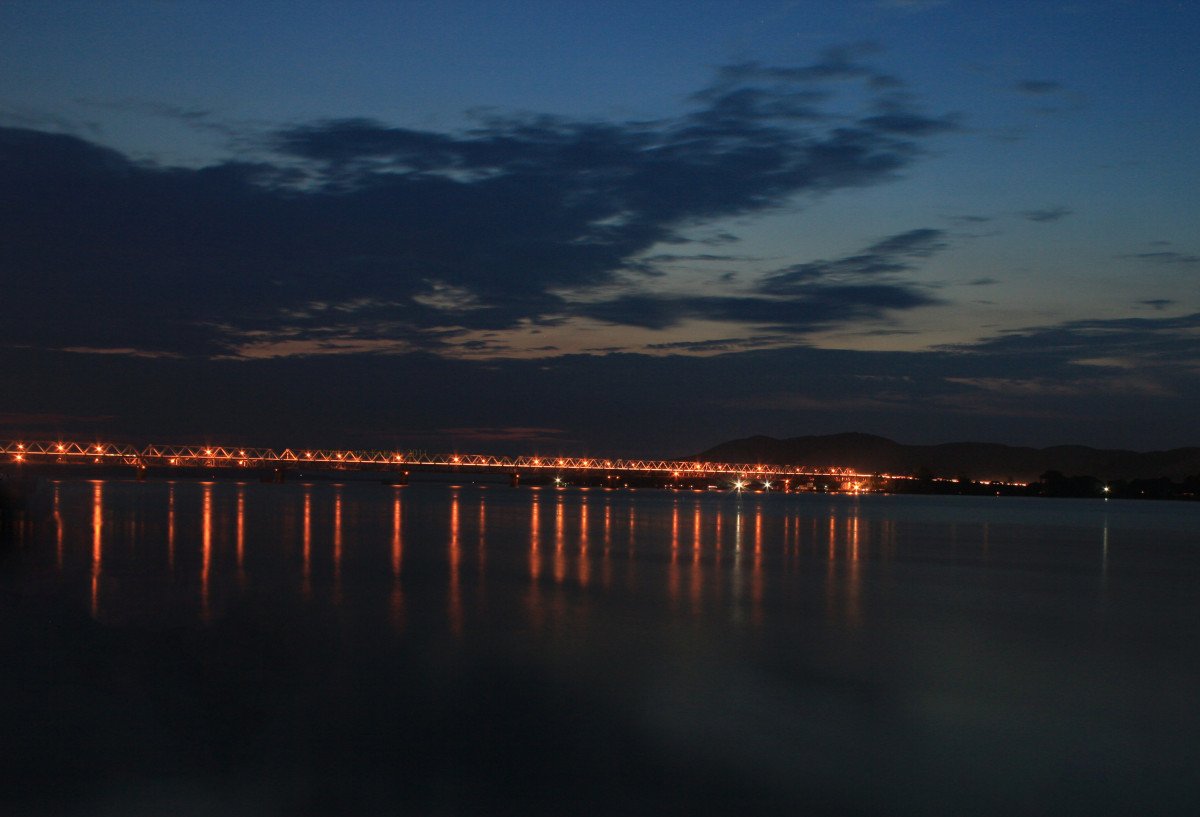
Optimal Timing for Photography: For capturing the iconic view of the bridge illuminated, the best time is after sunset (7:00 PM onwards) when the lights are fully visible against the dark sky. The nearby parks also offer excellent night-time viewing until they close (park timings may vary, often closing around 8:00 PM or 9:00 PM). For a quiet viewing experience without much noise or crowds, the hours between 6:00 AM and 8:00 AM are often the calmest. Visiting during the daytime (mid-morning to mid-afternoon) offers clear visibility of the distant hills and the river's vastness but can be hot and involve heavy traffic.Special Events:
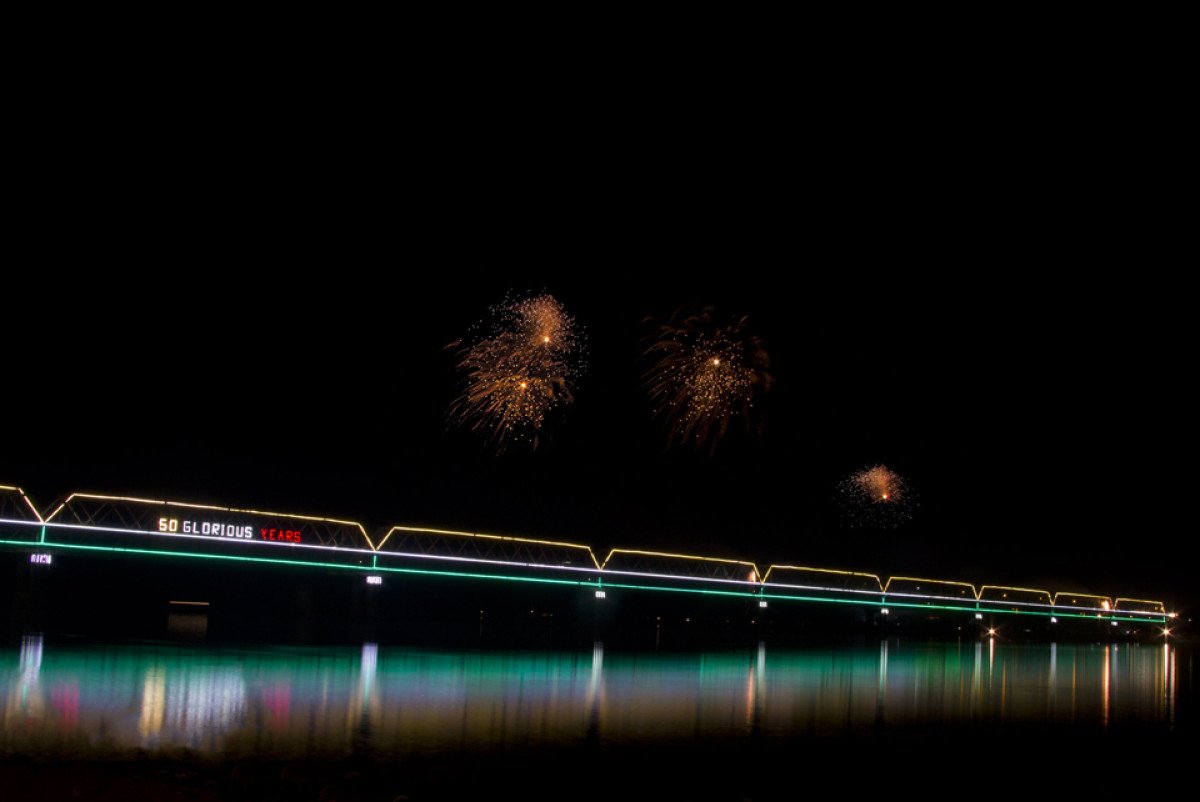
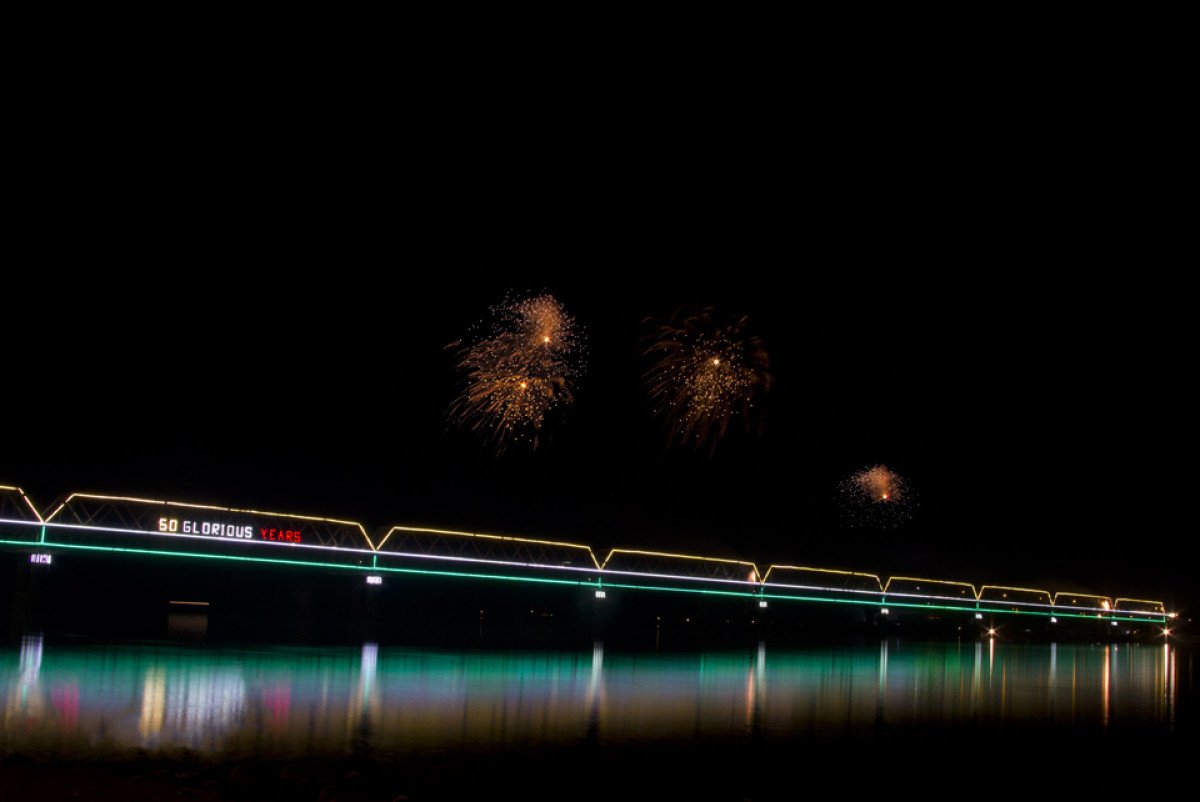
Bihu Festivals (Kati, Magh, Bohag): While the bridge itself does not host year-round events, its presence is felt most profoundly during the state's major festivals, especially the three Bihu festivals. The bridge is often a key focal point for celebratory light displays an...Bihu Festivals (Kati, Magh, Bohag): While the bridge itself does not host year-round events, its presence is felt most profoundly during the state's major festivals, especially the three Bihu festivals. The bridge is often a key focal point for celebratory light displays and is a major route for people traveling between the North and South banks to visit family or participate in local celebrations. The vibrant atmosphere and increased movement of people and decorated vehicles across the bridge during festivals like Bohag Bihu (April) symbolize the joyful spirit of Assam and the bridge's role in bringing people together. The energy and festive decorations around the approaches, though not on the bridge itself, mark a special time to visit. Annual Saraighat Bridge Anniversary (June/September): Although there is no grand public festival, the anniversary of the Old Saraighat Bridge's inauguration (June) and the first engine rolling across it (September) are significant milestones that are often celebrated locally or observed by the Northeast Frontier Railway (NFR) and local civil bodies. These low-key events may involve small ceremonies, local media coverage, and public recognition of the bridge's historical importance. Visiting around these times offers a chance to engage with the local pride and historical memory associated with this monumental piece of engineering, which completed its 50th anniversary in 2012.
Republic Day / Independence Day Celebrations: Being a vital symbol of national integration and a strategic asset, the bridge is often a part of the visual celebrations during Republic Day (January 26) and Independence Day (August 15). While traffic remains open, the bridge may feature special lighting or flag displays, and the security around the area is notably heightened. The symbolic sight of the bridge, a connection point, during national days of pride reinforces its significance as a crucial national infrastructure asset and a monument of post-colonial India's engineering prowess, often covered by local and national news media.Best Photo Spots:
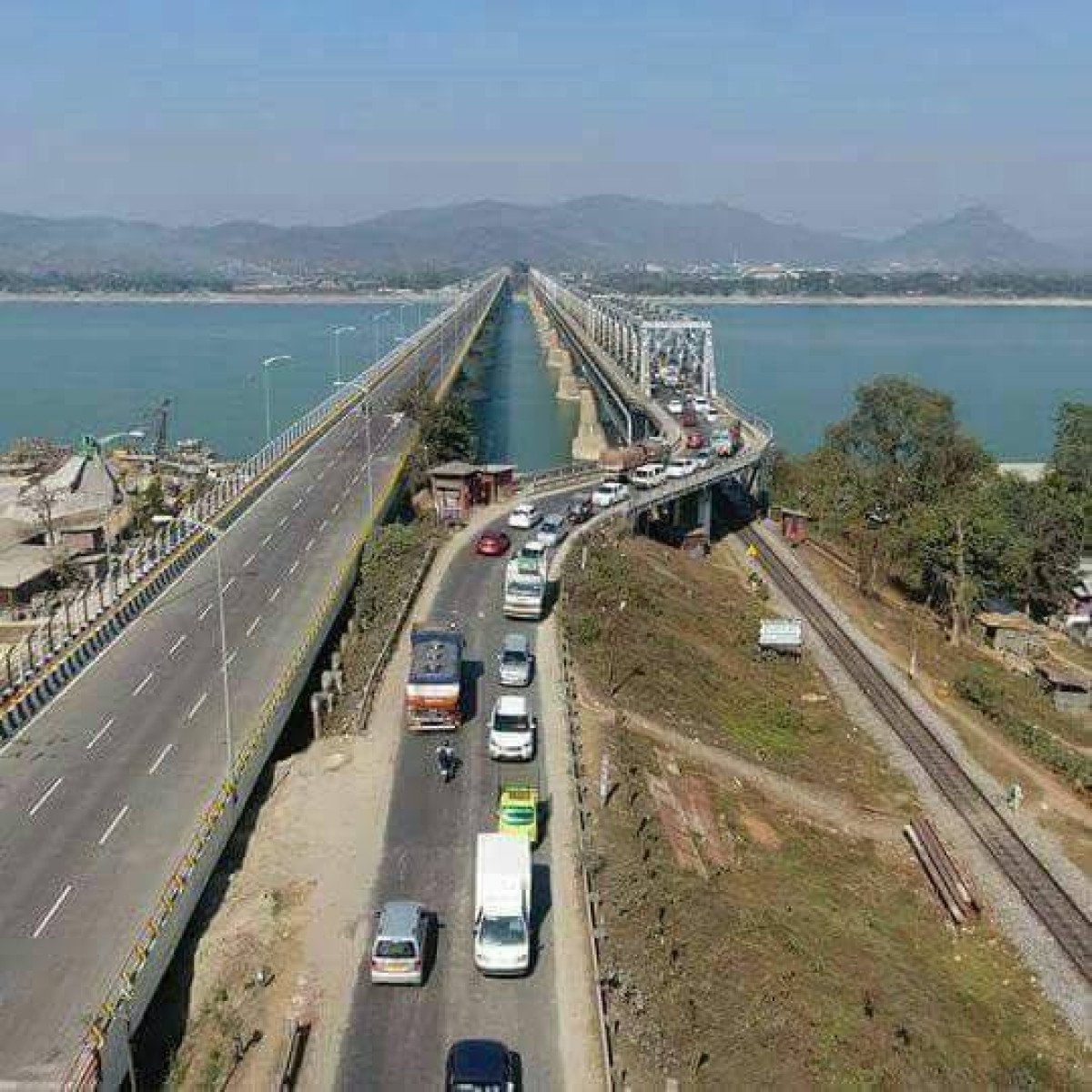
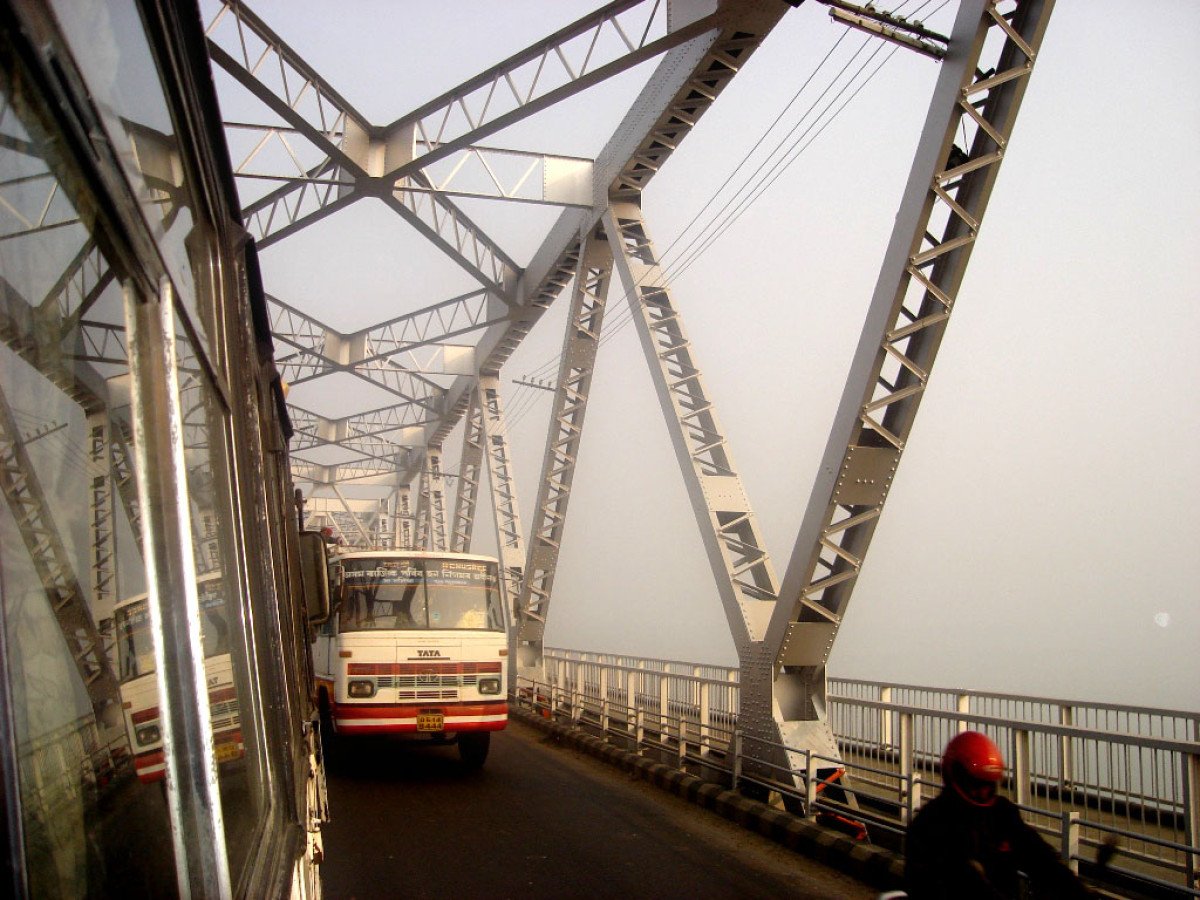
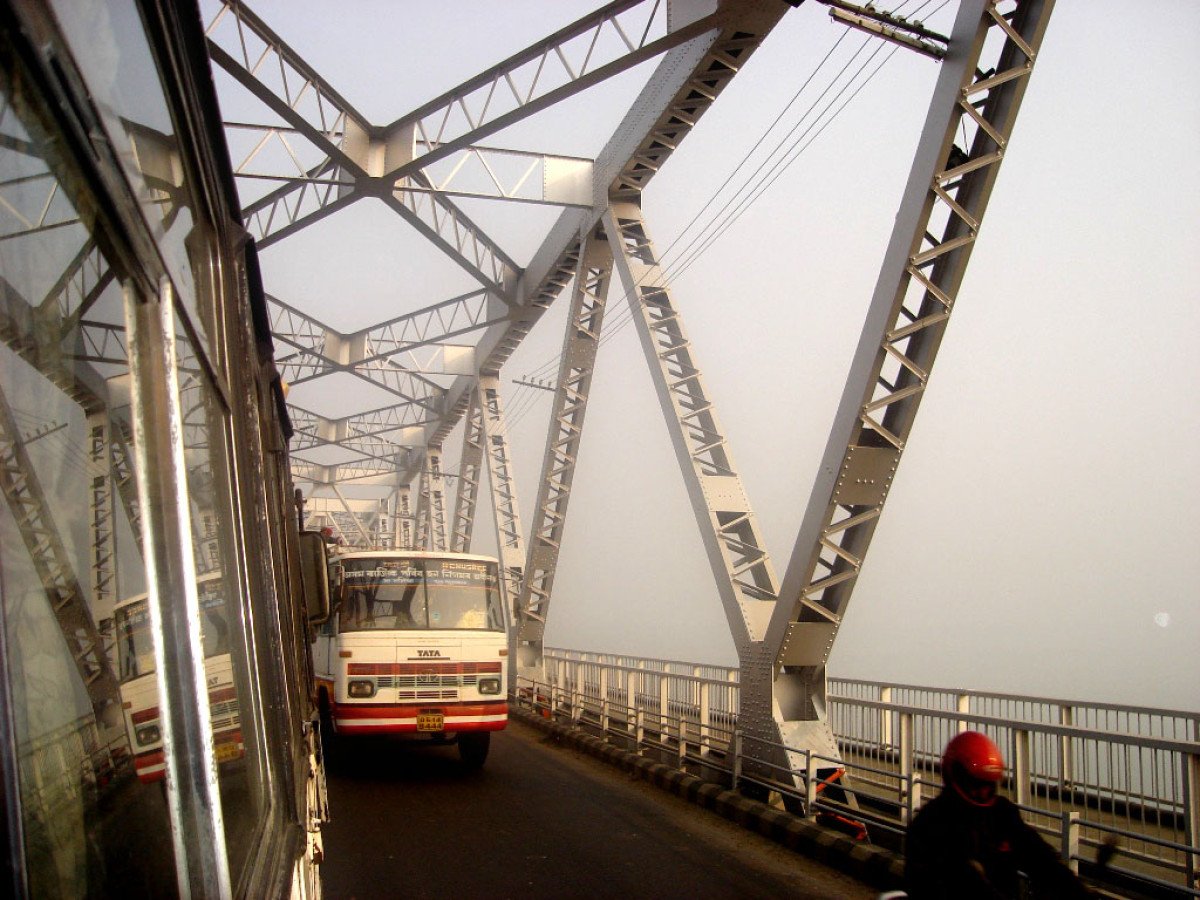
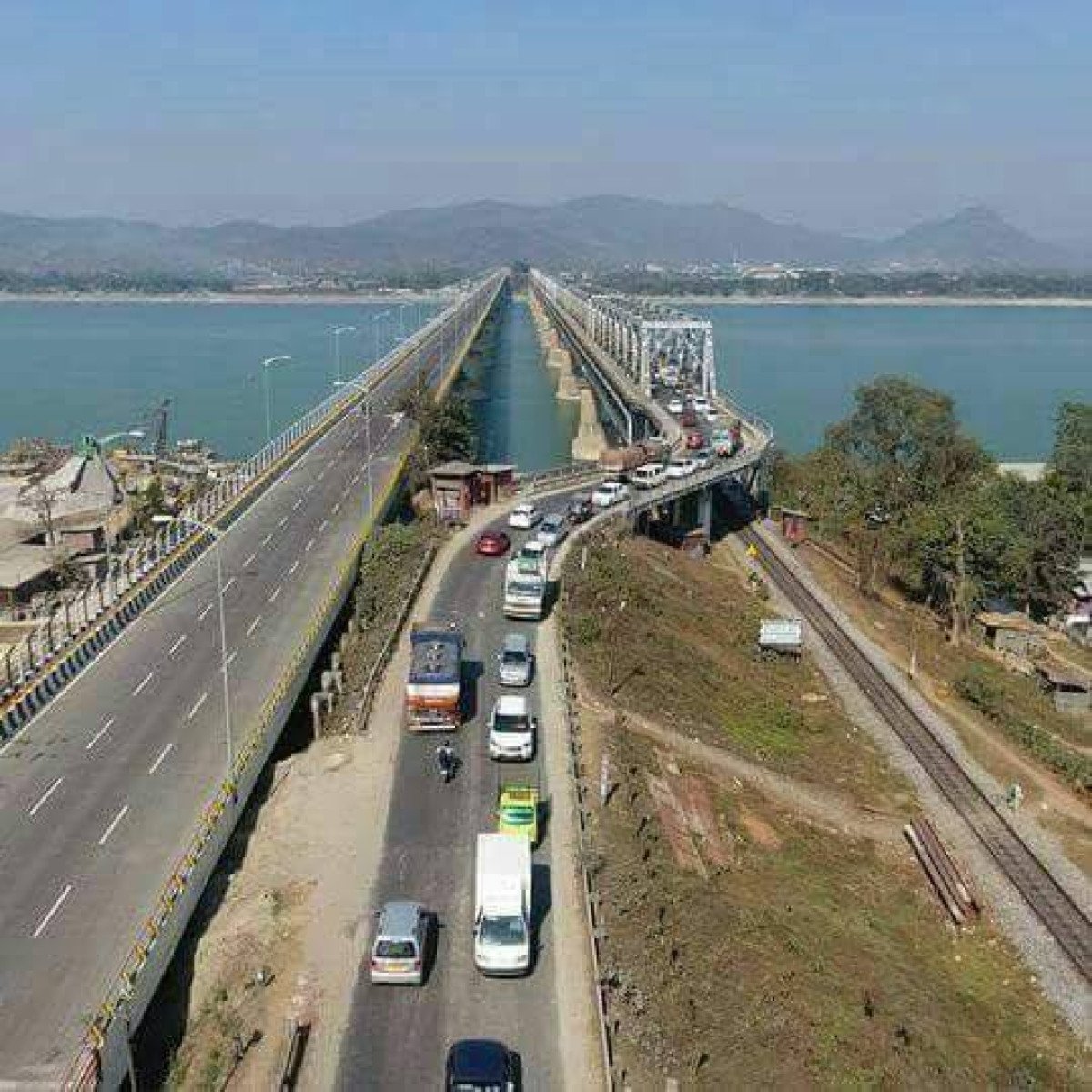
The Pedestrian Walkway of the Old Bridge: The footpath on the Old Saraighat Bridge is arguably the best spot for close-up shots of the river and the bridge structure itself. You can frame the vastness of the Brahmaputra in the background while capturing the intricate steel ...The Pedestrian Walkway of the Old Bridge: The footpath on the Old Saraighat Bridge is arguably the best spot for close-up shots of the river and the bridge structure itself. You can frame the vastness of the Brahmaputra in the background while capturing the intricate steel truss work in the foreground. This spot is perfect for panoramic shots of the river, especially during the Golden Hour (sunrise and sunset). It also provides a clear view of the parallel New Saraighat Bridge and the railway line below, allowing photographers to capture the dynamic contrast between the historical and modern structures in a single frame.
Lachit Borphukan Park (South Bank): Located on the south bank, this park offers a slightly distant but complete view of both bridges spanning the river, framed often by trees or landscaping. This location is excellent for capturing the bridges' entire length and scale. It is particularly good for night photography, where the illuminated bridges create stunning light trails and reflections on the dark water. Photographers can use the wide-angle perspective to capture the city lights of North Guwahati on the opposite bank with the majestic Brahmaputra in between, giving a sense of the region's grand scale.
Amingaon/North Bank Viewpoints: The North Bank, specifically around the Amingaon or Chilarai Park area, provides a unique perspective of the bridges. From here, you can capture the bridge with the backdrop of the city on the South Bank, especially the hills near Kamakhya Temple in the distance. This angle is great for capturing the sheer size of the river. The banks themselves, if safely accessible, offer low-angle shots that emphasize the height of the bridge's piers and the immense undertaking of building the foundation in the riverbed.
From a Brahmaputra River Cruise/Ferry: Taking a boat or cruise gives the most unique perspective from directly below the bridge. This vantage point allows for stunning photos that highlight the monumental scale of the steel trusses and the concrete piers rising from the water. Shooting upwards from the river creates an artistic, dramatic effect, emphasizing the engineering complexity. Capturing the train passing overhead or vehicles moving across the road deck from the river provides a dynamic element to the photographs, showcasing the bridge's function as a critical transport link.Photo Gallery
Things To Do
-
Witness the Breathtaking Sunrise and Sunset: The most popular and rewarding activity is simply standing on the pedestrian walkway (usually on the Old Saraighat Bridge) or viewing points near the banks to witness the sun rising over or setting into the vast expanse of the Brahmaputra River. The Golden Hour light paints the water and the bridge's steel trusses in spectacular hues of orange, red, and gold, offering an unforgettable and highly romantic visual spectacle. This is the prime time for photography enthusiasts, who flock to capture the river's tranquility and the dynamic silhouette of the bridge. The sight of the distant hills and the slow-moving barges or ferries on the river enhances the serenity of the experience. It's an activity that requires patience but rewards the visitor with one of Guwahati's most iconic natural views.
Read MoreWitness the Breathtaking Sunrise and Sunset: The most popular and rewarding activity is simply standing on the pedestrian walkway (usually on the Old Saraighat Bridge) or viewing points near the banks to witness the sun rising over or setting into the vast expanse of the Brahmaputra River. The Golden Hour light paints the water and the bridge's steel trusses in spectacular hues of orange, red, and gold, offering an unforgettable and highly romantic visual spectacle. This is the prime time for photography enthusiasts, who flock to capture the river's tranquility and the dynamic silhouette of the bridge. The sight of the distant hills and the slow-moving barges or ferries on the river enhances the serenity of the experience. It's an activity that requires patience but rewards the visitor with one of Guwahati's most iconic natural views.
Leisurely Walk on the Pedestrian Walkway: Taking a slow, leisurely walk along the side of the Old Saraighat Bridge is highly recommended. The structure has dedicated footpaths, providing a safe space to pause and fully absorb the surroundings. From this vantage point, you can feel the rhythmic rumble of the trains passing on the lower deck and watch the road traffic moving on the upper deck. The walk allows you to appreciate the sheer length and structural detail of the truss bridge architecture. It is an excellent opportunity to get a close-up view of the river's dynamic flow and the distant cityscape of Guwahati on one side and the hills of the North Bank on the other. This activity is best done during cooler hours like early morning or late afternoon to avoid the mid-day heat and congestion.
Night View and Illumination Photography: The Saraighat Bridges take on a new, mesmerizing character after dusk when they are illuminated. Both the Old and New Bridges are lit up with bright electric lights, creating a stunning visual effect across the dark waters of the Brahmaputra. A favorite activity is driving across the bridge at night or viewing it from one of the nearby parks, like Lachit Borphukan Park, to capture or simply enjoy the illuminated structure. The reflection of the lights shimmering on the river surface makes for dramatic and picturesque photographs. This spectacle is a testament to the bridge's monumental status, turning it into a beacon of light connecting the two banks.
River Cruise or Ferry Ride Experience: For a unique and intimate encounter with the river, consider taking a Brahmaputra River Cruise or a local ferry ride from a nearby ghat. While cruises may offer dinner and entertainment, the local ferries provide a more authentic experience, carrying passengers from the South to the North Bank and vice-versa. During these boat rides, you can see the massive bridges from below and observe the local riverine life, including fishing boats and small islands like Umananda. This activity offers a complete perspective of the bridge's massive scale as it spans the great river, allowing for unique photo opportunities of the structure framed against the sky or the sunset.
Picnic and Relaxation at Bankside Parks: Near the bridge ends, particularly on the South Bank, you will find parks like Lachit Borphukan Park. These areas are perfect for a short picnic, a moment of quiet relaxation, or simply sitting and watching the river flow. They are safe, landscaped areas where you can escape the noise of the traffic and enjoy the magnificent view of the bridges spanning the river. Families with children often find these parks a pleasant diversion after viewing the bridge. It also provides a better, broader perspective to appreciate the two bridges standing side-by-side, showcasing the blend of old and new infrastructure.
Connecting with History at the Battle Site: Visitors can use the trip as an opportunity to connect with the history of the Battle of Saraighat. While no massive museum is located directly on the bridge, the surrounding area and the parks are named after the historical figures. You
Information
-
Why Famous:
First Rail-cum-Road Bridge: The primary reason for its fame is its status as the first bridge built over the massive Brahmaputra River in Assam after independence. This double-decker structure, carrying both train and road traffic, was a massive engineering undertaking and ...First Rail-cum-Road Bridge: The primary reason for its fame is its status as the first bridge built over the massive Brahmaputra River in Assam after independence. This double-decker structure, carrying both train and road traffic, was a massive engineering undertaking and an economic necessity, finally providing a direct, reliable link between the North Eastern region and the rest of the country. Before its completion, transport across the river relied on ferries, which were slow, season-dependent, and inadequate for heavy freight, particularly during the monsoon. The bridge's successful construction became a symbol of national integration and engineering triumph in the face of geographical and logistical challenges. Its inauguration marked a significant chapter in the development of the Northeast.
Strategic and Economic Lifeline: The Saraighat Bridge is widely known as the "Lifeline of Assam" because it is a critical transportation and logistics hub. The railway line below is the primary conduit for goods, resources, and people, linking the state capital, Guwahati, and subsequently other North Eastern states, to the national railway network. The highway on top facilitates essential road transport, reducing travel time and boosting commercial activities. The bridge's strategic location was crucial during the 1962 war, highlighting its military and geopolitical importance. The sheer volume of traffic that passes over the old and new bridges daily underscores its irreplaceable role in the region's economy and day-to-day life. It is the primary gateway through which nearly all surface-transported goods enter the region.
Historical Battle Site: The name Saraighat itself carries profound historical significance, being the site of the famous Battle of Saraighat in 1671. It was here that the great Ahom General Lachit Borphukan led his forces to a decisive naval victory against the mighty Mughal army, successfully thwarting their attempt to conquer the Ahom Kingdom. The bridge is therefore not just a modern structure but a memorial to Assamese valor, pride, and independence, deeply etched into the local consciousness. This historical resonance adds a layer of cultural importance to the engineering marvel. -
Architecture:
The Old Saraighat Bridge:
A Truss Bridge Marvel: The Old Saraighat Bridge is a classic example of a double-decker steel truss bridge. This design is characterized by its framework of interconnected triangular units, known as trusses, which d...The Old Saraighat Bridge:
A Truss Bridge Marvel: The Old Saraighat Bridge is a classic example of a double-decker steel truss bridge. This design is characterized by its framework of interconnected triangular units, known as trusses, which distribute tension and compression forces, making the structure lightweight yet incredibly strong—a crucial requirement when dealing with a powerful and unpredictable river like the Brahmaputra. The bridge's design was a formidable challenge due to the river's strong currents, seismic activity in the region (Seismic Zone V), and fluctuating water levels, which required specialized construction techniques like deep caisson foundations for the piers. The bridge has 12 spans and its total length is approximately 1492 meters (about 1. 5 kilometers). The lower deck is dedicated to the railway line for the Northeast Frontier Railway, while the upper deck features a 7. 3-meter (24 feet) wide roadway, along with a narrow footpath on both sides for pedestrians. Approximately 14,000 tonnes of steel and significant quantities of concrete and cement were used in its construction, which took place between 1959 and 1962. The bridge was intentionally designed to maintain a clearance of 40 feet above the normal high flood level to ensure free navigation for vessels beneath. The historical and architectural significance of the truss structure lies in its robustness and its symbolic role as the initial physical link connecting the Northeast region to the rest of India.
The New Saraighat Bridge:
Modern Beam Design: The New Saraighat Bridge is a modern three-lane concrete beam bridge built parallel to the old one to alleviate traffic congestion. Unlike its predecessor, it is solely for motor vehicles, simplifying its structural requirement. Its total length is slightly greater than the old bridge, spanning approximately 1493. 58 meters (1. 49 km). The superstructure was constructed using the sophisticated cast-in-situ balanced cantilever method, a technique that allows for the construction of long spans without needing falsework from below, which is ideal for crossing a wide, deep river. The deck width is approximately 12. 9 meters (42 feet), accommodating a 9. 0-meter wide carriageway with anti-crash barriers and a 2. 0-meter wide footpath on one side. The bridge rests on hollow Reinforced Concrete (R. C. ) piers, which are supported by large double-D caissons below the riverbed. Being in a high seismic zone, the design incorporates special features like Shock Transmission Units (STUs) to effectively distribute horizontal seismic forces among the supports, ensuring its stability and longevity against earthquakes. This new structure is a testament to India's modern civil engineering capabilities, contrasting with and complementing the historical steel truss design of the older bridge. -
How To Reach:
By Air (Guwahati International Airport): The nearest major airport is Lokpriya Gopinath Bordoloi International Airport (GAU), which is located in Borjhar, about 15-20 KMS away from the Saraighat Bridge area itself and approximately 20-25 KMS from the main city center of Guwa...By Air (Guwahati International Airport): The nearest major airport is Lokpriya Gopinath Bordoloi International Airport (GAU), which is located in Borjhar, about 15-20 KMS away from the Saraighat Bridge area itself and approximately 20-25 KMS from the main city center of Guwahati. The bridge is conveniently situated on the direct route from the airport to the city center and the North Bank, as traffic coming from the airport must pass near or over the bridge approach. From the airport, one can hire a pre-paid taxi, a ride-sharing service, or a private cab to reach the bridge directly. The drive usually takes about 30 to 45 minutes, depending on traffic conditions, which can be heavy around the Jalukbari junction.
By Train (Guwahati Railway Station): The nearest major railway station is Guwahati Railway Station (GHY), located approximately 11 KMS from the bridge. This station is well-connected to all major cities across India. Travelers can easily hire an auto-rickshaw (or 'auto') or a taxi from outside the station. The bridge is a major landmark, so all local transport drivers are familiar with the route. Another nearby station, though smaller, is the Kamakhya Railway Station (KYQ), which is only about 7-8 KMS away. Due to its strategic rail-cum-road nature, the bridge is also a stop for many long-distance trains as they enter or exit Guwahati, meaning many rail passengers cross the bridge as part of their journey.
By Road (National Highways & Local Transport): The Saraighat Bridge (Old & New) is located on the alignment of National Highway 27 (NH 27), a key corridor connecting the Northeast to the rest of India. The bridge is highly accessible by road. Visitors can drive a private car, hire a taxi, or take a local bus from anywhere in Guwahati. The main approach is from the Jalukbari junction. Inter-state buses and local city buses also use the New Saraighat Bridge to travel to and from North Guwahati (Amingaon) and beyond. The condition of the approach roads is generally good, but the area around the bridge approaches is notoriously prone to traffic congestion, especially during rush hours, so travelers should factor in extra time.
By Local Transport (Auto-rickshaws, Buses, Taxis): Local transport is readily available from all parts of Guwahati to reach the bridge. Auto-rickshaws (tuktuks) are a very common and affordable option; drivers can be hired for a direct trip or on a meter basis. Local City Buses ply frequently along the NH 27 route, offering the cheapest way to reach the bridge approach (Jalukbari is the key interchange). Ride-sharing services like Ola and Uber are operational in Guwahati and provide a comfortable, air-conditioned option. For a unique experience, a combination of an auto-rickshaw to a nearby ghat (Pandu Ghat) and a local ferry ride across the river can also bring you close to the structure, though this is less direct than road transport. -
Weather and Best Time to Visit:
The Winter Season (October to March): The winter season is hands-down the best time to visit the Saraighat Bridge and Guwahati in general. During this period, the weather is pleasantly cool, with moderate temperatures ranging from about 10°C to 25°C. The skies are typica...The Winter Season (October to March): The winter season is hands-down the best time to visit the Saraighat Bridge and Guwahati in general. During this period, the weather is pleasantly cool, with moderate temperatures ranging from about 10°C to 25°C. The skies are typically clear and blue, providing excellent visibility for viewing the vast Brahmaputra River and the entire span of the bridges. The low humidity makes walking on the bridge's pedestrian path comfortable, and photography is optimal. Furthermore, this season often coincides with major local festivals, like Magh Bihu (in January), enhancing the overall cultural experience in the region. The Post-Monsoon Transition (Late September/October): An excellent window immediately following the monsoon is late September and October. The heavy rains subside, and the atmosphere is washed clean, offering magnificent views. The Brahmaputra River is at its fullest and most majestic during this time, having received the monsoon inflow, making the sight of the water flowing under the bridge particularly dramatic. This period offers cooler, less humid conditions than the peak summer months, and the chance of sunny days is high.
Different Parts of the Day (Morning and Evening): The early morning (Sunrise) and late afternoon (Sunset) are the best times to visit the bridge, regardless of the season, to witness the spectacular Golden Hour light. In the morning, you'll benefit from the cool air and minimal traffic, offering a peaceful environment for photography. In the evening, the breathtaking sunset over the river and the subsequent illumination of the bridges provide a dynamic and romantic view. The mid-day is generally advisable to avoid due to high heat (especially in summer) and the highest volume of vehicle traffic, which can make the experience less enjoyable and slightly congested. -
Near Tourist Places:
Kamakhya Temple: (Religious/Historical) ~6-8 KMS
NFR Heritage Railway Museum, Maligaon: (Museum) ~4-5 KMS
Pandu Ghat: (Riverfront) ~3 KMS
Deepor Beel Wildlife Sanctuary: (Nature/Birding) ~15 KMS
Umananda Temple (Peacock Island): (Religious/Island) ~10-12 KMS (Boat/Ferry required after reaching the ghat)
Lachit Borphukan Park: (Park/Viewpoint) ~1 KM
Chilarai Park (North Guwahati): (Park/Viewpoint) ~2-3 KMS (Across the river)
Guwahati Planetarium: (Educational) ~14 KMS
Assam State Museum: (Museum/History) ~13 KMS
Guwahati Zoo cum Botanical Garden: (Wildlife/Nature) ~17 KMS
Tourism Tips
-
Health & Safety (Traffic and Security): Safety is paramount, especially when walking near a busy transport hub. Always use the designated pedestrian walkway on the Old Saraighat Bridge and remain aware of the fast-moving traffic on the road deck. Do not stop or loiter on t...Health & Safety (Traffic and Security): Safety is paramount, especially when walking near a busy transport hub. Always use the designated pedestrian walkway on the Old Saraighat Bridge and remain aware of the fast-moving traffic on the road deck. Do not stop or loiter on the main carriage way of either bridge. The area is under constant security surveillance due to its strategic importance; respect any instructions from the railway or police personnel. Be cautious of your belongings, especially on crowded parts of the walkway. If visiting after dark, stick to the well-lit areas and parks. Given the humidity in most months, carry water to stay hydrated, and use a hat and sunscreen during the daytime.
Packing Essentials (Photography Gear): If photography is your primary goal, pack a tripod for night-time or low-light shots of the illuminated bridges and the river. A wide-angle lens is ideal for capturing the entire span and the vastness of the Brahmaputra. Light, comfortable clothing is best for walking on the bridge. For winter visits (November to February), pack a light jacket or shawl for the early mornings and evenings. Always carry a power bank for your phone/camera, as the spectacular views will tempt you to take many pictures.
Accommodation (Guwahati City Center): Since the bridge is primarily a viewing and transit point, the best accommodation options are in the main Guwahati city center areas like Paltan Bazaar, Fancy Bazaar, or areas closer to GS Road and Ulubari. These areas offer a wide range of hotels, guesthouses, and homestays—from budget to luxury—and provide easy access to the bridge (via taxi/auto) and other major city attractions like the Kamakhya Temple and the Brahmaputra Riverfront. Staying in the city center ensures better dining, shopping, and transportation options. Other Different Topics (Respecting Local Culture & Congestion): Remember the bridge's historical context (Battle of Saraighat), which holds significant cultural and emotional value for the people of Assam. Show respect for the site and the environment by not littering. A key practical tip is to avoid peak traffic hours (8 AM to 10 AM and 5 PM to 7 PM) for visiting, as the congestion at the Jalukbari approach can severely delay your journey. It's advisable to check the weather forecast, especially during the monsoon (June to September), as heavy rain can significantly limit visibility and make the experience less enjoyable. Plan to combine the bridge visit with nearby places like the Kamakhya Temple or the NFR Heritage Museum in Maligaon.
Reviews
FAQs
Guwahati Itineray And Cost:-
Saraighat Bridge Tourism:-
Information about New and Updated Locations() of Assam Has Been Added :-
Card subtitle
Note:-
Information provided here in good Faith and for reference only.
Near Places
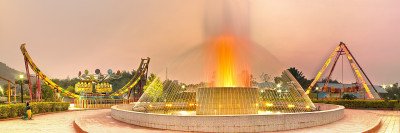
Accoland
Some quick example text to build on the card title and make up the bulk of the card's content.
Go somewhere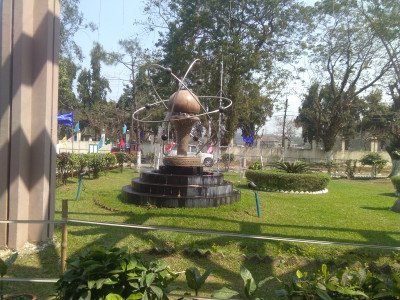
Assam State Museum
Some quick example text to build on the card title and make up the bulk of the card's content.
Go somewhere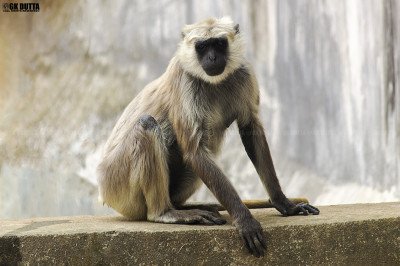
Assam State Zoo cum Botanical Garden
Some quick example text to build on the card title and make up the bulk of the card's content.
Go somewhere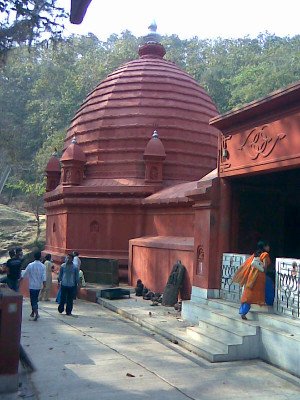
Basistha Temple & Ashram
Some quick example text to build on the card title and make up the bulk of the card's content.
Go somewhere
Basistha Temple
Some quick example text to build on the card title and make up the bulk of the card's content.
Go somewhere
Bhubaneswari Temple
Some quick example text to build on the card title and make up the bulk of the card's content.
Go somewhere
Brahmaputra River Cruise
Some quick example text to build on the card title and make up the bulk of the card's content.
Go somewhere
Chandubi Lake
Some quick example text to build on the card title and make up the bulk of the card's content.
Go somewhere
Dighali Pukhuri
Some quick example text to build on the card title and make up the bulk of the card's content.
Go somewhere
Dipor Bil
Some quick example text to build on the card title and make up the bulk of the card's content.
Go somewhere
Fancy Bazaar
Some quick example text to build on the card title and make up the bulk of the card's content.
Go somewhere
Gandhi Mandap
Some quick example text to build on the card title and make up the bulk of the card's content.
Go somewhere
Guwahati Planetarium
Some quick example text to build on the card title and make up the bulk of the card's content.
Go somewhere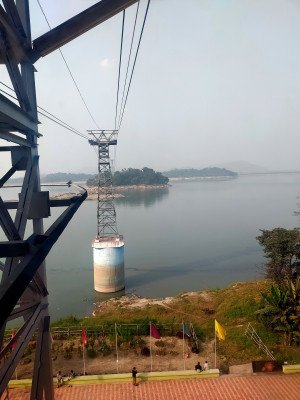
Guwahati Ropeway
Some quick example text to build on the card title and make up the bulk of the card's content.
Go somewhere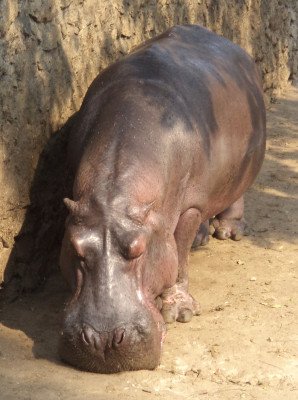
Guwahati Zoo
Some quick example text to build on the card title and make up the bulk of the card's content.
Go somewhere
Hajo
Some quick example text to build on the card title and make up the bulk of the card's content.
Go somewherein Other Cities