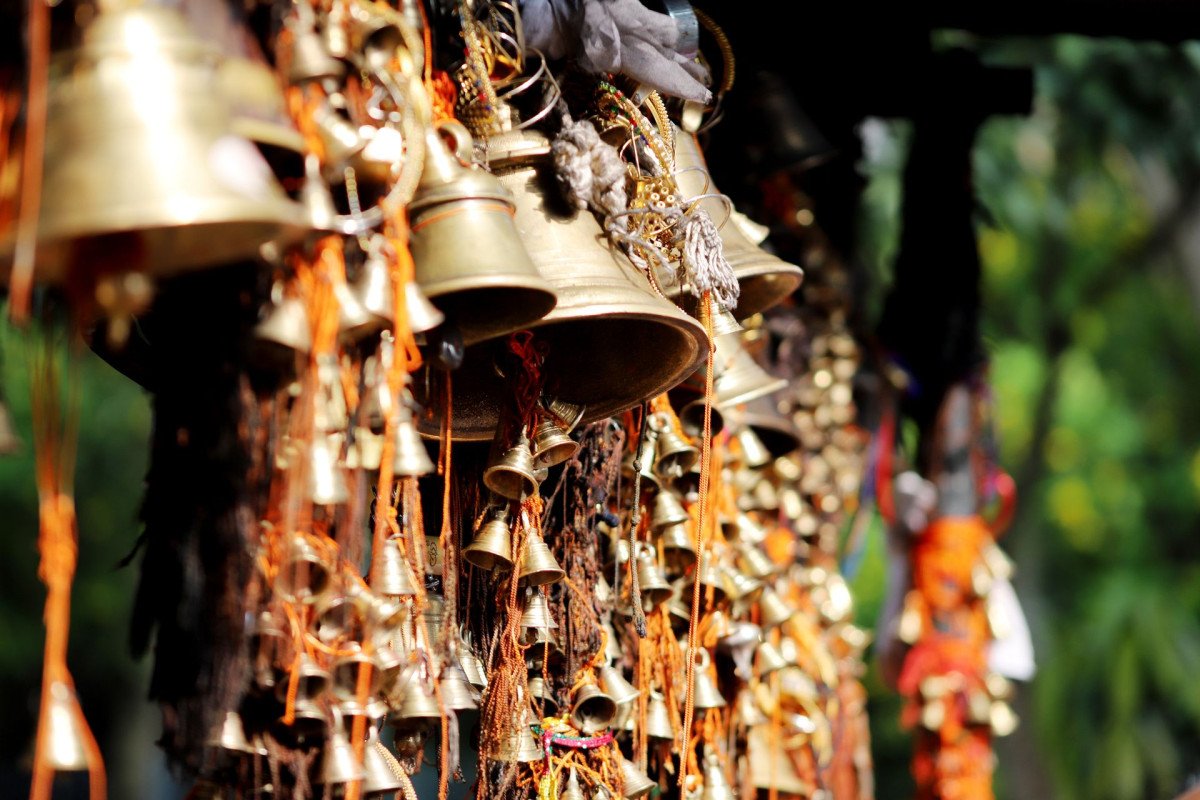
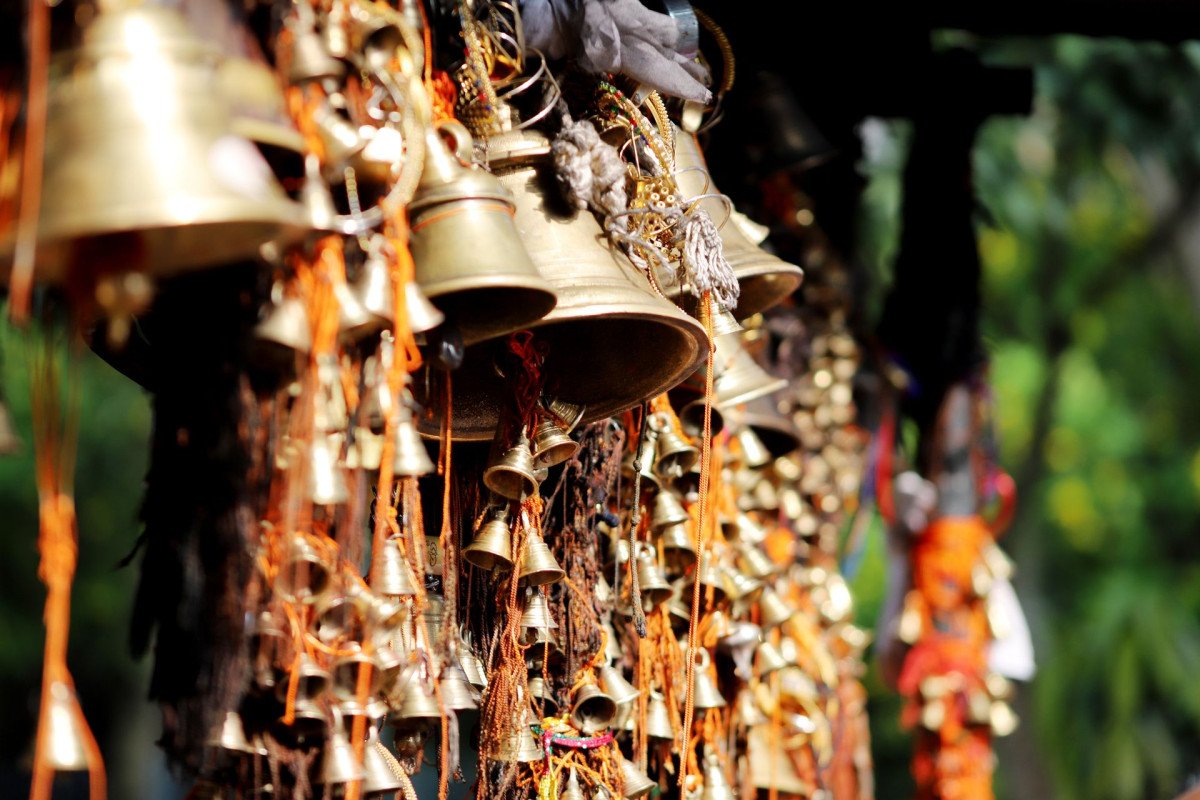
Sati Anusuya Ashram/Temple
General information
-
Ideal Duration:
2 to 3 hoursPlace Type:
Religious/Pilgrimage Site, Ashram, Nature SpotEntry Fees:
No Mandatory Entry Fee: There is no mandatory entry fee to visit the Sati Anusuya Ashram/Temple; access is free and open to all devotees and tourists.
Donation/Seva Policy: Visitors are welcome to offer voluntary donations (Dan) towards the...No Mandatory Entry Fee: There is no mandatory entry fee to visit the Sati Anusuya Ashram/Temple; access is free and open to all devotees and tourists.
Donation/Seva Policy: Visitors are welcome to offer voluntary donations (Dan) towards the maintenance of the temple and the running of the Ashram's charitable activities, such as the Gaushala (cow shelter) or Bhandara (community kitchen), but this is purely optional.
Costs for Rituals: Small costs may be incurred if you wish to hire a priest for a specific Puja or ritual (Sankalp), or for purchasing Prasad (offerings) and other religious paraphernalia from the nearby stalls.
Parking Charges: If you travel by private vehicle, there might be a nominal, unofficial charge for parking in the area maintained by local vendors or organizations.
Photography/Videography Fees: Generally, photography is allowed free of cost, but one should always be respectful, especially inside the inner sanctum (Garbhagriha), where photography might be restricted.
Timing:
Regular Timings: The Ashram and temple are generally accessible from Sunrise (around 6:00 AM) to Sunset (around 7:00 PM), though the gates may remain open for a longer duration for devotees to offer prayers and perform Parikrama. The inner sanctum's closing time can vary ba...Regular Timings: The Ashram and temple are generally accessible from Sunrise (around 6:00 AM) to Sunset (around 7:00 PM), though the gates may remain open for a longer duration for devotees to offer prayers and perform Parikrama. The inner sanctum's closing time can vary based on the season and the Aarti schedule.
Ideal Visit Time: The Ideal Visit Time is during the early morning hours (between 6:00 AM and 9:00 AM) when the atmosphere is cool, the light is soft for photography, and the sounds of the morning Puja and nature enhance the spiritual experience. Late afternoons (around 4:00 PM to 6:00 PM) are also pleasant.
Puja/Aarti Timings: Morning Aarti is usually performed around 6:00 AM - 7:00 AM, and Evening Aarti is around 6:00 PM - 7:00 PM. It is best to check locally for the precise schedule to witness the ceremonies.
Special Events:
The Atri-Anusuya Jayanti: The birthday of Maharishi Atri and Sati Anusuya is celebrated with great devotion, drawing thousands of pilgrims. Special Pujas (worship ceremonies), Bhajans (devotional songs), and Kirtans (group chanting) are organized throughout the day, often a...The Atri-Anusuya Jayanti: The birthday of Maharishi Atri and Sati Anusuya is celebrated with great devotion, drawing thousands of pilgrims. Special Pujas (worship ceremonies), Bhajans (devotional songs), and Kirtans (group chanting) are organized throughout the day, often accompanied by Bhandaras (community feasts).
Rama Navami Celebrations: As the site is strongly linked to Lord Rama, the festival of Rama Navami in the Hindu month of Chaitra sees special celebrations, including recitations of the Ramcharitmanas and religious discourses.
Kartik Purnima Festival: The holy month of Kartik is significant for bathing in the Mandakini River. On Kartik Purnima (November/December), the Ashram area is bustling with pilgrims performing ritual baths and offering lamps (Deep Dan) to the river, creating a mesmerizing sight.
Best Photo Spots:
River View from the Ashram Grounds: The best spots are the elevated grounds of the Ashram, offering a panoramic view of the serpentine Mandakini River flowing through the lush valley, especially beautiful during the early morning mist.
Idols in ...River View from the Ashram Grounds: The best spots are the elevated grounds of the Ashram, offering a panoramic view of the serpentine Mandakini River flowing through the lush valley, especially beautiful during the early morning mist.
Idols in the Main Temple: Photographs of the idols of Sati Anusuya and her three divine sons, Lord Dattatreya, Sage Durvasa, and the Moon God, which embody the central legend of the site.
Sculpted Walls of the Temple: The exterior walls of the main temple, which are richly carved with scenes from the Ramayana and the life of Sati Anusuya, are excellent for cultural and narrative photography.
The Mandakini Riverbed: The rocky riverbed near the bathing Ghat (steps), with the clear water flowing over the stones, provides serene natural landscape shots.
Siddha Baba Shrine Area: For quiet, contemplative photography, the tranquil setting of the smaller Siddha Baba shrine nearby offers peaceful frames.
Photo Gallery
Things To Do
-
Spiritual Rituals and Worship: Participate in the morning or evening Aarti (prayer ritual) at the main temple, offering prayers to Sati Anusuya, Lord Dattatreya, and the other deities. Observe the local customs and rituals followed by the pilgrims, which often include silent prayers and chanting.
Meditation and Introspection: Find a quiet spot on the banks of the Mandakini River near the Ashram to engage in meditation, yoga, or simply peaceful introspection, taking advantage of the site's powerful spiritual energy and calm natural environment.
Exploring the River Banks: Take a leisurely walk along the beautiful river banks, which are dotted with smaller shrines and natural formations. The clear water is refreshing and the surrounding greenery is very scenic.
Nature...Spiritual Rituals and Worship: Participate in the morning or evening Aarti (prayer ritual) at the main temple, offering prayers to Sati Anusuya, Lord Dattatreya, and the other deities. Observe the local customs and rituals followed by the pilgrims, which often include silent prayers and chanting.
Meditation and Introspection: Find a quiet spot on the banks of the Mandakini River near the Ashram to engage in meditation, yoga, or simply peaceful introspection, taking advantage of the site's powerful spiritual energy and calm natural environment.
Exploring the River Banks: Take a leisurely walk along the beautiful river banks, which are dotted with smaller shrines and natural formations. The clear water is refreshing and the surrounding greenery is very scenic.
Nature and Photography: The lush forest setting and the serene river offer excellent opportunities for nature photography and landscape shots. Capture the interplay of light on the water and the traditional architecture.
Learning the Legends: Spend time reading the inscriptions and looking at the artistic depictions on the temple walls, which narrate the rich mythological tales of Sati Anusuya, the Trimurti's test, and the origin of the Mandakini. This provides a deeper context to the pilgrimage.
Interacting with Saints: If possible, engage in respectful conversation with the resident sadhus (saints) and priests to learn more about the ancient traditions and spiritual significance of the Ashram. Their insights can greatly enhance the visit.
Picnicking (Respectfully): The beautiful natural surroundings allow for a peaceful break. While maintaining the sanctity of the place, one can enjoy a light, packed meal in designated areas, soaking in the tranquillity.
Local Shopping: Browse the small stalls near the Ashram for religious items, local handicrafts, and souvenirs as a remembrance of the sacred visit.
Trekking to the Source: For the adventurous, a short trek can be undertaken to locate the believed source of the Mandakini River behind the Ashram, which is a rewarding experience.
Information
-
Why Famous:
Legend of Mandakini River's Origin: The Ashram is most famous as the place where Sati Anusuya performed her rigorous penance (Tapasya) for ten years during a severe drought, leading to the descent of the holy Mandakini River to quench the thirst of the land and its people, a...Legend of Mandakini River's Origin: The Ashram is most famous as the place where Sati Anusuya performed her rigorous penance (Tapasya) for ten years during a severe drought, leading to the descent of the holy Mandakini River to quench the thirst of the land and its people, a divine act that parallels the bringing of the Ganga to earth.
Testing of the Trimurti: Another key legend making the spot famous is the story of how the three supreme Hindu Gods—Brahma, Vishnu, and Mahesh—came to test Sati Anusuya's chastity (Pativrata). Through her divine power derived from her devotion, she turned them all into three small babies and later, upon their wives' request, restored them, resulting in the birth of her three sons, Lord Dattatreya, Sage Durvasa, and the Moon God. This story highlights her unparalleled spiritual power and devotion.
Association with Ramayana: Its connection to Lord Rama and Sita during their exile period, where Sita sought her blessings and wisdom, solidifies its religious importance as a profound pilgrimage destination.
-
Architecture:
Temple Design and Symbolism: The current structure is a concrete temple built at the site of the ancient Ashram. The architectural style is relatively modern, aiming to preserve the sanctity of the holy spot while accommodating devotees. The structure incorporates traditio...Temple Design and Symbolism: The current structure is a concrete temple built at the site of the ancient Ashram. The architectural style is relatively modern, aiming to preserve the sanctity of the holy spot while accommodating devotees. The structure incorporates traditional Hindu temple elements, like a Shikhar (tower) above the main sanctum and an open Mandap (hall) for assembly. The exterior walls and inner halls are adorned with intricate sculptures and artwork, which vividly depict scenes from the Ramayana, the life of Sati Anusuya, and the legend of her transforming the Trimurti (Brahma, Vishnu, Mahesh) into infants. This visual storytelling is a key architectural feature, making the walls a narrative canvas for the site’s history.
Structure and Dimension: The temple complex is spread over a decent area, encompassing the main temple, smaller shrines, and the surrounding Ashram buildings. The main temple structure follows a basic rectangular layout for the prayer hall, leading to a central square Garbhagriha (sanctum sanctorum) where the primary idols are kept. Specific dimensional data (like height, length, or width in meters) for the modern temple's main structure is not uniformly documented, as it is primarily a spiritual site rather than a historical monument with measured archaeological significance. However, the architectural focus is on creating a spacious and peaceful environment, blending the sacred space with the lush natural surroundings and the flow of the Mandakini River. The entire complex is designed for easy circumambulation (Parikrama) and meditation, with smooth, polished stone floors in the main prayer areas.
-
How To Reach:
By Air: The nearest major airports are Prayagraj Airport (Allahabad) (approximately 115 KMS) and Khajuraho Airport (approximately 175 KMS). From the airport, one can hire a pre-paid taxi or take a bus to Chitrakoot town. The journey by road takes about 3-4 hours from Praya...By Air: The nearest major airports are Prayagraj Airport (Allahabad) (approximately 115 KMS) and Khajuraho Airport (approximately 175 KMS). From the airport, one can hire a pre-paid taxi or take a bus to Chitrakoot town. The journey by road takes about 3-4 hours from Prayagraj.
By Train: The nearest railway station is Chitrakoot Dham Karwi Railway Station (CKTD) (approximately 21 KMS from the Ashram). This station is well-connected to major Indian cities like Delhi, Mumbai, Kolkata, Prayagraj, and Varanasi. From the station, you can hire a taxi, auto-rickshaw, or shared transport to reach the Ashram.
By Road: Chitrakoot is well-connected by state and national highways. Regular bus services (both state-run and private) are available from nearby cities like Prayagraj, Satna, Jhansi, and Varanasi. The Ashram is located off the main road connecting Chitrakoot and Satna.
By Local Transport: From the main Chitrakoot town (Ramghat area), the best way to reach the Ashram is by hiring a private taxi or a shared auto-rickshaw (Tempo). Auto-rickshaws are readily available and can be hired for a round trip, which is advisable given the slightly remote location. The road is scenic but relatively narrow in parts.
-
Weather and Best Time to Visit:
Different Types of Seasons: Winter (October to March) is the Best Time to Visit. The weather is cool and pleasant, making it ideal for sightseeing, trekking, and spending time on the river banks. The temperatures range from a comfortable 10°C to 25°C. Summer (April to J...Different Types of Seasons: Winter (October to March) is the Best Time to Visit. The weather is cool and pleasant, making it ideal for sightseeing, trekking, and spending time on the river banks. The temperatures range from a comfortable 10°C to 25°C. Summer (April to June) should be avoided as the temperature can soar up to 45°C, making daytime exploration uncomfortable. Monsoon (July to September) transforms the region into a lush green paradise, and the Mandakini River is in full flow. This season is beautiful but can be challenging due to heavy rains and slippery paths, though it is the most scenic time to see the waterfall nearby.
Different Parts of the Day: The early morning is perfect for spiritual tranquility and cool weather. Late afternoon is also pleasant, offering beautiful sunset views over the surrounding hills and river. Avoid the peak midday heat.
-
Near Tourist Places:
Gupt Godavari Caves (Approx. 12 KMS), Sphatik Shila (Approx. 10 KMS), Janaki Kund (Approx. 10 KMS), Ram Ghat (Approx. 16 KMS), Kamadgiri Hill (Approx. 18 KMS), Hanuman Dhara (Approx. 20 KMS), Bharat Milap Temple (Approx. 18 KMS), Valmiki Ashram (Approx. 5 KMS), Bharat Koop (Approx. 30 KMS), Tulsi Waterfall (Approx. 35 KMS - further upstream/remote location)
Tourism Tips
-
Health & Safety: Carry first-aid essentials, especially for cuts and scrapes, as the path near the river can be uneven. Be cautious when walking near the river banks, particularly during the Monsoon season. Drink only bottled water. Respect the local wildlife, as the Ashr...Health & Safety: Carry first-aid essentials, especially for cuts and scrapes, as the path near the river can be uneven. Be cautious when walking near the river banks, particularly during the Monsoon season. Drink only bottled water. Respect the local wildlife, as the Ashram is located in a forested area.
Packing: Pack light, comfortable clothing suitable for a temple visit (modest attire is recommended). Carry comfortable, sturdy walking shoes for navigating the uneven terrain and river banks. Sun protection (hat, sunscreen) is essential during the day. A light shawl or jacket may be needed in the Winter mornings/evenings.
Accommodation: Accommodation options are primarily available in the main Chitrakoot town (Ramghat/Karwi area). Options range from budget Dharamshalas (pilgrim rest houses) like Shri Ganga Vatika Hotel to small, mid-range hotels and resorts. Booking in advance is recommended, especially during major festival periods.
Other Different Topics Heading: Be prepared for limited connectivity in the remote areas near the Ashram. Carry enough cash, as ATM facilities may not be readily available in the immediate vicinity. Hire a local guide for an enhanced experience and reliable information. Always remove your footwear before entering the temple premises.
Reviews
FAQs
Chitrakoot Itineray And Cost:-
Sati Anusuya Ashram/Temple Tourism:-
Other Places In Chitrakoot :-
Other States In India :-
Information about New and Updated Locations() of Madhya Pradesh Has Been Added :-
Card subtitle
Note:-
Information provided here in good Faith and for reference only.
Near Places

Hanuman Dhara
Some quick example text to build on the card title and make up the bulk of the card's content.
Go somewhere
Janaki Kund
Some quick example text to build on the card title and make up the bulk of the card's content.
Go somewhere
Janki Kund
Some quick example text to build on the card title and make up the bulk of the card's content.
Go somewhere
Maha Rishi Atri Ashram/Sati Anasuya Ashram
Some quick example text to build on the card title and make up the bulk of the card's content.
Go somewhere
Marpha
Some quick example text to build on the card title and make up the bulk of the card's content.
Go somewhere
Panchmukhi Mahadev Temple
Some quick example text to build on the card title and make up the bulk of the card's content.
Go somewhere
Sabri Jal Pratap
Some quick example text to build on the card title and make up the bulk of the card's content.
Go somewhere
Sanhok Lake View
Some quick example text to build on the card title and make up the bulk of the card's content.
Go somewhere
Sati Anasuya Ashram
Some quick example text to build on the card title and make up the bulk of the card's content.
Go somewhere
Sati Anusuya Ashram
Some quick example text to build on the card title and make up the bulk of the card's content.
Go somewhere
Sati Anusuya Ashram/Temple
Some quick example text to build on the card title and make up the bulk of the card's content.
Go somewhere
Sharbhanga Ashram
Some quick example text to build on the card title and make up the bulk of the card's content.
Go somewhere
Sphatik Shila
Some quick example text to build on the card title and make up the bulk of the card's content.
Go somewherein Other Cities