Dilawar Khan's Mosque
General information
-
Ideal Duration:
45 Minutes to 1 HourPlace Type:
Religious & Heritage MonumentEntry Fees:
ASI Entry Ticket: Since the mosque is part of the protected monuments, an entry fee is required. For Indian citizens and SAARC/BIMSTEC visitors, the fee is 25 INR.
Foreigner Entry Fee: For international tourists, the entry fee is 300 INR. ...ASI Entry Ticket: Since the mosque is part of the protected monuments, an entry fee is required. For Indian citizens and SAARC/BIMSTEC visitors, the fee is 25 INR.
Foreigner Entry Fee: For international tourists, the entry fee is 300 INR. This ticket is usually part of a "Group Ticket" that allows entry to other nearby monuments like the Jahaz Mahal.
Digital Payment Discount: If you pay through a QR code or digital means at the counter, you often get a small discount of 5 INR on the ticket price. Children below 15 Years enter for free.Timing:
Regular Timings: The mosque is open from Sunrise to Sunset, which is roughly from 6:00 AM to 6:30 PM daily. It remains open on all days of the week, including Sundays and public holidays.
Ideal Visit Time: Visit during the morning between 8...Regular Timings: The mosque is open from Sunrise to Sunset, which is roughly from 6:00 AM to 6:30 PM daily. It remains open on all days of the week, including Sundays and public holidays.
Ideal Visit Time: Visit during the morning between 8:00 AM and 10:00 AM when the temperature is pleasant and the light is soft. This is also when the site is least crowded, allowing for a peaceful experience.Special Events:
Mandu Festival: During the annual Mandu Festival (usually in January), special guided heritage walks are organized that start or end at this mosque. These walks explain the founding of the city and the importance of this specific site in the regional history.Mandu Festival: During the annual Mandu Festival (usually in January), special guided heritage walks are organized that start or end at this mosque. These walks explain the founding of the city and the importance of this specific site in the regional history.
Heritage Awareness Day: Occasionally, the Archaeological Survey of India (ASI) organizes "Heritage Days" where local students and tourists are given detailed lectures on the conservation of the mosque's unique wall paintings and stone structures.Best Photo Spots:
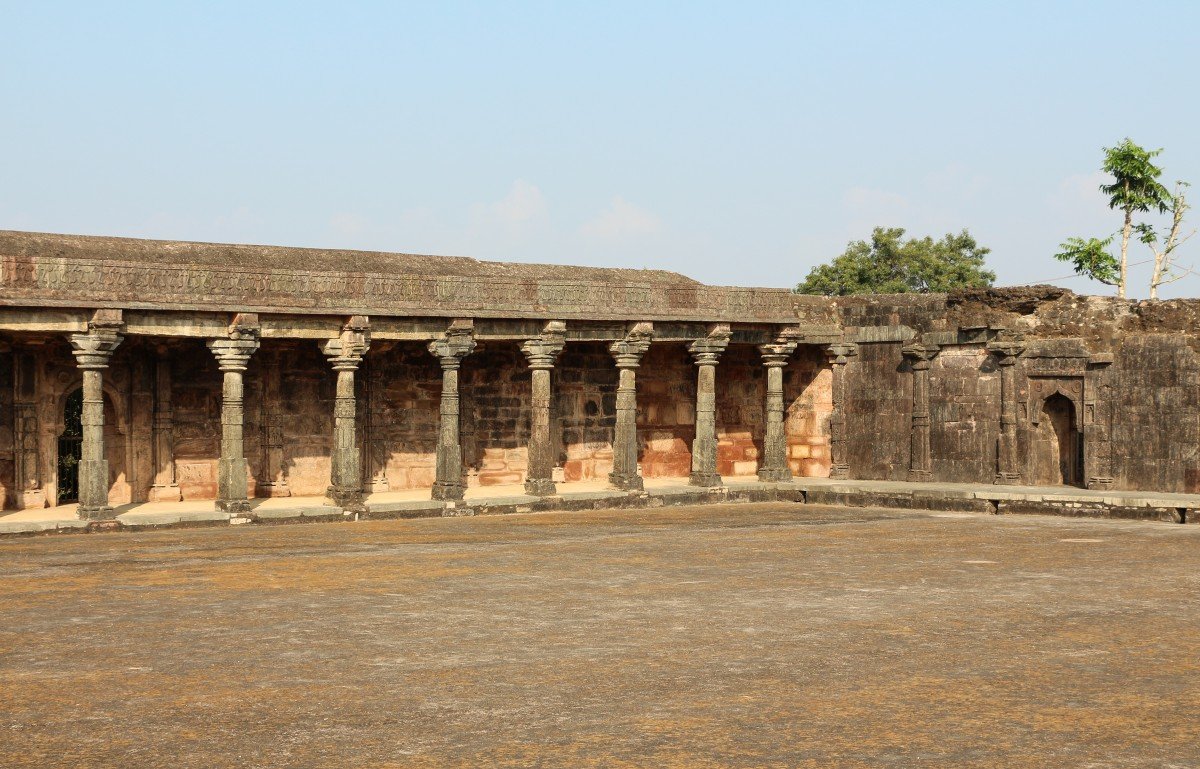
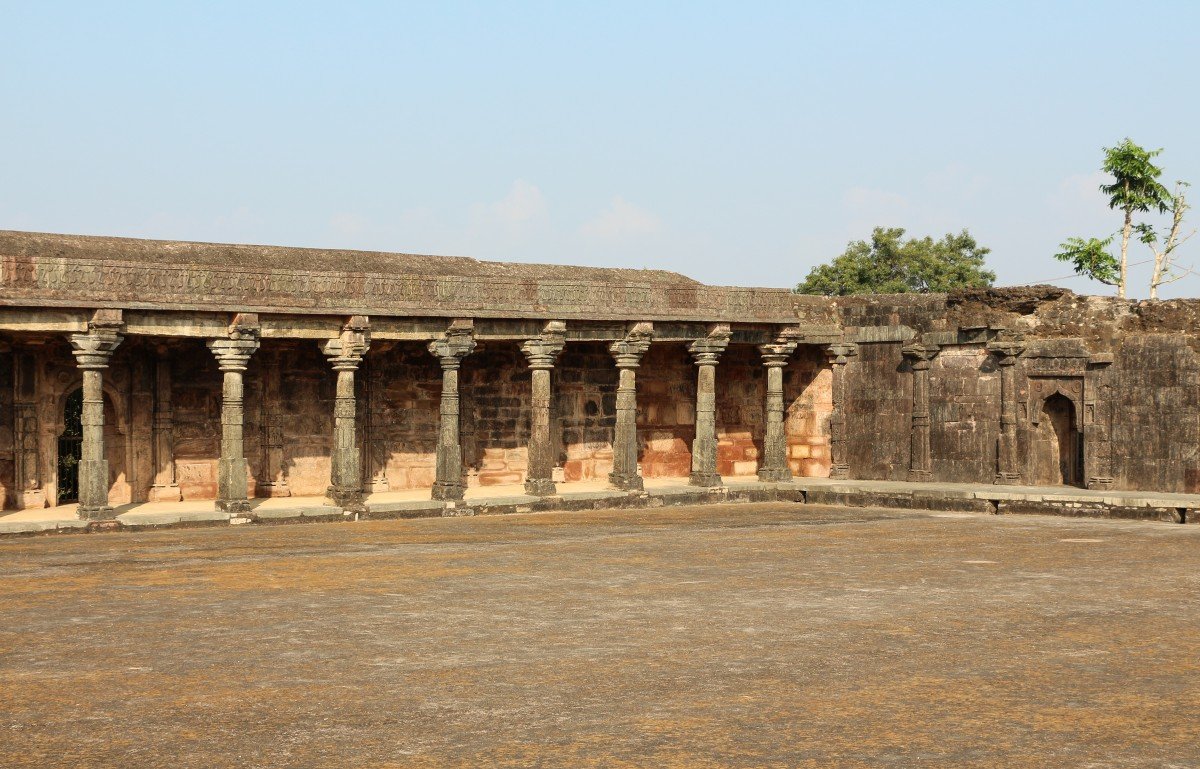
The Central Courtyard Arches: Stand at one end of the courtyard and shoot through the series of arches to create a sense of depth and symmetry. The play of light on the stone pillars during mid-morning is perfect for architectural shots.
Close-...The Central Courtyard Arches: Stand at one end of the courtyard and shoot through the series of arches to create a sense of depth and symmetry. The play of light on the stone pillars during mid-morning is perfect for architectural shots.
Close-up of the Repurposed Pillars: Focus your lens on the carvings of the pillars. You can see the blend of Hindu motifs like lotuses with Islamic geometry. This tells the story of the mosque's construction through a single frame.
The Eastern Gateway: The main entrance gate, with its sturdy Afghan design, serves as a great frame for capturing the mosque's interior from the outside. The heavy stone textures look magnificent in the late afternoon sun.Photo Gallery
Things To Do
-
Architectural Photography: The mosque's unique blend of pillars and its clean, geometric lines make it a haven for photographers. Focus on the intricate carvings on the repurposed pillars and the contrast of light and shadow in the colonnades.
Study the Inscriptions: Look for the Persian inscriptions on the doorways. If you have a guide, ask them to translate the dates and the dedication, which provide a direct link to the year 1405.
Meditative Walk: The quiet atmosphere of this mosque compared to the busier Jahaz Mahal makes it perfect for a peaceful walk. Spend time in the central courtyard and imagine the royal court that once gathered here for prayers.
Comparative Study: Compare the design of this mosque with the later Jami Masjid. Notice how the architec...Architectural Photography: The mosque's unique blend of pillars and its clean, geometric lines make it a haven for photographers. Focus on the intricate carvings on the repurposed pillars and the contrast of light and shadow in the colonnades.
Study the Inscriptions: Look for the Persian inscriptions on the doorways. If you have a guide, ask them to translate the dates and the dedication, which provide a direct link to the year 1405.
Meditative Walk: The quiet atmosphere of this mosque compared to the busier Jahaz Mahal makes it perfect for a peaceful walk. Spend time in the central courtyard and imagine the royal court that once gathered here for prayers.
Comparative Study: Compare the design of this mosque with the later Jami Masjid. Notice how the architecture evolved from using temple materials to creating massive, original stone structures.
Sketching and Painting: The ruins provide a dramatic subject for artists. Many travelers spend an hour sketching the arches and the weathered stone textures of the mosque.
Explore the Nearby Hammam: Don't miss the ruins of the royal bathhouse located close to the mosque. It gives a complete picture of the lifestyle of the early Sultans.
Bird Watching: The old stone walls and the surrounding trees attract several bird species. You can often see parakeets and owls nesting in the crevices of the ancient structure.
Information
-
Why Famous:
Historical Precedence: This mosque is famous for being the oldest Islamic structure in Mandu, dated 1405. It represents the dawn of the Malwa Sultanate and the architectural transition of the region. It is a critical site for students of history and architecture who want t...Historical Precedence: This mosque is famous for being the oldest Islamic structure in Mandu, dated 1405. It represents the dawn of the Malwa Sultanate and the architectural transition of the region. It is a critical site for students of history and architecture who want to see the "First Phase" of Mandu's Islamic heritage.
Royal Exclusivity: Unlike other mosques, it was a private royal chapel. The presence of a nearby Hammam (bath) suggests it was part of a highly sophisticated royal residential quarter. Its simple yet sturdy design reflects the pragmatic approach of the early Afghan rulers in India. -
Architecture:
Indo-Islamic Fusion: The mosque showcases the earliest fusion of Hindu and Islamic styles in Mandu. It features a central courtyard measuring approximately 25x22 Meters. The prayer hall is supported by pillars that were often repurposed from older structures, showing intri...Indo-Islamic Fusion: The mosque showcases the earliest fusion of Hindu and Islamic styles in Mandu. It features a central courtyard measuring approximately 25x22 Meters. The prayer hall is supported by pillars that were often repurposed from older structures, showing intricate floral motifs and carvings.
Structural Features: The mosque lacks a large central dome, a feature common in later periods, making it look more like a fortified manor. The walls are thick, built with rubble masonry and faced with dressed stone. The western wall contains a beautifully carved Mihrab (prayer niche) which is the architectural highlight of the interior. -
How To Reach:
By Air: Fly into Indore airport, which is 99 KMS from Mandu. From there, hire a car for a 2. 5-hour drive to the fort city. Most tourists combine their visit with other sights in Mandu.
By Train: Ratlam (124 KMS) and Indore (97 KMS) are th...By Air: Fly into Indore airport, which is 99 KMS from Mandu. From there, hire a car for a 2. 5-hour drive to the fort city. Most tourists combine their visit with other sights in Mandu.
By Train: Ratlam (124 KMS) and Indore (97 KMS) are the nearest railheads. From Ratlam, you can take a bus to Dhar and then a local shuttle to Mandu. From Indore, direct buses and taxis are available.
By Road: Mandu is accessible via the Indore-Dhar highway. The climb up the Vindhya ranges is scenic. Use the Jahaj Mahal Internal Road to reach the mosque once you are inside the main fort area.
By Local Transport: Inside Mandu, the best way to reach the mosque is by hiring a bicycle or a local auto-rickshaw. Many tourists prefer walking between the monuments in the Royal Group as they are located close together. -
Weather and Best Time to Visit:
Winter Season (October to February): The clear skies and mild sun make this the perfect time to explore the stone architecture of the mosque. The stones don't get too hot, and you can walk around comfortably.
Monsoon Season (July to September):...Winter Season (October to February): The clear skies and mild sun make this the perfect time to explore the stone architecture of the mosque. The stones don't get too hot, and you can walk around comfortably.
Monsoon Season (July to September): The moss-covered walls of the ruins during the rains give the mosque a very ancient, "lost city" vibe. It is a great time for photography, though you should carry an umbrella.
Different Parts of the Day: Morning is the best time for photography as the sun illuminates the western Mihrab area beautifully. Late afternoon provides long shadows that highlight the architectural depth of the colonnades. -
Near Tourist Places:
1. Jahaz Mahal (0. 5 KMS) 2. Hindola Mahal (0. 6 KMS) 3. Taveli Mahal (0. 4 KMS) 4. Hoshang Shah's Tomb (1. 2 KMS) 5. Jami Masjid (1. 3 KMS) 6. Ashrafi Mahal (1. 4 KMS) 7. Sagar Talab (2 KMS) 8. Echo Point (3 KMS) 9. Baz Bahadur's Palace (4. 5 KMS) 10. Roopmati Pavilion (5 KMS)
Tourism Tips
-
Health & Safety: The mosque is an open ruin, so watch your step on the uneven stone floors. Wear a hat and use sunscreen as the courtyard is open to the sky and can get very sunny.
Packing Essentials: Wear neutral-colored clothes for better...Health & Safety: The mosque is an open ruin, so watch your step on the uneven stone floors. Wear a hat and use sunscreen as the courtyard is open to the sky and can get very sunny.
Packing Essentials: Wear neutral-colored clothes for better photos against the stone walls. A good pair of walking shoes is essential as the terrain around the mosque is rocky.
Accommodation: Stay at the MPT Malwa Retreat or Malwa Resort in Mandu for easy access to the monuments. These are well-maintained government properties with good facilities.
Cash & Connectivity: The ticket counter accepts UPI, but it's wise to keep 500 INR in cash for emergencies. Mobile signal is decent, but can be patchy inside the thick stone walls of the mosque.
Other Tips: Hire a local certified guide. Their stories about the early Sultans and the architectural transitions will make your visit much more meaningful and educational.
Reviews
FAQs
Mandu Itineray And Cost:-
Dilawar Khan's Mosque Tourism:-
Other Places In Mandu :-
Other States In India :-
Information about New and Updated Locations() of Madhya Pradesh Has Been Added :-
Card subtitle
Note:-
Information provided here in good Faith and for reference only.
Near Places
Alamgir Darwaza
Some quick example text to build on the card title and make up the bulk of the card's content.
Go somewhere
Ashrafi Mahal
Some quick example text to build on the card title and make up the bulk of the card's content.
Go somewhere
Bagh Caves
Some quick example text to build on the card title and make up the bulk of the card's content.
Go somewhere
Baz Bahadur's Palace
Some quick example text to build on the card title and make up the bulk of the card's content.
Go somewhere
Bhangi Darwaza
Some quick example text to build on the card title and make up the bulk of the card's content.
Go somewhere
Champa Baoli
Some quick example text to build on the card title and make up the bulk of the card's content.
Go somewhere
Dai ka Mahal
Some quick example text to build on the card title and make up the bulk of the card's content.
Go somewhere
Dai ki Chhoti Bahen ka Mahal
Some quick example text to build on the card title and make up the bulk of the card's content.
Go somewhere
Dai ki Chhoti Behan ka Mahal
Some quick example text to build on the card title and make up the bulk of the card's content.
Go somewhere
Darya Khan's Tomb
Some quick example text to build on the card title and make up the bulk of the card's content.
Go somewhere
Delhi Darwaza
Some quick example text to build on the card title and make up the bulk of the card's content.
Go somewhere
Delhi Gate
Some quick example text to build on the card title and make up the bulk of the card's content.
Go somewhere
Dharampuri
Some quick example text to build on the card title and make up the bulk of the card's content.
Go somewhere
Dilawar Khan's Mosque
Some quick example text to build on the card title and make up the bulk of the card's content.
Go somewhere
Echo Point
Some quick example text to build on the card title and make up the bulk of the card's content.
Go somewhere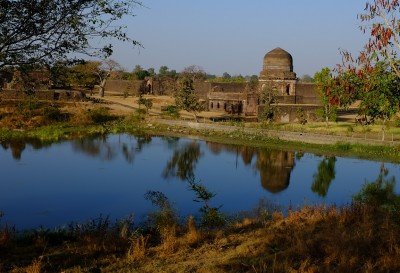
Eco Point
Some quick example text to build on the card title and make up the bulk of the card's content.
Go somewherein Other Cities