

Shagird Di Mazar
General information
-
Ideal Duration:
1 Hour for Twin Tomb Exploration:
2 Hours including Rauza Sharif and Ustad Di Mazar:Place Type:
Mughal Tomb:
Architectural Heritage: ArchaeoEntry Fees:
Entry Fee (Free):
No Entry Fee: Just like the tomb of the master, the Shagird Di Mazar is an open, unprotected monument in the fields and has no entry fee for visitors:
Access is completely free:Entry Fee (Free):
No Entry Fee: Just like the tomb of the master, the Shagird Di Mazar is an open, unprotected monument in the fields and has no entry fee for visitors:
Access is completely free:
Donations (Local Custom):
There is no official collection of fees: However, local people may leave small voluntary cash offerings (donations) at the site, which visitors can choose to participate in:
Photography Fees: There are typically no fees for still photography or video recording:Timing:
Regular Timings (Daily): The tomb is in an open field and is accessible from Sunrise to Sunset daily, typically from around 6:00 AM to 6:
30 PM: It is an open site with no official gates or closing hours:
Ideal Vis...Regular Timings (Daily): The tomb is in an open field and is accessible from Sunrise to Sunset daily, typically from around 6:00 AM to 6:
30 PM: It is an open site with no official gates or closing hours:
Ideal Visit Time: The best time is the early morning or late afternoon (Golden Hour) for comfortable walking and soft light, which is ideal for photography: Avoid the intense midday sun due to the lack of shade:
Seasonal Access: The monument is most beautiful in the Winter (November to March) when the weather is pleasant: The open area can get uncomfortably hot during the summer:Special Events:
Urs at Rauza Sharif: Similar to the Ustad Di Mazar, the annual Urs (death anniversary celebration) of Shaikh Ahmad Sirhindi in September at the nearby Rauza Sharif draws a huge spiritual crowd, which adds a layer of cultural activity to the general area:
Read MoreUrs at Rauza Sharif: Similar to the Ustad Di Mazar, the annual Urs (death anniversary celebration) of Shaikh Ahmad Sirhindi in September at the nearby Rauza Sharif draws a huge spiritual crowd, which adds a layer of cultural activity to the general area:
Local Religious Offerings: Due to the local reverence for the monuments, small religious offerings and local rituals might be observed by villagers, particularly on special days, giving a glimpse into local religious syncretism:
Heritage Awareness Programs: On certain occasions, local heritage groups might use the twin tombs as a backdrop for heritage walks, providing guided tours focusing on the architectural history of the region:Best Photo Spots:
The Master-Apprentice Frame: Finding a vantage point where the Shagird Di Mazar is perfectly visible through the archway or next to the taller Ustad Di Mazar creates a powerful thematic and visual composition:
Requires scouting the 200-meter area...The Master-Apprentice Frame: Finding a vantage point where the Shagird Di Mazar is perfectly visible through the archway or next to the taller Ustad Di Mazar creates a powerful thematic and visual composition:
Requires scouting the 200-meter area carefully:
Textured Brickwork Close-ups: Focus on the close-up details of the original Sirhindi brickwork and the subtle, faded remnants of the glazed tiles, capturing the rough texture and historical patina of the structure:
Ideal for abstract architectural detail shots:
Foreground Field Composition: Use the surrounding agricultural fields (wheat, mustard, etc. , depending on the season) as a colourful, textured foreground to contrast with the stark brickwork of the tomb, emphasizing the monument's rural context:
Shoot during the crop season for the best effect:Photo Gallery
Things To Do
-
Compare the Architecture with the Ustad's Tomb: Spend time walking between the two tombs, observing the construction, the detailing of the arches, and the drum of the dome, looking for the "minor details" that distinguish the apprentice's work from the master's:
This is the main historical activity:
Walk and Enjoy the Rural Landscape:
The setting in the open Punjab fields is serene: Take a leisurely stroll and breathe in the fresh, rural air: The journey through the fields adds to the atmosphere:
Photography of the Twin Structures: Use the distance between the two monuments to create compelling compositions, capturing them both in the frame or using one to frame the other: The isolation against the blue sky is a great backdrop:Compare the Architecture with the Ustad's Tomb: Spend time walking between the two tombs, observing the construction, the detailing of the arches, and the drum of the dome, looking for the "minor details" that distinguish the apprentice's work from the master's:
This is the main historical activity:
Walk and Enjoy the Rural Landscape:
The setting in the open Punjab fields is serene: Take a leisurely stroll and breathe in the fresh, rural air: The journey through the fields adds to the atmosphere:
Photography of the Twin Structures: Use the distance between the two monuments to create compelling compositions, capturing them both in the frame or using one to frame the other: The isolation against the blue sky is a great backdrop:
Respect the Historical Ruin: While it may be slightly more ruined than the Ustad Di Mazar, treat the monument with respect:
Do not attempt to climb or carve graffiti:
Help keep the area clean:
Contemplate the Teacher-Student Dynamic: Reflect on the significance of dedicating a monument to an apprentice: Consider the pride of the master and the skill of the student in the historical context of medieval crafts guilds:
A moment for philosophical contemplation:
Visit during the Golden Hour: Arrive late in the afternoon to witness the warm light bathe the brickwork of both tombs, creating a highly cinematic and evocative historical landscape:
Information
-
Why Famous:
The Poignant Story of the Master and Apprentice: The tomb's fame is rooted in the poignant symbolism of being the resting place of the apprentice, standing in close but respectful proximity to his master: It serves as a historical and architectural ode to the teacher-student...The Poignant Story of the Master and Apprentice: The tomb's fame is rooted in the poignant symbolism of being the resting place of the apprentice, standing in close but respectful proximity to his master: It serves as a historical and architectural ode to the teacher-student tradition in medieval craftsmanship:
Architectural Contrast in Tandem: It is renowned for being the necessary counterpart to the Ustad Di Mazar, allowing visitors and scholars to study the subtle differences and similarities in style and execution between the two monuments, thereby gaining a deeper insight into Mughal design practice:
Local Folklore and Romanticism: The local tale of the architectural competition between the Ustad and the Shagird (master and apprentice) adds a layer of romantic folklore to the otherwise academic historical site, making it more appealing to the general public: -
Architecture:
Mughal Tomb Style - Twin of the Ustad's: The architecture closely mirrors that of the Ustad Di Mazar, featuring a square plan on an elevated plinth and a central dome: The monument is built with the local Sirhindi bricks, which have weathered beautifully over time: The desig...Mughal Tomb Style - Twin of the Ustad's: The architecture closely mirrors that of the Ustad Di Mazar, featuring a square plan on an elevated plinth and a central dome: The monument is built with the local Sirhindi bricks, which have weathered beautifully over time: The design intent was clearly to create a paired set of tombs, demonstrating consistency in the architectural lineage and reverence for the deceased:
Similar Glazed Tile Adornments: The tomb was originally decorated with vibrant glazed ceramic tiles, similar to the master's tomb, although the extent of their survival varies: The use of these tiles was a hallmark of high-status Mughal funerary architecture:
Dimensions and Proportionality: The monument shares the same general scale and proportional balance as the Ustad Di Mazar, designed to be an imposing and aesthetically pleasing structure in the open countryside: The intentional 200-meter separation is a key spatial and design detail: The simpler details, if any, are a subtle nod to the difference in rank between the master and the apprentice: -
How To Reach:
By Air (Nearest Airport): The nearest airport is Shaheed Bhagat Singh International Airport (IXC), Mohali/Chandigarh, which is about 50 KMs away: A taxi to Sirhind and then a local auto-rickshaw to Village Talanian is the route:
By Train (Conveni...By Air (Nearest Airport): The nearest airport is Shaheed Bhagat Singh International Airport (IXC), Mohali/Chandigarh, which is about 50 KMs away: A taxi to Sirhind and then a local auto-rickshaw to Village Talanian is the route:
By Train (Convenient Station): The nearest station is Sirhind Junction Railway Station (SIR), about 5 KMs away: Hire a local taxi or auto-rickshaw for the last part of the journey to Talanian village, ensuring the driver knows the location of the twin tombs:
By Road (Through Village Roads): Access is via the link road to Talanian village, a short distance from the main road near Rauza Sharif: Use GPS/maps for navigation as the final approach is through smaller village roads:
By Local Transport (Auto-Rickshaw/Walk): Take an auto-rickshaw from Sirhind Junction for a combined visit to both the Ustad Di Mazar and the Shagird Di Mazar: A short 200-meter walk through the fields connects the two sites: -
Weather and Best Time to Visit:
Winter Season (Highly Recommended): The weather from October to March is the best time to visit: The cool, dry weather makes the walk between the tombs and exploration of the open field sites very comfortable:
Ideal for photography:Winter Season (Highly Recommended): The weather from October to March is the best time to visit: The cool, dry weather makes the walk between the tombs and exploration of the open field sites very comfortable:
Ideal for photography:
Summer Season (Highly Avoided): April to June are extremely hot, and the lack of shade makes the visit arduous: Restrict visits to the very early morning or sunset:
Different Parts of the Day: Early Morning (Sunrise) is perfect for a quiet, reflective visit and clean light for photography: Late Afternoon offers the warm, golden light that enhances the brickwork's historical character: -
Near Tourist Places:
Ustad Di Mazar (0. 2 KM) Rauza Sharif (2. 7 KM) Aam Khas Bagh (4. 2 KM) Sirhind Tank (4. 7 KM) Haveli Todar Mal (4. 2 KM) Gurudwara Fatehgarh Sahib (4. 7 KM) Mosque of Sadhna Kasai (3. 7 KM) Old Fort Ruins (4. 2 KM) Nabis Tomb (Mir-I-Miran) (7. 2 KM) Sant Namdev Temple (4. 7 KM)
Tourism Tips
-
Health & Safety (Sun Protection and Fields):
Carry water, wear a hat, and use sunscreen: Be cautious of the open fields, especially during the monsoon, and watch your step on the uneven, unmaintained paths:
Wear a...Health & Safety (Sun Protection and Fields):
Carry water, wear a hat, and use sunscreen: Be cautious of the open fields, especially during the monsoon, and watch your step on the uneven, unmaintained paths:
Wear appropriate walking shoes:
Packing (Footwear): Sturdy, comfortable footwear is essential for the walk between the two monuments and navigating the open, sometimes muddy, fields:
Accommodation (Local Stays):
Basic accommodation is available in Sirhind: For a more comprehensive stay, consider lodging in Fatehgarh Sahib or making a day trip from Chandigarh or Patiala:
Other Different Topics (Respect and Preservation): Treat the monument and its surroundings with respect: Avoid littering and do not attempt to climb or damage the historical structure: The focus should be on observation and appreciation:
Reviews
FAQs
Sirhind Itineray And Cost:-
Shagird Di Mazar Tourism:-
Information about New and Updated Locations() of Punjab Has Been Added :-
Card subtitle
Note:-
Information provided here in good Faith and for reference only.
All information and pictures will be updated soon, please keep visiting.
Near Places

Aam Khas Bagh
Some quick example text to build on the card title and make up the bulk of the card's content.
Go somewhere
Archeological Museum
Some quick example text to build on the card title and make up the bulk of the card's content.
Go somewhere
Brass Haveli Todar Mal
Some quick example text to build on the card title and make up the bulk of the card's content.
Go somewhere
Floating Restaurant
Some quick example text to build on the card title and make up the bulk of the card's content.
Go somewhere
Kos Minar
Some quick example text to build on the card title and make up the bulk of the card's content.
Go somewhere
Mata Chakreshwari Devi Jain Temple
Some quick example text to build on the card title and make up the bulk of the card's content.
Go somewhere
Mosque Of Sadhana Kasai
Some quick example text to build on the card title and make up the bulk of the card's content.
Go somewhere
Mosque of Sadhna Kasai
Some quick example text to build on the card title and make up the bulk of the card's content.
Go somewhere
Nabis Tomb
Some quick example text to build on the card title and make up the bulk of the card's content.
Go somewhere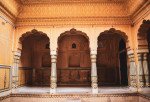
Old Fort Ruins
Some quick example text to build on the card title and make up the bulk of the card's content.
Go somewherein Other Cities