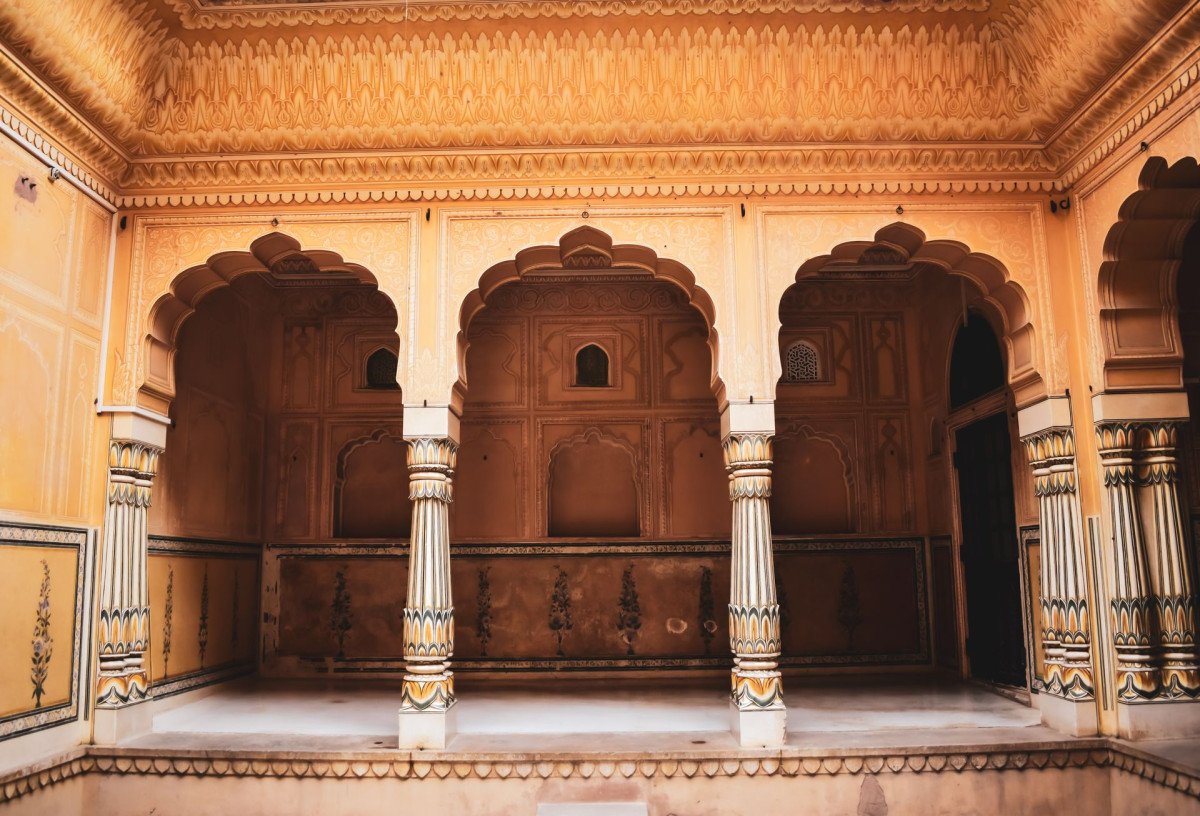
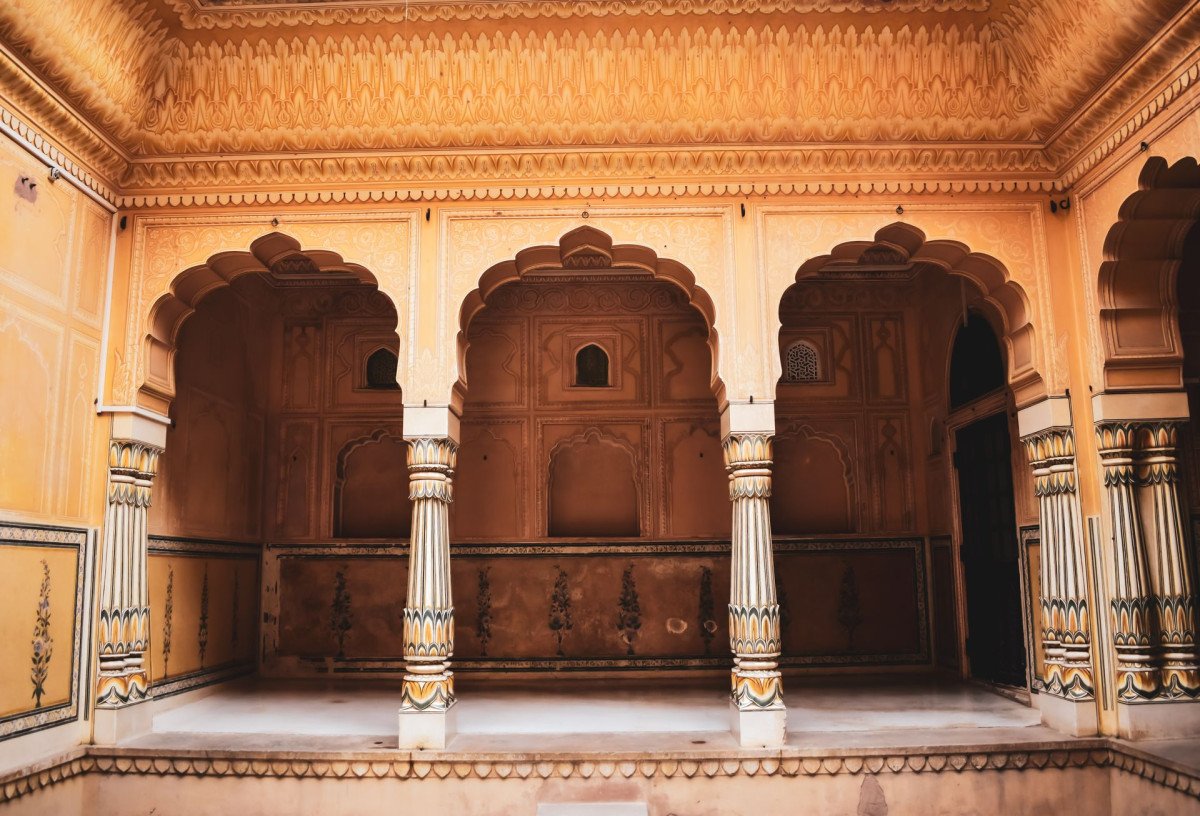
Old Fort Ruins
General information
-
Ideal Duration:
1.
5 Hours (for a walking tour):Place Type:
Historical Site and Medieval Warfare History:Entry Fees:
Unprotected Site Status:: As the ruins are largely an Unprotected Site and are scattered public land remnants of the old city, there is No Formal Entry Fee for visiting the general Old Fort Ruins of Sirhind or the walls.
Maintenance and Preserva...Unprotected Site Status:: As the ruins are largely an Unprotected Site and are scattered public land remnants of the old city, there is No Formal Entry Fee for visiting the general Old Fort Ruins of Sirhind or the walls.
Maintenance and Preservation:: Due to the lack of an official entry fee, these sites often suffer from neglect. Visitors who wish to support the preservation efforts may look for local heritage organizations or trusts that accept donations for conservation work, making a voluntary financial contribution the primary cost.
Guided Tour Costs:: If a private historian or a local expert is hired to lead a specific tour of the scattered ruins, their fee must be negotiated and paid separately. There is no official ticket-based guided tour system.
Restricted Areas:: Some areas of the ruins may be on private land or fenced off for safety/security; entering these unauthorized areas may result in fines or local punitive action. Visitors must respect all private property signs and temporary barriers.Timing:
Regular Timings:: Since these are open, scattered ruins and not a formal monument, there are No Fixed Timings. However, access is generally recommended from Sunrise (around 6:00 AM) to Sunset (around 6:00 PM) for safety and visibility.
Ideal Vi...Regular Timings:: Since these are open, scattered ruins and not a formal monument, there are No Fixed Timings. However, access is generally recommended from Sunrise (around 6:00 AM) to Sunset (around 6:00 PM) for safety and visibility.
Ideal Visit Time:: The ideal time is the Early Morning (between 7:00 AM and 9:00 AM) or the Late Afternoon (between 4:00 PM and 6:00 PM), which are the coolest parts of the day, and the soft light is perfect for photography and reflection, avoiding the harsh midday heat.
Duration:: A quick inspection of the main remnants can take 1 hour, but a comprehensive walking tour to see all significant fragments requires a minimum of 1. 5 to 2 hours due to the scattered nature of the sites.
Safety Note:: Visits after dark are strongly discouraged as the area is unlit and can be unsafe due to uneven terrain and the lack of security personnel.Special Events:
Archaeology Department Visits:: The Archaeology Department occasionally holds public clean-up or small-scale conservation events, particularly during World Heritage Week (November). Participating or observing these gives a direct insight into the preservation challenges of ...Archaeology Department Visits:: The Archaeology Department occasionally holds public clean-up or small-scale conservation events, particularly during World Heritage Week (November). Participating or observing these gives a direct insight into the preservation challenges of the site.
Local Community Festivities:: While no formal event is tied to the ruins themselves, local community fairs (Melas) or small religious processions often pass through or near the old gates and pathways during festivals like Lohri (January) or Baisakhi (April), offering a fascinating contrast between the ancient and modern use of the land.
Historical Lecture Series:: Sometimes, local historical societies or nearby university departments organize guided tours or short lectures at the site to explain the historical context and the different layers of occupation evident in the ruins. Checking with local cultural centers is the best way to find out about these events.Best Photo Spots:
Overgrown Wall Textures:: Focus on the sections of the walls where the Sirhindi bricks meet the wild vegetation and trees. This contrast between the man-made structure and nature's reclamation creates a powerful and evocative photo opportunity, especially in overcast light....Overgrown Wall Textures:: Focus on the sections of the walls where the Sirhindi bricks meet the wild vegetation and trees. This contrast between the man-made structure and nature's reclamation creates a powerful and evocative photo opportunity, especially in overcast light.
Arches and Gateways:: The surviving portions of old arches and gateways, framed against the sky, are ideal for silhouette photography, emphasizing the architectural shape and grandeur that once was.
Panoramic View from Height:: Find one of the taller surviving mounds or ruins to get a panoramic shot of the surrounding landscape, using the ruins in the foreground to create a sense of scale and historical depth.
The Lonely Structures:: Photographing the most isolated, lone fragments—a single watchtower base or a massive foundation—can create compelling images of solitude and the passage of time.
Detail of Sirhindi Brick:: Close-up macro shots of the distinctive small bricks and the mortar joints provide a unique architectural detail not found in other large-scale Mughal structures.Photo Gallery
Things To Do
-
Ruins Walking Tour:: The main activity is a slow, self-guided walking tour through the accessible parts of the ruins. Use a local map or a history book to identify the known historical fragments, such as remnants of old gates, wells, or watchtowers, piecing together the city's old layout.
Architectural Sketching:: Bring a pad and pencil for sketching the unique Sirhindi brickwork and the surviving pointed arches. The fragmented nature of the structures provides excellent subjects for artists interested in texture and decay.
Historical Reflection:: Stand on one of the higher surviving mounds or walls and reflect on the tumultuous history of the city, imagining the scale of the Mughal metropolis that was once here, and the subsequent battles that led to its downfall.
...Ruins Walking Tour:: The main activity is a slow, self-guided walking tour through the accessible parts of the ruins. Use a local map or a history book to identify the known historical fragments, such as remnants of old gates, wells, or watchtowers, piecing together the city's old layout.
Architectural Sketching:: Bring a pad and pencil for sketching the unique Sirhindi brickwork and the surviving pointed arches. The fragmented nature of the structures provides excellent subjects for artists interested in texture and decay.
Historical Reflection:: Stand on one of the higher surviving mounds or walls and reflect on the tumultuous history of the city, imagining the scale of the Mughal metropolis that was once here, and the subsequent battles that led to its downfall.
Photography of Decay:: The ruins offer superb subjects for photography, capturing the theme of historical decay. Focus on the contrast between the crumbling brick, the overgrown vegetation, and the clear Punjabi sky. Early morning light enhances the drama of the textures.
Visit Nearby Prominent Sites:: Combine the visit with a trip to the well-preserved and nearby sites of Aam Khas Bagh and Rauza Sharif to compare the architectural styles of the flourishing Mughal city with its military and religious areas.
Local Interaction:: The ruins are often surrounded by modern settlements. Engaging with the local residents about the history of the particular patches of ruins near their homes can sometimes reveal fascinating, undocumented local lore.
Scouting the Fort of Amloh:: If time allows and you have a private vehicle, take a drive to the Fort of Amloh (15 KM away) to see a more concentrated example of a medieval fort ruin, contrasting it with the scattered nature of the Sirhind City ruins.
Sirhindi Brick Study:: Take time to observe the dimensions and arrangement of the distinct Sirhindi bricks in the fragments. They are a tangible link to a specific period of North Indian construction history.
Bird Watching:: Due to the overgrown and tranquil nature of some ruin areas, they attract local birdlife, making it a quiet secondary activity for nature lovers.
Information
-
Why Famous:
Strategic Gateway:: Sirhind means "Head of Hind," signifying its historical role as the strategic gateway to India from the northwest. The ruins stand as a silent testament to this critical military and commercial function, guarding the main routes to Delhi.Strategic Gateway:: Sirhind means "Head of Hind," signifying its historical role as the strategic gateway to India from the northwest. The ruins stand as a silent testament to this critical military and commercial function, guarding the main routes to Delhi.
Military Importance:: The ruins are famous for representing a critical battleground in Indian history, especially the struggle between the Sikhs and the Mughals. The destruction of the city by Banda Singh Bahadur in 1710 is a watershed moment, making the ruins a powerful symbol of retribution and the eventual rise of the Sikh Misls.
Archeological Study:: For architects and historians, the ruins are famous for providing a distinctive architectural snapshot of a major Mughal provincial capital, characterized by the extensive use of the unique Sirhindi brick and lime mortar construction technique.
Contrast with Grandeur:: Their fame also lies in the stark contrast they present: the remnants of a city once described by chroniclers like Nasir Ali Sirhindi as having no parallel in all of India now lie mostly in a state of decay, a profound meditation on the impermanence of power and human endeavor. -
Architecture:
Architectural Fragments:: The surviving ruins primarily feature fragments of walls, gateways, arches, and foundations, characterized by the extensive use of small, locally made, thin baked bricks known as Sirhindi bricks, laid in lime mortar.
Th...Architectural Fragments:: The surviving ruins primarily feature fragments of walls, gateways, arches, and foundations, characterized by the extensive use of small, locally made, thin baked bricks known as Sirhindi bricks, laid in lime mortar.
The Amloh Fort Example:: A significant ruin in the wider area, the Fort of Amloh (15 KM away), exemplifies the defensive architecture, with surviving outer walls and kangoora (crenellated) battlements on the parapet. Its construction is characteristic of the late medieval Indo-Persian style.
Ramparts and Foundations:: The extant ruins in the main town area often consist of massive foundation plinths and lower ramparts of what were once defensive structures. These show a simple, robust military architectural style focused on strength rather than intricate decoration, using thick walls to withstand artillery.
Dimension Clues:: While no single structure provides a full dimension, the extent of the scattered remnants across the Fatehgarh Sahib landscape suggests that the original fortifications of the city were vast, possibly encompassing an area of several square kilometers, indicating a heavily fortified and extensive urban settlement, commensurate with its status as a major regional capital under the Mughals. The fragments of doorways and arches hint at the typical pointed Mughal arch design. -
How To Reach:
By Air:: The closest airport is Chandigarh International Airport (IXC), approximately 50 KM away. From Chandigarh, hire a taxi or take a bus to Fatehgarh Sahib and then a local auto-rickshaw to the specific areas of the ruins.
By Train:: Si...By Air:: The closest airport is Chandigarh International Airport (IXC), approximately 50 KM away. From Chandigarh, hire a taxi or take a bus to Fatehgarh Sahib and then a local auto-rickshaw to the specific areas of the ruins.
By Train:: Sirhind Junction Railway Station (SIR) is the closest major railhead, less than 3 KM from the center of the ruin sites. Local auto-rickshaws or cycle-rickshaws are the best way to move from the station directly to the different patches of ruins around the town center.
By Road:: The ruins are generally located near the old town center of Sirhind/Fatehgarh Sahib, which is connected by the main NH44 (Delhi–Amritsar route). State-run and private buses regularly ply this route, with stops at the Sirhind Bus Stand, from where local transport can be hired.
By Local Transport:: A local auto-rickshaw is the most practical choice, as they can navigate the narrow lanes and scattered locations of the ruins. It is advisable to hire one for a few hours and negotiate a fixed price to tour all the major spots, including the Mosque of Sadna Qasai remnants. -
Weather and Best Time to Visit:
The Winter Season (October to March): This is the best time, as the cool and dry weather is perfect for extensive walking tours and outdoor exploration of the scattered sites without the risk of heat exhaustion or muddy conditions.
Summer Season...The Winter Season (October to March): This is the best time, as the cool and dry weather is perfect for extensive walking tours and outdoor exploration of the scattered sites without the risk of heat exhaustion or muddy conditions.
Summer Season (April to June): Avoid this period. The intense heat of the Punjabi summer makes walking on the open, unshaded sites extremely difficult and even dangerous due to the risk of sunstroke.
Monsoon Season (July to September): The monsoon makes the ground slippery and overgrown, and the ruins are less stable. Visit only on clear days during the monsoon.
Different Parts of the Day: Early Morning is highly recommended for safety and comfort, and the soft, oblique light beautifully highlights the texture of the old brickwork. Mid-day should be reserved for indoor activities or nearby shaded areas like Aam Khas Bagh. -
Near Tourist Places:
Aam Khas Bagh: 1.
5 KM, Sirhind Tank (Aam Khas Bagh): 1.
5 KM, Kos Minar: 2.
5 KM, Gurudwara Fatehgarh Sahib:
3 KM, Rauza Sharif (Nabis Tomb):
2 KM, Haveli Todar Mal (Jahaz Haveli):
3 KM, Ustad-Shagird Tombs: 2.
5 KM, Mosque of Sadna Qasai Remnants: 0.
5 KM, Floating Restaurant (Sirhind Canal):
7 KM, Amloh Fort Ruins:
18 KM:
Tourism Tips
-
Health & Safety:: Wear rugged, closed-toe shoes suitable for walking on uneven, unstable surfaces, and watch out for loose stones or broken bricks. Carry a basic first-aid kit. Since the sites are unprotected, be aware of your surroundings and avoid isolated areas, especia...Health & Safety:: Wear rugged, closed-toe shoes suitable for walking on uneven, unstable surfaces, and watch out for loose stones or broken bricks. Carry a basic first-aid kit. Since the sites are unprotected, be aware of your surroundings and avoid isolated areas, especially after dark.
Packing Essentials:: Essential items include a charged mobile phone for navigation, a wide-brimmed hat, sturdy water bottle, and a camera. Given the overgrown nature of some areas, a powerful insect repellent is highly recommended to ward off mosquitoes and large wasps that can inhabit the ruins.
Accommodation Options:: Stay in a centrally located hotel in Fatehgarh Sahib or near the Sirhind Junction to ensure easy access to all the scattered sites in the morning. Budget and mid-range options are available in the main town.
Other Tips:: Due to the scattered nature of the sites, hiring a local guide who can interpret the history of each fragment is strongly recommended to enhance the experience. Respect the property lines of the modern settlements built near or around the ruins, and do not litter the historical area.
Reviews
FAQs
Sirhind Itineray And Cost:-
Other Places In Sirhind :-
Other States In India :-
Information about New and Updated Locations() of Punjab Has Been Added :-
Card subtitle
Note:-
Information provided here in good Faith and for reference only.
Near Places

Aam Khas Bagh
Some quick example text to build on the card title and make up the bulk of the card's content.
Go somewhere
Archeological Museum
Some quick example text to build on the card title and make up the bulk of the card's content.
Go somewhere
Brass Haveli Todar Mal
Some quick example text to build on the card title and make up the bulk of the card's content.
Go somewhere
Floating Restaurant
Some quick example text to build on the card title and make up the bulk of the card's content.
Go somewhere
Kos Minar
Some quick example text to build on the card title and make up the bulk of the card's content.
Go somewhere
Mata Chakreshwari Devi Jain Temple
Some quick example text to build on the card title and make up the bulk of the card's content.
Go somewhere
Mosque Of Sadhana Kasai
Some quick example text to build on the card title and make up the bulk of the card's content.
Go somewhere
Mosque of Sadhna Kasai
Some quick example text to build on the card title and make up the bulk of the card's content.
Go somewhere
Nabis Tomb
Some quick example text to build on the card title and make up the bulk of the card's content.
Go somewhere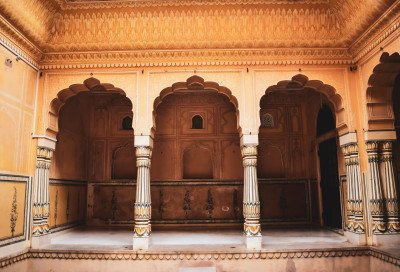
Old Fort Ruins
Some quick example text to build on the card title and make up the bulk of the card's content.
Go somewhere
Phuwara Chawk
Some quick example text to build on the card title and make up the bulk of the card's content.
Go somewhere
Rauza Sharif
Some quick example text to build on the card title and make up the bulk of the card's content.
Go somewhere
Sanghol Museum
Some quick example text to build on the card title and make up the bulk of the card's content.
Go somewhere
Sant Namdev Temple
Some quick example text to build on the card title and make up the bulk of the card's content.
Go somewhere
Shagird Di Mazar
Some quick example text to build on the card title and make up the bulk of the card's content.
Go somewhere
Sirhind Canal
Some quick example text to build on the card title and make up the bulk of the card's content.
Go somewherein Other Cities