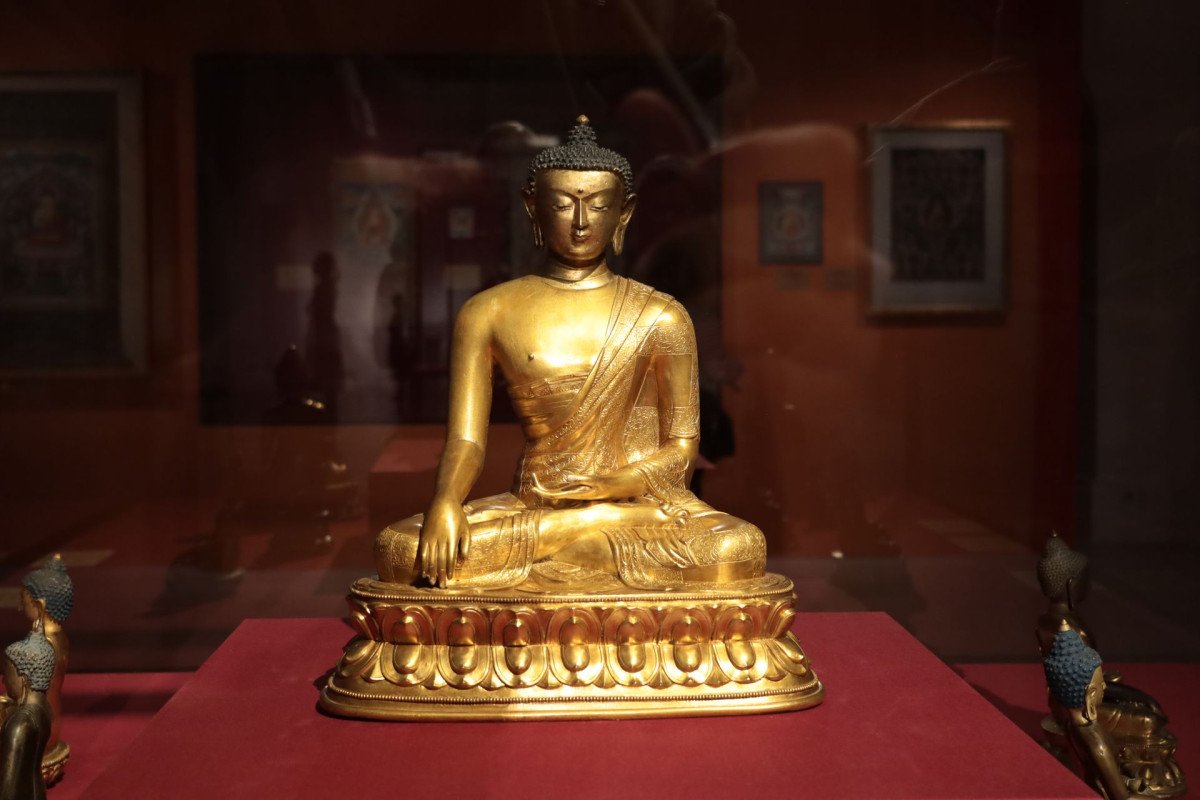
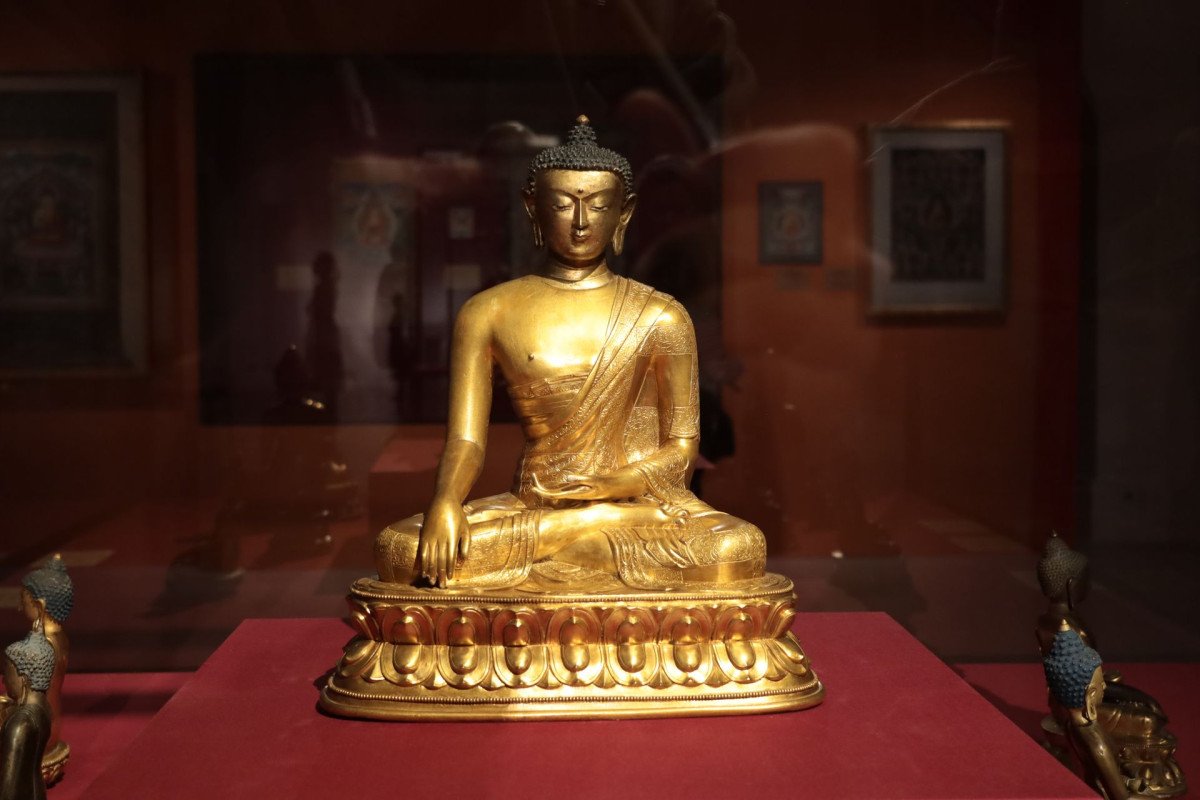
Archeological Museum
General information
-
Ideal Duration:
2.
5 to 3 Hours:Place Type:
History and Archaeology:Entry Fees:
Entrance Fee Structure:: Entry to the Sanghol Archaeological Museum is often Free of charge for all visitors (Indian citizens and foreign tourists alike), reflecting the government’s commitment to making cultural heritage accessible to the public.
Read MoreEntrance Fee Structure:: Entry to the Sanghol Archaeological Museum is often Free of charge for all visitors (Indian citizens and foreign tourists alike), reflecting the government’s commitment to making cultural heritage accessible to the public.
Maintenance & Voluntary Donations:: While entry is free, visitors are often encouraged to leave voluntary donations in designated boxes. These contributions are crucial for the ongoing maintenance of the museum, preservation of the fragile artifacts, and supporting future archaeological research and educational programs at the site.
Special Exhibition Charges:: In the rare event of a major, temporary exhibition featuring borrowed artifacts from other national or international museums, a nominal ticket price might be introduced to cover insurance and display costs. However, regular entry remains free.
Photography Charges:: There are typically no separate fees for still photography for personal use, but commercial photography, videography, or use of professional-grade equipment (tripods, elaborate lighting) is strictly prohibited unless an official permit is obtained from the Department of Archaeology, Punjab Government, which involves a formal application and a significant fee (potentially running into thousands of INR).
Educational Group Exemption:: School and university groups on organized educational tours are usually exempt from any and all fees, further supporting its role as an academic resource.Timing:
Regular Timings:: The museum is open to the public from 10:00 AM to 5:00 PM on all days of the week, with the exception of Monday, when the museum is officially Closed for cleaning and maintenance. Visitors should plan to arrive well before the last entry time to ensure ade...Regular Timings:: The museum is open to the public from 10:00 AM to 5:00 PM on all days of the week, with the exception of Monday, when the museum is officially Closed for cleaning and maintenance. Visitors should plan to arrive well before the last entry time to ensure adequate viewing time.
Ideal Visit Time:: The ideal time to visit is on a Tuesday or a Wednesday morning, immediately after the gates open at 10:00 AM, to avoid the minimal crowds and experience the museum's tranquility. Avoiding the weekend rush and the period around major public holidays is advisable for a more focused and peaceful experience.
Seasonal Best Time:: The best time of year to visit is during the winter months, specifically from October to March, as the harsh summer heat (often exceeding 40°C) is avoided, making the outdoor walk on the archaeological mound more comfortable.
Duration:: A focused visit to appreciate the key exhibits requires a minimum of 2. 5 hours, but history enthusiasts could easily spend up to 4 hours examining the collection in detail and exploring the outdoor site.
Gate Opening Procedure:: Visitors should note that the gates open precisely at 10:00 AM and close strictly at 5:00 PM, with security beginning the process of clearing the premises shortly before closing time, so planning the exit is as important as planning the entry.Special Events:
Annual Cultural Heritage Day:: The museum often observes International Museum Day and World Heritage Week (typically in November) with special educational programs, guided tours by archaeologists, and temporary exhibitions focused on new finds or specific themes, which are e...Annual Cultural Heritage Day:: The museum often observes International Museum Day and World Heritage Week (typically in November) with special educational programs, guided tours by archaeologists, and temporary exhibitions focused on new finds or specific themes, which are excellent times for history lovers to visit.
Local Village Fair:: Though not part of the museum, the local village of Sanghol may host traditional Punjabi fairs (Melas) during harvest festivals like Baisakhi (usually in April) or other regional celebrations. These events offer a glimpse into the modern culture of the region that grew out of the ancient site.
Scholarly Seminars:: Due to the site's importance, academic seminars or workshops on Indus Valley Civilisation or Buddhist art are occasionally organized by the Department of Archaeology, Punjab Government, drawing national and international experts. Visitors should check the official website for these unpublicized events.Best Photo Spots:
The Kushana Pillar Gallery:: The section dedicated to the 117 carved sculptures offers the best indoor photo opportunities, especially focusing on the detail and texture of the red sandstone carvings of the Mathura School of Art. Use natural light near windows if possible. ...The Kushana Pillar Gallery:: The section dedicated to the 117 carved sculptures offers the best indoor photo opportunities, especially focusing on the detail and texture of the red sandstone carvings of the Mathura School of Art. Use natural light near windows if possible.
Archaeological Mound Viewpoint:: The elevated position atop the Uchha Pind mound provides panoramic views of the surrounding flat agricultural land of Punjab. This spot is ideal for capturing the vastness of the site and the contrast between the ancient settlement and modern farming.
Museum Entrance Facade:: The main entrance building, with its informational boards and simple, clean architectural style, makes for a good formal shot. The landscaping around the entrance provides a frame for a memory photo.
The Stupa Ruins Area:: The outdoor area containing the low-lying brick ruins of the Stupa is perfect for atmospheric, contemplative photos, especially during the early morning or late afternoon when the shadows are long, highlighting the texture of the millennia-old bricks.
Artifact Detail Shot:: The coins and seals, displayed in glass cases, require a lens with good magnification to capture their minute details. The lighting inside the display cases is usually well-managed for this purpose.Photo Gallery
Things To Do
-
Deep Dive into History:: Dedicate time to thoroughly explore all the exhibition halls, starting from the Harappan civilisation relics (pottery, seals) to the later periods. Focus particularly on the terracotta figures and the chronology of coins to understand the millennia of occupation.
Study the Mathura School Sculptures:: Spend at least an hour examining the centerpiece collection of the 117 Kushana-era sculptures. Focus on the intricate details of the railings, pillars, and crossbars, noticing the transition of artistic styles from purely indigenous to influences from the Mathura School of Art. Look for the depictions of Jataka tales and Buddhist symbols.
Visit the Ancient Mound:: Walk to the top of the Uchha Pind mound itself, where the excavations took place. This is where the Stupa rui...Deep Dive into History:: Dedicate time to thoroughly explore all the exhibition halls, starting from the Harappan civilisation relics (pottery, seals) to the later periods. Focus particularly on the terracotta figures and the chronology of coins to understand the millennia of occupation.
Study the Mathura School Sculptures:: Spend at least an hour examining the centerpiece collection of the 117 Kushana-era sculptures. Focus on the intricate details of the railings, pillars, and crossbars, noticing the transition of artistic styles from purely indigenous to influences from the Mathura School of Art. Look for the depictions of Jataka tales and Buddhist symbols.
Visit the Ancient Mound:: Walk to the top of the Uchha Pind mound itself, where the excavations took place. This is where the Stupa ruins are located. Standing atop the mound provides a unique perspective on the scale of the ancient settlement and the surrounding plains.
Photography for Study:: Use the well-lit displays for detailed, non-flash photography of the artifacts for later study. Focus on inscriptions or stylistic elements that define the Kushana period art. The museum's exterior and garden are also suitable for landscape photography.
Connect with Locals:: Engage with the museum staff for deeper insights, as they often have specialized knowledge about the lesser-known finds and the ongoing research at the site. Also, interact with the local village community to understand the modern-day context of this ancient land.
Nature and Relaxation:: The museum grounds are often peaceful and well-maintained. Take a break in the surrounding park or green spaces to relax and contemplate the historical significance of the area, making it a meditative visit.
Nearby Attractions:: Since the museum is slightly isolated, combine the visit with other nearby historical sites in the Fatehgarh Sahib area, such as Rauza Sharif or Aam Khas Bagh, to make the travel worthwhile.
Attend Special Talks:: Check the museum's schedule for any visiting scholars, special exhibitions, or archaeological discussions, as these events offer unique, in-depth knowledge about the finds and are a great opportunity for history enthusiasts to learn more.
Document the Visit:: Maintain a detailed journal of the artifacts and your observations to enhance the learning experience, focusing on the cultural evolution evident in the shift from Harappan pottery to Kushana sculpture.
Village Walk:: Take a short, respectful walk through the village of Sanghol itself to observe the daily life and landscape that has evolved over centuries atop this ancient site, providing a complete cultural experience.
Read the Plaques:: Carefully read all the informational plaques and signboards provided by the Archaeological Survey of India (ASI) to maximize your understanding of the context, dating, and significance of each artifact, as this information is key to appreciating the collection.
Information
-
Why Famous:
Archaeological Treasures:: It is famous for its vast collection of over 1500 artifacts, especially the 117 carved Kushana period sculptures from the Mathura School of Art, which are unique to the region and have been displayed in major international exhibitions, placing Sang...Archaeological Treasures:: It is famous for its vast collection of over 1500 artifacts, especially the 117 carved Kushana period sculptures from the Mathura School of Art, which are unique to the region and have been displayed in major international exhibitions, placing Sanghol on the global archaeological map.
Harappan Link:: Its fame is rooted in being an authenticated site of the Harappan Civilisation, providing tangible evidence of one of the earliest human settlements in Punjab, a fact of immense historical importance for India.
Buddhist Heritage:: The unearthing of a major Buddhist Stupa complex and monastery highlights its historical role as a significant center for Buddhism in the 7th century, confirming the records of the Chinese traveller Hiuen Tsang and drawing scholars and history buffs alike.
Educational Role:: The museum is also renowned locally for its role as a conservator and educator, actively working to preserve Punjab’s heritage and offering a deep, curated insight into millennia of history from the Harappan to the medieval periods, making it an essential visit for students and academics.
Unique Collection:: Its unique and well-preserved collection of coins, seals, pottery, and terracotta items from various dynasties provides an uninterrupted chronological narrative of the region’s past, distinguishing it from other smaller regional museums.
Cultural Window:: It is celebrated as a cultural window to the past, a tranquil spot where one can connect directly with the ancient past of India, away from the hustle of modern life, offering a profound sense of historical continuity.
Scholarly Interest:: The site’s fame is cemented by its high scholarly interest; researchers worldwide study the Sanghol finds for insights into trade routes, artistic migration, and religious development in ancient India. -
Architecture:
Architectural Context:: The museum building itself is a modern, purpose-built structure designed for the stable preservation and systematic display of delicate artifacts, standing in stark contrast to the ancient ruins it houses, focusing on climate control and security.Architectural Context:: The museum building itself is a modern, purpose-built structure designed for the stable preservation and systematic display of delicate artifacts, standing in stark contrast to the ancient ruins it houses, focusing on climate control and security.
Original Site Dimensions:: The archaeological site of Sanghol, on which the museum is based, is notable for being atop a mound (Uchha Pind) spread over an estimated area of 200 square kilometers, indicating a massive ancient settlement.
Stupa & Monastery:: Excavations in 1968 revealed the remains of a significant Buddhist Stupa and Monastery complex, primarily constructed with burnt bricks and dating back to the Kushana period. The Stupa platform measured approximately 16 meters in diameter and was adorned with carved stone railings, a key architectural element.
Mathura School Artworks:: The 117 unearthed sculptures (pillars, crossbars) are major examples of the Mathura School of Art, characterized by red sandstone, rounder, more sensual forms, and a strong indigenous stylistic flavor. The pieces display detailed iconography related to Buddhism, showing that the structures they belonged to were significant in scale and artistic ambition, featuring high-quality relief carving and complex compositional layouts that represent a crucial developmental stage in Buddhist architecture and sculpture in North India. : -
How To Reach:
By Air:: The nearest major airport is Chandigarh International Airport (IXC), located approximately 50 KMS from Sirhind. From the airport, visitors can hire pre-paid taxis, utilize app-based ride services, or take a direct bus service to the Sirhind bus stand, which is the ...By Air:: The nearest major airport is Chandigarh International Airport (IXC), located approximately 50 KMS from Sirhind. From the airport, visitors can hire pre-paid taxis, utilize app-based ride services, or take a direct bus service to the Sirhind bus stand, which is the most convenient and fastest route.
By Train:: Sirhind Junction Railway Station (SIR) is a major stop on the busy Delhi–Amritsar line, providing excellent rail connectivity. From the junction, local auto-rickshaws or cycle-rickshaws are readily available to take visitors to the nearby Fatehgarh Sahib town center, from where local buses or taxis must be taken for the final 20 KM journey to Sanghol Village.
By Road:: Sanghol is best reached via a short detour from the main National Highway 44 (NH44), formerly NH1. From Sirhind or Fatehgarh Sahib, one can hire a private taxi or take a local bus service running towards Ludhiana via Morinda. The distance of 20 KM can be covered in about 30 to 40 minutes, but the last mile connectivity from the main road to the museum requires an auto or taxi.
By Local Transport:: From the Sirhind city center, the best local option is to hire a dedicated private taxi for a return trip to Sanghol (approximately INR 800-1000). Alternatively, local bus services from Fatehgarh Sahib Bus Stand to Morinda can drop you at a point close to Sanghol village, followed by a local auto-rickshaw (or a short 2 KM walk). -
Weather and Best Time to Visit:
The Winter Season (October to March): The period from October to March is the absolute best time, with comfortable daytime temperatures ranging from 15°C to 25°C, ideal for the outdoor exploration of the archaeological mound and the village surroundings, particularly the c...The Winter Season (October to March): The period from October to March is the absolute best time, with comfortable daytime temperatures ranging from 15°C to 25°C, ideal for the outdoor exploration of the archaeological mound and the village surroundings, particularly the cool, clear days of November and February.
Summer Season (April to June): The summer months are best avoided due to extreme heat, with temperatures soaring past 40°C. A visit during this time should be restricted to the air-conditioned museum halls and completed in the early morning hours only, focusing less on the outdoor site.
Monsoon Season (July to September): The monsoon brings humidity and occasional heavy rainfall. While the landscape is lush green, the museum site on the mound can become slightly muddy, making late-morning visits suitable after the initial downpour.
Different Parts of the Day: Early Morning is highly recommended for scholarly visits and photography, as the light is soft and the atmosphere is tranquil. Mid-day should be spent indoors in the museum, and the late afternoon is good for the return journey to Sirhind before sunset. -
Near Tourist Places:
Rauza Sharif (Nabis Tomb):
20 KM, Gurudwara Fatehgarh Sahib:
19 KM, Aam Khas Bagh:
21 KM, Floating Restaurant (Sirhind Canal):
25 KM, Haveli Todar Mal (Jahaz Haveli):
19 KM, Mata Chakreshvari Devi Jain Temple:
22 KM, Sant Namdev Temple:
24 KM, Sirhind Tank (Aam Khas Bagh):
21 KM, Kos Minar:
20 KM, Ustad-Shagird Tombs:
22 KM:
Tourism Tips
-
Health & Safety:: Carry a personal medical kit, especially in summer, as the site is remote. Ensure you have plenty of water and wear a wide-brimmed hat. The area is on a raised mound, so wear sturdy, closed-toe shoes suitable for walking on uneven terrain and watch out fo...Health & Safety:: Carry a personal medical kit, especially in summer, as the site is remote. Ensure you have plenty of water and wear a wide-brimmed hat. The area is on a raised mound, so wear sturdy, closed-toe shoes suitable for walking on uneven terrain and watch out for insects and snakes during the monsoon season.
Packing Essentials:: Essential items include a camera (non-flash photography is allowed), a high-power insect repellent, sunscreen, a notebook for detailing observations on the artifacts, and a printout of the museum's map or location since mobile network coverage can be spotty in the rural area.
Accommodation Options:: Since Sanghol is a village, there are no formal accommodation options. Visitors should book their stay in nearby Fatehgarh Sahib or Sirhind (5 KM away), or in the larger city of Chandigarh (50 KM away), which offers a wide range of luxury and budget hotels.
Other Tips:: Always carry cash (INR) for local transport and small purchases, as digital payments are less common in the village. It is highly recommended to hire a dedicated taxi service for a round trip to avoid getting stranded. Plan to reach the site just after opening at 10:00 AM to allow ample time for a thorough visit before the 5 PM closing time.
Reviews
FAQs
Sirhind Itineray And Cost:-
Archeological Museum Tourism:-
Other Places In Sirhind :-
Other States In India :-
Information about New and Updated Locations() of Punjab Has Been Added :-
Card subtitle
Note:-
Information provided here in good Faith and for reference only.
Near Places

Aam Khas Bagh
Some quick example text to build on the card title and make up the bulk of the card's content.
Go somewhere
Archeological Museum
Some quick example text to build on the card title and make up the bulk of the card's content.
Go somewhere
Brass Haveli Todar Mal
Some quick example text to build on the card title and make up the bulk of the card's content.
Go somewhere
Floating Restaurant
Some quick example text to build on the card title and make up the bulk of the card's content.
Go somewhere
Kos Minar
Some quick example text to build on the card title and make up the bulk of the card's content.
Go somewhere
Mata Chakreshwari Devi Jain Temple
Some quick example text to build on the card title and make up the bulk of the card's content.
Go somewhere
Mosque Of Sadhana Kasai
Some quick example text to build on the card title and make up the bulk of the card's content.
Go somewhere
Mosque of Sadhna Kasai
Some quick example text to build on the card title and make up the bulk of the card's content.
Go somewhere
Nabis Tomb
Some quick example text to build on the card title and make up the bulk of the card's content.
Go somewhere
Old Fort Ruins
Some quick example text to build on the card title and make up the bulk of the card's content.
Go somewhere
Phuwara Chawk
Some quick example text to build on the card title and make up the bulk of the card's content.
Go somewhere
Rauza Sharif
Some quick example text to build on the card title and make up the bulk of the card's content.
Go somewhere
Sanghol Museum
Some quick example text to build on the card title and make up the bulk of the card's content.
Go somewhere
Sant Namdev Temple
Some quick example text to build on the card title and make up the bulk of the card's content.
Go somewhere
Shagird Di Mazar
Some quick example text to build on the card title and make up the bulk of the card's content.
Go somewhere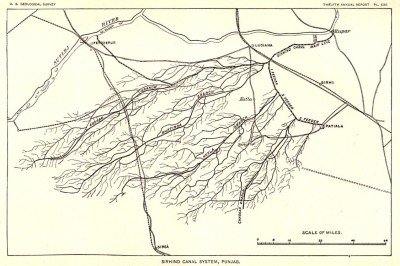
Sirhind Canal
Some quick example text to build on the card title and make up the bulk of the card's content.
Go somewherein Other Cities