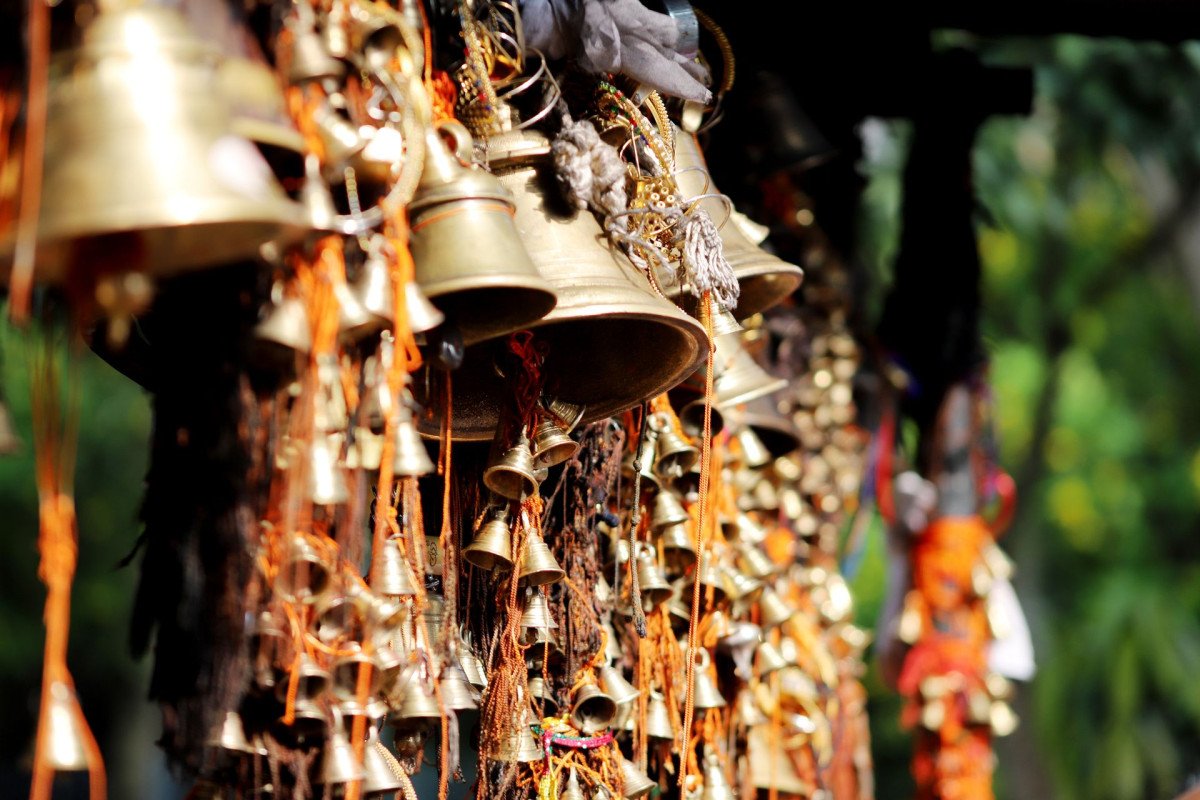
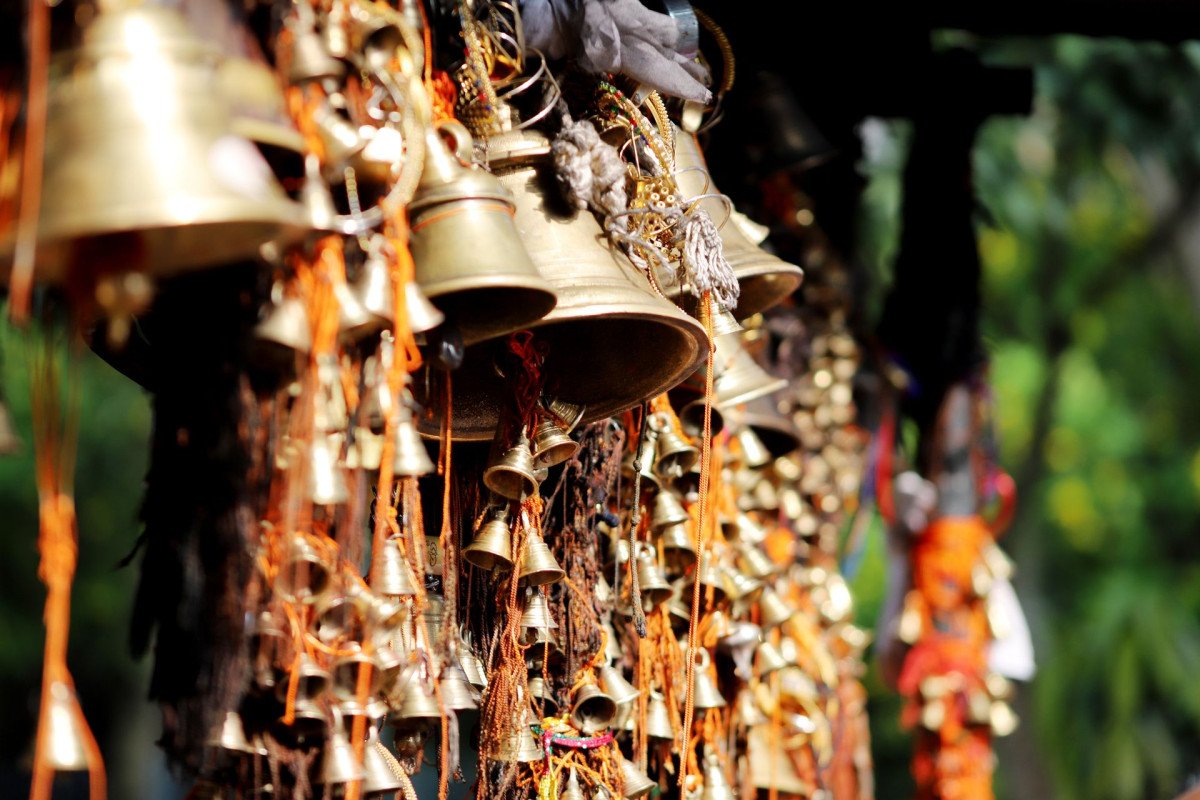
Shani Dev Temple
General information
-
Ideal Duration:
1 Hour:Place Type:
Religious/Temple:Entry Fees:
General Visitors:
Free and Open Access: Access to the Shani Dev Temple is completely Free of charge for all visitors, as is traditional for such public temples; the temple is supported by the voluntary offerings and sales of ritual materials...General Visitors:
Free and Open Access: Access to the Shani Dev Temple is completely Free of charge for all visitors, as is traditional for such public temples; the temple is supported by the voluntary offerings and sales of ritual materials;
Ritual Materials:
Nominal Cost: The cost of the essential ritual items (mustard oil, sesame seeds, black cloth) purchased from the stalls outside the temple is nominal, typically ranging from INR 20 to INR 100 depending on the quantity;
Special Pujas:
Variable Fee: Requesting the priest to perform a specific, personalized ritual for the Sade Sati or other astrological remedies will involve a variable fee, usually starting from INR 101;
Photography:
Strictly Not Allowed Inside: Flash photography and any attempt to photograph the main Shani idol in the sanctum are strictly prohibited due to the sanctity of the deity;
:Timing:
Regular Timings: 6:00 AM to 1:00 PM and 4:00 PM to 8:
00 PM Daily: The temple closes for a substantial mid-day break, which must be accounted for by visitors;
Ideal Visit Time: Saturday Morning (7:00 AM to 10:...Regular Timings: 6:00 AM to 1:00 PM and 4:00 PM to 8:
00 PM Daily: The temple closes for a substantial mid-day break, which must be accounted for by visitors;
Ideal Visit Time: Saturday Morning (7:00 AM to 10:00 AM) This is the peak time, offering the full, vibrant, ritualistic atmosphere of Shani worship, though it will be very crowded; Weekday Evening (4:00 PM to 6:00 PM) Ideal for a peaceful, uncrowded visit;
Seasonal Considerations:
Winter (October to February): The cool weather is best for visiting, especially on Saturdays, where standing in the queue is more bearable;
:Special Events:
Shani Jayanti Festival:
Lord Shani's Birthday: The most significant annual event is Shani Jayanti (New Moon in Jyeshtha month, May/June), the birthday of Lord Shani, which involves all-day special Havan (fire ritual), Abhisheka, and the offer...Shani Jayanti Festival:
Lord Shani's Birthday: The most significant annual event is Shani Jayanti (New Moon in Jyeshtha month, May/June), the birthday of Lord Shani, which involves all-day special Havan (fire ritual), Abhisheka, and the offering of thousands of oil lamps, drawing the largest crowd of the year;
Shanivar Amavasya Gathering:
Highly Auspicious Day: The rare occurrence of a New Moon (Amavasya) falling on a Saturday (Shanivar) is considered the most potent day for worship, resulting in massive, day-long special ritual gatherings and community feasts at the temple;
:Best Photo Spots:
The Oil Abhisheka in Progress:
Ritual Action: A respectful shot of the hands of a devotee or priest pouring mustard oil over the black stone idol (Shani Shila), capturing the flowing oil and the ritualistic offerings;
Read MoreThe Oil Abhisheka in Progress:
Ritual Action: A respectful shot of the hands of a devotee or priest pouring mustard oil over the black stone idol (Shani Shila), capturing the flowing oil and the ritualistic offerings;
The Crow Statue Against the Sky:
Symbolic Profile: A clean profile shot of the Crow statue on the temple roof or entrance arch, silhouetted against the morning or evening sky;
The Line of Devotees:
Atmospheric Crowd Shot: A wide shot capturing the long queue of devotees waiting patiently with their oil and offerings on a Saturday morning, conveying the scale of the faith;
Oil Lamps and Offerings:
Texture and Detail: A close-up shot of the multitude of lit oil lamps and scattered black sesame seeds in the designated offering area, highlighting the rich textures and colors;
Temple Flags:
Color and Movement: A dynamic shot of the black and blue flags fluttering from the temple pinnacle, representing the colors of the deity; (Approx.
):Photo Gallery
Things To Do
-
Perform the Oil Abhisheka: Purchase mustard oil and black sesame seeds from the stalls and perform the ritual pouring of oil over the Shani idol, which is the main act of worship to appease the deity;
Visit on a Saturday: Plan your visit specifically for a Saturday morning to witness the full intensity of the crowds, the special Pujas, and the community fervor;
Wear Black or Blue: As a mark of respect and devotion, wear clothing in the colors Black or Dark Blue when visiting the temple, following traditional customs;
Offer Black Items: Make offerings of black items, such as black cloth, black gram (Urad Dal), or iron nails, as is customary in Shani worship for the removal of astrological obstacles;
Circumambulate the Shrine: Perf...Perform the Oil Abhisheka: Purchase mustard oil and black sesame seeds from the stalls and perform the ritual pouring of oil over the Shani idol, which is the main act of worship to appease the deity;
Visit on a Saturday: Plan your visit specifically for a Saturday morning to witness the full intensity of the crowds, the special Pujas, and the community fervor;
Wear Black or Blue: As a mark of respect and devotion, wear clothing in the colors Black or Dark Blue when visiting the temple, following traditional customs;
Offer Black Items: Make offerings of black items, such as black cloth, black gram (Urad Dal), or iron nails, as is customary in Shani worship for the removal of astrological obstacles;
Circumambulate the Shrine: Perform the ritualistic Pradakshina (circumambulation) around the main platform, chanting the Shani mantras;
Consult a Priest: Speak to the resident priest about your astrological chart or any life difficulties to receive advice and specific ritual recommendations (Upayes);
Distribute Prasad: Share the consecrated food offerings (Prasad), often a sweet made from black sesame seeds, with other devotees and the poor outside the temple;
Observe the Devotion: Spend time observing the rituals of the other devotees, which offers insight into the local spiritual practices and the deep-rooted belief in planetary influence;
Take Photographs of the Exterior: Capture the unique architecture and the ritualistic atmosphere of the courtyard, but strictly avoid photographing the deity;
Light an Oil Lamp: Light a sesame oil lamp (Til Tel Diya) in the designated area to symbolize the dispelling of darkness and misfortune from your life;
Meditate on Justice: Use the serene setting (on a weekday) to meditate on the concept of karma and justice, which Lord Shani represents;
Listen to the Chants: Stay to listen to the powerful, rhythmic chanting of the Shani Beeja Mantra and other devotional hymns;
Walk the Perimeter: Take a walk around the temple's outer boundary, which is often a quiet path through the surrounding fields;
:
Information
-
Why Famous:
Shani Worship Hub: The temple is famous as the primary center for Lord Shani worship in the Bargarh region, known for its powerful ritual to alleviate the effects of the seven-and-a-half-year cycle of Saturn (Sade Sati), which draws devotees from vast distances seeking astro...Shani Worship Hub: The temple is famous as the primary center for Lord Shani worship in the Bargarh region, known for its powerful ritual to alleviate the effects of the seven-and-a-half-year cycle of Saturn (Sade Sati), which draws devotees from vast distances seeking astrological remedy;
Shanivar Crowds: Its fame is centered on the massive, dedicated crowds that gather every Saturday morning for the special Abhisheka (ritual bath) with mustard oil, creating a unique spiritual and communal spectacle unparalleled in the area;
Astrological Significance: The temple is highly famous among local astrologers and priests, who recommend it as the most effective place in the district to perform specific Shani-related rituals for health, longevity, and career progression;
: -
Architecture:
Architectural Style:
Modern Vahana Shrine: The temple is a small, modern single-cell shrine (Vimana) with a flat or simple dome roof, built around the core black stone idol; it often features a prominent statue of Lord Shani's vehicle, the C...Architectural Style:
Modern Vahana Shrine: The temple is a small, modern single-cell shrine (Vimana) with a flat or simple dome roof, built around the core black stone idol; it often features a prominent statue of Lord Shani's vehicle, the Crow (Vahana), which is an integral part of the temple's identity;
Sanctum Dimension: The main sanctum is a modest room, typically about 5 meters by 5 meters, sufficient to house the deity and allow a small number of devotees to perform their circumambulation and oil offering rituals;
Platform and Flooring: The entire temple is usually built on a raised platform, and the flooring is often rough-cut stone to facilitate the pouring of large quantities of mustard oil, which is the main offering;
Color Scheme: The temple's aesthetic is dominated by the color Black (Kala) and Blue (Neela), the colors associated with Lord Shani, with black flags, blue banners, and black cloth draped over the deity, creating a distinct, somber devotional mood; The overall structure is highly functional, prioritizing the ritual requirements of the offerings;
: -
How To Reach:
By Air: Nearest airport is Veer Surendra Sai Airport (JRG) in Jharsuguda (115 KMS); from the airport, a taxi to Bargarh town and then a local ride to Jhilminda is necessary;
By Train: The Bargarh Road Railway Station (BRGA) is the nearest r...By Air: Nearest airport is Veer Surendra Sai Airport (JRG) in Jharsuguda (115 KMS); from the airport, a taxi to Bargarh town and then a local ride to Jhilminda is necessary;
By Train: The Bargarh Road Railway Station (BRGA) is the nearest railhead; from BRGA, the temple is about a 20-minute drive (10 KMS); the best option is to hire an auto-rickshaw specifically for the return trip with waiting time to the slightly remote location near Jhilminda;
By Road: The temple is situated off the main Bargarh-Sambalpur road near the village of Jhilminda; the final approach is on a village road; local buses that ply the Bargarh to Attabira route can drop you near the junction, requiring a walk;
By Local Transport: Hiring a dedicated auto-rickshaw is the most practical choice for getting to and from the temple efficiently; ensure the driver knows the location well, as it is outside the main town center and less frequented by non-locals on weekdays;
: -
Weather and Best Time to Visit:
Different Types of Seasons:
Winter (October to February): The Best Time to Visit due to the pleasant, cool, and dry weather, making the often long wait in the Saturday queue much more comfortable;
Summer (March t...Different Types of Seasons:
Winter (October to February): The Best Time to Visit due to the pleasant, cool, and dry weather, making the often long wait in the Saturday queue much more comfortable;
Summer (March to May): Visit must be restricted to the very early morning or late evening due to the high intensity of the sun;
Monsoon (June to September): The temple courtyard can be difficult to navigate due to the oil and rainwater mixture, though the weather is moderate;
Different Parts of the Day: Saturday Morning (7:00 AM to 10:00 AM) The peak ritual time for the most authentic experience; Weekday Evening (4:00 PM to 6:00 PM) Ideal for a quiet, personal, and reflective prayer session;
: -
Near Tourist Places:
Maa Durgamala Temple (1 KMS), Bargarh Town Park (10 KMS), Bargarh Road Railway Station (10 KMS), Maa Kalika Temple (5 KMS), Samaleswari Temple (7 KMS), Bargarh District Museum (13. 5 KMS), Padmini Palace Ruins (25 KMS), Trikona Village (18 KMS), Sambalpur (50 KMS), Hirakud Dam (70 KMS):
Tourism Tips
-
Health & Safety: Be extremely careful of the slippery, oil-covered floors, especially around the main sanctum; remove your footwear carefully; use caution when pouring the oil; wear simple, modest clothing;
Packing: Carry an umbrella or h...Health & Safety: Be extremely careful of the slippery, oil-covered floors, especially around the main sanctum; remove your footwear carefully; use caution when pouring the oil; wear simple, modest clothing;
Packing: Carry an umbrella or hat if visiting on a busy Saturday, as the queue may extend outside the shaded area; carry a small towel to wipe oil from your hands and feet; carry minimal valuables;
Accommodation: Due to the temple's distance from the town center, staying in a central Bargarh hotel is recommended; there are no suitable lodging options in Jhilminda village;
Other Topics:
Ritual Purity: Wash your hands and feet after the oil offering;
Photography: Strictly no photography of the deity;
Donation: Only use the official donation box for monetary contributions; be prepared for crowds on Saturdays;
:
Reviews
FAQs
Bargarh Itineray And Cost:-
Shani Dev Temple Tourism:-
Information about New and Updated Locations() of Odisha Has Been Added :-
Card subtitle
Note:-
Information provided here in good Faith and for reference only.
All information and pictures will be updated soon, please keep visiting.
Near Places

Ambabhona Waterfall
Some quick example text to build on the card title and make up the bulk of the card's content.
Go somewhere
Balaji Temple
Some quick example text to build on the card title and make up the bulk of the card's content.
Go somewhere
Bargarh District Museum
Some quick example text to build on the card title and make up the bulk of the card's content.
Go somewhere
Bargarh Town Park
Some quick example text to build on the card title and make up the bulk of the card's content.
Go somewhere
Belpahar Deer Park
Some quick example text to build on the card title and make up the bulk of the card's content.
Go somewhere
Binka River Ghat
Some quick example text to build on the card title and make up the bulk of the card's content.
Go somewhere
Dhanu Yatra
Some quick example text to build on the card title and make up the bulk of the card's content.
Go somewhere
Gandhamardan Hills
Some quick example text to build on the card title and make up the bulk of the card's content.
Go somewhere
Ghanteswari Temple
Some quick example text to build on the card title and make up the bulk of the card's content.
Go somewhere
Harishankar Temple
Some quick example text to build on the card title and make up the bulk of the card's content.
Go somewherein Other Cities