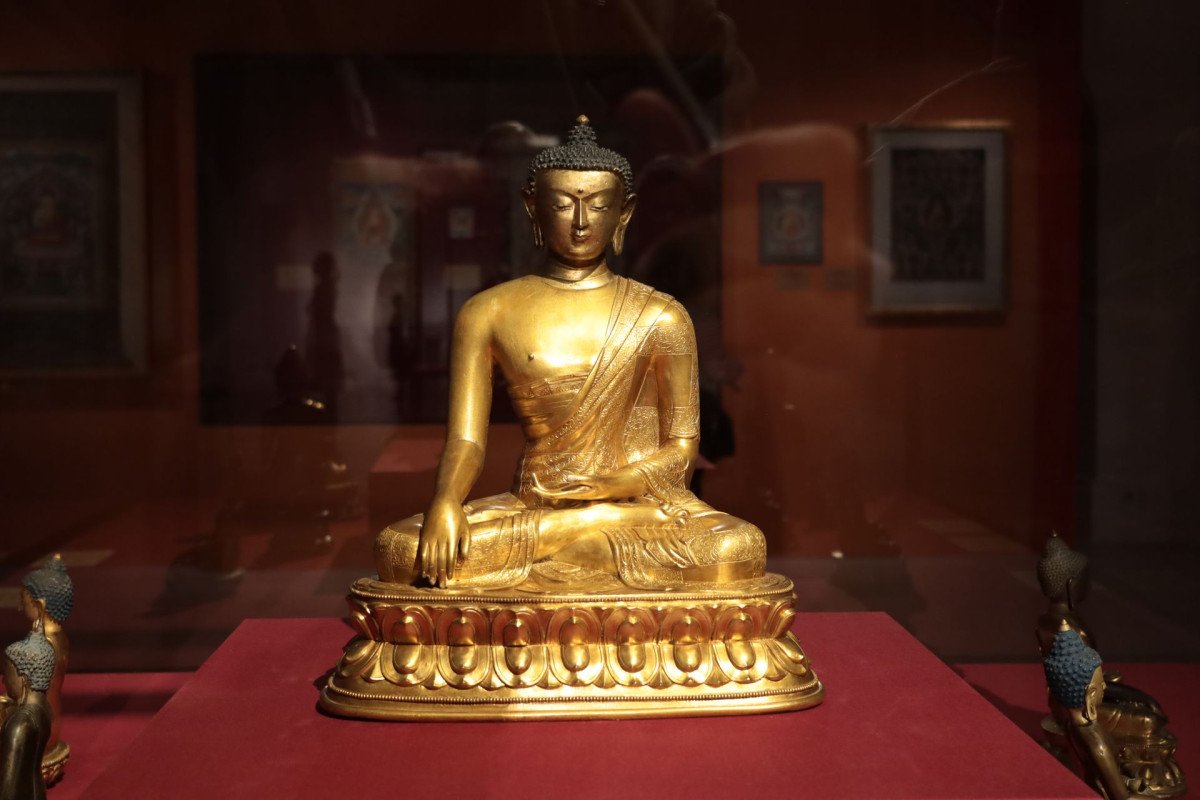
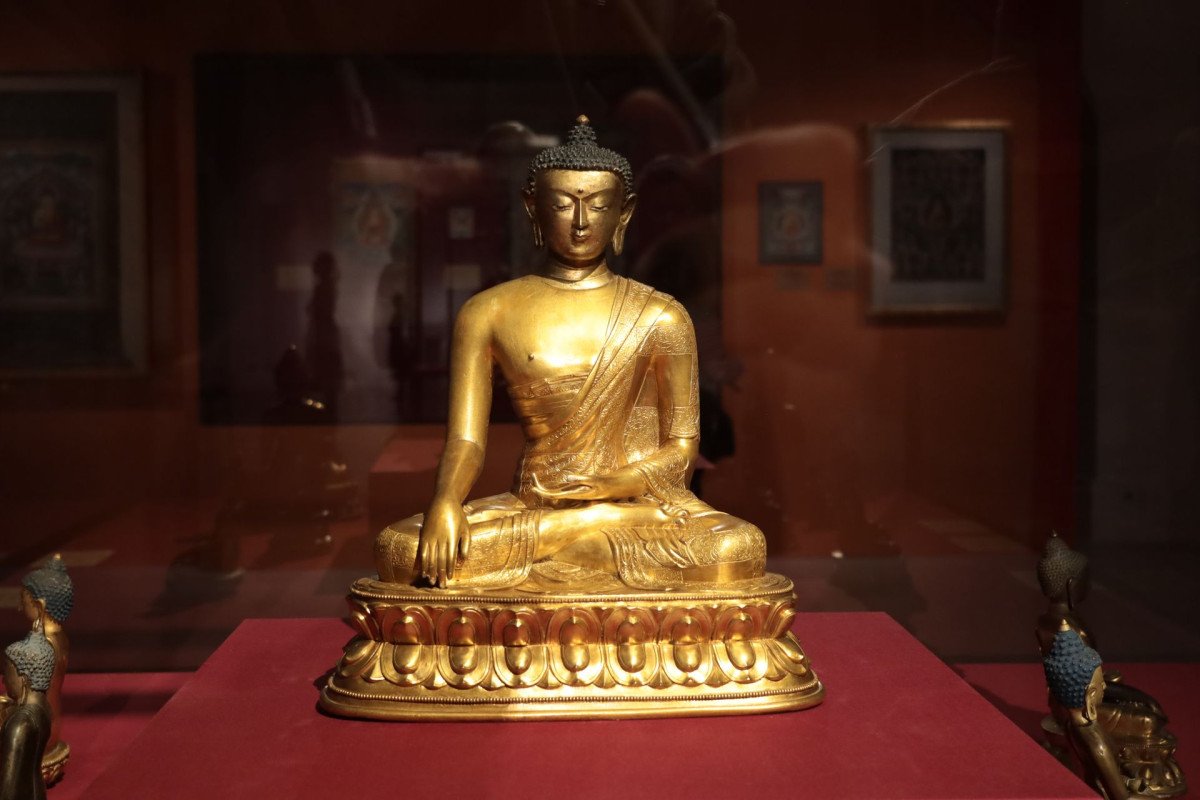
Bargarh District Museum
General information
-
Ideal Duration:
2 to 3 Hours:Place Type:
Cultural/History Museum:Entry Fees:
General Visitors:
Nominal Charge for Maintenance: Entry fees are typically nominal, approximately INR 10 for adults and INR 5 for children, primarily used for the day-to-day upkeep and maintenance of the facilities and the collection;General Visitors:
Nominal Charge for Maintenance: Entry fees are typically nominal, approximately INR 10 for adults and INR 5 for children, primarily used for the day-to-day upkeep and maintenance of the facilities and the collection;
Student Groups:
Educational Concession: Organized student groups and school tours are often granted a substantial concession, sometimes being admitted for INR 2 per student upon providing a letter from their institution, to encourage educational visits;
Foreign Tourists:
Differential Pricing: Foreign nationals may face a slightly higher fee, generally around INR 100, which is standard practice across state-run museums in India to support cultural preservation efforts;
Photography/Videography:
Extra Charges: Non-flash photography is usually free for personal use, but professional photography or any video recording inside the exhibit halls requires a special permit and an additional fee of about INR 200;
:Timing:
Regular Timings: 10:00 AM to 5:
00 PM daily, Tuesday to Sunday: The museum operates standard hours, ensuring that both morning visitors and those coming in the late afternoon have ample time for exploration; Closed on Mondays and all major na...Regular Timings: 10:00 AM to 5:
00 PM daily, Tuesday to Sunday: The museum operates standard hours, ensuring that both morning visitors and those coming in the late afternoon have ample time for exploration; Closed on Mondays and all major national holidays for maintenance;
Ideal Visit Time:
Early Morning or Mid-Week: The best time to visit is immediately after opening at 10:00 AM on a Wednesday or Thursday to avoid the larger crowds that tend to gather on weekends and during the later afternoon hours, allowing for a quieter, more reflective viewing experience;
Seasonal Considerations:
Post-Monsoon Months: Visiting between October and February is ideal to enjoy the moderate weather of Western Odisha before and after the intense heat of the Summer months, making the approach and departure more comfortable for the traveler;
:Special Events:
Annual Heritage Day Celebration:
Museum Week in December: The museum organizes a week-long celebration around International Museum Day or a local heritage day in December, featuring expert talks, guided tours, cultural performances by local a...Annual Heritage Day Celebration:
Museum Week in December: The museum organizes a week-long celebration around International Museum Day or a local heritage day in December, featuring expert talks, guided tours, cultural performances by local artists, and interactive sessions for children, drawing large crowds from the academic and general public;
Temporary Thematic Exhibitions:
Focused Displays: The museum frequently hosts temporary exhibitions, often in February or March, focusing on a narrow theme, such as "Weapons of Western Odisha" or "The Art of Patta Chitra," which are specifically curated for limited-time viewing and attract special attention from enthusiasts;
:Best Photo Spots:
The Entrance Facade:
High-Angle Shot: Capture the entire modern building with the traditional Kalinga motifs incorporated into the facade, using a slightly low angle to emphasize the structure's scale against the Odisha sky;The Entrance Facade:
High-Angle Shot: Capture the entire modern building with the traditional Kalinga motifs incorporated into the facade, using a slightly low angle to emphasize the structure's scale against the Odisha sky;
The Ikat Textile Gallery:
Close-up Detail: Focus on a tight, high-definition close-up shot of the finest double-Ikat saree display, capturing the intricate alignment of the resist-dyed threads and the vibrant colors;
The Main Archaeological Sculpture:
Side Lighting: Photograph the most important stone sculpture (e. g. , a Vishnu or Shiva idol) using side lighting to bring out the depth and texture of the ancient carvings;
The Library Reading Room:
Atmosphere Shot: A quiet, wide-angle shot of the reading room filled with books and natural light, conveying an academic atmosphere;
Artifact Vignettes:
Detail Shots of Coins and Tools: Use a macro lens for clear, focused shots of the rare Patna State coins and the pre-historic stone tools, highlighting the minute details of historical craftsmanship; (Approx.
):Photo Gallery
Things To Do
-
Deep Dive into History: Spend time with the archaeological finds, tracing the human settlement patterns in the Mahanadi basin;
Study Local Art: Dedicate a session to the textile gallery, closely examining the complex double-Ikat patterns and traditional dyeing processes used in Sambalpuri sarees and fabrics;
Engage with the Curator: If possible, pre-arrange a discussion with the museum staff or curator to gain deeper context on specific artifacts and their provenance, especially the items related to the freedom fighter Veer Surendra Sai;
Photography: Utilize the ample natural light in the display halls for capturing detailed images of the sculptures and miniature art, adhering strictly to museum rules regarding flash photography;
Res...Deep Dive into History: Spend time with the archaeological finds, tracing the human settlement patterns in the Mahanadi basin;
Study Local Art: Dedicate a session to the textile gallery, closely examining the complex double-Ikat patterns and traditional dyeing processes used in Sambalpuri sarees and fabrics;
Engage with the Curator: If possible, pre-arrange a discussion with the museum staff or curator to gain deeper context on specific artifacts and their provenance, especially the items related to the freedom fighter Veer Surendra Sai;
Photography: Utilize the ample natural light in the display halls for capturing detailed images of the sculptures and miniature art, adhering strictly to museum rules regarding flash photography;
Research in the Library: Make use of the reference library, which stocks valuable books and journals on the history, culture, and archaeology of Odisha and nearby regions;
Shop for Souvenirs: Look for authentic local handicrafts, small replicas of statues, and books in the museum's gift shop to support local artisans and commemorate your visit;
Attend a Talk: Check the museum's schedule for any public lectures, film screenings, or temporary exhibitions that often focus on a specific aspect of Western Odisha's heritage, providing a dynamic learning experience far beyond the static exhibits;
Analyze Inscriptions: Take your time to study the stone inscriptions and copper plate grants, focusing on the script and language to understand the political and social history they document, often with English translations available;
Document the Tribal Section: Spend considerable effort in documenting the details of the tribal life and culture section, as this represents a unique ethnographic record of the communities living in the forests and hills of the Bargarh district, including their tools and ceremonial objects;
Post-Visit Discussion: Sit in the outdoor seating area to consolidate your notes and discuss the most impactful exhibits with your companions;
Local Cuisine: Try the simple, authentic local snacks from vendors outside the museum grounds;
:
Information
-
Why Famous:
Historical Significance:
Custodian of Bargarh's Past: It is famous as the primary institution dedicated to collecting, preserving, and exhibiting the history and culture of Bargarh District, tracing the region's journey from pre-history throug...Historical Significance:
Custodian of Bargarh's Past: It is famous as the primary institution dedicated to collecting, preserving, and exhibiting the history and culture of Bargarh District, tracing the region's journey from pre-history through the various dynasties to the modern era;
Unique Collection:
Ikat and Inscriptions: The museum is particularly famous for its rare collection of pre-historic tools unearthed from nearby sites and its textile gallery which prominently displays the intricate Sambalpuri Ikat weaving technique, an art form synonymous with Western Odisha's identity; the display of ancient scripts and regional coinage makes it a unique academic hub;
Educational Role:
Public Awareness: Its role in promoting public awareness about the local history and serving as an educational resource for students and researchers from across India makes it a famous local landmark and a symbol of cultural pride; the thematic arrangement of exhibits is widely appreciated;
: -
Architecture:
Architecture Overview:
Modern Functionalism with Kalinga Motifs: The museum building, completed around 2010, features a modern, functionalist design optimized for preservation and display, but incorporates subtle traditional elements of Kaling...Architecture Overview:
Modern Functionalism with Kalinga Motifs: The museum building, completed around 2010, features a modern, functionalist design optimized for preservation and display, but incorporates subtle traditional elements of Kalinga architecture, such as a stepped facade and decorative motifs inspired by local temple art, to root it firmly in Odisha's architectural legacy;
Exterior Dimension:The rectangular structure spans approximately 25 meters in length and 15 meters in width, covering a total area of about 375 square meters; the main entrance is marked by a modest portico;
Interior Layout:
The interior is divided into three main galleries: Archaeology, Art & Crafts, and Natural History, plus a small library and conservation lab; the ceiling height is uniform at 4 meters to allow for optimal lighting and ventilation; the walls are painted in neutral tones; the foundation is of reinforced concrete, a departure from traditional stone structures, ensuring longevity; The display cases are state-of-the-art and climate-controlled to protect the delicate artifacts from the region's humid climate, representing a thoughtful blend of utility and regional aesthetic; The museum's design prioritizes accessibility for all visitors;
: -
How To Reach:
By Air: Nearest major airport is Veer Surendra Sai Airport (VSS Airport) in Jharsuguda (JRG), approximately 105 KMS away; from the airport, one can hire a pre-paid taxi or a state-run bus to reach Bargarh in about 2. 5 to 3 hours via NH 53; the second nearest major hub is ...By Air: Nearest major airport is Veer Surendra Sai Airport (VSS Airport) in Jharsuguda (JRG), approximately 105 KMS away; from the airport, one can hire a pre-paid taxi or a state-run bus to reach Bargarh in about 2. 5 to 3 hours via NH 53; the second nearest major hub is Raipur's Swami Vivekanand Airport (RPR) in Chhattisgarh, about 210 KMS away, offering more flight options;
By Train: Bargarh Road Railway Station (BRGA) is the nearest station, situated on the main Sambalpur–Jharsuguda line, and is well-connected to major cities like Bhubaneswar, Kolkata, Mumbai, and New Delhi; from the station, the museum is a short 15-minute auto-rickshaw ride (about 3. 5 KMS);
By Road: Bargarh is excellently connected by National Highway 53 (NH 53); Government-run buses (OSRTC) and private luxury buses frequently ply between Bargarh and cities like Sambalpur (40 KMS), Raipur, and Bhubaneswar; self-driving is easy with clear signage, and the museum is close to the Katapali bypass;
By Local Transport: The most convenient way to reach the museum from Bargarh city center is by hiring an auto-rickshaw or an electric rickshaw (e-rickshaw), which are readily available and operate on fixed, affordable rates within the town limits;
: -
Weather and Best Time to Visit:
Different Types of Seasons:
Winter (October to February): This period is the best time to visit due to the cool, dry, and pleasant weather, making sightseeing comfortable, especially in November and December;
Sum...Different Types of Seasons:
Winter (October to February): This period is the best time to visit due to the cool, dry, and pleasant weather, making sightseeing comfortable, especially in November and December;
Summer (March to May): Extremely hot and should be avoided, as temperatures often soar above 40°C;
Monsoon (June to September): The heavy rains can disrupt travel but bring lush greenery, offering a unique, if humid, experience;
Different Parts of the Day: Morning (10:00 AM to 1:00 PM) The ideal time for a focused visit before the main rush and the afternoon heat sets in; Afternoon (1:00 PM to 4:00 PM) Generally hotter and sometimes busier with school groups; Late Afternoon (4:00 PM to 5:00 PM) A good time for a quick visit before closing;
: -
Near Tourist Places:
Nrusinghanath Temple (110 KMS), Gandhamardan Hills (110 KMS), Debigarh Wildlife Sanctuary (70 KMS), Hirakud Dam (60 KMS), Samaleswari Temple (Sambalpur - 40 KMS), Ghanteswari Temple (Sambalpur - 50 KMS), Huma Leaning Temple (80 KMS), Chikhili Reservoir (35 KMS), Jharbandh Dam (75 KMS), Jogni Cave (115 KMS):
Tourism Tips
-
Health & Safety: Carry a personal water bottle, especially during the day, and wear comfortable walking shoes, as you will be standing and walking through various galleries; be aware of your belongings in crowded areas;
Packing: Wear light,...Health & Safety: Carry a personal water bottle, especially during the day, and wear comfortable walking shoes, as you will be standing and walking through various galleries; be aware of your belongings in crowded areas;
Packing: Wear light, breathable cotton clothing suitable for the sub-tropical climate of Odisha; consider carrying a light sweater or jacket if visiting in December or January; a camera, notebook, and a small backpack are essential for documenting your trip;
Accommodation: Bargarh town offers a range of accommodations from budget guesthouses to mid-range hotels; for a more comfortable stay, consider staying in Sambalpur, which is just an hour away by road and has more premium hotel options;
Cultural Sensitivity: Respect the displayed artifacts and local customs; avoid touching the exhibits and ask for permission before taking close-up shots of people or traditional art;
Other Topics:
Local Cuisine: Try the local Pakhala (fermented rice), the sweet delicacy Chhena Poda, and the traditional Aloo Dum and Dahi Bara from local vendors;
Language: The main languages spoken are Odia and Kosali (Sambalpuri), but Hindi and some English are understood in tourist spots;
:
Reviews
FAQs
Bargarh Itineray And Cost:-
Bargarh District Museum Tourism:-
Other Places In Bargarh :-
Other States In India :-
Information about New and Updated Locations() of Odisha Has Been Added :-
Card subtitle
Note:-
Information provided here in good Faith and for reference only.
Near Places

Ambabhona Waterfall
Some quick example text to build on the card title and make up the bulk of the card's content.
Go somewhere
Balaji Temple
Some quick example text to build on the card title and make up the bulk of the card's content.
Go somewhere
Bargarh District Museum
Some quick example text to build on the card title and make up the bulk of the card's content.
Go somewhere
Bargarh Town Park
Some quick example text to build on the card title and make up the bulk of the card's content.
Go somewhere
Belpahar Deer Park
Some quick example text to build on the card title and make up the bulk of the card's content.
Go somewhere
Binka River Ghat
Some quick example text to build on the card title and make up the bulk of the card's content.
Go somewhere
Dhanu Yatra
Some quick example text to build on the card title and make up the bulk of the card's content.
Go somewhere
Gandhamardan Hills
Some quick example text to build on the card title and make up the bulk of the card's content.
Go somewhere
Ghanteswari Temple
Some quick example text to build on the card title and make up the bulk of the card's content.
Go somewhere
Harishankar Temple
Some quick example text to build on the card title and make up the bulk of the card's content.
Go somewhere
Hatibari Waterfall
Some quick example text to build on the card title and make up the bulk of the card's content.
Go somewhere
Kedarnath Temple
Some quick example text to build on the card title and make up the bulk of the card's content.
Go somewhere
Khandijharan Nature Camp
Some quick example text to build on the card title and make up the bulk of the card's content.
Go somewhere
Khasuni Waterfall
Some quick example text to build on the card title and make up the bulk of the card's content.
Go somewhere
Koshaleswar Temple
Some quick example text to build on the card title and make up the bulk of the card's content.
Go somewhere
Maa Bhairabi Temple
Some quick example text to build on the card title and make up the bulk of the card's content.
Go somewherein Other Cities