Silchar Railway Station
General information
-
Ideal Duration:
1-2 Hours (For transit, observation, and accessing amenities like the Digital Museum).Place Type:
Transport Hub, Historical Landmark, Rail Terminus.Entry Fees:
Station Entry and Access:
No Fees: As a public railway station under Indian Railways, there is no entry fee for basic access to the station premises. Any person can enter the circulating area, use the general facilities, and purchase a tick...Station Entry and Access:
No Fees: As a public railway station under Indian Railways, there is no entry fee for basic access to the station premises. Any person can enter the circulating area, use the general facilities, and purchase a ticket from the counter. However, for those who are not travelling, a Platform Ticket is legally required to enter the platforms themselves.
Platform Ticket Charges: The cost of a Platform Ticket is minimal and is usually around Rs.10 (Rupees Ten). This ticket is valid for a short period and allows non-travellers to enter the platforms to see off or receive passengers. It is important to purchase this ticket from the dedicated window to avoid penalties from railway officials.
Cost of Amenities and Services: While entry is essentially free, other optional amenities within the station have associated costs. Retiring Rooms and the Dormitory have fixed charges which vary depending on the type of room (AC/Non-AC) and duration (e. g. , 12 hours or 24 hours). These charges are generally budget-friendly, ranging from a few hundred rupees to over a thousand rupees. Similarly, access to the Computerized Reservation System (PRS) is free, but you pay the standard train ticket price. Parking vehicles in the designated Parking Area will also incur a nominal hourly or daily fee.Timing:
Regular Operating Timings:
24/7 Service: Like almost all major railway stations in India, Silchar Railway Station operates 24 hours a day, 7 days a week. The station never officially 'closes' as it must handle the continuous arrival and dep...Regular Operating Timings:
24/7 Service: Like almost all major railway stations in India, Silchar Railway Station operates 24 hours a day, 7 days a week. The station never officially 'closes' as it must handle the continuous arrival and departure of passenger and goods trains, ticket sales, and passenger movements throughout the night and day. Key services like ticket counters, inquiry offices, and security personnel are available round-the-clock.
Ideal Visit Time for Rail Activity:
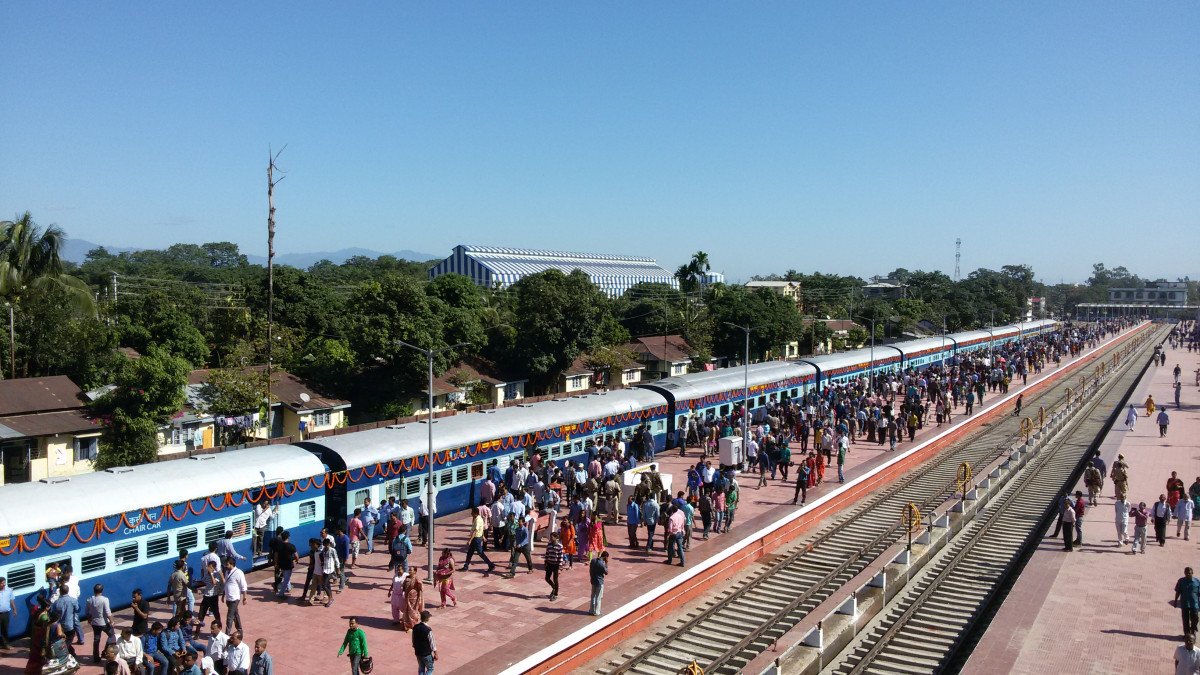
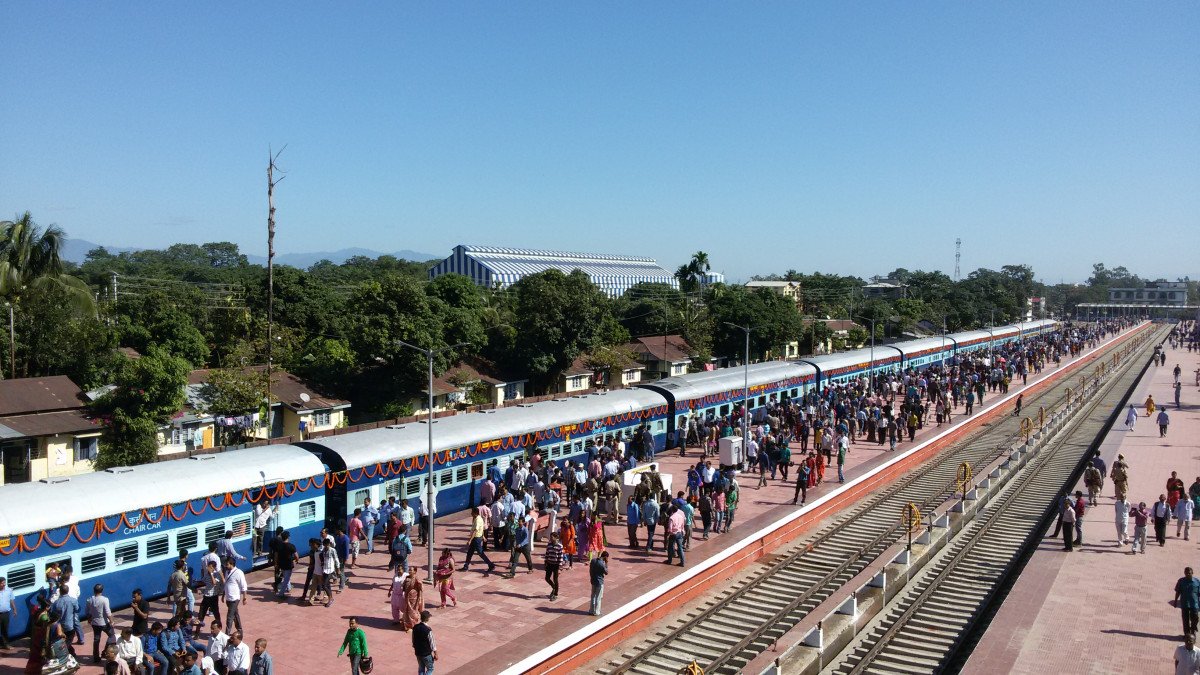
Morning and Evening: The ideal time to visit for observing peak train activity is during the early morning (5:00 AM to 9:00 AM) or late evening (6:00 PM to 10:00 PM). This is when most long-distance express trains, like the ones connecting to Delhi or Kolkata, are scheduled to arrive or depart, resulting in the maximum amount of hustle, bustle, and passenger flow. Visiting during these hours offers the best 'feel' for the station as a busy transport hub.
Ideal Visit Time for Calm Observation:
Mid-Day: If you prefer a calmer experience to study the architecture, visit the memorial, or utilize the station's amenities without the heavy crowds, the mid-day hours (11:00 AM to 3:00 PM) are generally the quietest. During this time, the gap between the arrival and departure of major trains allows for a more peaceful atmosphere and easier access to facilities.Special Events:
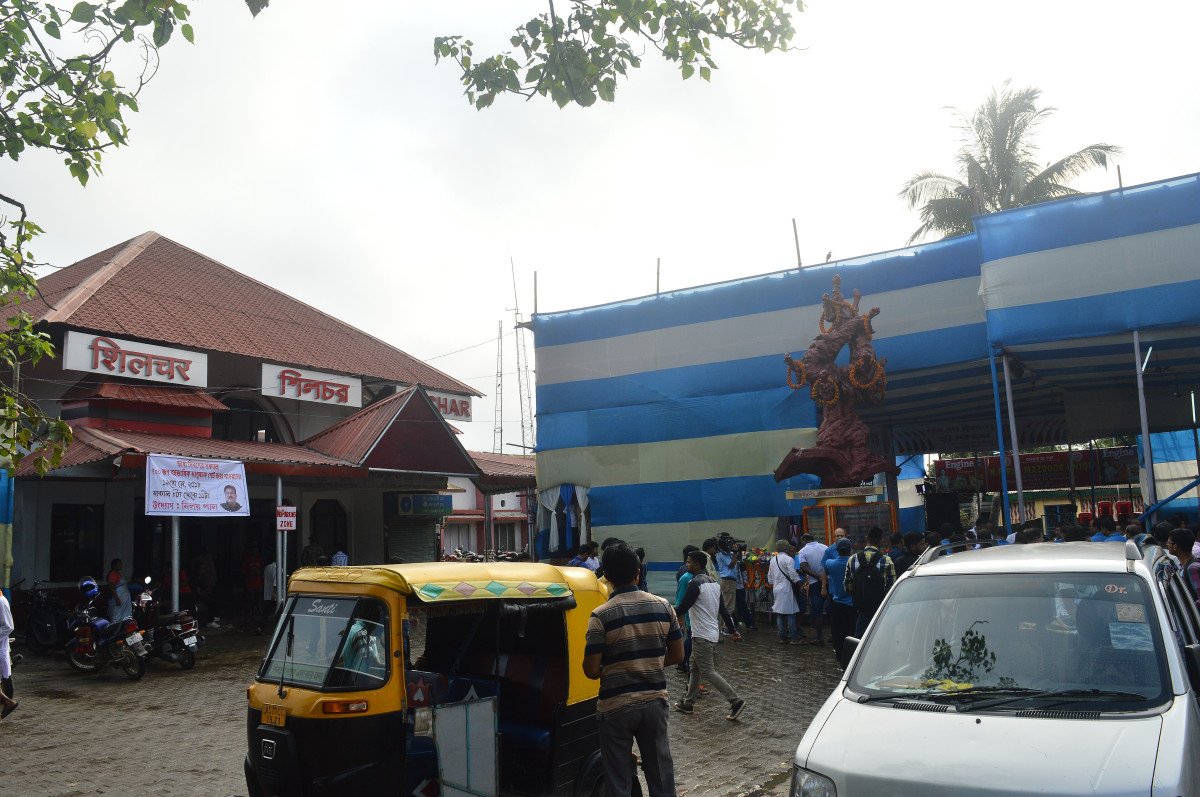
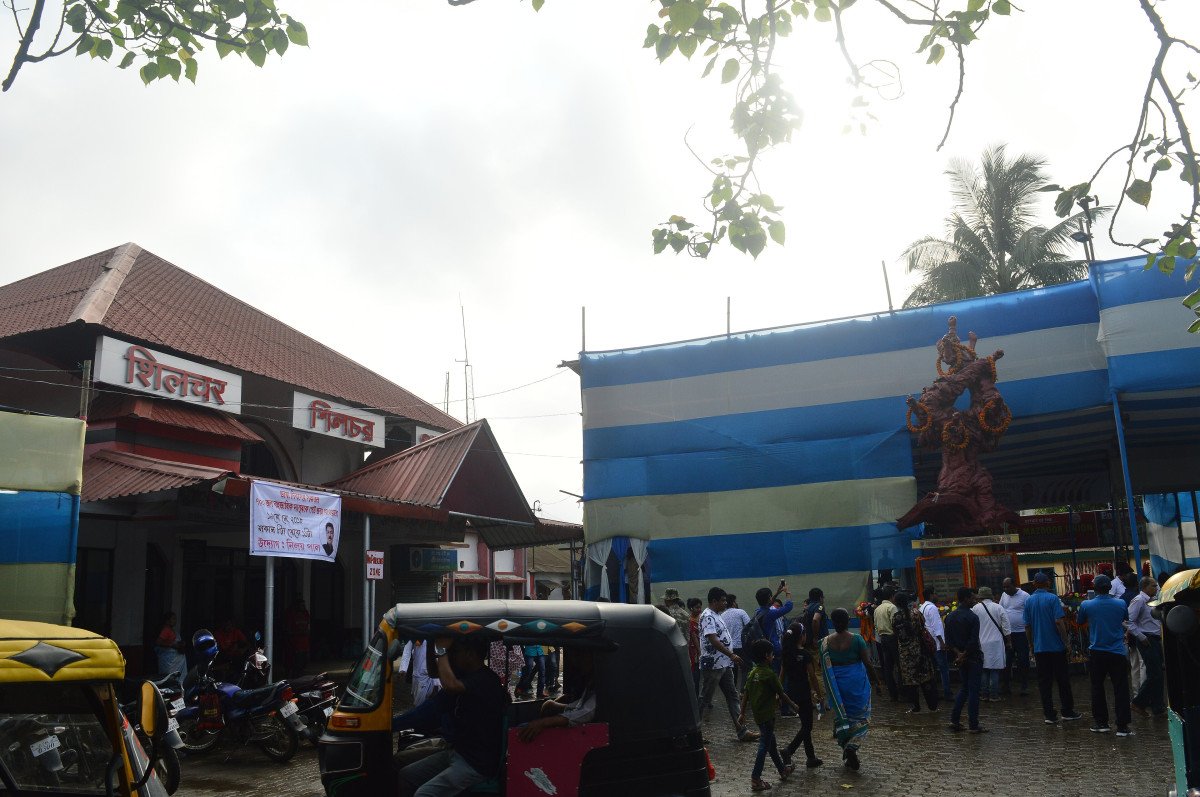
Bhasha Shahid Divas (Language Martyrs' Day): The most significant and special annual event directly linked to Silchar Railway Station is the observance of Bhasha Shahid Divas on 19 May. This day commemorates the eleven martyrs who were killed at this very spot in 1961 whil...Bhasha Shahid Divas (Language Martyrs' Day): The most significant and special annual event directly linked to Silchar Railway Station is the observance of Bhasha Shahid Divas on 19 May. This day commemorates the eleven martyrs who were killed at this very spot in 1961 while protesting for the recognition of Bengali as an official language. The station and its immediate surroundings become the focal point of solemn ceremonies, public gatherings, and tributes. Political leaders, cultural organizations, and thousands of local citizens gather to lay wreaths at the memorial, sing patriotic songs, and hold public meetings to remember the sacrifice.
Festive Rush During Durga Puja and Diwali: As the main transport gateway to the Barak Valley, the station experiences an incredible surge in passenger traffic during major festivals, especially Durga Puja (usually in September or October) and Diwali (usually in October or November). While not a planned 'event' in the traditional sense, the festive rush itself is a spectacle. The station is often beautifully decorated with lights, and the atmosphere is electric with excitement as people travel home to celebrate with their families. The temporary increase in activity, combined with the celebratory mood, makes this a unique, albeit crowded, time to observe the station in action.Best Photo Spots:
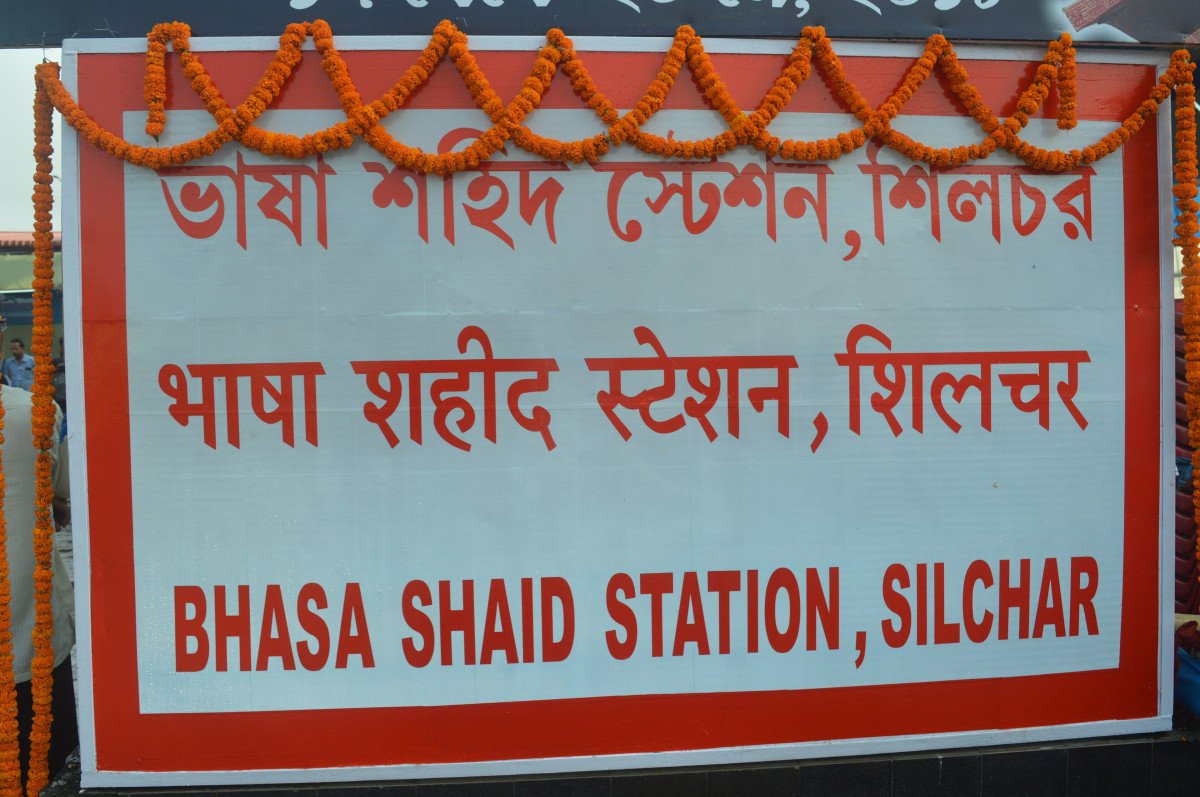
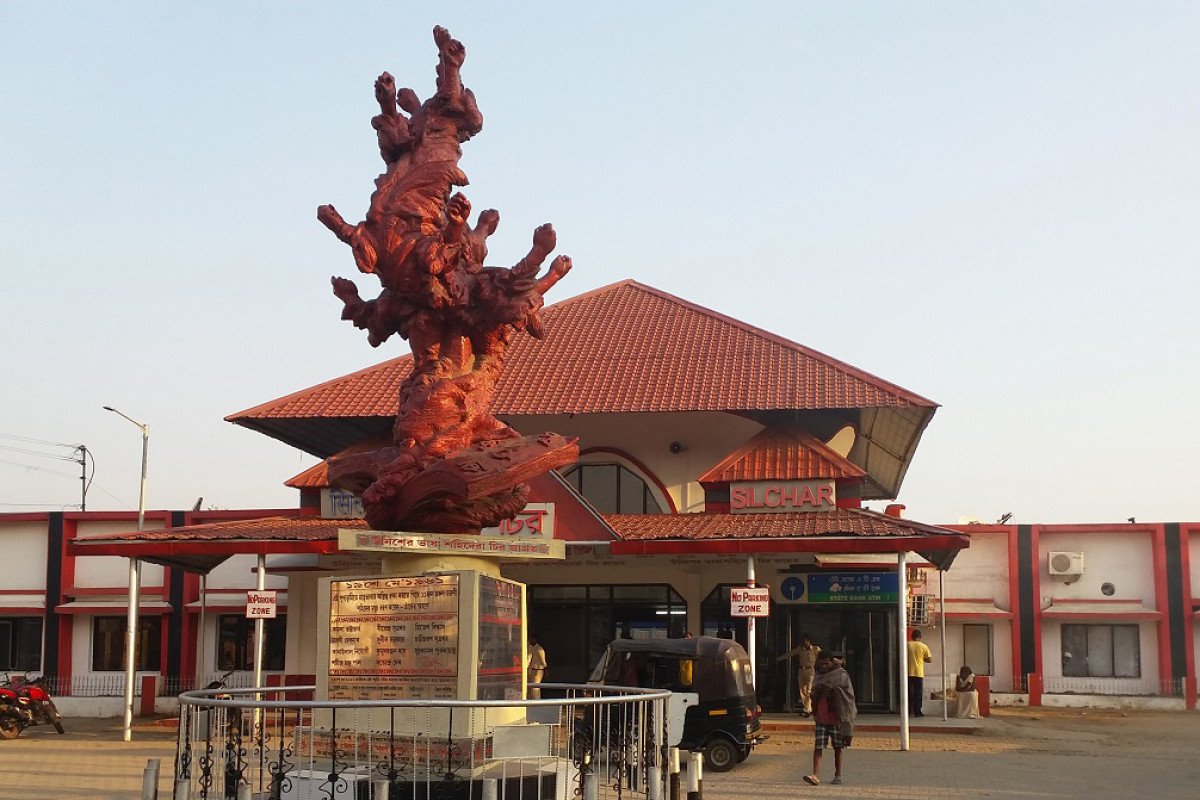
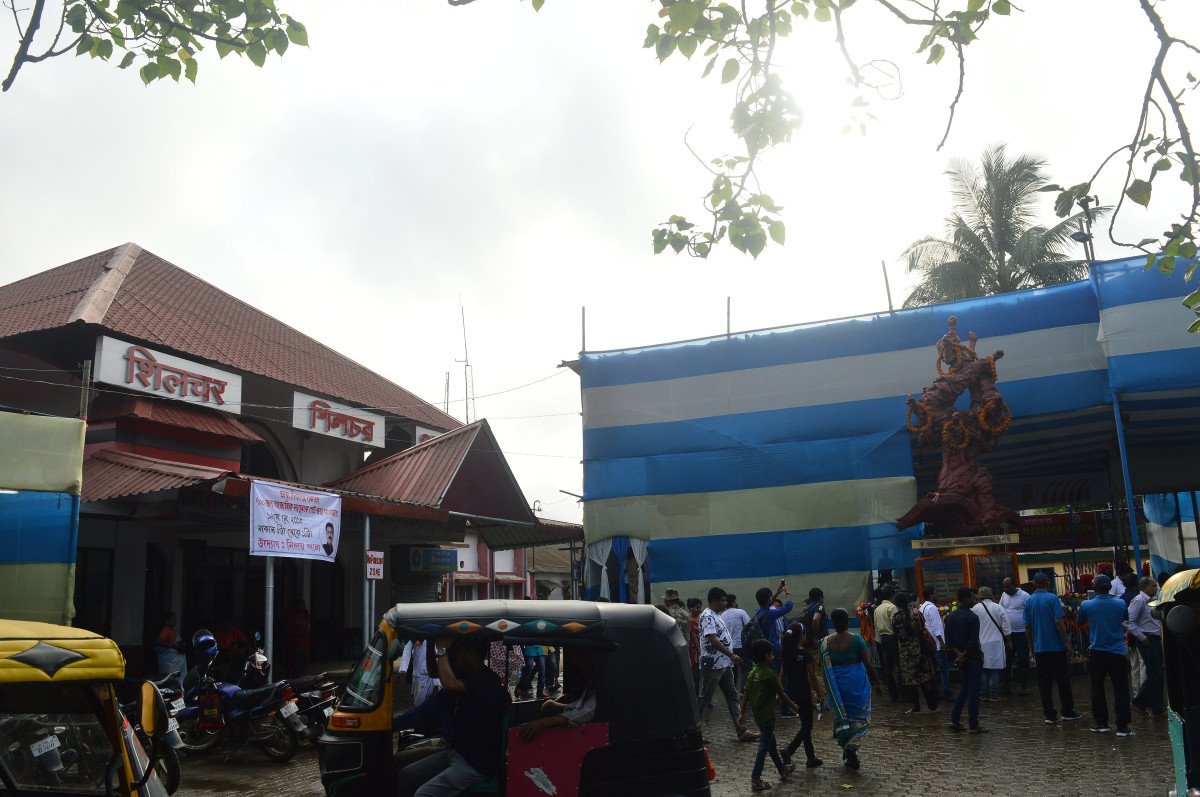
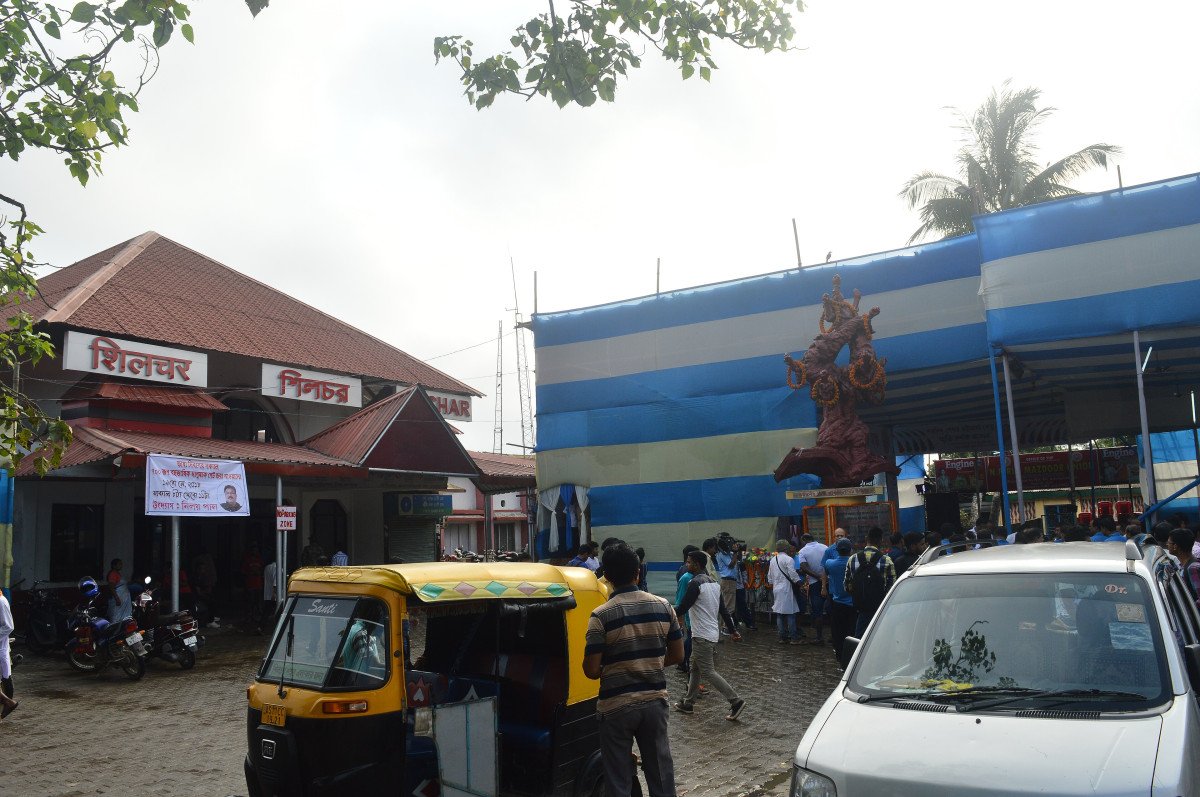
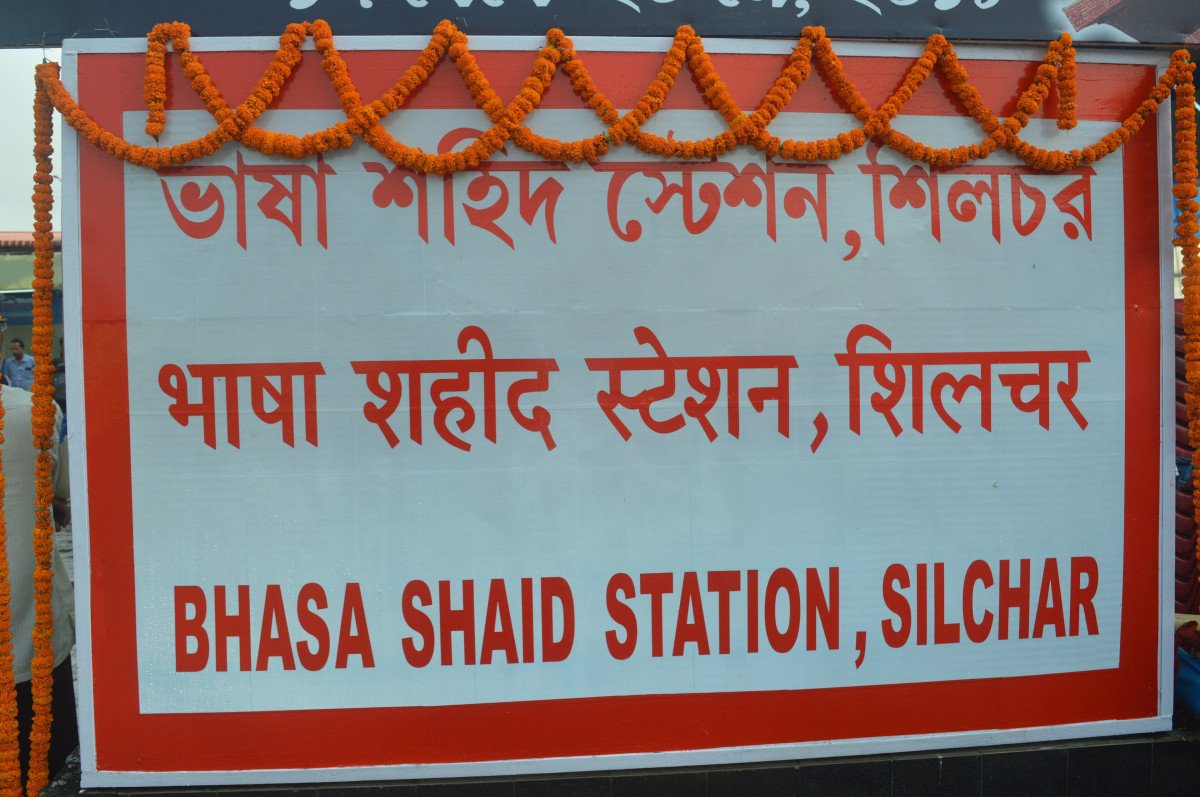
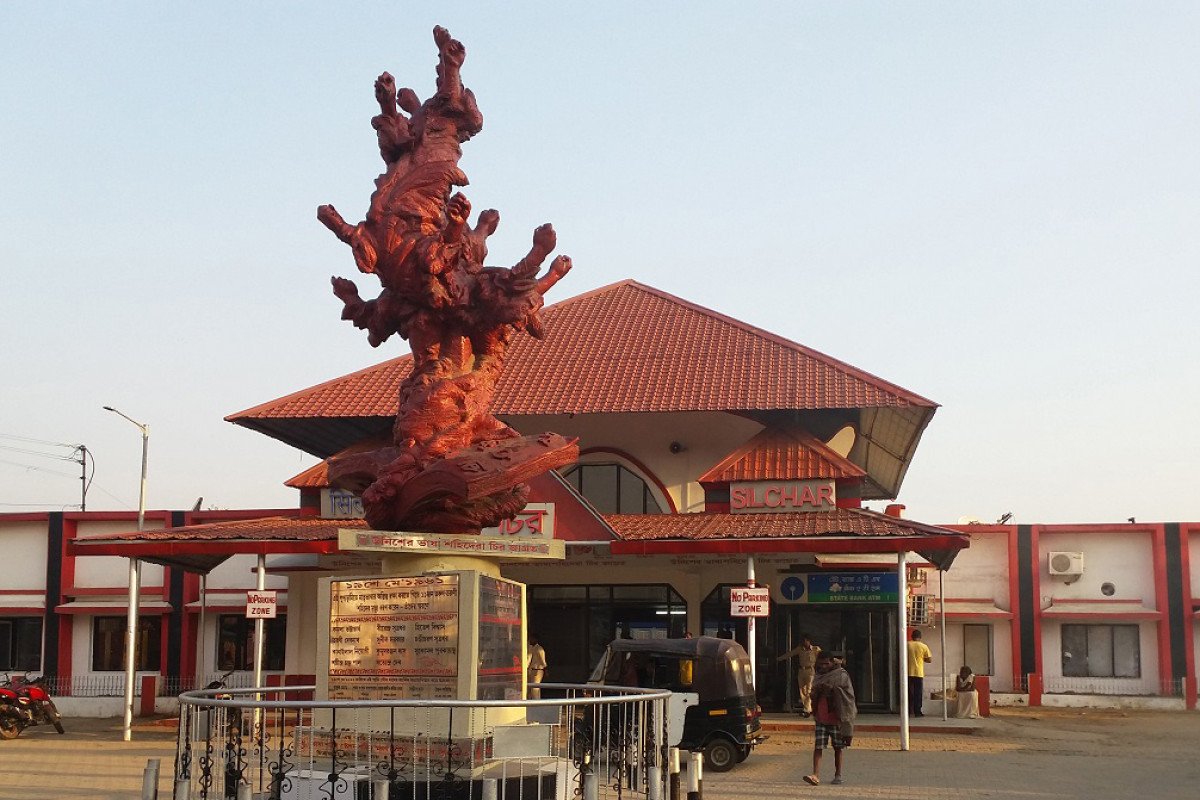
The Main Station Facade and Name Board: The main entrance facade of Silchar Railway Station is the ideal spot to capture a classic 'traveler' photo. The official station name board, written in Assamese, Bengali, and English, serves as an iconic background, clearly marking ...The Main Station Facade and Name Board: The main entrance facade of Silchar Railway Station is the ideal spot to capture a classic 'traveler' photo. The official station name board, written in Assamese, Bengali, and English, serves as an iconic background, clearly marking your arrival in the Barak Valley. The modern architecture and the large portico make for a grand and well-lit shot, especially in the early morning or late afternoon light.
The Language Martyrs' Memorial: For a photo with deep cultural and historical resonance, the memorial dedicated to the language martyrs is the most poignant spot. These photos are not for a casual selfie but are meant to document and respect the site's history. It's best to capture a wide shot of the memorial itself or a respectful, reflective portrait near it.
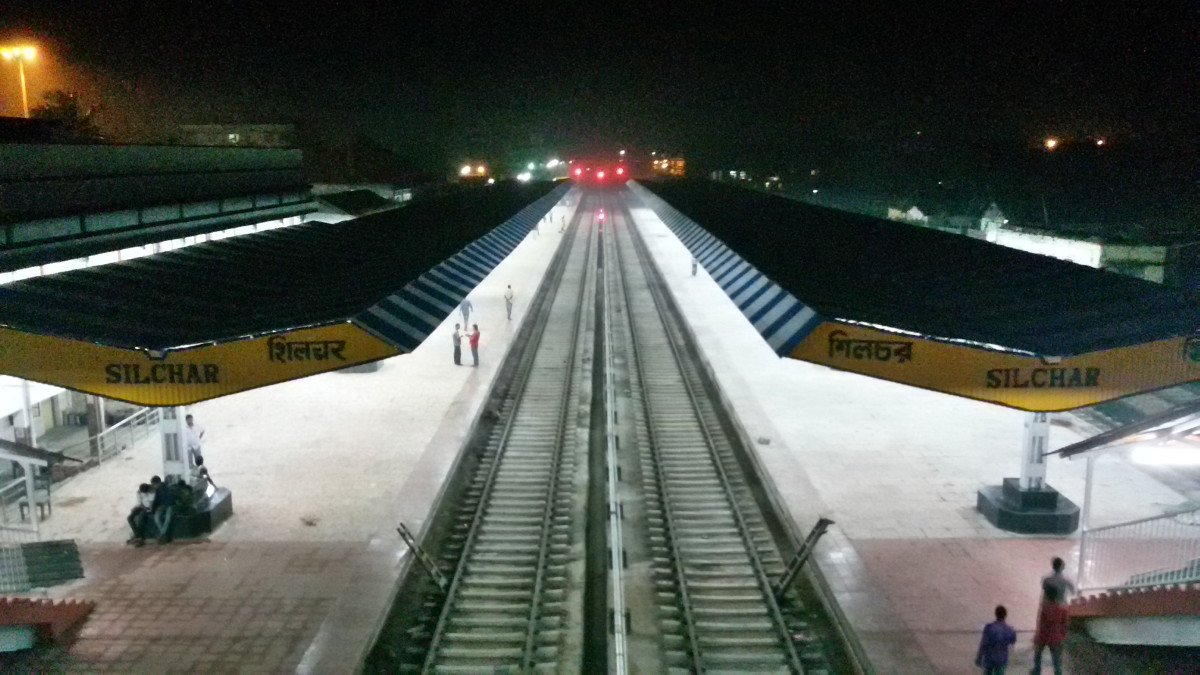
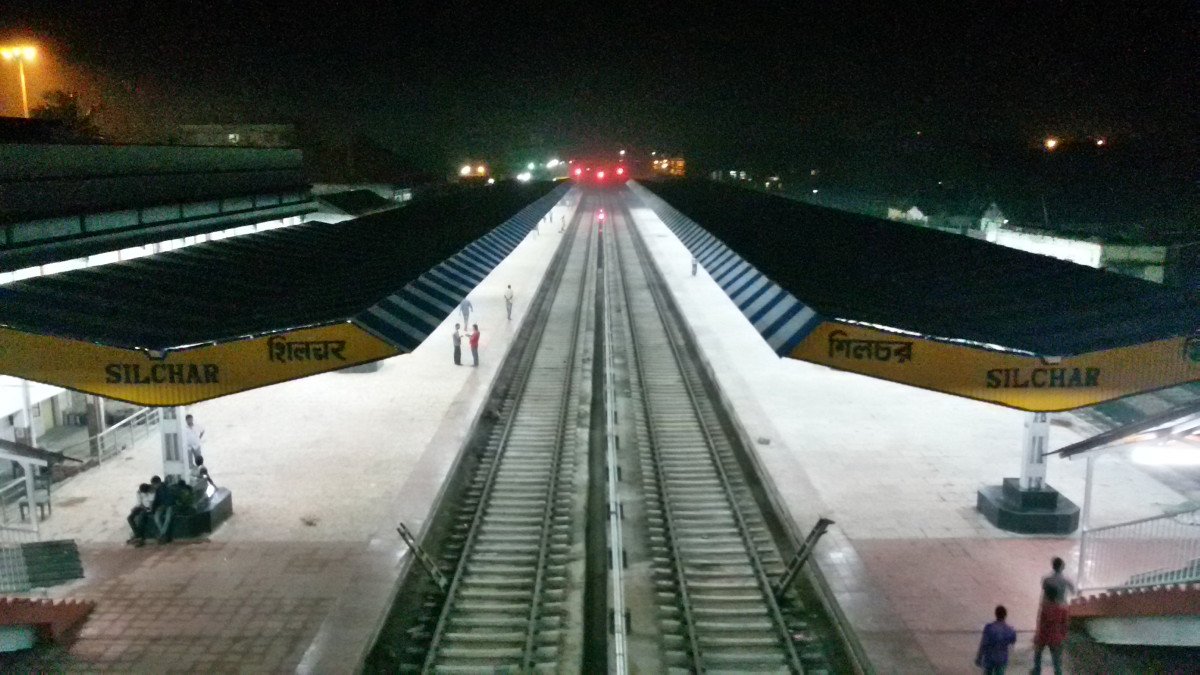
Platform Views with Trains: The platforms, particularly Platform 1 and 2, offer excellent vantage points for railfanning and capturing dynamic action shots. You can get great photos of the powerful broad gauge locomotives, the trains arriving or departing under the covered sheds, and the long stretch of the platform itself. The convergence of tracks and the station signals also provide an interesting perspective for photography.
The Circulating Area and Transport Hub: Standing at a slightly elevated position in the circulating area outside the main building allows for a great capture of the entire transport ecosystem. This shot can show the station building in the background with a vibrant foreground of autos, cycle rickshaws, and people, illustrating the station's role as a bustling multimodal transport hub for the entire city.Photo Gallery
Things To Do
-
Witnessing the Daily Rail Operations: As a major railway terminus, one of the most interesting activities is simply observing the daily operations. You can watch the arrival and departure of long-distance trains, which connect Silchar to far-flung parts of India. This provides a fascinating glimpse into the mechanics of Indian Railways and the sheer scale of the network. Watching the hustle and bustle of passengers, vendors, and porters is an authentic cultural experience.
Explore the Station's Amenities: Take time to explore the passenger amenities. This includes the recently upgraded Waiting Halls, which offer a comfortable place to relax. Check out the Computerized Reservation System (PRS) counter, a hub of ticket booking activity. For travellers, accessing the RailTel Free Wi-Fi is a practical activity. For those ne...Witnessing the Daily Rail Operations: As a major railway terminus, one of the most interesting activities is simply observing the daily operations. You can watch the arrival and departure of long-distance trains, which connect Silchar to far-flung parts of India. This provides a fascinating glimpse into the mechanics of Indian Railways and the sheer scale of the network. Watching the hustle and bustle of passengers, vendors, and porters is an authentic cultural experience.
Explore the Station's Amenities: Take time to explore the passenger amenities. This includes the recently upgraded Waiting Halls, which offer a comfortable place to relax. Check out the Computerized Reservation System (PRS) counter, a hub of ticket booking activity. For travellers, accessing the RailTel Free Wi-Fi is a practical activity. For those needing rest, exploring the availability and facilities of the Retiring Rooms and the Six-bedded Dormitory can be a useful exercise for future travel.
Visit the Language Martyrs' Memorial: Make a dedicated visit to the Language Martyrs' Memorial located within or very close to the station complex. This is a solemn and important activity that connects you to the deep historical and cultural roots of the Barak Valley. It's a sign of respect and an opportunity for quiet reflection on the events of 19 May 1961.
Photography of Trains and Architecture: The station offers great opportunities for railfanning and photography. You can capture the impressive broad gauge locomotives, the colorful coaches, and the architectural elements of the station, especially the covered platforms and the main building. The combination of old and new elements provides a compelling backdrop for travel photography.
Sampling Local Food and Beverages: The station complex, and the area immediately outside, is dotted with food stalls and small restaurants. A key activity is to sample local snacks, tea, and quick meals. This is a chance to taste the regional flavors of Assam and the Barak Valley while you wait for your train or transport. Look for local vendors selling fresh fruit or traditional sweets.
Observing Multimodal Integration: Stand outside the main entrance and observe the integration of different modes of transport. This is a major terminus, so you will see a constant stream of autos, cycle rickshaws, taxis, and city buses, all converging to drop off and pick up passengers. It's a great spot to understand the local transport ecosystem and how the railway connects to the rest of the city and nearby towns.
Reading the Digital Museum Display: Spend time engaging with the Digital Museum Video Wall at the station entrance. This simple activity transforms a transit point into a mini-museum, allowing you to learn about the history of the Indian Railways network and its importance in connecting the vast distances of India's Northeast.
Information
-
Why Famous:
Historical Significance of the Bengali Language Movement: Silchar Railway Station is famously etched in the history of Assam and India for being the site of the Bengali Language Movement (Bhasha Shahid Divas) incident. On 19 May 1961, eleven unarmed protestors, demanding the recognition of the Ben...Historical Significance of the Bengali Language Movement: Silchar Railway Station is famously etched in the history of Assam and India for being the site of the Bengali Language Movement (Bhasha Shahid Divas) incident. On 19 May 1961, eleven unarmed protestors, demanding the recognition of the Bengali language as an official language in the Barak Valley, were tragically killed when police opened fire at the station. This event led to Bengali being granted official status in the three districts of the valley. The station thus became a hallowed site, symbolizing the ultimate sacrifice for linguistic rights and cultural identity. Every year, 19 May is observed as Bhasha Shahid Divas to commemorate the martyrs.
Vital Rail Link and Connectivity to India: Before the broad gauge conversion (completed around 2015), the Barak Valley's rail connectivity was limited and isolated. The station's upgrade to broad gauge and its role as a terminus for major express trains (like the Poorvottar Sampark Kranti Express and Kanchenjunga Express) that connect Silchar directly to New Delhi and Kolkata respectively, made it famous as the Barak Valley's lifeline. It transformed the region's economic and social landscape by providing efficient and direct access to the rest of India, effectively integrating the remote valley into the national mainstream. It is now a critical gateway for commerce, tourism, and passenger movement. -
Architecture:
Colonial and Modern Blend in Design: The architecture of Silchar Railway Station is a functional blend of older, colonial-era elements from its original establishment and newer, modern structures added during the broad gauge conversion and recent upgradations. The original...Colonial and Modern Blend in Design: The architecture of Silchar Railway Station is a functional blend of older, colonial-era elements from its original establishment and newer, modern structures added during the broad gauge conversion and recent upgradations. The original station building, likely constructed during the British Raj under the Assam Bengal Railway, would have featured typical colonial railway architecture: sturdy, functional, and perhaps with some pitched roofs and masonry walls designed to withstand the region's heavy monsoons. The present structure has undergone significant renovations. The main facade and concourse now incorporate contemporary designs, likely featuring elements of concrete and steel, which are common in modernized Indian railway stations, aiming for better passenger flow and amenities. The station consists of three platforms, which are long and covered by modern platform shelters supported by steel pillars to protect passengers from rain and sun. The aesthetic is primarily functional, prioritizing utility and capacity to handle the flow of passengers and cargo.
Key Architectural Dimensions and Features: While precise blueprints aren't publicly available, the station's dimensions are designed for a major terminus. It has three primary Broad Gauge platforms, which are essential for handling long-distance express and superfast trains. The track layout is configured as a terminus, with lines ending at the station buffer. A key feature is the modern, spacious waiting halls and the circulating area outside the station, designed to manage local transport and vehicular traffic. Recent additions under the Amrit Bharat Stations Scheme include enhanced platform surfacing, upgraded waiting halls, better lighting, and improved access features like lifts and ramps for accessibility. Furthermore, the presence of a Digital Museum Video Wall at the entrance, showcasing the heritage of Indian Railways, adds a modern, informational layer to the station's public-facing architecture. The overall architectural philosophy balances the need for high passenger-handling capacity with the provision of essential, contemporary amenities in a region-specific, climate-responsive manner. -
How To Reach:
By Air:
Via Silchar Airport (IXS): The nearest airport is Silchar Airport (IXS), also known as Kumbhirgram Airport, located approximately 29 to 32 KMS from the Silchar Railway Station. The airport has good flight connectivity to major citie...By Air:
Via Silchar Airport (IXS): The nearest airport is Silchar Airport (IXS), also known as Kumbhirgram Airport, located approximately 29 to 32 KMS from the Silchar Railway Station. The airport has good flight connectivity to major cities, primarily Kolkata and Guwahati. From the airport, one can hire pre-paid taxis, airport shuttle services, or local cabs (app-based or traditional) to reach the station. The drive usually takes about 45 minutes to 1 hour, depending on traffic conditions and the time of day. Pre-arranging a taxi or checking for reliable ride-sharing services before landing is advisable for a seamless transfer.
By Train:
The Direct Route: Since the station is a major railway terminus, reaching it by train is the most direct method. Silchar Railway Station (SCL) is directly connected to several metropolitan cities across India via the broad gauge line. Major trains like the Poorvottar Sampark Kranti Express (from New Delhi), Aronai Express (from Thiruvananthapuram), and Kanchenjunga Express (from Sealdah/Kolkata) terminate here. Passengers from within the Northeast can also use local and express trains from cities like Guwahati and Agartala.
By Road:
National and State Highways: Silchar is well-connected by a network of National Highways (NH), with NH-37 (or part of the new numbering system) passing close to the station. One of the main road routes is the one connecting Silchar to Guwahati via Shillong, though this route is long. State buses (government and private), as well as inter-state luxury bus services, run to and from Silchar from various cities in Assam and neighboring states like Meghalaya, Tripura, and Manipur. The main bus stand in Silchar is a hub from which local transport can be easily taken to the railway station.
By Local Transport:
Effortless Travel within Silchar: Within Silchar city, reaching the station is easy. The most common and convenient local transport options are Auto-rickshaws (often shared, offering budget-friendly rides) and Cycle-rickshaws (best for shorter distances from the city center). App-based cab services like Ola or local taxi services are also available for a more comfortable, direct ride. The station is a prominent landmark, and any local driver will know its location (Tarapur area). The journey from the main City Center to the station typically takes only about 15-20 minutes. -
Weather and Best Time to Visit:
Different Types of Seasons:
The Winter Advantage: The absolute Best Time to Visit Silchar Railway Station and the surrounding city is during the Winter Season, which runs from October to March. During these months, the weather is pleasantly...Different Types of Seasons:
The Winter Advantage: The absolute Best Time to Visit Silchar Railway Station and the surrounding city is during the Winter Season, which runs from October to March. During these months, the weather is pleasantly cool and dry, with temperatures ranging from 10°C to 25°C. This delightful weather makes for comfortable travel, sightseeing, and enjoying the outdoor atmosphere of the busy station without the oppressive humidity or heavy rains. The air is generally clear, which is excellent for photography and walking around the area. November, December, January, and February are peak tourist months.
The Moderate Season:
Post-Monsoon Greenery: The Moderate Season is the post-monsoon period, roughly from September to October. The heat and humidity begin to subside, and the landscape is lush and green from the rains. While there might be occasional showers, the weather is manageable, and tourist crowds are thinner than in the peak winter.
The Off-Season:
Monsoon and Summer: The Off-Season is the Summer and Monsoon period, from April to August. Summers can be hot and humid, with temperatures reaching up to 38°C. The Monsoon season (June to August) brings heavy rainfall, which can sometimes disrupt travel and outdoor plans, although the region is at its greenest. If you're a budget traveler, accommodation rates are lower during this period.
Different Parts of the Day:
Peak and Calm: The Morning and Evening hours (as detailed in the Timings section) are the best parts of the day to visit the station if you want to experience its functional, bustling atmosphere and see the major trains. Mid-day is better for quiet observation. -
Near Tourist Places:
Maniharan Tunnel: (Approx. 3 KMS) - A sacred Hindu site linked to Lord Krishna.
Gandhibag Park (and Shahid Minar): (Approx. 4 KMS) - A popular park in the city center with a memorial to the language martyrs.
Dolu Lake: (Approx. 11 KMS) - A beautiful, tranquil spot for nature lovers and photographers.
Khaspur Ruins: (Approx. 19 KMS) - Ruins of the ancient capital of the Dimasa Kachari Kingdom, featuring the Lion Gate and Sun Gate.
Badarpur Fort: (Approx. 23 KMS) - Historical fort ruins located on the banks of the Barak River.
Bhubaneswar Temple (Bhubanhill): (Approx. 29 KMS) - A famous Lord Shiva temple located on Bhuban Hill, requiring a bit of a trek.
Kancha Kanti Kali Mandir: (Approx. 11 KMS) - A highly revered temple built by the Kachari King.
ISKCON Temple, Silchar: (Approx. 5 KMS) - A modern, well-built temple dedicated to Lord Krishna.
Salchapra (Vishnu Temple): (Approx. 14 KMS) - A village known for its beautiful Vishnu Temple.
Srikona Bara Bazaar: (Approx. 9 KMS) - A large market for local handicrafts and a good spot for shopping.
Tourism Tips
-
Health & Safety:
Watch Your Belongings: As with any busy transport hub, it's crucial to be vigilant about your personal belongings, especially luggage and valuables, due to the high volume of people. Keep an eye out for pickpockets, particu...Health & Safety:
Watch Your Belongings: As with any busy transport hub, it's crucial to be vigilant about your personal belongings, especially luggage and valuables, due to the high volume of people. Keep an eye out for pickpockets, particularly during the rush hours of train arrival and departure. Also, be cautious when moving on the platforms and crossing the tracks (use the designated footbridge only). For health, carry a personal hand sanitizer and consider buying packaged drinking water from official stalls.
Packing:
Weather-Appropriate Gear: If travelling during the peak season (October to March), pack light woollens for the cool evenings and mornings. For the Monsoon season (June to September), be sure to pack a raincoat or a strong umbrella, and waterproof footwear, as the rainfall can be heavy. Regardless of the season, comfortable, closed-toe walking shoes are always advisable for navigating the station and platforms.
Accommodation: Nearness vs.
City Center: Since the railway station is a bit outside the absolute city center, you can choose to stay in the Tarapur area for proximity to the station, or opt for better hotels near the Central Road or Club Road for closer access to the main market and restaurants. The station itself offers budget-friendly Retiring Rooms and a Dormitory, which are excellent for short stays or layovers. Book accommodation well in advance, especially if your visit coincides with the Durga Puja festival.
Local Transport Negotiation: While app-based taxis provide fixed rates, auto-rickshaw and cycle-rickshaw fares should be negotiated before starting the journey, or you should ensure the driver uses the meter (if available and working). Be polite but firm to get a fair price, particularly when traveling to or from the railway station where demand is high.
Cultural Sensitivity:
Language Awareness: The station is a site of major historical significance related to the Bengali Language Movement. Visitors should approach the memorial with respect. Learning a few basic phrases in Bengali or Assamese can be greatly appreciated by the locals, though Hindi and English are commonly understood at the station.
Reviews
FAQs
Silchar Itineray And Cost:-
Silchar Railway Station Tourism:-
Information about New and Updated Locations() of Assam Has Been Added :-
Card subtitle
Note:-
Information provided here in good Faith and for reference only.
Near Places

Bhuban Mahadev Temple
Some quick example text to build on the card title and make up the bulk of the card's content.
Go somewhere
Borail Wildlife Sanctuary
Some quick example text to build on the card title and make up the bulk of the card's content.
Go somewhere
Chamragudam Point
Some quick example text to build on the card title and make up the bulk of the card's content.
Go somewhere
Dolu Lake
Some quick example text to build on the card title and make up the bulk of the card's content.
Go somewhere
Gandhibag Park
Some quick example text to build on the card title and make up the bulk of the card's content.
Go somewhere
Goldighi Mall
Some quick example text to build on the card title and make up the bulk of the card's content.
Go somewhere
Goldighi Municipal Mall
Some quick example text to build on the card title and make up the bulk of the card's content.
Go somewhere
Hindustan Paper Corporation Ltd.
Some quick example text to build on the card title and make up the bulk of the card's content.
Go somewhere
ISKCON Temple
Some quick example text to build on the card title and make up the bulk of the card's content.
Go somewhere
Jatinga Point
Some quick example text to build on the card title and make up the bulk of the card's content.
Go somewhere
Kachari Fort
Some quick example text to build on the card title and make up the bulk of the card's content.
Go somewhere
Khaspur
Some quick example text to build on the card title and make up the bulk of the card's content.
Go somewhere
Lakhipur Town
Some quick example text to build on the card title and make up the bulk of the card's content.
Go somewhere
Maibong
Some quick example text to build on the card title and make up the bulk of the card's content.
Go somewhere
Maniharan Tunnel
Some quick example text to build on the card title and make up the bulk of the card's content.
Go somewhere
Police Bazar
Some quick example text to build on the card title and make up the bulk of the card's content.
Go somewherein Other Cities