

Sircilla
General information
-
Ideal Duration:
2-3 DaysPlace Type:
Industrial & CulturalEntry Fees:
General Entry: Access to the town and public areas is Free for all visitors throughout the year.
Temple Charges: Nearby temples may charge a small fee of Rs.20 to Rs.100 for special darshan or specific rituals performed by devotees. ...General Entry: Access to the town and public areas is Free for all visitors throughout the year.
Temple Charges: Nearby temples may charge a small fee of Rs.20 to Rs.100 for special darshan or specific rituals performed by devotees.Timing:
Regular Timings: Most markets and weaving units operate from 9:00 AM to 8:00 PM daily, excluding national holidays.
Ideal Visit Time: Early mornings at 6:00 AM are best for temple visits, while evenings after 5:00 PM are perfect for the dam ...Regular Timings: Most markets and weaving units operate from 9:00 AM to 8:00 PM daily, excluding national holidays.
Ideal Visit Time: Early mornings at 6:00 AM are best for temple visits, while evenings after 5:00 PM are perfect for the dam area.Special Events:
Bathukamma: The floral festival in October is celebrated with immense grandeur, where women create beautiful flower stacks and dance in circles.
Sivaratri: The most important religious event, celebrated with night-long vigils and special pra...Bathukamma: The floral festival in October is celebrated with immense grandeur, where women create beautiful flower stacks and dance in circles.
Sivaratri: The most important religious event, celebrated with night-long vigils and special prayers at nearby temples during February.Best Photo Spots:
Mid Manair Viewpoint: The top of the dam provides a wide-angle view of the reservoir, perfect for landscape photography during the golden hour.
Weaving Streets: The narrow lanes where colorful yarns are hung out to dry offer a unique and cul...Mid Manair Viewpoint: The top of the dam provides a wide-angle view of the reservoir, perfect for landscape photography during the golden hour.
Weaving Streets: The narrow lanes where colorful yarns are hung out to dry offer a unique and cultural aesthetic for street photographers.Photo Gallery
Things To Do
 @@General Overview: The Gandhi Statue at Gandhi Chowk is the most recognizable landmark in Sircilla town. This statue serves as a central hub for the town's social, political, and cultural activities. Erected to honor Mahatma Gandhi, the Father of the Nation, it symbolizes the town's commitment to the values of peace and simplicity. The area around the statue is a bustling commercial zone, filled with textile shops, local eateries, and traditional markets. For decades, it has been the starting point for various rallies, processions, and celebratory events in the district. The statue itself depicts Mahatma Gandhi in his iconic walking posture, reminding the locals of the Salt March and the struggle for independence. The site is beautifully illuminated during national festivals like Independence Day and Gandhi Jayanti. It acts as a compass for visitors, as most local transport routes and major roads converge at this junction. Despite the modernization of the town, the statue remains a grounded piece of history amidst the growing textile industry. It is a common meeting point for the weaving community who discuss their trade in the nearby squares. The presence of the statue inspires the local workforce, many of whom follow the Gandhian philosophy of hand-spinning and weaving. The surroundings are always vibrant, reflecting the pulse of the "Textile City." It is more than just a monument; it is the soul of Sircilla's public life. Visitors often stop here to pay their respects before exploring the textile markets. The statue stands as a silent observer of the town’s transition from a small weaving cluster to a major industrial hub. It remains a source of local pride and a constant reminder of India's freedom struggle.
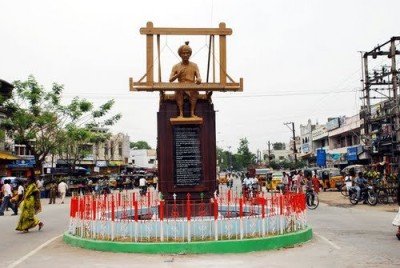 @@Historical Overview:The Sircilla Gunj has been the traditional epicenter of the town’s textile trade for decades, predating the modern Textile Park Sircilla. It serves as a bustling wholesale and retail market, specializing in yarn, grey cloth, and finished handloom and power loom products, making it crucial to the local economy. It represents the town's heritage as a 'Textile Town'. @@Economic Significance:Hundreds of merchants, brokers, and weavers converge here daily, facilitating trade that stretches across Telangana and neighboring states. The sheer volume of transactions conducted at the Gunj defines the financial flow of the region. @@Daily Atmosphere:The atmosphere is electric, characterized by the constant drone of motorbikes, the calls of vendors, and the vibrant display of colorful textiles stacked high. It operates primarily as a wholesale hub in the morning and early afternoon. @@Cultural Importance:It is a cultural mirror reflecting the hard work and entrepreneurial spirit of the Padmashali community, the dominant weaving caste in the region. The Gunj is the heart of Sircilla's identity as a textile hub.
The Ambedkar Statue in Maddikunta, Sircilla, serves as a powerful symbol of social justice and equality, honoring Dr. B.R. Ambedkar, the principal architect of the Indian Constitution and a towering figure in India's history. This memorial is a local landmark, often located in a prominent junction or square, embodying the aspirations of the local community towards progress and democratic values. It acts as a gathering point for socio-political discussions and commemorations, especially on his birth and death anniversaries. The surrounding area, Ambedkar Nagar, suggests a locality named in his memory, emphasizing the deep respect for his legacy among the residents of Sircilla. Visiting this site offers a moment for reflection on the struggles for rights and the foundational principles of modern India. The statue's presence in the Textile Town subtly connects the industrial workforce, many of whom are from marginalized backgrounds, to the constitutional protections advocated by Dr. Ambedkar. The immediate vicinity often features local markets and small businesses, making it a bustling center of daily life and commerce.
@@Historical Overview:The Sircilla Gunj has been the traditional epicenter of the town’s textile trade for decades, predating the modern Textile Park Sircilla. It serves as a bustling wholesale and retail market, specializing in yarn, grey cloth, and finished handloom and power loom products, making it crucial to the local economy. It represents the town's heritage as a 'Textile Town'. @@Economic Significance:Hundreds of merchants, brokers, and weavers converge here daily, facilitating trade that stretches across Telangana and neighboring states. The sheer volume of transactions conducted at the Gunj defines the financial flow of the region. @@Daily Atmosphere:The atmosphere is electric, characterized by the constant drone of motorbikes, the calls of vendors, and the vibrant display of colorful textiles stacked high. It operates primarily as a wholesale hub in the morning and early afternoon. @@Cultural Importance:It is a cultural mirror reflecting the hard work and entrepreneurial spirit of the Padmashali community, the dominant weaving caste in the region. The Gunj is the heart of Sircilla's identity as a textile hub.
The Ambedkar Statue in Maddikunta, Sircilla, serves as a powerful symbol of social justice and equality, honoring Dr. B.R. Ambedkar, the principal architect of the Indian Constitution and a towering figure in India's history. This memorial is a local landmark, often located in a prominent junction or square, embodying the aspirations of the local community towards progress and democratic values. It acts as a gathering point for socio-political discussions and commemorations, especially on his birth and death anniversaries. The surrounding area, Ambedkar Nagar, suggests a locality named in his memory, emphasizing the deep respect for his legacy among the residents of Sircilla. Visiting this site offers a moment for reflection on the struggles for rights and the foundational principles of modern India. The statue's presence in the Textile Town subtly connects the industrial workforce, many of whom are from marginalized backgrounds, to the constitutional protections advocated by Dr. Ambedkar. The immediate vicinity often features local markets and small businesses, making it a bustling center of daily life and commerce.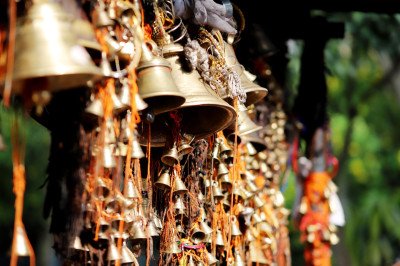 @@Detailed Overview: This temple is a magnificent spiritual retreat that draws thousands of devotees from across the state of Telangana. It is primarily dedicated to Lord Rama and Lord Lingeshwara, showcasing a unique blend of Vaishnavism and Shaivism in one sacred complex. The temple serves as a peaceful sanctuary where the rhythmic chanting of mantras fills the air, creating a divine atmosphere for meditation and prayer. Visitors often find solace in the beautifully maintained gardens that surround the main sanctum, making it a perfect spot for spiritual reflection. The history of the temple is deeply rooted in local folklore, suggesting it has been a center for community gatherings for many generations. Recent renovations have further enhanced its beauty, ensuring that the ancient traditions are preserved while providing modern amenities for the growing number of pilgrims. The temple serves not only as a place of worship but also as a cultural hub for the village of Anantharam. Its significance is highlighted during major Hindu festivals when the entire premises are decorated with vibrant flowers and oil lamps. The temple's location amidst lush greenery adds to its charm, offering a respite from the bustling urban life of nearby towns. Devotees believe that a visit here brings prosperity and inner peace, often performing special rituals to seek blessings for their families.
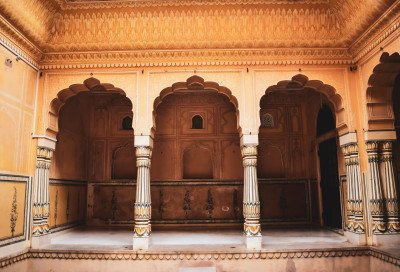 @@General Overview: Lingannapet Fort, also known locally as the Lingannapet Khila, is a majestic historical structure located in the Gambhiraopet mandal. This fort is a significant remnant of the feudal era in Telangana and showcases the military architecture of the past. Built predominantly with massive stone blocks, the fort stands as a symbol of the local rulers' power and strategic planning. Historically, it served as a defensive post and a residence for the local Deshmukhs or landlords who governed the region. The fort is situated on a slight elevation, providing a commanding view of the surrounding plains and villages. Its thick walls and bastions were designed to withstand attacks, and some portions of the structure remain remarkably intact. Inside the fort, one can find the ruins of residential quarters, granaries, and small temples. The entrance is marked by a massive wooden gate reinforced with iron, typical of medieval Indian fortifications. Over the years, the fort has become a point of interest for history enthusiasts and local trekkers. It is surrounded by a moat-like structure and thick vegetation, giving it an air of mystery. The local legends associated with the fort tell stories of bravery and the lifestyle of the ancient nobility. Although parts of the fort are in ruins, the skeletal structure still conveys the grandeur of its heyday. It is an important site for understanding the socio-political history of the Sircilla region during the Qutb Shahi and Asaf Jahi periods. The fort’s proximity to the Upper Manair Reservoir makes it part of a beautiful scenic circuit. It remains a silent witness to the changing dynasties and the evolution of the local culture over centuries.
@@Functional Role:The Sircilla Water Tank refers to one of the older, elevated water storage structures that historically supplied potable water to parts of the town before the expansion of modern water grid systems. These structures are crucial landmarks in many old towns. @@Historical Utility:It played a vital role in the town's early urban development, ensuring a reliable supply of drinking water for the growing population, especially in the Old Town Area. It symbolizes essential civic engineering. @@Landmark Status:Due to its height and location on a natural or constructed high point, the tank often serves as a visual landmark or reference point within the townscape, visible from a distance. @@Current Status:While its operational capacity may have been supplemented by newer facilities, the tank often remains a functional or standby part of the municipal water supply system, representing the enduring legacy of early infrastructure.
Mahanal Farm represents a large, privately or government-owned agricultural unit in the fertile plains near Sircilla. While specific details are unavailable, it can be conceptualized as a significant farm, perhaps specializing in modern agricultural techniques like drip irrigation, or traditional cultivation of major crops like paddy (rice), maize, cotton, or even horticulture (fruits/vegetables). The farm serves as a practical demonstration of the region's strong agrarian base, often employing local labor from villages like Gundaram. For a visitor, it provides an invaluable opportunity to observe contemporary and traditional farming methods, understand the crop cycle, and see the machinery and infrastructure required for large-scale farming. It offers a fresh, earthy environment, connecting the visitor to the source of the region's food and raw material for the Textile Town's textile mills (like cotton). The concept of a 'farm' in this region is often linked with a simple farmhouse and vast open fields.Show All
@@General Overview: The Sircilla District Library, formally known as the C. Narayana Reddy (CiNaRe) Memorial Library, is a modern temple of learning. Inaugurated in 2019, it stands as a tribute to the Jnanpith awardee and legendary Telugu poet Dr. C. Narayana Reddy, who was a native of this district. This library is far from a traditional, dusty storehouse of books; it is a high-tech facility designed to empower the youth and students of the region. With its sleek glass facade and air-conditioned interiors, it provides a world-class environment for study and research. The library houses over 40,000 books, ranging from competitive exam guides to classical Telugu literature. It is particularly popular among government job aspirants who utilize the dedicated silent zones for their preparation. The facility also includes a digital wing equipped with computers and high-speed internet, bridging the digital divide for local students. The atmosphere inside is one of intense focus and academic pursuit. Beyond its primary function, the library serves as a cultural landmark, hosting literary discussions and book launches. The staff are known for being helpful and maintaining a strict decorum that aids concentration. For a visitor, the library represents the progressive side of Sircilla, highlighting the community's commitment to education and intellectual growth. It is often cited as a model for rural libraries across India. The outdoor areas are well-landscaped, providing a pleasant view from the large windows. It is a quiet haven amidst the bustling textile town.
@@General Overview: Lingannapet Fort, also known locally as the Lingannapet Khila, is a majestic historical structure located in the Gambhiraopet mandal. This fort is a significant remnant of the feudal era in Telangana and showcases the military architecture of the past. Built predominantly with massive stone blocks, the fort stands as a symbol of the local rulers' power and strategic planning. Historically, it served as a defensive post and a residence for the local Deshmukhs or landlords who governed the region. The fort is situated on a slight elevation, providing a commanding view of the surrounding plains and villages. Its thick walls and bastions were designed to withstand attacks, and some portions of the structure remain remarkably intact. Inside the fort, one can find the ruins of residential quarters, granaries, and small temples. The entrance is marked by a massive wooden gate reinforced with iron, typical of medieval Indian fortifications. Over the years, the fort has become a point of interest for history enthusiasts and local trekkers. It is surrounded by a moat-like structure and thick vegetation, giving it an air of mystery. The local legends associated with the fort tell stories of bravery and the lifestyle of the ancient nobility. Although parts of the fort are in ruins, the skeletal structure still conveys the grandeur of its heyday. It is an important site for understanding the socio-political history of the Sircilla region during the Qutb Shahi and Asaf Jahi periods. The fort’s proximity to the Upper Manair Reservoir makes it part of a beautiful scenic circuit. It remains a silent witness to the changing dynasties and the evolution of the local culture over centuries.
@@Functional Role:The Sircilla Water Tank refers to one of the older, elevated water storage structures that historically supplied potable water to parts of the town before the expansion of modern water grid systems. These structures are crucial landmarks in many old towns. @@Historical Utility:It played a vital role in the town's early urban development, ensuring a reliable supply of drinking water for the growing population, especially in the Old Town Area. It symbolizes essential civic engineering. @@Landmark Status:Due to its height and location on a natural or constructed high point, the tank often serves as a visual landmark or reference point within the townscape, visible from a distance. @@Current Status:While its operational capacity may have been supplemented by newer facilities, the tank often remains a functional or standby part of the municipal water supply system, representing the enduring legacy of early infrastructure.
Mahanal Farm represents a large, privately or government-owned agricultural unit in the fertile plains near Sircilla. While specific details are unavailable, it can be conceptualized as a significant farm, perhaps specializing in modern agricultural techniques like drip irrigation, or traditional cultivation of major crops like paddy (rice), maize, cotton, or even horticulture (fruits/vegetables). The farm serves as a practical demonstration of the region's strong agrarian base, often employing local labor from villages like Gundaram. For a visitor, it provides an invaluable opportunity to observe contemporary and traditional farming methods, understand the crop cycle, and see the machinery and infrastructure required for large-scale farming. It offers a fresh, earthy environment, connecting the visitor to the source of the region's food and raw material for the Textile Town's textile mills (like cotton). The concept of a 'farm' in this region is often linked with a simple farmhouse and vast open fields.Show All
@@General Overview: The Sircilla District Library, formally known as the C. Narayana Reddy (CiNaRe) Memorial Library, is a modern temple of learning. Inaugurated in 2019, it stands as a tribute to the Jnanpith awardee and legendary Telugu poet Dr. C. Narayana Reddy, who was a native of this district. This library is far from a traditional, dusty storehouse of books; it is a high-tech facility designed to empower the youth and students of the region. With its sleek glass facade and air-conditioned interiors, it provides a world-class environment for study and research. The library houses over 40,000 books, ranging from competitive exam guides to classical Telugu literature. It is particularly popular among government job aspirants who utilize the dedicated silent zones for their preparation. The facility also includes a digital wing equipped with computers and high-speed internet, bridging the digital divide for local students. The atmosphere inside is one of intense focus and academic pursuit. Beyond its primary function, the library serves as a cultural landmark, hosting literary discussions and book launches. The staff are known for being helpful and maintaining a strict decorum that aids concentration. For a visitor, the library represents the progressive side of Sircilla, highlighting the community's commitment to education and intellectual growth. It is often cited as a model for rural libraries across India. The outdoor areas are well-landscaped, providing a pleasant view from the large windows. It is a quiet haven amidst the bustling textile town.Information
-
Why Famous:
Textile Legacy: Sircilla is famous worldwide for its Handloom Industry, specifically the "Sircilla Sarees" that are woven with extreme precision and care. The town’s weavers are known for their innovation, once even weaving a saree that could fit into a matchbox.
...Textile Legacy: Sircilla is famous worldwide for its Handloom Industry, specifically the "Sircilla Sarees" that are woven with extreme precision and care. The town’s weavers are known for their innovation, once even weaving a saree that could fit into a matchbox.
Religious Hub: It is the primary base for visiting the Sri Raja Rajeshwara Swamy Temple in Vemulawada, a major pilgrimage site. This temple is often referred to as "Dakshina Kasi" due to its spiritual significance. -
Architecture:
Historical Style: The architecture in Sircilla is a blend of traditional Telangana rural styles and modern industrial structures designed for textile production. The ancient temples in the vicinity, such as the Vemulawada temple, showcase Chalukyan architectural excellence...Historical Style: The architecture in Sircilla is a blend of traditional Telangana rural styles and modern industrial structures designed for textile production. The ancient temples in the vicinity, such as the Vemulawada temple, showcase Chalukyan architectural excellence with intricate stone carvings.
Industrial Dimensions: The power loom units are vast industrial sheds typically measuring 100 x 50 feet, designed to house hundreds of weaving machines. These structures prioritize ventilation and space to accommodate the continuous movement of looms.
Residential Patterns: Local houses often feature traditional central courtyards known as "Anaganam," which provide natural cooling and a space for social gatherings. -
How To Reach:
By Air: The nearest airport is Rajiv Gandhi International Airport in Hyderabad, approximately 180 KMS away, with taxi services available.
By Train: The nearest major railway station is Karimnagar, about 40 KMS from Sircilla, connecting to ma...By Air: The nearest airport is Rajiv Gandhi International Airport in Hyderabad, approximately 180 KMS away, with taxi services available.
By Train: The nearest major railway station is Karimnagar, about 40 KMS from Sircilla, connecting to major Indian cities.
By Road: Sircilla is well-connected by TSRTC buses from Hyderabad, Karimnagar, and Warangal with frequent daily services.
By Local Transport: Within the town, auto-rickshaws and cycle-rickshaws are the most common and convenient ways to navigate the streets. -
Weather and Best Time to Visit:
Winter Season: The months from October to March are the most comfortable, with temperatures ranging from 15°C to 25°C.
Time of Day: Mornings are best for industrial visits, while late afternoons are ideal for exploring the scenic outskirts...Winter Season: The months from October to March are the most comfortable, with temperatures ranging from 15°C to 25°C.
Time of Day: Mornings are best for industrial visits, while late afternoons are ideal for exploring the scenic outskirts and dams. -
Near Tourist Places:
1. Vemulawada (12 KMS), 2. Karimnagar (40 KMS), 3. Mid Manair Dam (15 KMS), 4. Nampally Gutta (5 KMS), 5. Jagtial (50 KMS), 6. Lower Manair Dam (45 KMS), 7. Silver Filigree Center (40 KMS), 8. Dharmapuri (70 KMS), 9. Kondagattu (35 KMS), 10. Siddipet (55 KMS).
Tourism Tips
-
Health & Safety: Always carry bottled water and wear comfortable cotton clothing to beat the humidity during the daytime exploration.
Packing: Pack light clothing, a good pair of walking shoes, and a camera to document the unique textile pro...Health & Safety: Always carry bottled water and wear comfortable cotton clothing to beat the humidity during the daytime exploration.
Packing: Pack light clothing, a good pair of walking shoes, and a camera to document the unique textile processes you encounter.
Accommodation: Stay at government guest houses or local hotels in Sircilla or Karimnagar for a comfortable and budget-friendly experience.
Other Tips: Respect the privacy of weavers while filming in their homes and try to buy directly from them to support local artisans.
Reviews
FAQs
Sircilla Itineray And Cost:-
Information about New and Updated Locations() of Telangana Has Been Added :-
Card subtitle
Note:-
Information provided here in good Faith and for reference only.
Near Places
Adilabad
Some quick example text to build on the card title and make up the bulk of the card's content.
Go somewhere
Bhongir
Some quick example text to build on the card title and make up the bulk of the card's content.
Go somewhere
Bodhan
Some quick example text to build on the card title and make up the bulk of the card's content.
Go somewhere
Gadwal
Some quick example text to build on the card title and make up the bulk of the card's content.
Go somewhere
HYDERABAD
Some quick example text to build on the card title and make up the bulk of the card's content.
Go somewhere
Jagtial
Some quick example text to build on the card title and make up the bulk of the card's content.
Go somewhere
Jangaon
Some quick example text to build on the card title and make up the bulk of the card's content.
Go somewhere
Kamareddy
Some quick example text to build on the card title and make up the bulk of the card's content.
Go somewhere
Karimnagar
Some quick example text to build on the card title and make up the bulk of the card's content.
Go somewhere
KHAMMAM
Some quick example text to build on the card title and make up the bulk of the card's content.
Go somewhere
Kothagudem
Some quick example text to build on the card title and make up the bulk of the card's content.
Go somewhere
Mahabubabad
Some quick example text to build on the card title and make up the bulk of the card's content.
Go somewhere
Mahabubnagar
Some quick example text to build on the card title and make up the bulk of the card's content.
Go somewhere
Mancherial
Some quick example text to build on the card title and make up the bulk of the card's content.
Go somewhere
Medak
Some quick example text to build on the card title and make up the bulk of the card's content.
Go somewhere
Nagarjunakonda
Some quick example text to build on the card title and make up the bulk of the card's content.
Go somewherein Other Cities