
Sirimane Falls
General information
-
Ideal Duration:
2-3 hoursPlace Type:
Natural Waterfall and Scenic Spot:
Nature:Entry Fees:
Entry Fee: There is a nominal Entry Fee (usually around INR 50-100 per person) charged by the local authorities for maintenance of the facilities, steps, and changing rooms. This fee is essential for managing the flow of tourists and upkeep.
Par...Entry Fee: There is a nominal Entry Fee (usually around INR 50-100 per person) charged by the local authorities for maintenance of the facilities, steps, and changing rooms. This fee is essential for managing the flow of tourists and upkeep.
Parking Fee: A small separate Parking Fee (usually INR 20-30 for a car) is charged for vehicles at the designated parking area near the entrance.
Camera Fees: There are usually No Separate Camera Fees, allowing visitors to take photos and videos freely. The total entry cost remains relatively low, making it an affordable nature visit for all types of tourists. The collection of fees helps in maintaining the cleanliness and safety of the spot.Timing:
Regular Timings: Sirimane Falls is generally open to visitors from 9:00 AM to 6:00 PM daily. It is advisable not to stay after sunset as the area is dense forest.
Ideal Visit Time: The ideal time to visit is from 11:00 AM to 4:00 PM, as the ...Regular Timings: Sirimane Falls is generally open to visitors from 9:00 AM to 6:00 PM daily. It is advisable not to stay after sunset as the area is dense forest.
Ideal Visit Time: The ideal time to visit is from 11:00 AM to 4:00 PM, as the light is good for viewing and photography, and the sun keeps the air warm enough for a comfortable bath. Visiting in the early morning can be chilly.
Peak Flow Time: The falls are at their peak and most impressive from September to December, immediately after the heavy Monsoon season.Special Events:
New Year's Day Rush: While not a traditional religious festival, New Year's Day (January 1st) sees an enormous crowd of people visiting the falls for a refreshing start to the year. The atmosphere is joyous and celebratory, though crowded.
Monso...New Year's Day Rush: While not a traditional religious festival, New Year's Day (January 1st) sees an enormous crowd of people visiting the falls for a refreshing start to the year. The atmosphere is joyous and celebratory, though crowded.
Monsoon Peak Celebration: The period immediately following the heaviest Monsoon rainfall (usually September-October) is a natural celebration where the falls are at their most voluminous and spectacular. Local residents consider this the true celebratory period of the falls, often holding small, informal gatherings.Best Photo Spots:
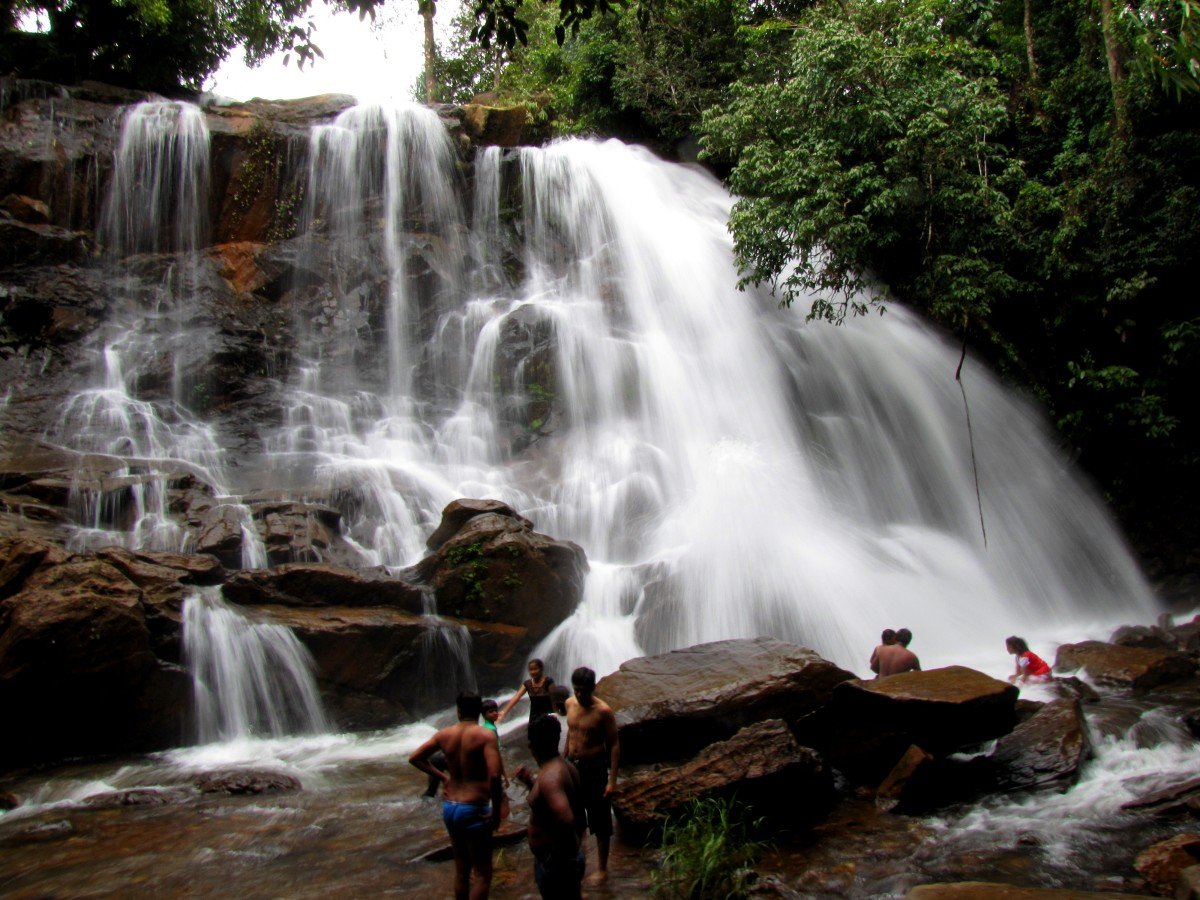
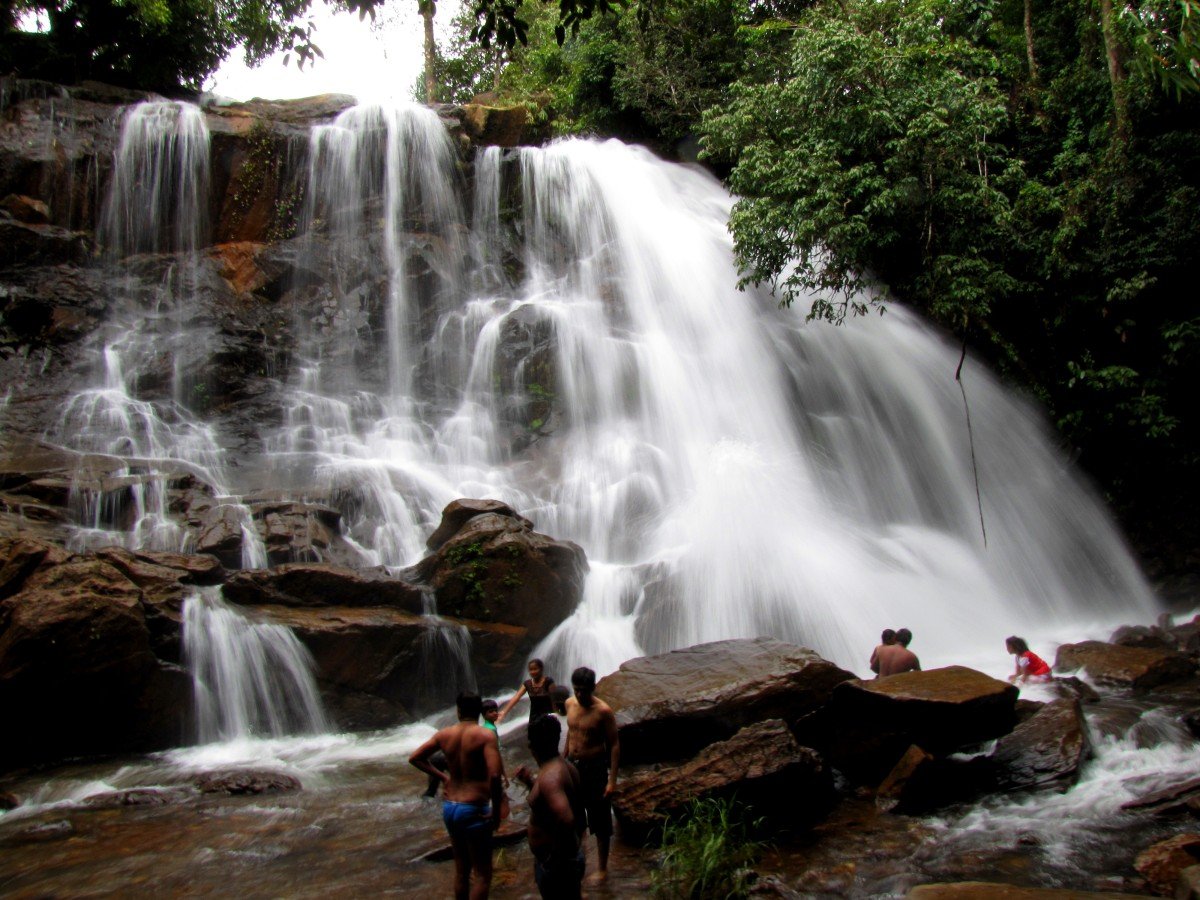
The Main Cascade at Full Flow: The absolute best shot is a wide-angle photograph capturing the full, 40-foot cascade and the wide sheet of water, especially during the peak flow season (October to December). Using a slow shutter speed will create the classic silky-water eff...The Main Cascade at Full Flow: The absolute best shot is a wide-angle photograph capturing the full, 40-foot cascade and the wide sheet of water, especially during the peak flow season (October to December). Using a slow shutter speed will create the classic silky-water effect.
The Pool and the Steps: Photos taken from the top of the steps, looking down at the pool with the cascade in the background, or a shot capturing the people enjoying the water, provide a good sense of scale and activity.
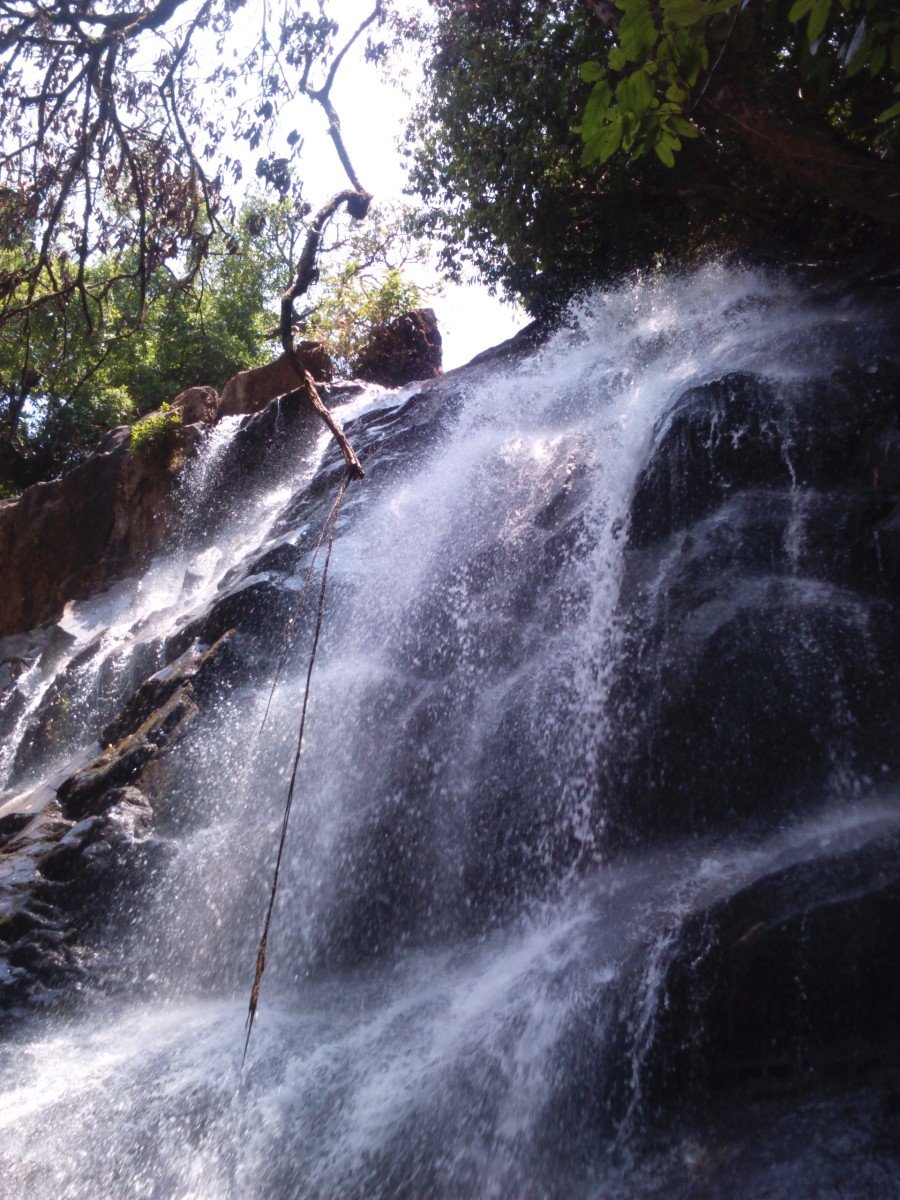
The Green Canopy and Forest Floor: Close-up shots of the dense green forest, the wet moss on the rocks, and the delicate ferns capture the rich biodiversity and texture of the Western Ghats ecosystem surrounding the falls. Capturing the mist in the air is also a great shot.Photo Gallery
Things To Do
-
Taking a Refreshing Bath in the Pool: The primary activity is enjoying a safe and invigorating bath in the natural pool at the base of the falls. Changing rooms are available for convenience.
Nature Photography and Video: Capturing the wide cascade, the spray of the water, and the lush, green surroundings of the Western Ghats provides excellent opportunities for nature photography.
Picnicking in the Designated Area: Many visitors bring packed lunches and enjoy a picnic in the relatively open area near the entrance, surrounded by the sights and sounds of the forest.
Visiting the Kigga Temple: Combining the falls visit with a stop at the Rishyasringeshwara Temple in Kigga village on the way is highly recommended, merging nature and spirituality.
Read MoreTaking a Refreshing Bath in the Pool: The primary activity is enjoying a safe and invigorating bath in the natural pool at the base of the falls. Changing rooms are available for convenience.
Nature Photography and Video: Capturing the wide cascade, the spray of the water, and the lush, green surroundings of the Western Ghats provides excellent opportunities for nature photography.
Picnicking in the Designated Area: Many visitors bring packed lunches and enjoy a picnic in the relatively open area near the entrance, surrounded by the sights and sounds of the forest.
Visiting the Kigga Temple: Combining the falls visit with a stop at the Rishyasringeshwara Temple in Kigga village on the way is highly recommended, merging nature and spirituality.
Trekking on the Surrounding Trails: While the main path is paved, exploring the gentle, short trails around the falls entrance (without venturing too deep into the forest) offers birdwatching and quiet contemplation spots.
Relaxing and De-stressing: Simply sitting on the rocks or benches near the falls, listening to the roar of the water, and breathing in the fresh, mist-filled air is a perfect way to relax and de-stress from city life.
Buying Local Spices and Coffee: The road leading to the falls passes through coffee and spice estates. Stopping at a local shop to buy fresh, local coffee powder or spices is a great way to support the local economy.
Information
-
Why Famous:
Ease of Access and Scenic Beauty: Sirimane Falls is famed for being one of the most easily accessible waterfalls in the rugged Western Ghats, with a motorable road leading close to the entrance and well-laid steps for the final descent. This ease, coupled with its immense n...Ease of Access and Scenic Beauty: Sirimane Falls is famed for being one of the most easily accessible waterfalls in the rugged Western Ghats, with a motorable road leading close to the entrance and well-laid steps for the final descent. This ease, coupled with its immense natural beauty, especially during the post-monsoon period, makes it a highly popular destination. The wide sheet of water falling from 40 feet offers a spectacular and refreshing sight.
Proximity to Sringeri: Its close distance (15 KMS) to the major pilgrimage center of Sringeri makes it a perfect half-day trip to combine spiritual travel with nature exploration. The falls provide a cool, natural contrast to the temple's serene environment, attracting a diverse range of tourists. -
Architecture:
Simple and Naturalistic Structure: Unlike a temple, the architecture of Sirimane Falls is purely natural, a cascade formed by the geological structure of the Western Ghats mountains. The water drops over a sheer rock face that is part of the ancient hill range.Simple and Naturalistic Structure: Unlike a temple, the architecture of Sirimane Falls is purely natural, a cascade formed by the geological structure of the Western Ghats mountains. The water drops over a sheer rock face that is part of the ancient hill range.
Man-made Amenities: The only man-made structures are the well-laid steps and railings that facilitate safe access to the base of the falls. These steps are built using local stone and cement to blend with the natural environment. Additionally, there are simple, functional facilities like changing rooms and toilets near the entrance area. The viewing area at the base is a naturally formed pool where visitors can safely take a dip. The surrounding forest is a mix of tropical evergreen and semi-evergreen species.
The dimensions are impressive: a 40-foot drop over a wide rock face. The focus is on safety and accessibility for a public nature spot. -
How To Reach:
By Air: The nearest airport is Mangaluru International Airport (IXE) (111 KMS). From there, hire a taxi or take a bus to Sringeri or directly to Kigga village.
By Train: Nearest major railway stations are Shivamogga (SMET) (90 KMS) and Udupi...By Air: The nearest airport is Mangaluru International Airport (IXE) (111 KMS). From there, hire a taxi or take a bus to Sringeri or directly to Kigga village.
By Train: Nearest major railway stations are Shivamogga (SMET) (90 KMS) and Udupi (UD) (96 KMS). From the stations, take a bus or cab to Sringeri.
By Road: From Sringeri town (15 KMS), Sirimane Falls is reached via a well-maintained road that passes through Kigga village. Taxis, hired cars, and local auto-rickshaws are the best way to reach the falls. The drive is scenic and takes about 30-45 minutes. State transport buses do not go all the way to the falls entrance.
By Local Transport: Hiring a dedicated taxi or a powerful auto-rickshaw for a round trip from Sringeri that includes waiting time is the most convenient local option. -
Weather and Best Time to Visit:
The Seasons: Post-Monsoon (September to December) is the absolute Best Time to Visit. The falls are in full flow, the weather is pleasant, and the forest is at its most vibrant. Summer is also good, but the water flow may be reduced. Monsoon is very dangerous due to slipp...The Seasons: Post-Monsoon (September to December) is the absolute Best Time to Visit. The falls are in full flow, the weather is pleasant, and the forest is at its most vibrant. Summer is also good, but the water flow may be reduced. Monsoon is very dangerous due to slippery rocks and potential flash floods.
Different Parts of the Day: Mid-day (11:00 AM to 3:00 PM) is the most ideal, as the sun is high, ensuring sufficient light for photos and making a bath in the cold water more comfortable. Early morning can be quite misty and chilly. -
Near Tourist Places:
Kigga (Rishyasringeshwara Temple) (6 KMS), Sringeri Sharadamba Temple (15 KMS), Sri Vidyashankara Temple (15 KMS), Narasimha Parvatha (7 KMS trek), Agumbe (41 KMS), Kundadri Hill (40 KMS), Horanadu (60 KMS), Kavishaila (51 KMS), Hulikal Falls (70 KMS), Kudremukh National Park (Entrance 45 KMS).
Tourism Tips
-
Health & Safety: The rocks near the falls are very slippery; always hold the railings and wear water-friendly footwear with a good grip. Do not venture close to the main cascade when the water flow is very high. Do not drink the water directly.
Read MoreHealth & Safety: The rocks near the falls are very slippery; always hold the railings and wear water-friendly footwear with a good grip. Do not venture close to the main cascade when the water flow is very high. Do not drink the water directly.
Packing: Carry an extra set of clothes and a towel if you plan to take a bath. Carry a waterproof bag/pouch for your phone and camera. Always carry water and some snacks.
Accommodation: No accommodation is available at the falls. Plan to stay in Sringeri town.
Other Topics: The place is a strictly No Plastic Zone; please carry back all your litter. Do not write or carve on the rocks. Be wary of monkeys near the entrance area; do not feed them.Reviews
FAQs
Sringeri Itineray And Cost:-
Other Places In Sringeri :-
Other States In India :-
Information about New and Updated Locations() of Karnataka Has Been Added :-
Card subtitle
Note:-
Information provided here in good Faith and for reference only.
Near Places

Adi Shankara Temple
Some quick example text to build on the card title and make up the bulk of the card's content.
Go somewhere
Agumbe Rainforest Research Station
Some quick example text to build on the card title and make up the bulk of the card's content.
Go somewhere
Barkana Falls
Some quick example text to build on the card title and make up the bulk of the card's content.
Go somewhere
Bhadra River Lakya Confluence Point
Some quick example text to build on the card title and make up the bulk of the card's content.
Go somewhere
Hanumana Gundi Falls
Some quick example text to build on the card title and make up the bulk of the card's content.
Go somewhere
Horanadu Annapoorneshwari Temple
Some quick example text to build on the card title and make up the bulk of the card's content.
Go somewhere
Kadambi Falls
Some quick example text to build on the card title and make up the bulk of the card's content.
Go somewhere
Kere Anjaneya Temple
Some quick example text to build on the card title and make up the bulk of the card's content.
Go somewhere
Kigga
Some quick example text to build on the card title and make up the bulk of the card's content.
Go somewhere
Koppa
Some quick example text to build on the card title and make up the bulk of the card's content.
Go somewhere
Kudremukh National Park
Some quick example text to build on the card title and make up the bulk of the card's content.
Go somewhere
Lakya Dam
Some quick example text to build on the card title and make up the bulk of the card's content.
Go somewhere
Mallikarjuna Temple
Some quick example text to build on the card title and make up the bulk of the card's content.
Go somewhere
Narasimhavanam
Some quick example text to build on the card title and make up the bulk of the card's content.
Go somewhere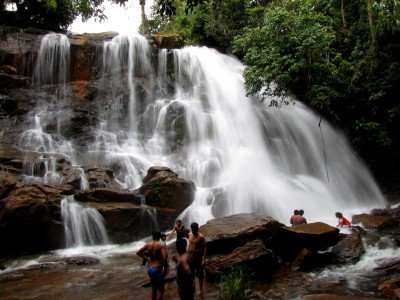
Sirimane Falls
Some quick example text to build on the card title and make up the bulk of the card's content.
Go somewhere
Sri Malayala Brahma Temple
Some quick example text to build on the card title and make up the bulk of the card's content.
Go somewherein Other Cities