

Sirpur
General information
-
Ideal Duration:
5 to 8 HoursPlace Type:
Archaeological & SpiritualEntry Fees:
ASI Sites:The Laxman Temple and main excavation sites have a nominal entry fee of Rs.25 for Indians and Rs.300 for foreigners.
Free Sites:Smaller ruins scattered around the village and the Gandheshwar Temple are generally free for public access....ASI Sites:The Laxman Temple and main excavation sites have a nominal entry fee of Rs.25 for Indians and Rs.300 for foreigners.
Free Sites:Smaller ruins scattered around the village and the Gandheshwar Temple are generally free for public access.
:Timing:
Regular Timings:The excavated sites are open from sunrise to sunset, typically 7:00 AM to 6:00 PM every day of the week.
Ideal Time:Morning hours before 11:00 AM are best to avoid the afternoon sun and to get the best light for photography. ...Regular Timings:The excavated sites are open from sunrise to sunset, typically 7:00 AM to 6:00 PM every day of the week.
Ideal Time:Morning hours before 11:00 AM are best to avoid the afternoon sun and to get the best light for photography.
:Special Events:
Sirpur Festival:Held in January, this grand event features classical music and dance, attracting international tourists and famous Indian performers.
Buddha Purnima:The town sees a gathering of Buddhist monks and followers who perform specia...Sirpur Festival:Held in January, this grand event features classical music and dance, attracting international tourists and famous Indian performers.
Buddha Purnima:The town sees a gathering of Buddhist monks and followers who perform special prayers at the ancient Viharas.
:Best Photo Spots:
Laxman Temple Gate:The ornamental doorway with its intricate brickwork is a favorite spot for architectural and heritage photographers.
Surang Tila Steps:The dramatic perspective of the high stone platform and the surrounding greenery makes ...Laxman Temple Gate:The ornamental doorway with its intricate brickwork is a favorite spot for architectural and heritage photographers.
Surang Tila Steps:The dramatic perspective of the high stone platform and the surrounding greenery makes for stunning wide-angle shots.
:Photo Gallery

Things To Do
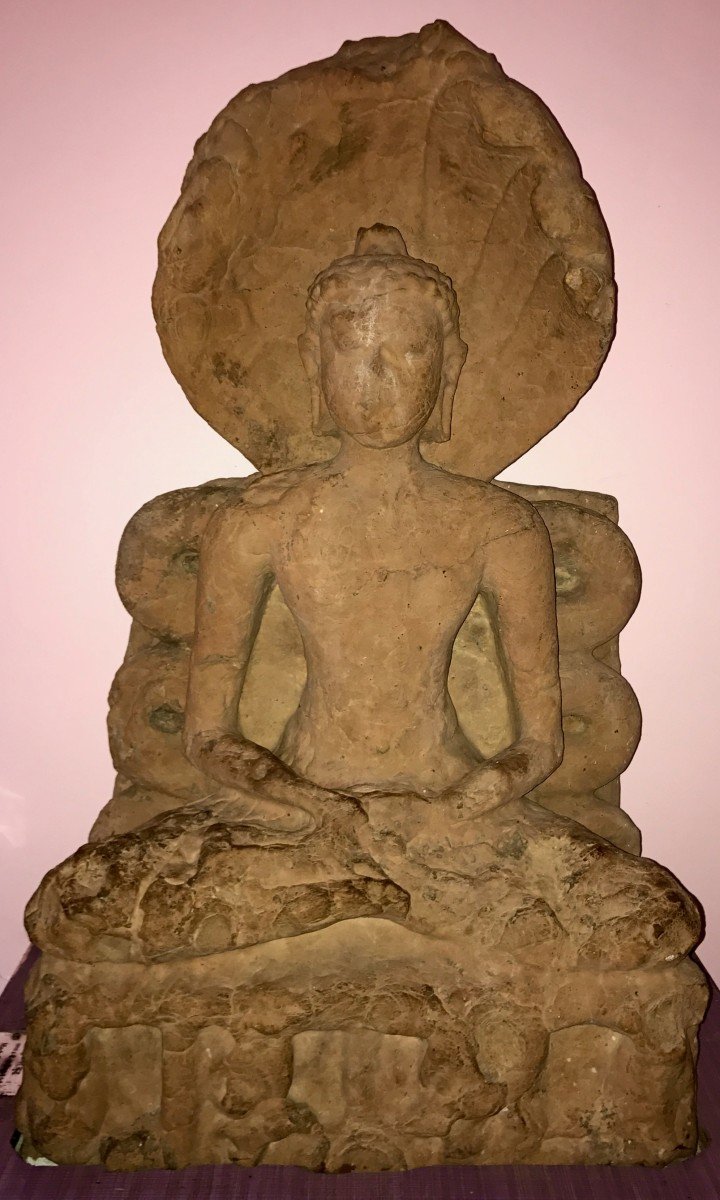
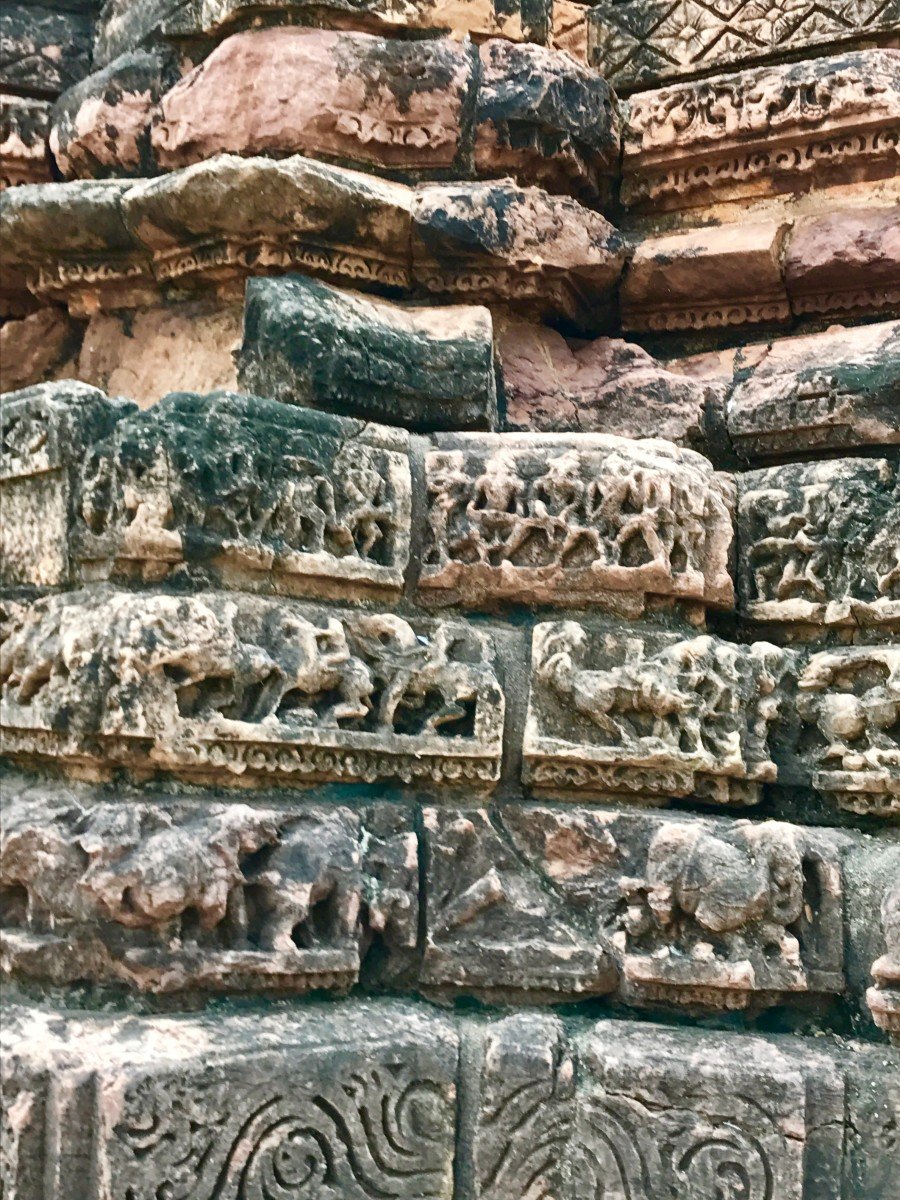
 @@Historical Significance: The Anand Prabhu Kudi Vihar is a key archaeological site in Sirpur, constructed by the Buddhist monk Anandaprabhu during the reign of the Panduvamshi King Mahashiv Gupta Balarjuna in the 7th-8th century CE. It served as a large monastery for the Mahayana sect of Buddhism. @@Structure and Layout: Excavations revealed a complex with fourteen cells built around a main courtyard, alongside a pillared corridor, suggesting a well-planned and sizable center of learning. The presence of a large Lord Buddha statue in the sanctum emphasizes its importance as a center for worship and meditation. It underscores Sirpur's ancient status as a thriving, syncretic cultural hub where Buddhism flourished alongside Hinduism and Jainism. Its discovery validated the accounts of the famous Chinese traveler Xuanzang from the 7th century CE. The preserved ruins offer a direct glimpse into the monastic life of the ancient period. @@Patronage and Discovery: The royal patronage by a Hindu king, Balarjuna, highlights the religious tolerance of the era. The ruins were uncovered in the mid-20th century as part of the broader Sirpur excavations by the ASI, bringing to light the sophisticated urban planning and religious devotion of the Dakshina Kosala kingdom.
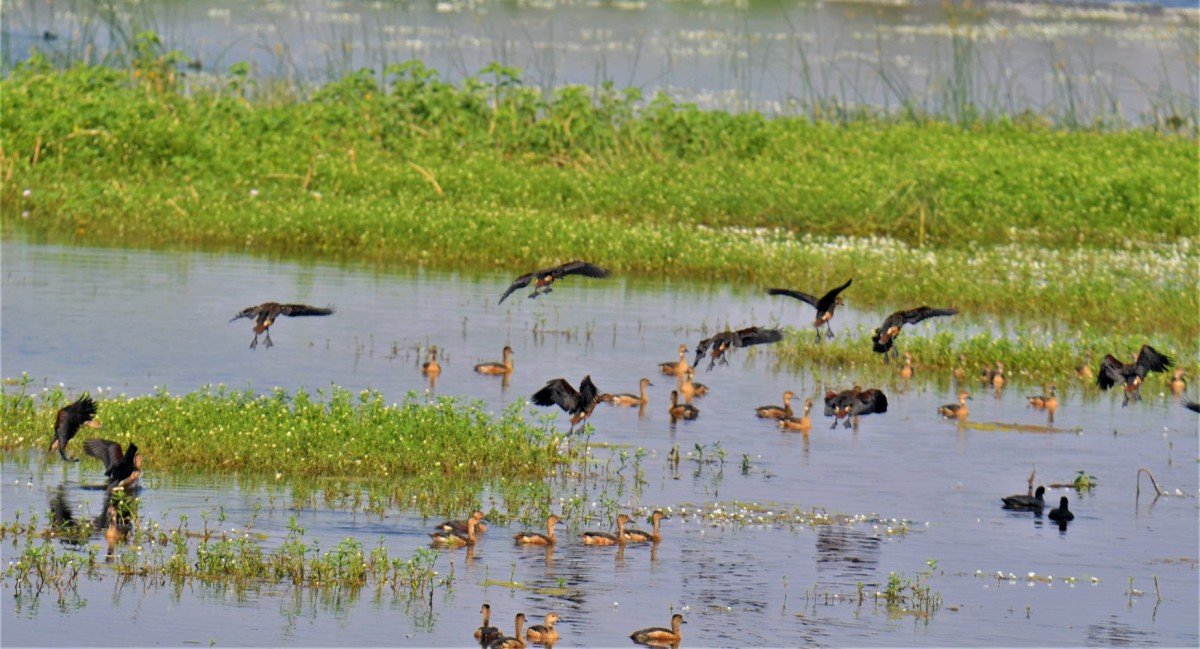
 The Sirpur Forest Range is a lush expanse of deciduous greenery that serves as the natural backdrop to the ancient ruins of Sirpur. This range is a vital part of the local ecosystem, characterized by thick stands of Sal, Teak, and Bamboo trees that create a canopy over the historic trails. Spanning across a significant area in the Mahasamund district, the forest is not just a collection of trees but a sanctuary for diverse flora and fauna that once coexisted with the ancient civilization of Shripur. Historically, these woods provided the resources for the city's growth and offered a serene retreat for the monks and sages who resided in the nearby viharas. Visitors today can experience a unique blend of archaeology and ecology, as the forest paths often lead to unexcavated mounds and hidden stone relics. The air here is remarkably fresh, filtered by the dense foliage that thrives along the banks of the Mahanadi River. The range is also an important corridor for wildlife moving between the Barnawapara Wildlife Sanctuary and the river plains. For nature lovers, the forest offers a sensory journey filled with the sounds of chirping birds, the rustle of leaves, and the occasional sighting of spotted deer or wild boars. It represents the " lungs" of the heritage town, preserving the rustic charm of rural Chhattisgarh. The interplay of sunlight through the branches creates a mystical atmosphere, making it a perfect spot for those looking to escape the hustle of modern life and reconnect with the primitive beauty of the Indian landscape.
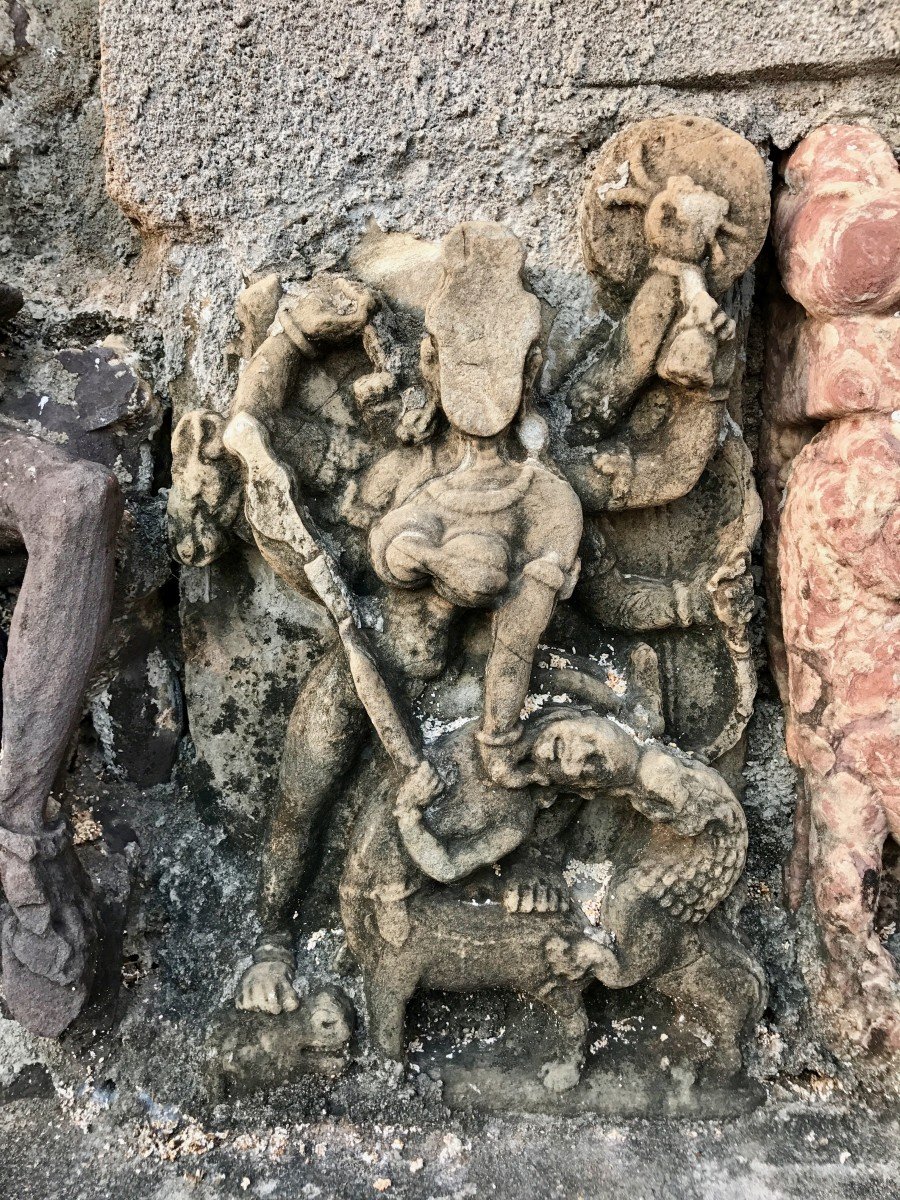
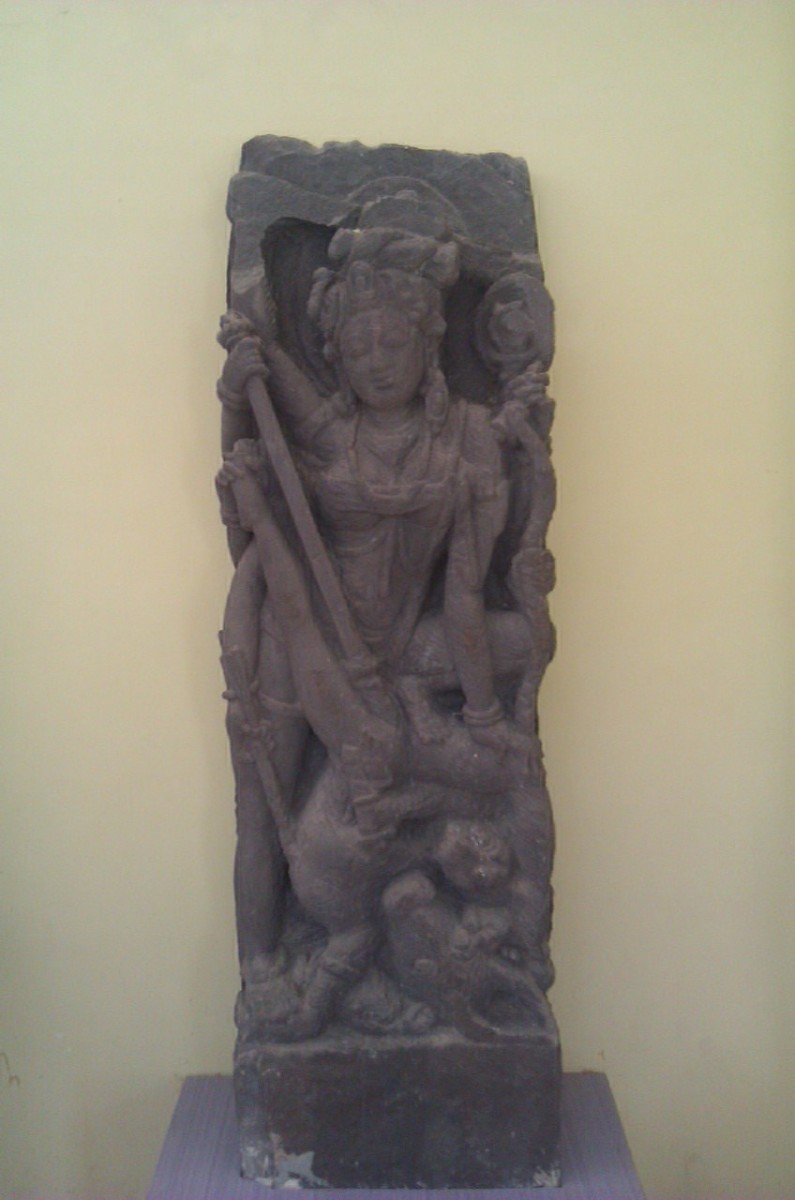
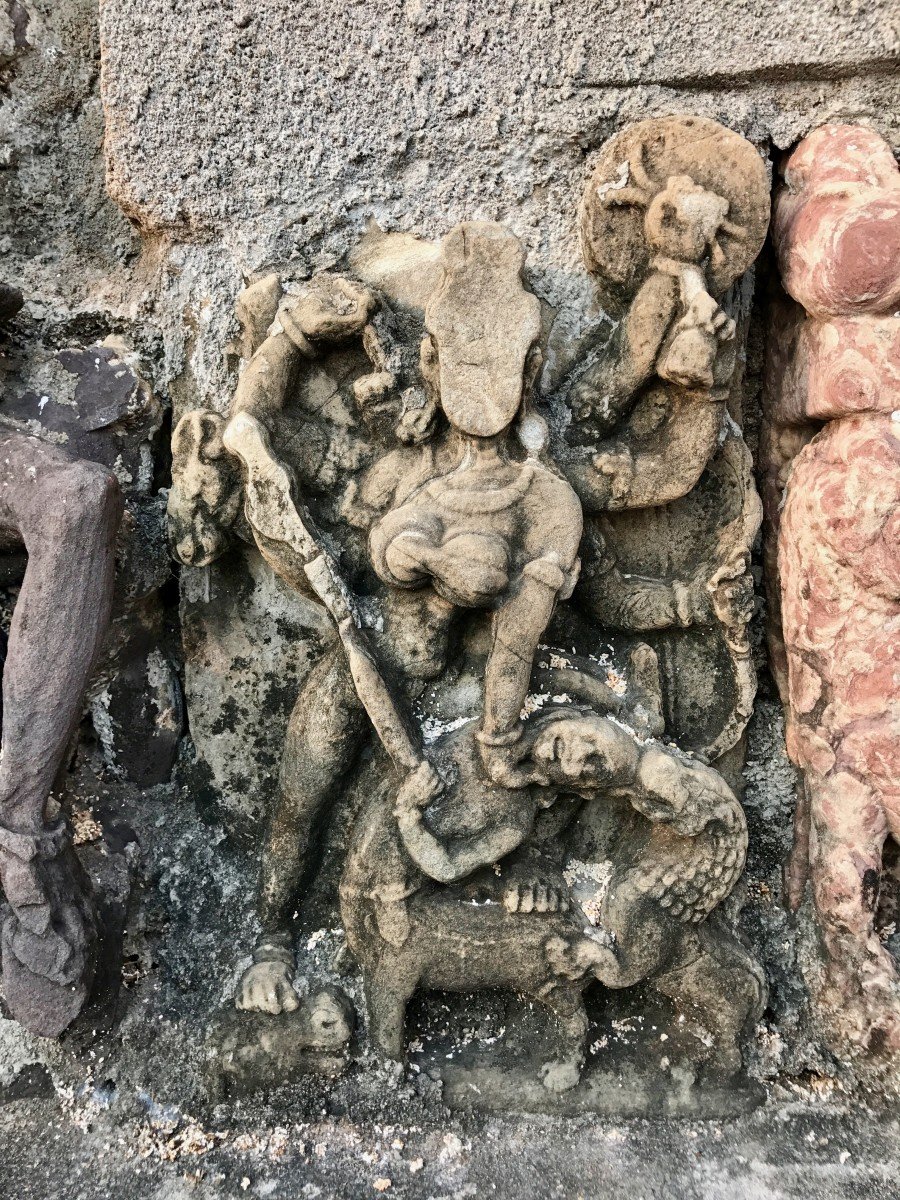
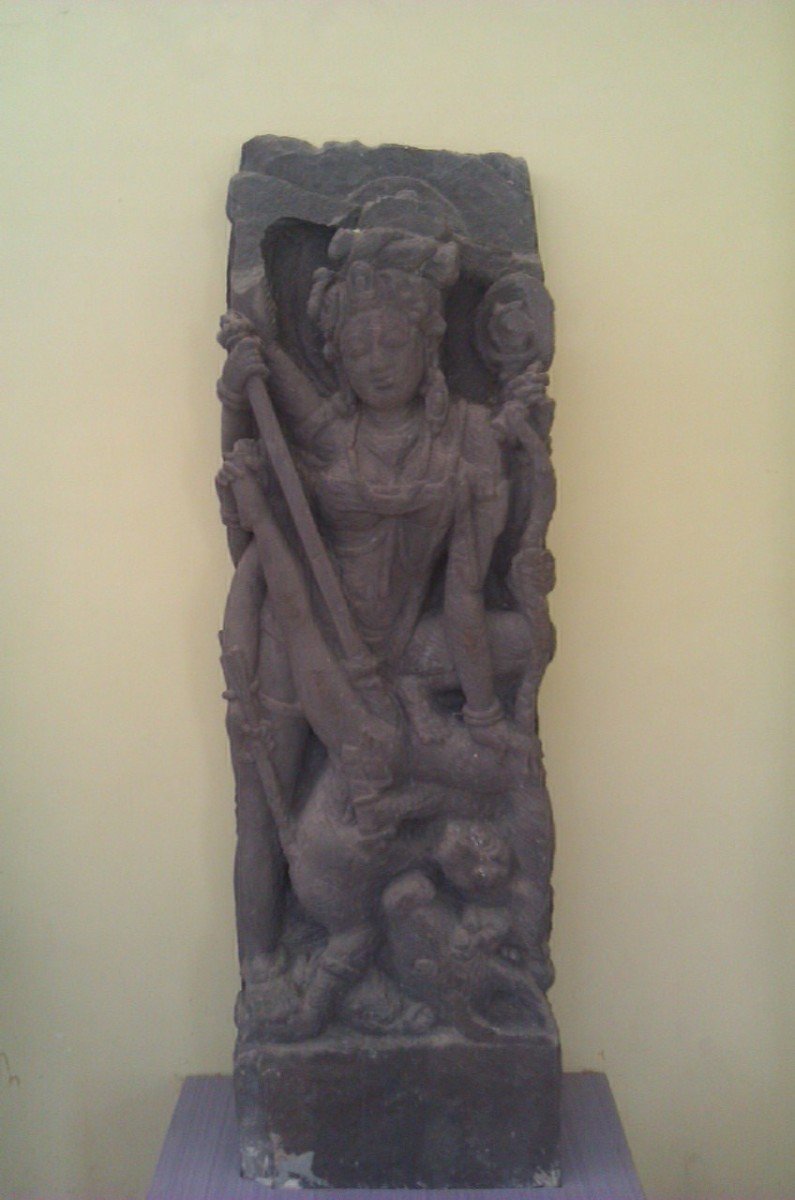
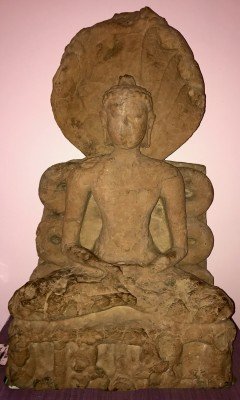 The Sirpur ASI Museum (Archaeological Survey of India Museum) is a small yet crucial facility established to house and protect the vast collection of sculptures, terracotta figures, inscriptions, and other artifacts recovered during the extensive excavations at the Sirpur Archaeological Site. It serves as an interpretive center, displaying pieces that represent the Hindu (Shaiva, Vaishnava, Shakta), Buddhist, and Jain faiths, offering concrete evidence of the area's religious pluralism. Key exhibits include exquisite bronze sculptures from the early medieval period, considered among the finest of their era, and an important 8th-9th century sculpture of the goddess Mahishasuramardini (slaying the buffalo demon Mahishasura). The museum is strategically located near the main monuments, such as the Laxman Temple, allowing visitors to see the unearthed objects in a curated setting after exploring the ruins. The collection is vital for understanding the iconographic richness, art history, and chronological sequence of the site's development and decline. It provides context to the monumental ruins seen outside.
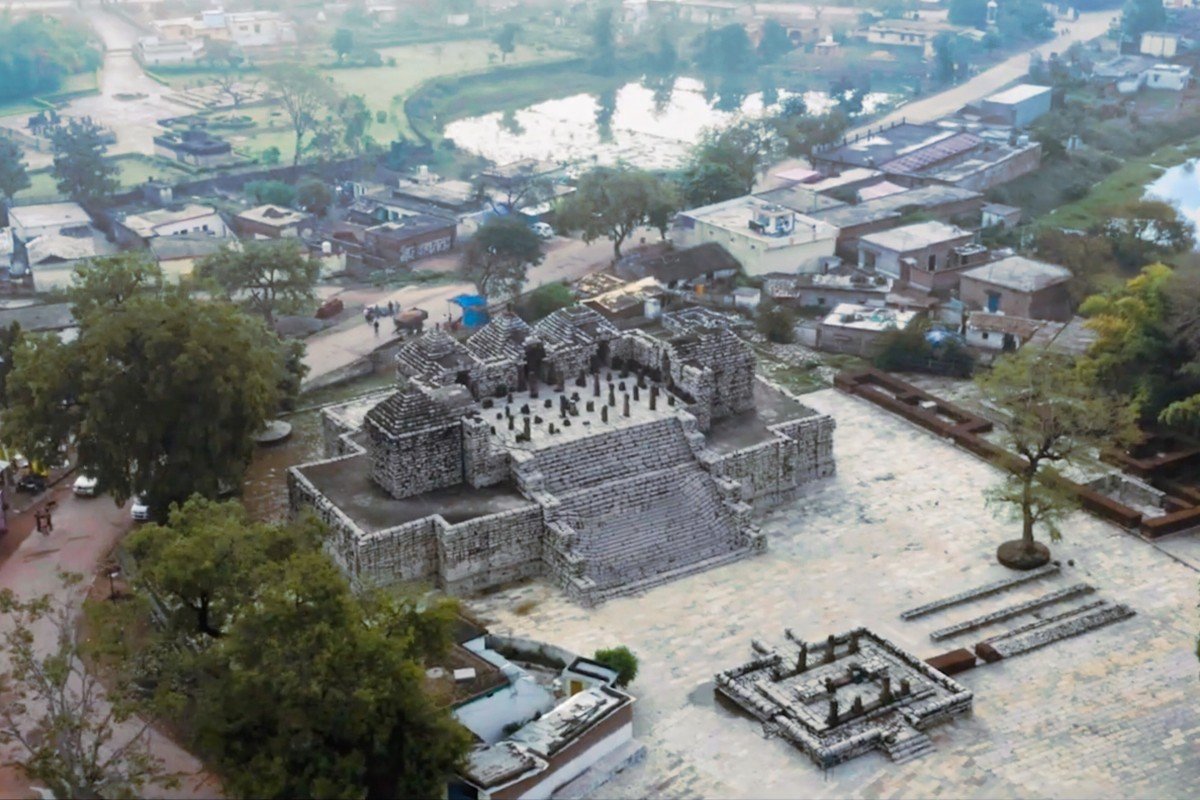
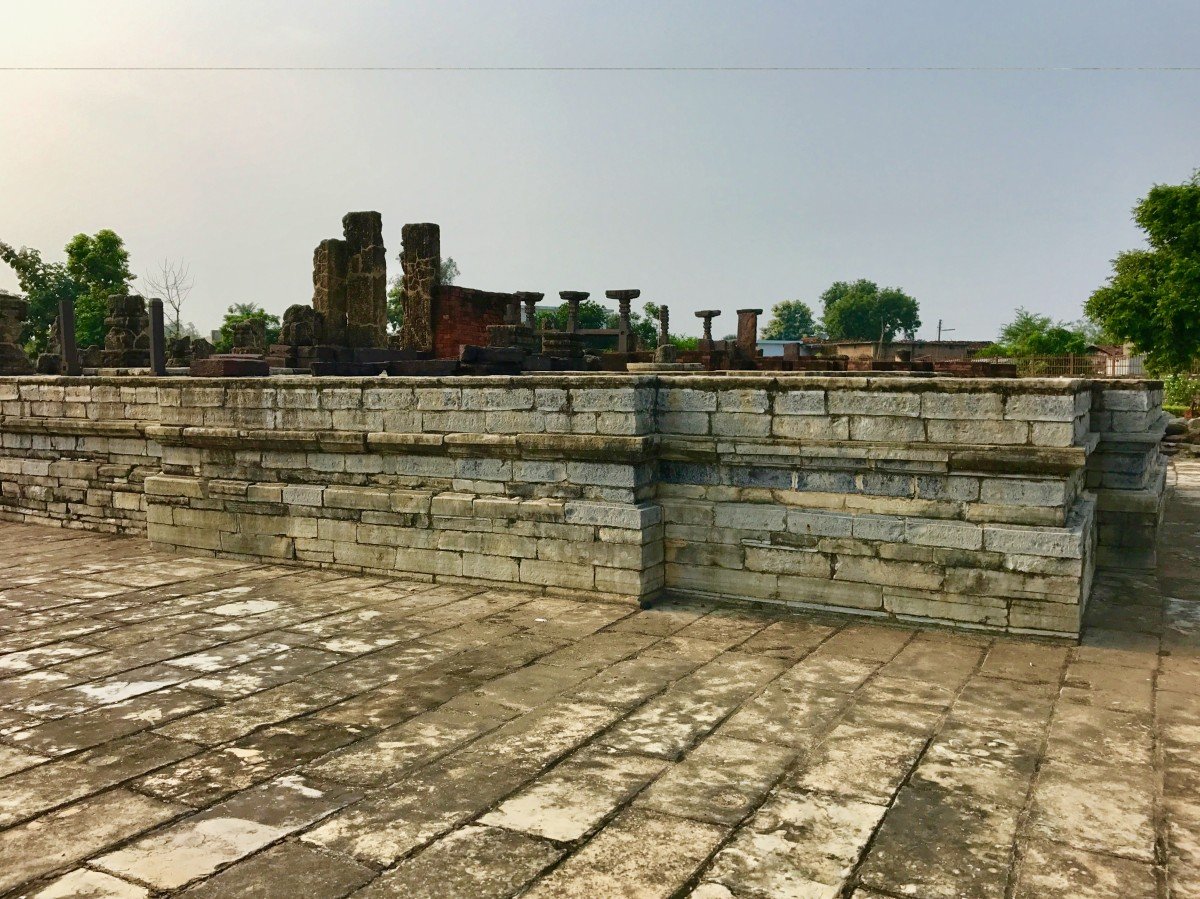
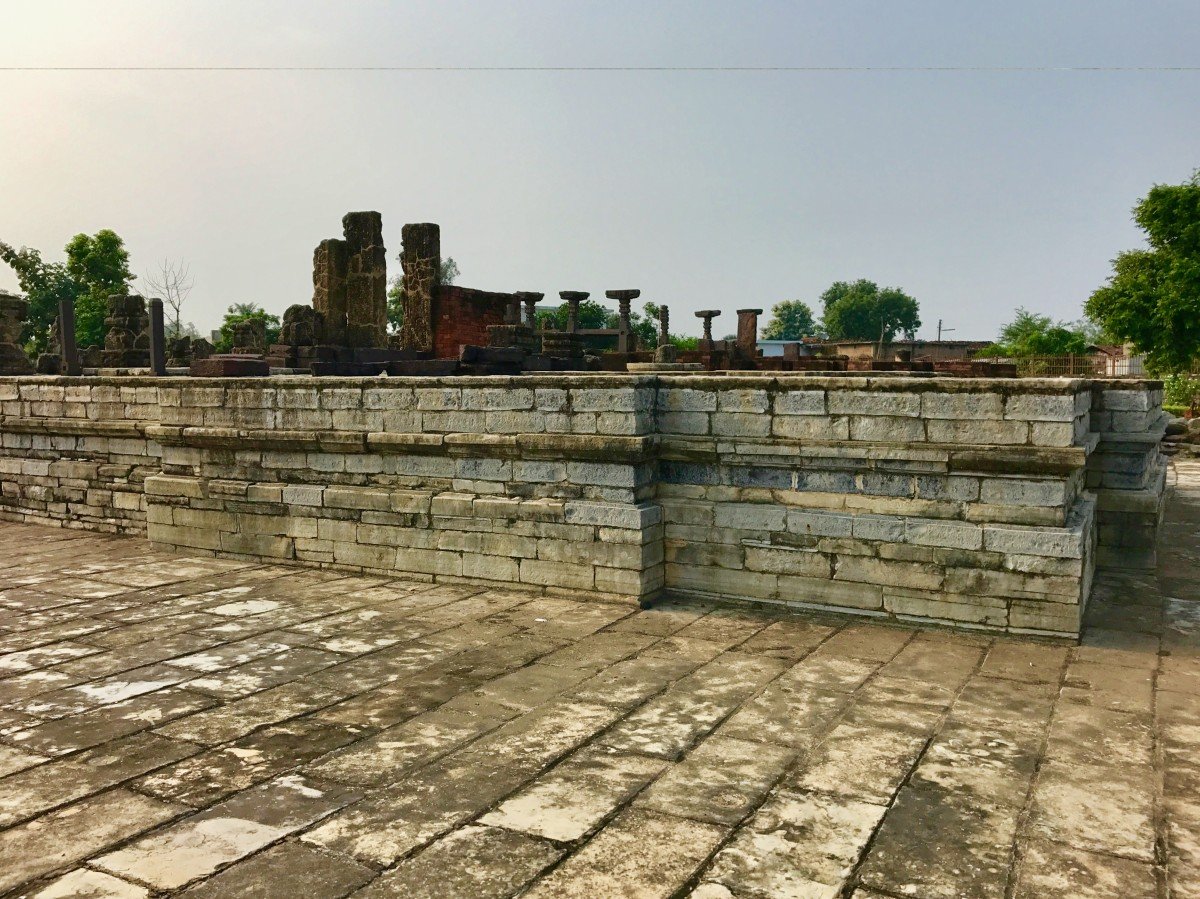
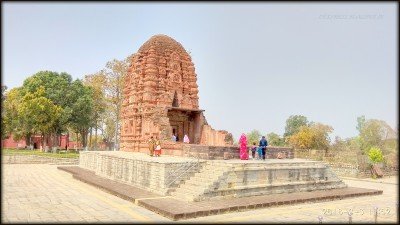 @@Historical Significance: The Laxman Temple is arguably the most famous monument in Sirpur and one of India's earliest and finest surviving temples built completely of fired brick. Dedicated to Lord Vishnu, it was constructed by Queen Vasata, the mother of King Mahashiv Gupta Balarjuna, to honor the memory of her husband, King Harshagupta, in the 7th century CE. It is an extraordinary example of the Dakshina Kosala style of architecture, combining elements of the Nagara and Dravidian styles. The temple was built on a high plinth and once featured a towering Shikhara (spire), now partially ruined, possibly due to a 12th-century earthquake. @@Architectural Details: The intricate carvings on the brickwork and the impressive stone doorframe of the sanctum are the temple's highlights. The doorframe is exquisitely carved with figures of Lord Vishnu, Goddess Lakshmi, the river goddesses Ganga and Yamuna, and mythological scenes. The temple structure itself is raised on a stone platform (jagati) allowing for circumambulation. @@Excavation and Fame: The temple was first brought to international attention in 1872 by the colonial official and archaeologist Alexander Cunningham. Its discovery and subsequent excavation revealed the immense historical and cultural wealth of Sirpur, establishing it as a site of national importance. It is a key monument in the ongoing efforts for UNESCO World Heritage Status.
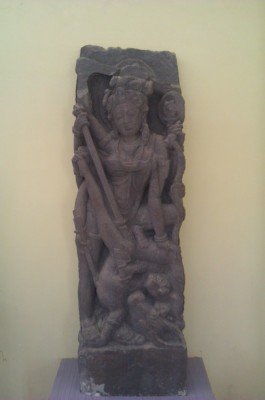 Dhuskund Waterfall, also known as the Bord Waterfall, is a hidden natural treasure tucked away in the dense forests of the Mahasamund district. Unlike the more commercialized waterfalls, Dhuskund offers a raw and pristine experience of nature's power. The water cascades down from a significant height, creating a misty pool at the bottom that is perfect for a refreshing dip. Surrounded by lush greenery and the rhythmic sounds of the forest, it serves as an ideal escape for those looking to disconnect from the modern world. The path to the waterfall involves a short trek through the woods, adding an element of adventure to the visit. It is a seasonal waterfall that reaches its peak glory during the monsoon, when the volume of water increases dramatically. This spot is particularly popular among local youth and nature enthusiasts who enjoy trekking and outdoor picnics in a tranquil setting.
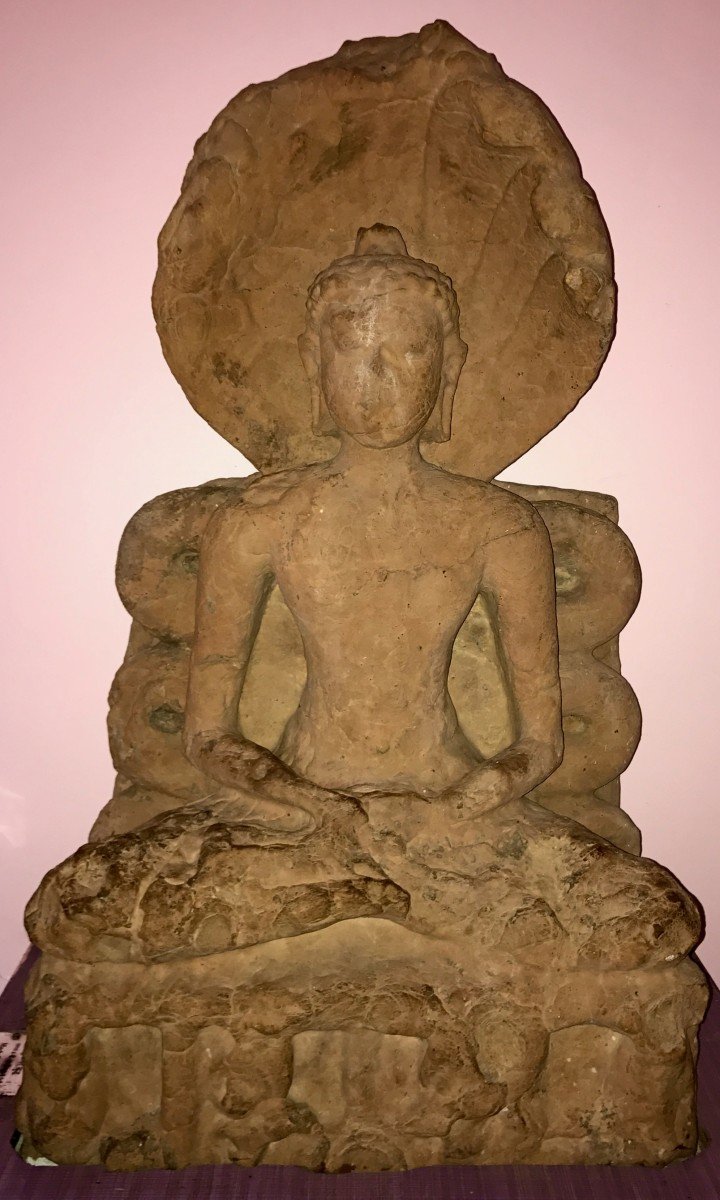
The Teevar Dev Maha Vihara, also referred to as Tivradeva Mahavihara, is another one of Sirpur's most significant Buddhist complexes, reportedly the largest one discovered on the site. It was constructed by the Buddhist monk Anand Prabhu with the patronage of King Shivagupta Balarjuna, featuring 14 monastic cells around a central courtyard. The name is often associated with the early Panduvamshi ruler Tivaradeva. The vihara's entrance is particularly noted for its exquisite ornamentation, which uniquely combines Buddhist and Hindu iconographic themes, reflecting the area's remarkable religious syncretism. Inside its sanctum, a notable statue of Lord Buddha is housed, often accompanied by the Bodhisattva Padmapani. The detailed carvings on the door jambs include scenes from the Panchatantra (ancient fables) and decorative mithuna (amorous couples) figures alongside Buddhist motifs, indicating a rare integration of cultural and spiritual ideas. The remains also hint at a sophisticated drainage system and multi-storeyed construction.
Dhuskund Waterfall, also known as the Bord Waterfall, is a hidden natural treasure tucked away in the dense forests of the Mahasamund district. Unlike the more commercialized waterfalls, Dhuskund offers a raw and pristine experience of nature's power. The water cascades down from a significant height, creating a misty pool at the bottom that is perfect for a refreshing dip. Surrounded by lush greenery and the rhythmic sounds of the forest, it serves as an ideal escape for those looking to disconnect from the modern world. The path to the waterfall involves a short trek through the woods, adding an element of adventure to the visit. It is a seasonal waterfall that reaches its peak glory during the monsoon, when the volume of water increases dramatically. This spot is particularly popular among local youth and nature enthusiasts who enjoy trekking and outdoor picnics in a tranquil setting.
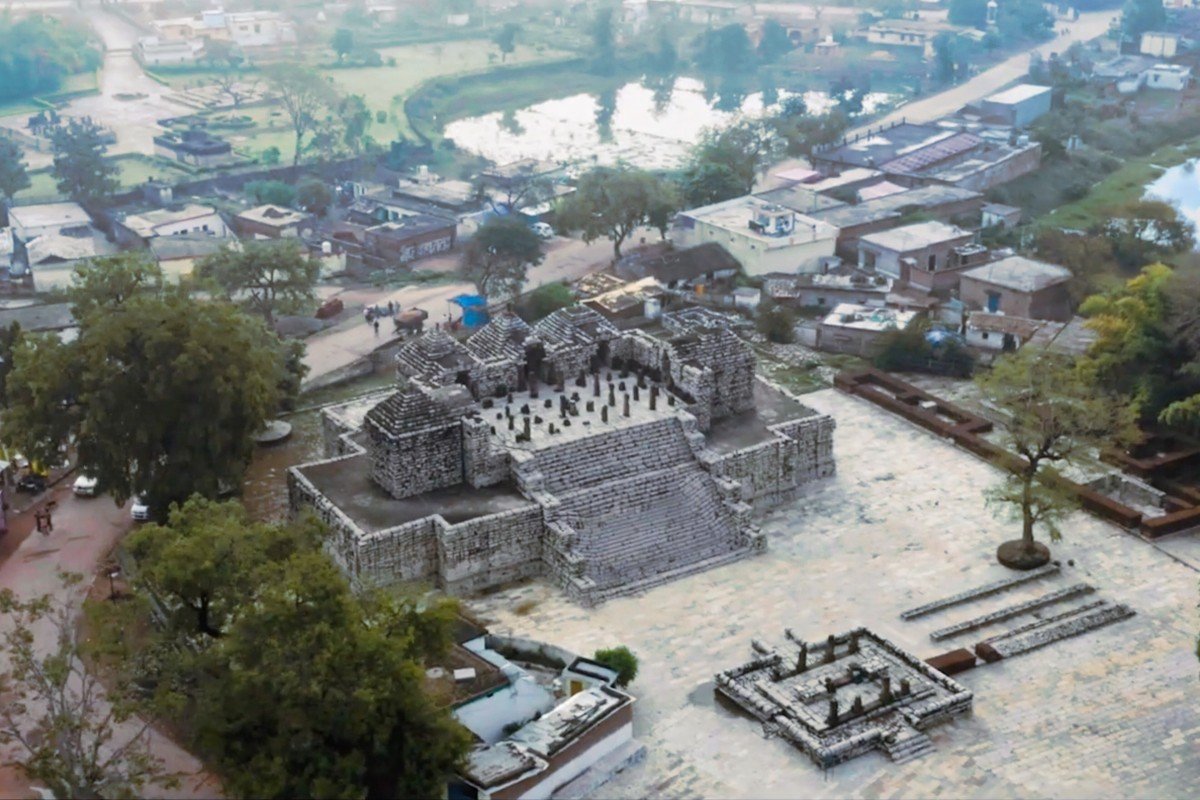
The Teevar Dev Maha Vihara, also referred to as Tivradeva Mahavihara, is another one of Sirpur's most significant Buddhist complexes, reportedly the largest one discovered on the site. It was constructed by the Buddhist monk Anand Prabhu with the patronage of King Shivagupta Balarjuna, featuring 14 monastic cells around a central courtyard. The name is often associated with the early Panduvamshi ruler Tivaradeva. The vihara's entrance is particularly noted for its exquisite ornamentation, which uniquely combines Buddhist and Hindu iconographic themes, reflecting the area's remarkable religious syncretism. Inside its sanctum, a notable statue of Lord Buddha is housed, often accompanied by the Bodhisattva Padmapani. The detailed carvings on the door jambs include scenes from the Panchatantra (ancient fables) and decorative mithuna (amorous couples) figures alongside Buddhist motifs, indicating a rare integration of cultural and spiritual ideas. The remains also hint at a sophisticated drainage system and multi-storeyed construction.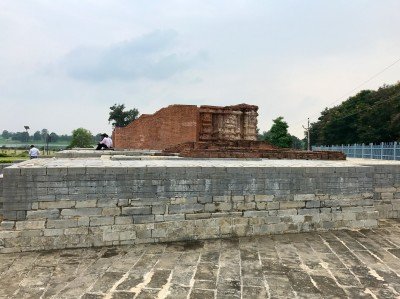 @@Historical Significance: The Ram Temple in Sirpur is a significant ruin located very close to the more famous Laxman Temple. Dedicated to Lord Rama (or possibly Vishnu), this temple dates back to the same period of the Somvanshi dynasty (7th-8th century CE). It is architecturally crucial as it is considered one of the earliest examples of the stellate (star-shaped) temple plan tradition in the Dakshina Kosala region, a style that later became prominent in other parts of Central India. The temple is now in a state of ruins, having been damaged over the centuries, likely in the same earthquake that damaged the Laxman Temple. @@Architectural Importance: Though shattered, the surviving foundation and plinth clearly showcase the unique star-shaped projection pattern. Like its neighbors, it was primarily constructed of brick, standing on a stone plinth, and originally faced East. Its position near the Laxman Temple suggests that the two were part of a planned, adjacent complex, dedicated to the principal deities of the Ramayana, reflecting the royal family's devotion to Vaishnavism. @@Archaeological Context: The temple's ruins are protected by the Archaeological Survey of India (ASI) and are part of the main excavation site. The geometrical construct of its plan is a major point of study for architectural historians. The area has yielded various artifacts now housed in the nearby ASI Museum.Show All
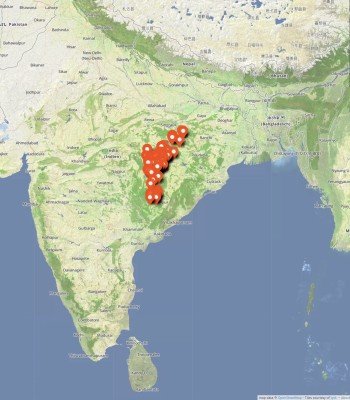 Samoda Dam is a functional irrigation and hydroelectric project located on the Mahanadi River. It has gained popularity as a scenic picnic destination for those traveling between Raipur and Sirpur. The dam creates a massive reservoir that looks like a vast sea, especially during the monsoon. The surrounding area is filled with lush green fields and small hillocks, providing a perfect backdrop for nature lovers. The sound of water gushing through the gates is both powerful and soothing. Many locals visit this spot for weekend getaways to enjoy the open space and fresh air. There are designated areas for tourists to sit and enjoy the view of the water. The sunset here is particularly famous, as the sky turns into shades of orange and pink over the reservoir. It is a quiet alternative to the more crowded tourist spots in the region. The dam also plays a crucial role in the agriculture of the Arang and Mahasamund blocks. Visiting here provides a glimpse into the modern engineering of the state. :
Information
-
Why Famous:
Brick Temple Heritage:It is home to the Laxman Temple, one of the oldest and best-preserved brick temples in the entire Indian subcontinent.
Buddhist Link:Sirpur was visited by the Chinese traveler Hiuen Tsang, who described it as a major Bu...Brick Temple Heritage:It is home to the Laxman Temple, one of the oldest and best-preserved brick temples in the entire Indian subcontinent.
Buddhist Link:Sirpur was visited by the Chinese traveler Hiuen Tsang, who described it as a major Buddhist learning center with many monasteries.
: -
Architecture:
Brick Craftsmanship:The Laxman Temple is a masterpiece of brick architecture, featuring a grand Shikhara and intricate terracotta carvings of Vishnu.
Buddhist Viharas:The Ananda Prabhu Kuti Vihara and Swastika Vihara display planned monk cel...Brick Craftsmanship:The Laxman Temple is a masterpiece of brick architecture, featuring a grand Shikhara and intricate terracotta carvings of Vishnu.
Buddhist Viharas:The Ananda Prabhu Kuti Vihara and Swastika Vihara display planned monk cells and central courtyards made of stone and brick.
Panchayatana Style:Many Hindu temples here follow the Panchayatana layout, with a main shrine surrounded by four smaller subsidiary shrines on a raised platform.
: -
How To Reach:
By Air:Raipur Airport is the closest at 85 km; travelers usually hire a private taxi from there to reach Sirpur.
By Train:Mahasamund (45 km) is the nearest station, but most visitors arrive via Raipur Junction due to better train frequency....By Air:Raipur Airport is the closest at 85 km; travelers usually hire a private taxi from there to reach Sirpur.
By Train:Mahasamund (45 km) is the nearest station, but most visitors arrive via Raipur Junction due to better train frequency.
By Road:The drive from Raipur takes about 2 hours via the Arang route; the roads are generally in good condition.
By Local Transport:Once in the village, most sites are within walking distance, though a local auto-rickshaw can be hired for the day.
: -
Weather and Best Time to Visit:
Winter Season:The period from October to March is the best time for exploration as the weather is mild and pleasant.
Early Morning:Visiting at dawn provides a mystical atmosphere as the sun rises over the ancient brick structures and the riv...Winter Season:The period from October to March is the best time for exploration as the weather is mild and pleasant.
Early Morning:Visiting at dawn provides a mystical atmosphere as the sun rises over the ancient brick structures and the river.
: -
Near Tourist Places:
1. Raipur (84 KM), 2. Turturiya (24 KM), 3. Barnawapara (35 KM), 4. Arang (48 KM), 5. Mahasamund (45 KM), 6. Rajim (95 KM), 7. Kodar Dam (55 KM), 8. Champaran (110 KM), 9. Gariyaband (130 KM), 10. Balodabazar (60 KM)
Tourism Tips
-
Health & Safety:Wear a hat and carry water, as the excavation sites are mostly open-air with very little shade from the sun.
Packing Essentials:Comfortable walking shoes are a must for navigating the uneven stone paths and climbing the templ...Health & Safety:Wear a hat and carry water, as the excavation sites are mostly open-air with very little shade from the sun.
Packing Essentials:Comfortable walking shoes are a must for navigating the uneven stone paths and climbing the temple steps.
Accommodation:There are a few Chhattisgarh Tourism resorts and guest houses in Sirpur, but many visitors stay in Raipur.
Guides:Hiring an authorized ASI guide is highly recommended to understand the complex history and the significance of each excavated structure.
:
Reviews
FAQs
Sirpur Itineray And Cost:-
Other Places In Chhattisgarh :-
Other States In India :-
Information about New and Updated Locations() of Chhattisgarh Has Been Added :-
Card subtitle
Note:-
Information provided here in good Faith and for reference only.
Near Places
Ambikapur
Some quick example text to build on the card title and make up the bulk of the card's content.
Go somewhere
Bastar
Some quick example text to build on the card title and make up the bulk of the card's content.
Go somewhere
Bilai
Some quick example text to build on the card title and make up the bulk of the card's content.
Go somewhere
Bilaspur
Some quick example text to build on the card title and make up the bulk of the card's content.
Go somewhere
Dantewada
Some quick example text to build on the card title and make up the bulk of the card's content.
Go somewhere
Dhamtari
Some quick example text to build on the card title and make up the bulk of the card's content.
Go somewhere
Durg
Some quick example text to build on the card title and make up the bulk of the card's content.
Go somewhere
Ghoghrapur
Some quick example text to build on the card title and make up the bulk of the card's content.
Go somewhere
Kabirdham
Some quick example text to build on the card title and make up the bulk of the card's content.
Go somewhere
Kanker
Some quick example text to build on the card title and make up the bulk of the card's content.
Go somewhere
Kirandul
Some quick example text to build on the card title and make up the bulk of the card's content.
Go somewhere
Kondagaon
Some quick example text to build on the card title and make up the bulk of the card's content.
Go somewhere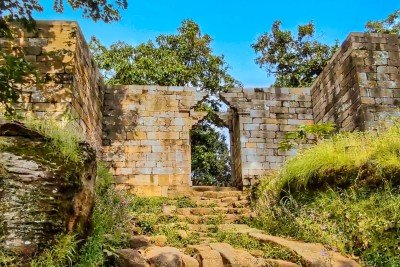
Korba
Some quick example text to build on the card title and make up the bulk of the card's content.
Go somewhere
Mahasamund
Some quick example text to build on the card title and make up the bulk of the card's content.
Go somewhere
Mainpat
Some quick example text to build on the card title and make up the bulk of the card's content.
Go somewhere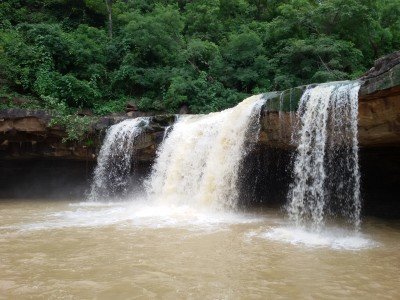
Narayanpur
Some quick example text to build on the card title and make up the bulk of the card's content.
Go somewherein Other Cities