Sitabuldi Fort
General information
-
Ideal Duration:
1 to 2 Hours (Only on Open Days)Place Type:
Sub Place Category: Fort, Historical, Military SitEntry Fees:
No Entry Fee: Crucially, there is no entry fee charged for the general public on the three days the fort is open (January 26th, May 1st, and August 15th). This means access to this significant historical and military site is free of charge for all citizens.No Entry Fee: Crucially, there is no entry fee charged for the general public on the three days the fort is open (January 26th, May 1st, and August 15th). This means access to this significant historical and military site is free of charge for all citizens.
Special Access Charges: Since the fort is an active military base, there are no regular commercial services, and hence, no fees for guided tours or specialized access. Any form of commercial activity or special event outside of the standard public access days would require official military permission.
Parking and Photo Policy: There are usually no designated public parking facilities, and visitors rely on parking in the nearby Sitabuldi Market area. While photography is generally allowed in the accessible public areas on open days, flash photography or taking pictures of specific military installations or personnel is strictly prohibited.Timing:
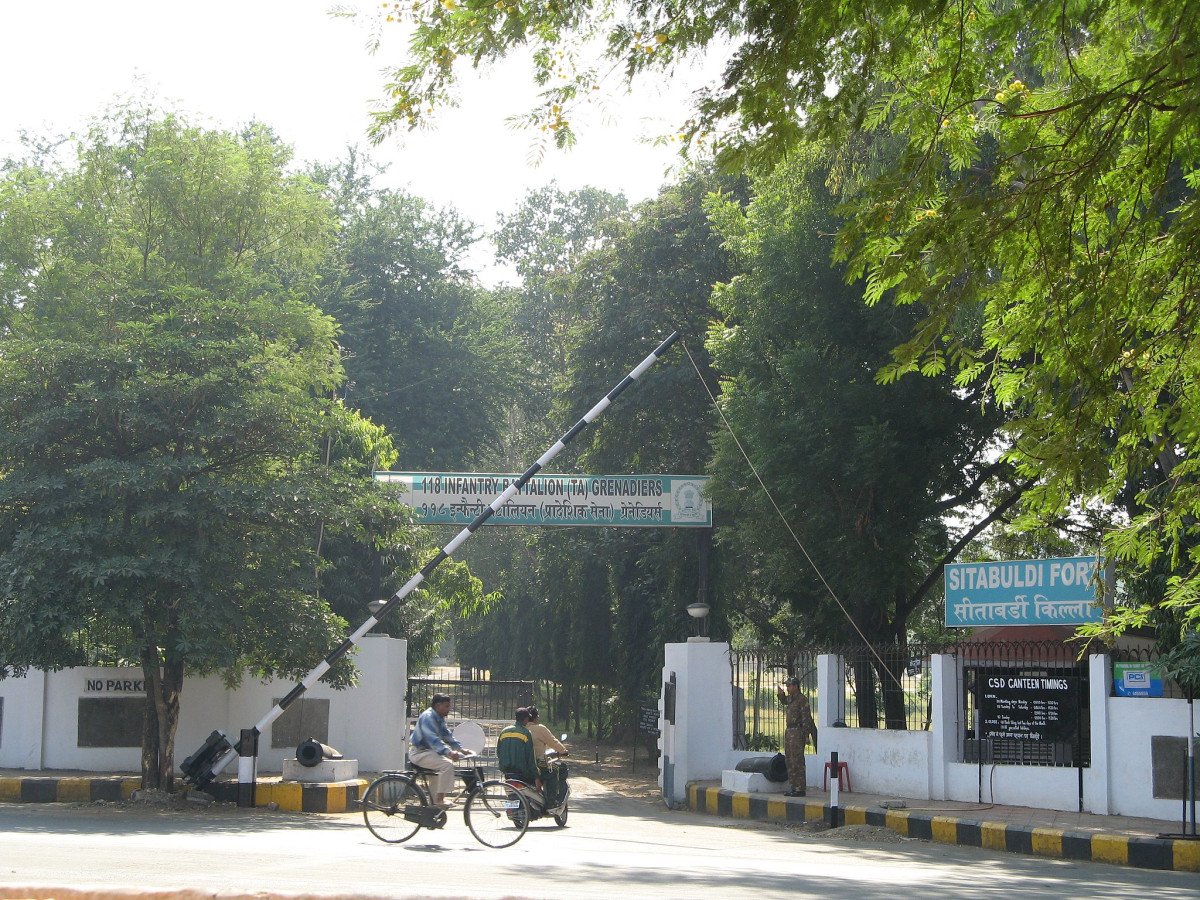
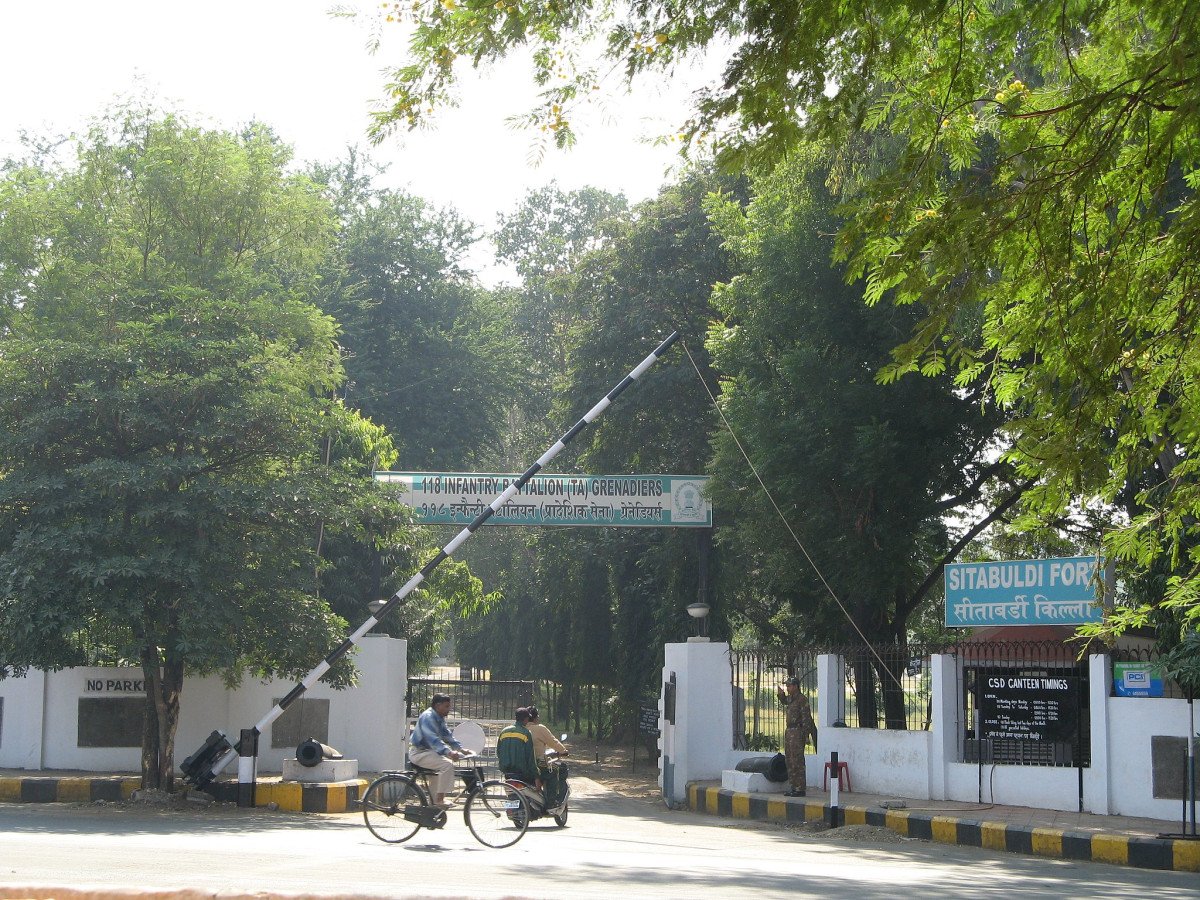
Regular Timings (Closed): The fort is an active Indian Army garrison and is closed to the general public on all regular days of the year. The fort maintains standard military operating hours for internal use.
Public Access Timings (Selected Day...Regular Timings (Closed): The fort is an active Indian Army garrison and is closed to the general public on all regular days of the year. The fort maintains standard military operating hours for internal use.
Public Access Timings (Selected Days Only):
The fort is open to the public on only three days: January 26th, May 1st, and August 15th. On these days, the fort is open for a limited window, typically from 8:30 AM to 3:00 PM or 8:00 AM to 4:00 PM. Visitors must plan their trip only for these specific dates and within these narrow time slots.
Ideal Visit Time: The best time to visit on the open days is early morning, right as the gates open (8:30 AM). This allows you to witness the flag hoisting ceremony and avoid the massive crowds that build up later in the day. Given the heat in May (for Maharashtra Day), an early morning visit is essential.Special Events:
Republic Day Celebrations (January 26th): On Republic Day, the fort is open to the public for a limited time. The Indian Army hosts a major flag hoisting ceremony, including military band performances, parades, and drills, making it a very patriotic and vibrant event. This...Republic Day Celebrations (January 26th): On Republic Day, the fort is open to the public for a limited time. The Indian Army hosts a major flag hoisting ceremony, including military band performances, parades, and drills, making it a very patriotic and vibrant event. This is arguably the most popular day for a public visit.
Maharashtra Day Observance (May 1st): The fort opens its gates on May 1st, celebrated as Maharashtra Day. Though the summer heat is intense, the opening allows visitors to explore the historical grounds. Special cultural or historical programs related to the state's formation are sometimes organized.
Independence Day Commemoration (August 15th): Similar to Republic Day, Independence Day features a solemn and patriotic flag hoisting ceremony and public access. The visit on this day resonates strongly with the national significance of the freedom struggle, especially given Mahatma Gandhi's connection to the fort.Best Photo Spots:
The Flag-Hoisting Point: The most iconic photo spot is near the main flag-hoisting area, where the large Indian flag is unfurled on public days. Capturing the flag against the backdrop of the fort's stone walls and the cityscape offers a majestic, patriotic photograph.
...The Flag-Hoisting Point: The most iconic photo spot is near the main flag-hoisting area, where the large Indian flag is unfurled on public days. Capturing the flag against the backdrop of the fort's stone walls and the cityscape offers a majestic, patriotic photograph.
The Wall with Gandhi's Cell: The exterior or approach to the cell where Mahatma Gandhi was imprisoned is a significant spot. A respectful photograph here, perhaps capturing the contrast between the old stone and the profound history, is a powerful memento.
The Panoramic City View: Use the height of the fort to take wide-angle photographs of the Nagpur skyline. The view of the Nagpur Junction Railway Station and the Ganesh Tekdi temple from this vantage point is unique and provides an excellent frame for landscape photography.
Stone and Basalt Textures: The thick, historical walls built from local sandstone and black basalt offer a great opportunity for close-up, architectural photography, focusing on the rough textures and the signs of age. This provides a detailed, historical perspective.Photo Gallery
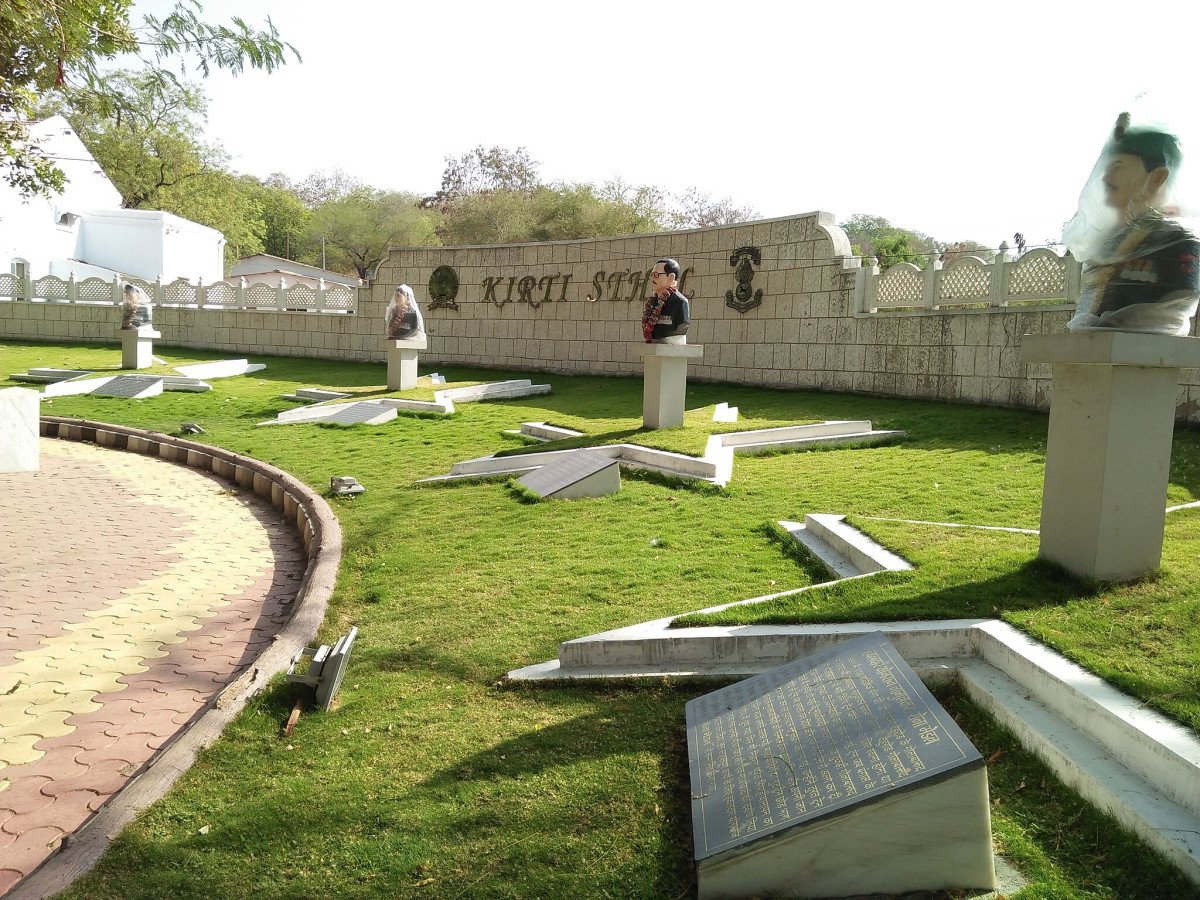
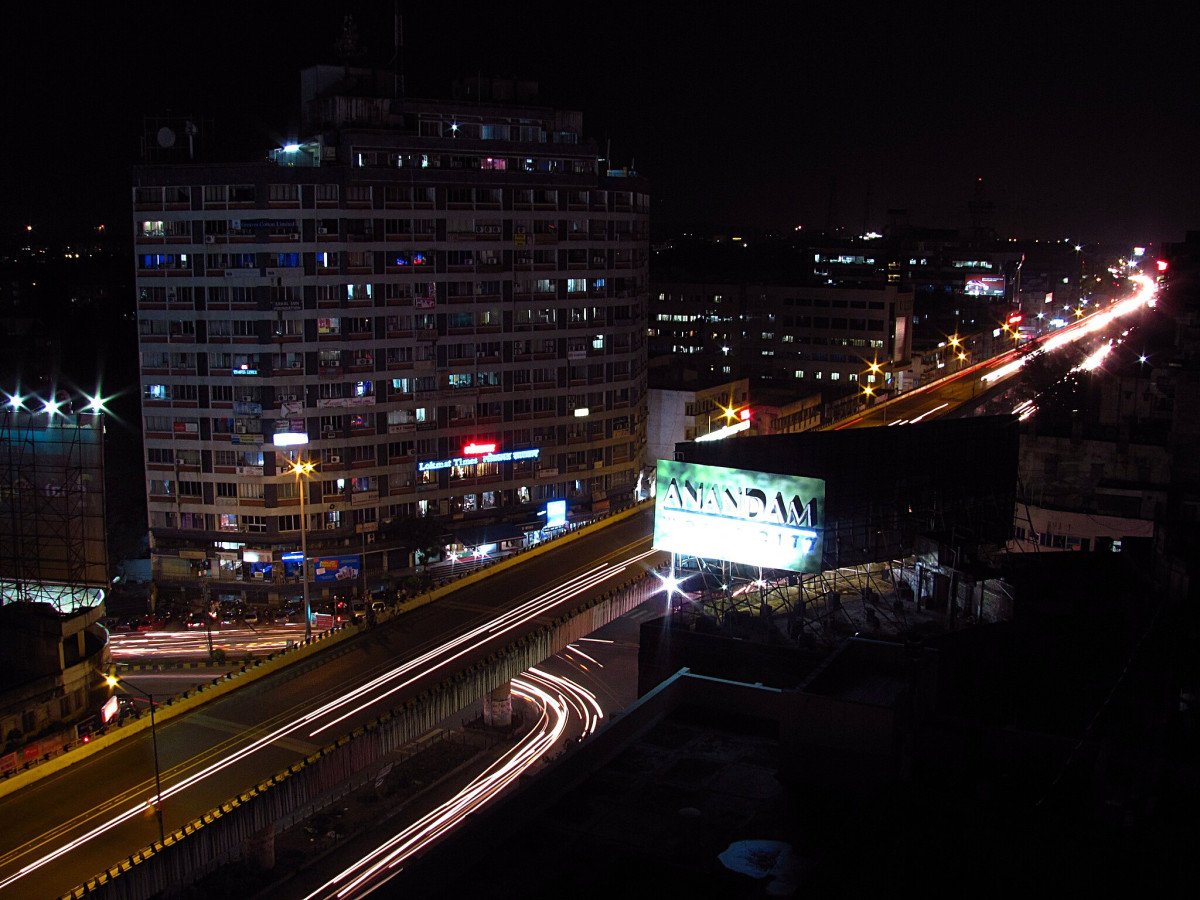
Things To Do
-
Attend the Flag Hoisting Ceremony: The primary activity is to visit the fort on one of the three public access days (January 26th, May 1st, or August 15th) and witness the ceremonial flag hoisting by the Indian Army. This event is highly patriotic, complete with a parade, band performance, and military displays, providing a unique insight into the defense forces' traditions and the fort's active military role.
Visit Mahatma Gandhi's Prison Cell: Seek out the small cell where Mahatma Gandhi was briefly imprisoned. This spot is a place of reverence and offers a profound moment for reflection on the struggles of India's independence movement. Take a moment to read any informational plaques placed there.
Explore the Fort Ramparts and Walls: Walk along the accessible portions of the fort walls. Th...
Information
-
Why Famous:
Site of the Battle of Sitabuldi: Its primary fame rests on its historical importance as the battleground for the 1817 clash between the Marathas and the British. This battle was a watershed moment, marking the beginning of the end of the Maratha power and securing British c...Site of the Battle of Sitabuldi: Its primary fame rests on its historical importance as the battleground for the 1817 clash between the Marathas and the British. This battle was a watershed moment, marking the beginning of the end of the Maratha power and securing British control over Central India, fundamentally shaping the region's geopolitical history.
Mahatma Gandhi's Imprisonment: The presence of a small lock-up cell where the Father of the Nation, Mahatma Gandhi, was briefly incarcerated in 1923 is a significant draw, connecting the colonial-era military fort with the Indian freedom struggle. This cell adds a layer of national pilgrimage and deep patriotic sentiment to the visit.
Rare Public Access: The fort is normally closed to the general public, as it is an active military garrison. Its opening on only three days a year (January 26th, May 1st, and August 15th) creates an intense demand for access on those dates, making a visit a special, rare opportunity. -
Architecture:
Military and Colonial Architectural Style: The fort is a classic example of colonial military architecture adapted to the local topography. It is a land fort, primarily constructed from durable materials like local sandstone and black basalt rock. The design is utilitarian...Military and Colonial Architectural Style: The fort is a classic example of colonial military architecture adapted to the local topography. It is a land fort, primarily constructed from durable materials like local sandstone and black basalt rock. The design is utilitarian, focusing on defense, with thick rampart walls, strategic gun emplacements (though these are now defunct), and large, open barracks areas.
The Dual Hillock Structure: The architecture is defined by its setting on two hillocks, Mothi Tekdi and Choti Tekdi. The fort structure strategically connects and utilizes the high ground of both hills, with the larger fort complex sitting on the higher Mothi Tekdi. The smaller, lower Choti Tekdi was also secured to maintain a defensive perimeter.
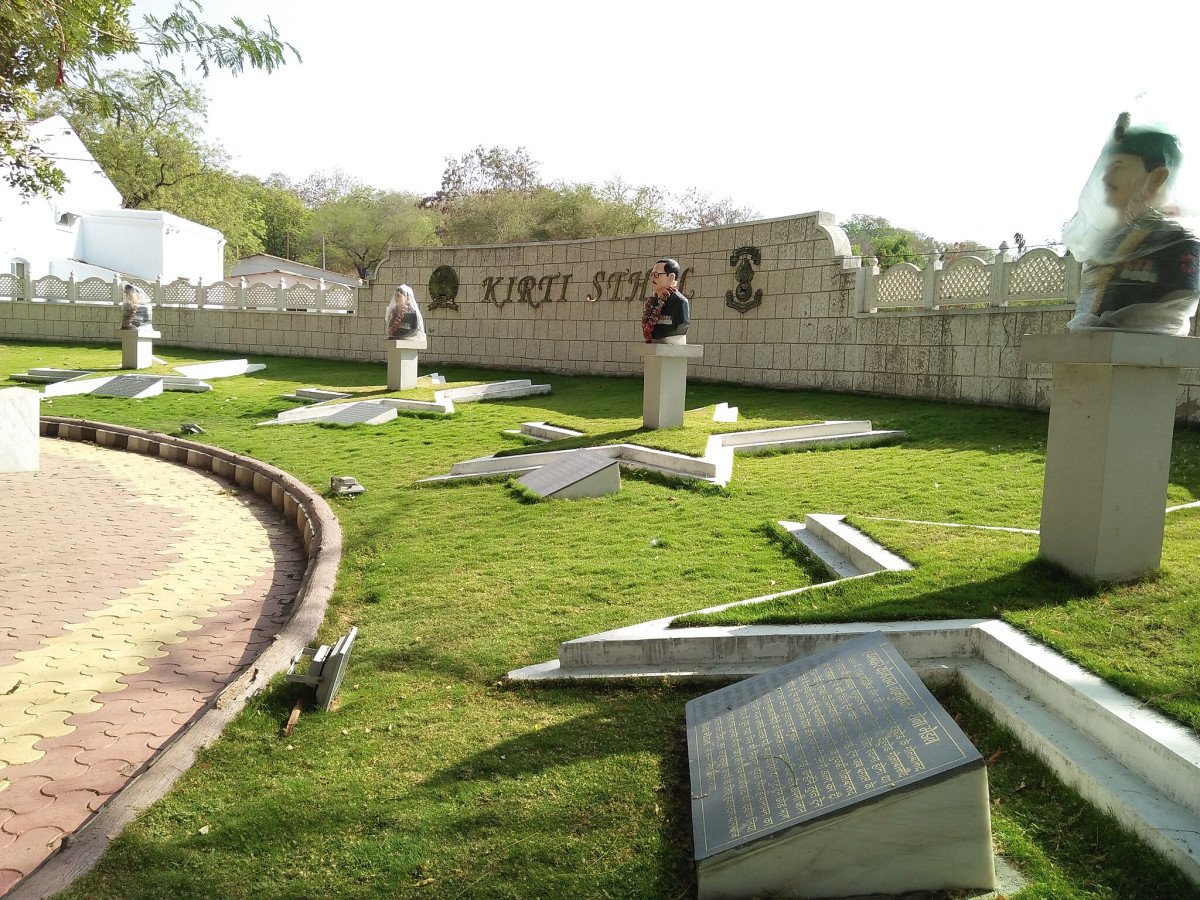
Dimension and Barracks: The entire complex covers the upper area of the two hillocks. The walls are robust and the pathways are designed for the movement of troops. Inside, the structures include the old prison cell (a very small, confined space), the flag-hosting area, and old barracks and administrative buildings now used by the Indian Army. The elevation of the high ground is significant, offering superior sightlines over the surrounding plains, which was critical during the battle. -
How To Reach:
By Air: The Dr. Babasaheb Ambedkar International Airport (NAG) is approximately 10 KMS from the fort. A pre-paid taxi or app-based cab can be hired, and the drive to the central Sitabuldi area takes about 30 minutes. Since the fort is located in a high-traffic zone, be pr... -
Near Tourist Places:
Shri Ganesh Mandir Tekdi (0. 5 KMS), Nagpur Junction Railway Station (1 KM), Zero Mile Stone (1 KM), Raman Science Center (1 KM), Sitabuldi Market (0. 5 KMS), Maharaj Bagh and Zoo (3 KMS), Deeksha Bhoomi (4 KMS), Variety Square (1. 5 KMS), Ram Jhula (2 KMS), Swaroop Talkies (0. 5 KMS)
Tourism Tips
-
Health & Safety: On public days, the fort is extremely crowded. Maintain a high level of situational awareness, keep an eye on personal belongings, and be patient with queues. Wear comfortable, closed-toe walking shoes for navigating the stone pathways and steps on the hil...
Reviews
Nagpur Itineray And Cost:-
Information about New and Updated Locations() of Maharashtra Has Been Added :-
Card subtitle
Note:-
Information provided here in good Faith and for reference only.
All information and pictures will be updated soon, please keep visiting.
Near Places
Ambazari Lake & Garden
Some quick example text to build on the card title and make up the bulk of the card's content.
Go somewhere
Deeksha Bhoomi
Some quick example text to build on the card title and make up the bulk of the card's content.
Go somewhere
Dragon Palace Buddhist Temple
Some quick example text to build on the card title and make up the bulk of the card's content.
Go somewhere
Futala Lake
Some quick example text to build on the card title and make up the bulk of the card's content.
Go somewhere
Gandhi Sagar Lake
Some quick example text to build on the card title and make up the bulk of the card's content.
Go somewhere
Japanese Rose Garden
Some quick example text to build on the card title and make up the bulk of the card's content.
Go somewhere
Khekranala Lake & Dam
Some quick example text to build on the card title and make up the bulk of the card's content.
Go somewhere
Khindsi Lake
Some quick example text to build on the card title and make up the bulk of the card's content.
Go somewhere
Koradi Temple
Some quick example text to build on the card title and make up the bulk of the card's content.
Go somewhere
Lata Mangeshkar Musical Garden
Some quick example text to build on the card title and make up the bulk of the card's content.
Go somewherein Other Cities