

Sofi Nagar Darga
General information
-
Ideal Duration:
1 to 2 Hours:Place Type:
Religious / Sufi Shrine:Entry Fees:
Darshan is Free: There is no entry fee for visiting the Sofi Nagar Darga and the main mausoleum.
Donation: Visitors are welcome to offer voluntary donations for the maintenance of the shrine, the continuation of the Khanaga's teaching, and t...Darshan is Free: There is no entry fee for visiting the Sofi Nagar Darga and the main mausoleum.
Donation: Visitors are welcome to offer voluntary donations for the maintenance of the shrine, the continuation of the Khanaga's teaching, and the support of the various community services.
Chaddar Offering: There is a cost associated with purchasing the ceremonial Chaddar (cloth covering) and flowers to offer at the tomb, which can vary from INR 50 to 500 depending on quality. The Darga is a sacred site that remains universally accessible due to its policy of free entry. :Timing:
Regular Timings: Open daily from approximately 5:00 AM to 9:00 PM. The attached mosque adheres to the five daily prayer times.
Ideal Visit Time: Early Morning or Late Afternoon for the coolest temperature and a peaceful environment. Visit ...Regular Timings: Open daily from approximately 5:00 AM to 9:00 PM. The attached mosque adheres to the five daily prayer times.
Ideal Visit Time: Early Morning or Late Afternoon for the coolest temperature and a peaceful environment. Visit during the evening for the pleasant atmosphere of the twilight hours.
Urs Timings: During the Urs, the complex remains open much later, sometimes throughout the night, with the main events scheduled in the evening. Visitors should check the specific dates for the annual Urs (usually based on the Hijri calendar). :Special Events:
Annual Urs Festival: This is the most significant event, celebrated annually, often spanning six days. It is marked by a huge gathering of pilgrims from across the region, special prayers, processions, and continuous Qawwali musical programs at night. The event is a vibran...Annual Urs Festival: This is the most significant event, celebrated annually, often spanning six days. It is marked by a huge gathering of pilgrims from across the region, special prayers, processions, and continuous Qawwali musical programs at night. The event is a vibrant demonstration of the saint's enduring influence and the communal harmony in Nirmal.
Monthly Fatiha Gatherings: On certain Islamic calendar dates, smaller, regular gatherings (Fatiha) are held, involving devotional recitations and prayers, drawing local and regional devotees. :Best Photo Spots:
The Darga Dome and Minarets: Capture the main white-marble dome and the associated minarets against the sky, symbolizing Islamic architecture and the tranquility of the shrine.
The Four Entrances: A photo of one of the main welcoming entranc...The Darga Dome and Minarets: Capture the main white-marble dome and the associated minarets against the sky, symbolizing Islamic architecture and the tranquility of the shrine.
The Four Entrances: A photo of one of the main welcoming entrances, highlighting the archway and any intricate tile work or carving.
The Garden View: Frame the Darga through the trees and flowers of the surrounding gardens for a serene and picturesque composition.
Qawwali Night Lighting: During the Urs (if permitted), the illuminated complex during the night Qawwali sessions provides a dramatically lit and highly evocative photo opportunity of the festival atmosphere. :Photo Gallery
Things To Do
-
Offer Prayers (Ziyarat): Visit the main mausoleum to offer flowers and chaddars (cloth coverings) and recite prayers (Fateha) to the saint.
Attend Qawwali: If possible, attend the captivating Qawwali musical sessions, especially during the annual Urs festival, which are a traditional form of devotional Sufi singing.
Observe Architecture: Note the blend of features—the dome, the four entrances, and the calligraphy—which reflects the aesthetic of the region's Indo-Islamic style.
Meditation: Sit quietly in the Darga or the surrounding garden to practice personal meditation or reflection on the Sufi principles of peace and love.
Visit the Mosque: Offer prayers at the adjacent mosque, Masjid e Gouse e Azam.
Read MoreOffer Prayers (Ziyarat): Visit the main mausoleum to offer flowers and chaddars (cloth coverings) and recite prayers (Fateha) to the saint.
Attend Qawwali: If possible, attend the captivating Qawwali musical sessions, especially during the annual Urs festival, which are a traditional form of devotional Sufi singing.
Observe Architecture: Note the blend of features—the dome, the four entrances, and the calligraphy—which reflects the aesthetic of the region's Indo-Islamic style.
Meditation: Sit quietly in the Darga or the surrounding garden to practice personal meditation or reflection on the Sufi principles of peace and love.
Visit the Mosque: Offer prayers at the adjacent mosque, Masjid e Gouse e Azam.
Interact with Locals: Speak with the caretakers or long-time devotees to learn about the saint's miracles and local folklore associated with the shrine, gaining a deeper spiritual insight. :
Information
-
Why Famous:
Syncretic Pilgrimage: It is famous as a symbol of communal harmony, attracting a large number of followers from different faiths, including Hindus and Muslims, who come to pay their respects and seek the saint's blessings. This inclusiveness is a key aspect of its fame.Syncretic Pilgrimage: It is famous as a symbol of communal harmony, attracting a large number of followers from different faiths, including Hindus and Muslims, who come to pay their respects and seek the saint's blessings. This inclusiveness is a key aspect of its fame.
Sufi Spiritual Center: It is an important center for the Qadri Sufi order in the Telangana region, continuing the saint's mission of preaching peace, spiritual guidance, and the teachings of Islam.
Fulfillment of Wishes: Devotees have a strong belief that the saint, Hazrat Sufi Hussain Ali Shah Qadri, grants the wishes and desires of those who visit his shrine with a sincere heart, reinforcing its importance as a sacred spot. : -
Architecture:
Indo-Islamic Darga Architecture: The Darga's architecture is a fine example of later Indo-Islamic style, with regional Deccani influences. The overall complex is designed for tranquility and pilgrimage.
Structural Components: The main shrin...Indo-Islamic Darga Architecture: The Darga's architecture is a fine example of later Indo-Islamic style, with regional Deccani influences. The overall complex is designed for tranquility and pilgrimage.
Structural Components: The main shrine (Mausoleum) is typically built of brick and finished with white marble or painted plaster, featuring a characteristic dome-shaped roof and four welcoming entrances (reflecting the openness of Sufism). The complex includes the central tomb room, a Khanaga (cult center for teaching), and a Masjid (mosque).
Approximate Dimensions and Features: The complex is surrounded by beautiful gardens, enhancing its peaceful atmosphere. The main tomb room is modest, but the accompanying Khanaga and the newer Masjid (Masjid e Gouse e Azam) can be quite spacious, built to accommodate large congregations during the Urs festival. The use of intricate calligraphy and fine carvings is a typical feature of Islamic architecture found in the Darga. : -
How To Reach:
By Air: Nearest major airport is Rajiv Gandhi International Airport (HYD) in Hyderabad (285 KM). The journey requires a subsequent road trip to Nirmal.
By Train: Nearest major station is Mancherial Railway Station (MCL) (85 KM). Take a bus...By Air: Nearest major airport is Rajiv Gandhi International Airport (HYD) in Hyderabad (285 KM). The journey requires a subsequent road trip to Nirmal.
By Train: Nearest major station is Mancherial Railway Station (MCL) (85 KM). Take a bus or taxi to the Nirmal Bus Stand.
By Road: The Darga is located in the Sufinagar area, approximately 5 KM from the Nirmal town center, accessible via local roads. An auto-rickshaw or taxi can be hired easily from the main part of town.
By Local Transport: Auto-rickshaws are the most common and convenient way to reach the Darga. Since it is a bit outside the central area, negotiate a round-trip fare with the driver. : -
Weather and Best Time to Visit:
Different Types of Seasons: Winter (October to February) is the most pleasant time for a visit. Summer is very hot, so early morning or late evening visits are a must. Monsoon (June to September) brings a lush, clean environment and is a good time to visit for the atmosphe...Different Types of Seasons: Winter (October to February) is the most pleasant time for a visit. Summer is very hot, so early morning or late evening visits are a must. Monsoon (June to September) brings a lush, clean environment and is a good time to visit for the atmosphere, though travel can be slightly affected by rain.
Different Parts of the Day: Early Morning is best for solitude and peaceful prayer. Evening is highly recommended for the pleasant weather and the possibility of witnessing small, informal devotional gatherings or recitations. : -
Near Tourist Places:
1. Sarad Mahel (2 KM) 2. Nirmal Fort (Shamgarh) (4 KM) 3. Rathaala Gudi (6 KM) 4. Omkareshwar Mandir (5 KM) 5. Nagareshwara Temple (6 KM) 6. Sathnala Dam (15 KM) 7. Mini Tank Bund (7 KM) 8. Kuntala Waterfalls (55 KM) 9. Pochera Waterfalls (40 KM) 10. Soan Garh Fort (16 KM)
Tourism Tips
-
Health & Safety: Dress modestly, covering the head (especially for women) when entering the main shrine. Remove footwear before entering the Darga compound. Carry water.
Packing: If visiting during the Urs, pack patience, as the crowds wil...Health & Safety: Dress modestly, covering the head (especially for women) when entering the main shrine. Remove footwear before entering the Darga compound. Carry water.
Packing: If visiting during the Urs, pack patience, as the crowds will be large. Carry a shawl or scarf. Small change can be useful for local vendors.
Accommodation: Stay in the hotels in Nirmal town, a short distance away. There is an old Dharmashala (rest house) for pilgrims, but modern amenities are best found in the main town.
Other Different Topics: Maintain a quiet and respectful demeanor inside the complex. The Darga is an active place of worship and community. Do not take photos in restricted areas or of the main tomb unless permission is granted. :
Reviews
FAQs
Nirmal Itineray And Cost:-
Sofi Nagar Darga Tourism:-
Information about New and Updated Locations() of Telangana Has Been Added :-
Card subtitle
Note:-
Information provided here in good Faith and for reference only.
Near Places
Adelli Pochamma Temple
Some quick example text to build on the card title and make up the bulk of the card's content.
Go somewhere
Ayyappa Temple
Some quick example text to build on the card title and make up the bulk of the card's content.
Go somewhere
Balaji Temple / Devarakota Temple
Some quick example text to build on the card title and make up the bulk of the card's content.
Go somewhere
Basara Saraswathi Temple
Some quick example text to build on the card title and make up the bulk of the card's content.
Go somewhere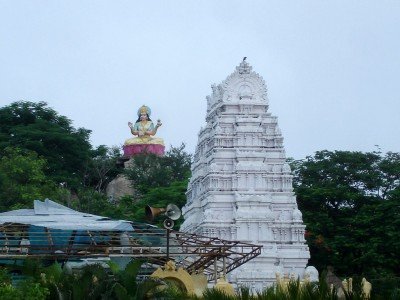
Boorgupally Shivalayam
Some quick example text to build on the card title and make up the bulk of the card's content.
Go somewhere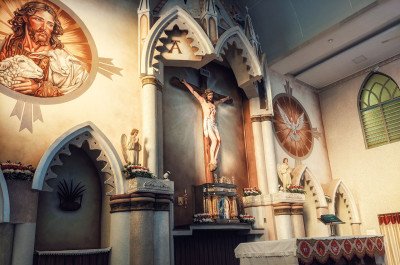
Gajulpet Church
Some quick example text to build on the card title and make up the bulk of the card's content.
Go somewhere
Gandi Ramanna Temple
Some quick example text to build on the card title and make up the bulk of the card's content.
Go somewhere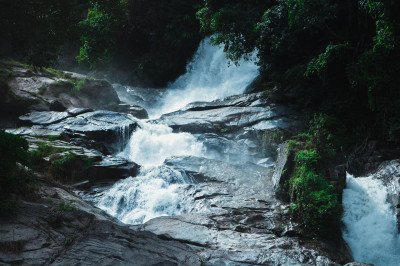
Gayatri Waterfalls
Some quick example text to build on the card title and make up the bulk of the card's content.
Go somewhere
Jungle Hanuman
Some quick example text to build on the card title and make up the bulk of the card's content.
Go somewhere
Kadem Project
Some quick example text to build on the card title and make up the bulk of the card's content.
Go somewhere
Kadile Papahareshwara Temple
Some quick example text to build on the card title and make up the bulk of the card's content.
Go somewhere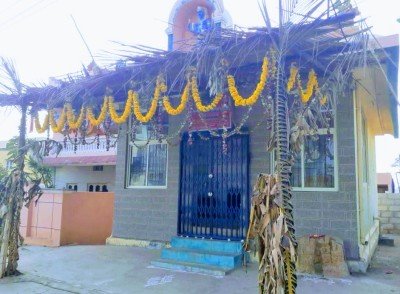
Kalabhairava Temple
Some quick example text to build on the card title and make up the bulk of the card's content.
Go somewhere
Kortikal Waterfall
Some quick example text to build on the card title and make up the bulk of the card's content.
Go somewhere
Kuntala Waterfalls
Some quick example text to build on the card title and make up the bulk of the card's content.
Go somewhere
Maha Lakshmi Temple
Some quick example text to build on the card title and make up the bulk of the card's content.
Go somewhere
Mini Tankbund
Some quick example text to build on the card title and make up the bulk of the card's content.
Go somewherein Other Cities